You have a groundbreaking idea for a new accessory line—maybe it’s a bag with a patented closure, a hat with integrated tech, or a scarf made from a revolutionary eco-material. Your vision is clear, but you hit a wall: production. Most factories just follow orders; they can’t develop. You’re left wondering, how do you find a manufacturing partner that doesn’t just make, but also invents alongside you? This gap between idea and execution is where a factory’s R&D strength becomes your most valuable asset.
To find a fashion accessory factory with a strong R&D (Research and Development) team, you must look beyond basic production capabilities and actively vet for evidence of innovation, technical problem-solving, and collaborative design partnership. Key indicators include a dedicated R&D department with material and engineering specialists, a portfolio of custom-developed products (not just catalog items), in-house prototyping facilities, and a proactive approach to suggesting material and construction improvements during the sampling phase. This requires a shift from a buyer-supplier dynamic to a true co-development partnership.
Identifying such a factory is a strategic process that goes far deeper than checking Alibaba profiles. It involves asking the right questions, knowing what physical and organizational signs to look for, and understanding how a powerful R&D function translates into tangible benefits for your brand—from faster time-to-market to higher product quality and differentiation. Let’s explore the concrete steps and criteria to secure this critical partnership.
What Are the Visual Signs of a Factory’s R&D Investment?
A factory’s physical space and organizational structure reveal much more about its R&D commitment than any sales pitch. Strong R&D is not an abstract concept; it has a tangible footprint within the facility.
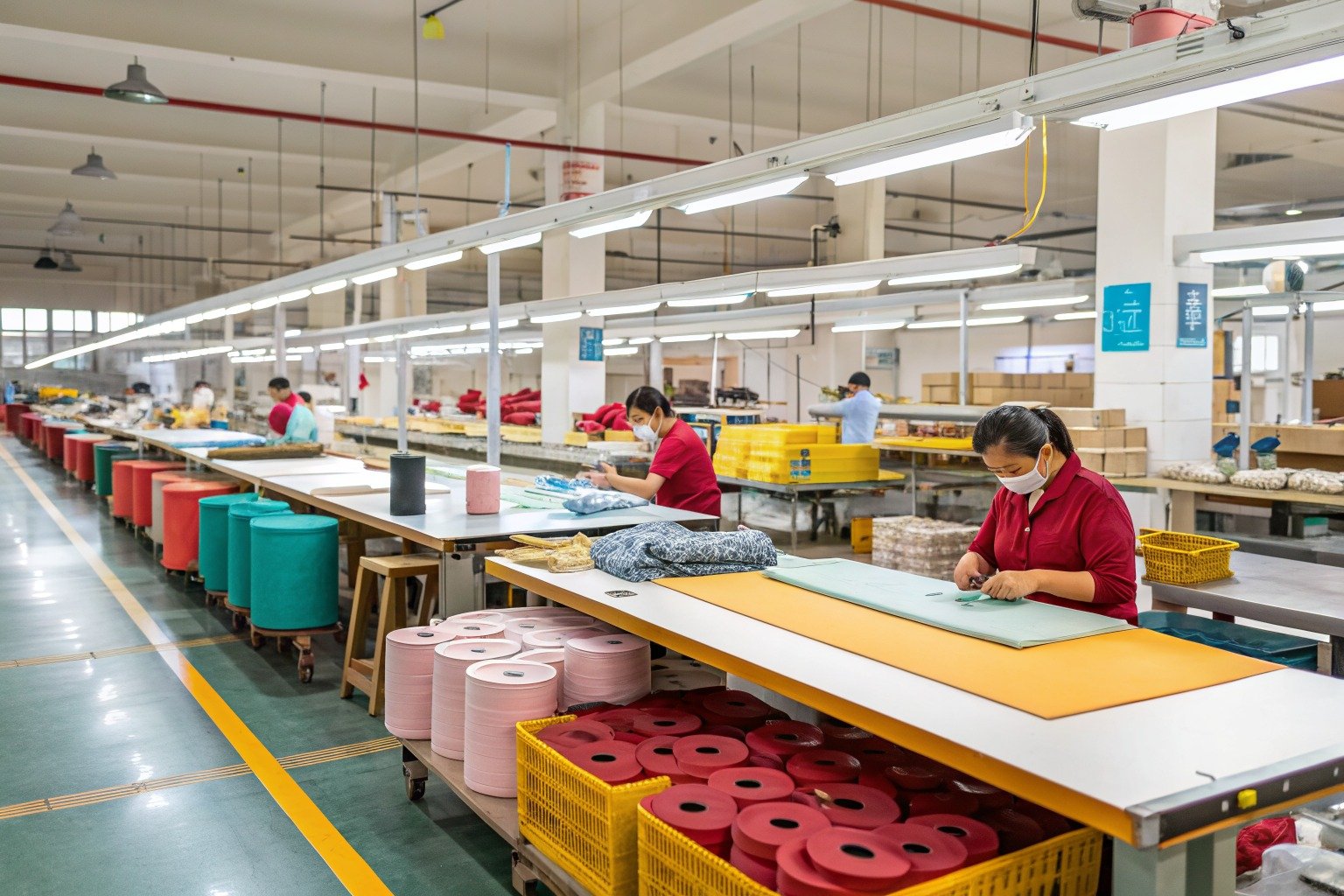
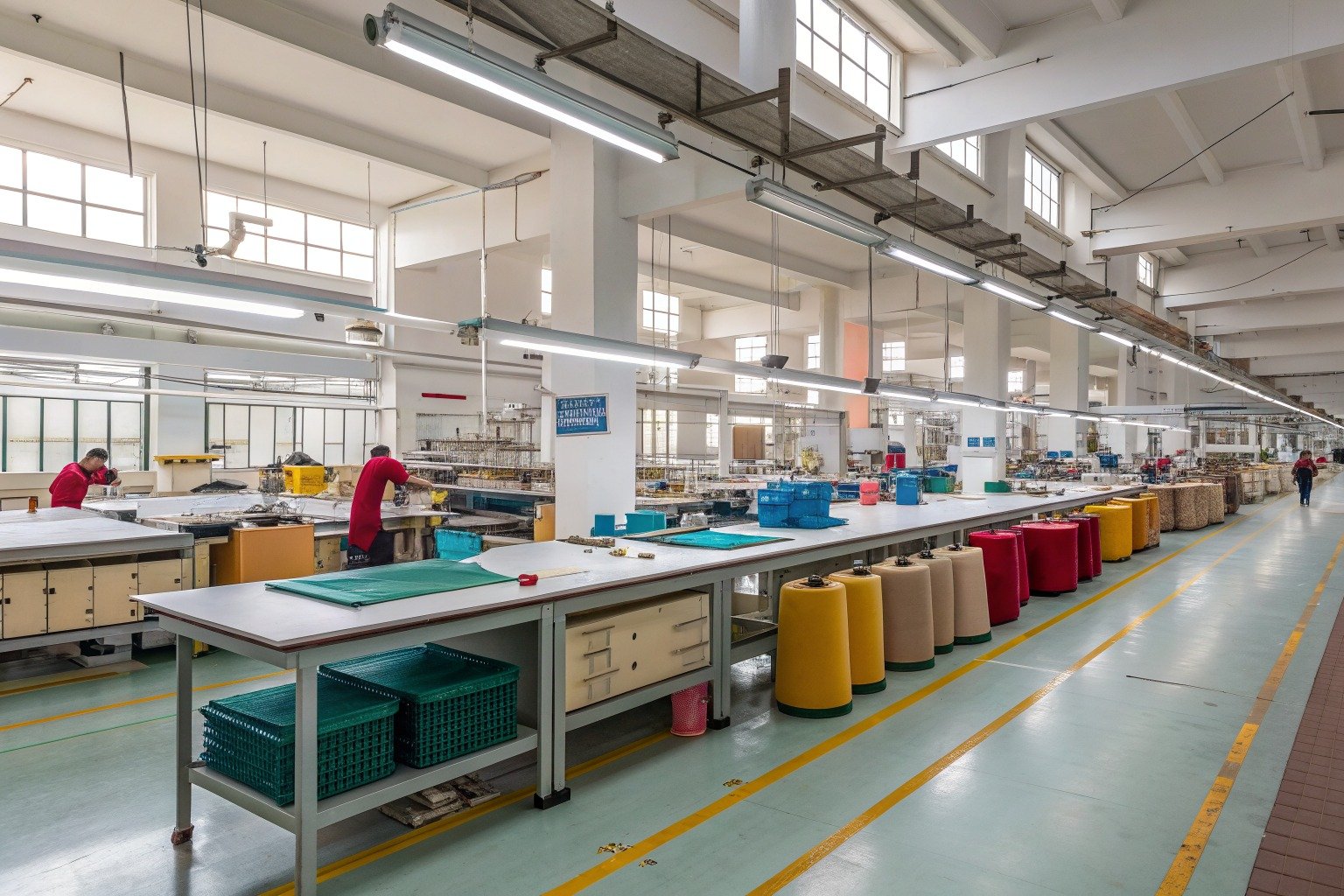
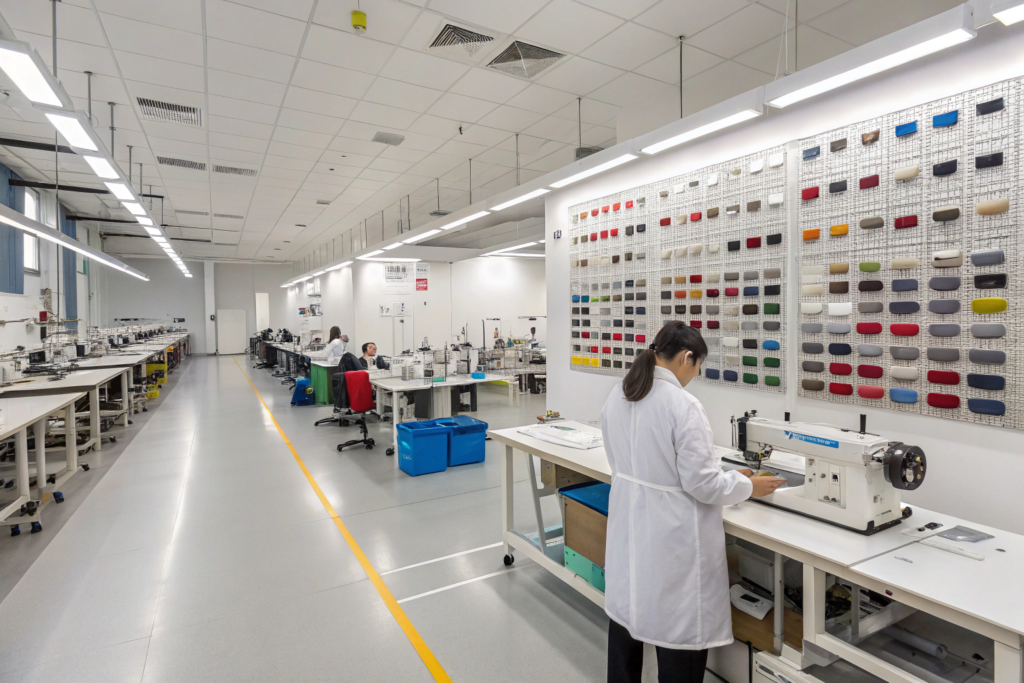
When visiting a potential partner, don’t just tour the production lines. Specifically ask to see their R&D department, sample room, and material library. A serious R&D investment is marked by dedicated spaces separate from mass production. Look for areas equipped with 3D printers, laser cutters, sewing and prototyping stations for small batches, and extensive racks of material swatches (fabrics, leathers, metals, trims) from various global suppliers. The presence of skilled technicians and sample makers working in this area, not just on the main floor, is a critical sign. This infrastructure shows the factory allocates resources to experimentation and development before an order is ever placed.
What should you look for in a factory’s sample room?
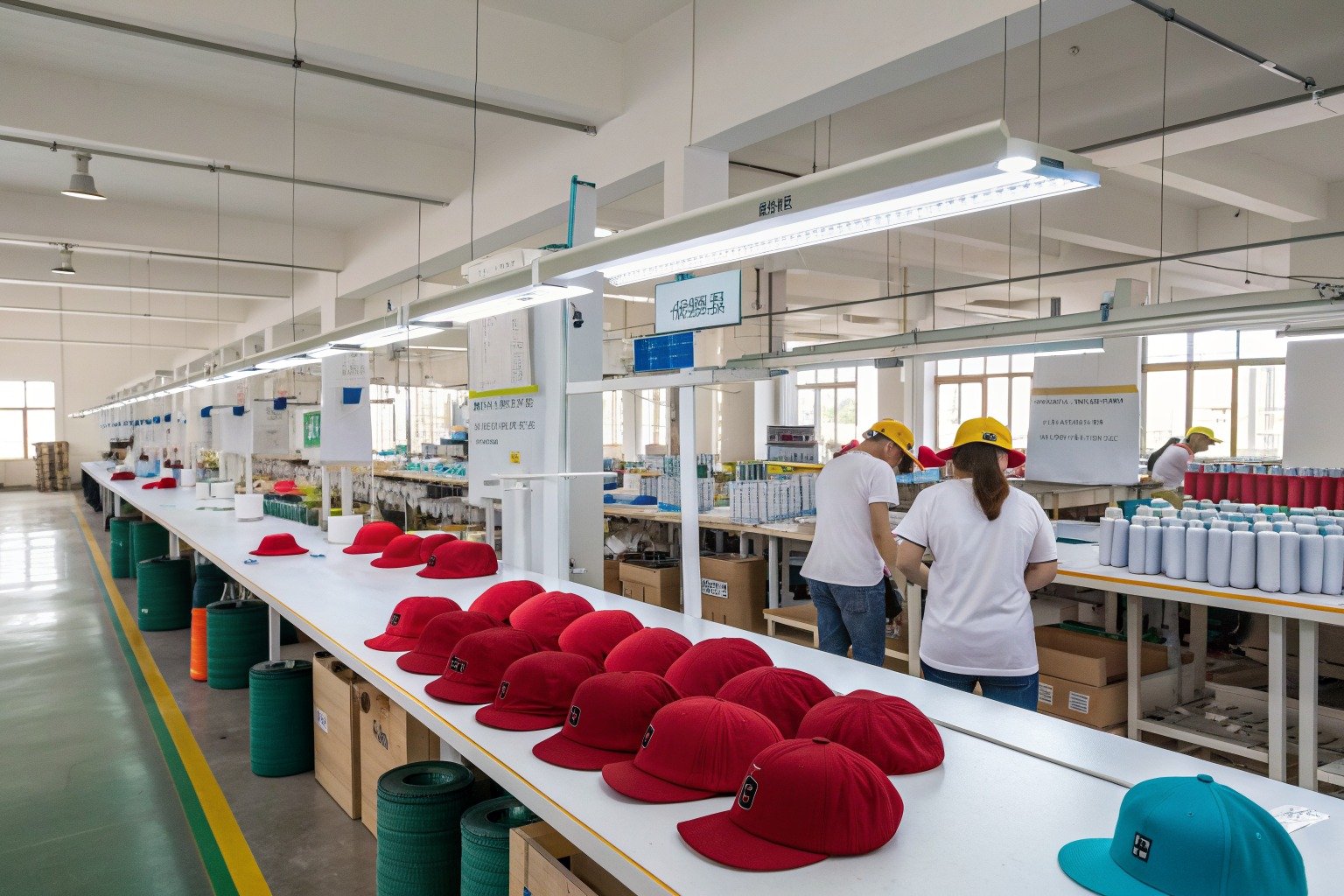
The sample room is the heartbeat of R&D. It should be active and organized. Look for samples in various stages: from rough first prototypes made from substitute materials to near-final pre-production samples. Observe if they are working on multiple, distinctly different projects simultaneously—this indicates breadth of capability. Ask who works there. Are they junior assemblers or experienced master sample makers with years of pattern-making and construction expertise? The latter is crucial for translating complex designs into manufacturable products. A high-quality sample room operates as a mini-factory for innovation, where problems are solved before they reach the production line, ensuring smoother quality control later.
How does an in-house material library demonstrate R&D strength?
A comprehensive, well-curated material library is a factory’s encyclopedia of possibilities. It should contain not just common fabrics, but also innovative materials like recycled PET felts, bio-based polymers, water-resistant technical coatings, and new metal alloy finishes. The library should be systematically organized and regularly updated. When you present a concept, a strong R&D team will pull relevant swatches, suggesting alternatives that may be more durable, cost-effective, or sustainable. This proactive, knowledge-based approach is a hallmark of a partner like Shanghai Fumao Clothing, where R&D is integrated into the client conversation from day one, directly impacting the product development cycle.
What Questions Uncover a Team’s True Development Capability?
Your dialogue with the factory must move past price and MOQ. The questions you ask should be designed to elicit evidence of problem-solving, innovation history, and collaborative process.
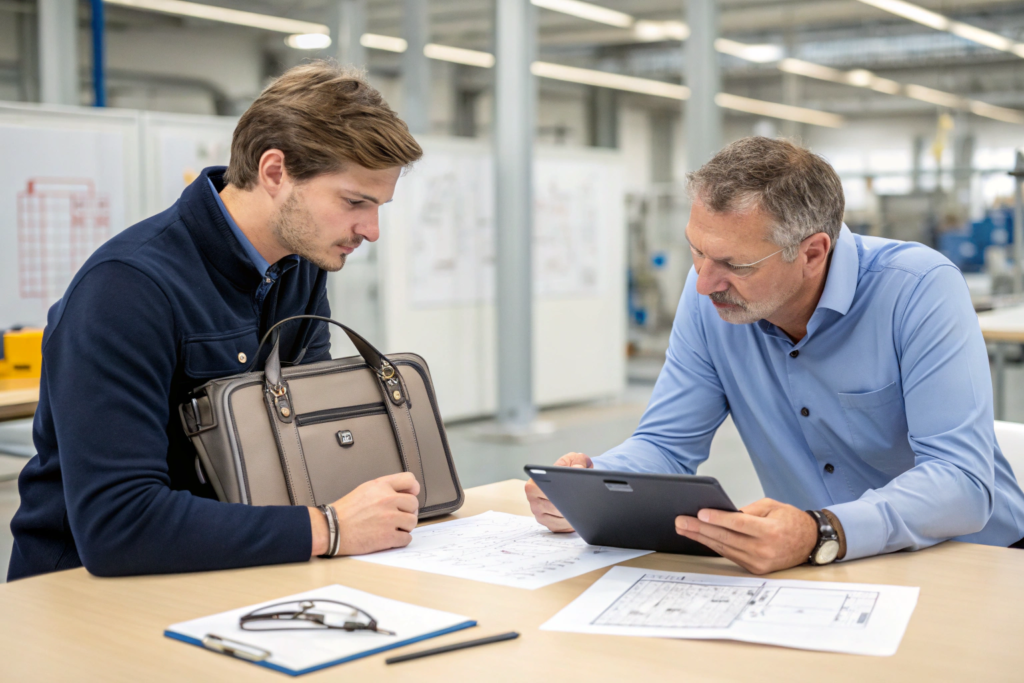
Start by discussing challenges, not just specifications. Present a concept with a tricky element—a unique folding mechanism, a need for ultra-lightweight strength, or a custom-dye effect. Listen not for a simple "yes, we can do it," but for a series of clarifying questions and proposed solutions. A strong R&D team will engage technically, discussing potential materials, construction methods, and trade-offs.
Can you walk me through a past custom development project?
Request a detailed case study. Ask them to select a product they developed from scratch (not modified from an existing model) for a client. Have them walk you through the journey: the initial client concept, the challenges faced (e.g., sourcing a special component, achieving a specific drape), the iterations of samples, and the final solution. Pay attention to how many sample rounds were typical and why. This narrative reveals their process, persistence, and ability to navigate from abstract idea to tangible product. It also shows their transparency and pride in their work, key ingredients for a trusting partnership.
What is your team’s structure and expertise?
Ask specifically about the R&D team’s composition. Do they have dedicated roles such as material specialists, hardware engineers, pattern technicians, and trend researchers? What is their background? Engineers from related fields or seasoned artisans? Inquire about their investment in training and staying updated on new technologies and materials (e.g., attendance at material fairs like Première Vision). A structured, knowledgeable team is far more capable than a single overburdened developer. This depth allows them to assist across all our product categories—from technical bags to knitted hats—ensuring every project benefits from specialized insight.
How Does Strong R&D Impact Product Quality and Efficiency?
A robust R&D function is not a cost center; it’s a strategic engine that drives superior outcomes in product performance, production speed, and cost management. It creates value long before and after the production run.
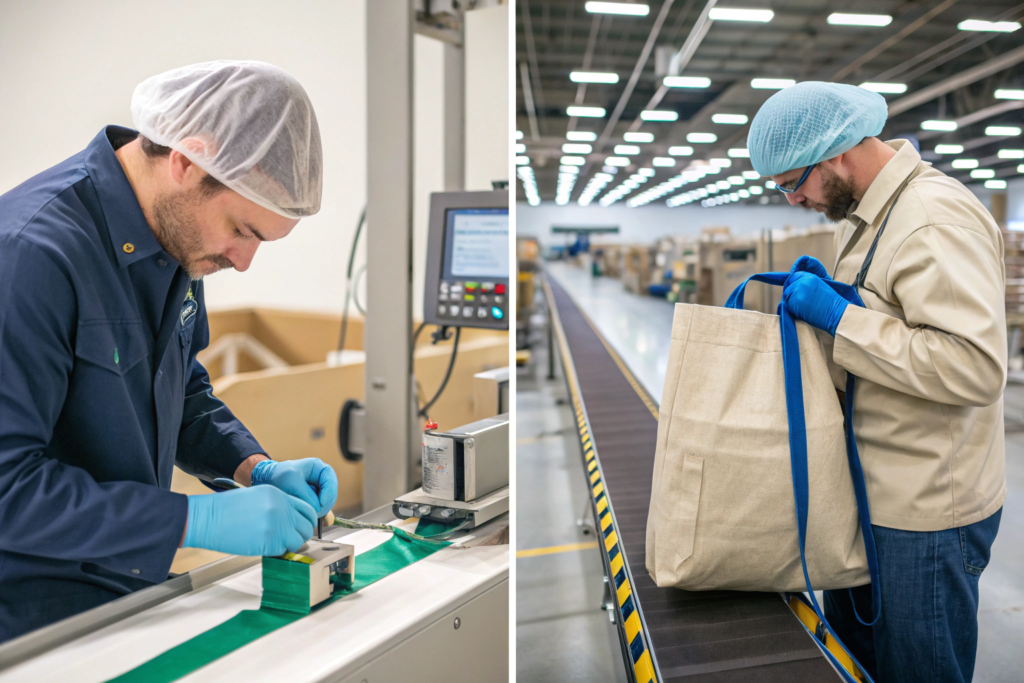
The core benefit is front-loaded problem-solving. By thoroughly testing materials, construction techniques, and assembly processes during development, the R&D team identifies and resolves potential quality issues. This prevents costly errors, rework, and delays during mass production. It leads to a more refined, durable, and functional final product. Furthermore, a skilled R&D team designs for manufacturability, simplifying assembly where possible without compromising design intent, which improves production efficiency and yield.
How does R&D reduce time-to-market?
In fast-moving fashion, speed is currency. A factory with integrated R&D accelerates the entire cycle. They can produce rapid prototypes (e.g., via 3D printing) for quick design validation. Their material library and supplier relationships allow for faster sourcing. Their expertise prevents the back-and-forth of failed samples. This streamlined development process can shave weeks off your timeline, allowing you to capitalize on trends and meet critical retail deadlines. For a brand, this agility is a direct competitive advantage, turning the factory’s R&D capability into your own market responsiveness.
Can a strong R&D team help with sustainability and compliance?
Absolutely. This is increasingly a core R&D function. A knowledgeable team can guide you toward eco-friendly material alternatives, such as recycled nylons, organic cottons, or chrome-free leathers, and verify their certifications. They understand the chemical compliance standards (like REACH, CPSIA) for different markets and can test materials to ensure adherence, mitigating your legal and reputational risk. They can also develop designs that minimize material waste through efficient pattern cutting. This turns compliance from a reactive burden into a proactively designed feature, appealing to the growing market of conscious consumers.
What Are the Red Flags and Green Flags in Your Search?
Knowing what to avoid is as important as knowing what to seek. Distinguishing between marketing claims and genuine capability will save you significant time and potential partnership headaches.
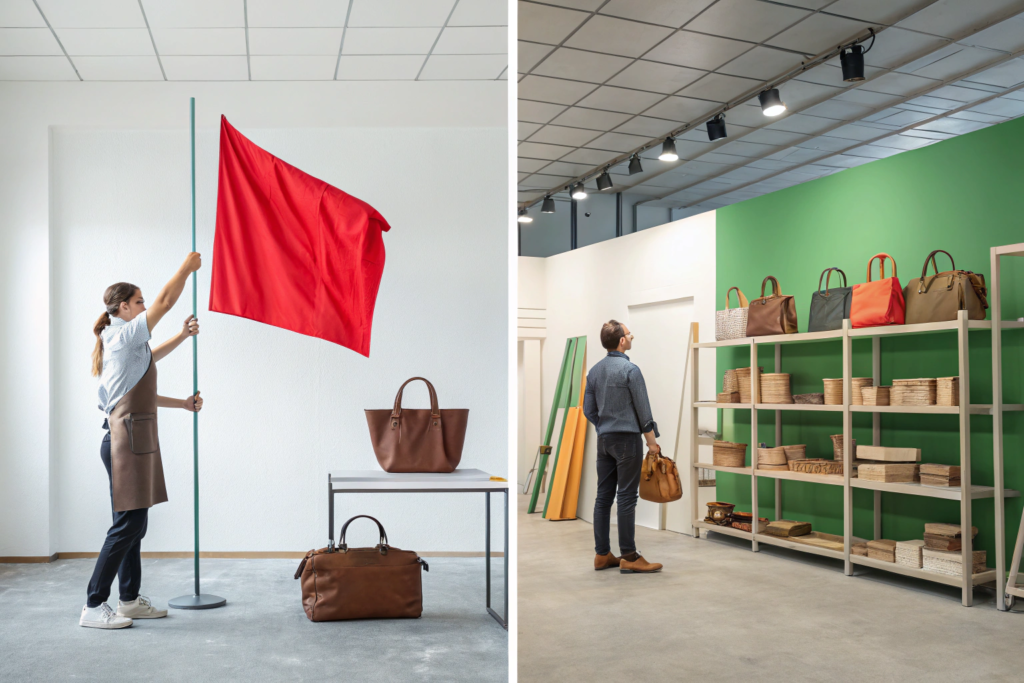
Red Flags include: evasion when asked to see the R&D area; a sample room that only has perfect, catalog-style samples with no works-in-progress; an inability to provide specific examples of past custom work; a team that immediately says "yes" to every complex request without asking detailed questions; and a primary focus on pushing existing catalog items rather than exploring your custom idea.
Green Flags include: eager invitation to tour R&D facilities; a portfolio showing evolutionary stages of products; team members who ask insightful, technical questions; transparency about challenges and realistic timelines; and a demonstrated willingness to invest time in the development dialogue before discussing large order commitments.
Why is a "problem-solving" attitude more important than a "yes-man" attitude?
A factory that always agrees is a liability. Complex accessory development is fraught with unseen challenges. A partner with a strong R&D foundation will have the confidence and expertise to identify potential pitfalls early—whether it’s a chosen leather that’s too stretchy for structured shape or a plastic component that may break under stress. They come to the table not to shut down ideas, but to solve problems collaboratively, often offering better, more robust alternatives. This honest, solutions-oriented dialogue is the bedrock of a partnership that will consistently deliver quality and innovate successfully.
How do you evaluate communication and project management in R&D?
Observe the process from your first inquiry. Does a dedicated project manager or R&D liaison get assigned to you? Is communication clear, timely, and technically detailed? Do they provide regular updates during sampling, including photos and explanations of any adjustments made? Strong R&D is supported by strong project management that ensures ideas are tracked, feedback is incorporated, and timelines are met. This organizational discipline is what transforms creative R&D work into reliable, on-schedule product launches, seamlessly connecting development capability with final logistics and delivery.
Conclusion
Finding a fashion accessory factory with a truly strong R&D team requires a forensic approach that prioritizes evidence of innovation over promises of low cost. It’s about identifying a partner with the physical infrastructure, specialized talent, problem-solving culture, and proven process to co-create, not just manufacture.
The payoff is immense: differentiated products, faster development cycles, higher quality, and a partner that grows with your brand’s ambitions. In an industry where uniqueness and speed to market are paramount, your factory’s R&D capability is your secret weapon.
If you are seeking a manufacturing partner with a deep, proven R&D team capable of bringing your most innovative accessory concepts to life, we invite you to evaluate our capabilities. Our dedicated R&D center and collaborative approach are designed to be an extension of your brand’s creative vision. To begin a technical discussion about your next project, please contact our Business Director, Elaine. She will connect you directly with our R&D leads. Email: elaine@fumaoclothing.com.