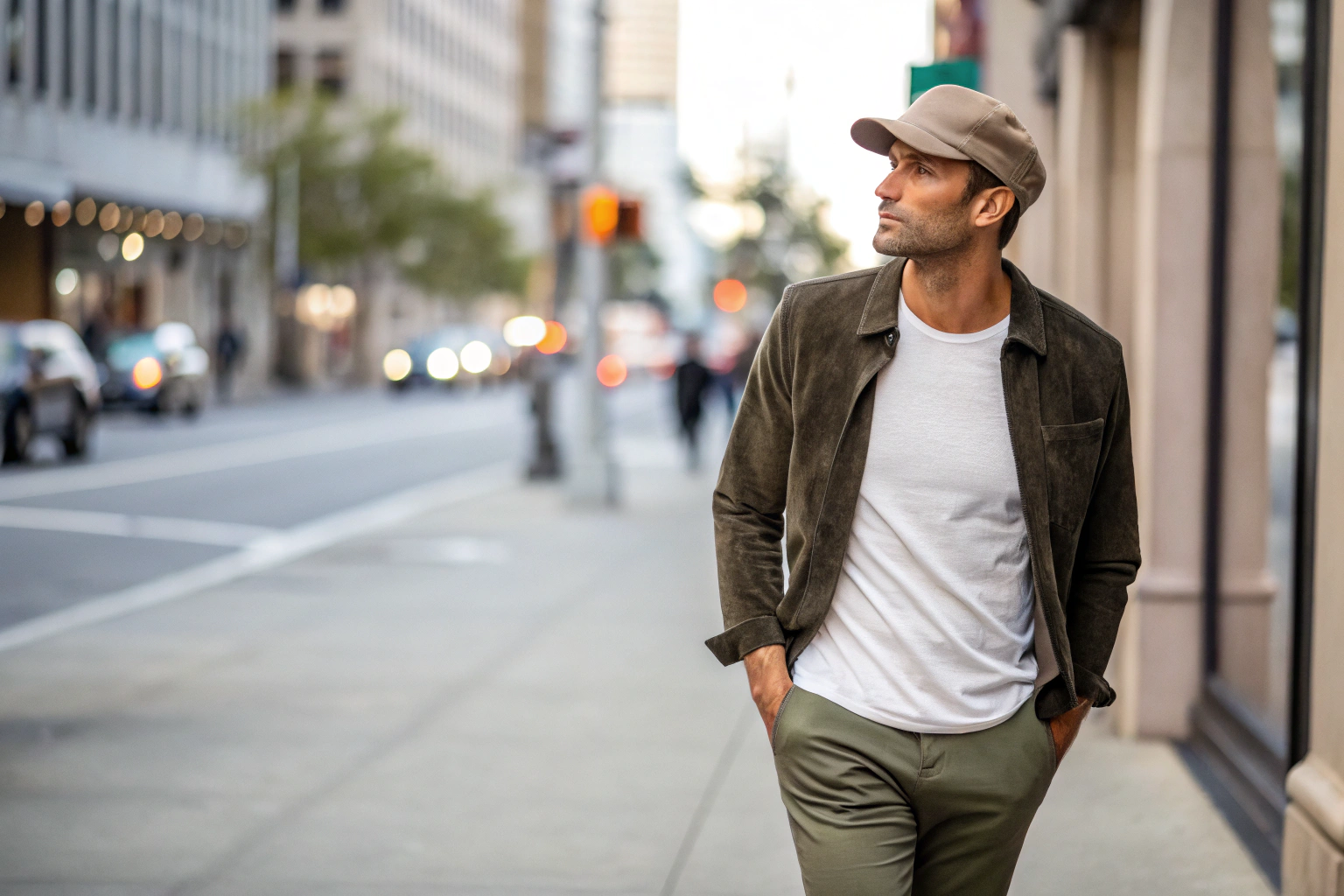
Walk down any city street, and you’ll see them everywhere—men’s casual caps have evolved far beyond mere sun protection or sports gear. They are now essential fashion statements, but with so many styles claiming to be "trendy," which ones actually drive sales and define modern wardrobes? If you’re sourcing or stocking caps, missing these key trends means missing out on a booming market.
The current trends in men’s casual caps are defined by nostalgia, sustainability, and versatile design. Key styles dominating the market include relaxed-fit and unstructured baseball caps, retro-inspired corduroy and washed canvas hats, logo-reminiscent bucket hats, and elevated takes on classic dad hats. Beyond aesthetics, trends are driven by material innovation with eco-fabrics, neutral and earthy color palettes, and a strong focus on comfort through adjustable yet hidden closure systems. This reflects a shift towards caps that are both stylishly understated and functionally comfortable for everyday wear.
Understanding these trends isn’t just about spotting what’s popular; it’s about recognizing shifts in consumer values towards comfort, heritage, and conscious consumption. Let’s break down the specific styles, materials, and details that are shaping the men’s casual cap market right now and how they translate into sourcing and design opportunities.
Why Are Unstructured and Relaxed-Fit Caps Dominating?
The stiff, high-profile baseball cap with a rigid front panel is fading into the background. Today’s consumer prioritizes all-day comfort and a laid-back silhouette, leading the charge towards unstructured and relaxed-fit designs.
An unstructured cap has no stiff backing or buckram behind the front panel, allowing the crown to form naturally to the wearer’s head. This creates a softer, more broken-in look from day one. Combined with a relaxed, curved brim and often a lower profile, these caps offer a effortless, nonchalant aesthetic. They move away from the athletic association and towards integrated streetwear and smart-casual style. This trend answers a direct demand for comfort without sacrificing style, making them perfect for everything from running errands to casual Friday.
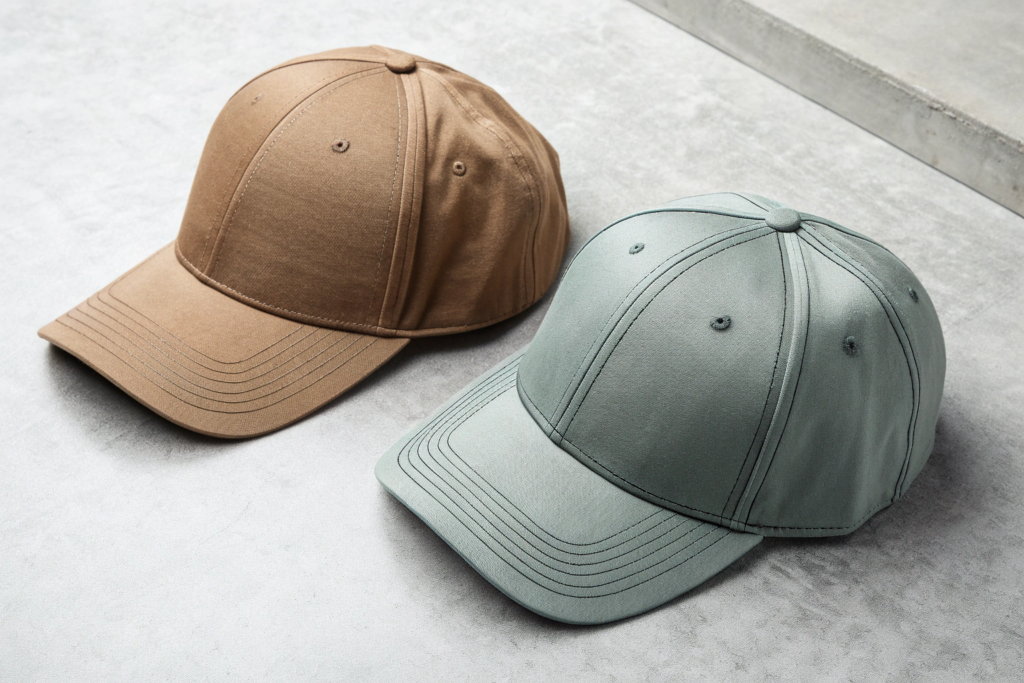
What are the key design features of a modern relaxed-fit cap?
The design hinges on specific details. The crown is typically made from 5 or 6 panels (rather than 6 structured ones) for a rounder, softer shape. The brim is pre-curved and often made from a softer plastic or even fabric-covered to maintain a gentle bend. The closure system is crucial; while adjustability is key for online sales, the trend favors hidden adjustments like leather straps with metal buckles, fabric straps with discreet snaps, or even elasticated backs integrated into the design, avoiding the bulky look of plastic snapbacks. The overall fit is meant to sit comfortably on the head without a tight, constricting feel, often achieved through a deeper rear profile.
How does this trend impact material and manufacturing choices?
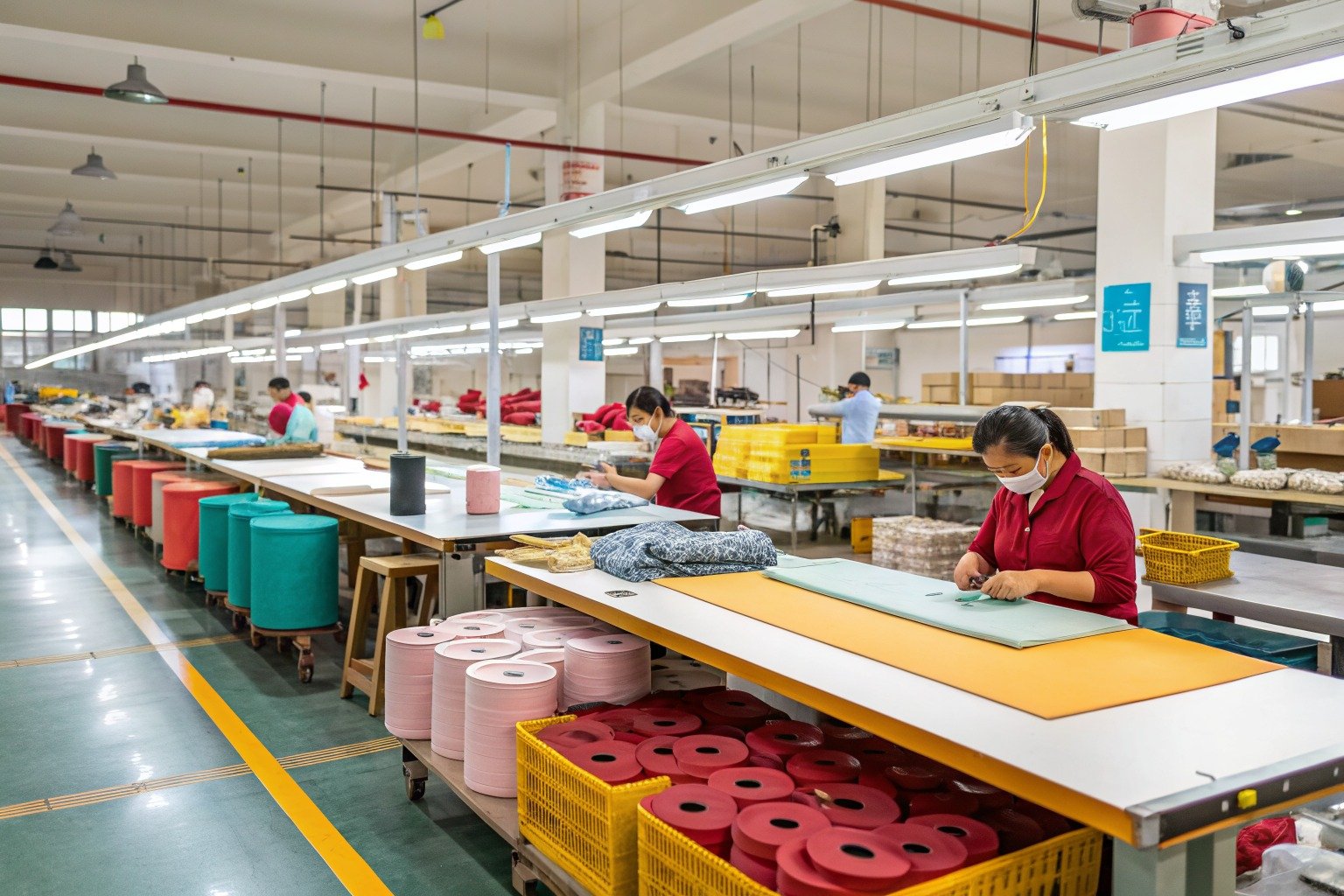
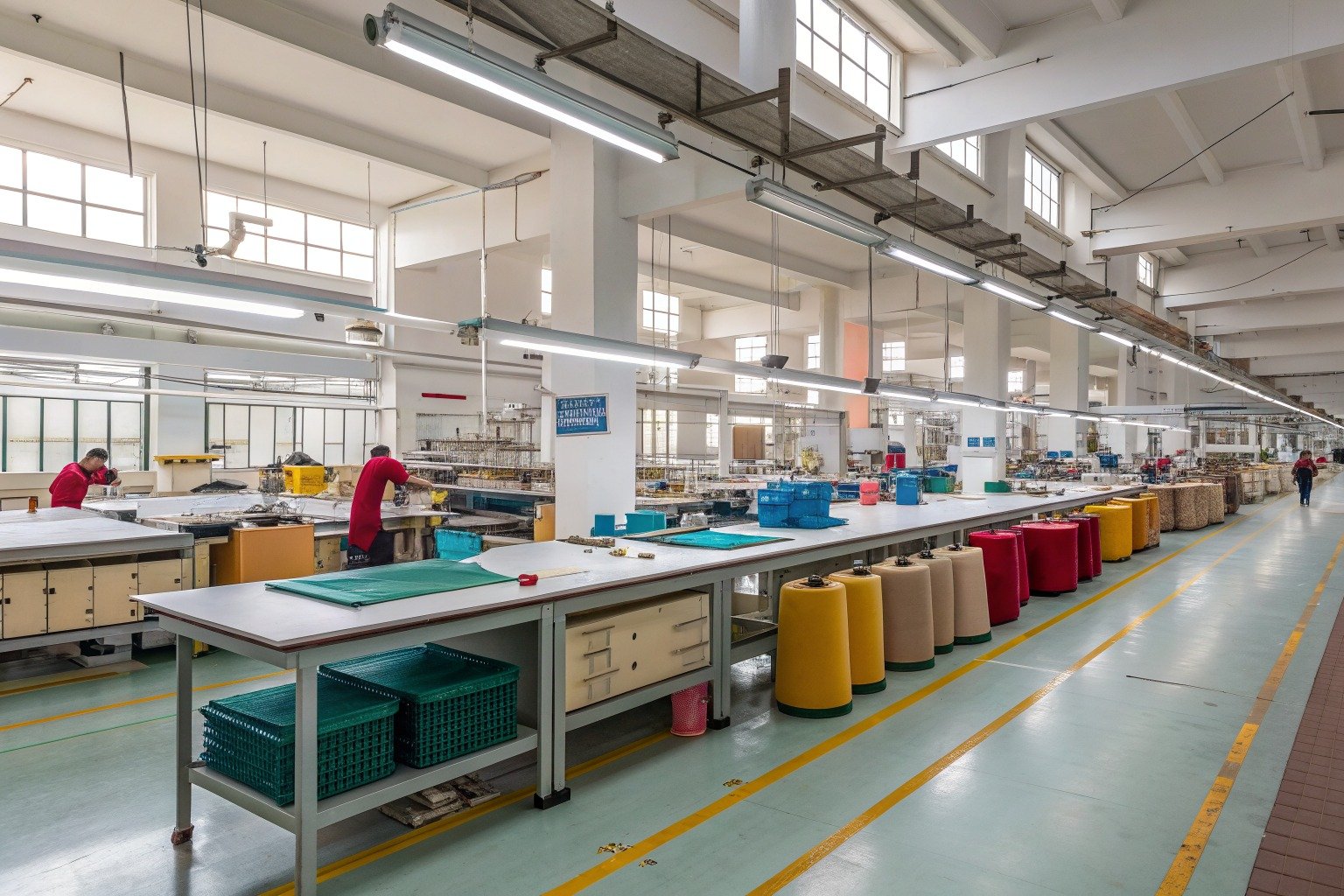
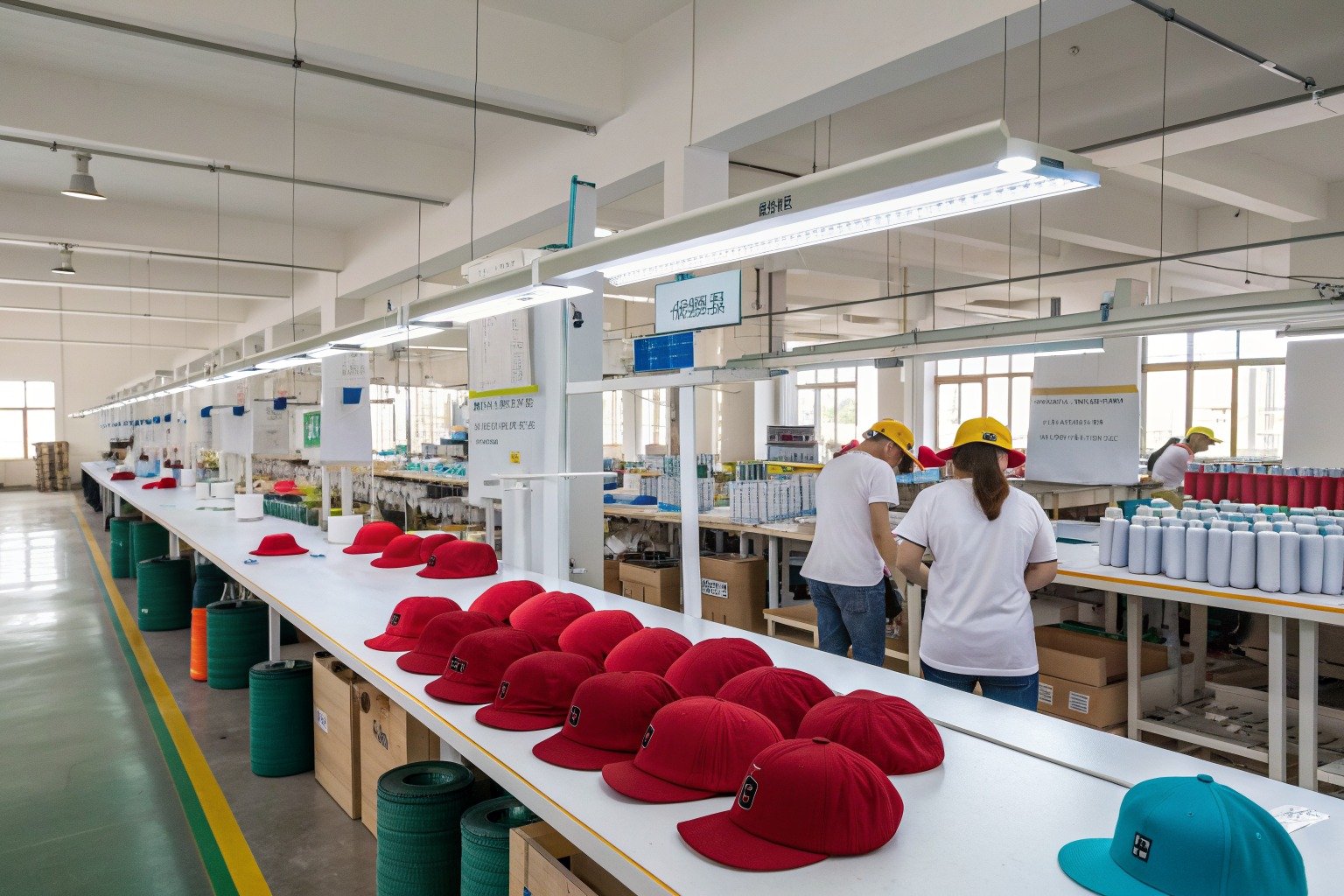
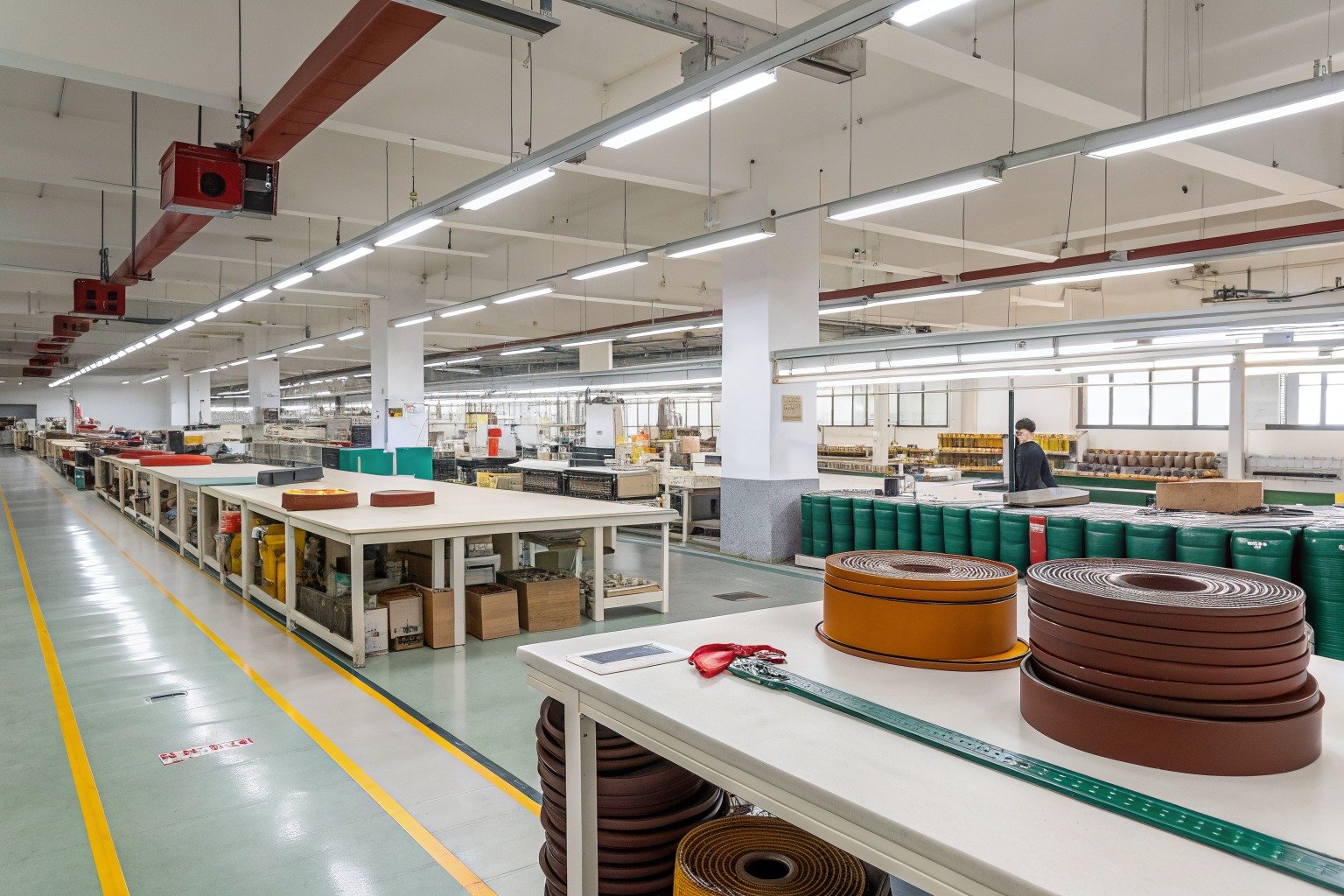
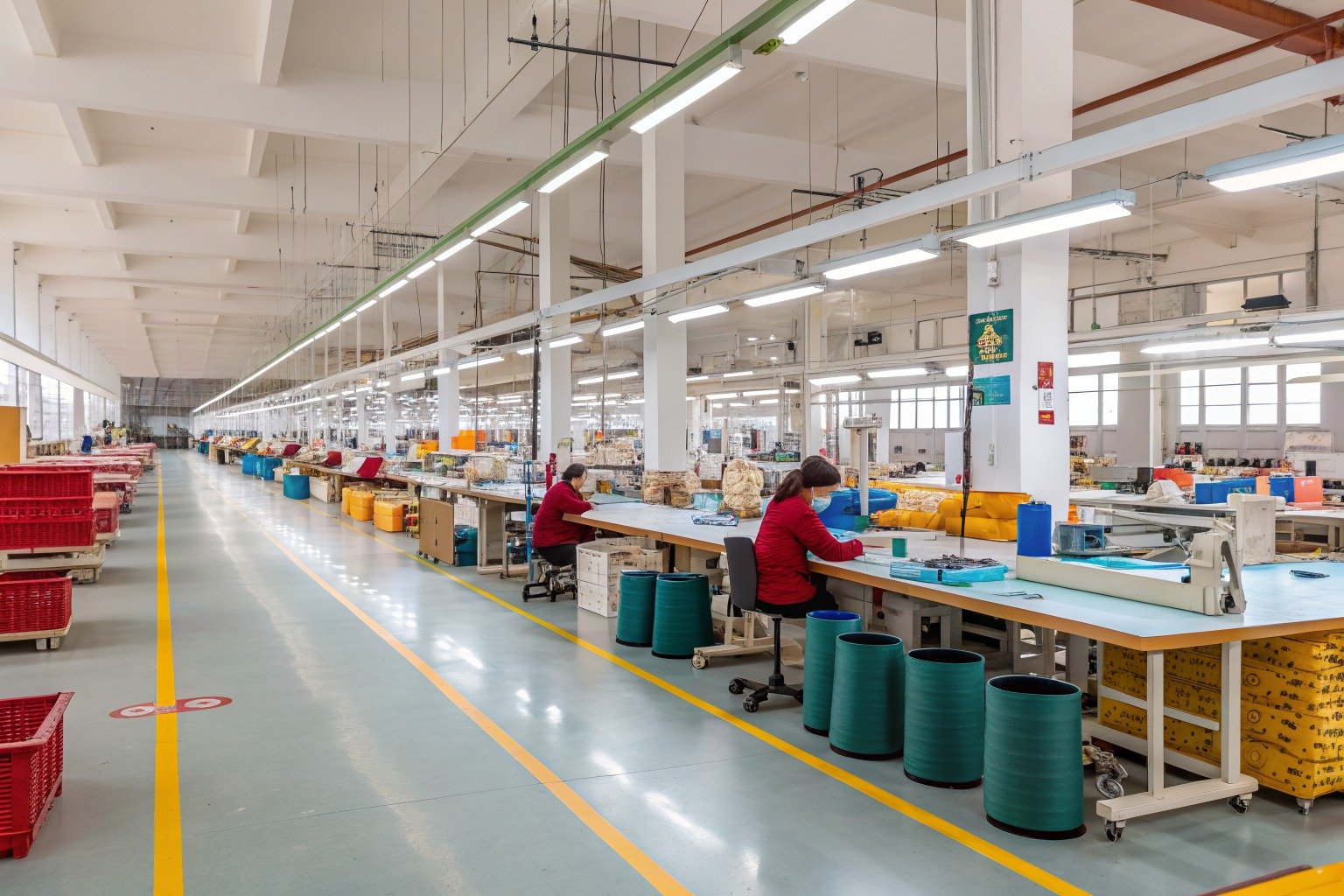
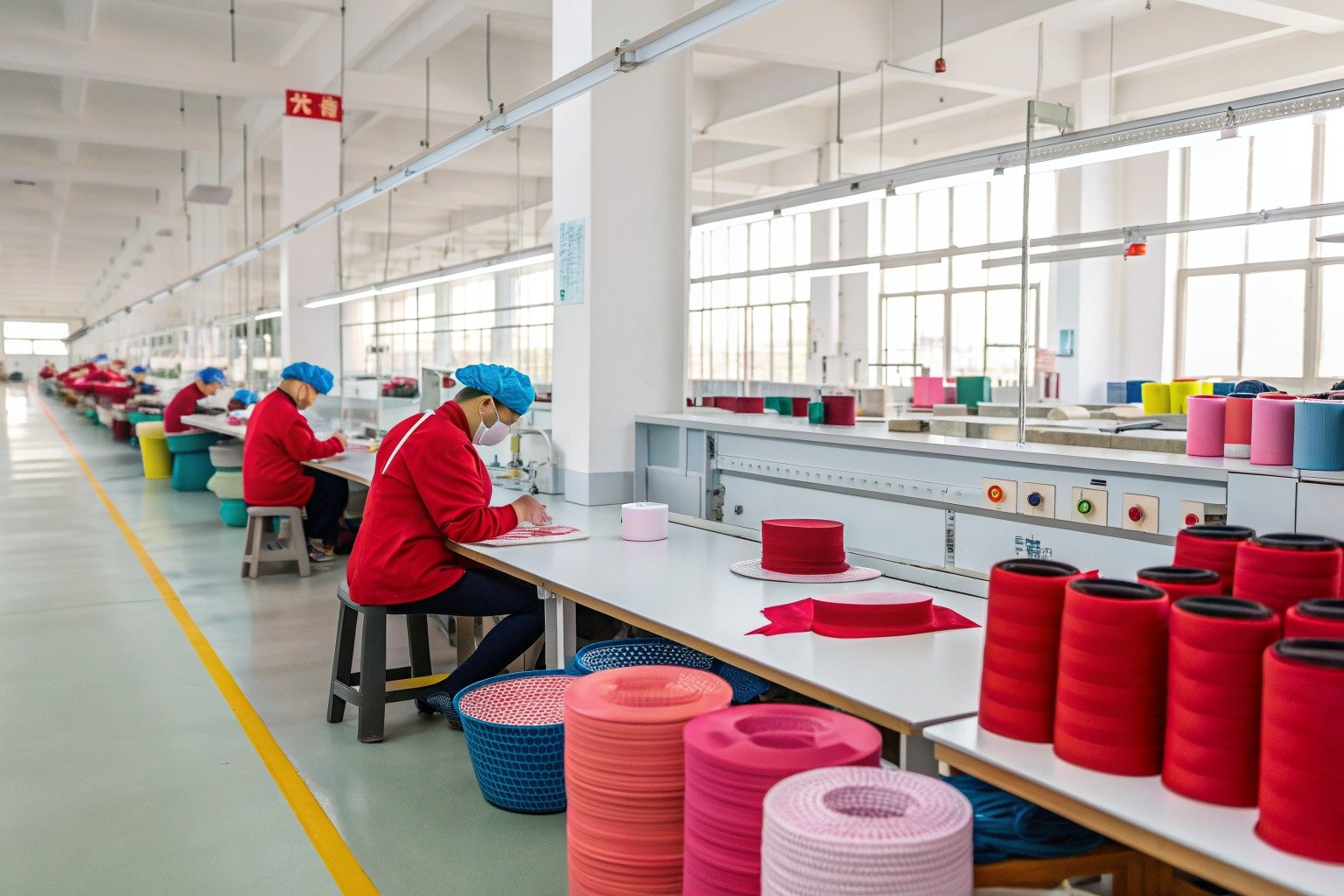
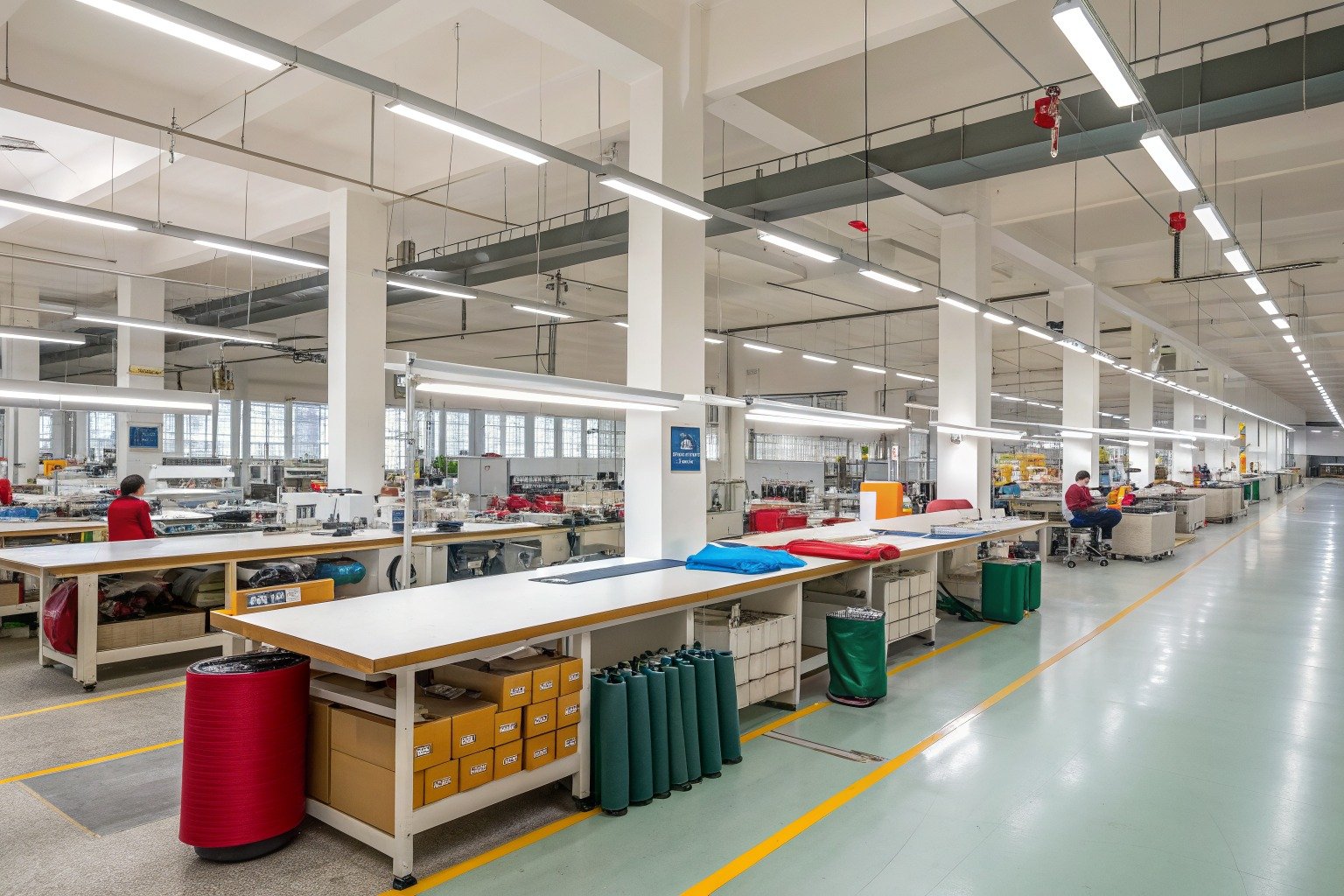
This shift demands different materials and construction expertise. Suppliers need to source softer, more pliable cotton twills, brushed canvases, and corduroys that drape well. The manufacturing process forgoes the step of inserting stiff front panels and requires precise sewing to ensure the soft panels align perfectly without internal support. Factories must master creating a consistent, attractive shape from inherently flexible materials. For a manufacturer like Shanghai Fumao Clothing, this trend aligns with our expertise in working with diverse fabrics and constructing high-quality, detail-oriented accessories that prioritize both form and feel.
Which Retro Materials and Styles Are Making a Comeback?
Nostalgia is a powerful force in fashion, and men’s caps are a prime canvas for retro revival. Consumers are seeking pieces with character, texture, and a story, moving beyond plain polyester and basic cotton.
The resurgence is led by corduroy, with its distinctive wales adding depth and a 70s-inspired vibe. Washed and garment-dyed canvases or twills offer a vintage, broken-in look and softer hand feel. Suede and leather accents, particularly on brims or straps, add a touch of rustic sophistication. Furthermore, classic styles like the bucket hat, reinterpreted in premium materials, and the newsboy cap (also called the baker boy or golf cap) are seeing renewed interest as fashion-forward alternatives to the ubiquitous baseball cap.
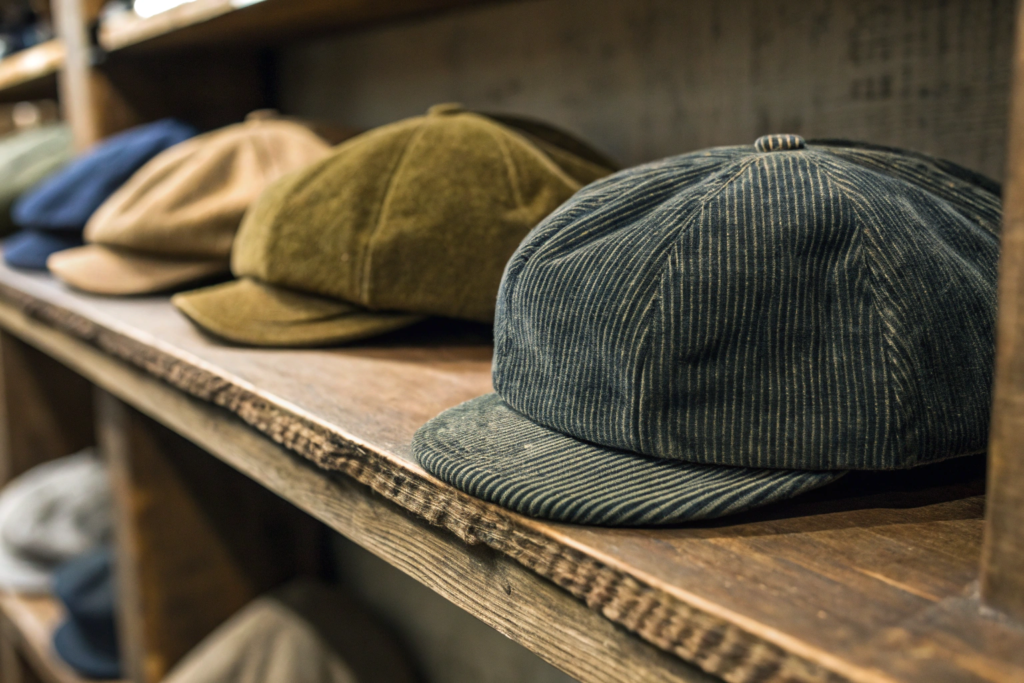
Why are corduroy and washed fabrics so popular now?
These materials satisfy the desire for tactile experience and authenticity. Corduroy’s ridges provide visual and physical texture that stands out, while its composition (often cotton) offers breathability and comfort. Washed or garment-dyed fabrics undergo a finishing process that pre-shrinks the material and gives it a unique, slightly irregular color with a softer hand. This process gives each cap a one-of-a-kind, lived-in character that mass-produced, flat-dyed caps lack. It appeals to consumers looking for individuality and a product that doesn’t look "new" but rather "well-loved," aligning with broader trends in sustainable and conscious consumption by valuing longevity over fast-fashion newness.
How are classic styles like bucket hats being modernized?
The modern bucket hat has shed its purely utilitarian or 90s-trend reputation. Today’s versions are crafted from elevated materials like water-repellent nylon, linen blends for summer, or recycled polyester. Designs feature subtler logos, tonal stitching, and refined silhouettes that work with minimalist and techwear outfits. The modernization lies in the material innovation and the shift in context—it’s no longer just for festivals or fishing, but a legitimate urban accessory. Sourcing these caps requires factories with the capability to work with technical fabrics and execute clean, precise construction on a shape that differs from typical baseball caps.
What Role Do Color Palettes and Minimalist Branding Play?
The era of loudly branded caps with neon colors is giving way to a more sophisticated and versatile approach. Today’s trends favor caps that can seamlessly integrate into a curated wardrobe, promoting mix-and-match versatility.
The dominant color stories are earth tones (olive, taupe, terracotta, mustard), neutral basics (black, white, charcoal, navy), and muted pastels (sage green, dusty pink, ochre). These colors work across seasons and outfits. In tandem, branding has become minimalist. This doesn’t mean unbranded, but rather subtle embroidery, woven labels, tonal logos, or small metal pin badges. The focus is on letting the quality of the material and construction speak first, with the branding acting as a discreet signature rather than a billboard.
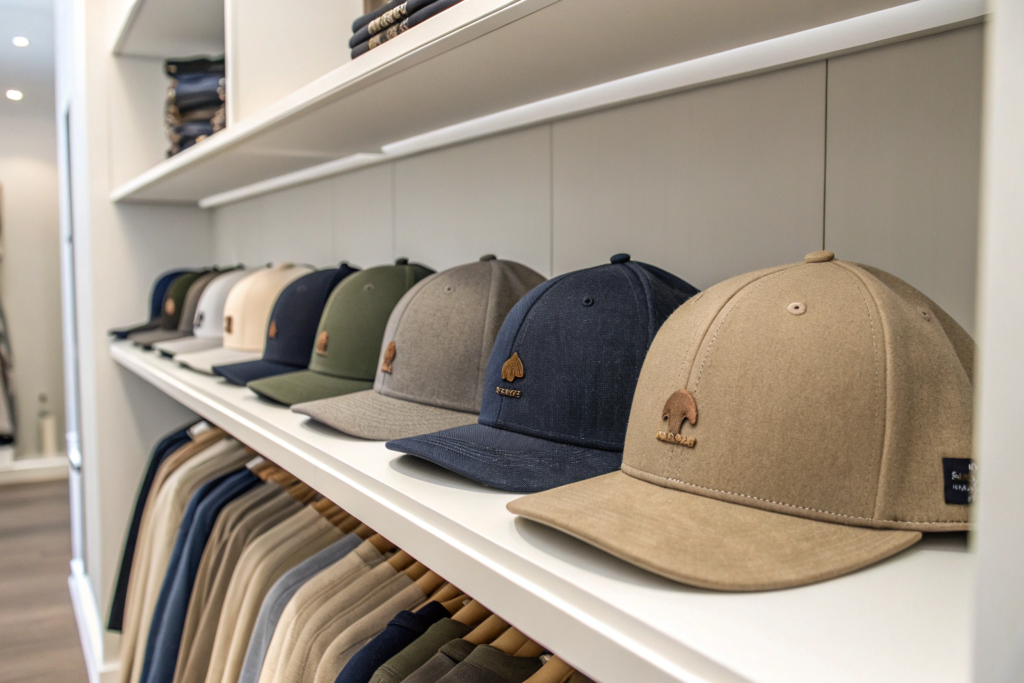
What are the best-selling color categories for year-round sales?
For reliable, year-round inventory, a core palette is essential. Dark Neutrals (Black, Charcoal, Deep Navy) form the foundation, offering maximum versatility. Earth Tones (Olive, Brown, Camel) have become the new neutrals, providing warmth and a modern, nature-inspired feel. Washed Brights (Faded Red, Washed Indigo, Pale Yellow) offer a pop of color without being overwhelming, as the washed process mutes the intensity. When sourcing, it’s wise to build a collection around these categories, using trend colors as seasonal accents. This strategy ensures you have bestsellers always in stock while capitalizing on fleeting color trends.
How is minimalist branding executed on high-quality caps?
Execution is key to making minimalism feel premium. Embroidery should use fine-gauge thread with high stitch density for a crisp, elevated look. Woven labels are often placed on the sweatband interior or the back underside of the brim for a discoverable detail. Tonal embroidery (matching the thread color to the cap fabric) is a hugely popular technique, creating a shadow-like effect. Some brands use custom-developed proprietary badges made from metal or leather. For manufacturers, this demands precision and access to quality labeling and embroidery partners, ensuring these small details are perfectly executed—a core aspect of our quality control process.
How to Source Caps Aligned with These Trends?
Identifying trends is one thing; finding a supplier who can accurately and consistently produce caps that embody them is another. The trend towards quality materials and construction means your supplier’s capabilities are more important than ever.
You need a partner who understands the nuances—the difference between a stiff twill and a soft-washed one, how to construct an unstructured crown, or where to source premium corduroy. The supplier should have a strong Research and Development (R&D) focus to help translate trend concepts into producible samples, balancing aesthetics with cost-effectiveness.
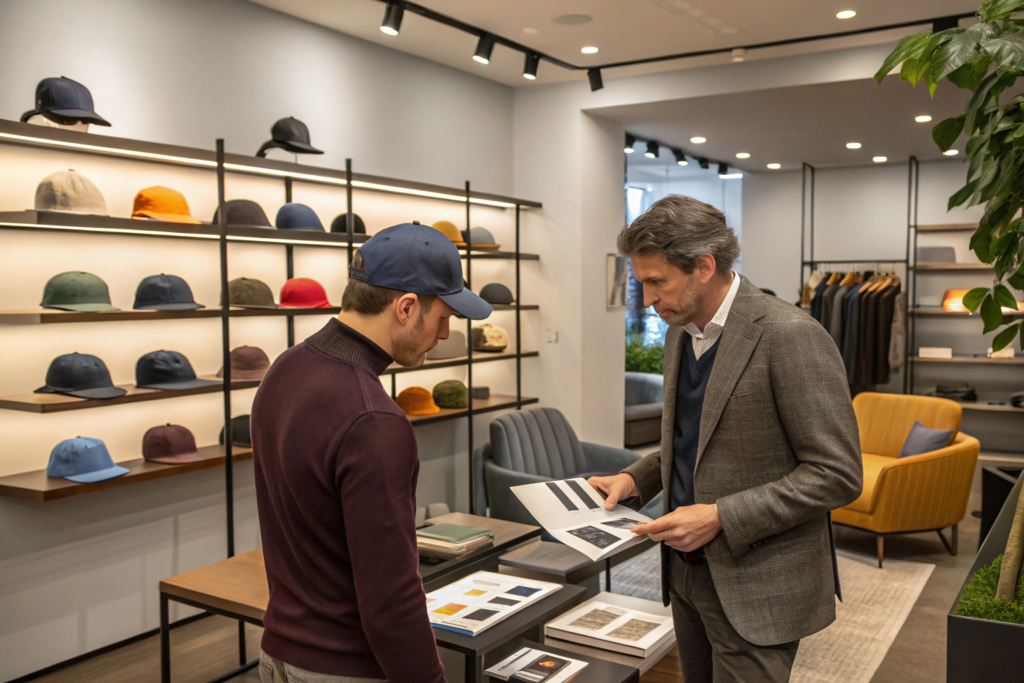
What questions should you ask a potential cap supplier?
Go beyond MOQ and price. Ask specific, trend-focused questions:
- "Can you show me samples of unstructured caps you’ve produced?"
- "Do you have experience with washed or garment-dyed fabrics? Can you provide fabric samples?"
- "What hidden closure systems do you offer? Can you source solid brass or leather buckles?"
- "What is your process for achieving clean, tonal embroidery?"
- "Can you develop a custom corduroy cap from our tech pack?"
Their answers will reveal their technical depth and trend awareness. A supplier like Shanghai Fumao Clothing will have ready samples and a knowledgeable team to discuss these details, demonstrating true development capability.
How important is sustainable and ethical production now?
Extremely important. The trend towards natural materials like organic cotton, recycled polyester, and eco-friendly dyes is a major purchasing driver, especially for younger demographics. Ask suppliers about their material certifications (e.g., GOTS, OEKO-TEX) and their factory’s social compliance (e.g., BSCI, Sedex audits). Transparency in the supply chain is becoming a competitive advantage. Buyers are increasingly looking for partners who share these values, as it future-proofs their brand and aligns with consumer expectations for responsible manufacturing. This ethical consideration is now intertwined with product quality control and brand reputation.
Conclusion
The trends in men’s casual caps are clear: comfort through unstructured designs, character through retro materials, sophistication through muted palettes and minimalist branding, and integrity through sustainable practices. This market is moving towards quality, versatility, and conscious consumption, offering significant opportunities for brands that understand and execute these elements well.
Succeeding in this space requires more than just following a style; it demands a strategic partnership with a manufacturer that possesses the material knowledge, construction skill, and ethical grounding to bring these trend-right caps to life.
If you are looking to develop a contemporary, best-selling collection of men’s casual caps that captures these trends, we have the design insight and manufacturing expertise to help. From sourcing the perfect washed canvas to engineering a comfortable hidden closure, we manage every detail. Contact our Business Director Elaine to start a conversation about your next cap line. Reach her at: elaine@fumaoclothing.com.