For fashion accessory brands, retailers, and e-commerce businesses, packaging is no longer just a protective shell for products like hair clips, belts, scarves, and hats. It is a critical touchpoint that communicates brand values, shapes customer perception, and directly impacts operational costs and environmental footprint. In an era where consumers and regulators are increasingly scrutinizing sustainability claims, sticking with virgin plastic or non-recyclable packaging poses significant brand and compliance risks. The challenge is finding a packaging solution that is both eco-responsible and commercially viable without compromising on product presentation or protection.
The benefits of using recycled paper packaging are multifaceted, spanning enhanced brand reputation and marketing appeal, tangible environmental impact reduction, potential cost efficiencies in the supply chain, and improved compliance with evolving global regulations. It transforms packaging from a necessary expense into a strategic asset that aligns with the values of modern consumers, particularly in markets like North America and Europe where sustainability is a key purchase driver.
Let’s unpack the concrete advantages of adopting recycled paper packaging for your accessory line, examining its commercial, environmental, and operational impacts.
How Does It Strengthen Brand Identity and Consumer Connection?
In a crowded marketplace, your packaging is a silent ambassador. Recycled paper packaging sends a powerful, immediate message about your brand’s commitment to environmental responsibility. This is not just a "green" checkbox; it’s a tangible demonstration of your values that resonates deeply with a growing segment of the consumer base.
Using recycled materials tells a story of circularity and conscious consumption. It allows you to authentically communicate your dedication to reducing waste and conserving natural resources. This narrative is highly marketable and can be leveraged across all channels—from your e-commerce product pages and social media to the physical unboxing experience. For the end customer, receiving a product in recycled packaging enhances the perceived value of the item itself. It makes them feel like they are participating in a positive choice, fostering a sense of shared values and increasing brand loyalty. This is particularly effective for brands targeting Millennial and Gen Z consumers, who consistently rank sustainability as a top factor in purchasing decisions.
How to Communicate Sustainability Authentically?
To avoid "greenwashing," your claims must be specific and verifiable. Use certifications and clear language on your packaging:
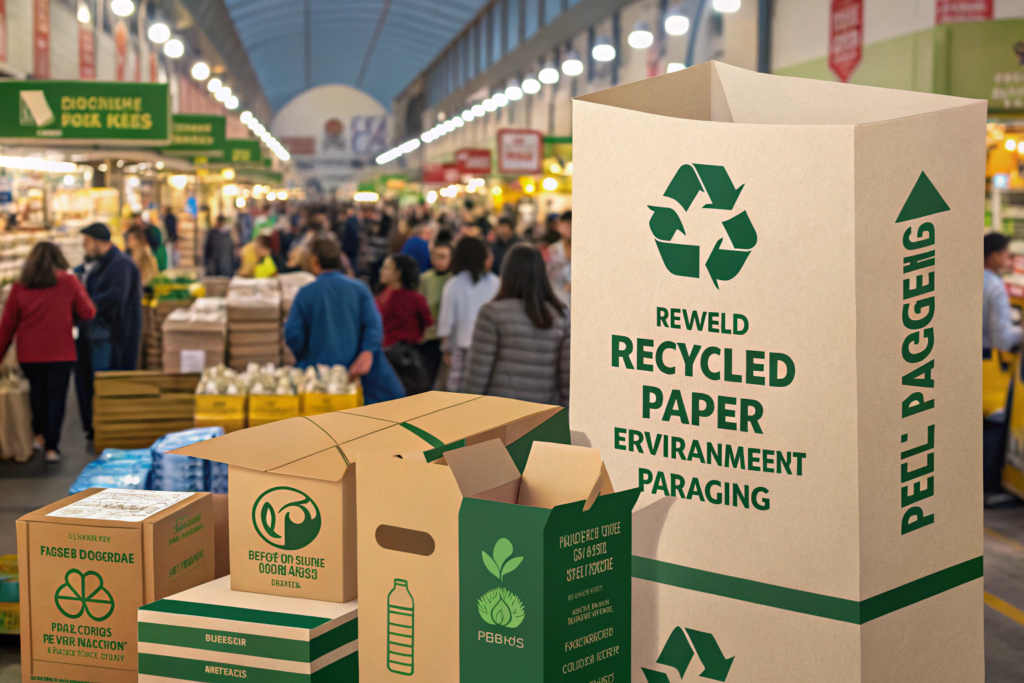
- Certifications: Prominently display recognized logos like the Forest Stewardship Council (FSC) Recycled label, which guarantees the paper fibers come from verified recycled sources. Other relevant marks include SFI (Sustainable Forestry Initiative) or PEFC (Programme for the Endorsement of Forest Certification).
- Clear Messaging: Use simple statements like "Packaged in 100% post-consumer recycled paper" or "Made from 95% recycled content." Specify post-consumer waste (PCW) content, as this refers to materials that have already been used and recycled by consumers, which has a greater positive environmental impact than pre-consumer (industrial) waste.
- Tell the Story: Briefly explain the "why" on a hangtag or insert. For example: "This box gives discarded paper a new life, saving trees and energy." This educational touch deepens the connection. Resources like the Sustainable Packaging Coalition provide guidelines for credible communication.
Why is the Unboxing Experience Enhanced?
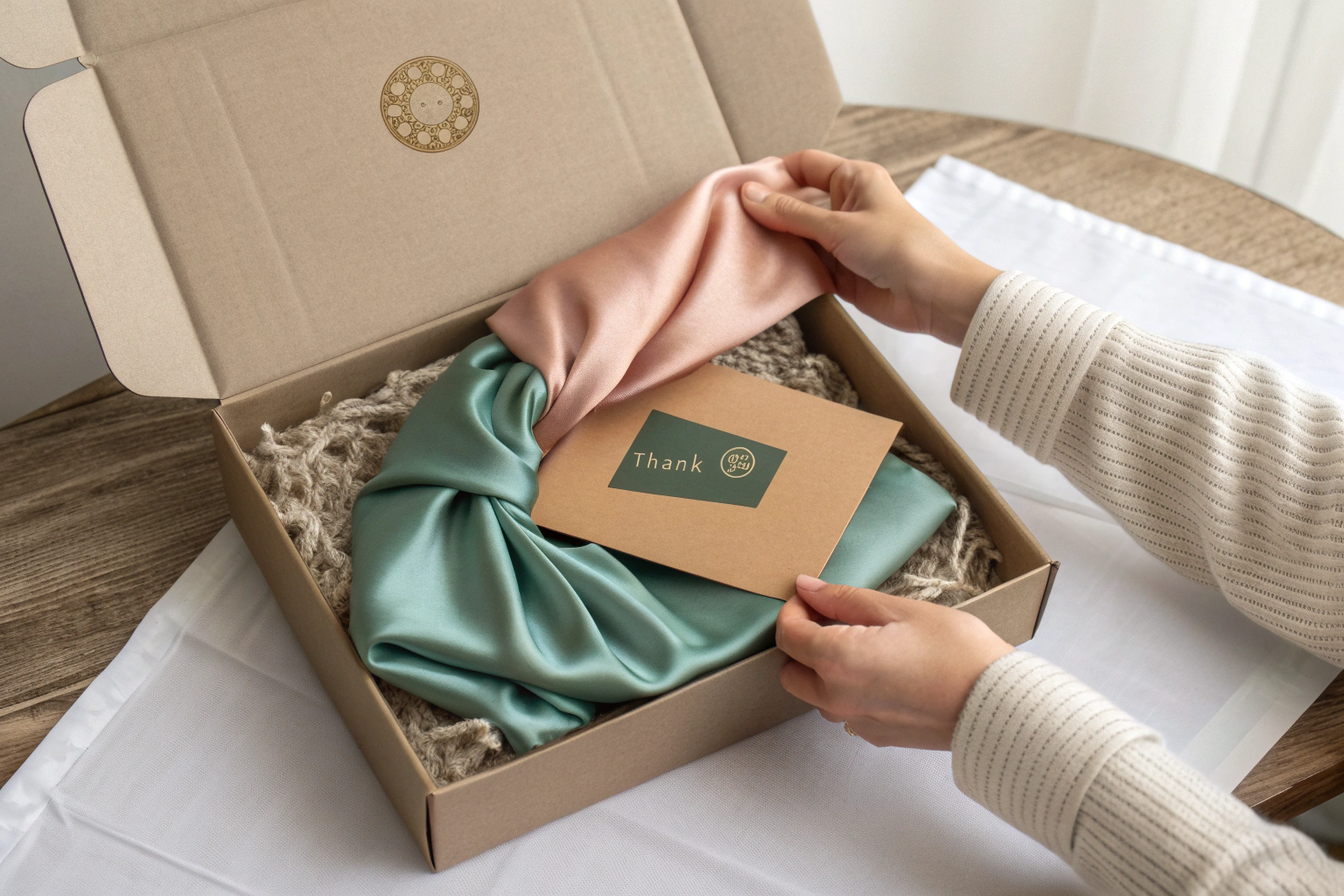
Recycled paper packaging can be incredibly premium. It offers a natural, textured, and high-quality feel that stands in stark contrast to the cold, synthetic impression of virgin plastic. Brands can use techniques like embossing, debossing, and soy-based ink printing on recycled paper stock to create a luxurious, tactile experience that feels both elegant and ethical. This superior unboxing moment is highly shareable on social media, driving valuable user-generated content (UGC) and organic marketing. It turns the functional act of opening a package into a memorable brand interaction.
What is the Concrete Environmental Impact?
Beyond marketing, the environmental benefits of recycled paper packaging are measurable and significant. They address key issues in the linear "take-make-dispose" model, contributing to a more circular economy.
The core environmental advantages include:
- Resource Conservation: Manufacturing recycled paper requires significantly less fresh water and energy compared to producing virgin paper from trees. It also reduces the demand for timber, helping to preserve forests and biodiversity.
- Reduction in Landfill Waste: By utilizing post-consumer waste, recycled paper packaging diverts material from landfills and incinerators. This directly reduces methane emissions (a potent greenhouse gas) from decomposing waste and lowers overall waste volume.
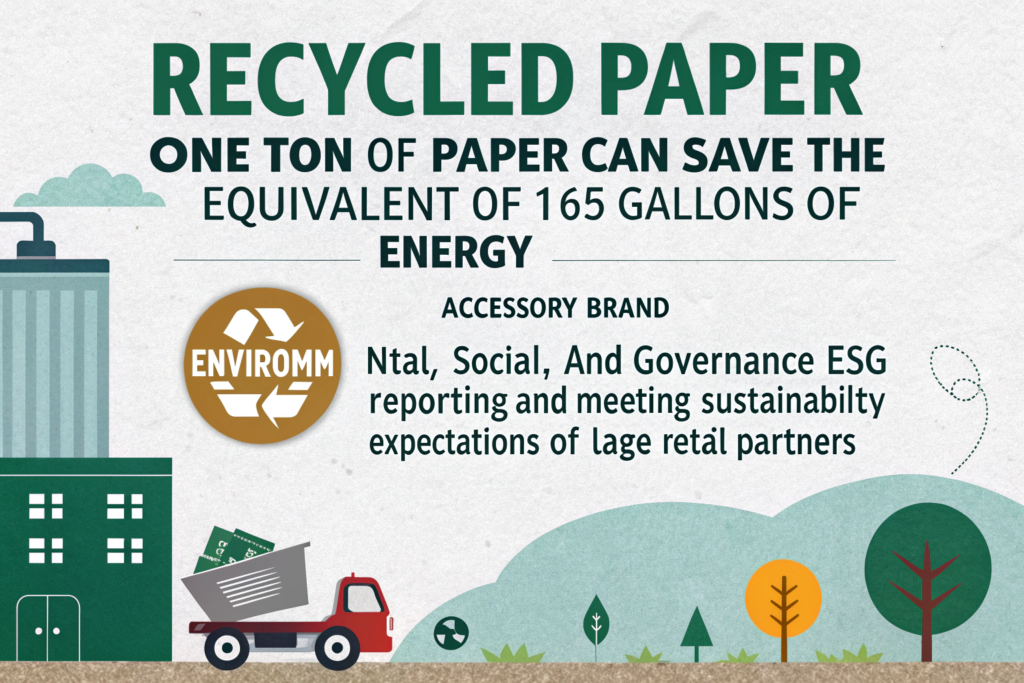
- Lower Carbon Footprint: The production process for recycled paper generates fewer greenhouse gas emissions. According to the Environmental Protection Agency (EPA), recycling one ton of paper can save the equivalent of 165 gallons of gasoline in energy.
For an accessory brand, this means the environmental footprint of each shipped order is substantially lower, which is a critical metric for Environmental, Social, and Governance (ESG) reporting and for meeting the sustainability expectations of large retail partners.
How Does It Compare to Other "Eco" Packaging Options?
Recycled paper holds a strong position among sustainable packaging choices:
- vs. Virgin Paper: Clearly superior in resource use and emissions.
- vs. Biodegradable/Compostable Plastics: These often require specific industrial composting facilities to break down and can contaminate recycling streams. Recycled paper is widely accepted in curbside recycling programs.
- vs. Reusable Packaging: While ideal for a circular model, reusable systems (like returnable totes) involve complex logistics, cleaning, and higher upfront costs. Recycled paper offers a practical, scalable "better than virgin" solution for most direct-to-consumer and wholesale shipping scenarios.
A lifecycle assessment often shows recycled paper as a leading choice for balancing practicality with impact.
What About Recyclability and End-of-Life?
A major benefit is the creation of a closed-loop system. Recycled paper packaging is itself widely and easily recyclable by end consumers in most municipal systems. This completes the circular journey: old paper becomes new packaging, which can be recycled again. This is simpler for consumers than figuring out how to compost or properly dispose of novel bio-materials. Ensuring your packaging is mono-material (e.g., just paper, with easy-to-remove adhesive labels) further enhances its recyclability.
What are the Operational and Economic Considerations?
Contrary to a common misconception, adopting recycled paper packaging is not inherently a cost-penalty and can offer several operational advantages.
Cost Stability: While prices can fluctuate, recycled paper is often less susceptible to the volatile price swings of virgin pulp, which is tied to timber commodities. As demand for recycled content grows, economies of scale are improving.
Logistics Efficiency: Well-designed recycled paper packaging (like custom-fit boxes or pads) can be lightweight and space-efficient, reducing dimensional weight charges in shipping. It can also be supplied flat-packed, saving storage space in your warehouse compared to pre-formed plastic clamshells.
Risk Mitigation: Proactively adopting sustainable packaging future-proofs your business against tightening regulations. Bans on single-use plastics and extended producer responsibility (EPR) laws are spreading in North America and Europe. Using recycled paper positions you ahead of these compliance curves, avoiding costly last-minute transitions.
A manufacturer like Shanghai Fumao Clothing can advise on and source cost-effective, protective recycled paper solutions—from boxes and tubes for scarves to tissue paper and filler—integrating them seamlessly into the packing process.
How to Source and Implement Effectively?
- Partner with Specialized Suppliers: Work with packaging vendors who specialize in sustainable materials and can provide certification documentation.
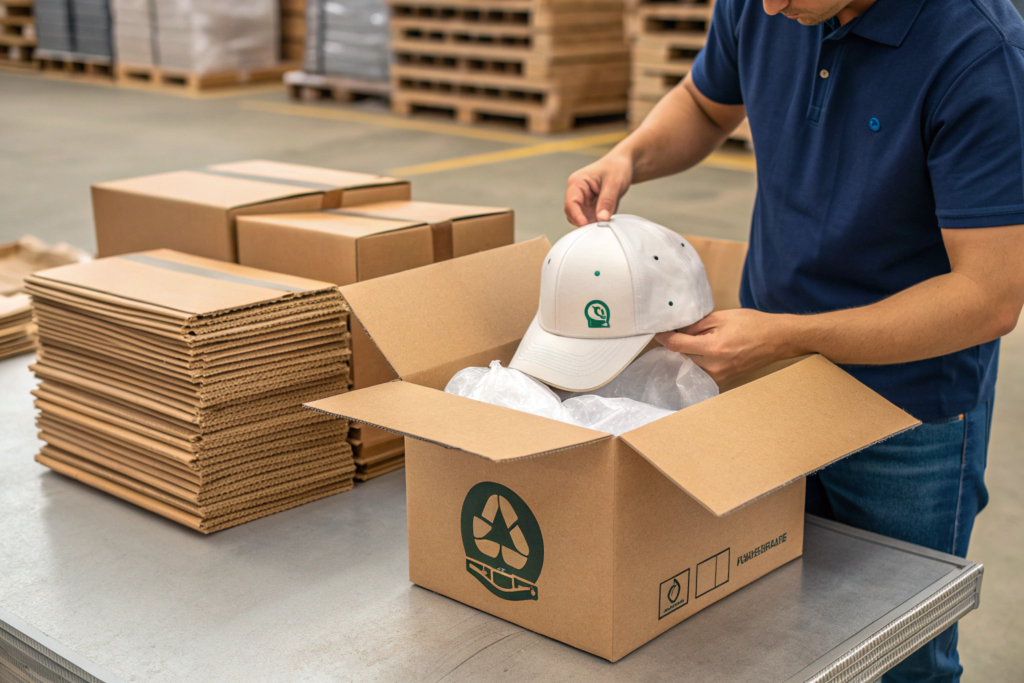
- Right-Sizing is Key: Conduct a packaging audit. Often, brands use oversized boxes. Designing a custom, right-sized recycled box for your core products reduces material use, shipping costs, and void fill needs.
- Integrate with Fulfillment: Train your packing team on the new materials. Recycled paperboard can be just as sturdy as virgin board when specified correctly, but may have a different feel that staff should be familiar with.
- Calculate Total Cost of Ownership (TCO): Look beyond the unit price of the box. Factor in potential savings from reduced shipping costs (due to lighter weight), reduced storage needs, and the marketing value (increased conversion rates, customer loyalty). This holistic view often makes recycled paper a financially sound choice.
Can It Truly Protect Delicate Accessories?
Absolutely. Modern recycled paperboard comes in various weights and strengths. For delicate items like embellished hair clips or silk scarves, options include:
- Molded Pulp Inserts: Custom-shaped from recycled paper to cradle products securely.
- High-GSM Recycled Paperboard: For rigid boxes that protect structured hats or belts.
- Crinkle-Cut Paper or Tissue: As a 100% paper-based alternative to plastic bubble wrap or foam peanuts.
With proper design, recycled paper packaging can offer equal or superior protection to conventional materials while maintaining its sustainable profile.
Conclusion
The benefits of using recycled paper packaging extend far beyond an environmental gesture. It is a strategic business decision that strengthens brand equity, meets the clear demands of the modern consumer, reduces environmental impact in verifiable ways, and can optimize operational logistics while mitigating regulatory risk. For accessory brands, it represents an opportunity to align every touchpoint—from production to unboxing—with a narrative of quality, responsibility, and thoughtful design.
By making the switch, you are not just changing a box; you are investing in your brand’s future relevance, resilience, and relationship with your customers.
Ready to elevate your brand with sustainable, high-impact packaging? Partner with Shanghai Fumao Clothing. We can guide you in sourcing and implementing certified recycled paper packaging solutions that protect your products, reflect your brand values, and delight your customers. Contact our Business Director, Elaine, at elaine@fumaoclothing.com to explore packaging that makes a difference.