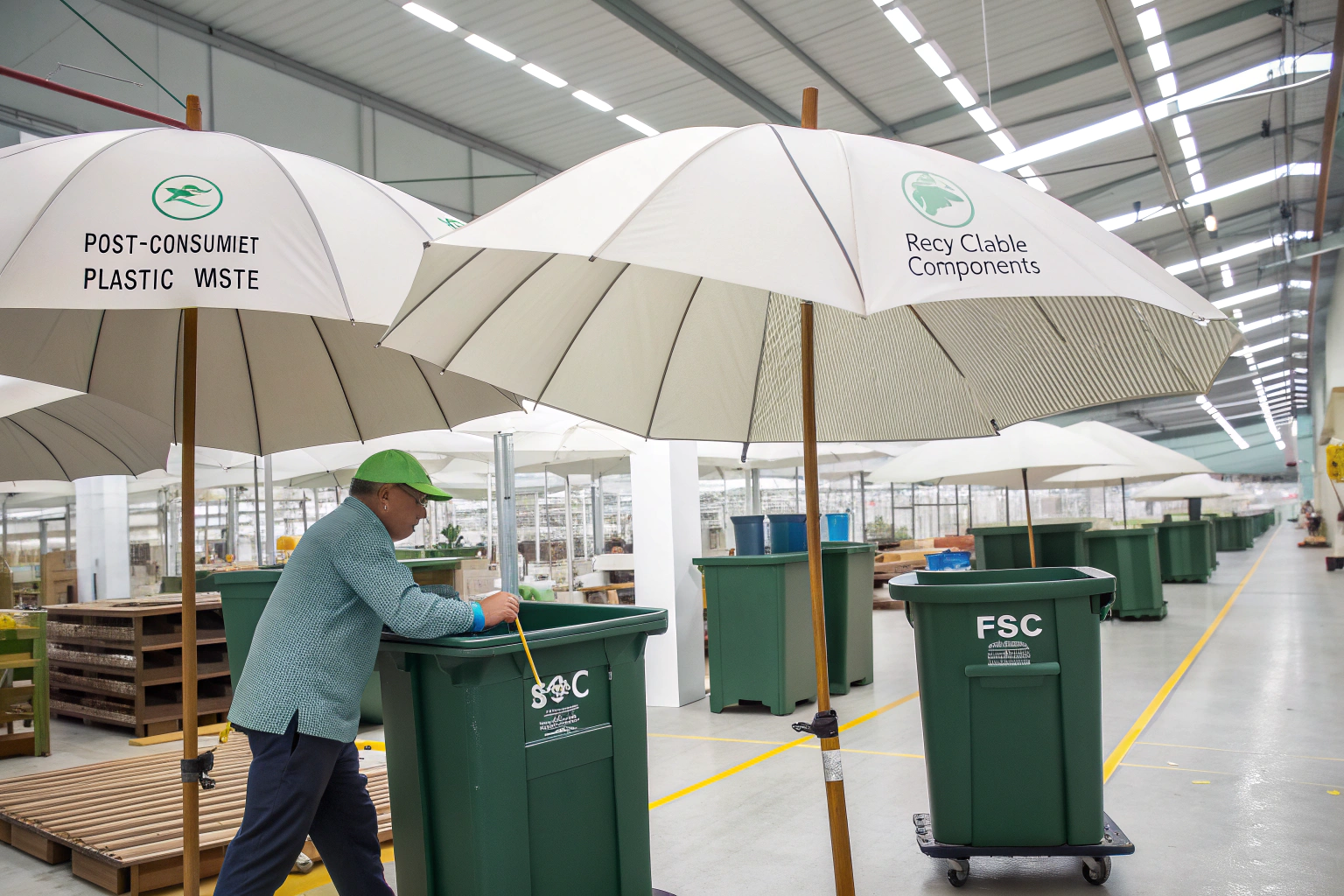
You want to launch a line of umbrellas that aligns with modern values—made from recycled plastics, biodegradable fabrics, or sustainably sourced wood. But a quick search reveals that most umbrella factories still operate on traditional, non-sustainable models. How do you cut through the greenwashing and find a manufacturer that possesses both the technical skill to make a reliable umbrella and the genuine commitment and capability to source and work with eco-friendly materials?
Finding a manufacturer for eco-friendly umbrellas requires a targeted, verification-intensive approach. It’s not enough to find a factory that can make umbrellas; you must find one that actively sources and has experience with sustainable materials, employs cleaner production processes, and can provide verifiable proof of their environmental claims. This means prioritizing suppliers who specialize in or have dedicated lines for eco-products, and who treat sustainability as a core operational pillar, not just a marketing add-on. As a manufacturer increasingly focused on sustainable practices, we at Shanghai Fumao Clothing understand that this search is about aligning with partners who share your values and have the supply chain relationships to turn them into reality.
This journey is about due diligence and partnership. The wrong factory could undermine your brand’s entire eco-ethos. Let’s outline a clear strategy to identify and vet a true eco-friendly manufacturing partner.
Where to Start Your Search for a Specialized Eco-Factory?
Generic B2B platforms will be flooded with conventional suppliers. Your search must begin in niches where sustainable manufacturers congregate and market their specific capabilities.
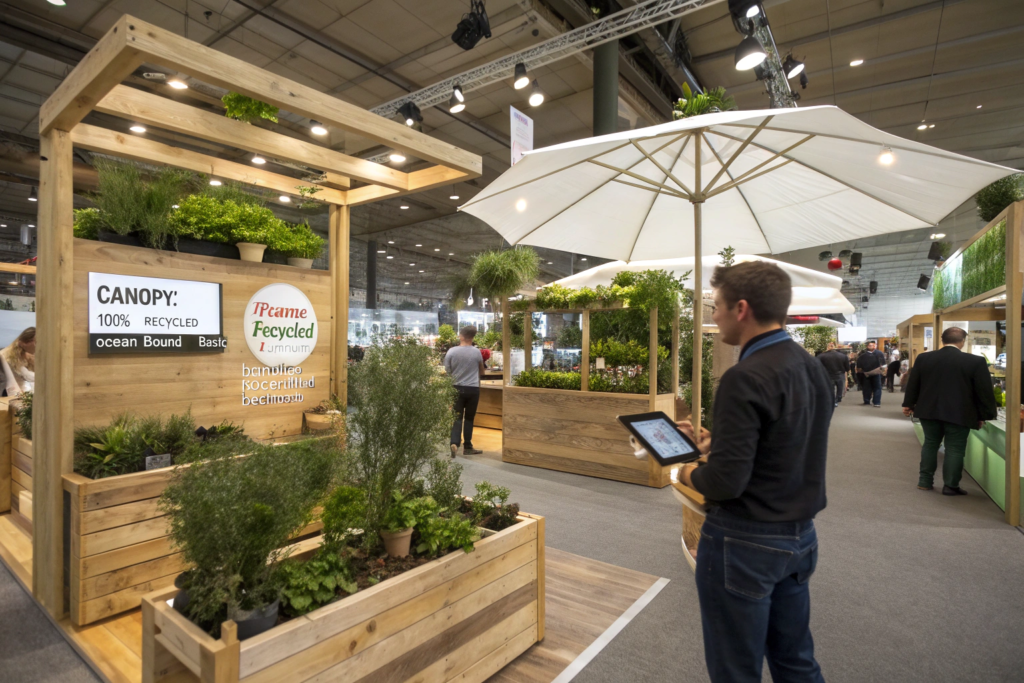
Initiate your search on platforms and directories dedicated to sustainable sourcing. Websites like Alibaba’s "Green Channel", EcoBusinessLinks, or Maker’s Row (for US-focused) often have filters for eco-friendly suppliers. Use precise keywords: "recycled PET umbrella manufacturer," "bamboo umbrella frame factory," "OEM eco-friendly rain umbrella." More powerfully, attend trade shows focused on green products and innovation. Events like Ethical Fashion Show Berlin, Premiere Vision’s "Smart Creation" area, or Outdoor Retailer (which has a strong sustainability focus) are where forward-thinking manufacturers showcase new materials and processes. Here, you can physically touch the fabrics, inspect the construction, and have in-depth conversations about material provenance. Also, leverage industry reports and certifications. Organizations like the Global Organic Textile Standard (GOTS) or the Forest Stewardship Council (FSC) maintain lists of certified manufacturers, which can be a goldmine for finding pre-vetted partners.
What are the Key Sustainable Materials for Umbrellas?
Knowing the materials will refine your search. Key eco-options include:
- Canopy Fabric: Recycled PET (rPET) from plastic bottles (most common), organic cotton (less water-resistant), or biodegradable PLA fabric from corn starch.
- Frame & Shaft: Recycled aluminum (lightweight and strong), FSC-certified wood (bamboo, ash), or recycled steel.
- Handle: Recycled plastics, FSC-certified wood, or cork.
- Packaging: Recycled and biodegradable materials, no single-use plastics.
When contacting factories, ask specifically if they have worked with these materials. A factory experienced with rPET fabric, for example, will understand its different handling and sewing requirements compared to standard nylon.
How to Use Certifications as a Sourcing Filter?
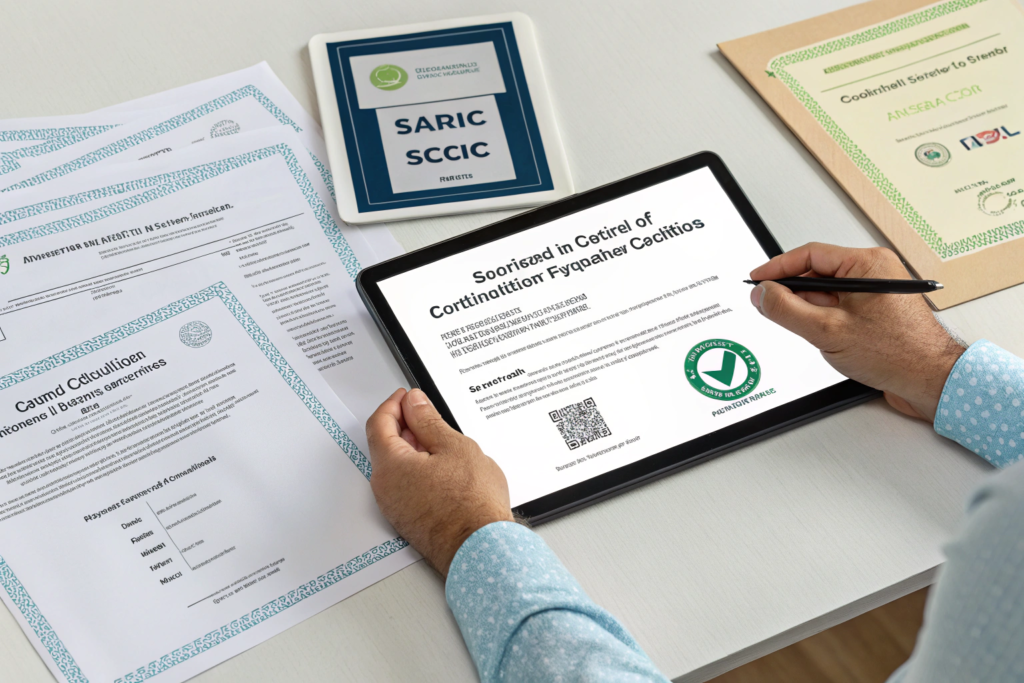
Certifications are your best shortcut to credibility. In your initial inquiries, ask directly:
- "Do you hold any environmental management system certifications (e.g., ISO 14001)?"
- "Can you provide GRS (Global Recycled Standard) or RCS (Recycled Claim Standard) certificates for your recycled fabrics?"
- "Do you source FSC-certified wood for handles?"
- "Are your factories audited for social compliance (e.g., BSCI, SMETA)?"
A manufacturer that invests in these certifications is serious about its claims and has systems in place to verify its supply chain—a stark contrast to those who simply claim a product is "green."
How to Rigorously Vet a Factory’s Eco-Credentials?
Once you have a shortlist, you must move from claims to evidence. Greenwashing is prevalent, so your vetting process must be concrete and multi-layered.
Vetting requires a "trust but verify" approach. First, request detailed material documentation. Ask for:
- Mill Certificates: Direct from the fabric supplier, showing the recycled content percentage (e.g., 100% post-consumer rPET).
- Test Reports: From third-party labs like SGS or Bureau Veritas, verifying material composition, absence of harmful substances (e.g., OEKO-TEX Standard 100), and performance (water repellency, UV resistance).
- Chain of Custody Certificates: For recycled materials (GRS) or wood (FSC), proving the material’s path from source to finished product.
Second, request a virtual or in-person factory tour focused on environmental practices. Ask to see:
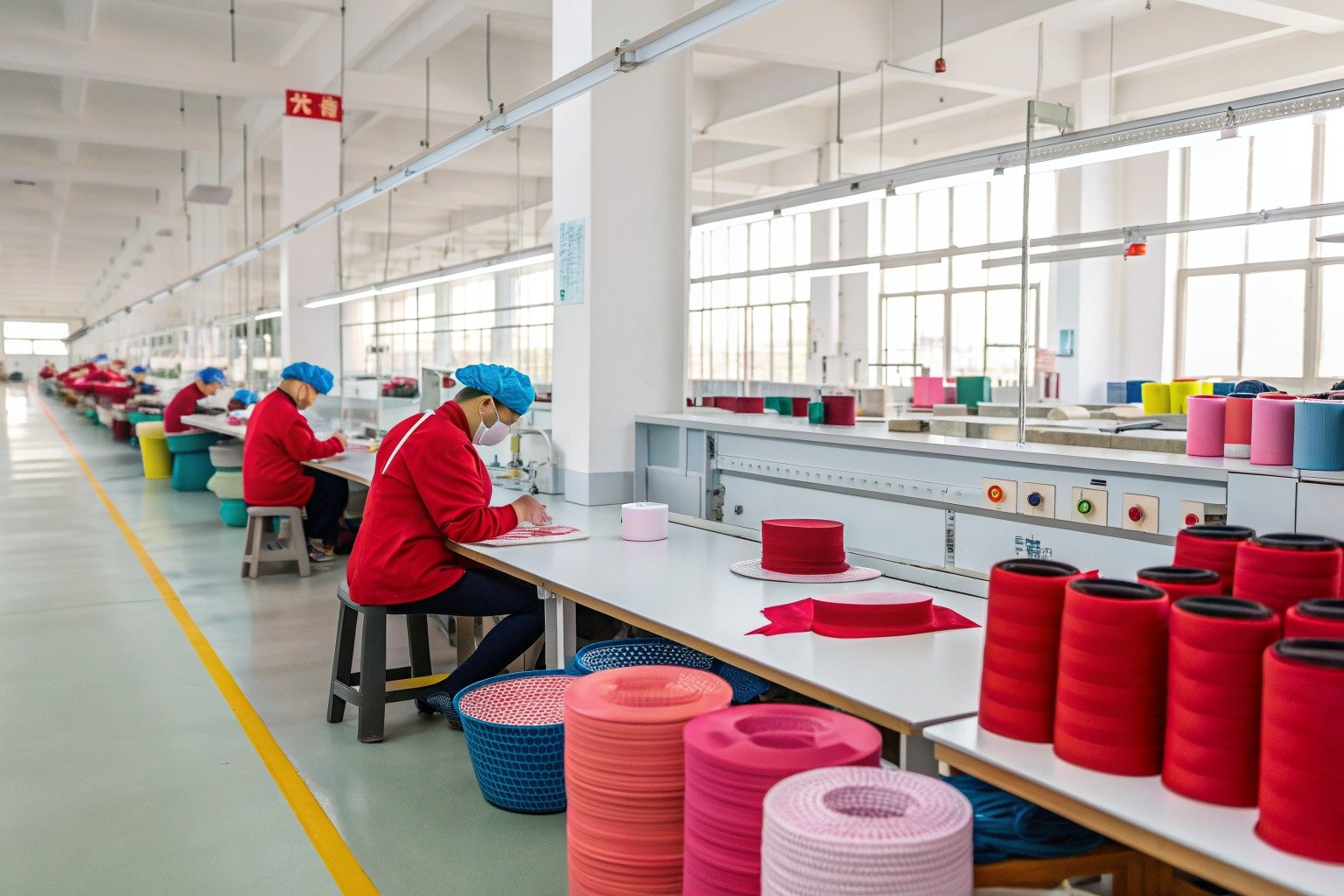
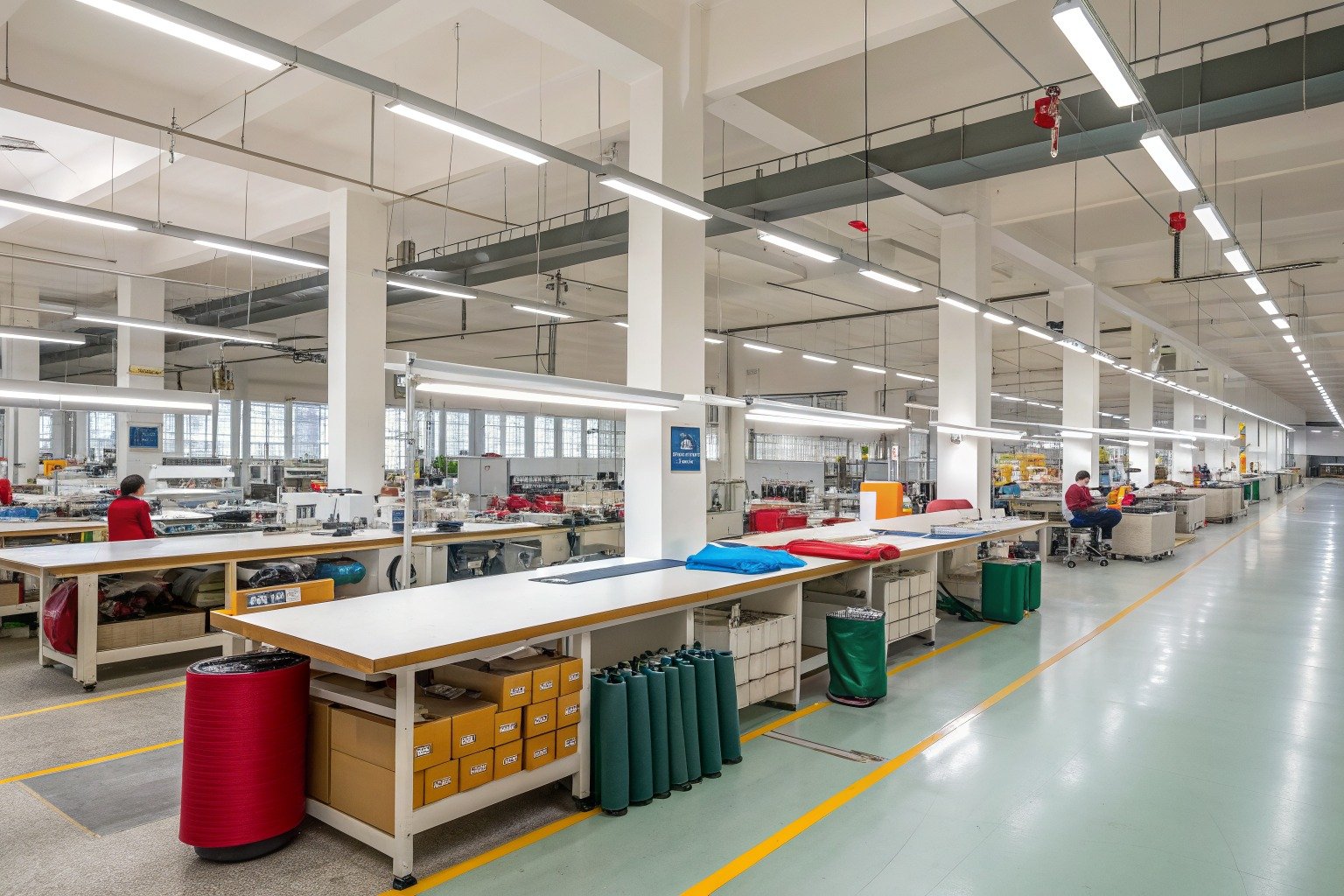
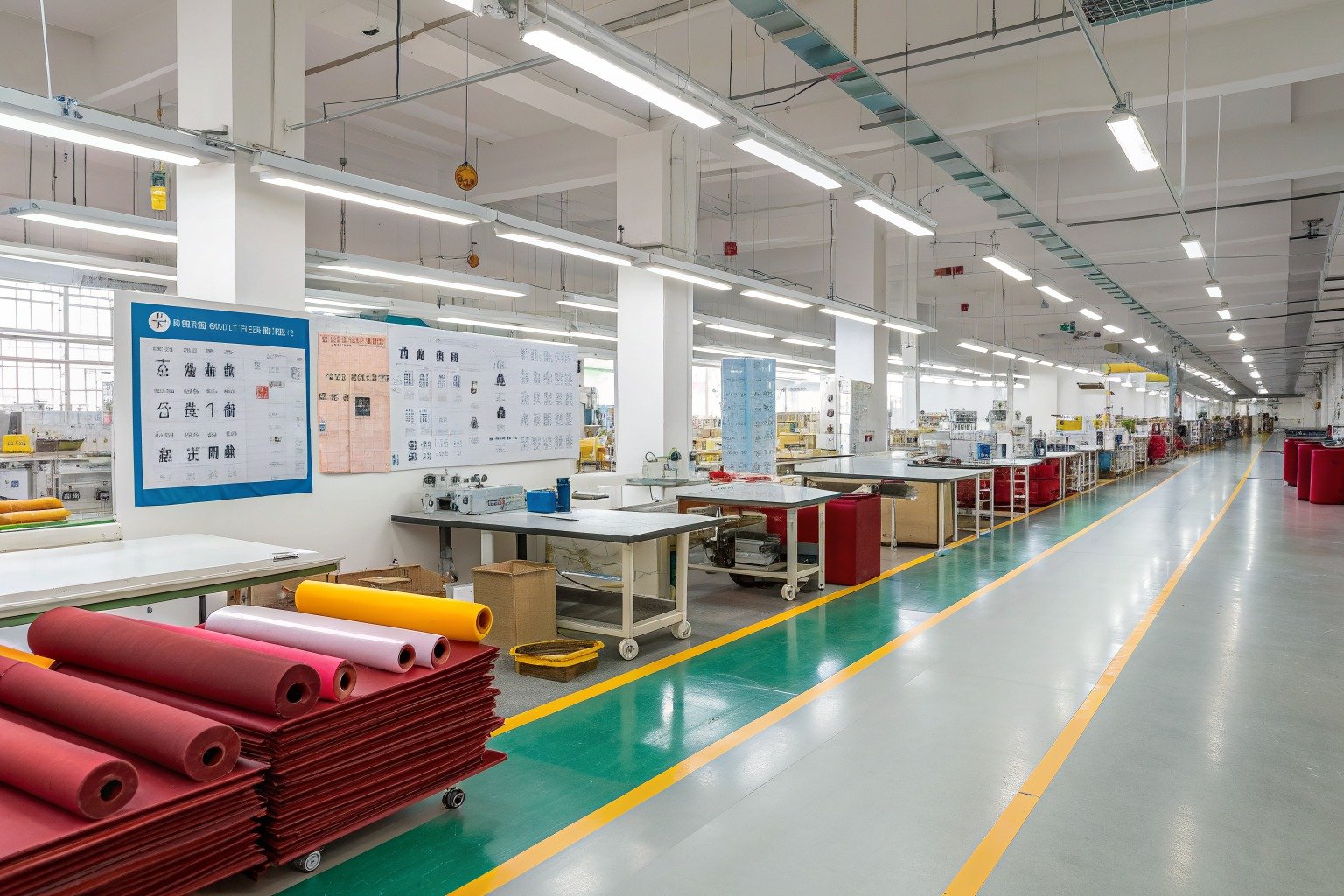
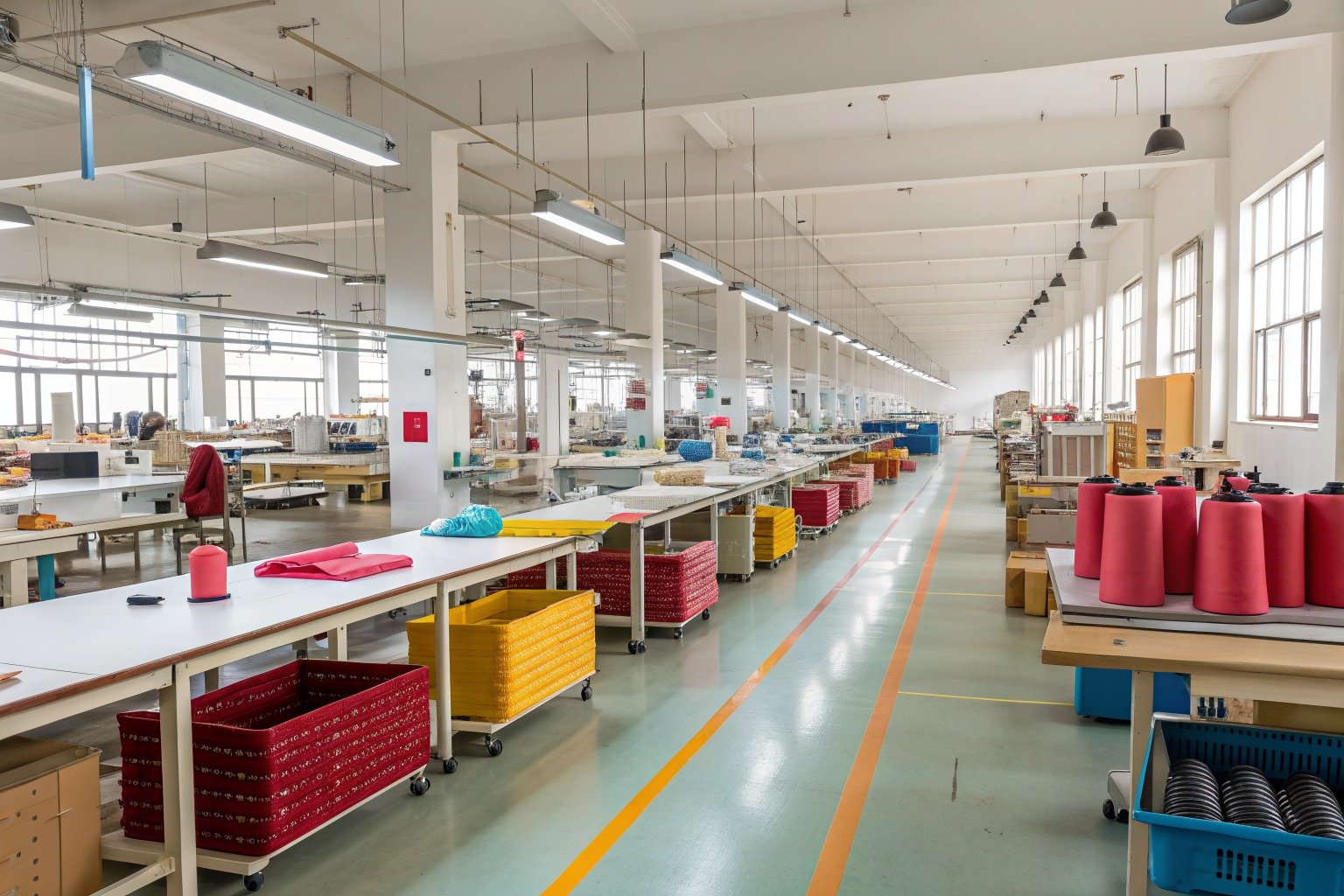
- Their waste segregation and recycling stations.
- Energy-saving measures (e.g., LED lighting, solar panels).
- Water treatment systems for dyeing or coating processes.
Ask specific questions about their production waste—what percentage is recycled? What do they do with fabric off-cuts?
Third, ask for case studies and references. A credible factory will have examples of eco-friendly products they’ve made for other brands. Request to speak to a reference from a similar brand to understand their experience. This level of scrutiny is essential, as outlined in guides for sustainable sourcing best practices.
What are the Red Flags of Greenwashing?
Be highly skeptical of:
- Vague Language: Claims like "eco-friendly," "green," or "natural" without specific data or certifications.
- No Supporting Documentation: Inability or unwillingness to provide mill certificates or test reports.
- Focus on a Single "Eco" Feature: Promoting a bamboo handle while the canopy is made from virgin, non-biodegradable polyester and the frame is non-recyclable plastic.
- No Factory Transparency: Refusal to show their facility or discuss their environmental management systems.
A genuine partner will welcome your questions and provide evidence freely.
How to Assess the True Environmental Impact of the Product?
Think beyond materials. Ask about:
- Production Efficiency: Do they use lean manufacturing to reduce waste?
- Energy Source: Is their factory powered by renewable energy?
- Chemical Management: Do they use eco-friendly water repellent coatings (e.g., PFC-free DWR)?
- Product End-of-Life: Is the umbrella designed for disassembly and recycling? Do they have a take-back program?
This holistic view separates manufacturers who are deeply committed from those making superficial changes. At Shanghai Fumao Clothing, we believe true sustainability encompasses the entire product lifecycle.
What Are the Technical and Commercial Considerations?
Eco-friendly materials often behave differently and come at a premium. You need a partner who can navigate these technical challenges while providing clear commercial terms.
Technical Adaptation: Not all umbrella factories can work with, for instance, rPET fabric effectively. It can have different tensile strength, slippage, and sewing requirements. An experienced factory will:
- Have adjusted machine tensions and use specialized needles.
- Understand how to apply PFC-free water repellent coatings effectively.
- Know how to treat and seal bamboo or wood to prevent cracking in humid conditions.
- Conduct rigorous pre-production testing on prototypes to ensure the final product performs as well as a conventional umbrella (e.g., wind resistance, automatic open/close mechanism reliability).
Commercial Realities: Be prepared for:
- Higher Material Costs: Recycled and certified materials are often more expensive. This must be factored into your cost model.
- Higher Minimum Order Quantities (MOQs): Sourcing special materials may require larger volumes. However, a good factory can advise on balancing MOQ and cost.
- Longer Lead Times: Sourcing certified materials can add time to the procurement phase.
- Transparent Cost Breakdown: A professional factory will provide a clear breakdown showing the cost premium for eco-materials, allowing you to justify your final price to consumers.
The factory should be a partner in solving these challenges, not just a passive order taker.
How to Ensure the Umbrella is Still High-Quality and Durable?
The "eco" aspect must not compromise function. Your quality control (QC) plan must be stringent.
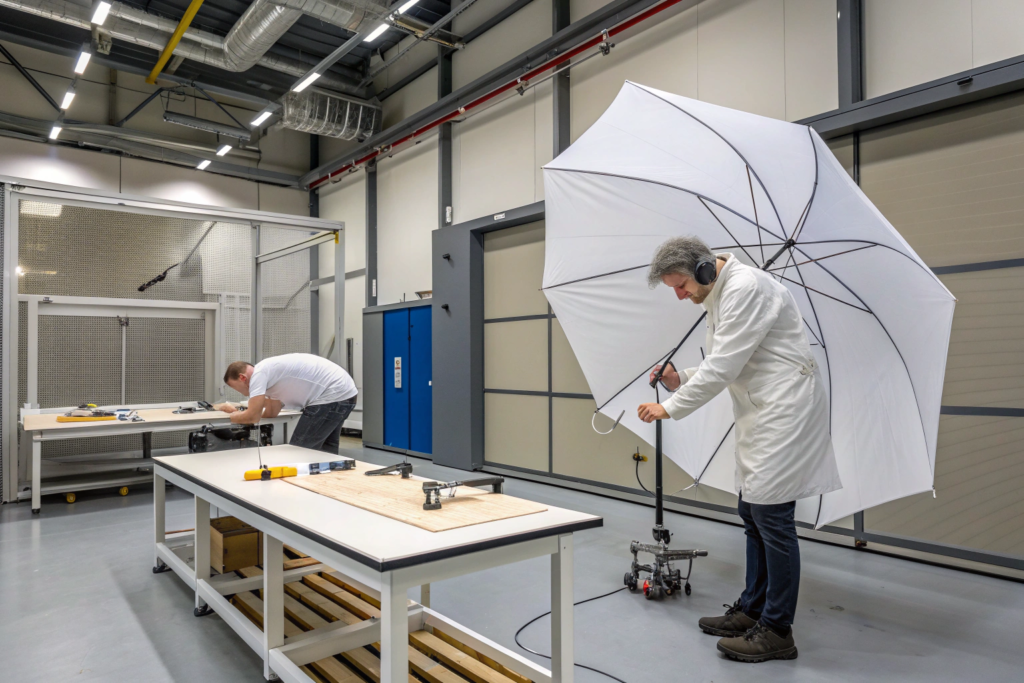
- Prototype Testing: Before bulk production, test samples for wind resistance (e.g., able to withstand Beaufort scale 6 winds), frame stability, and canopy water repellency.
- AQL Inspection: Use standard AQL inspection for workmanship defects, just as you would for any product.
- Long-Term Durability Checks: Ask the factory about the fade resistance of the dyes on recycled fabric and the corrosion resistance of recycled metals.
An umbrella that breaks easily is the opposite of sustainable, as it creates waste faster.
What are the Key Questions for Your Initial Supplier Inquiry?
Structure your first contact to gather critical info:
- "What specific eco-friendly materials do you have the most experience with?"
- "Can you share a detailed product specification sheet for an eco-umbrella you’ve produced, including all material certifications?"
- "What is your process for developing and testing a prototype with new sustainable materials?"
- "What are your standard MOQ, pricing, and lead times for a custom eco-umbrella?"
- "Can you explain your factory’s own environmental policies (energy, waste, water)?"
How to Build a True Sustainable Partnership?
Finding the factory is the start. Building a collaborative, long-term relationship is how you ensure continuous improvement, innovation, and supply chain integrity for your brand.
A true partnership extends beyond a single purchase order. Look for a factory that is on a shared journey toward sustainability. This is evidenced by:
- Openness to Innovation: They are eager to explore new materials (e.g., mushroom leather for handles, newer bio-based fabrics) and share findings with you.
- Collaborative Problem-Solving: When a material sourcing issue arises, they work with you to find an alternative, rather than making a unilateral substitution that compromises your standards.
- Investment in Their Own Sustainability: They are actively reducing their own carbon footprint, improving worker welfare, and reporting on their progress. This demonstrates that sustainability is a core value, not just a service they sell.
- Commitment to Transparency: They allow for greater supply chain visibility, potentially connecting you with their key material suppliers for verification.
This alignment turns your manufacturer into a strategic ally in achieving your brand’s mission. It’s the model we strive for with our clients at Shanghai Fumao Clothing, understanding that the future of responsible manufacturing is built on such partnerships.

How to Structure Contracts for Accountability?
Your manufacturing agreement should include sustainability clauses:
- Material Specification Attachment: A legally binding list of approved materials and their required certifications.
- Substitution Clause: Stipulates that no material substitutions can be made without your written approval.
- Right to Audit: Reserves your right to conduct environmental and social audits of the factory and its key suppliers.
- Continuous Improvement: A clause encouraging both parties to share ideas for reducing environmental impact in future production runs.
Why is Traceability the Future of Eco-Friendly Sourcing?
Consumers and retailers are demanding proof. The ability to trace a recycled plastic bottle to the canopy of your umbrella is becoming a powerful brand story. Inquire if the factory is using or exploring blockchain or other digital traceability platforms to provide this level of transparency. A factory invested in this technology is planning for the future of sustainable commerce.
Conclusion
Finding a manufacturer for truly eco-friendly umbrellas is a deliberate process that prioritizes verification, specialization, and shared values over simple cost and convenience. It requires digging deep into material certifications, factory practices, and the technical ability to marry sustainability with product durability. The goal is to move beyond a supplier-client relationship to a partnership where both parties are invested in pushing the boundaries of what’s possible in sustainable manufacturing.
The investment in finding the right partner pays off in a product that authentically represents your brand’s values, satisfies discerning consumers, and stands up to both the weather and scrutiny. It builds a supply chain you can be proud of and that your customers can trust.
If you are seeking a manufacturing partner with a growing expertise in sustainable materials and a commitment to developing eco-friendly accessories, we invite you to connect with us. Our team is passionate about exploring responsible production methods. For a consultation on your eco-friendly umbrella project, please contact our Business Director, Elaine. Let’s work together to create products that protect people without harming the planet. Reach Elaine at: elaine@fumaoclothing.com.