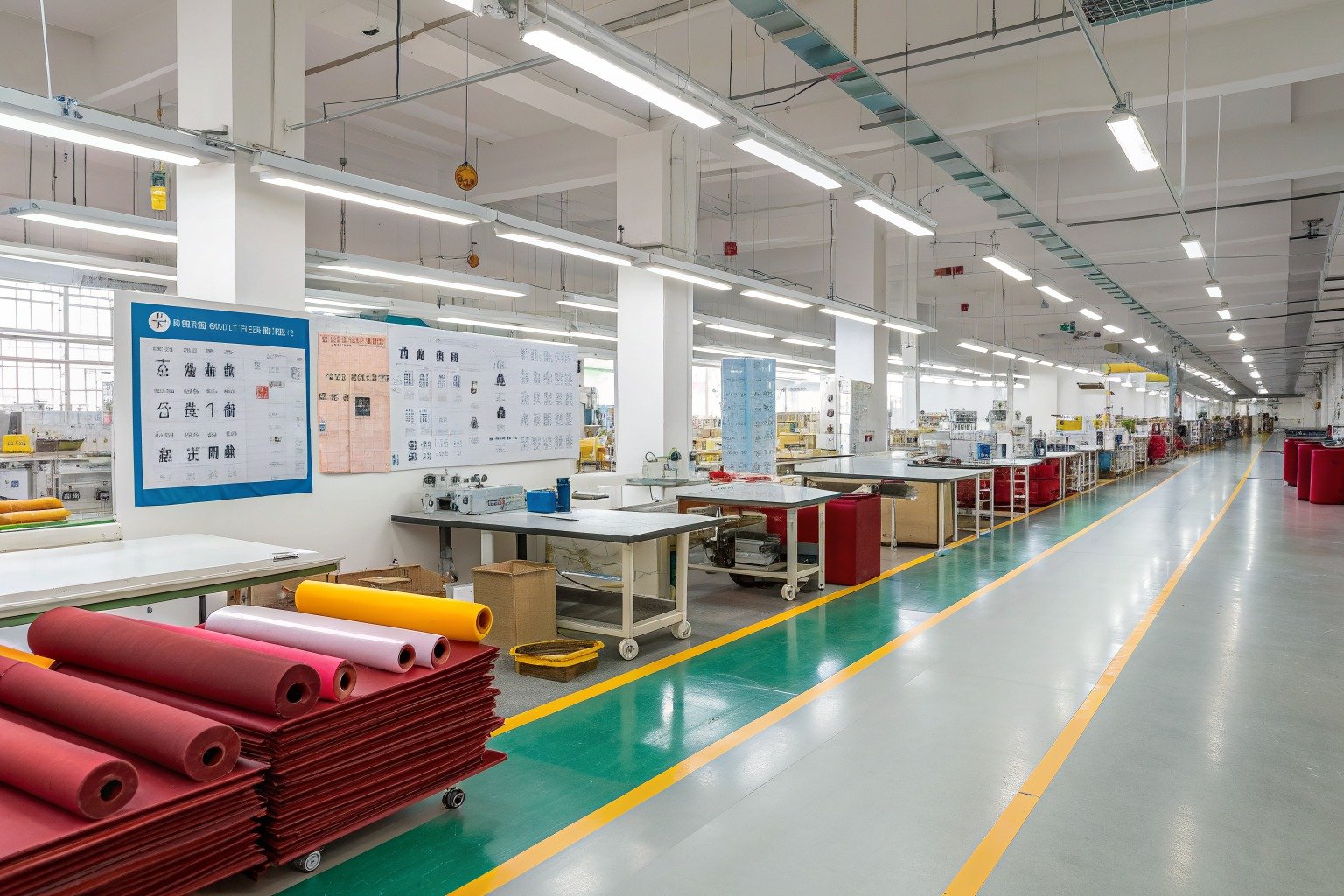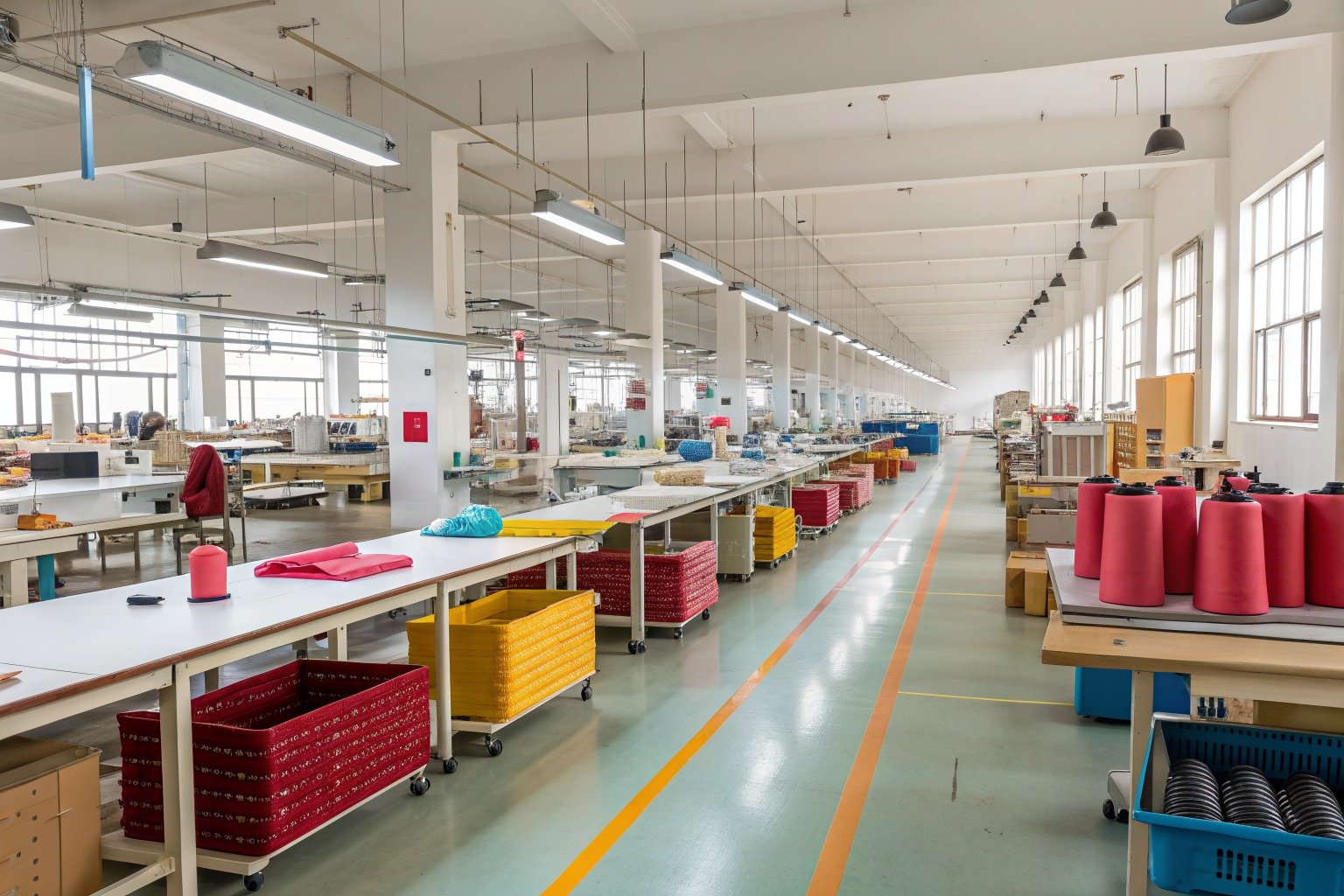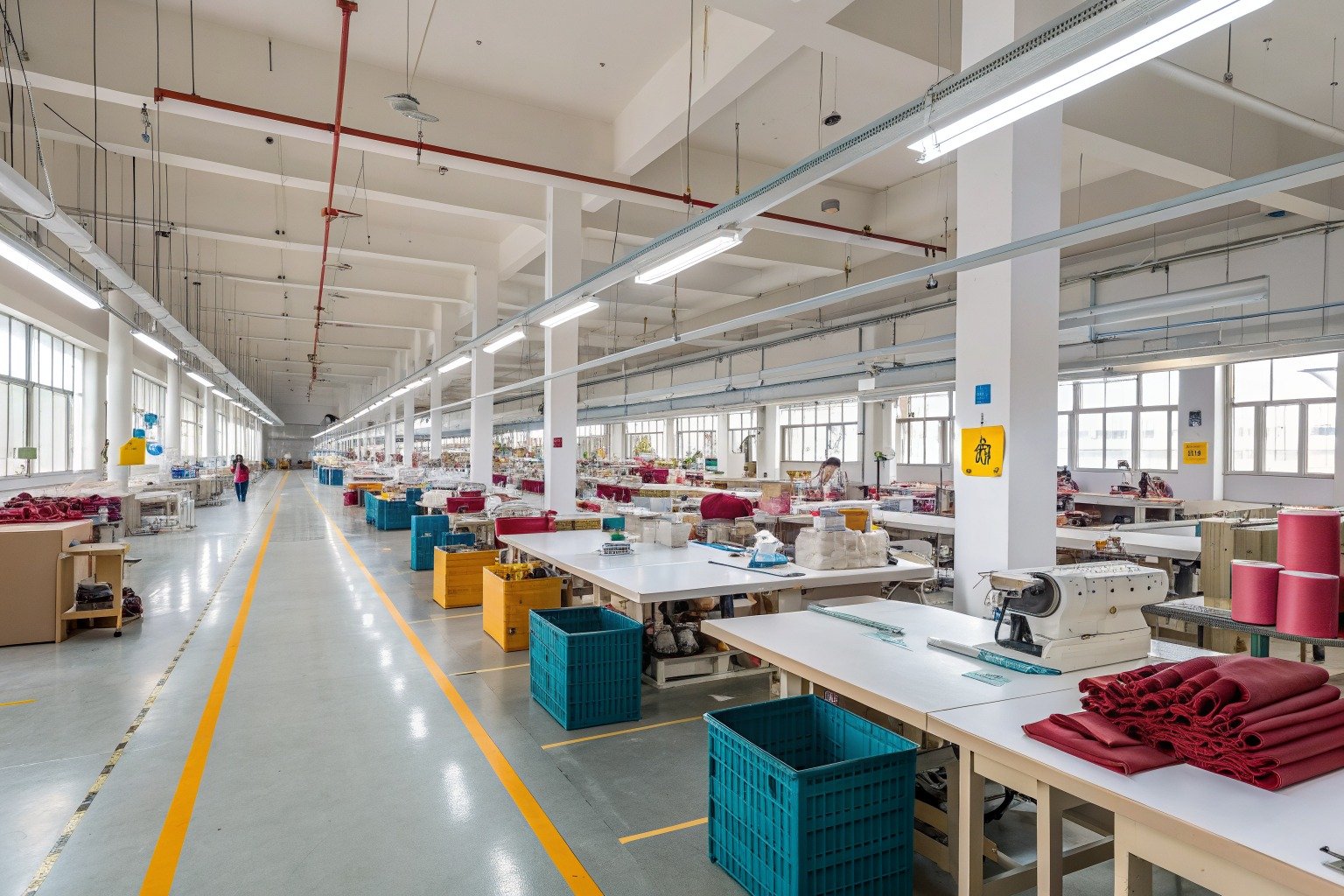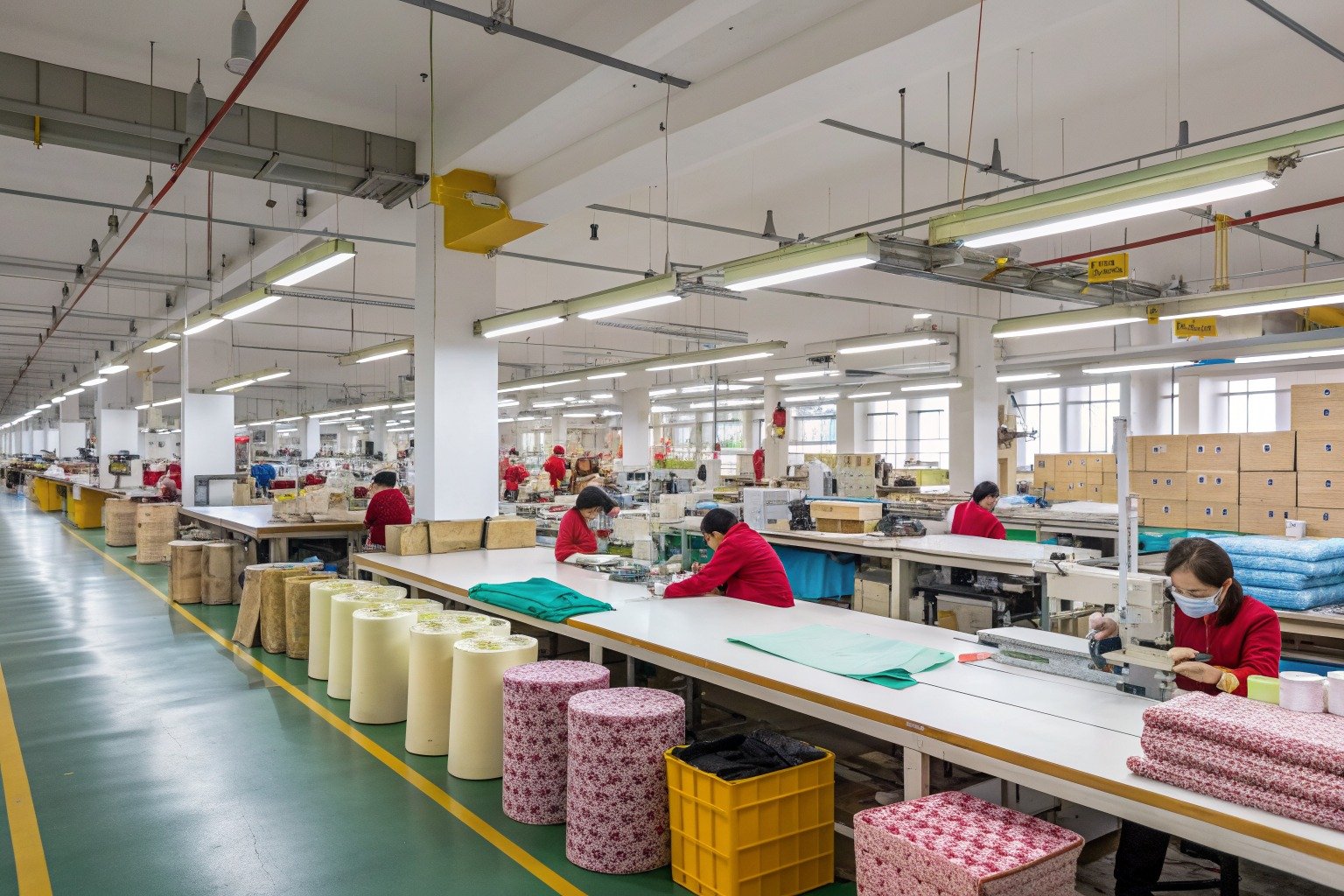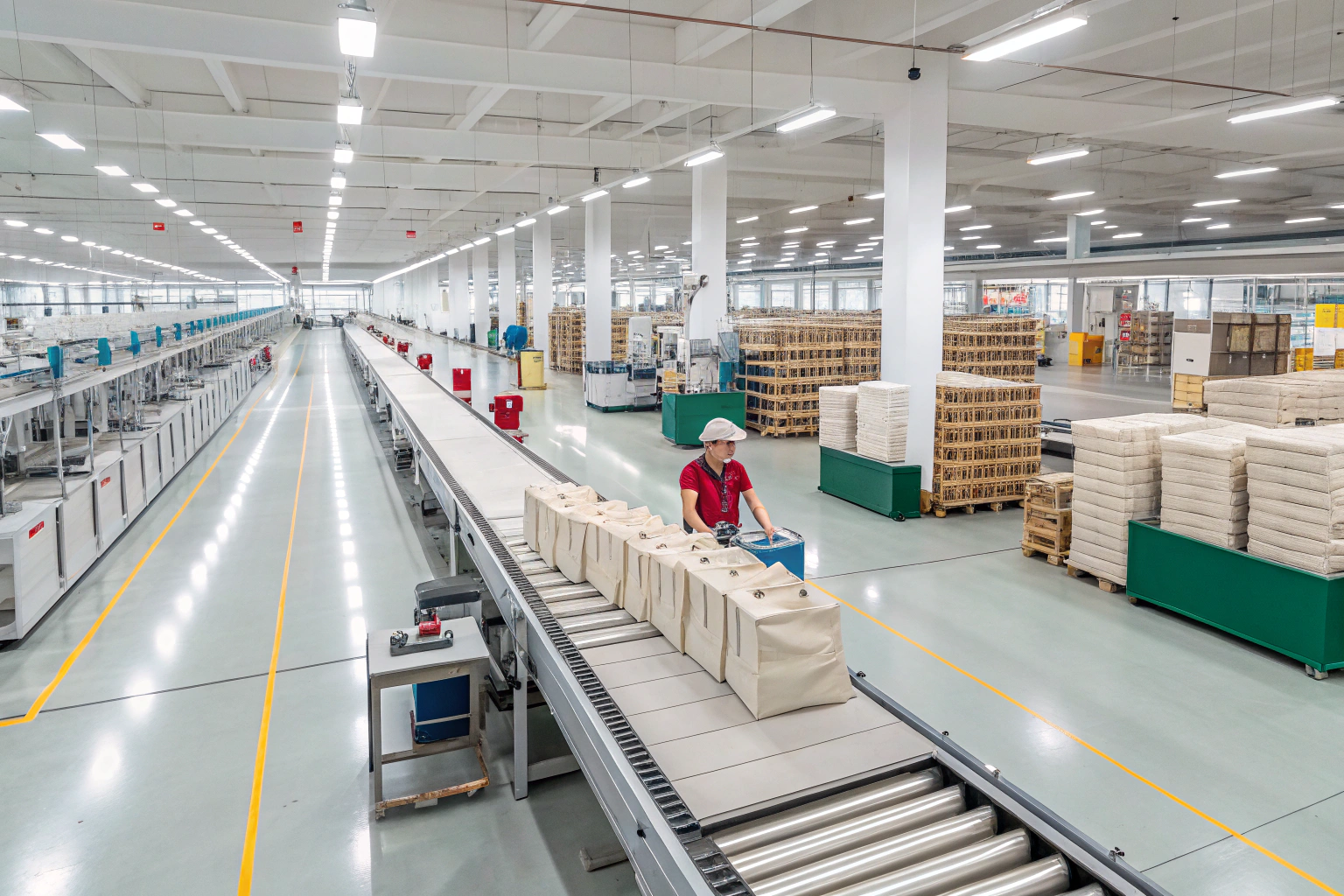
You’re planning a high-volume order for bags—maybe 10,000 units for a supermarket chain, 50,000 for a promotional event, or a seasonal launch for a fashion brand. The stakes are high: cost, quality, and on-time delivery are non-negotiable. You could source locally or from other regions, but the data and experience of countless global brands point decisively towards China. Why is partnering with a Chinese factory, particularly a specialized manufacturer, the most strategic choice for large-scale bag production?
The decision to work with a Chinese factory for high-volume bag orders is driven by an unparalleled combination of scale efficiency, integrated supply chains, mature manufacturing ecosystems, and advanced technical capabilities. It’s not merely about lower labor costs; it’s about accessing a holistic production environment where every component, from zippers and buckles to specialized fabrics and packaging, is available within a condensed geographic area, enabling speed, cost control, and quality consistency at volumes that are challenging to achieve elsewhere. For a partner like Shanghai Fumao, this means we can leverage deep local networks, state-of-the-art equipment, and experienced teams to transform your large order from a logistical challenge into a streamlined, predictable process.
This choice is about de-risking your supply chain while maximizing value. Let’s examine the concrete advantages that make Chinese factories the global leader in high-volume accessory manufacturing.
What Are the Unmatched Advantages of Scale and Supply Chain?
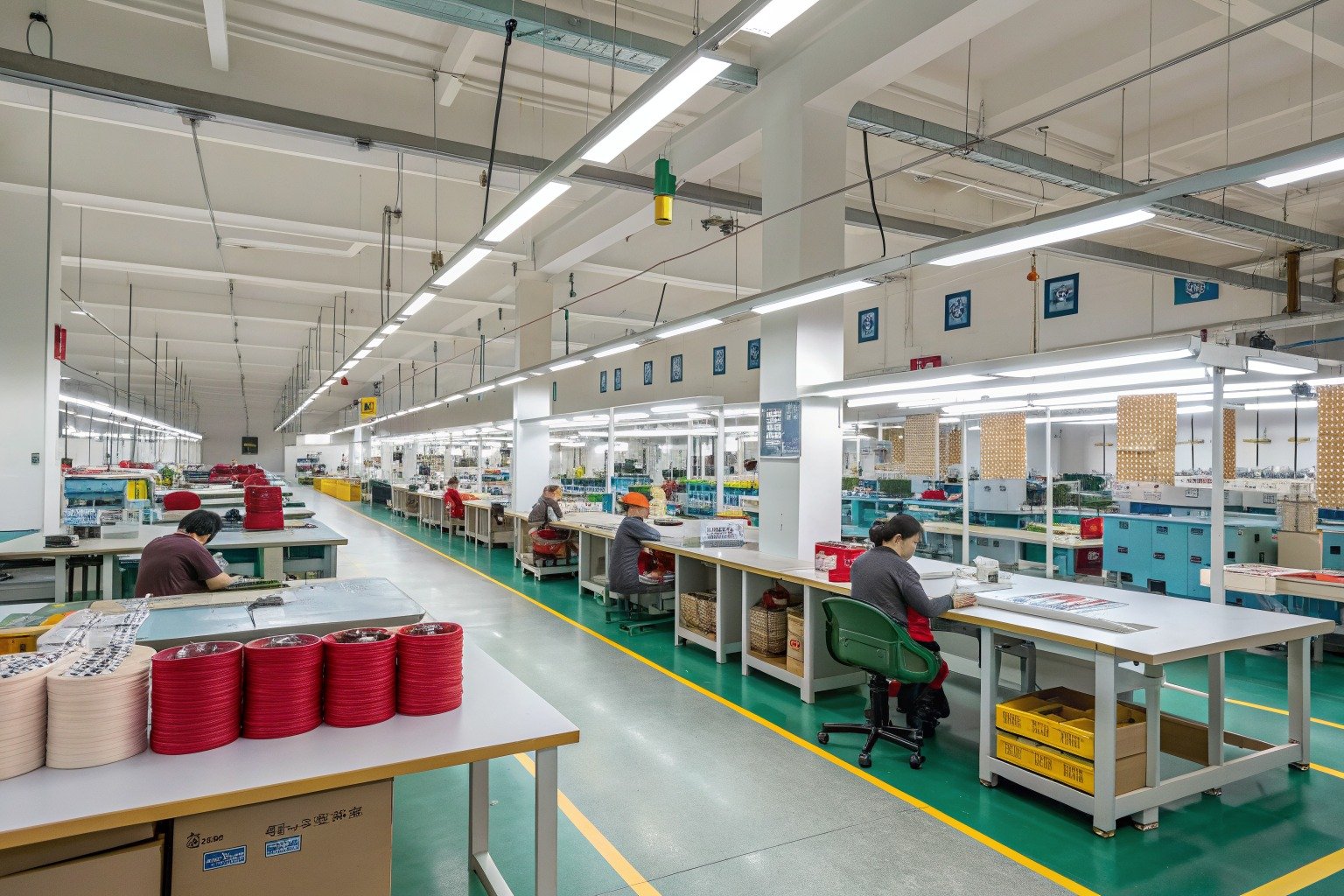
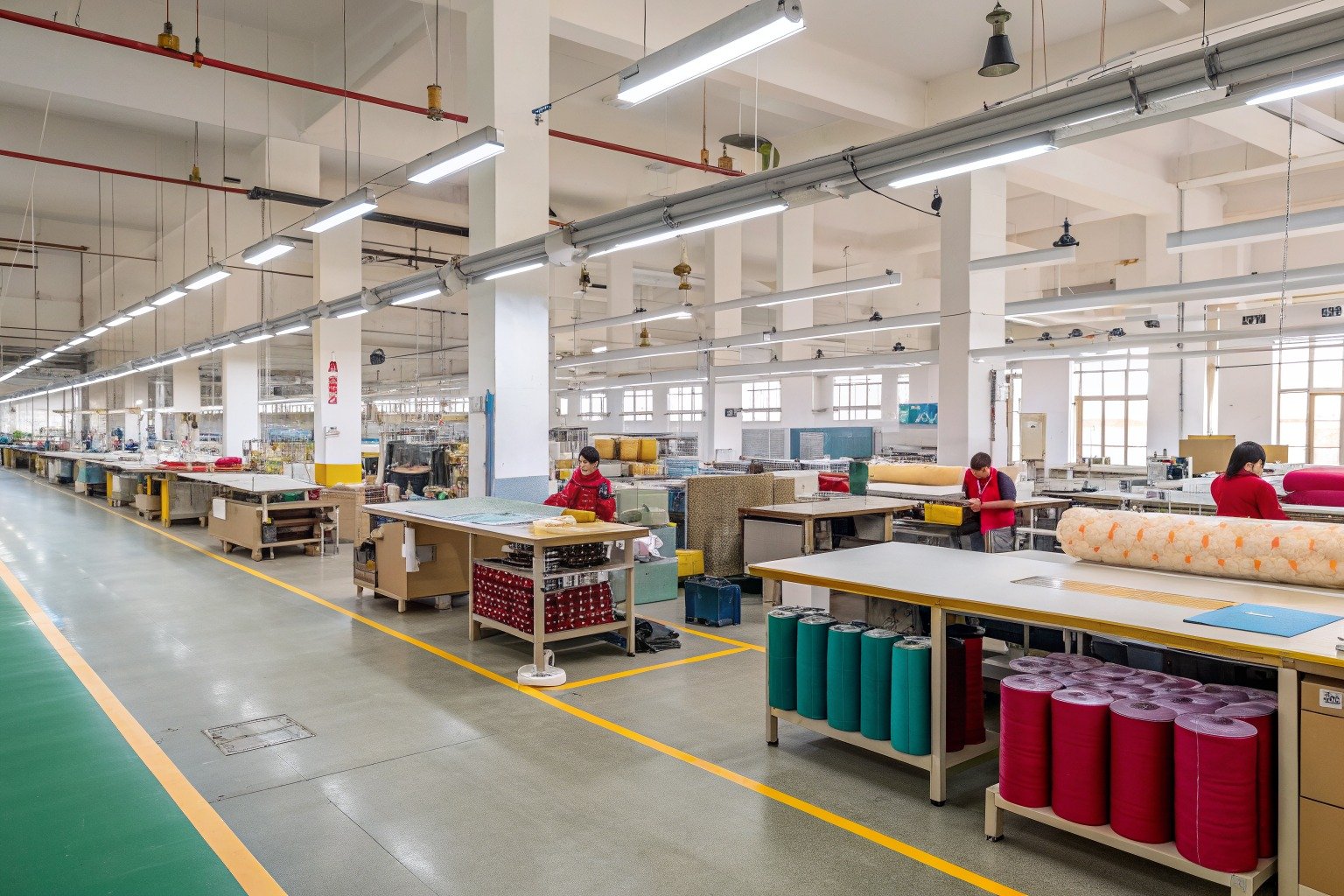
The core of China’s manufacturing dominance lies in its agglomeration economies—the powerful efficiency gains from having all parts of an industry concentrated in one region. For bag production, this is transformative.
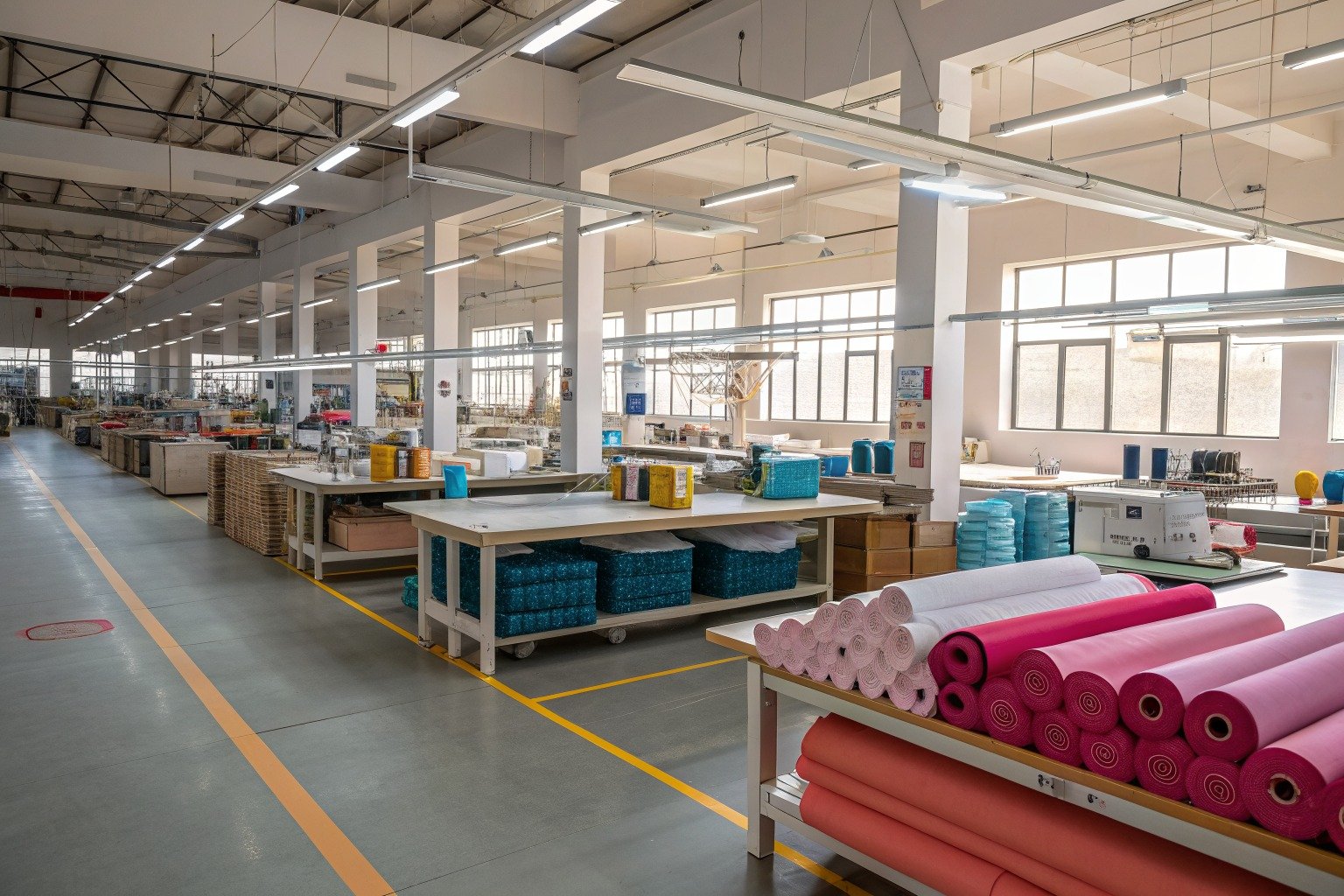
First, scale brings down unit cost dramatically. Factories equipped for high-volume orders have optimized their processes, from bulk fabric purchasing (securing far better rates than any small or medium overseas factory could) to assembly line workflows that minimize time and waste. The per-bag cost of setting up a production line is amortized over tens of thousands of units, making the economics work. Second, and critically, is the complete, localized supply chain. Within a few hours’ drive of a major bag factory in Guangdong or Zhejiang, you can find specialized suppliers for every component: woven label mills, polybag manufacturers, metal hardware molders, custom zipper factories, and textile mills producing everything from canvas to nylon to faux leather. This proximity means:
- Faster Sourcing: Prototyping and sample revisions are incredibly fast because materials are readily available.
- Better Cost Control: No long-distance shipping of components, reducing both cost and carbon footprint for the supply chain leg.
- Quality Synchronization: The factory can work directly with component suppliers to ensure quality matches, and can quickly resolve any material issues face-to-face.
- Reduced Lead Time: The entire production cycle, from material procurement to finished goods, is condensed.
This ecosystem is a result of decades of development and is almost impossible to replicate elsewhere at the same scale. Reports from McKinsey on global supply chains consistently highlight integrated regional networks as a key competitive advantage.
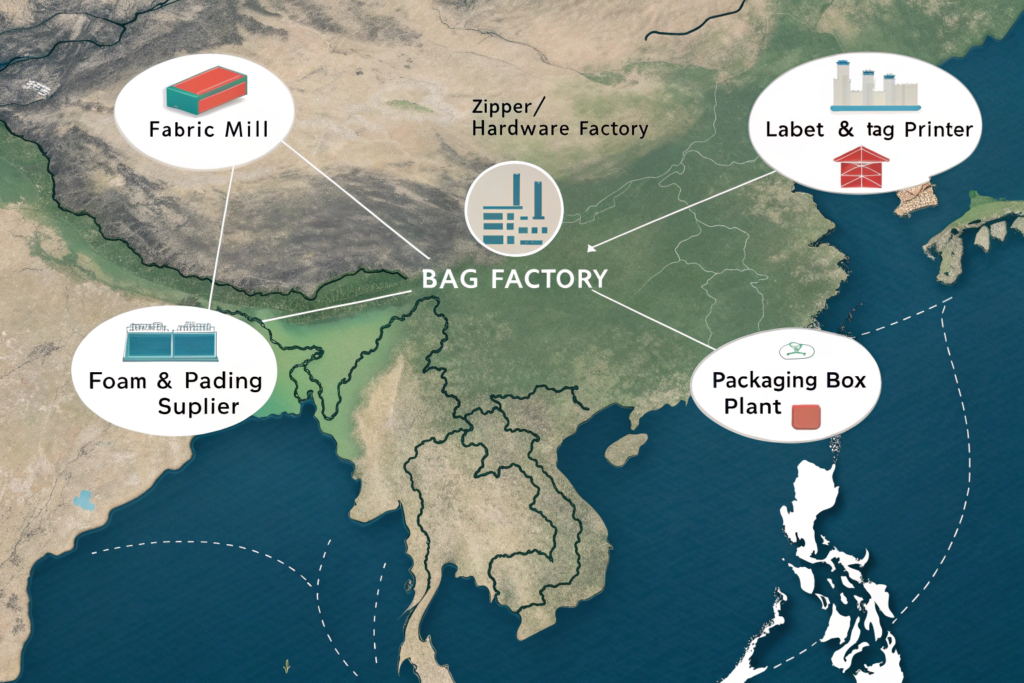
How Does Local Sourcing Cut Costs and Lead Times?
Consider the alternative: a factory in another country might need to import zippers from China, fabric from Korea, and labels from India. Each of these imports adds weeks to the timeline, incurs separate freight and duty costs, and introduces multiple points of potential delay and quality mismatch. In China, the bag factory’s procurement team can visit the zipper supplier in the morning, approve a color match by afternoon, and have the components delivered the next day. This hyper-efficiency is the engine behind the famous "China speed," allowing for both rapid development and stable, on-schedule bulk production. For a high-volume order, this reliability is as valuable as the cost saving.
What is the Real Impact on Minimum Order Quantity (MOQ) and Flexibility?
Chinese factories are structured to accommodate high MOQs efficiently. This often means they can offer more competitive pricing at these volumes than factories elsewhere that are not optimized for scale. However, flexibility is also key. A professional factory will work with you to plan production in batches or phases. For instance, you might order 50,000 units total but schedule production in two lots of 25,000, allowing for a mid-stream color adjustment based on early sales data. This level of planning and flexibility requires sophisticated project management, which established Chinese exporters have honed over years of working with global clients.
How Do Technical Capabilities and Quality Systems Compare?
The outdated stereotype of Chinese manufacturing being solely about low-cost, low-quality goods is obsolete. For high-volume orders, leading Chinese factories invest heavily in technology, skilled labor, and systematic quality management to meet and exceed international standards.
Technical capabilities are vast. Modern bag factories utilize:
- Computer-Aided Design (CAD) and Cutting: Automated cutting machines ensure precision and minimize fabric waste on large orders, a critical cost factor.
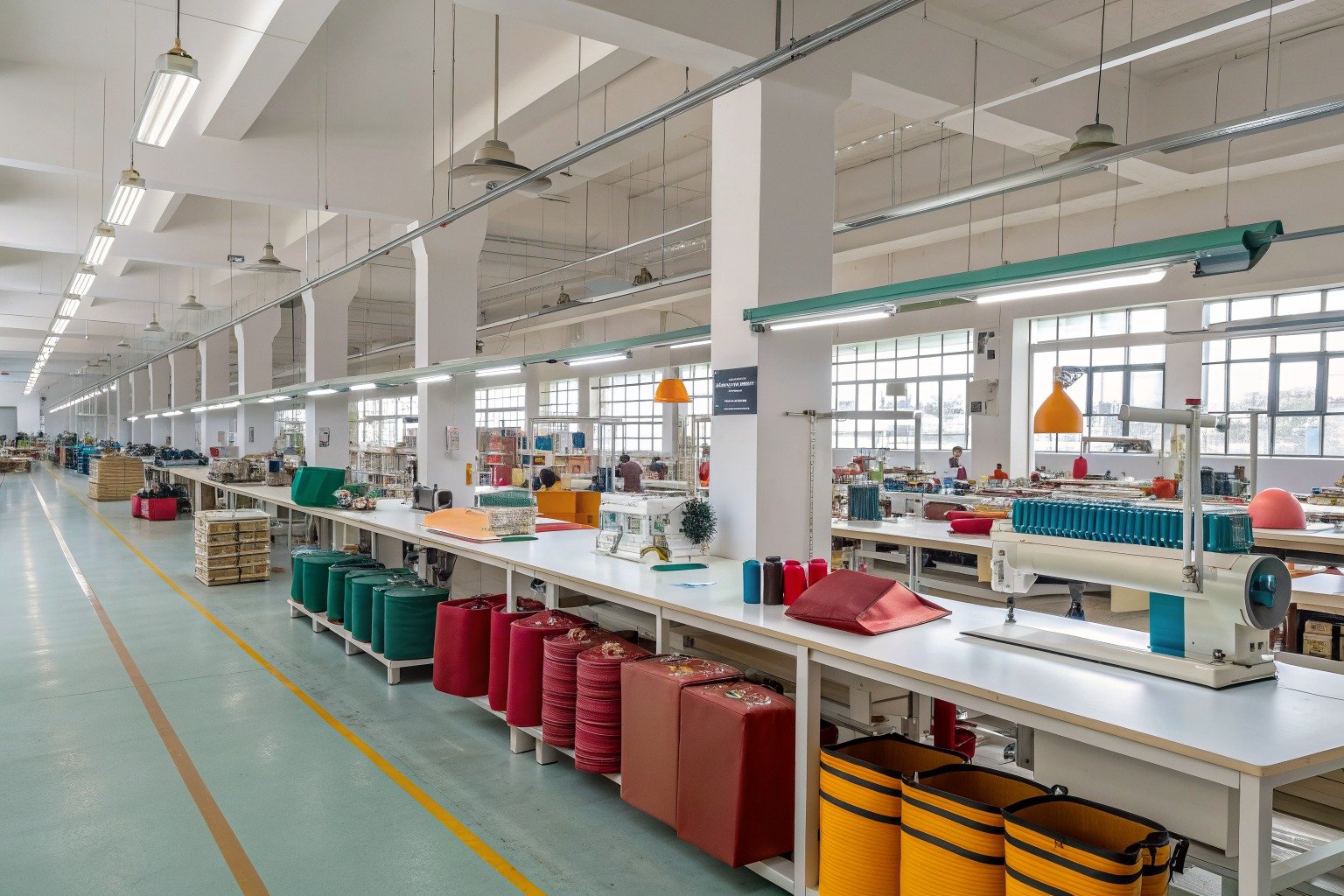
- Specialized Industrial Machinery: High-density sewing machines for heavy fabrics like canvas, ultrasonic welders for seamless waterproof seams, automated strap adjusters, and precise screen-printing or heat-transfer equipment.
- In-House Tooling and Molding: For custom hardware (logos on buckles, unique zipper pulls), factories often have or partner with mold shops to create custom dies, ensuring unique branding and faster turnaround.
- Established Quality Control (QC) Protocols: Reputable factories operate with QC systems aligned with international standards (like ISO 9001). For high-volume orders, this means Inline QC (checking during production) and Final Random Inspection (FRI) based on AQL (Acceptable Quality Level) sampling. They generate detailed inspection reports for buyers. At Shanghai Fumao, our multi-tier QC process is designed to catch defects at the source, ensuring the consistency of every single unit in a 10,000-piece order. This commitment is what allows us to serve demanding clients in North American and European markets.
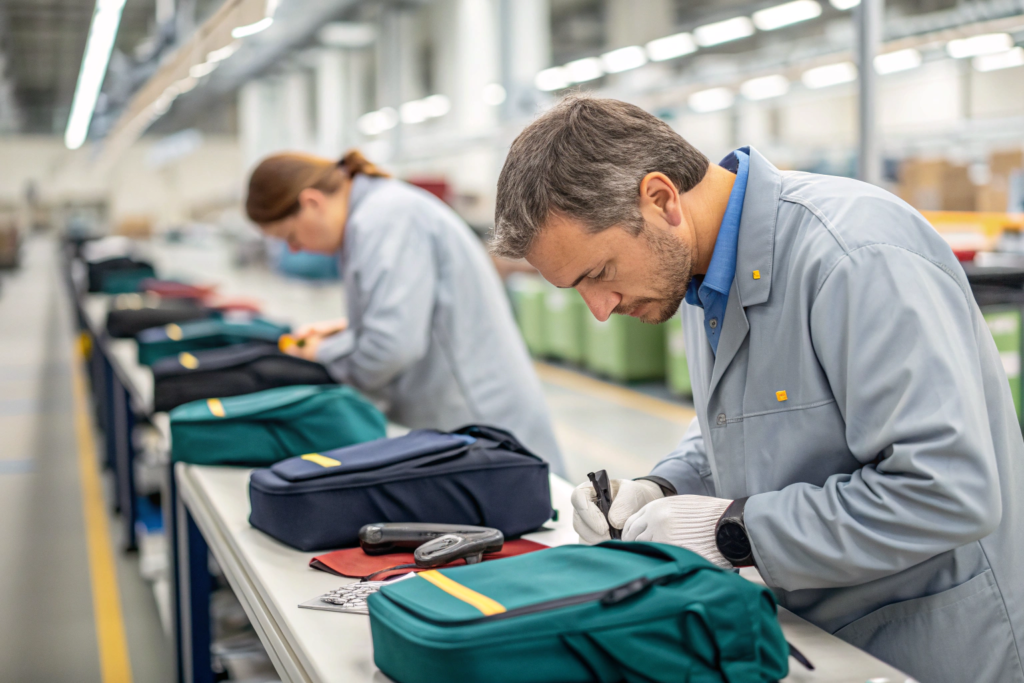
Can Chinese Factories Handle Complex Designs and Customization?
Absolutely. The misconception is that high-volume means simple. In reality, complex designs—bags with multiple compartments, waterproof linings, ergonomic padding, custom prints, or integrated tech pockets—are where an experienced factory’s engineering team shines. They will analyze your tech pack, suggest value-engineering improvements for durability or cost, and create precise samples. The ability to produce custom molds for hardware is a particular strength, allowing for unique branded elements that prevent commoditization. This design partnership capability turns the factory from a pure producer into a development ally.
What Certifications and Compliance Should You Look For?
For high-volume orders, especially for major retailers or brands, compliance is non-negotiable. A professional Chinese factory should readily provide evidence of:
- Business Licenses & Export Rights: Standard legal operation.
- Quality Management System Certifications: e.g., ISO 9001.
- Material Compliance Certificates: Such as OEKO-TEX for fabrics (ensuring harmful substances are below limits), REACH compliance for chemicals, or CPSIA for children’s products.
- Social Accountability Audits: Reports like SMETA or BSCI, which are increasingly required by Western brands to ensure ethical labor practices.
A factory’s willingness and ability to comply with these standards is a key indicator of its professionalism and suitability for long-term, high-volume partnerships.
What Are the Logistics and Financial Advantages?
Executing a high-volume order isn’t just about making the bags; it’s about getting them to your warehouse efficiently and managing the financial transaction smoothly. China’s export infrastructure and established trade frameworks provide significant advantages.
Logistical Mastery: Major Chinese manufacturing hubs are served by some of the world’s largest and most efficient ports, like Shanghai, Ningbo, and Shenzhen. Factories experienced in export have long-standing relationships with freight forwarders and shipping lines. They can expertly handle:
- Consolidation and Container Loading: Maximizing space to reduce shipping costs per unit.
- Documentation: Preparing all export documents, commercial invoices, packing lists, and certificates of origin accurately.
- Incoterms Expertise: Clearly defining responsibilities (e.g., FOB – Free on Board, where the buyer handles main shipping and insurance, or EXW – Ex-Works, where the buyer handles everything from the factory gate). This clarity prevents costly misunderstandings.
Financial Efficiency and Security: The mature export ecosystem includes secure and familiar payment mechanisms. Standard terms like 30% deposit and 70% balance before shipment offer protection for both parties. Additionally, platforms like Alibaba’s Trade Assurance or letters of credit (LC) through banks provide financial security. The sheer volume of trade means Chinese banks and financial institutions are highly experienced in handling international transactions, reducing friction.
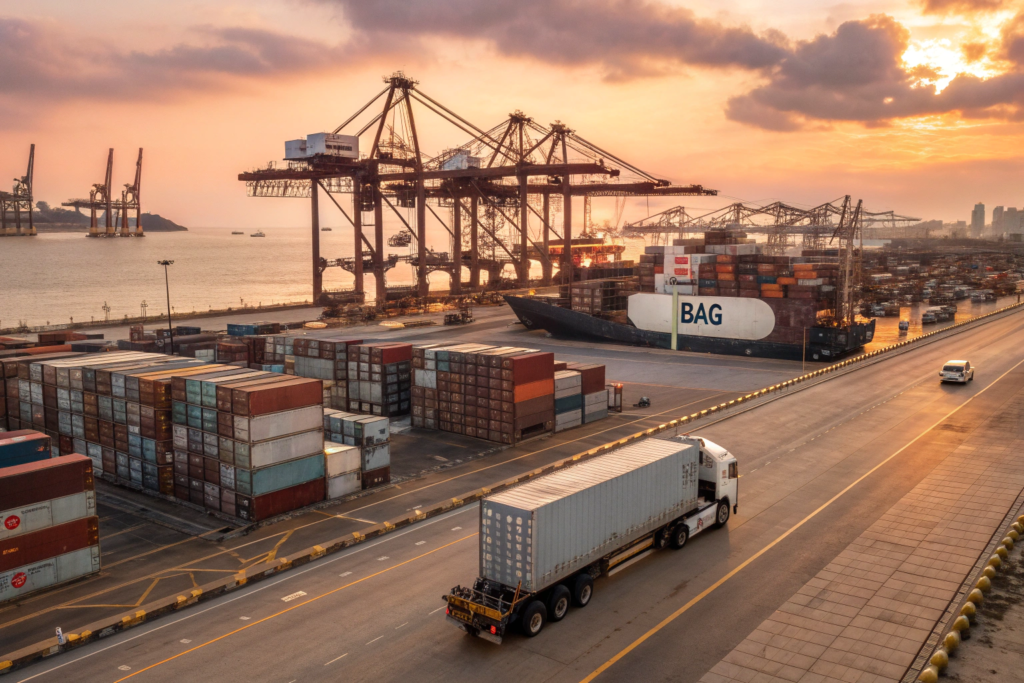
How Does Volume Shipping Optimize Cost?
For high-volume orders, you will likely ship by sea freight in a Full Container Load (FCL). The cost of a 40-foot container is largely fixed, whether it holds 5,000 or 15,000 bags (within weight/volume limits). Therefore, the more units you can fit in, the lower the per-unit shipping cost. An experienced factory’s packing team will know how to pack bags flat or folded to maximize container utilization, directly saving you money. This economies-of-scale benefit in logistics is a major component of the total landed cost advantage.
What Payment Structures are Standard and Secure?
A transparent and fair payment structure is the foundation of trust. The standard model for a new relationship is:
- Deposit (30-50%): Paid after sample approval and before production starts. This covers the factory’s cost of materials.
- Balance (70-50%): Paid before shipment, after the buyer approves pre-shipment inspection photos or reports.
For very large orders or established relationships, more complex terms like LC at Sight (where a bank guarantees payment upon presentation of shipping documents) can be used. Reputable factories are flexible and clear about these terms.
What Are the Potential Challenges and How to Mitigate Them?
While the advantages are clear, a pragmatic approach acknowledges potential challenges. The key is not to avoid Chinese manufacturing, but to partner wisely to mitigate these risks.
Challenge 1: Communication and Cultural Gap.
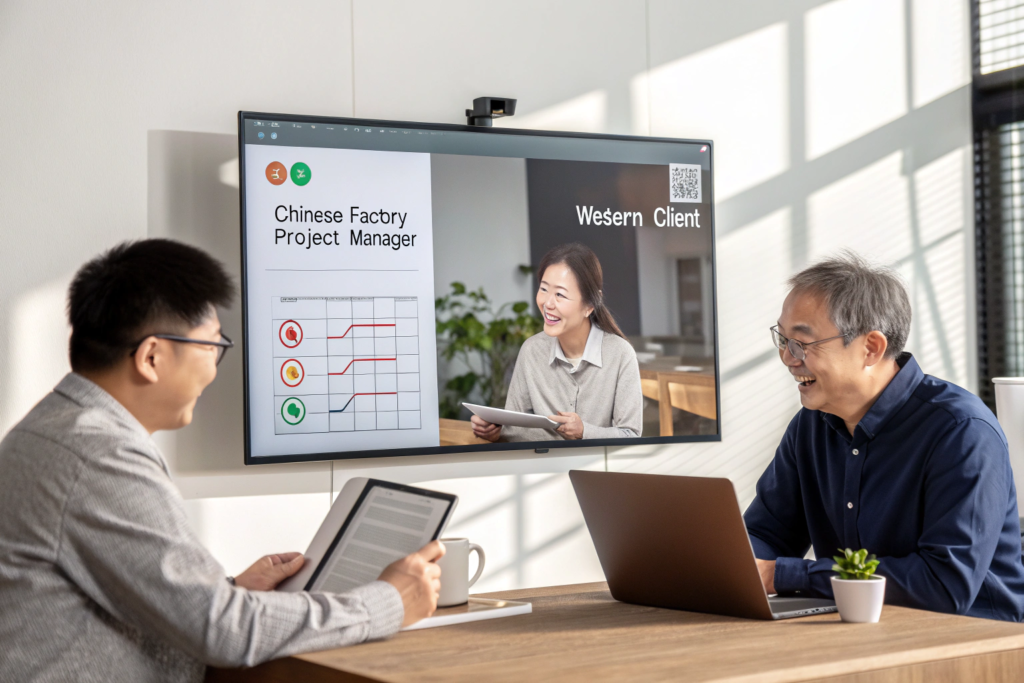
- Mitigation: Work with a factory that has a dedicated, proficient English-speaking project manager (PM). This single point of contact should be responsive and technically knowledgeable. Use clear, visual communication: detailed tech packs, annotated photos, and approved physical samples. At Shanghai Fumao, each client is assigned a PM who owns the project from start to finish, ensuring no details are lost in translation.
Challenge 2: Intellectual Property (IP) Concerns.
- Mitigation: Sign a comprehensive Non-Disclosure Agreement (NDA) and Manufacturing Agreement that clearly states all designs, molds, and tooling are your property. Choose a factory with a strong brand reputation that values long-term partnership over short-term copying. Conduct factory audits to assess their security protocols.
Challenge 3: Quality Consistency Across Massive Volumes.
- Mitigation: This is where process matters. Insist on a clear QC plan. Hire a trusted third-party inspection company (like SGS, Bureau Veritas, or QIMA) to conduct DUPRO (during production) and final pre-shipment inspections. Do not skip the sampling stage; the approved golden sample is your legal quality benchmark.
Challenge 4: Navigating Cultural and Business Practices.
- Mitigation: Educate yourself on basic Chinese business etiquette. Be respectful, build a relationship (guanxi), and be patient but firm. Understand that the factory may celebrate Chinese holidays (like Chinese New Year, which can shut down production for 3-4 weeks), and plan your timeline accordingly. Resources like the China-Britain Business Council offer guides on doing business in China.
How Important is the Sampling Phase?
The sampling phase is the most critical risk mitigation step. It is where you test the factory’s capability, finalize all details, and create the binding standard for bulk production. Never rush this phase. Expect to pay for and go through 2-3 sample iterations to get everything perfect. A factory that is serious about quality will welcome this rigorous process.
Should You Use a Sourcing Agent or Go Direct?
For first-time buyers or those without in-house sourcing teams, a reputable sourcing agent based in China can be invaluable. They act as your local eyes and ears, conducting factory audits, negotiating, coordinating QC, and handling logistics. Their fee is often justified by the savings and risk reduction they provide. For larger brands with established procurement teams, going direct with a top-tier factory like ours allows for deeper partnership and often better pricing.
Conclusion
Choosing to work with a Chinese factory for high-volume bag orders is a decision rooted in practical global economics and proven supply chain logic. It provides access to an ecosystem built for scale, offering unbeatable advantages in cost efficiency, speed-to-market, supply chain integration, and technical capability for complex products. The path to success lies in selecting the right partner—a factory with a transparent process, robust quality systems, clear communication, and a commitment to partnership.
By approaching this relationship with due diligence, clear specifications, and mutual respect, you transform potential challenges into managed processes. The result is a reliable, high-quality product delivered on time and within budget, enabling your brand to compete effectively in the global marketplace.
If you are planning a high-volume bag order and seek a manufacturing partner with the scale, expertise, and reliability to execute it flawlessly, we invite you to connect with us. Our team is built to manage large-scale projects from concept to delivery. For a detailed consultation, please contact our Business Director, Elaine. Let’s discuss how we can bring your volume order to life with precision and partnership. Reach Elaine at: elaine@fumaoclothing.com.