
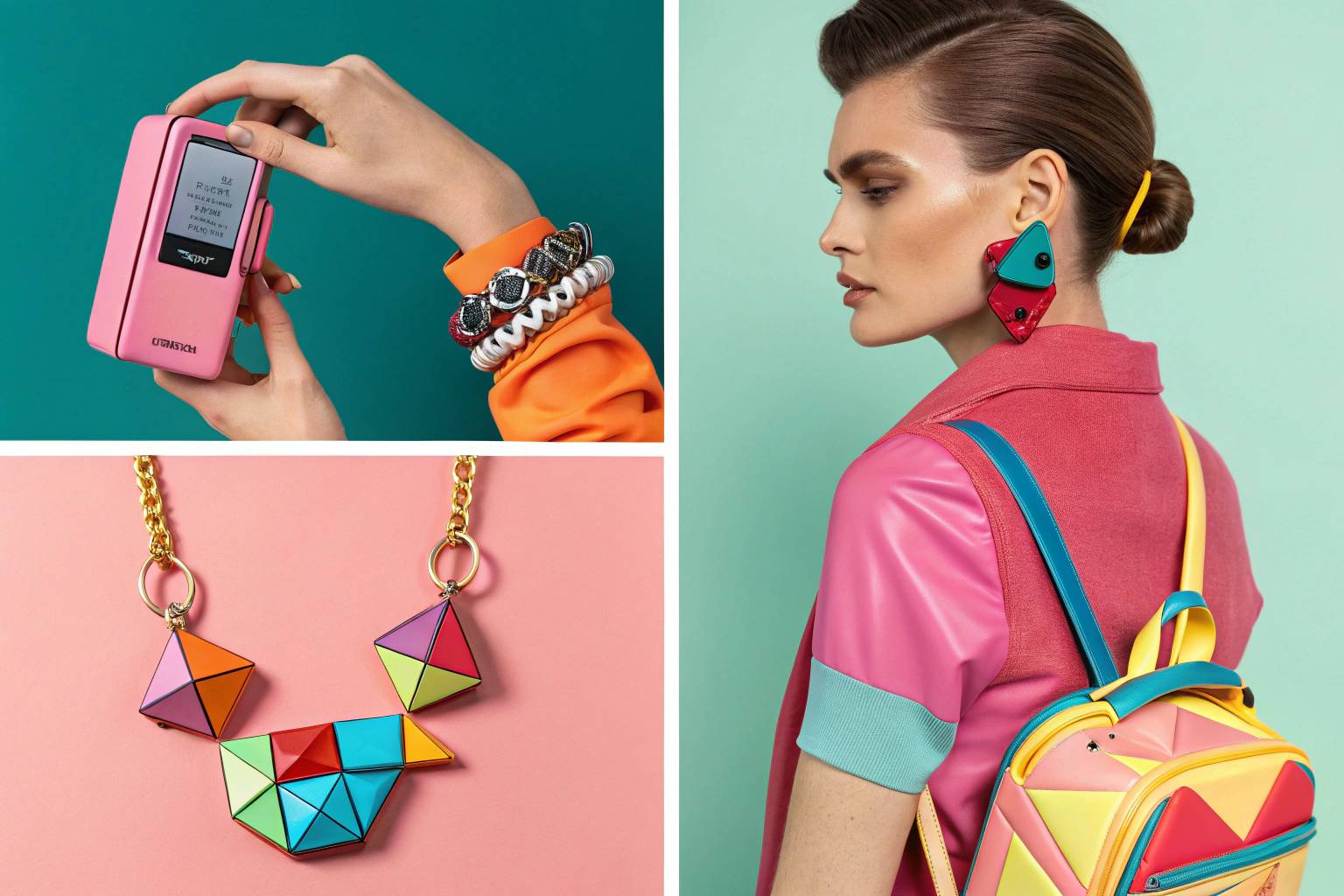
As a brand looking toward 2026, you’re not just selling accessories; you’re curating pieces that will define the cultural and aesthetic moment for your audience. The accessory landscape is shifting from mere embellishment to becoming central pillars of personal identity, storytelling, and technological integration. Which styles will resonate with the values-driven, experience-hungry consumer of the mid-2020s, and how can brands authentically participate in these trends?
The dominant fashion accessory trends for brands in 2026 will orbit four key themes: Sentimental Intelligence, Cyborgian Craft, Radical Optimism, and Hyper-Functional Escapism. This means moving beyond fleeting aesthetics toward accessories that embody emotional depth, merge organic and digital craft, express bold joy, and serve as tools for both physical and mental transition. The successful 2026 accessory won’t just be seen; it will be felt, interacted with, and relied upon. Brands will need to think in terms of emotional utility, material innovation, and context-shifting versatility.
This forecast is a map for strategic creativity. It’s about identifying which of these powerful currents aligns with your brand’s core identity and executing with depth and authenticity. Let’s decode the specific styles, materials, and consumer motivations that will shape the must-have accessories of 2026.
What Defines the "Sentimental Intelligence" Trend in Accessories?
In reaction to digital saturation and a desire for deeper connection, the "Sentimental Intelligence" trend elevates accessories from decorative objects to curators of personal memory and emotion. These are pieces designed to be meaningful, interactive, and deeply personal, often incorporating technology not for flash, but for fostering intimacy.
This trend manifests in several key styles:
- The Modern Locket & Reliquary: Beyond holding a photo, lockets may incorporate micro-encapsulated scents (of a loved one’s perfume, a specific place), tiny digital E-ink screens that cycle through personal images or short messages, or compartments for kept natural objects (a pressed flower, a seashell). Brands like Gucci have already explored digital lockets, and this will become more accessible.
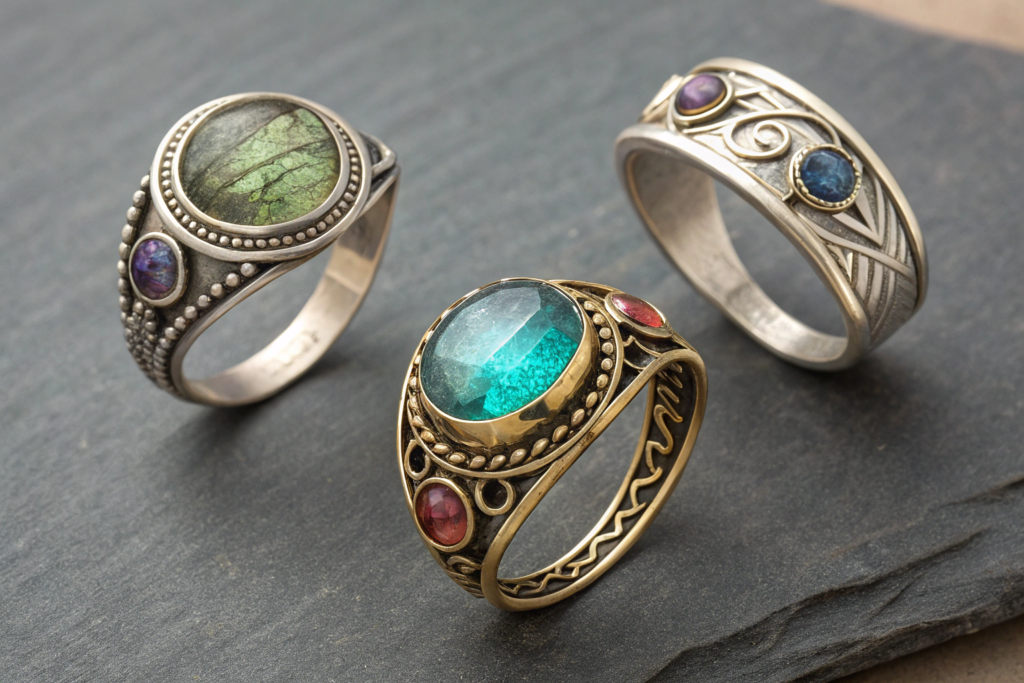
- Interactive Jewelry: Pieces that change or respond. Think rings with thermochromic stones that shift color with body temperature or emotion, or bracelets with modular charms that can be added/removed to tell a changing story of the wearer’s journey.
- Personalized Heirloom Craft: Customization goes beyond monograms. It involves co-creation with artisans to embed a personal narrative into the material itself—e.g., a scarf woven with threads from a customer’s old clothing, or a belt buckle cast from a 3D scan of a cherished heirloom object.
For brands, this trend is about selling emotional value and storytelling capability. The product becomes a platform for a customer’s personal narrative. Marketing shifts from showcasing the item alone to showcasing the rituals and emotions it enables. This requires a shift in operations: offering bespoke services, partnerships with tech firms for integrated micro-displays, and perhaps a "story label" QR code with each piece that the owner can personalize. Manufacturers like Shanghai Fumao Clothing, which can handle small-batch, high-mix production and integrate specialty components, become ideal partners for bringing these emotionally complex pieces to life.
How can technology be subtly integrated for emotional connection?
The tech must be unobtrusive and purposeful. Key integrations include:
- Near-Field Communication (NFC) Chips: Embedded in a pendant or cufflink. When tapped with a smartphone, it can link to a private video, a voice note, or a digital journal entry.
- E-Ink Displays: Ultra-low-power, paper-like screens for lockets or bracelets that can display text or simple images, updated via a secure app.
- Biometric Sensing (Advanced): For high-end wellness-focused accessories, sensors that track subtle physiological signals (like skin temperature or galvanic response) could trigger a color change in a stone, acting as a private mood ring for self-awareness.
The goal is augmented intimacy, not gadgetry. The accessory remains beautiful and analog in appearance, with the tech serving as a hidden, personal layer.
What materials support this "heirloom" narrative?
Materials must feel authentic and enduring:
- Repurposed & Upcycled Materials: Reclaimed silver, ocean plastic transformed into resin, vintage fabric scraps. The history of the material is part of the story.
- Natural, Unprocessed Elements: Uncut gemstones, raw geodes set in jewelry, undyed, irregular wool for scarves. The imperfections are celebrated.
- Patina-Friendly Metals: Unlacquered brass, copper, and silver that are meant to tarnish and change with the wearer, documenting the passage of time.
These materials reject the sterile perfection of mass production, embracing a wabi-sabi philosophy that values uniqueness and the marks of life.
How is "Cyborgian Craft" Merging Organic and Digital Aesthetics?
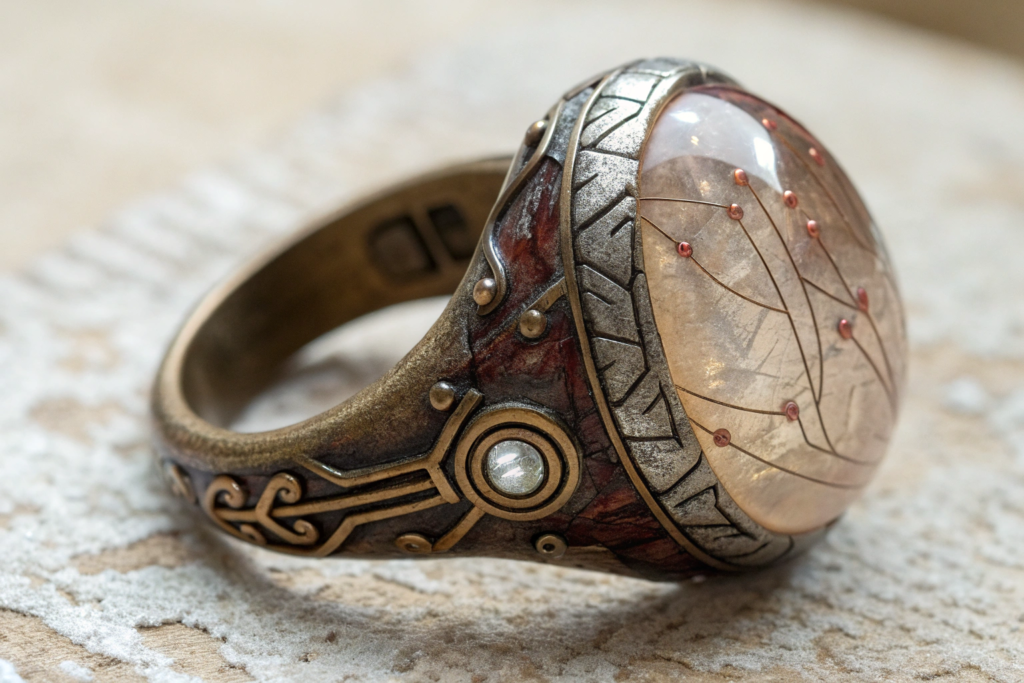
"Cyborgian Craft" is the aesthetic embodiment of our hybrid reality. It dissolves the boundary between the handmade/organic and the machine-made/digital, creating accessories that look like futuristic artifacts or grown bio-structures. This trend is for brands that want to signal cutting-edge innovation and a philosophical engagement with our tech-infused world.
The style is characterized by alien elegance. Key forms include:
- 3D-Printed Organicism: Jewelry, hair accessories, and bag hardware that mimic coral structures, mycelial networks, or bone tissue, but rendered in polished metal, colored resin, or sintered ceramic. The design is algorithmically generated but feels naturally grown.
- Fluid Metal & Textile Fusions: Belts where metal appears to melt into leather, or gloves with silicone "drips" over knit fabric. It creates a sense of material transformation and cyborgian melding.
- Biomimetic Color Shifts: Using interference pigments, liquid crystal films, and anodized metals that shift color like a beetle’s shell or an oil slick, depending on the angle and light. This is applied to sunglasses frames, shoe accents, and clutch bags.
- Exo-Skeletal Structures: Bags, hats, and corset-style belts that feature an external, architectural frame made of lightweight polymer or metal, resembling an exoskeleton that both protects and accentuates the body.
For brands, this trend demands investment in advanced manufacturing and material R&D. It’s about collaborating with 3D printing studios, material scientists, and avant-garde designers. The narrative is one of co-creation with technology. Marketing should highlight the design process—the algorithms, the digital sculpting, the innovative material blends—positioning the accessory as a wearable piece of future art. This trend thrives in the high-fashion and avant-garde streetwear spaces, where consumers seek distinction through design intelligence.
What manufacturing techniques are central to this trend?
This trend is powered by additive and hybrid manufacturing:
- Direct Metal Laser Sintering (DMLS): For intricate, strong, lightweight metal jewelry and components.
- Multi-Material 3D Printing: Allows combining rigid and flexible, or transparent and opaque, materials in a single print.
- CNC Machining paired with Hand-Finishing: For precision-cut forms that are then manually polished, patinated, or combined with soft materials.
- Bio-Fabrication (Emerging): Using lab-grown materials like mycelium leather or bacterial cellulose to create truly organic-looking yet scientifically produced accessories.
Mastery of these techniques allows for geometries and material combinations impossible with traditional craft alone.
Is this trend wearable, or purely conceptual?
While the extreme end is runway-focused, the core aesthetic is highly wearable. A consumer might adopt it through:
- A single statement piece: A 3D-printed resin choker with organic forms.
- Hybrid material details: A classic leather tote with biomimetic color-shift handles.
- Accessory hardware: Buckles, bag charms, or eyewear temples featuring these cyborgian designs.
The key is grounding the futuristic element in a classic silhouette (a simple pump, a structured bag) or pairing it with minimalist clothing, allowing the accessory to be the clear, sophisticated focal point.
What is Driving the "Radical Optimism" Movement in Accessories?
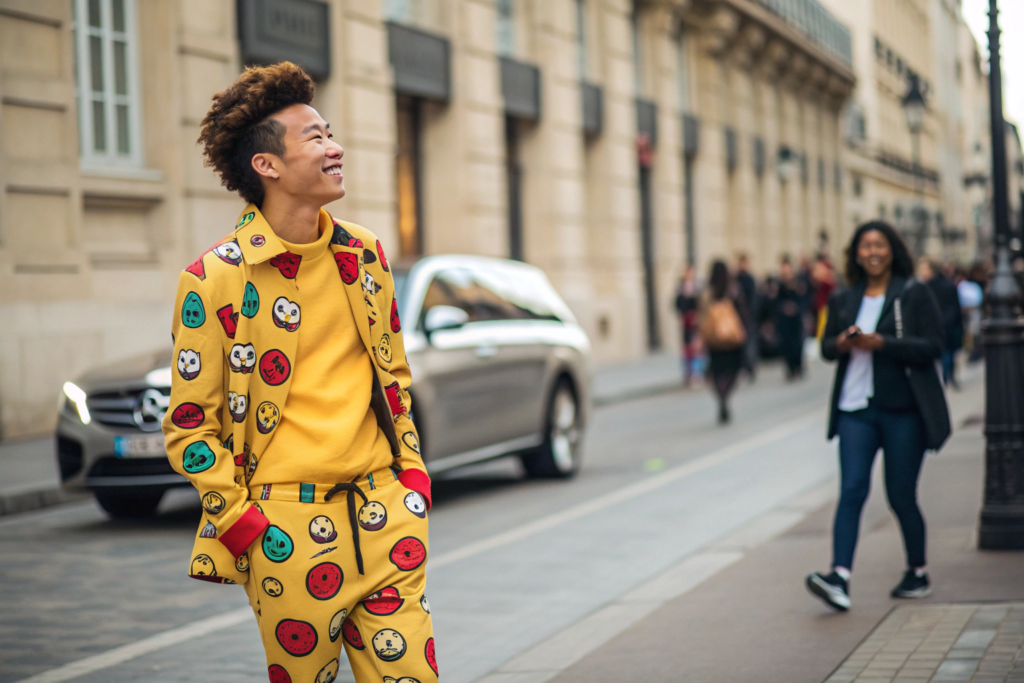
In response to global uncertainties, "Radical Optimism" is a defiant, joyful embrace of color, scale, and playful form. This trend is not about subtlety; it’s about accessories as agents of mood elevation, self-expression, and communal joy. It’s bold, inclusive, and unapologetically fun.
The hallmarks of this trend are exaggeration, saturated color, and tactile delight.
- Super-Scaled Proportions: Oversized bows on shoes and bags, giant hoop earrings that brush the shoulders, architectural headbands, and statement sleeves that function as accessories. The scale is intentionally impractical, celebrating pure expression.
- Hyper-Saturated & Clashing Color Palettes: Moving past pastels into electric brights, neon fluorescents, and candy colors. Think magenta, cyan, acid green, and sun yellow. Color blocking and clashing prints (like polka dots with stripes) are embraced with joyful abandon.
- Playful, Tactile Forms: Accessories that invite touch: pom-poms, fuzzy textures (like shearling and faux fur), squishy silicone shapes, and inflatable elements on bags or jewelry. It’s a rejection of minimalist slickness in favor of sensory joy.
- Nostalgia Re-imagined: References to Y2K, 80s Memphis design, and cartoon aesthetics are filtered through a contemporary lens—less ironic, more genuinely celebratory.
For brands, this trend is a powerful tool for creating viral moments and building community. It’s highly visual and perfect for social media. The strategy is to create "emoji-worthy" pieces that people want to be photographed with. It democratizes high fashion through humor and approachability. Brands can engage by launching collaborations with artists, illustrators, and animation studios, or by creating accessories that are intentionally mismatchable, encouraging personal creativity. This trend has mass-market appeal but requires confidence to execute without appearing juvenile.
How can brands avoid "cheap" when using bright colors and playful shapes?
The key is in quality of execution and material.
- Premium Materials: Use high-gloss, deeply saturated enamels on metal, luxury felts and woolls for fuzzy textures, and precision-molded silicone.
- Sophisticated Design Details: A giant bow should have perfectly tailored edges and internal structure. A neon bag should feature exquisite hardware and impeccable stitching.
- Intentional Styling: Present these bold pieces in a context of elevated basics (e.g., a giant orange clutch with a crisp white shirt and tailored trousers). This frames the playful accessory as a deliberate, powerful choice, not a costume piece.
It’s the difference between childlike and playful sophistication.
What are the key accessory categories for this trend?
This trend explodes across all categories:
- Jewelry: Chunky plastic rings, resin earrings in cartoon shapes, multicolored bead necklaces.
- Bags: Structured minaudières in bright colors, bags with face or fruit motifs, transparent PVC totes filled with colorful items.
- Hair Accessories: Oversized fabric scrunchies, brightly colored claw clips, headbands with sculptural forms.
- Belts: Wide obi belts in satin brights, belts with novelty buckle shapes.
- Footwear Accents: Decorative shoe chains, bold logo socks, sculptural shoe clips.
How Does "Hyper-Functional Escapism" Redefine Practicality?
The "Hyper-Functional Escapism" trend caters to the modern nomad and the mental health-aware consumer. These accessories are tools for physical and psychological transition, enabling the wearer to adapt their environment, mood, or utility on demand. Function is not hidden; it is the celebrated, innovative core of the design.
This trend is defined by modularity, climate-adaptability, and sensory management.
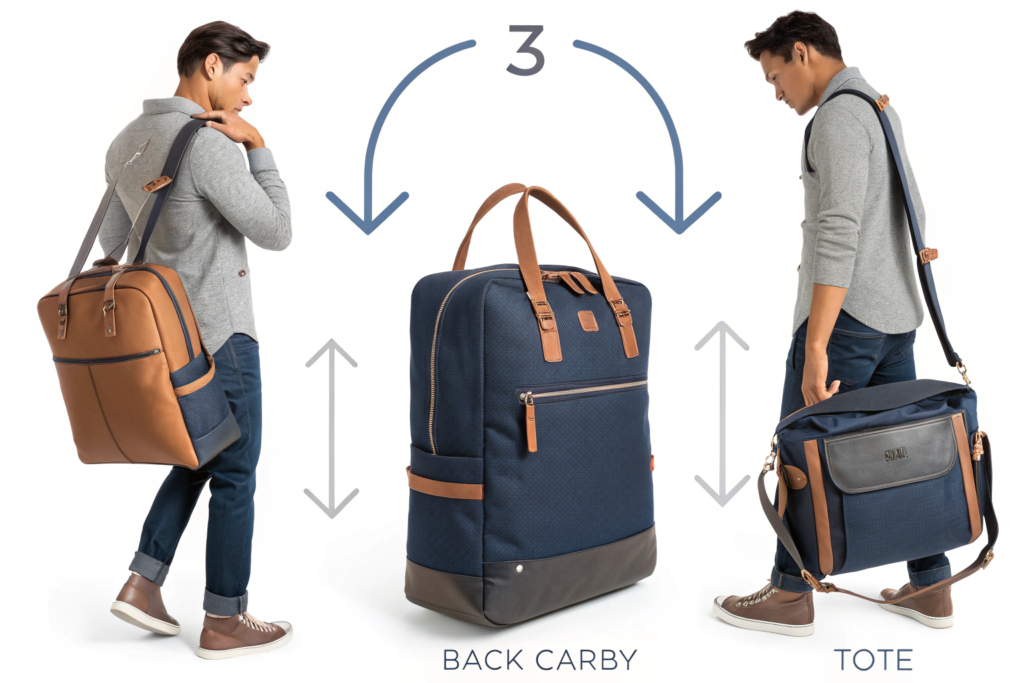
- The Modular Wardrobe System: Bags and outerwear that transform. A backpack that zips apart into a crossbody and a fanny pack. A scarf that unzips to become a lightweight blanket or has integrated sleeves to become a poncho. The value is in configurable utility.
- Climate & Barrier Tech: Accessories with built-in UPF 50+ sun protection (like wide-brim hats with hidden neck capes), water-and-stain-repellent finishes on luxury fabrics, and temperature-regulating phase-change materials in gloves and scarves. The accessory acts as a personal micro-environment.
- Sensory Management Tools: Weighted scarves or lap pads for anxiety, noise-muffling ear cuff jewelry that doubles as discreet ear protection, aroma-diffusing necklace pendants. These address the need for control in overstimulating environments.
- The "Getaway" Bag: A meticulously designed overnight/weekender bag with dedicated, tech-integrated compartments for everything—from a folded blazer to a hydration bladder, portable power, and a meditation mask. It’s about curated preparedness.
For brands, this trend is an opportunity to solve real-world problems with elegant design. It appeals to the "prepper" mindset reframed for urban and travel life. Marketing should focus on demonstrating the transformations through video content and detailed feature breakdowns. It requires deep understanding of materials science and ergonomic design. Success lies in creating a product so intelligently functional that it becomes indispensable, fostering extreme brand loyalty. This trend spans from high-tech travel brands to wellness-focused fashion labels.
What are examples of "smart" features that aren’t electronic?
"Smart" in this context means intelligent design and material science:
- Self-Cleaning Fabrics: Photocatalytic coatings on scarves or hats that break down stains and odors with sunlight.
- Magnetic Closure Systems: For bags and jackets, allowing one-handed, silent, and secure operation.
- Expandable and Compressible Structures: A hat that packs flat, a bag that expands from day to weekend volume.
- Multi-Tool Integration: A belt with a hidden, TSA-friendly multi-tool buckle, or a keychain that includes a bottle opener and hex wrench.
The intelligence is in the physical design, making daily life more seamless.
How is this trend responding to the "work-from-anywhere" culture?
It directly enables the mobile lifestyle. Key products include:
- The Professional Nomad Kit: A sleek folio that organizes a laptop, tablet, notebook, and pen, but can also unfold as a portable desk organizer or privacy screen for coffee shop work.
- Multi-Function Outerwear: A blazer with a zip-off hoodie liner, secure RFID-blocking pockets, and a built-in postural support strap.
- Tech-Integrated Bags: With dedicated, padded pockets for specific tech models, integrated cable management, and even passive cooling vents for electronics.
These accessories don’t just carry your things; they create a mobile, efficient, and comfortable personal office.
Conclusion
The accessory trends of 2026 present brands with a clear choice: to create products that are either deeply meaningful, technologically visionary, joyfully expressive, or intelligently utilitarian. The most successful brands will likely integrate strands from multiple trends—perhaps offering radically optimistic colors on a hyper-functional, modular bag, or using cyborgian craft techniques to create a sentimentally intelligent piece of jewelry.
The throughline is purpose-driven design. Whether the purpose is emotional connection, aesthetic innovation, mood elevation, or practical empowerment, the accessory must serve a clear and compelling role in the wearer’s life beyond mere adornment. For forward-thinking brands, this is an invitation to innovate in storytelling, material science, and functional design.
If you are a brand looking to develop a groundbreaking accessory collection for 2026 that embodies these future-facing trends, we are ready to be your development and production partner. At Shanghai Fumao Clothing*, our expertise spans from sourcing advanced materials and facilitating artisan collaborations to precision manufacturing of complex, multi-functional designs. Let’s build the iconic accessories of tomorrow, together. Contact our Business Director, Elaine, to begin: elaine@fumaoclothing.com.




