As the fashion landscape continues to evolve, the shawl has transcended its traditional accessory status to become a central piece for expressing personal style, sustainability values, and cultural appreciation. For North American brands and retailers planning for 2026, understanding the intersection of emerging trends with this versatile item is crucial. Consumers are seeking more than just warmth; they are looking for statement pieces that tell a story, offer multifunctionality, and align with a conscious lifestyle. So, which shawl designs will resonate with the North American market in the coming year?
Shawl designs that will dominate North American fashion in 2026 will be defined by four key pillars: Artisanal Craftsmanship, Tech-Infused Functionality, Bold Yet Wearable Proportions, and Biophilic & Regenerative Aesthetics. The trends point towards a sophisticated blend of heritage and innovation. Expect to see a strong emphasis on modern heirloom pieces that feature intricate, culturally-rooted craft techniques, balanced with performance fabrics and smart, oversized silhouettes that work from day to night. The palette and patterns will draw heavily from a renewed connection to nature, interpreted through both organic, earthy tones and hyper-digital, nature-inspired prints.
This forecast is not about fleeting fads but about deeper shifts in consumer values—towards authenticity, personalization, and mindful consumption. The successful 2026 shawl will act as a canvas for these values. Let’s explore the specific design directions, materials, and cultural nuances that will shape this essential accessory for the North American market.
What Defines the "Modern Heirloom" Craft Trend?
The "Modern Heirloom" trend answers a growing consumer desire for authenticity, storytelling, and anti-fast-fashion. In 2026, shawls will be viewed as investment pieces—items of beauty and quality meant to be cherished and passed down. This translates into designs that celebrate artisanal techniques but with a contemporary scale, palette, or application that fits a modern wardrobe.
Key design elements will include reinterpreted traditional patterns. Think classic Paisley motifs but blown up to giant scale and rendered in a monochrome palette, or Fair Isle and Aran cable knits translated into lightweight, summer-weight merino wool or linen blends. Fringe, a timeless shawl detail, will be reimagined—extra-long, layered, or made with alternative materials like recycled sari silk threads or leather cutouts. The craftsmanship itself becomes the hero: hand- loom weaving, visible mending details, artisanal block printing, and embellishments with upcycled beads or repurposed vintage components will be highly valued. These details signal care, skill, and a unique narrative that mass-produced items cannot replicate.
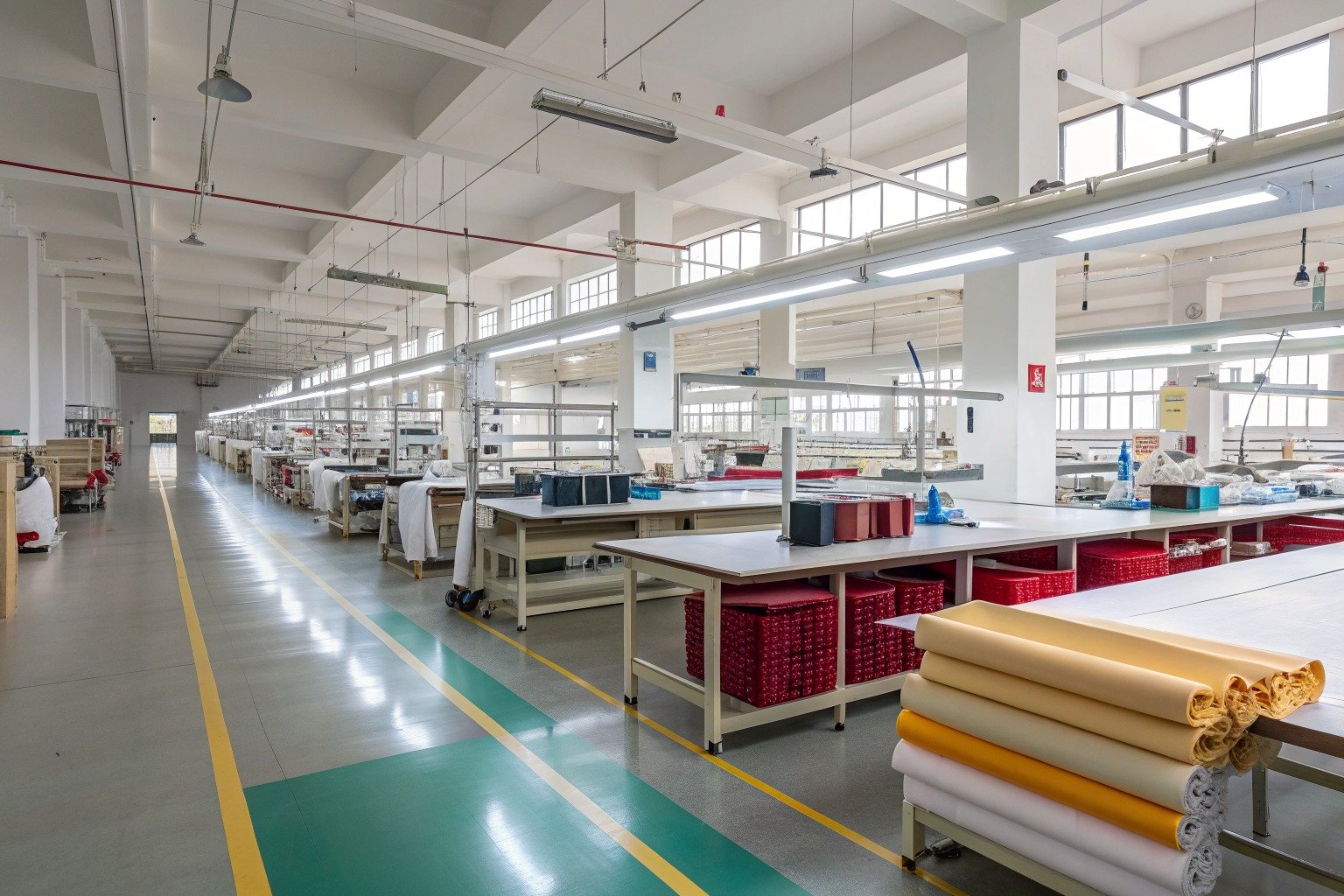
For North American brands, collaboration is key. Partnering with artisan collectives, such as First Nations weavers in Canada or textile cooperatives in Mexico, to co-create limited-edition shawls will be a powerful strategy. This not only ensures authentic craftsmanship but also embeds a rich cultural story and supports ethical economies. Transparency about the artisans and their techniques will be a major marketing asset. Manufacturers like Shanghai Fumao Clothing, which have networks of skilled craftspeople and can facilitate such collaborations while ensuring production scalability, will be invaluable partners in bringing authentic "Modern Heirloom" pieces to a broader market.
How are traditional patterns being modernized for 2026?
Modernization is achieved through scale, color, and context. A traditional ikat pattern might be digitally printed on a fluid, drapey cupro fabric for a more accessible price point and a softer hand-feel. A classic tartan plaid could be rendered in unexpected, muted desert hues (dusty pink, sage, sand) rather than primary colors, making it feel fresh and less costumey. Embroidery will move from small, all-over patterns to bold, singular statement placements—like a single, oversized embroidered floral motif cascading down one corner of a plain shawl. The goal is to retain the soul and intricacy of the tradition while making the final product feel intentional and contemporary within a minimalist or eclectic modern outfit.
Why is the artisan collaboration model so powerful?
The artisan collaboration model directly addresses the core 2026 consumer values of authenticity and conscious consumption. It moves beyond generic "ethnic-inspired" designs, which can veer into cultural appropriation, towards respectful co-creation. For the brand, it provides a unique, defensible product with a compelling backstory. For the consumer, it offers a tangible connection to a maker and a culture, transforming the shawl from an accessory into a conversation piece and a symbol of ethical values. This model also future-proofs brands against growing consumer skepticism of empty sustainability claims, as it demonstrates a direct, positive social impact in the supply chain.
How Will Tech-Infused Fabrics and Smart Design Evolve Shawls?
The functional fashion revolution will fully embrace the shawl category by 2026. The demand for versatile, performance-driven accessories that suit an active, on-the-go lifestyle will drive innovation in materials and construction. The shawl will no longer be just for static warmth; it will be a dynamic piece of climate-adaptive apparel.
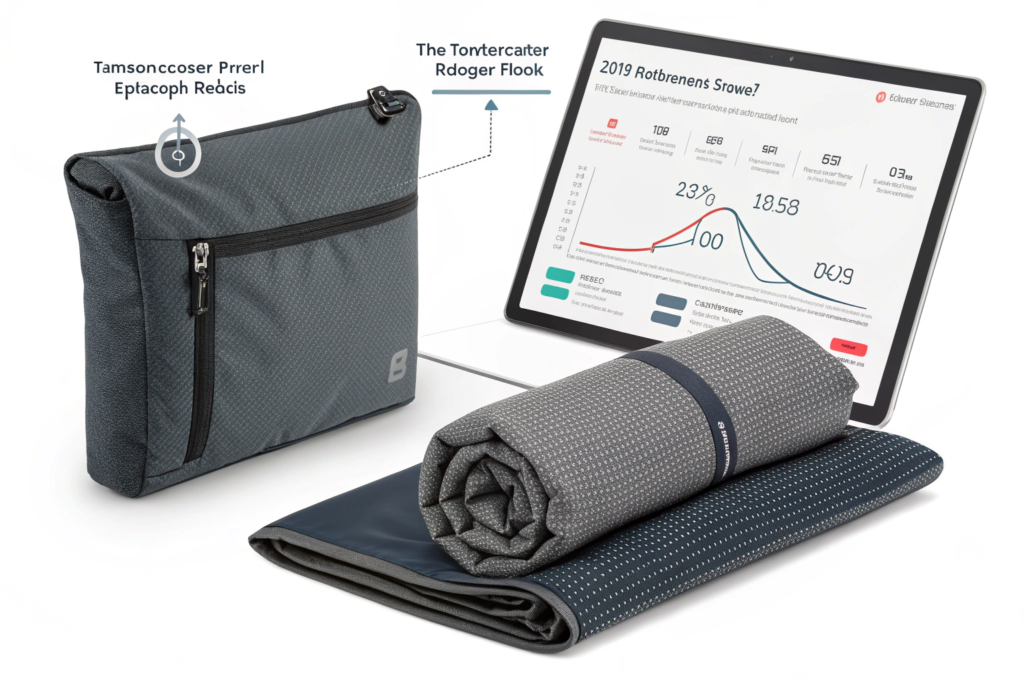
Expect to see shawls engineered with advanced material blends. These may include temperature-regulating phase-change materials (PCMs) micro-encapsulated in fibers, moisture-wicking merino wool blends for transitional seasons, and ultra-lightweight, packable down alternatives for travel shawls that stuff into their own pocket. Water-resistant and windproof finishes applied to natural fibers like wool will create hybrid pieces suitable for urban commuting. Furthermore, smart integration will appear in subtle ways, such as RFID-blocking pockets woven into the lining for security, or integrated, ultra-thin magnetic closures that replace bulky buttons and allow for multiple styling configurations seamlessly.
The design will reflect this tech-forward approach through modularity. Think of shawls with removable sleeves that convert into a gilet, or interchangeable straps/clasps that allow it to be worn as a poncho, scarf, or even a lightweight blanket. Seamless knitting technology will allow for complex, gradient color patterns and integrated pockets without added bulk. For brands, the opportunity lies in marketing these shawls as "Your Daily Utility Layer"—a piece as practical as it is stylish. Success will depend on partnerships with fabric mills at the forefront of textile innovation and manufacturers capable of precision construction with these advanced materials.
What are the key performance fabrics for 2026 shawls?
The fabric direction is natural-tech hybrids. Key players will be:
- Merino Wool Blends: Especially ultra-fine merino blended with Tencel™ for drape and temperature regulation.
- Recycled Insulations: Such as Primaloft® Bio or Thermore® EcoMade, used in quilted shawl designs for warmth without weight.
- Engineered Knits: Using Seamless Circular Knit technology to create all-in-one shawls with structured edges and variable gauges for warmth where needed.
- Bio-Based Nylons: Fabrics like Econyl® (from regenerated ocean waste) treated with PFC-free water repellents.
These materials align with the dual demand for high performance and verifiable environmental responsibility, a non-negotiable for the educated 2026 North American consumer.
How will modular design change how shawls are used?
Modular design transforms the shawl from a single-use item into a versatile wardrobe system. A customer might purchase a core shawl in a neutral color and then add seasonal "kits"—like a set of decorative brooch clasps for fall or a lightweight liner for summer evenings. This approach appeals to the desire for personalization and sustainable consumption (buying less, but smarter). It also increases customer engagement and lifetime value, as they return to the brand for new modules. For manufacturers, this requires designing with attachment standardization and durable construction from the outset, ensuring all components work seamlessly together over time.
What Are the Key Silhouettes, Proportions, and Draping Styles?
The silhouette of the shawl is undergoing a dramatic shift. Moving away from delicate, small-scale scarves, 2026 will embrace the architectural shawl—a piece that makes a bold statement through its size, shape, and the way it interacts with the body. The focus is on transformative draping and sculptural volume.
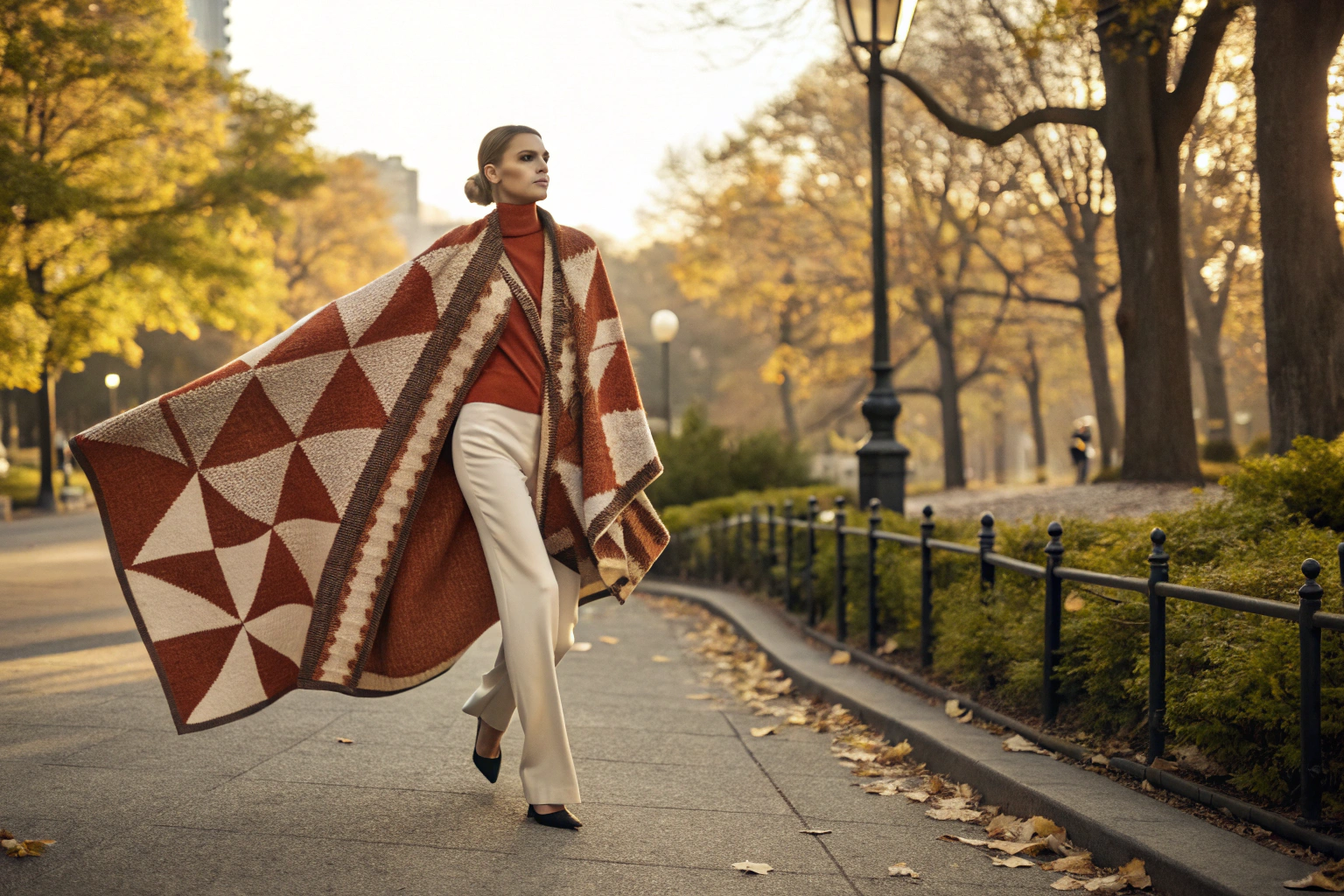
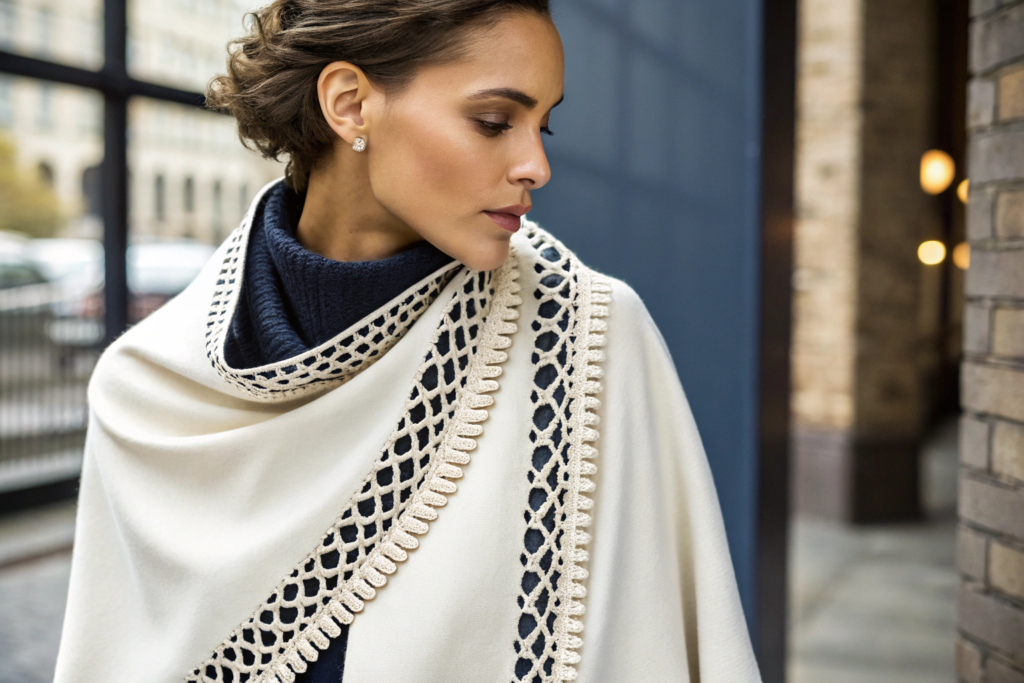
The dominant silhouette will be the oversized, asymmetric rectangle or crescent shape. These proportions allow for dramatic, one-shoulder wraps, elegant cape-like drapes, or cozy full-body envelopment. The blanket shawl remains strong but will be refined with features like structured shoulders (via hidden darts or lightweight boning) to prevent it from slipping off, or integrated arm slits for practicality. Another key shape is the infinity shawl or cowl taken to extreme volumes—wide, looped designs that can be worn in multiple layers around the neck or as a hood. Draping will be less about traditional folding and more about pre-set, engineered drapes created through strategic cutting, pleating, or weighted hems that fall perfectly every time.
This emphasis on silhouette demands high-quality materials with excellent drape and memory. Heavy, stiff fabrics will not succeed. Instead, look for fluid wool crepes, double-faced jerseys, soft mohair blends, and crinkled silks. The design detail will often be in the edge finishing: raw, laser-cut edges for a modern look; contrast piping to define a shape; or hand-knotted macramé borders for an artisanal touch. For North American brands, presenting these shawls through styling visuals that teach multiple wears—from a sleek office layer to a bundled evening wrap—will be essential to communicate their value and versatility.
Why is the asymmetric drape so important?
The asymmetric drape is crucial because it creates instant, effortless-looking sophistication. It breaks from the predictable, symmetrical look of traditional shawls, offering a more fashion-forward, dynamic silhouette. It allows the wearer to showcase the shawl’s texture or pattern in a more interesting way, often elongating the body line. This style aligns perfectly with the trend towards elevated basics—simple clothing made interesting through striking accessories. An asymmetrically draped shawl can transform a basic t-shirt and trousers into a considered, editorial outfit.
What is an "engineered drape" in shawl design?
An "engineered drape" refers to a shawl that is cut, seamed, or constructed in such a way that it naturally falls into a specific, flattering shape when worn, without complicated styling. This can be achieved through:
- Bias Cutting: Where the fabric is cut at a 45-degree angle to the grain, giving it maximum fluidity and stretch.
- Strategic Seaming: Adding curved seams or darts that contour to the shoulders.
- Weighted Hemlines: Incorporating chain or bead weights into the hem of one side to create a natural, gravity-fed drape.
This design intelligence adds significant perceived value, as it makes a luxurious, high-fashion effect simple and accessible for the everyday consumer.
Which Color Palettes and Pattern Stories Will Dominate?
The 2026 color and pattern narrative for shawls is a study in contrasts, reflecting a society balancing a need for grounding with a fascination for digital escapism. We will see two parallel, powerful directions: the Earthy Sanctuary and the Digital Naturalism.
The Earthy Sanctuary palette is all about grounded, complex neutrals. Think of colors drawn from raw materials and landscapes: Clay Bloom (terracotta), Forest Moss, Mineral Gray, Deep Oak, and Spice Mustard. These are warm, comforting, and pair effortlessly with the prevailing beige and gray tones in North American wardrobes. Patterns in this story will be organic and textural—marled and heathered knits, woven jacquards that mimic tree bark or lichen, and subtle ombré dips that look like sun-faded stone.
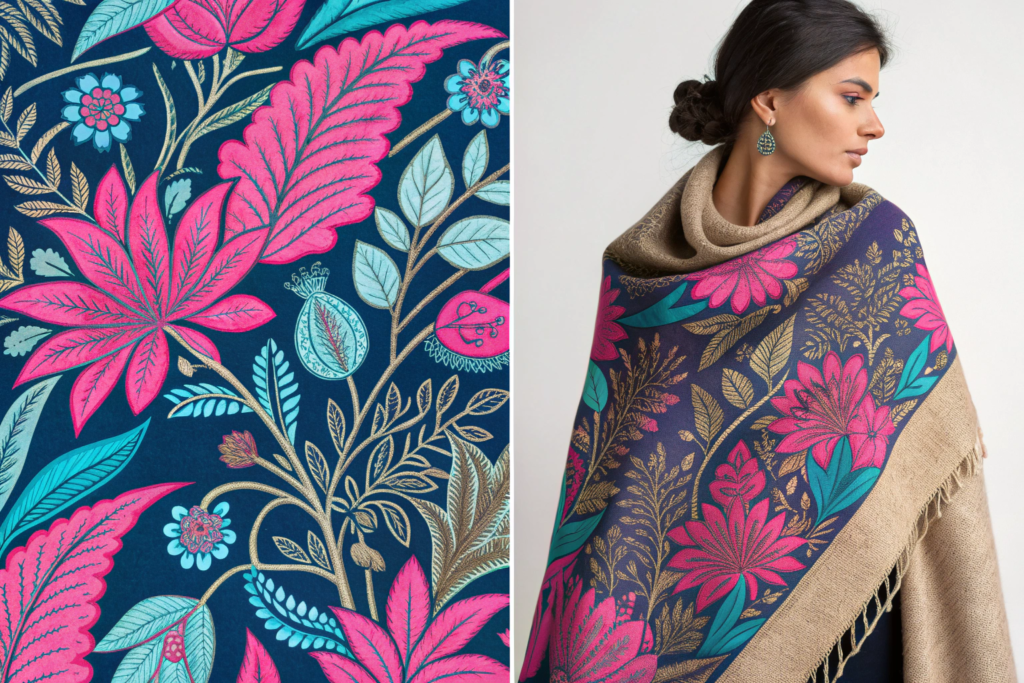
Conversely, Digital Naturalism will explode with hyper-saturated, luminous colors and patterns that reinterpret nature through a digital lens. This includes vibrant, AI-generated florals in neon and jewel tones, graphic interpretations of geological strata or microscopic organisms, and photorealistic animal prints manipulated with glitch effects. The palette here is acid green, cyber violet, holographic silver, and digital blue. This trend caters to the Gen Z and Alpha consumer who lives online and seeks maximalist, expressive pieces for social identity and digital content creation. The key for brands will be offering both stories, perhaps even within the same collection, to cater to different customer moods and occasions.
How will sustainability influence color and dye techniques?
Sustainability will drive a major shift towards low-impact and natural dyeing processes. Expect to see a rise in shawls marketed for their plant-dyed colors (using madder root, indigo, walnut hulls), which create beautiful, uneven tonal variations. The "low-dye" or "waterless dye" techniques, which conserve vast amounts of water, will become a key selling point. This will lead to palettes characterized by softer, more nuanced hues and a celebration of the natural, undyed color of fibers like khaki-colored hemp or off-white organic cotton. "Wabi-sabi" imperfections in the dye will be embraced as marks of authenticity and craft.
What is the appeal of "digital naturalism" patterns?
Digital Naturalism satisfies a contemporary paradox: the desire to connect with nature while living in a tech-saturated world. These patterns are not mere copies of nature; they are interpretations, abstractions, and amplifications. They feel both familiar and fantastical. For the consumer, wearing a shawl with a glitching orchid print or a crystalline geometric pattern is a way to signal tech-savviness, creativity, and a forward-thinking mindset. It’s a form of wearable digital art that performs exceptionally well in the context of social media, where bold visuals capture attention. For manufacturers, this trend demands expertise in high-fidelity digital printing and advanced knitting techniques to execute these complex designs with clarity and impact.
Conclusion
The North American shawl market in 2026 will be characterized by a sophisticated synthesis of heartfelt craftsmanship and forward-thinking innovation. The winning designs will be those that carry a genuine narrative—whether of artisan origin, material intelligence, or stunning visual art—while delivering unparalleled versatility and comfort. Brands that can successfully interpret the "Modern Heirloom," integrate smart functionality, master bold proportions, and navigate the dual currents of earthy and digital aesthetics will capture the hearts and wallets of discerning consumers.
This landscape presents a tremendous opportunity for brands to deepen their relationships with customers through products that are not only beautiful but also meaningful and adaptable. Success will hinge on strategic partnerships with suppliers who possess both technical expertise in advanced textiles and a genuine respect for artisanal techniques.
If you are planning your 2026 accessory collection and want to develop shawls that are perfectly aligned with these evolving North American trends, we are ready to collaborate. At Shanghai Fumao Clothing, our design and production capabilities span from fostering artisan partnerships to working with cutting-edge performance fabrics and executing complex digital prints. Let’s co-create the next generation of must-have shawls. Contact our Business Director, Elaine, to begin the creative journey: elaine@fumaoclothing.com.