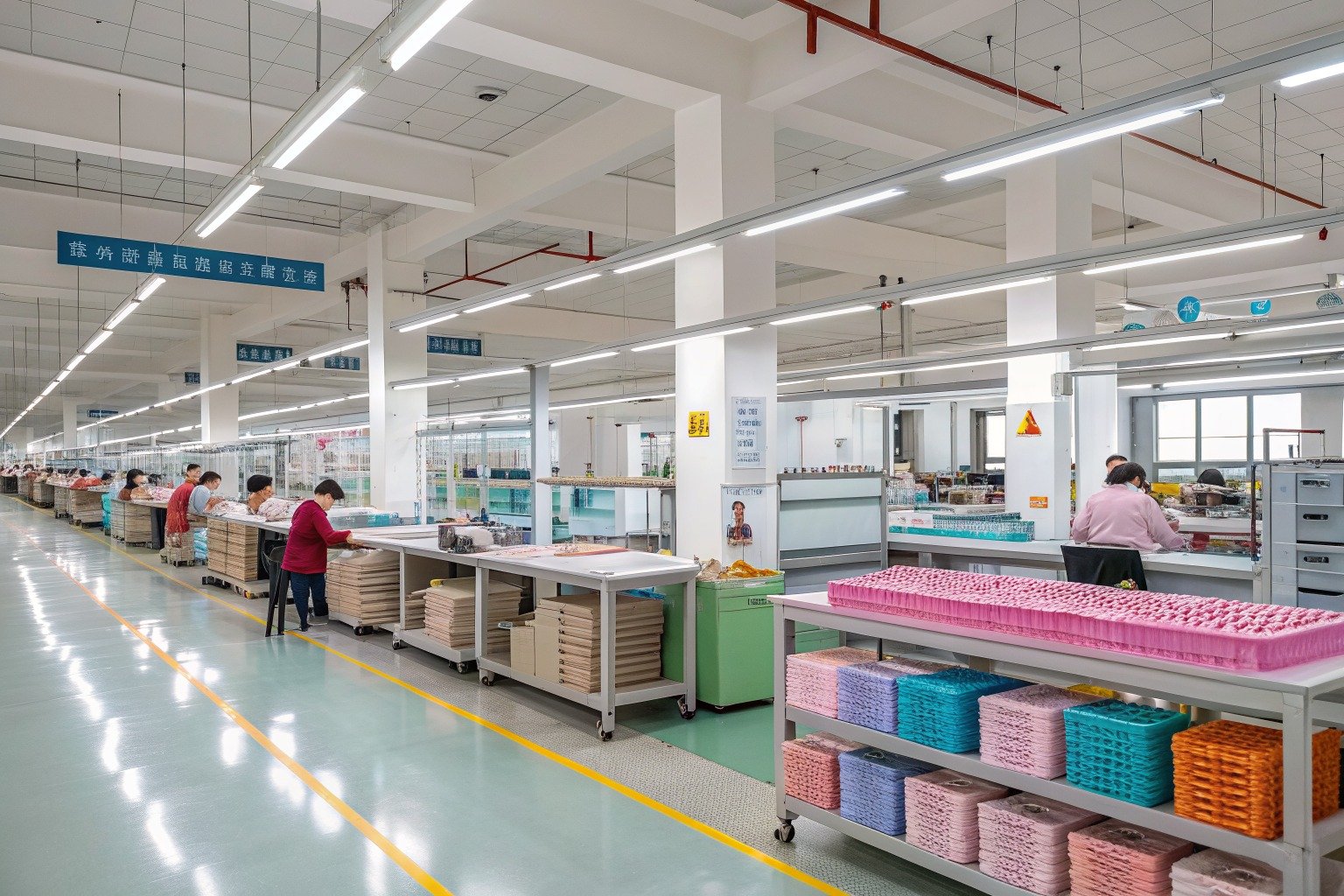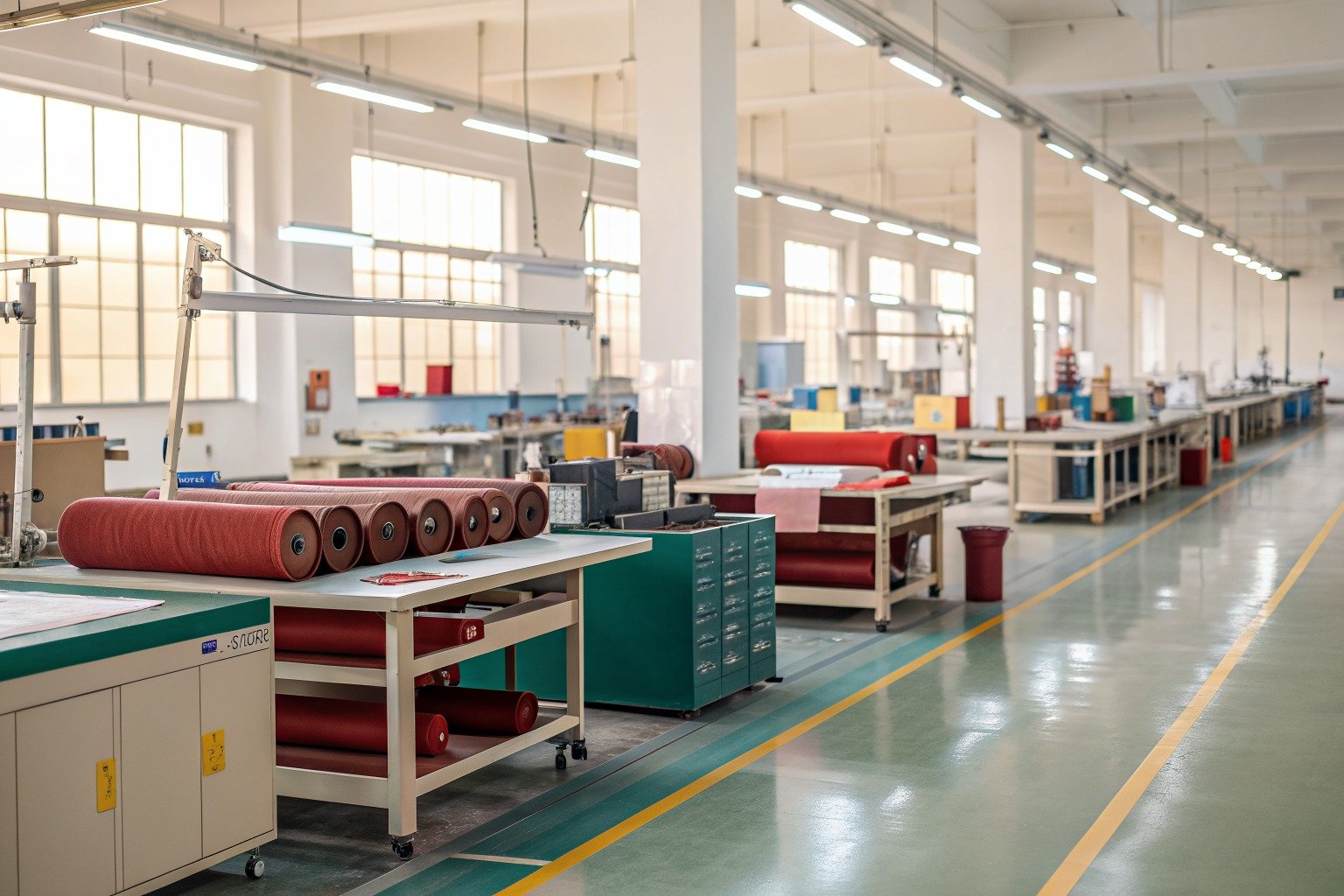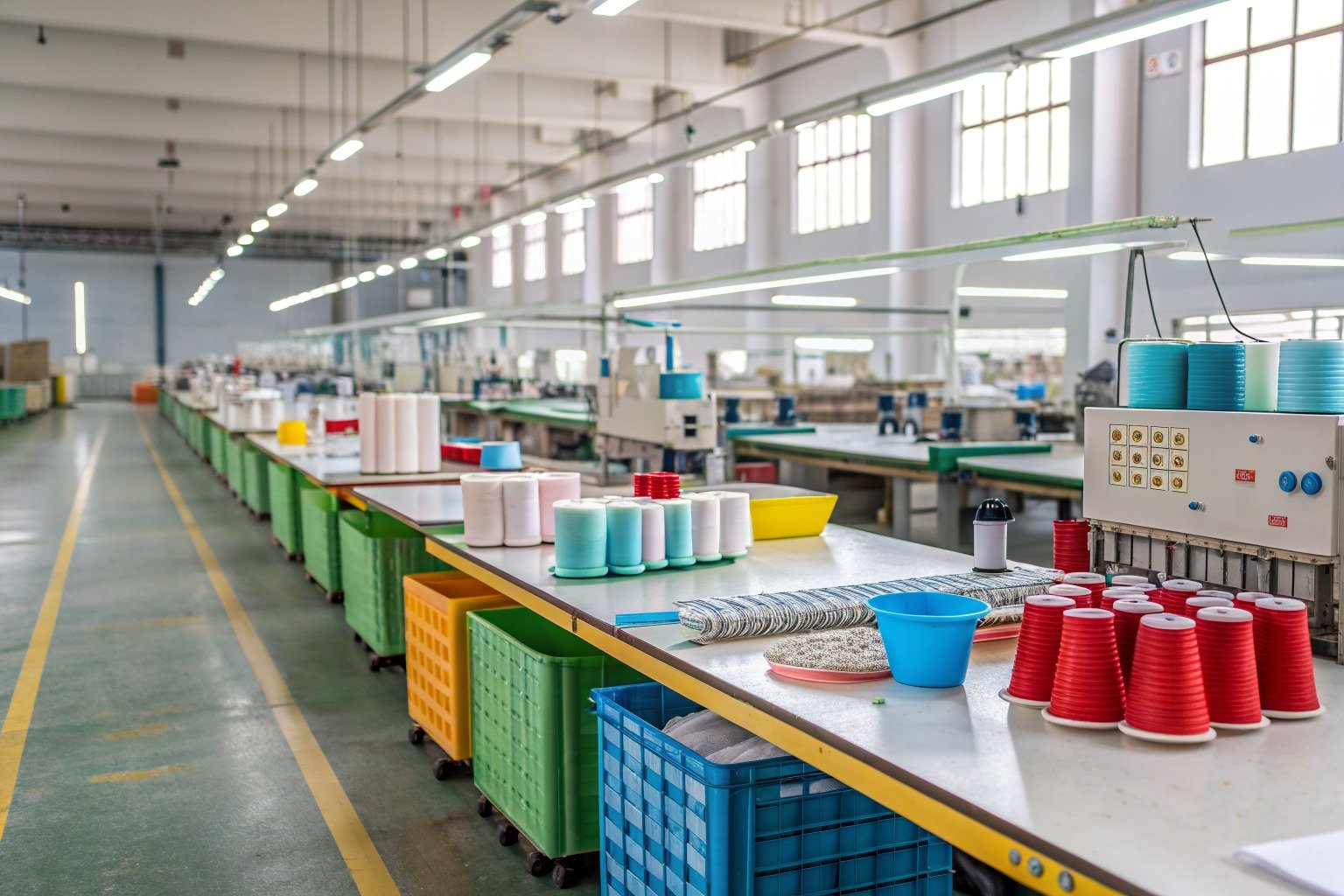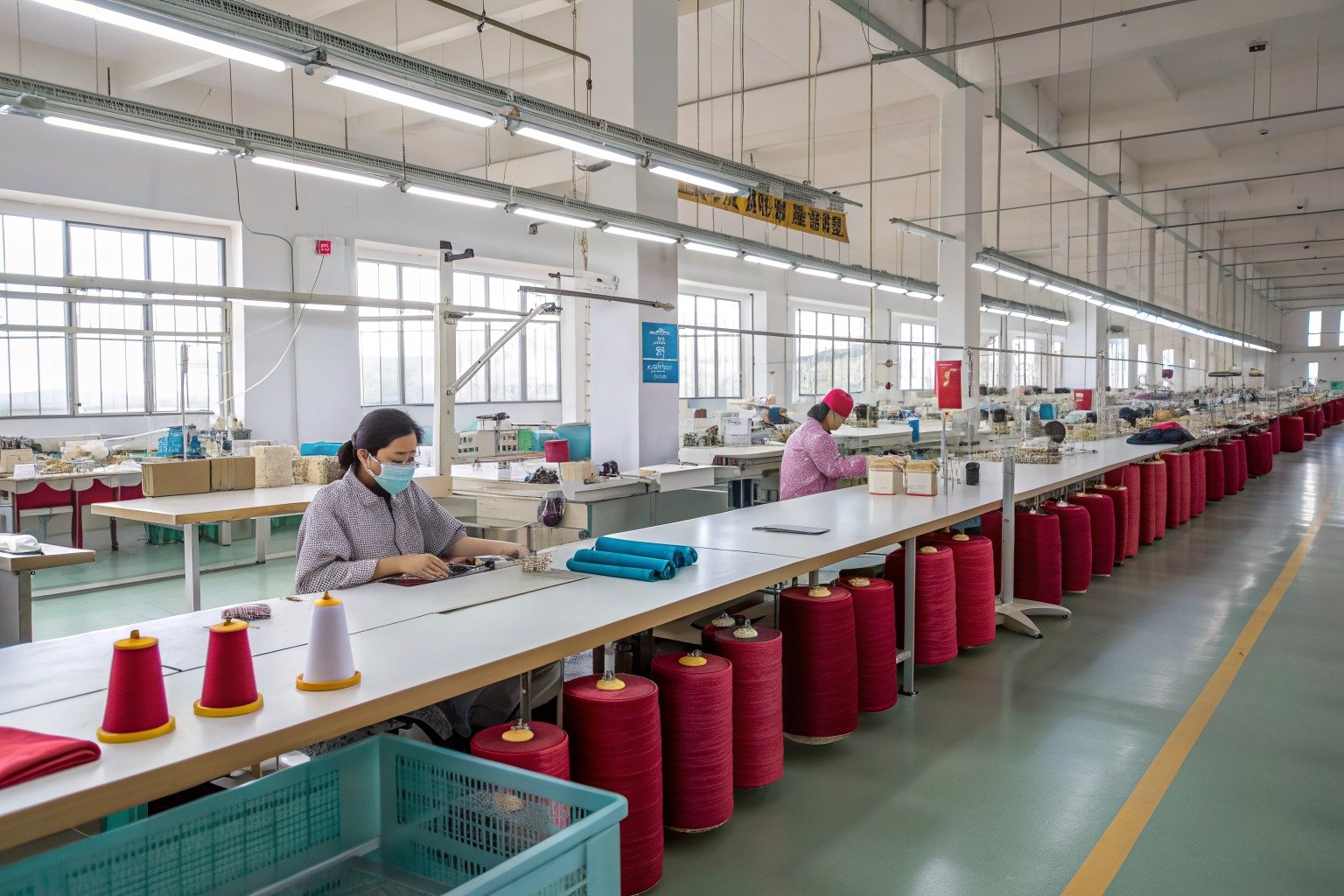
You’ve seen the trending hair clips on social media. You know the exact style of scarf that would sell out in your online store. But when you look at wholesale catalogs or trading companies, the prices make your profit margins disappear. There’s a constant pressure to offer unique designs, maintain quality, and keep costs down. How can you compete without sacrificing your brand’s integrity or your bottom line? The answer lies in cutting out the middleman.
The core benefit of sourcing accessories directly from a factory is gaining total control over your supply chain, which translates to higher profit margins, customized product development, and direct quality management. When you work with a factory, you eliminate the markup added by agents, wholesalers, and trading companies. This cost saving can be reinvested into better materials, more sophisticated packaging, or more competitive retail pricing. More importantly, you gain a partner who can bring your original ideas to life, not just sell you existing stock. You control the design, the materials, and the production schedule from start to finish.
This direct relationship is a game-changer for brands that want to stand out. Instead of selling the same mass-produced items as everyone else, you can create exclusive collections that define your brand’s identity. You can make rapid iterations based on customer feedback. You can also build a transparent and responsive partnership where issues are solved quickly, not passed through multiple layers of bureaucracy. Let’s explore how this direct model specifically benefits your business in terms of cost, customization, communication, and competitive edge.
How Does Direct Factory Sourcing Increase Profit Margins?
Every dollar saved in your supply chain is a dollar added to your profit or a dollar you can use to improve your product. When you source through intermediaries, each layer adds its own fee for service, often inflating your final cost by 15% to 30% or more. For a fashion brand operating on tight margins, this can be the difference between thriving and just surviving. The math is simple: lower your Cost of Goods Sold (COGS), and you instantly improve your financial health.
The profit margin increase comes from eliminating intermediary markups and gaining negotiating power. When you buy directly, you pay the factory’s price plus a reasonable profit, not a price that has been marked up multiple times. This is especially impactful for larger order quantities, where factories offer volume discounts that intermediaries might not fully pass on to you. Furthermore, direct sourcing gives you transparency into the true bill of materials (BOM) cost. You can work with the factory’s engineers to find cost-saving alternatives—a different metal alloy for a hair clip, a more efficient way to cut scarf fabric—without sacrificing quality. This collaborative cost-engineering is impossible when you’re just buying from a catalog.
Beyond the unit price, direct control saves you money in less obvious ways. You can optimize packaging to reduce dimensional weight for shipping. You can plan production schedules to align with slower shipping methods like sea freight for non-urgent stock. You avoid the hidden fees and administrative costs that intermediaries sometimes bundle in. A professional factory like Shanghai Fumao Clothing will provide a clear, itemized FOB or DDP quote, so you see exactly where your money is going. This financial clarity and the resulting margin boost provide the fuel you need to scale your brand, run more effective marketing campaigns, and ultimately offer better value to your customers.
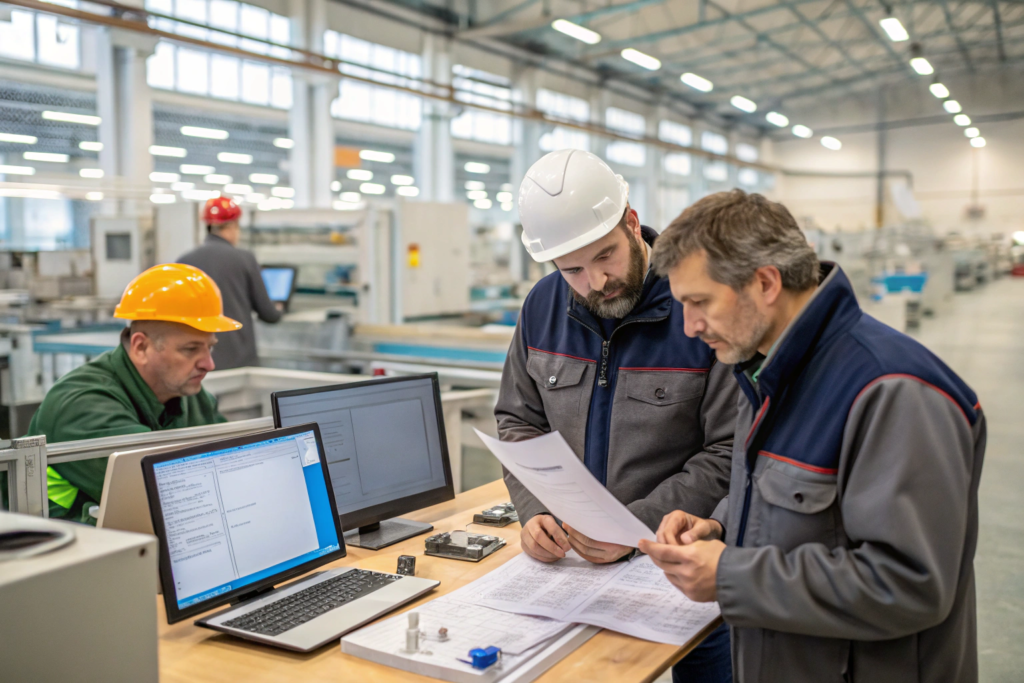
Can you negotiate better prices with factories directly?
Absolutely. Direct negotiation is one of the most powerful advantages of this model. With a trading company, the price is often fixed. With a factory, you can discuss price based on specific variables: order quantity, material choices, payment terms, and packaging complexity. For example, agreeing to a 50% deposit and 50% before shipment might secure you a better rate than asking for net 30 terms. You can also negotiate tooling costs for custom items; a factory might absorb the mold cost if you commit to a certain annual volume. This negotiation isn’t just about haggling; it’s a strategic discussion about building a long-term partnership. By showing you are a serious and reliable buyer, you incentivize the factory to offer you their best possible pricing to secure your future business.
How does transparency reduce hidden costs?
Supply chain transparency is a direct antidote to hidden fees. When you work with a factory, a trustworthy one will break down all costs: raw material cost per unit, labor cost, overhead, profit margin, and logistics fees. You can see if a price increase is due to a spike in stainless steel or acrylic resin costs. This transparency prevents scenarios where an intermediary blames "factory price increases" while pocketing extra margin. It also applies to logistics. With a DDP (Delivered Duty Paid) agreement directly with the factory, you get one all-inclusive landed cost. There are no surprise charges from a separate freight forwarder or customs broker that the intermediary hired. You manage one relationship and have one contract, simplifying your accounting and protecting your budget from unpredictable expenses.
Why is Customization and Speed to Market a Key Advantage?
In the fast-paced world of fashion, being first with a trend is everything. Sourcing generic accessories from a wholesaler means you’re selling what everyone else is selling, likely at the same time. This leads to a race to the bottom on price. Direct factory sourcing flips this script. It allows you to be the creator of trends, not just a follower. You can develop unique accessories that become synonymous with your brand, creating a loyal customer base and protecting your pricing power.
The advantage is twofold: unlimited customization and dramatically improved speed. A factory with a strong in-house design and R&D team can take your sketch, photo, or even a vague concept and turn it into a technical drawing and a physical prototype sample. You can customize everything: the shape of a hair clip, the blend of a scarf fabric, the embroidery on a baseball cap, or the print on a tote bag. This level of customization is simply not available through standard wholesale channels. Once the design is locked, because you are working directly with the production source, the timeline from sample approval to bulk production is much shorter. There’s no delay as a middleman communicates with the factory; you are in direct contact with the production manager.
This direct line accelerates your entire product development cycle. You can quickly iterate on samples, test new materials, and make go/no-go decisions faster. For seasonal fashion, this means you can react to emerging trends within a single season, not plan for them a year in advance. You can also produce smaller, more frequent batches (if the factory supports low MOQ), reducing inventory risk and allowing you to test new designs with your market. This agility is a formidable competitive weapon, enabling you to keep your product offerings fresh and exciting, which drives repeat customer visits and social media buzz. This speed and flexibility are complementary to the rigorous quality control you can also enforce directly.

How does in-house design support fuel innovation?
An in-house design team at a factory is like having an extension of your own product development department, but with deep manufacturing expertise. These designers understand what is technically feasible and cost-effective to produce. They can suggest material alternatives, advise on construction techniques to enhance durability, and foresee potential production issues early in the design phase. They are also tuned into global accessory trends and can provide mood boards and fresh concepts that inspire your next collection. This collaborative partnership fuels innovation because it combines your brand’s vision and market knowledge with the factory’s technical prowess and material sourcing capabilities. It transforms the relationship from a transactional "buyer-seller" dynamic into a creative strategic partnership focused on bringing winning products to market.
Can you achieve faster sampling and production cycles?
Yes, direct communication drastically compresses timelines. The traditional chain of "Brand -> Agent -> Factory -> Agent -> Brand" for every sample feedback loop is eliminated. You send comments directly to the factory’s project manager, who can immediately walk to the sample room to discuss changes with technicians. Digital prototyping and 3D renders can be exchanged and reviewed in hours, not days. For physical samples, factories serving direct clients often prioritize their sampling queue. Once approved, production scheduling is more agile because you are a priority client for the factory, not one of many for a trading company. This streamlined process can shave weeks off your development timeline, meaning you can move from idea to in-hand product much faster, a critical factor in capturing fleeting fashion trends.
How Does Direct Communication Improve Quality Control?
Quality issues are a retailer’s nightmare. Receiving a shipment of hair bands with inconsistent elasticity or belts with faulty buckles can lead to costly returns, damaged brand reputation, and wasted inventory. When you source through a middleman, resolving these issues becomes a game of telephone. You complain to your agent, who contacts the factory, and the message can get diluted or delayed. By the time a solution is proposed, you may have missed your sales window.
Direct communication puts you in the driver’s seat for quality assurance. You establish a direct line to the factory’s quality control (QC) manager and your dedicated project manager. You can specify your exact quality standards and Acceptable Quality Limit (AQL) levels for inspection. During production, you can receive real-time updates and photos or videos from the production line. If a potential issue is spotted—a slight color deviation in a dye lot for scarves, for instance—the factory can alert you immediately for a decision, rather than hiding it or making a guess. This proactive, transparent communication allows for on-the-spot corrections, preventing a small problem from becoming a massive, expensive failure.
Furthermore, building a direct relationship fosters a sense of shared responsibility. The factory team understands they are working for your brand, not an anonymous trading company. They are more invested in getting it right because their reputation with you is on the line. You can also conduct pre-shipment inspections more effectively, either by visiting yourself or hiring a third-party inspector with clear, direct instructions. This hands-on approach to quality, managed through clear communication, ensures that the products arriving at your warehouse meet the exact specifications you agreed upon, protecting your brand’s integrity and your customers’ satisfaction. This level of quality oversight is a natural result of the transparency and control inherent in the direct factory model.

What role does a dedicated project manager play?
A dedicated project manager (PM) is your single point of contact and your advocate inside the factory. Their role is pivotal for maintaining quality. They translate your requirements into factory work orders, oversee the production schedule, and are responsible for internal coordination between the sales, planning, production, and QC departments. When you have a quality concern, you contact your PM, who can immediately investigate on the factory floor. They provide structured updates, send pre-shipment inspection reports, and manage any necessary corrective actions. This dedicated resource ensures nothing falls through the cracks and that your quality standards are consistently communicated and enforced throughout the manufacturing process. It turns quality control from a passive hope into an actively managed system.
Can you implement stricter quality inspection protocols?
Absolutely. When sourcing directly, you have the authority to define and implement your own quality inspection protocols. You are not bound by the factory’s or a trading company’s standard procedure. You can require more rigorous testing, such as wash tests for printed scarves, pull tests for hair clip springs, or colorfastness checks for dyed fabrics. You can mandate that inspections follow a specific AQL standard (e.g., AQL 2.5 for major defects) and that detailed inspection reports with photos are provided before shipment approval. You can even specify the stages of inspection: Initial Production Check (IPC) after 10% of units are made, During Production Check (DUPRO), and Final Random Inspection (FRI). Direct sourcing gives you the contractual and communicative leverage to enforce these protocols, ensuring the final product matches your sample and your brand’s promise of quality.
What Long-Term Strategic Benefits Does This Model Offer?
Building a successful brand is a marathon, not a sprint. Your sourcing strategy should be a pillar of long-term growth, not a recurring headache. While the immediate benefits of cost savings and customization are clear, the true power of direct factory sourcing reveals itself over time. It allows you to build a resilient, adaptable, and scalable supply chain that becomes a core competitive asset, difficult for competitors to replicate quickly.
The long-term strategic benefits include building a true partnership, achieving supply chain resilience, and gaining market agility. A direct factory relationship evolves from transactional to collaborative. Over multiple orders, the factory deeply understands your brand ethos, quality expectations, and operational preferences. This leads to greater efficiency, fewer errors, and shared innovation. The factory is more likely to invest in specific tooling or process improvements for your account, further locking in advantages. This partnership also mitigates risk. You are not reliant on a middleman who could switch factories without your knowledge. You have visibility into your primary production source, allowing for better supply chain planning and risk management in the face of material shortages or logistical disruptions.
Furthermore, this model grants you exceptional market agility. As you receive direct sales data and customer feedback, you can work with your factory partner to quickly adjust. This could mean scaling a successful product up rapidly, creating complementary items (matching hair clips for a popular dress line), or discontinuing slow movers without being stuck with large wholesale purchase obligations. This ability to pivot quickly based on real-time market signals is invaluable in today’s fast-changing retail environment. It turns your supply chain from a rigid cost center into a dynamic, responsive engine for growth.
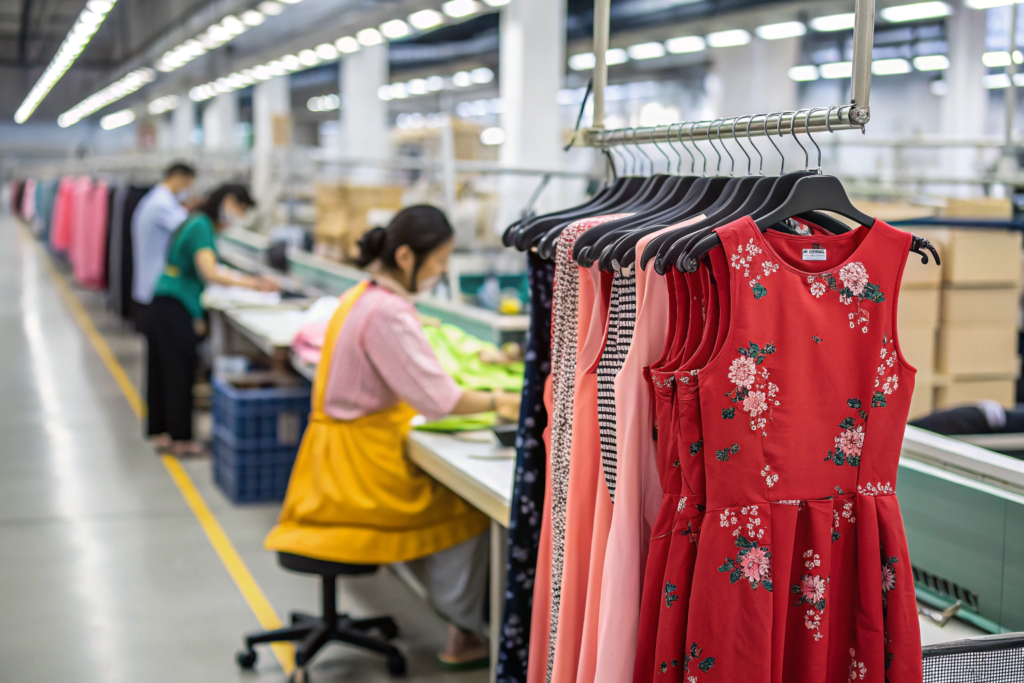
How does direct sourcing build a more resilient supply chain?
Supply chain resilience is about visibility and redundancy. Sourcing directly provides profound visibility. You know where your products are made, by whom, and with what materials. You can audit the factory’s social compliance and environmental practices, which is increasingly important to consumers and regulators. This knowledge protects you from the risks associated with obscure, multi-layered supply chains. For redundancy, a strong direct relationship means the factory is more likely to be transparent about their own capacity constraints and may even recommend or help you qualify a backup partner within their network if needed. You are building a foundation based on transparency and mutual dependence, which is far more stable and trustworthy than an anonymous transaction through a broker. This resilience ensures your business can withstand shocks and continue to operate smoothly.
Can this approach provide a sustainable competitive edge?
Yes, it creates a sustainable competitive moat that is hard for competitors to cross. If you are working with a factory to develop proprietary designs, custom molds, or unique material applications, those products are exclusive to you. Competitors cannot simply find them on a wholesaler’s website. The cost advantages you secure through direct negotiation and efficiency allow you to compete on price if needed, or to enjoy higher margins to fund marketing and customer experience. The speed you gain allows you to be a trendsetter, not a follower. Combined, these factors—product exclusivity, superior cost structure, and market speed—create a powerful, multi-layered advantage. Competitors relying on generic wholesale goods cannot easily match this unless they also invest the time and effort to build their own direct manufacturing partnerships, a process that takes years to perfect.
Conclusion
Sourcing accessories directly from a factory is not just a procurement decision; it’s a strategic choice to build a stronger, more profitable, and more distinctive brand. The journey moves you from being a passive buyer in a crowded market to an active creator with control over your most important business assets: your product, your costs, and your timeline. The benefits cascade from improved profit margins and unmatched customization to superior quality control and long-term strategic partnership.
This model empowers you to innovate rapidly, respond to your customers with agility, and build a supply chain that is transparent, resilient, and aligned with your brand values. It transforms the factory from a distant, anonymous producer into an extension of your own team, invested in your mutual success. In a competitive landscape where authenticity and speed are currency, direct sourcing provides the capital you need to thrive.
If you are ready to take control of your accessory sourcing and unlock these benefits for your brand, we invite you to connect directly with us. At Shanghai Fumao Clothing, we are more than just a factory; we are a partner for brands that want to grow. With our own design team, rigorous QC processes, and experienced project managers, we provide the timely, professional, and reliable service that direct relationships are built upon. Let’s discuss how we can help you develop and produce the accessories that will define your brand’s next chapter. Contact our Business Director, Elaine, to start the conversation: elaine@fumaoclothing.com.