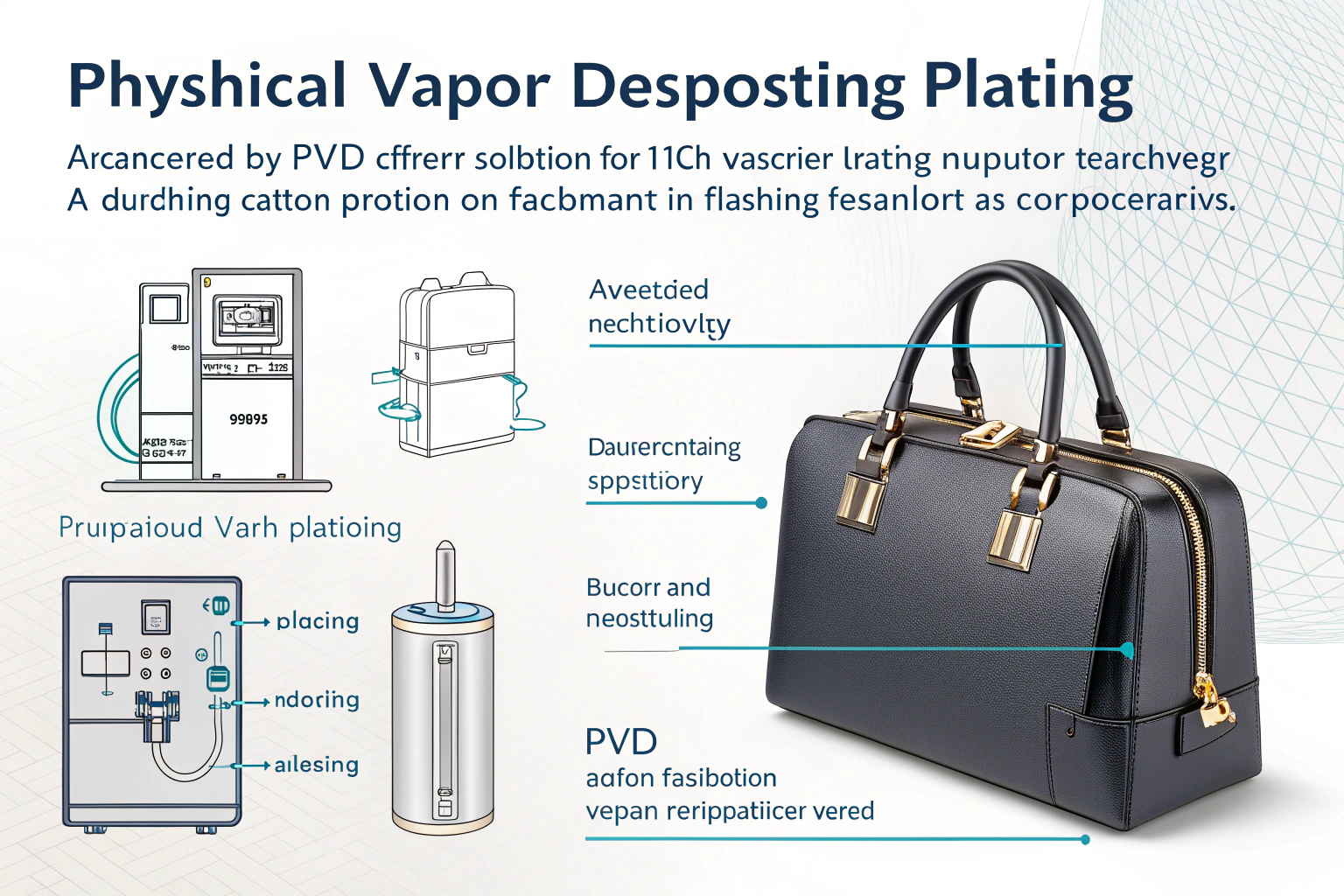
Are you looking for a way to give your hair clips, belt buckles, or sunglass frames a brilliant, durable, and high-end metallic finish? Have you been disappointed by traditional electroplating methods that tarnish quickly, chip easily, or have environmental limitations? Vacuum plating, also known as Physical Vapor Deposition (PVD), offers a superior solution that is revolutionizing the finish on fashion accessories.
The vacuum plating process is an advanced technique that creates an exceptionally thin, hard, and adherent metal coating in a controlled vacuum environment. Unlike older methods, it produces a finish that is highly resistant to corrosion, scratching, and tarnishing, while also allowing for stunning and consistent colors like rose gold, gunmetal, and even vibrant hues. This makes it ideal for accessories that face daily wear and tear while needing to maintain their luxurious look.
Understanding this process is key for any brand or buyer seeking to elevate their product quality and durability. We will demystify the steps, from meticulous preparation to the high-tech coating process and final inspection. You’ll learn why vacuum plating outperforms traditional methods, what materials and colors it works best on, and how to ensure your accessories receive a perfect, long-lasting finish that delights customers.
What is Vacuum Plating and How Does It Differ from Electroplating?
Vacuum plating is a dry, environmentally friendly coating process conducted in a sealed vacuum chamber. It involves vaporizing a target metal (like titanium, zirconium, or chromium) using a high-energy source (such as an electric arc or sputtering) and then allowing the vaporized metal atoms to condense and bond onto the surface of the accessory, forming a thin, uniform layer. This is fundamentally different from electroplating, which uses a liquid chemical bath and an electrical current to deposit metal ions onto a submerged object.
The key differences lie in performance, environmental impact, and versatility. Vacuum plating (PVD) creates a coating that is microscopically bonded to the substrate, making it extremely hard, durable, and resistant to chipping and corrosion. It can achieve a wider range of pure and compound colors (e.g., titanium nitride for gold, zirconium nitride for rose gold) that are embedded in the coating itself, not just a surface layer. Electroplating, while less expensive upfront, typically results in a softer coating that is more prone to wear, tarnishing from sweat and air, and can involve hazardous chemical waste. For fashion accessories that are handled frequently, the longevity and quality of a PVD finish offer a clear advantage in customer satisfaction and brand reputation.
Why is the Vacuum Environment Critical for Coating Quality?
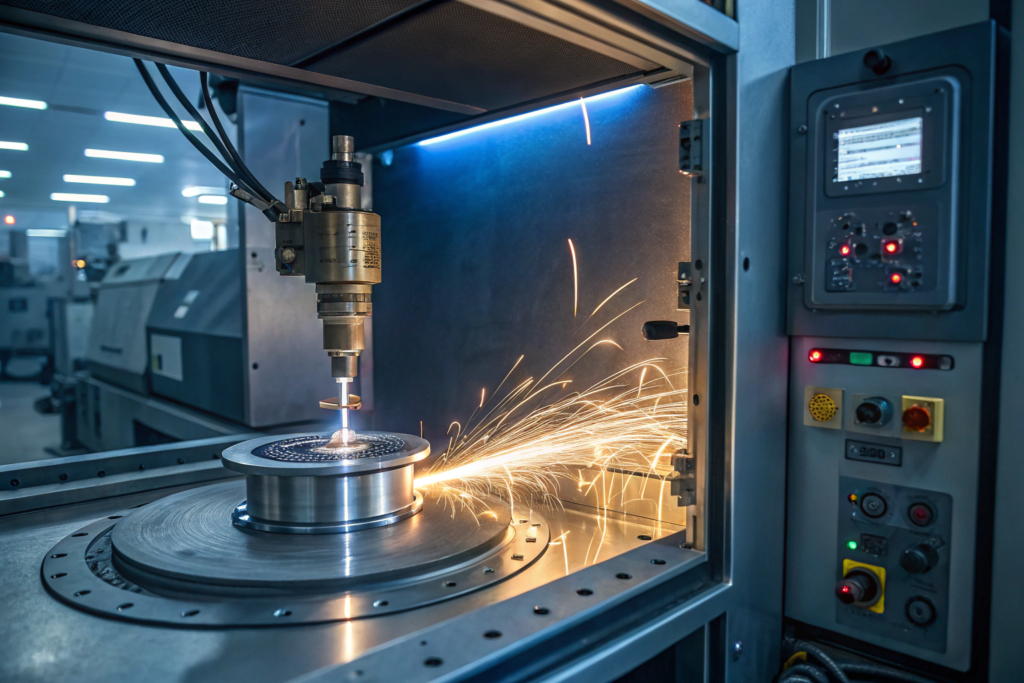
The vacuum environment is the cornerstone of the process’s superiority. By removing almost all air and gases from the chamber, several critical things happen. First, it eliminates contamination from oxygen and water vapor, which would otherwise oxidize the vaporized metal atoms and create a dull, weak, or discolored coating. This ensures the metal vapor travels in a straight line and deposits as a pure, clean layer.
Second, the vacuum allows for the creation of a plasma. When a gas like argon is introduced at low pressure and energized, it forms a plasma of ions. These ions can be used to bombard and clean the accessory’s surface immediately before coating (a step called ion etching), creating a microscopically rough surface that maximizes the bonding area. The vacuum also enables precise control over the energy of the depositing atoms, allowing them to embed themselves into the substrate for superior adhesion, a phenomenon less achievable in a liquid bath. This controlled, clean environment is what gives PVD coatings their legendary durability and consistent aesthetics.
What are the Common PVD Coating Materials and Their Resulting Colors?
The choice of target material and the reactive gases introduced during the process determine the final color and properties of the coating. Common materials include:
- Titanium (Ti): The most versatile base. When reacted with Nitrogen (N₂), it forms Titanium Nitride (TiN), yielding a bright, luxurious gold color. With different ratios of nitrogen and carbon, it can create Titanium Carbonitride (TiCN) for a harder, gunmetal grey, or Titanium Aluminum Nitride (TiAlN) for a dark bronze.
- Zirconium (Zr): Reacted with nitrogen, it forms Zirconium Nitride (ZrN), which produces a popular, warm rose gold color.
- Chromium (Cr): Reacted with nitrogen, it forms Chromium Nitride (CrN), known for its excellent corrosion resistance and a bright, silvery metallic finish that resembles stainless steel.
These compound coatings are not just pigments; they are ceramic-metallic layers that are extremely hard and inert. This is why a PVD rose gold finish on a hair clip or watch case resists fading and skin discoloration far better than a plated finish. At Shanghai Fumao Clothing, we specify these materials based on the accessory’s intended use and desired aesthetic, ensuring optimal performance.
What Are the Key Steps in the Vacuum Plating Process?
The process is methodical and requires precision at every stage to ensure a flawless result. It can be broken down into three main phases: Pre-treatment and Cleaning, The Plating Cycle in the Vacuum Chamber, and Post-Treatment and Quality Control. Skipping or rushing any step compromises the adhesion, appearance, and durability of the final coating.
A single batch, or "load," of accessories goes through the chamber together. The process time can range from 1 to 4 hours per load, depending on the coating type and thickness. Consistency is paramount, which is why automated controls and experienced technicians are essential. Let’s walk through what happens after the accessories arrive at the plating facility.
How Critical is Pre-Cleaning and Surface Preparation?
This is arguably the most important step. Any oil, dust, oxide layer, or contaminant on the accessory surface will act as a barrier, preventing the metal coating from bonding properly. This leads to poor adhesion, bubbling, peeling, or uneven color. The pre-cleaning process is multi-stage and rigorous.
It typically involves:
- Ultrasonic Cleaning: Accessories are immersed in a series of heated chemical baths (alkaline, acidic) within ultrasonic tanks. The high-frequency sound waves create microscopic cavitation bubbles that scrub every contour and crevice clean.
- Electrocleaning: For conductive metal substrates, an electrical current may be used to remove even the most tenacious oxides.
- Rinsing and Drying: Multiple deionized water rinses remove all cleaning chemicals, followed by thorough hot-air drying.
- Fixturing: The perfectly clean parts are then carefully mounted onto racks or fixtures designed to hold them securely and expose all surfaces to the metal vapor stream inside the chamber. This fixturing requires expertise to avoid shadowing (uncoated areas).
Our quality control begins here. We inspect substrates before they enter the cleaning line to ensure they are free of major defects that plating would only highlight, not hide.
What Happens Inside the Vacuum Chamber During Plating?
Once the chamber door is sealed, the automated plating cycle begins. A standard cycle includes:
- Evacuation: Powerful pumps pull a high vacuum, removing air until the pressure is about one-millionth of atmospheric pressure.
- Heating: The chamber and parts are heated to a specific temperature (often 200-500°C) to outgas any remaining moisture and prepare the surface for bonding.
- Etching (Sputter Cleaning): Argon gas is introduced, and a high-voltage charge creates an argon plasma. The positively charged argon ions are accelerated toward the negatively charged accessories, blasting away the last few atomic layers of contamination and activating the surface.
- Coating Deposition: The target material (e.g., a titanium cathode) is vaporized. In Arc Evaporation, a high-current arc literally blasts metal off the target. In Magnetron Sputtering, argon ions bombard the target, knocking metal atoms off. These vaporized metal atoms travel through the chamber and condense on the cooler accessory surfaces. If a reactive gas like nitrogen is introduced, it reacts with the metal vapor mid-flight to form the desired compound (e.g., TiN) before depositing.
- Cooling and Venting: After the desired coating thickness (typically 0.25 to 5 microns—thinner than a human hair) is achieved, the chamber cools, is vented with clean air, and opened.
The entire process is monitored and controlled by computers to ensure repeatability. This technological precision is what allows us to guarantee consistent color and quality across thousands of pieces, from a run of belt buckle fittings to millions of hair clip charms.
What Materials and Designs are Best Suited for Vacuum Plating?
While PVD is versatile, it works best on certain substrates and designs. The process involves heat and requires a conductive or properly prepared surface for optimal adhesion. Understanding these parameters helps in designing accessories that will look stunning and last.
Ideal substrates include stainless steel, titanium, brass, and zinc alloy. These metals can withstand the process temperatures and form a strong bond with the coating. Some engineered plastics (like PEEK) can also be coated with special pre-treatment. Materials with low melting points or high outgassing (like some cheap pot metals or plastics) are not suitable. The design of the accessory must also allow for proper fixturing and avoid deep, narrow recesses where the line-of-sight metal vapor cannot reach.
Can Plastic Accessories Undergo Vacuum Plating?
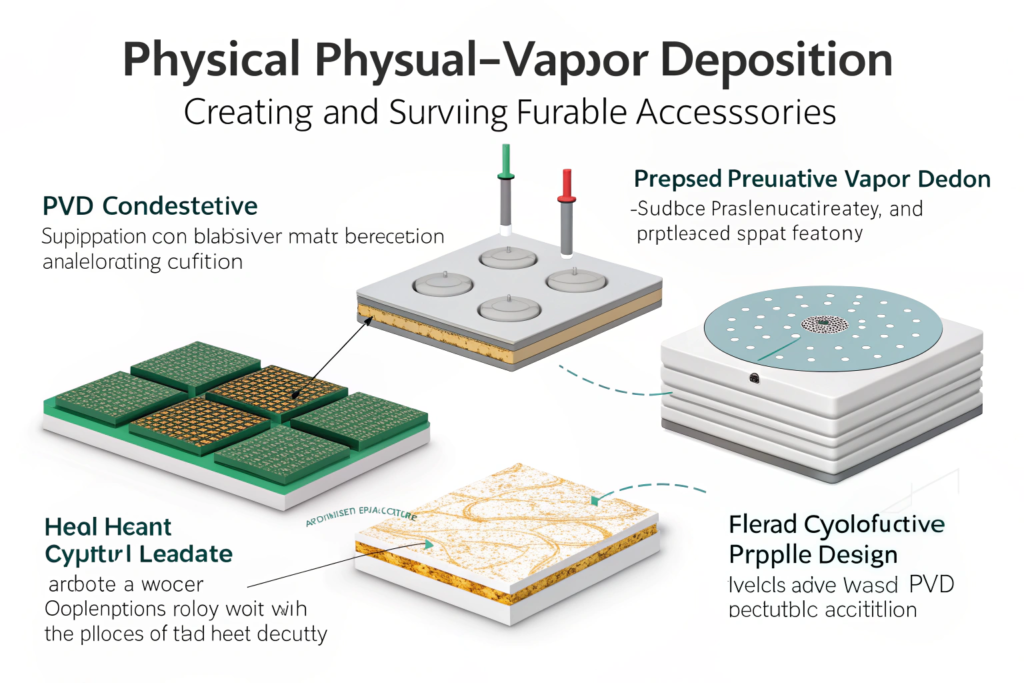
Yes, but with crucial pre-treatment. The main challenges with plastics are their low heat tolerance and non-conductive nature. The solution is a two-step process:
- Base Coating: The plastic accessory first receives a conductive base coat, typically a specially formulated paint or a very thin layer of electroless metal plating. This layer must be perfectly applied and cured.
- PVD Top Coating: The part, now conductive, can undergo a modified, lower-temperature PVD process. The final PVD layer is deposited over the base coat.
This combination allows for lightweight, metalized plastic components in items like sunglass frames, logo patches, or decorative bag hardware. However, the overall durability will be a combination of the base coat’s adhesion to the plastic and the PVD layer’s hardness. It requires a manufacturer with expertise in both fields, which is part of our integrated service at Shanghai Fumao Clothing.
How Does Design Geometry Affect the Plating Result?
Line-of-sight deposition is a fundamental characteristic of standard PVD. The vaporized metal atoms travel in straight lines from the target. This means surfaces directly facing the target source will receive the thickest, most uniform coating. Recessed areas, deep holes, or the backside of a component may receive a thinner coating or none at all ("shadowing").
To mitigate this, skilled technicians use:
- Strategic Fixturing: Rotating racks and multiple target sources to ensure all sides are exposed.
- Design for Manufacturability (DFM): Working with clients to subtly adjust angles or avoid overly deep textures that would shadow.
- Hybrid Processes: For parts requiring all-over coating, a combination of electroplating (for throwing power into recesses) followed by a top layer of PVD (for color and hardness) may be used.
During our project management and product development phase, we review designs to recommend adjustments that will ensure a flawless and durable plated finish, maximizing the value of the technology for your specific accessory.
How to Ensure Quality and Durability in the Finished Product?
The promise of vacuum plating is a long-lasting, beautiful finish. Delivering on that promise requires strict quality control measures at the end of the process and clear communication with the end-user about the product’s care.
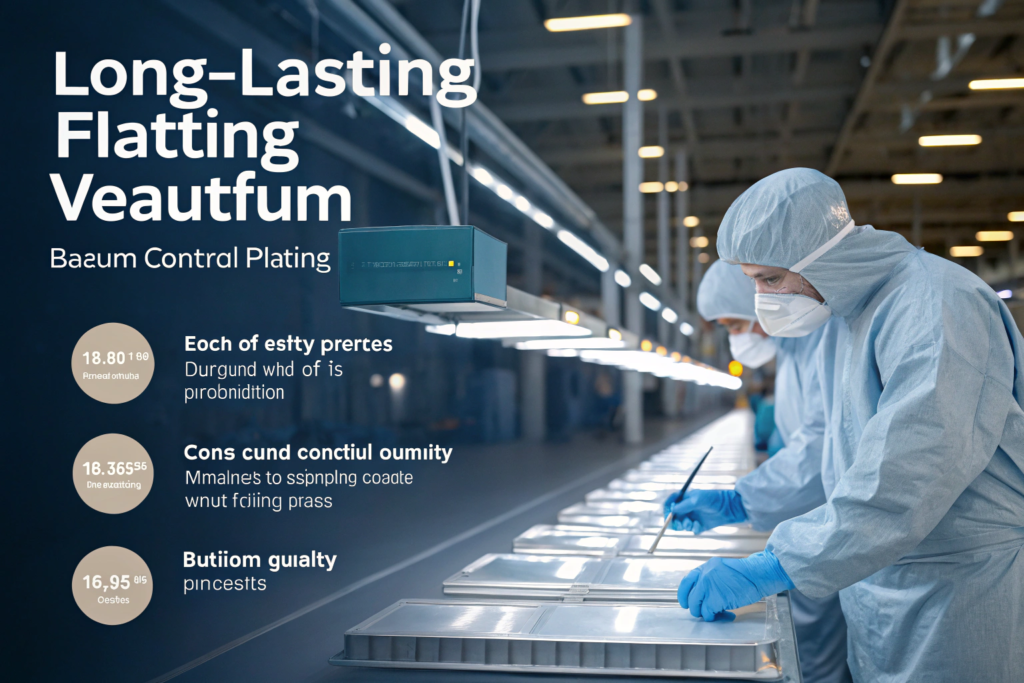
Final inspection is not just visual. It involves tests to verify that the coating meets specification for adhesion, thickness, color consistency, and corrosion resistance. These tests provide objective data that the coating will perform in the real world, protecting both the manufacturer and the brand from returns and reputation damage.
What are the Standard Tests for PVD Coating Adhesion and Thickness?
Reliable manufacturers employ several industry-standard tests:
- Adhesion Test (Tape Test – ASTM D3359): A cross-hatch pattern is cut into the coating, and a specialized tape is applied and ripped off. The amount of coating removed is rated. High-quality PVD should show zero removal.
- Adhesion Test (Scratch Test): A diamond-tipped stylus is drawn across the surface under increasing load until the coating fails. This measures the critical load for adhesion and cohesion.
- Coating Thickness Measurement: Instruments like X-ray Fluorescence (XRF) or a ball crater test are used to non-destructively measure the coating thickness to ensure it is within the specified range (e.g., 1-3 microns).
- Corrosion Resistance (Salt Spray Test – ASTM B117): Samples are placed in a salt spray chamber for a set number of hours to simulate accelerated corrosion. A quality PVD coating on stainless steel should withstand 24-48 hours or more without red rust.
- Color and Appearance Inspection: Using spectrophotometers and controlled lighting booths to ensure batch-to-batch color consistency.
We provide summary reports of these tests to our clients as part of our commitment to transparency and quality control, giving you documented confidence in your product’s durability.
How Should Vacuum-Plated Accessories Be Cared For?
While extremely durable, PVD coatings are not indestructible. Providing simple care instructions enhances customer satisfaction:
- Cleaning: Use a soft, lint-free cloth with mild soap and water. Avoid abrasive cleaners, scouring pads, or harsh chemicals like bleach, ammonia, or acetone.
- Storage: Store accessories separately to prevent scratching from harder materials. A soft pouch is ideal.
- Avoid Impact: While the coating is hard, a severe impact on a sharp edge can chip it.
- Compatibility: The coating is highly resistant to sweat and perfumes, but removing accessories before applying lotions or swimming in chlorinated/salt water will prolong their pristine appearance.
By understanding the sophisticated process behind vacuum plating, brands can make informed decisions, design better products, and market them with confidence. It represents a tangible upgrade in quality that discerning customers recognize and value.
Conclusion
Vacuum plating is a sophisticated, environmentally friendly technology that elevates fashion accessories from ordinary to extraordinary. Its process—meticulous cleaning, precise deposition in a high-vacuum chamber, and rigorous testing—results in a finish that offers unparalleled durability, vibrant and consistent color, and superior resistance to the elements of daily wear. It outperforms traditional electroplating in nearly every metric that matters for longevity and customer satisfaction.
For brands, investing in PVD finishing is an investment in product integrity and brand reputation. It allows for creative expression through a wide palette of durable colors while ensuring accessories like hair clips, belts, and hardware stand the test of time. The key to success lies in partnering with a manufacturer that understands both the science of the process and the art of accessory design.
If you are looking to enhance your accessory line with the premium quality and lasting beauty of vacuum plating, we have the expertise and technology to execute it flawlessly. At Shanghai Fumao Clothing, we manage the entire process, from material selection and DFM advice to final QC testing. Contact our Business Director Elaine to discuss how we can apply this advanced finishing technique to your next collection. Reach out to Elaine at elaine@fumaoclothing.com to start developing accessories that truly shine.