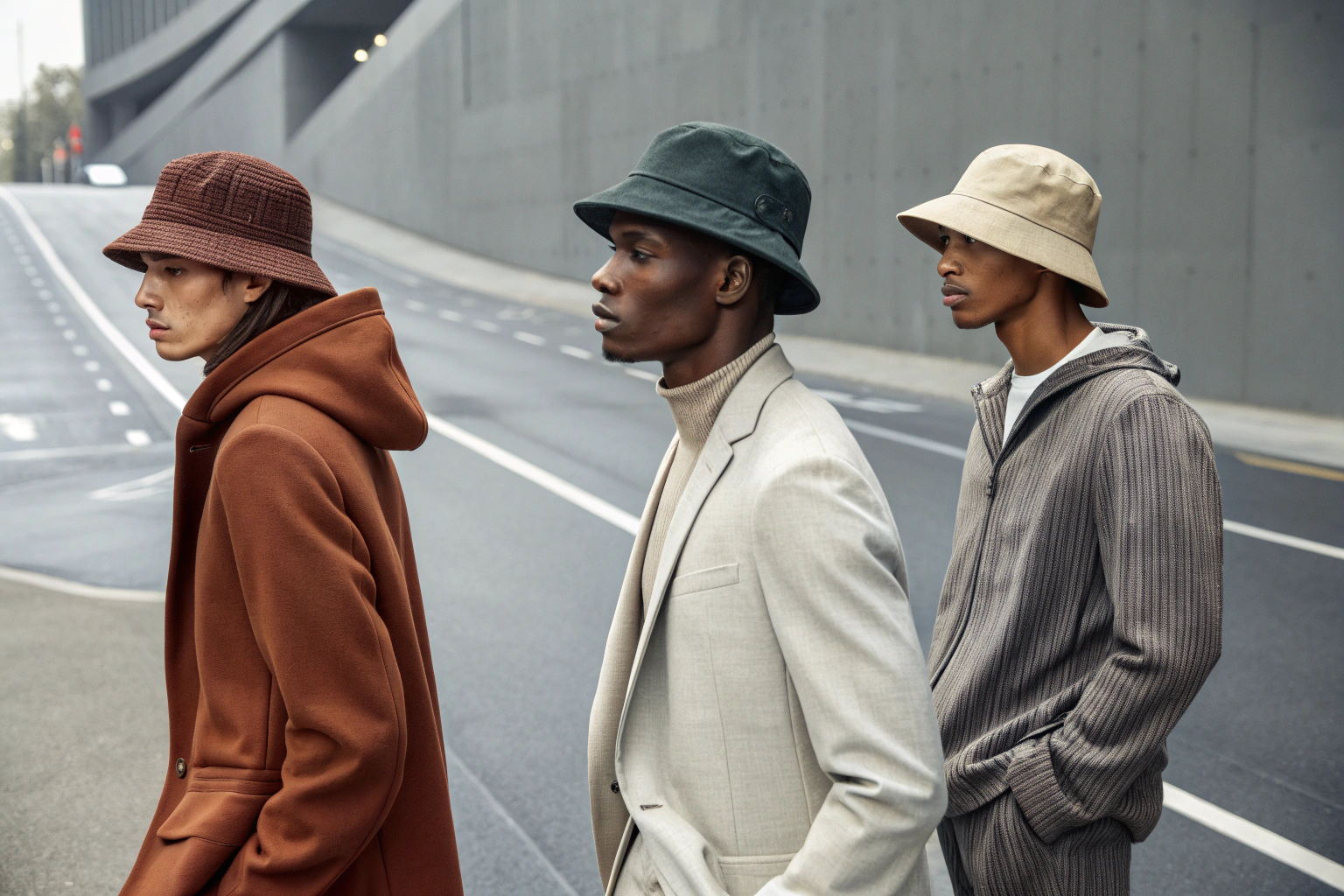
Are you struggling to select the right fabrics for your fashion hat line that will capture the high-street market? Do you find that some materials look great in a mood board but fail in durability, drape, or seasonal relevance, leaving your collection feeling off-trend? For high-street fashion brands, the fabric choice for cloth hats is not just about aesthetics; it’s a critical decision that impacts cost, wearability, brand perception, and ultimately, sell-through rates.
The most in-demand fabrics successfully balance three key pillars: trend-right aesthetics, practical performance, and commercial viability. High-street consumers expect runway-inspired looks at accessible prices, without sacrificing the feel and function of a quality product. This means moving beyond basic cotton twill to explore innovative weaves, sustainable materials, and fabrics with inherent texture and character that tell a story. The right fabric can transform a simple hat into a must-have accessory.
This analysis dives into the specific cloth hat fabrics currently driving demand. We will explore the enduring appeal of textured naturals like corduroy and canvas, the rise of sophisticated technical blends and performance fabrics, the growing dominance of sustainable and recycled materials, and the special role of specialty weaves and novelty fabrics for statement pieces. Understanding this fabric landscape is key to designing collections that resonate with both fast-fashion cycles and lasting style.
Why Are Textured Natural Fabrics Like Corduroy and Canvas Dominating?
In an era of digital saturation, high-street fashion is craving tactile, authentic experiences. Textured natural fabrics like corduroy and heavyweight canvas deliver this perfectly. They offer a sense of heritage, craftsmanship, and organic character that smooth, synthetic fabrics often lack. For cloth hats—such as bucket hats, baseball caps, and newsboy caps—these materials add instant visual weight, structure, and a vintage-inspired cool that aligns perfectly with current Y2K and workwear trends.
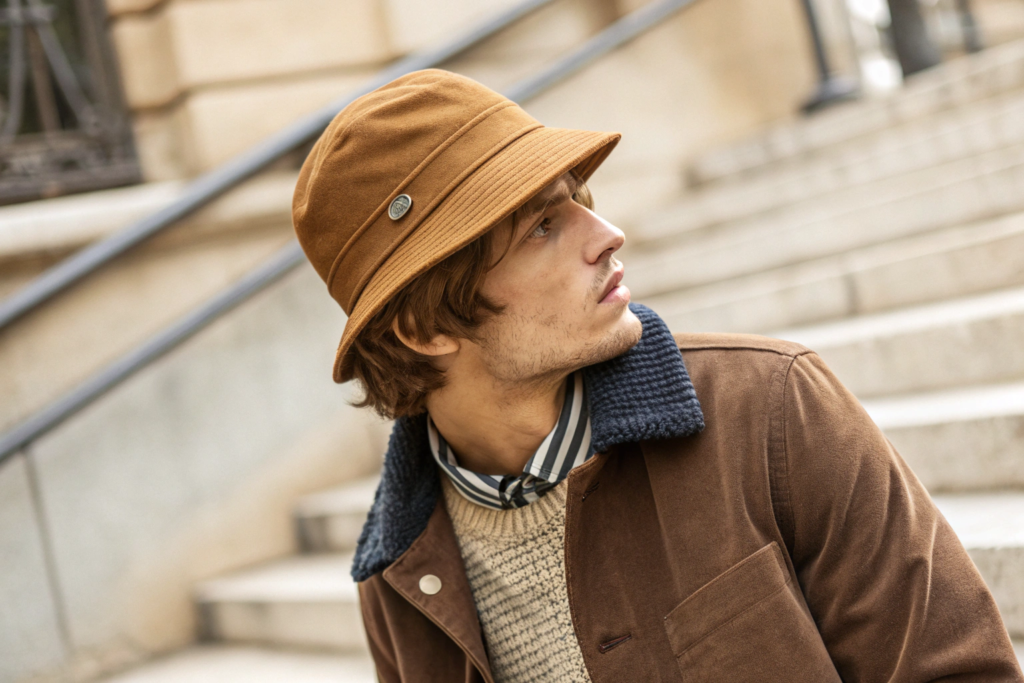
Corduroy, with its distinctive wales (ridges), provides rich texture and a soft, durable hand feel. The width of the wale (pinwale, mid-wale, wide-wale) allows for design variation, from fine, elegant textures to bold, statement-making ribs. It’s a fall/winter staple that has become a year-round favorite for its depth. Canvas, particularly heavy-duty cotton or hemp canvas, is prized for its structured, utilitarian look. It holds shapes like a structured brim beautifully and develops a unique, worn-in patina over time, adding to its appeal. These fabrics communicate quality and timeless style, which high-street brands leverage to elevate their accessory offerings beyond disposable fashion.
How Does Corduroy’s Weight and Wale Size Impact Hat Design?
The weight and wale size of corduroy are crucial design levers. For summer bucket hats or lighter caps, a lightweight, pinwale corduroy (with many fine ribs per inch) is ideal. It offers the corduroy texture without excessive warmth, creating a sophisticated, nuanced look. For fall/winter beanies or structured fedoras, a mid to heavyweight corduroy with a wide wale makes a bold statement. The wider ribs catch the light differently, creating a more pronounced shadow and texture that is highly fashionable.
However, weight impacts production. Heavier corduroy requires more robust sewing machinery and expertise to handle seams without puckering, especially on curved hat crowns. At Shanghai Fumao Clothing, our experience with varied materials ensures clean construction regardless of weight. From a sourcing perspective, offering hats in multiple wale sizes can cater to different sub-trends within a single collection, maximizing market reach. The versatility of corduroy is why it remains a top request from our high-street brand partners.
What Makes Canvas a Go-To for Structured Silhouettes?
Canvas is the architectural fabric of the hat world. Its inherent stiffness and dimensional stability make it the perfect choice for hats that need to hold their shape without internal interfacing, such as structured bucket hats, fisherman hats, and peaked caps. Unlike floppy fabrics, canvas provides a clean, sharp silhouette that looks polished and intentional.
The demand is for premium canvas blends. While 100% cotton canvas is classic, blends with linen for a slubbed, textured look, or with recycled polyester for added durability and water resistance, are increasingly popular. A waxed cotton canvas, treated for water repellency, crosses into performance territory while maintaining a rugged, heritage aesthetic. For brands, the choice of canvas signals a commitment to a certain aesthetic—be it utilitarian, nautical, or minimalist. Ensuring the canvas is pre-shrunk and colorfast is a critical part of our quality control process to prevent deformation after manufacture or first wash.
How Are Technical Blends and Performance Fabrics Reshaping Demand?
The line between fashion and function continues to blur. Today’s high-street consumer expects a hat to be both stylish and practical. This has driven massive demand for technical blends and performance fabrics that were once confined to sportswear. These materials offer properties like water resistance, moisture-wicking, UV protection, and incredible lightweight packability, making them ideal for travel, transitional weather, and an active lifestyle.
Fabrics such as nylon-taffeta, technical polyester meshes, and poly-cotton blends with a DWR (Durable Water Repellent) finish are now commonplace in fashion hat collections. They allow for clean, minimalist designs in crisp poplin or sleek, glossy finishes, often in vibrant, color-fast hues. A simple baseball cap made from a high-tech, quick-dry fabric instantly feels more modern and versatile than one made from traditional twill. This category answers the need for accessories that are as functional as they are photogenic.
Why is Nylon-Taffeta a Leader for Lightweight and Water-Resistant Hats?
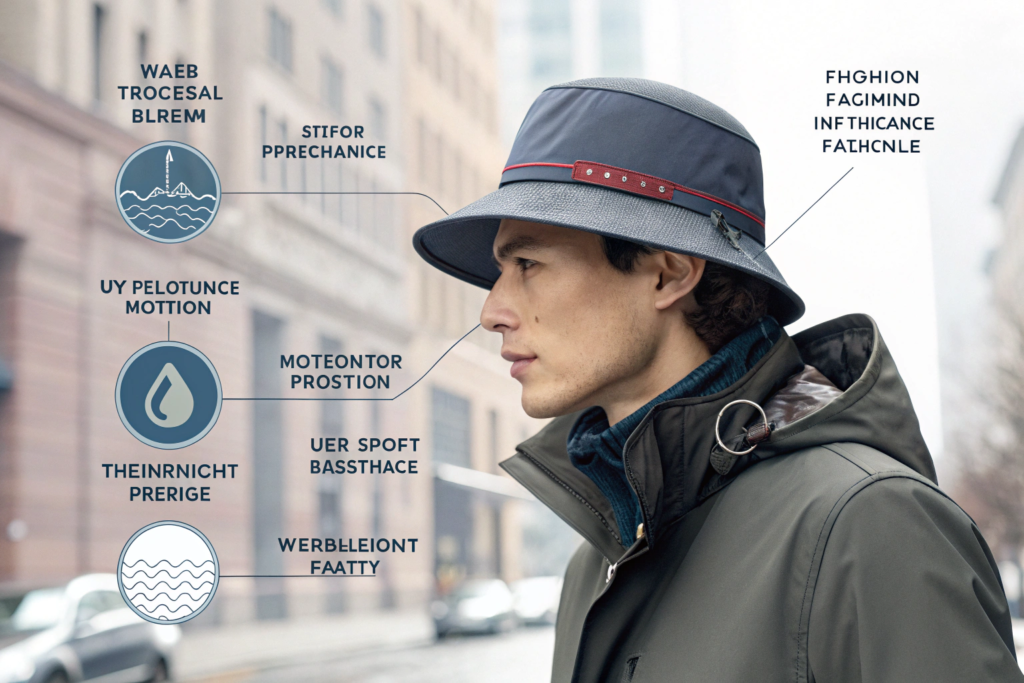
Nylon-taffeta is a powerhouse in this category. Its tight, plain weave makes it naturally wind-resistant and slightly water-repellent. When treated with a PU (Polyurethane) coating or a fluorocarbon-free DWR, it becomes genuinely water-resistant, perfect for unexpected showers. Its greatest selling point is its featherlight weight and ability to pack into a tiny space without wrinkling, a key feature for travel-friendly bucket hats and packable sun hats.
For high-street brands, nylon-taffeta offers a sleek, uniform surface that is perfect for bold color-blocking, reflective logo printing, or subtle tonal branding. It lends a contemporary, almost technical-luxury feel to accessories. The manufacturing key is precise cutting and sealing of seams (often with ultrasonic welding or tape sealing) to maintain the water-resistant properties. Our factory is equipped with these specialized techniques, allowing us to produce high-performance fashion hats that meet both aesthetic and functional benchmarks.
What Role Does Moisture-Wicking Fabric Play in Fashion Headwear?
Comfort is king, and nothing ruins a look faster than a sweaty, uncomfortable hat. Moisture-wicking fabrics, primarily advanced polyester or polyester-cotton blends, are now a baseline expectation for summer hats and any style meant for active wear. These fabrics are engineered to pull perspiration away from the skin to the fabric’s outer surface, where it can evaporate quickly.
For fashion brands, integrating this technology is a major value-add. It transforms a basic cotton baseball cap or beanie into a performance-oriented accessory suitable for commuting, festivals, or sports. The fabric often has a subtle texture or a brushed interior for added comfort. When sourcing, it’s important to verify the wicking capability through tests like the Moisture Management Test (MMT) and to ensure the treatment is durable through repeated washes. Providing this functional benefit can be a key differentiator in a crowded market, a point we consistently emphasize in our product development consultations with brands.
Is Sustainable & Recycled Fabric the New Standard for High-Street?
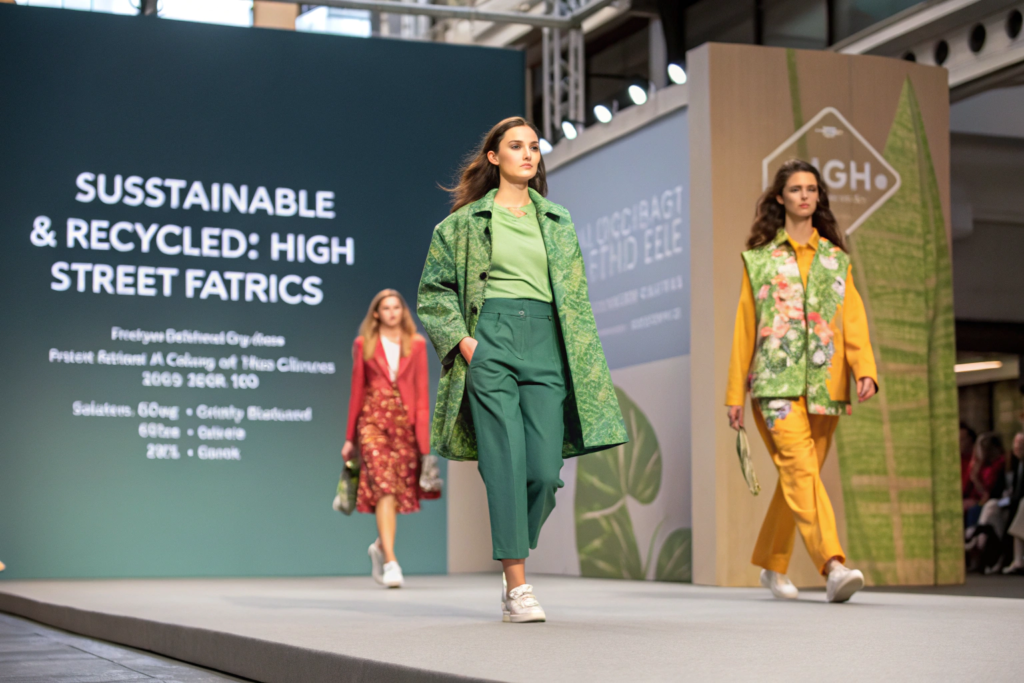
Sustainability is no longer a niche trend; it’s a core demand shaping high-street fashion. Consumers, especially younger demographics, actively seek out brands with transparent, ethical practices. This has made sustainable and recycled fabrics a major driving force in material sourcing. Using these materials is not just an ethical choice; it’s a powerful marketing tool and a growing compliance requirement in many markets.
Fabrics like Recycled PET (rPET) polyester (made from plastic bottles), organic cotton, ECONYL® regenerated nylon, and Tencel™ lyocell are at the forefront. For cloth hats, recycled polyester can be woven into everything from sturdy twills for caps to soft, fleece-like materials for beanies. These materials often perform identically to, or even better than, their virgin counterparts, while significantly reducing environmental impact. High-street brands are leveraging these "better" materials to justify price points and build a more responsible brand image.
How Does Recycled Polyester Meet Both Ethical and Performance Needs?
Recycled polyester (rPET) is the workhorse of sustainable fashion textiles. It successfully bridges the gap between eco-credentials and high performance. From a hat manufacturer’s perspective, rPET can be engineered into a wide range of fabrics: a sleek, technical taffeta for rain hats, a durable canvas-like weave for structured hats, or a soft, brushed knit for winter beanies.
The key for brands is verification. Demand certificates like the Global Recycled Standard (GRS), which tracks the recycled content through the supply chain. This provides the authenticity needed for marketing claims. At Shanghai Fumao Clothing, we facilitate this by sourcing GRS-certified fabrics and maintaining chain-of-custody documentation. For the end consumer, a hat made from rPET offers the familiar benefits of polyester—durability, color vibrancy, wrinkle resistance—with the added value of a positive environmental story. It’s a clear win-win that aligns with the sourcing key points of modern importers who prioritize certified, responsible materials.
Are Organic Cotton and Hemp Gaining Mainstream Traction?
Absolutely. While recycled synthetics lead in performance categories, organic cotton and hemp are growing in demand for their natural, biodegradable appeal. Organic cotton, grown without toxic pesticides, is sought after for its softness and purity, ideal for premium basic baseball caps, casual bucket hats, and beanies for sensitive skin.
Hemp is experiencing a renaissance. It is an incredibly sustainable crop that requires little water and no pesticides. Hemp fabric is naturally breathable, antimicrobial, and becomes softer with each wash. For hats, hemp blends (often with organic cotton) offer a beautiful, slubbed texture and a rustic, earthy aesthetic that resonates with the "conscious consumer." The challenge has been cost and supply chain maturity, but as demand grows, these barriers are lowering. Offering a capsule collection in these premium naturals allows a high-street brand to tap into the luxury eco-market segment. We help brands navigate this sourcing, balancing the unique characteristics of these fibers with production feasibility.
What is the Role of Specialty Weaves and Novelty Fabrics?
To create immediate visual impact and "Instagrammable" pieces, high-street brands are turning to specialty weaves and novelty fabrics. These are the statement-makers that drive seasonality and buzz. Think velvet for holiday glamour, shearling and faux fur for winter luxe, crochet and macramé for summer boho, or metallic jacquards for festival season.
These fabrics are often used as accents (e.g., a velvet hatband on a wool felt hat) or for entire statement pieces. They are less about everyday versatility and more about capturing a specific mood, trend, or occasion. Their success hinges on execution—the quality of the fake fur, the density of the velvet, the intricacy of the crochet stitch. Poor quality here is immediately apparent and can damage brand perception, so partnering with a manufacturer skilled in handling delicate and complex materials is essential.
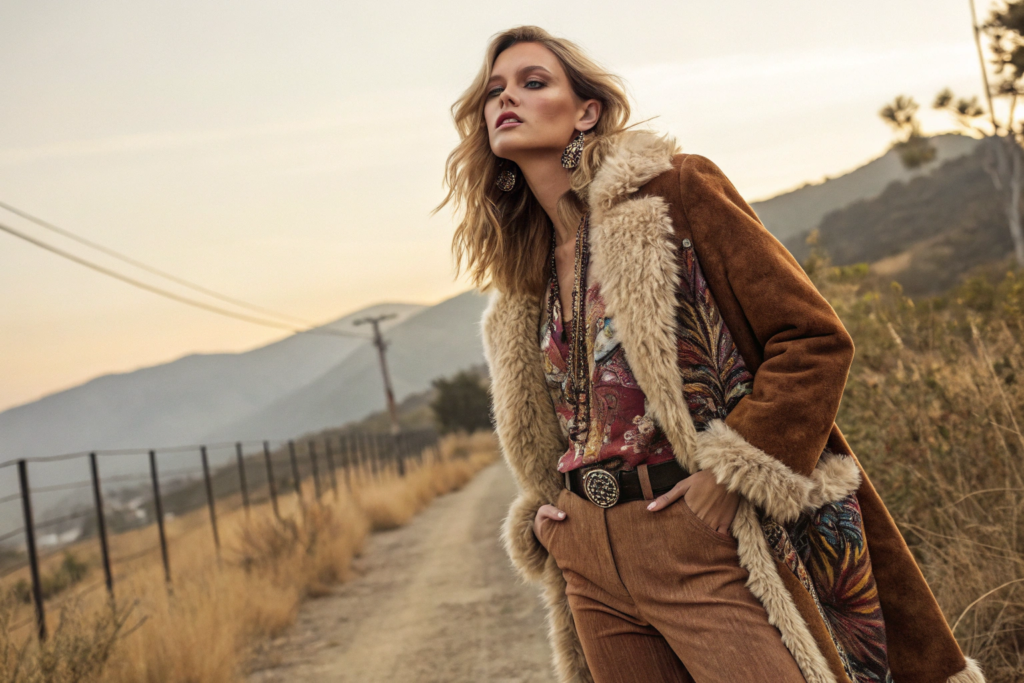
How Do Velvet and Faux Fur Drive Seasonal and Occasional Sales?
Velvet and faux fur are quintessential seasonal drivers. Velvet, particularly cotton velveteen or crushed velvet, adds a touch of opulence and richness. It’s a staple for autumn/winter collections, perfect for berets, brimmed hats, and embellished headbands. Its tactile nature and light-catching properties make it highly desirable for holiday parties and festive events.
High-quality faux fur, made from modacrylic or polyester, provides luxurious warmth and a dramatic, playful look for winter beanies and trapper hats. The trend is towards realistic, plush faux furs that are ethically preferable to real fur. For brands, these materials create high-margin, impulse-purchase items. The production focus is on clean finishing—ensuring seams are invisible on velvet and that fur is evenly distributed and securely attached. Our design team stays ahead of these seasonal trends, advising clients on the most commercially viable novelty fabrics each season.
Why are Jacquard and Embroidered Fabrics Key for Brand Differentiation?
For true brand differentiation, jacquard woven and heavily embroidered fabrics are unparalleled. Jacquard looms allow for complex, raised patterns (like florals, logos, or geometrics) to be woven directly into the fabric, creating a rich, textured, and permanent design. This technique conveys luxury and craftsmanship.
Embroidered fabrics, where dense embroidery covers the base cloth (often a simple mesh or tulle), create stunning textural hats for special occasions. These techniques move a hat from being a simple accessory to a wearable art piece. They command higher price points and attract fashion editors and influencers. The sourcing and production here are highly specialized, requiring partnerships with expert weaving and embroidery mills. We act as the conduit for our clients, managing these complex subcontracting processes within our project management framework to ensure quality and timeline integrity, turning intricate design concepts into tangible, stunning products.
Conclusion
The fabric landscape for high-street fashion hats is dynamic and multifaceted. Success lies in strategically blending categories: leveraging the timeless appeal of textured naturals like corduroy and canvas, integrating the smart functionality of technical blends, committing to the ethical imperative of sustainable materials, and using specialty novelties for peak seasonal impact. The most in-demand brands are those that curate their fabric selections to tell a cohesive story across all these fronts.
For buyers and product developers, this means moving beyond price-per-meter to consider the total value proposition a fabric offers in terms of trend alignment, performance, sustainability, and manufacturing feasibility. Partnering with a manufacturer that has expertise across this broad spectrum is crucial to executing a winning hat collection.
If you are looking to source or develop a cloth hat collection with the right mix of trending, functional, and sustainable fabrics, let’s connect. At Shanghai Fumao Clothing, we combine material sourcing expertise with precise manufacturing to bring your high-street vision to life. Contact our Business Director Elaine to discuss your next project. Reach out to Elaine at elaine@fumaoclothing.com to start creating hats that the market demands.