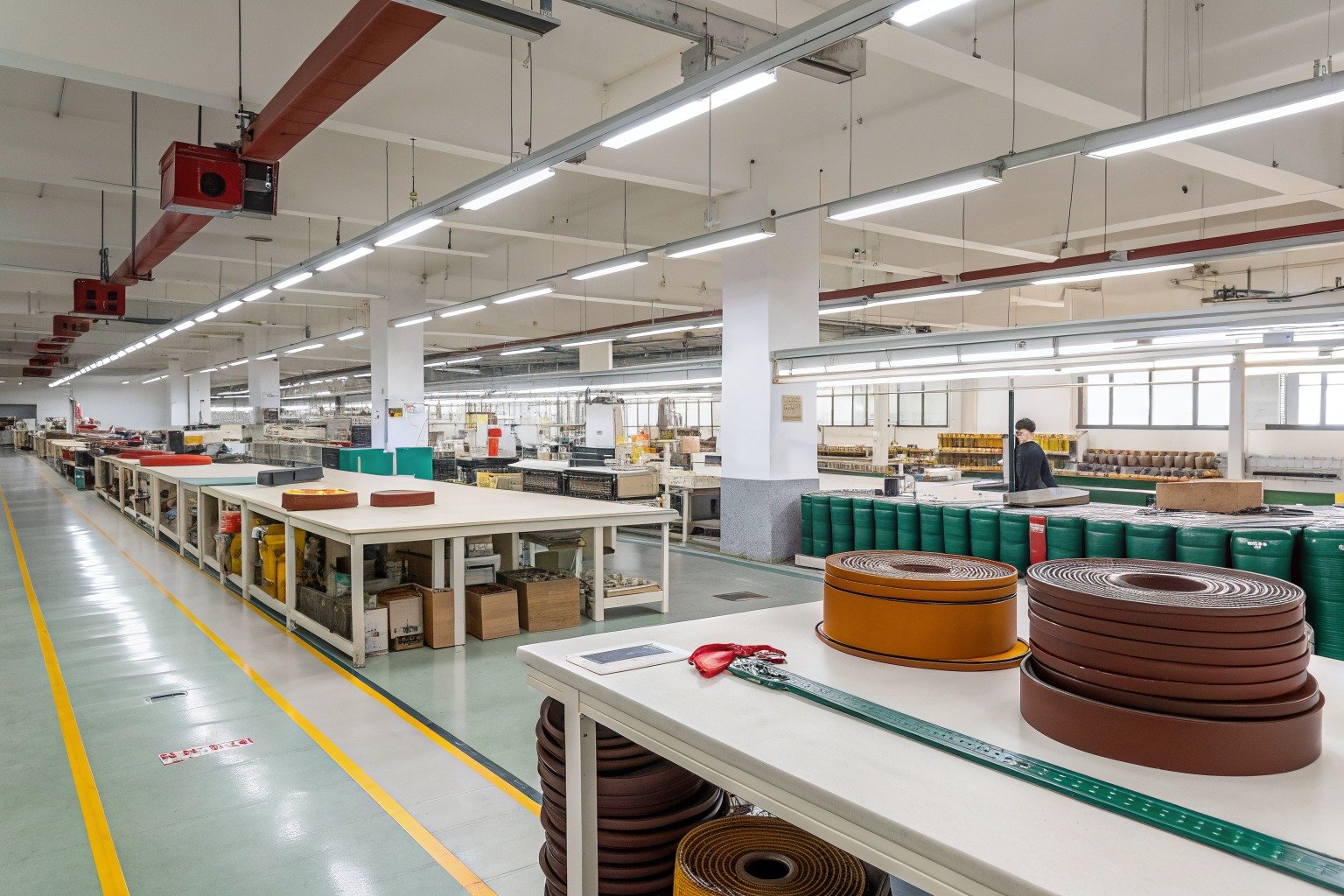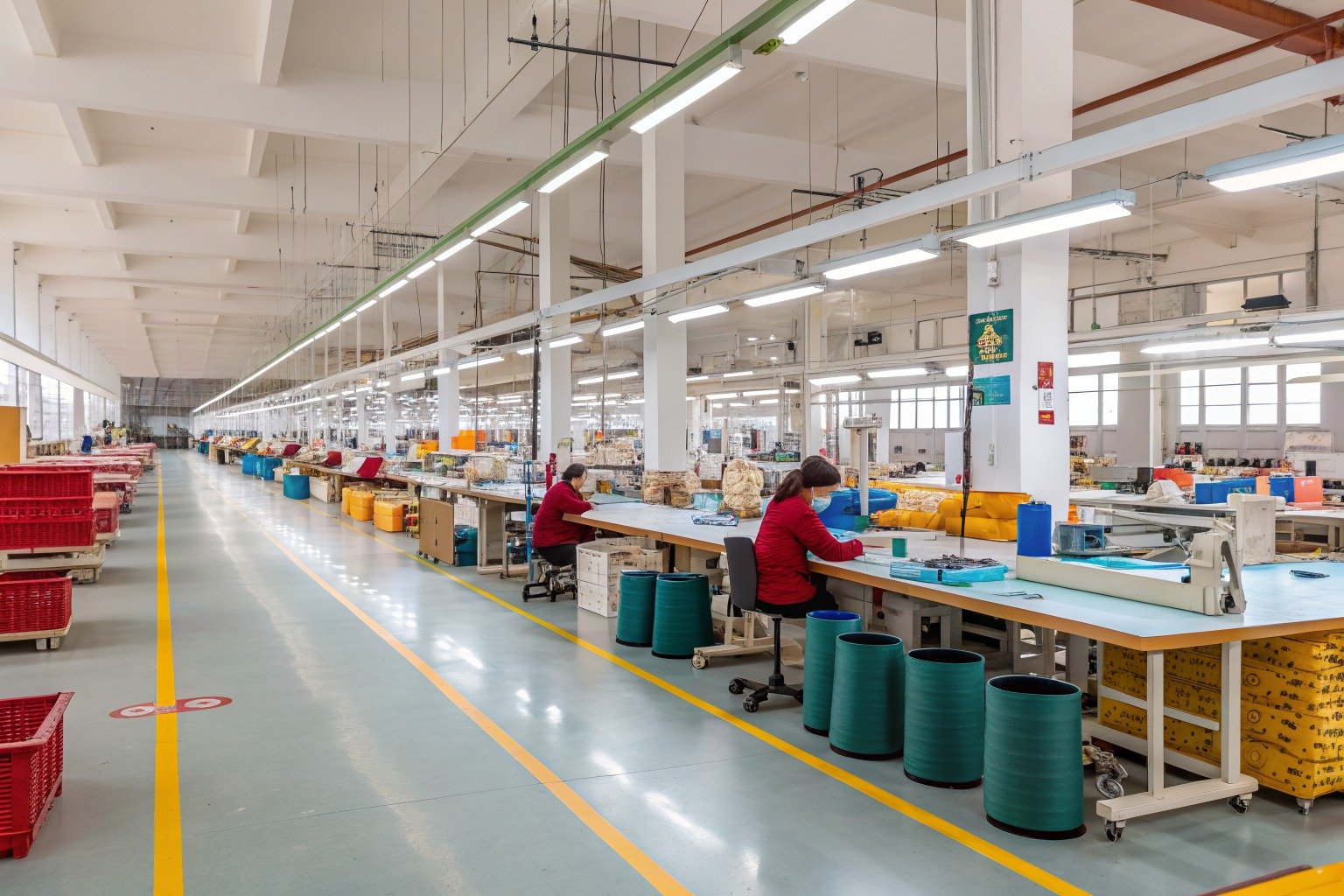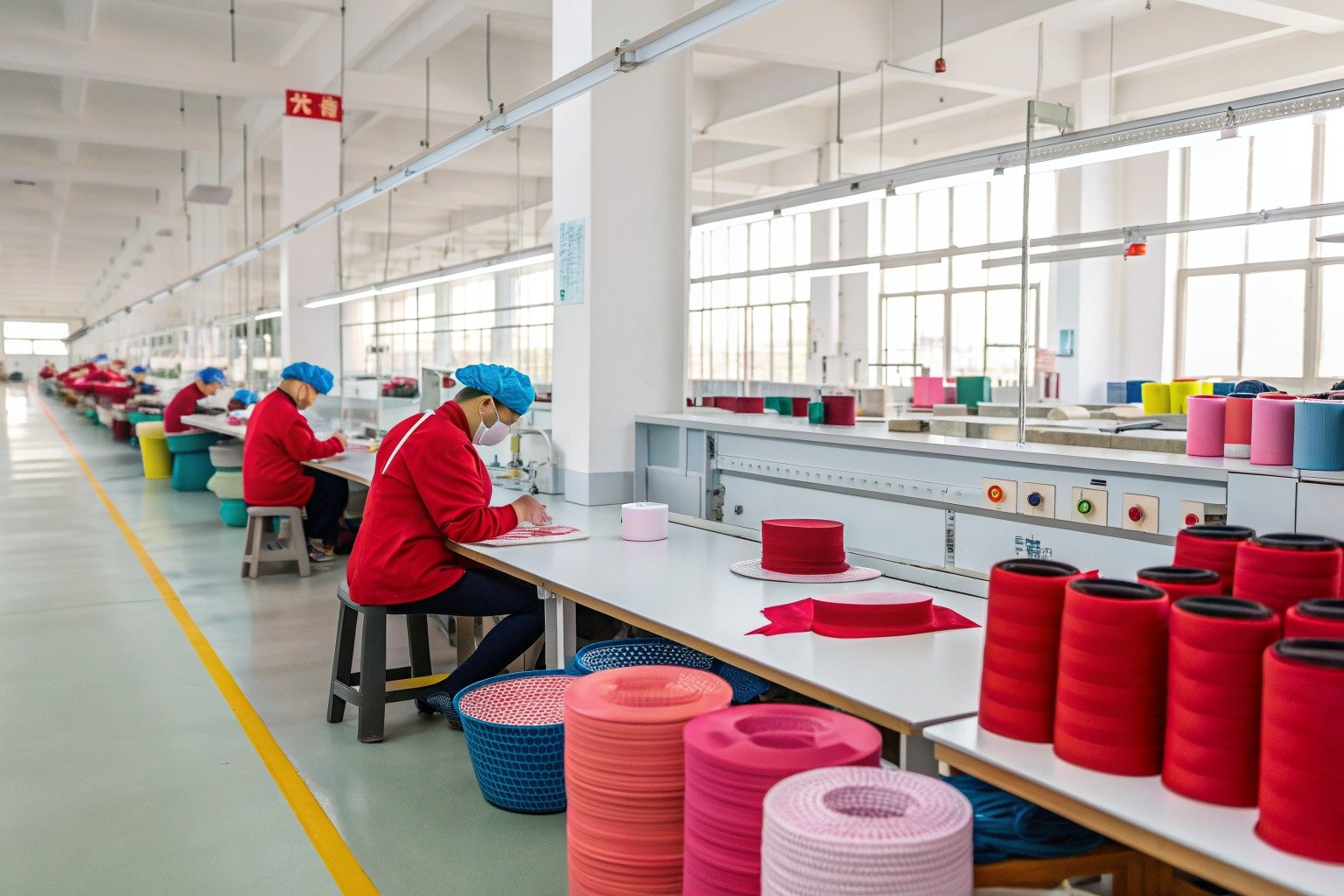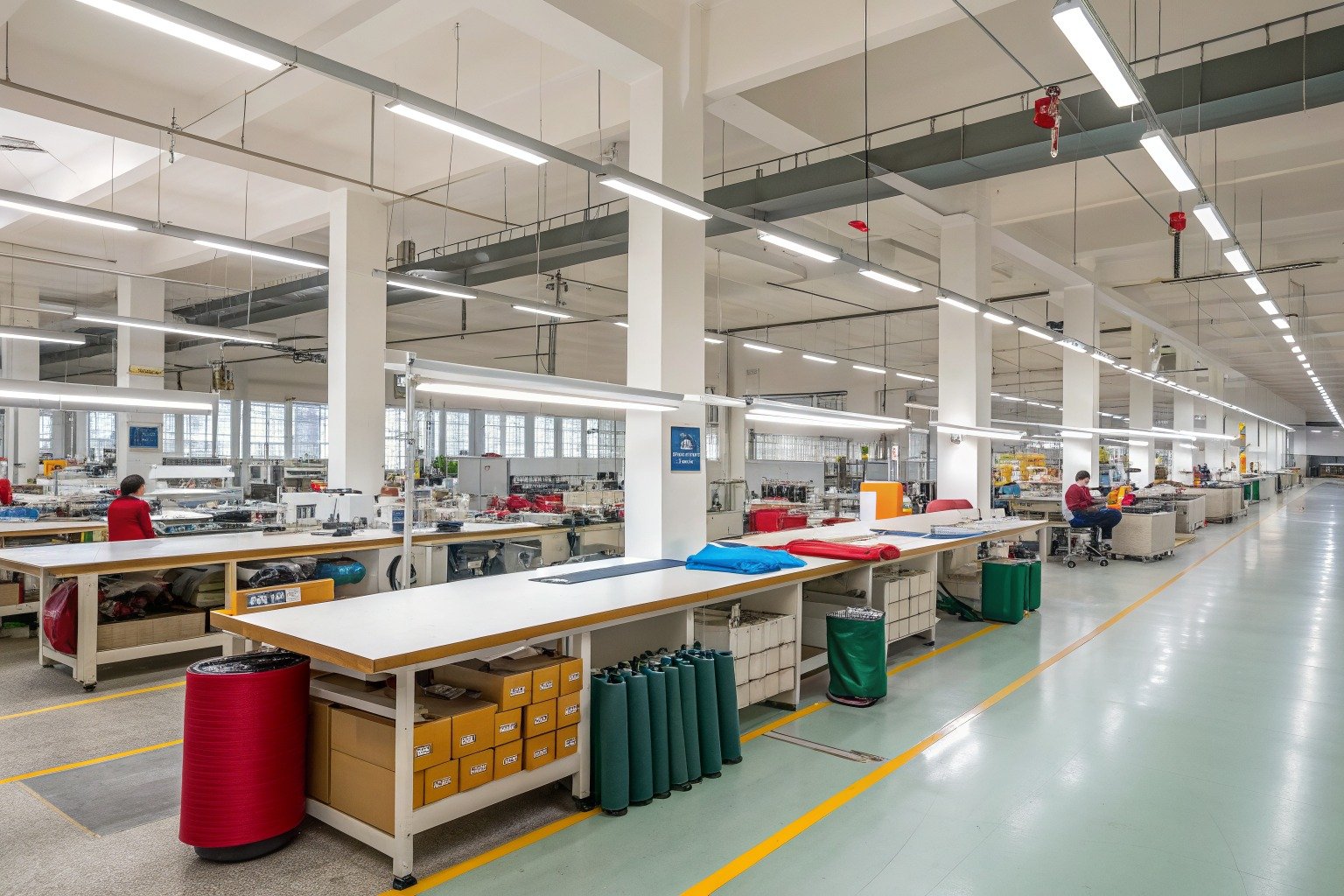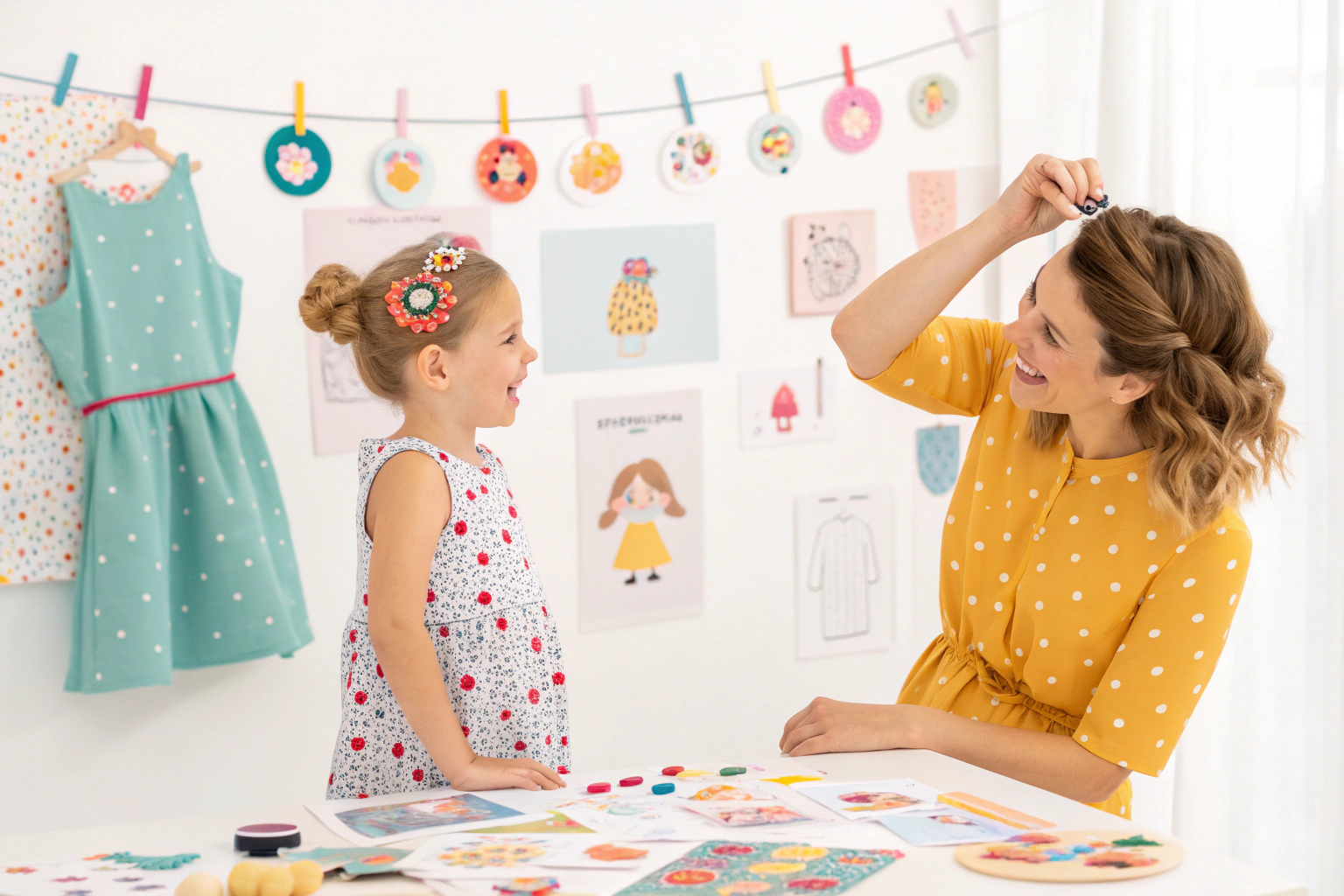
Are you an apparel brand looking to expand your product line with complementary accessories that truly resonate with your young audience? Do you find that generic hair ties fail to capture your brand’s unique story and aesthetic, missing a key opportunity for deeper customer engagement and increased sales? Collaborating on custom-designed hair ties for kids is a strategic move, but it requires more than just slapping a logo on an existing product.
The most successful collaborations treat hair ties not as an afterthought, but as an integral extension of the apparel brand’s world. They combine safe, durable design with the brand’s visual identity and storytelling magic. For a kids’ brand, this means prioritizing child-safe materials, creating characters and stories through design, and ensuring the accessory is both functional for parents and delightful for children. Done right, a hair tie collaboration boosts brand loyalty, increases average order value, and creates a cohesive, memorable product universe.
This guide will walk you through the essential steps to design and execute a winning collaboration. We’ll explore how to align the accessory with the apparel brand’s core identity, select materials and features that meet strict safety and durability standards, leverage popular characters and trends in the design process, and finally, navigate the practical steps of prototyping and production with a reliable manufacturer. Let’s turn a simple accessory into a standout piece of your brand’s story.
How to Align Hair Tie Design with a Kids’ Apparel Brand Identity?
The first step in any collaboration is deep alignment. A hair tie should feel like a natural, inevitable part of the brand’s universe, not a disconnected merchandise item. This requires moving beyond logos to capture the brand’s essence—its color palette, graphic themes, values (like sustainability or empowerment), and the emotional connection it has with its customers (both kids and parents).
Start by analyzing the brand’s best-selling apparel items. What patterns, characters, or themes are recurring? Is the brand known for bold graphic prints, delicate florals, or eco-friendly messaging? The hair tie design should directly reference these elements. For instance, a brand selling dinosaur-themed t-shirts could have hair ties with miniature dinosaur charms or prints. A brand focused on minimalist, high-quality basics might opt for hair ties in its signature color shades made from premium materials like organic cotton or buttery-soft silicone. This alignment ensures the accessory reinforces brand recognition and feels like a collectible part of the outfit.
What Core Brand Elements Should the Accessory Embody?
A successful collaboration embodies three core brand elements: Visual Identity, Brand Values, and User Experience. The Visual Identity is the easiest to translate—using the exact Pantone colors, signature patterns, or mascot characters from the clothing line. For example, a hair tie could feature a woven label with the brand’s iconic tagline or a charm shaped like its logo.
Brand Values are crucial, especially for kids’ brands. If the apparel brand promotes sustainability, the hair ties should use recycled materials, biodegradable packaging, or be part of a “buy one, plant one” initiative. If the brand stands for girl empowerment, designs could feature symbols of strength and adventure. Finally, the User Experience must mirror the brand’s promise. If the clothing is known for being soft and itch-free, the hair ties must be exceptionally gentle and snag-free. This holistic approach builds trust and tells a consistent story. At Shanghai Fumao Clothing, we begin every collaboration with a brand audit to ensure these elements are woven into the product development brief from day one.
How to Ensure the Design Appeals to Both Children and Parents?
This is the key to commercial success. The appeal must be dual-layered: emotional appeal for the child and practical appeal for the parent. For the child, the design must be fun, colorful, and often narrative-driven. It might feature their favorite character, a cute animal, a glittery element, or a “secret” feature like a hidden pattern on the inside. It’s a piece of play and self-expression.
For the parent, the priorities are safety, functionality, and durability. Is the hair tie free of small parts that could be a choking hazard? Is it easy to put in and take out of hair without pulling? Will it withstand being thrown in a playground bag, washed repeatedly, and chewed on (a real consideration for toddlers)? Designs that cleverly marry both needs win. A scrunchie made from super-soft, printed velour (fun texture for kids, gentle on hair for parents) with a secure but not-too-tight elastic (comfortable, holds well) is a classic example. Understanding this dual audience is central to our design team’s process when working with kids’ brands.
What Are the Essential Safety and Material Considerations for Kids’ Hair Ties?
Safety is the non-negotiable foundation of any product for children. Regulatory standards like CPSIA in the USA and EN71 in Europe set strict limits on chemicals, mechanical safety (like small parts), and flammability. A collaboration must prioritize compliance from the design phase to ensure smooth market entry and protect the brand’s reputation.
Material choice is the first line of defense. Avoid materials that can cause allergies, are toxic, or can break into sharp pieces. The construction must eliminate choking hazards; any charm or decorative element must be securely attached and large enough to pass a choke tube test. Furthermore, durability testing is part of safety—a broken hair tie can reveal sharp wires or small parts. The goal is to create a product that is indestructible in the hands of a child, without using harmful substances or fragile components.
Which Materials Are Safest and Most Durable for Everyday Use?
For the band itself, silicone-coated elastics are a top choice. The silicone coating prevents snagging and hair pulling, is gentle on scalps, and is highly durable. Fabric-covered elastics, especially with a soft outer layer like cotton or velour, are also excellent for comfort and reducing breakage. For decorative elements, consider silicone charms (soft, flexible, and safe), embroidered fabric patches, or printed designs using non-toxic, phthalate-free inks. Avoid cheap metals that may contain nickel (a common allergen) and brittle plastics.
Durability is tested through tensile strength tests for the elastic and pull tests for any attached charms. The product should withstand repeated stretching and washing without degrading. At our factory, we conduct rigorous quality control tests, including wash tests and torque tests on attachments, to ensure every batch meets these high standards before shipment. We source certified materials and can provide test reports from accredited labs like SGS or Intertek to give brands and parents complete confidence.
How to Navigate International Safety Standards and Certifications?
Navigating standards is complex but mandatory. For a US-bound product, CPSIA (Consumer Product Safety Improvement Act) compliance is required, which often involves third-party testing for lead and phthalates. For the EU, CE marking under the Toy Safety Directive (EN71) is essential. This covers mechanical/physical properties, flammability, and chemical migration.
The most efficient path is to partner with a manufacturer experienced in producing children’s accessories for your target market. They should have a proven track record of compliance and relationships with accredited testing laboratories. Key certifications to request include:
- CPSIA Certificate of Compliance: For the US market.
- EN71 Test Reports: For the European market.
- OEKO-TEX Standard 100: Certifies textiles are free from harmful substances.
- AZO-Free Dyes Certificate: Ensures dyes do not release carcinogenic amines.
Providing these documents streamlines customs clearance and protects against costly recalls. As part of our service, Shanghai Fumao Clothing manages the compliance process, ensuring all products meet the necessary safety standards for their destination.
How to Incorporate Characters and Trends into Hair Tie Designs?
For kids, characters and trends are everything. A hair tie becomes a coveted item when it features a beloved character from a show, book, or the brand’s own original IP, or when it taps into a broader cultural trend (like unicorns, space exploration, or rainforest animals). This transforms the accessory from a utility item into a collectible, storytelling piece.
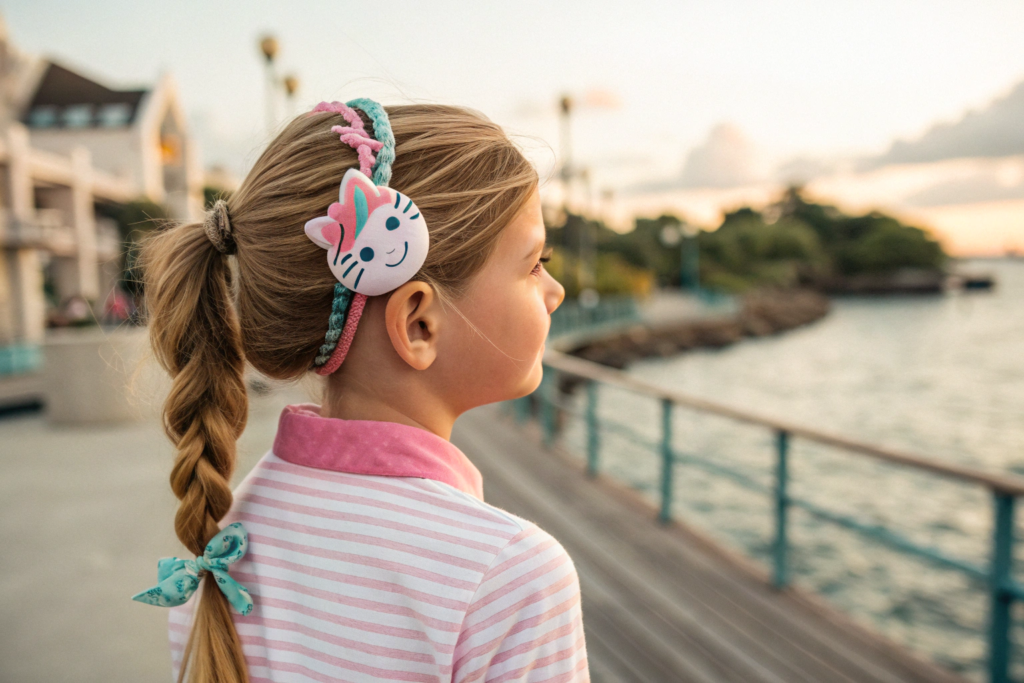
However, there are two paths: using licensed characters or creating original brand characters. Licensed characters (e.g., from Disney or Peppa Pig) come with instant recognition and demand but also involve licensing fees and strict approval processes. Creating original characters or thematic designs based on trends offers more creative freedom and allows the brand to build its own unique asset library. The design process here is about translation—taking a 2D character or theme and adapting it into a 3D accessory that is cute, recognizable, and functional.
What Are the Best Practices for Character Licensing and Original IP?
If pursuing character licensing, start early. The licensing process can take months. You’ll need to secure rights for the specific product category (hair accessories) and territories (e.g., North America). License holders will have strict brand style guides governing how their characters can be depicted, which colors to use, and often, which manufacturers are approved. Working with a factory experienced in licensed goods is crucial, as they understand the required compliance and approval workflows.
Developing Original IP is a powerful long-term strategy. It involves creating a family of characters or a thematic world unique to the apparel brand. The hair tie becomes a medium to expand that story. For example, if a clothing line has a “Forest Friends” theme, hair ties could feature individual animals from the forest—a fox, a rabbit, an owl—encouraging collection. This builds deeper brand loyalty and avoids licensing costs. Our design team specializes in helping brands develop these original concepts into manufacturable, charming accessory designs.
How to Adapt 2D Apparel Prints into 3D Accessory Designs?
This is a core design challenge. A vibrant print on a dress needs reimagining for a small, cylindrical hair tie. The key techniques are simplification and accentuation. You might take the most iconic element of the print—a specific flower, a star, a rainbow—and turn it into a charm or an embroidered appliqué. Alternatively, you can use the print’s color palette to create ombre-dyed elastics or patterned fabric scrunchies.
Another approach is shape innovation. Instead of a standard round tie, could the silicone charm be custom-molded into the shape of the brand’s mascot? Could a scrunchie have a custom-printed ribbon woven through it that features the print’s pattern? The goal is to create a recognizable visual link so that when a child holds the hair tie next to her dress, they are unmistakably part of the same family. This level of custom tooling and material innovation is a specialty in our development process, ensuring a cohesive and high-quality final product.
What is the Step-by-Step Process from Concept to Production?
Turning a collaborative idea into a shelf-ready product requires a clear, managed process. Rushing this stage leads to costly errors, missed deadlines, and products that don’t match the vision. A structured workflow, managed by an experienced project manager, ensures alignment, quality, and timeliness at every stage, from initial sketches to final shipment.
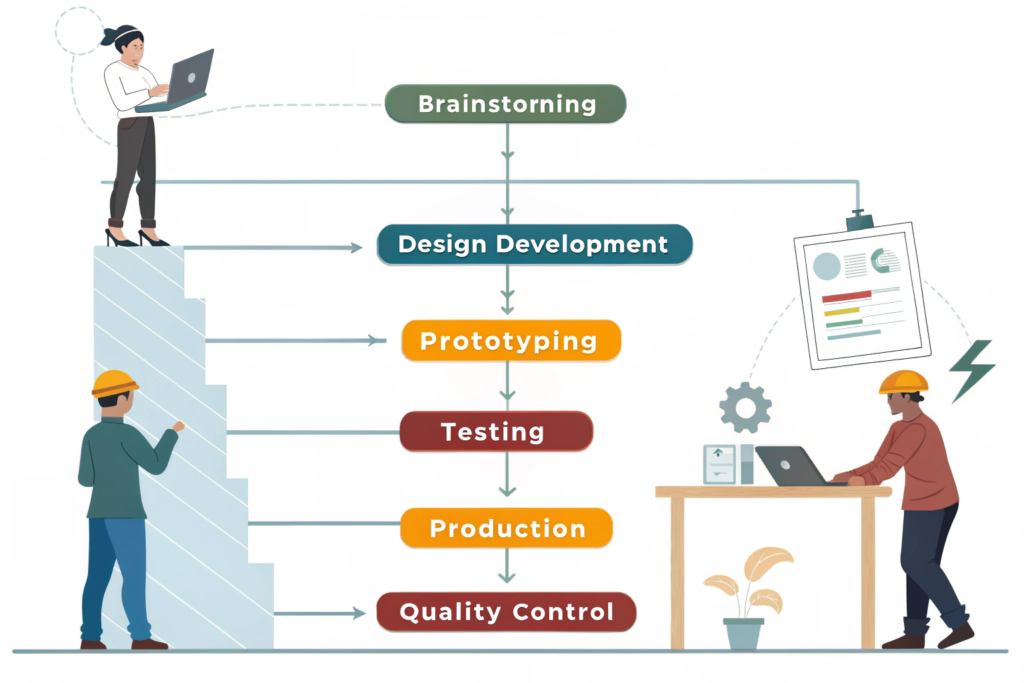
The process typically flows: Concept & Briefing > Design & Development > Prototyping & Sampling > Testing & Approval > Mass Production & QC > Logistics. Each stage involves close collaboration, clear documentation, and iterative feedback. Having a single point of contact at the manufacturing partner, like the dedicated project managers at our facility, prevents communication breakdowns and keeps the project on track.
What Should Be Included in the Initial Design Brief and Mood Board?
A comprehensive brief is the project’s blueprint. It should include:
- Brand Guidelines: Logos, color codes (Pantone), fonts, and character style guides.
- Target Audience: Age range, gender focus (if any), and key psychographics.
- Product Vision: Desired function (e.g., for thick hair, for toddlers), key features (charm, no-metal, etc.), and the emotional feel (e.g., “magical,” “sporty,” “elegant”).
- Compliance Requirements: Target market safety standards and any desired certifications.
- Commercial Details: Target price point (FOB), initial order quantity, and desired timeline.
The mood board visualizes this brief. It should collage inspiration images, color swatches, material textures, competitor products, and sketches. This aligns both teams aesthetically before a single sketch is finalized. A detailed brief and mood board prevent misalignment and accelerate the development phase.
How to Manage Sampling, Feedback, and Production Timelines?
After the design is finalized, the sampling phase begins. A professional manufacturer will provide 1-3 rounds of prototypes: first a 3D model or rough prototype for shape and size, then a color sample with near-final materials, and finally a pre-production sample from the actual production line.
Feedback must be specific and consolidated. Instead of “make it cuter,” say “increase the size of the eyes on the charm by 20% and use Pantone 805C for the accent.” Use a shared feedback sheet with photos and annotations. Realistically, budget 4-8 weeks for sampling and revisions.
Once the final sample is approved, mass production begins. A clear timeline is critical. For an order of 10,000 units, typical timelines might be:
- Sample Approval to Production Start: 1-2 weeks (for material procurement).
- Production Time: 3-4 weeks.
- Quality Inspection & Packaging: 1 week.
- Shipping & Customs Clearance: 2-5 weeks (varies by method and destination).
An experienced partner like Shanghai Fumao Clothing provides a transparent production schedule and regular updates, managing the entire process to ensure your collaboration launches successfully and on time.
Conclusion
Designing hair ties for a kids’ apparel brand collaboration is a strategic endeavor that blends creative storytelling with rigorous practical standards. Success lies in a deep alignment with the brand’s identity, an uncompromising commitment to child safety, the clever incorporation of characters and trends, and a meticulously managed production process. When executed well, these accessories do more than hold hair—they strengthen brand identity, deepen customer relationships, and create new revenue streams.
For apparel brands, this represents a low-risk, high-reward opportunity to expand their ecosystem. For manufacturers, it’s a chance to demonstrate full-service capabilities, from creative design to compliant production.
If you are ready to explore a collaborative hair tie project that captures your brand’s magic and meets the highest standards of quality and safety, we are here to help. At Shanghai Fumao Clothing, we specialize in turning brand visions into beautifully crafted, best-selling accessories. Contact our Business Director Elaine to start the conversation about your next collaboration. Reach out to Elaine at elaine@fumaoclothing.com to bring your ideas to life.