Are you struggling to source children’s fashion accessories that meet the strict safety standards of North American and European markets? Do you worry about the risks of choking hazards, toxic materials, or flammable fabrics in your products? For brands, retailers, and importers targeting the kids’ market, finding a factory isn’t just about cost and style—it’s a profound responsibility. Partnering with the wrong manufacturer can lead to catastrophic recalls, legal liability, and irreparable brand damage.
To find a fashion factory that specializes in children’s safety, you must target manufacturers with proven, certified expertise in juvenile product regulations, integrated chemical and physical testing protocols, and a transparent, document-controlled supply chain. This means looking beyond generic "accessory factories" to partners who explicitly market their compliance with standards like CPSIA (USA), EN 71 (EU), and ASTM F963. The ideal factory will have dedicated quality control (QC) teams for children’s products, in-house testing labs or partnerships with accredited third parties, and a track record of successful audits by global retailers.
This search requires a shift from a purely commercial mindset to a compliance-first approach. In this guide, we will map out the specific safety standards you must understand, detail the questions to ask potential factories, explain the audit and certification process, and provide a step-by-step framework for vetting a manufacturer’s true commitment to child safety from design to delivery.
What are the non-negotiable safety standards for children’s products?
Children’s products are governed by some of the most stringent regulations in the consumer goods industry. These standards address two primary categories of hazard: physical/mechanical (e.g., choking, strangulation, sharp edges) and chemical/toxicological (e.g., lead, phthalates, formaldehyde). A factory specializing in safety doesn’t just react to these rules; it designs and produces with them as the foundation.
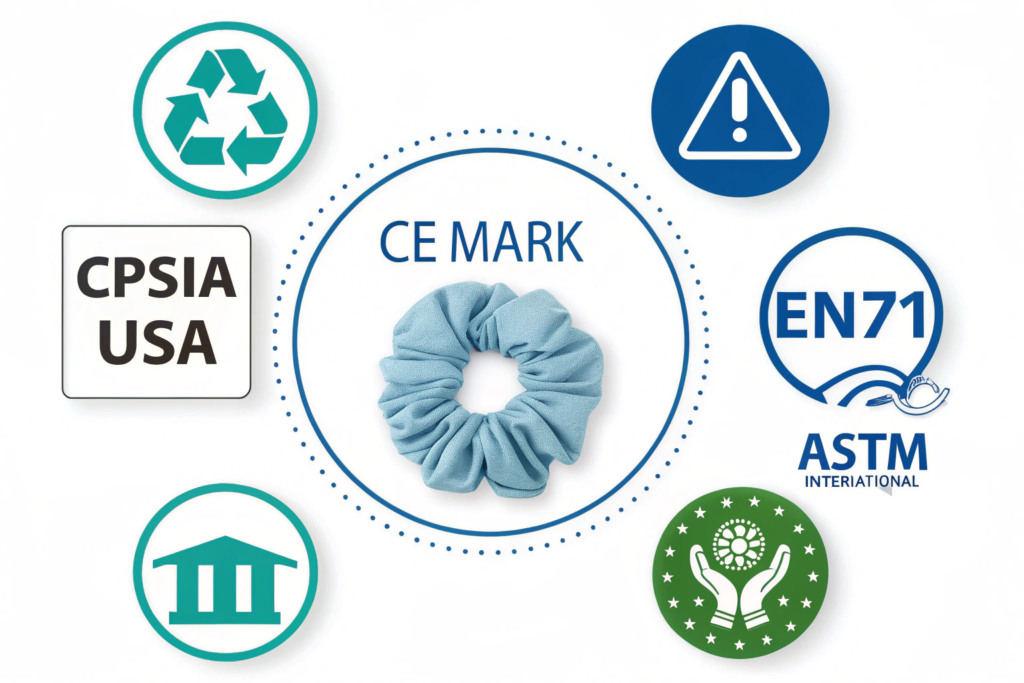
For the United States, the Consumer Product Safety Improvement Act (CPSIA) is the cornerstone. It mandates third-party testing and certification for products for children 12 and under. Key requirements include lead content limits (in substrate and surface coatings), phthalates restrictions in certain materials, and mandatory tracking labels. For accessories like hair bands, belts, and caps, ASTM F963 (Standard Consumer Safety Specification for Toy Safety) is often applied for small parts, sharp points/edges, and flammability.
For the European Union, the Toy Safety Directive (EN 71) is paramount. It covers mechanical and physical properties, flammability, and migration of certain chemical elements (19 heavy metals like antimony, arsenic, cadmium). The REACH regulation further restricts hundreds of Substances of Very High Concern (SVHCs).
A true specialist factory will have these regulations codified in their Quality Management System (QMS) and will be able to speak fluently about test methods, acceptable limits, and documentation requirements for your specific product type.
How do physical safety standards apply to fashion accessories?
Physical hazards are often overlooked in soft goods, but they are critical. A factory must engineer these risks out during the product development phase.
- Small Parts & Choking Hazards (CFR 1501, ASTM F963): Any detachable part of an accessory for children under 3 years must not fit entirely into a "small parts cylinder" (simulating a child’s throat). This affects button attachments on gloves, pom-poms on hats, decorative charms on hair clips, and buckle components on belts. Solutions include secure bar-tacking of decorations, using larger, non-detachable components, and ultrasonic welding instead of sewing where possible.
- Sharp Points and Edges: Metal components (like buckle prongs, wire in headbands, or grommets) must be tested to ensure no sharp points or edges exist. This requires precise tooling and finishing processes, such as tumbling or polishing metal parts and capping wire ends.
- Cords and Strangulation Hazards (ASTM F2923 for Children’s Jewelry, general guidelines): Long cords on hoods or drawstrings in children’s outerwear are heavily regulated. For accessories, this applies to items like long scarf ties or cords on hats. A safety-focused factory will advise on maximum cord lengths, breakaway features, or will avoid such designs altogether for younger age groups.
At Shanghai Fumao Clothing, our design and engineering teams review all children’s product concepts against these physical parameters during the prototyping stage, ensuring safety is designed in, not inspected in later.
Why is chemical compliance a deep supply chain issue?
Chemical safety is not just about the final product; it’s about every input material. A factory must have control and documentation from the source.
- Material Sourcing: They must source fabrics, dyes, threads, plastics, and metals from suppliers who can provide full Material Safety Data Sheets (MSDS) and test reports proving compliance with CPSIA lead/phthalates limits and REACH SVHC lists.
- In-Process Contamination: The factory must prevent cross-contamination. For example, using the same cutting table or machines for lead-containing products (like adult fashion jewelry) and children’s products is unacceptable. Dedicated production lines or rigorous cleaning protocols are a must.
- Testing and Documentation: The factory should conduct batch testing of incoming materials and final product testing. They must be able to produce a Children’s Product Certificate (CPC) for the USA or a Declaration of Conformity (DoC) for the EU, backed by test reports from an accredited, CPSC-accepted or ISO 17025 certified laboratory.
Asking a factory for their Restricted Substances List (RSL) and their process for vetting material suppliers is a fundamental first question. Their answer will reveal their depth of understanding.
How to identify and vet a truly safety-specialized factory?
Finding a factory that claims to understand safety is easy. Finding one that has institutionalized it requires a rigorous vetting process. Your search must be proactive and forensic.
Begin your search with targeted keywords: "OEM children’s accessory factory CPSIA compliant," "EN 71 certified kids hat manufacturer," or "safe children’s wear factory audit." Platforms like Alibaba have filters for certifications; look for suppliers whose profiles highlight BSCI, ISO 9001 (Quality Management), and specific juvenile product standards. However, online profiles are just a starting point. The most reliable method is often referrals from other reputable brands in the children’s space or through quality-focused sourcing agents.
What are the key questions to ask during the initial inquiry?
Your first communication should separate the serious from the superficial. Ask these direct questions:
- "Can you show me examples of children’s products you have manufactured for the US/EU market, and provide the test reports (with lab accreditation) for those items?" This asks for proof of past performance.
- "Do you have a dedicated QC team for children’s products, and what specific safety training do they receive?" This probes internal structure.
- "What is your process for ensuring chemical compliance in your raw materials (fabrics, dyes, trims)?" This tests supply chain control.
- "Can you explain how you would ensure a [specific product, e.g., a hair clip with a bow] complies with small parts regulations?" This assesses their applied knowledge.
- "What certifications does your factory hold related to quality and social compliance? (e.g., ISO 9001, BSCI, ICTI)." This indicates a systematic management approach.
A competent factory will answer these questions with specifics, not platitudes. They will offer to share redacted documentation and connect you with their technical or compliance team.
What to look for during a factory audit (virtual or in-person)?
An audit is non-negotiable. If an in-person visit isn’t possible, insist on a comprehensive live video audit.
- Documentation Review: Examine their Quality Manual, RSL, supplier approval records, and batch test reports. Check the dates and lab accreditations.
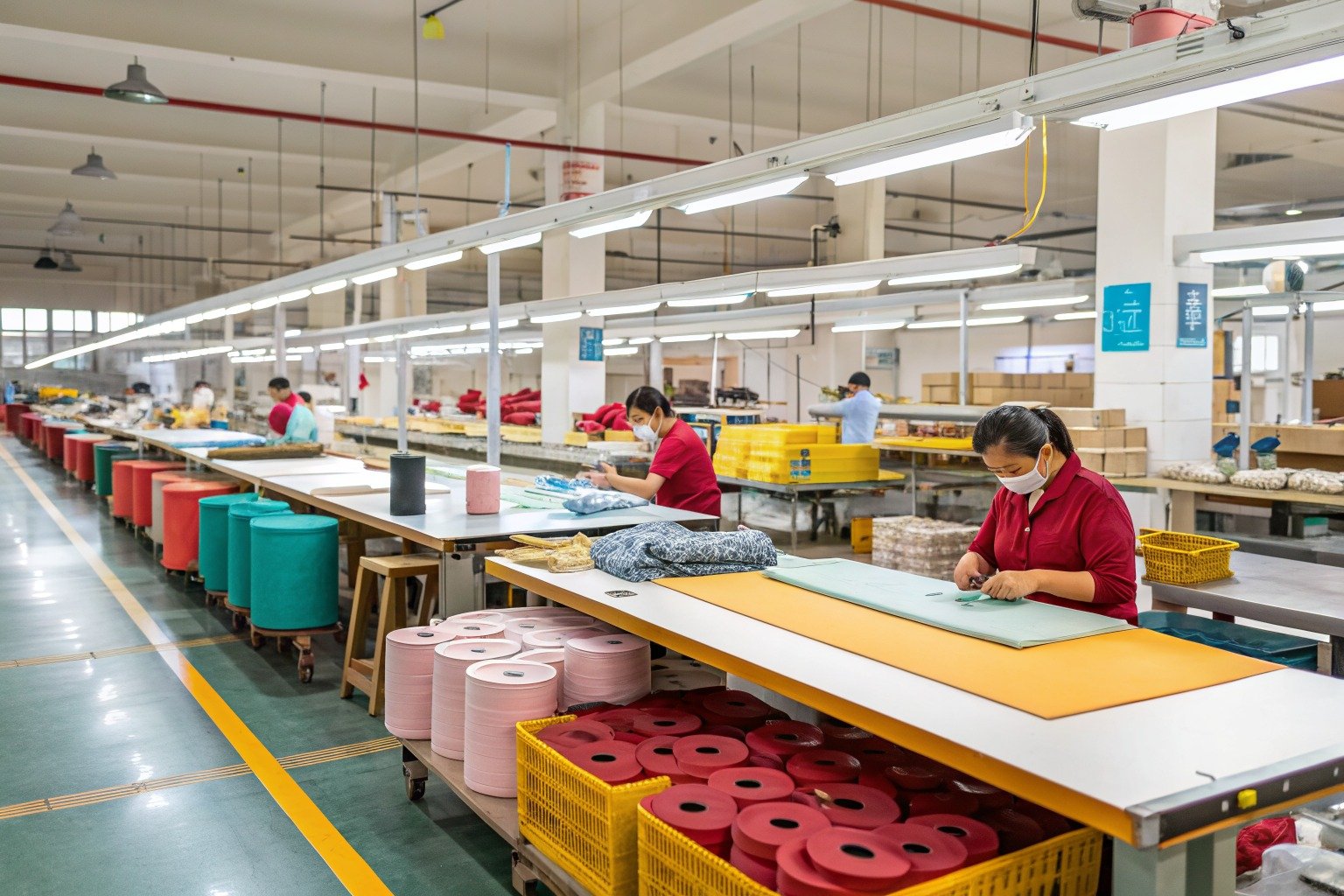
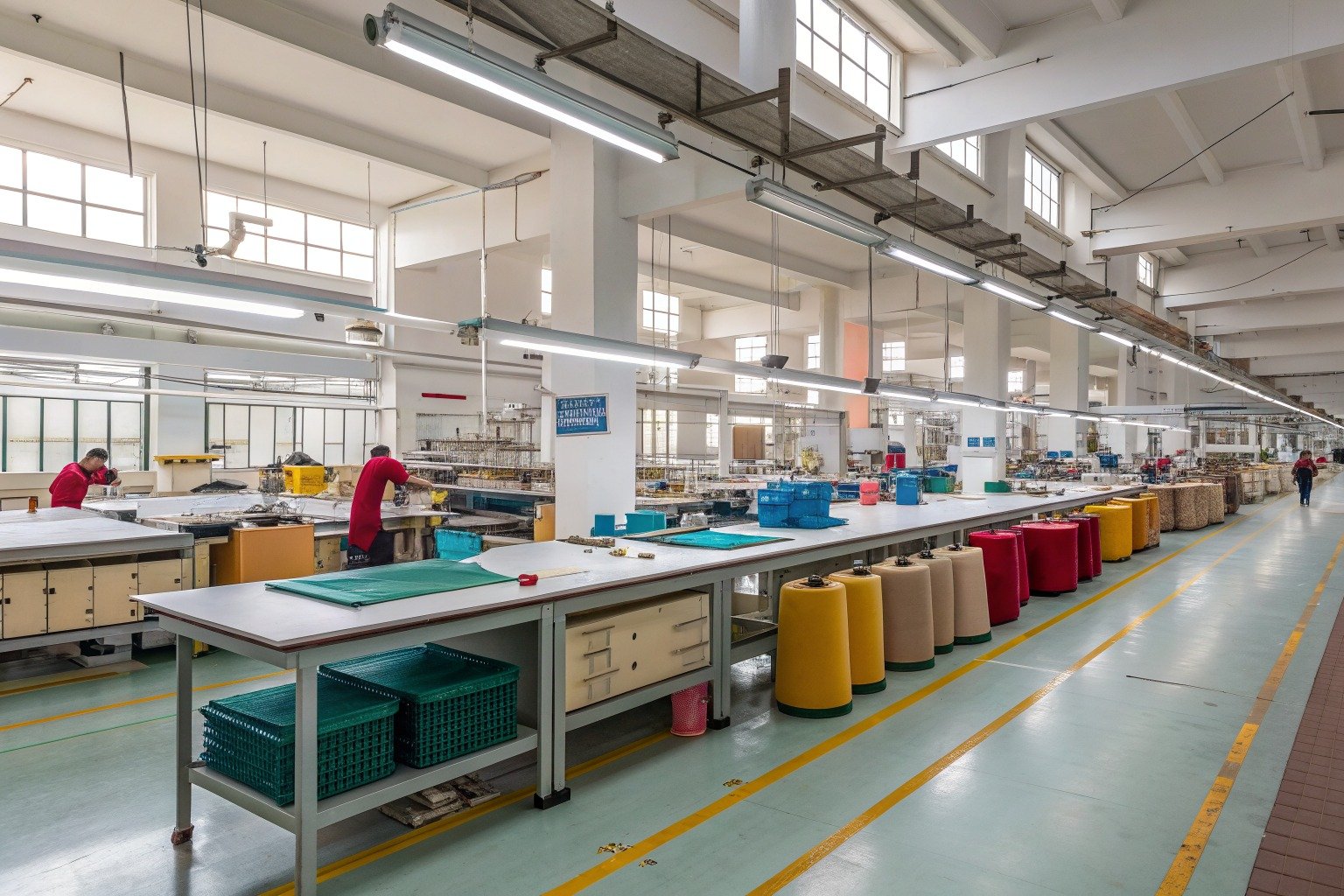
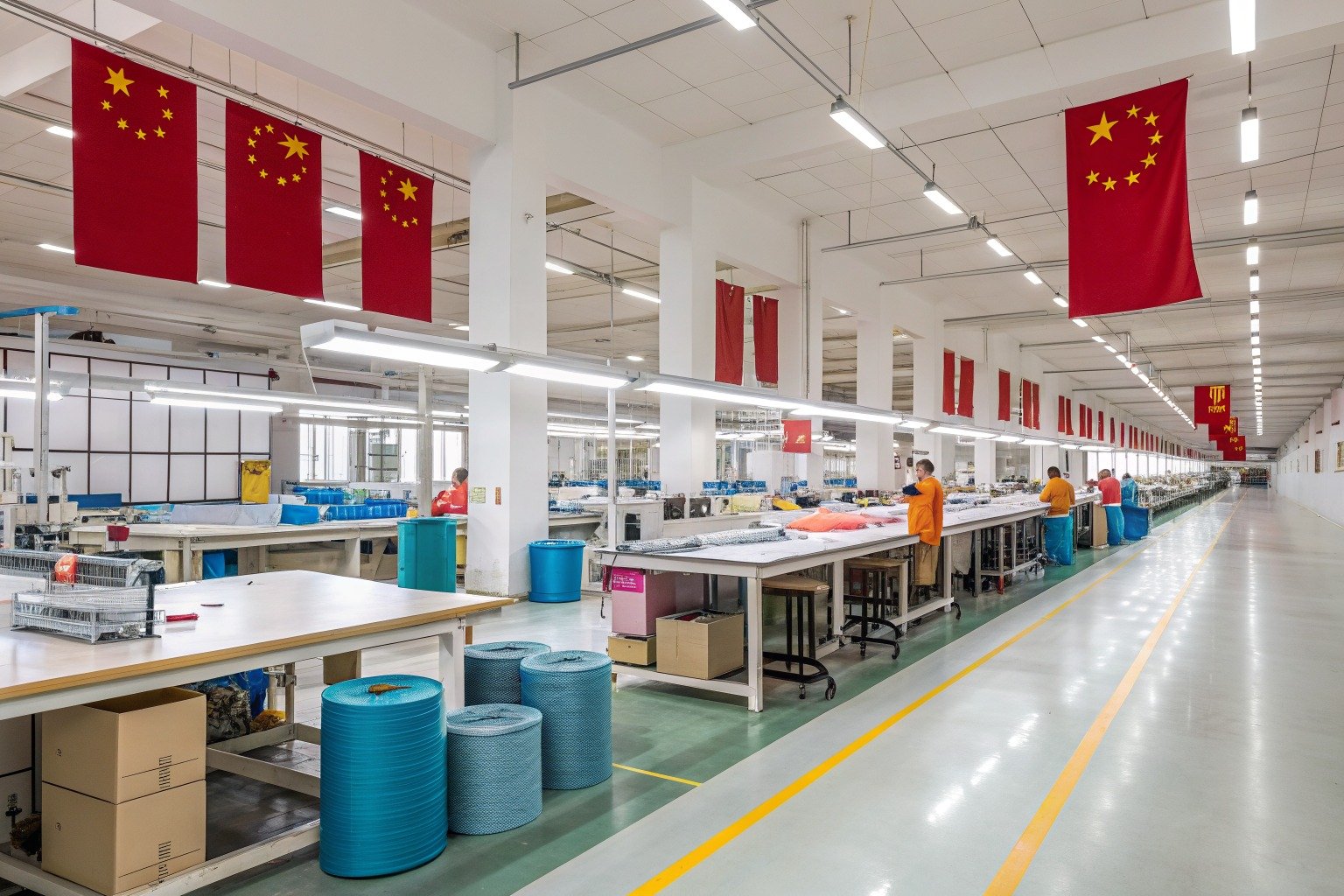
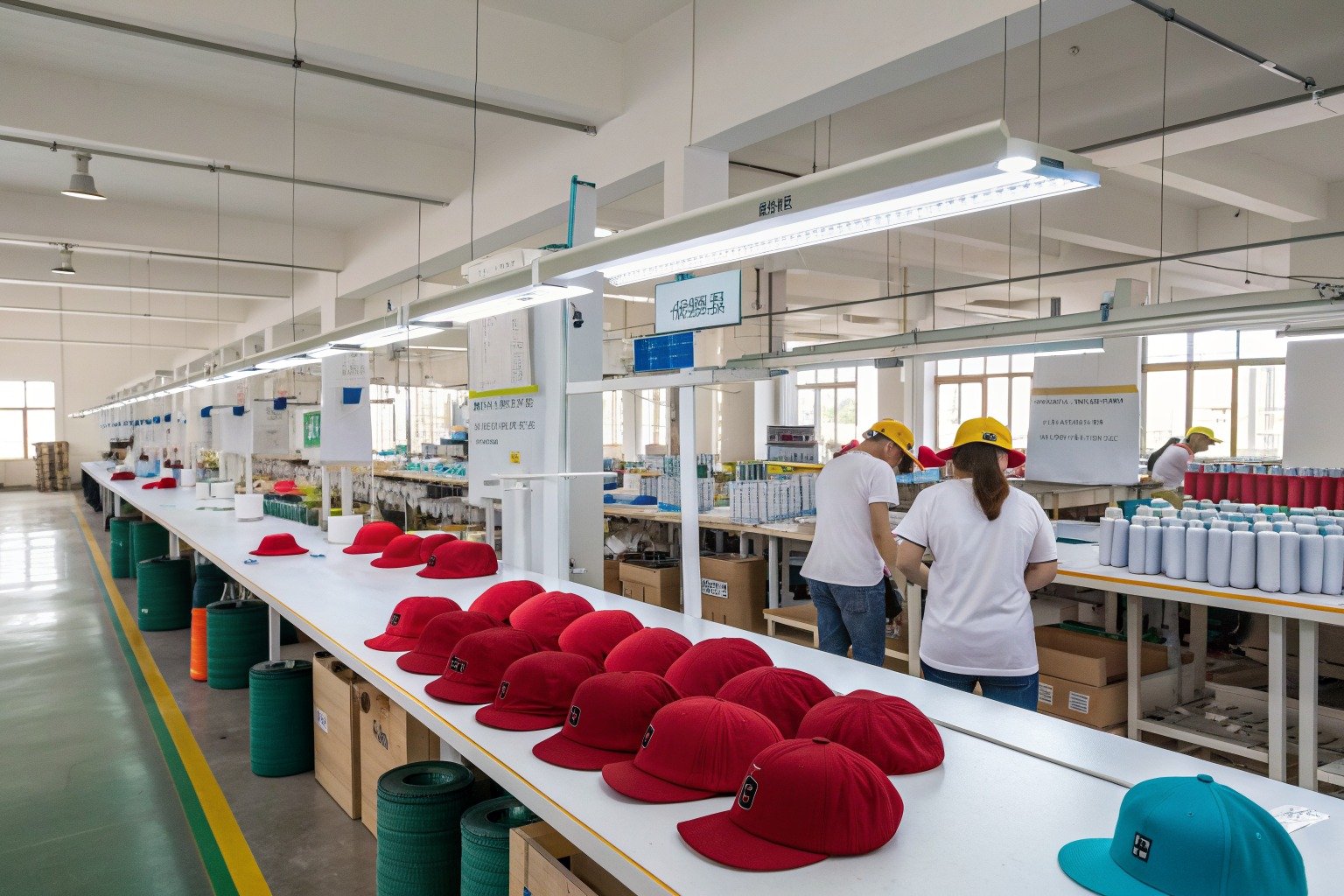
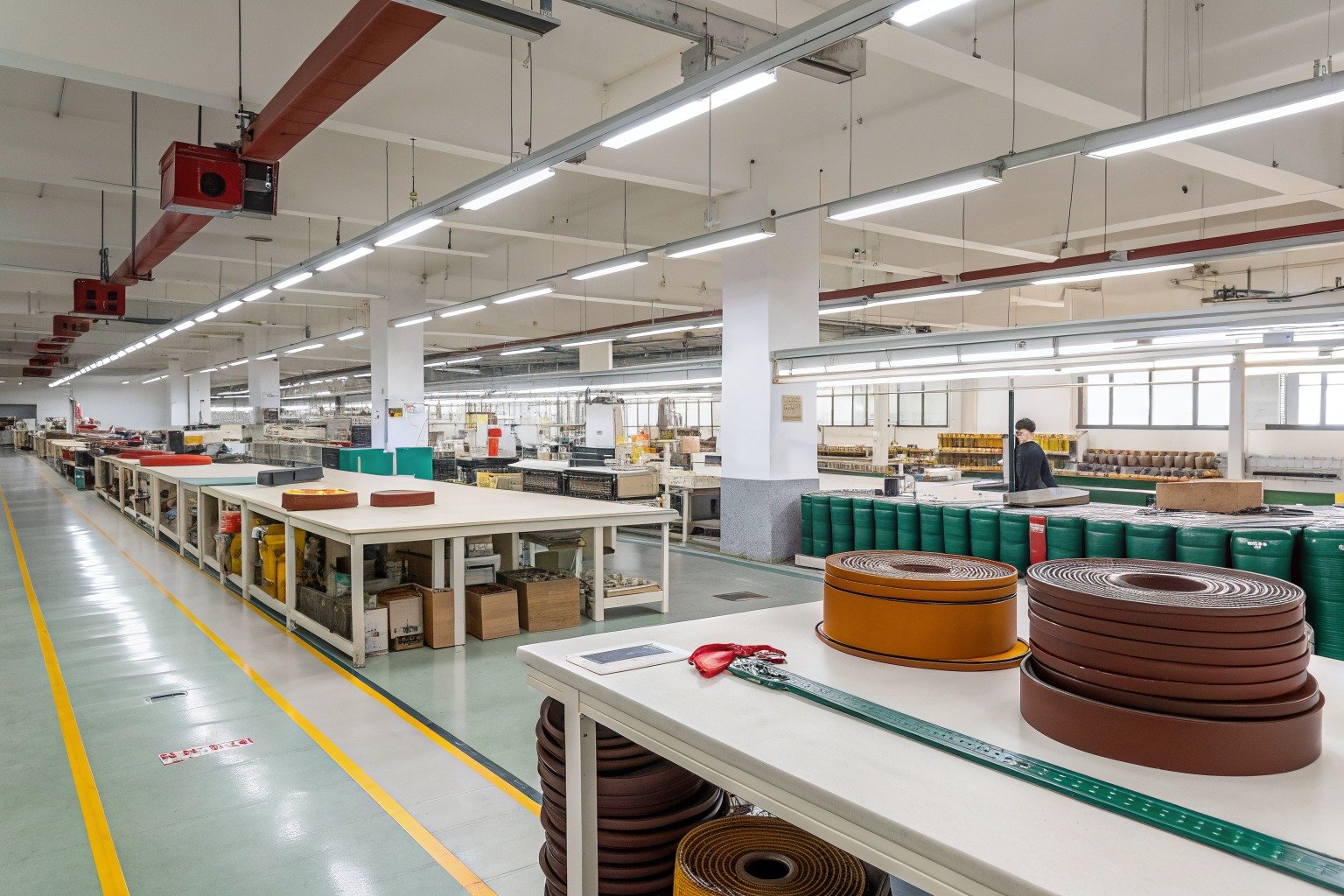
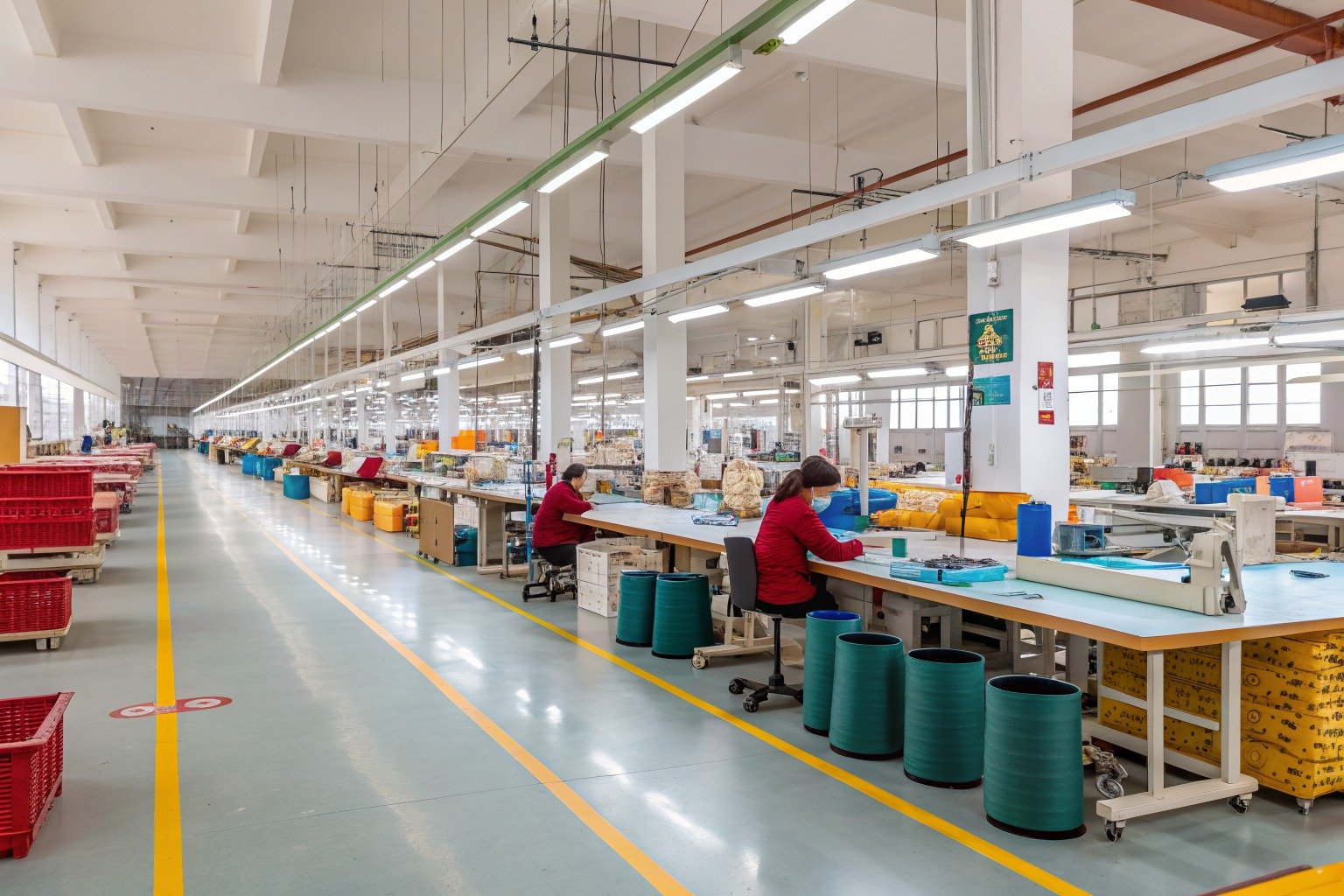
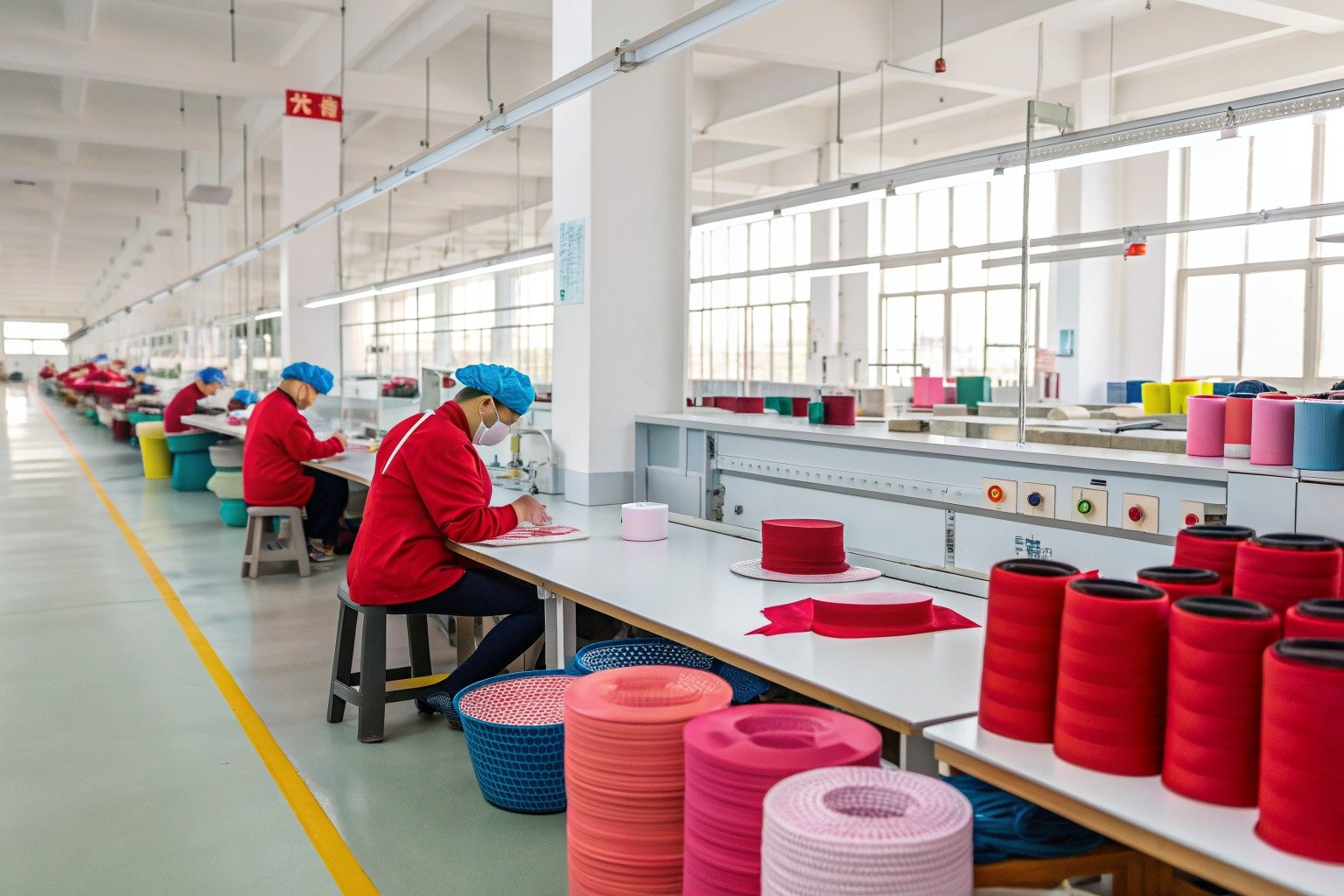
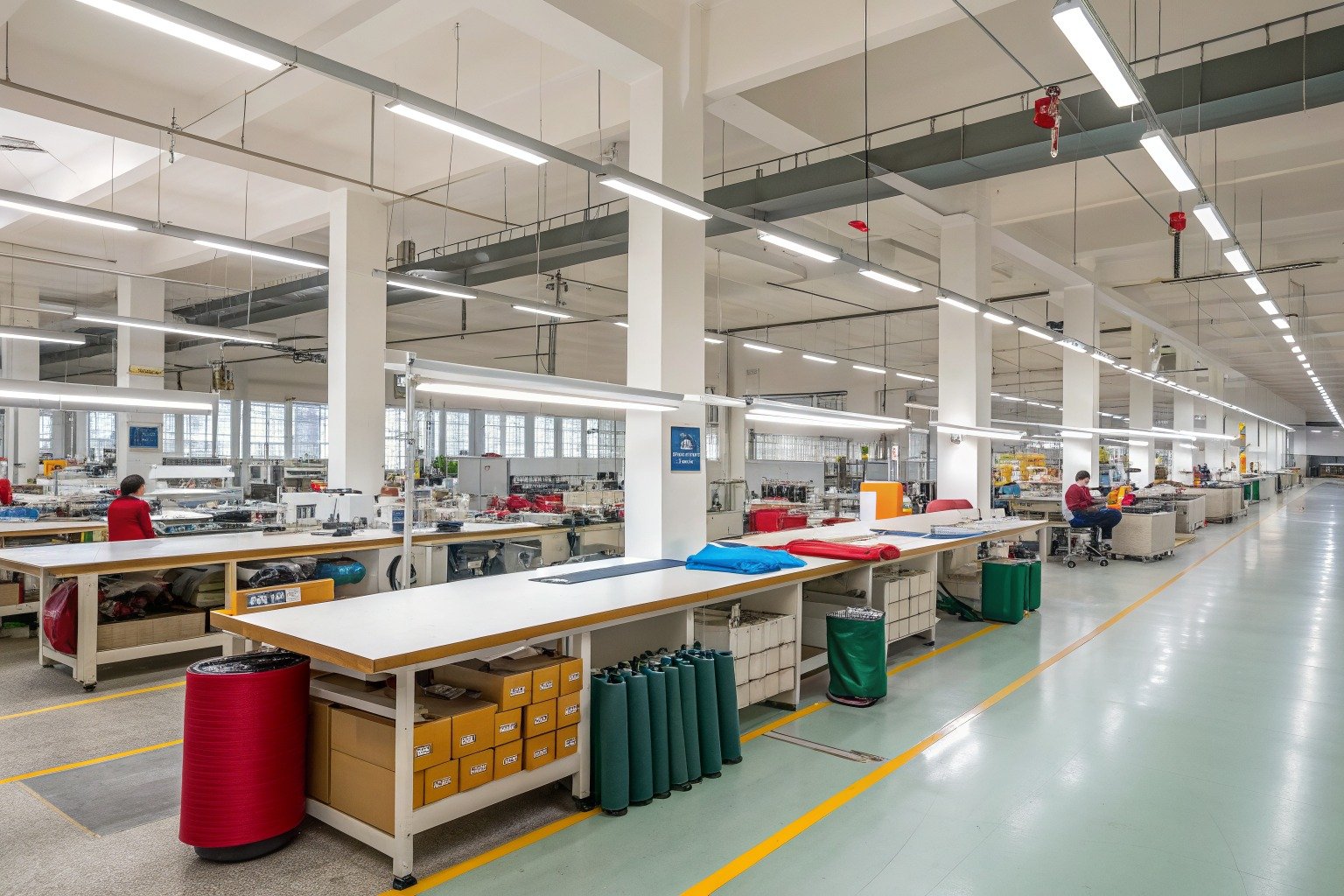
- Production Floor: Look for organization and cleanliness. Observe if children’s products are produced in a designated area. Ask to see how they prevent part mix-up (like using color-coded bins for safe/non-safe components).
- In-House Testing Capability: Do they have basic testing equipment like small parts cylinders, sharp edge/point testers, or a colorfastness/rub tester? While final testing must be at an accredited lab, in-house pre-checks show proactive control.
- Interview Staff: Talk to line workers and QC inspectors. Ask them, "What do you check for on this children’s hat?" Their answers reveal if safety is a lived culture or just a manual on a shelf.
A factory that welcomes and is prepared for such detailed scrutiny is a strong candidate. Hesitation or vagueness is a major red flag.
What does the sampling and production process look like with a safe factory?
Working with a safety-focused factory means the entire product development cycle is built around verification and documentation. The sampling stage is not just about aesthetics; it’s a critical safety validation phase.
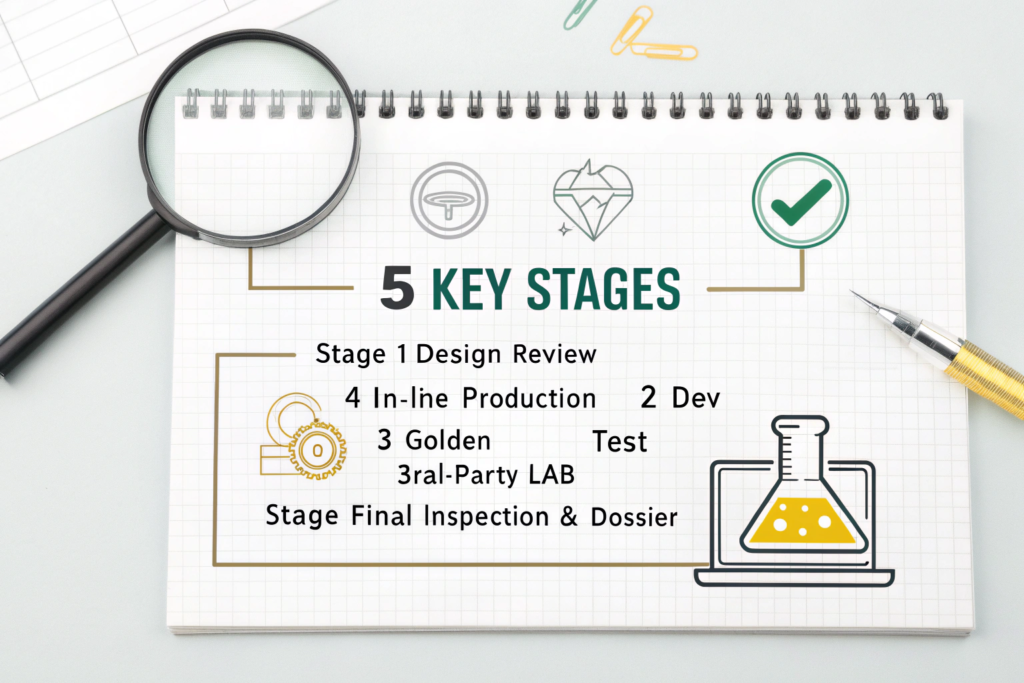
The process typically follows these steps:
- Safety-Focused Design Review: Before a sample is made, the factory’s technical team should review your design to identify potential hazards (small parts, long cords, etc.) and suggest modifications.
- Development Sample with Test Report: The first sample should be made with materials that are already pre-tested for compliance. The factory should provide a preliminary test report from their in-house lab or a partnered lab for this sample on key parameters (e.g., lead content, phthalates).
- Pre-Production (Golden) Sample and Third-Party Testing: Once the design is finalized, a golden sample is made from the exact bulk production materials. This sample must be sent to an accredited third-party lab (like SGS, Bureau Veritas, Intertek) for full compliance testing. The factory should manage this process and provide the full, official test report. No bulk production should begin until this report is passed.
- Production with In-Line QC: During mass production, the factory’s QC team conducts frequent checks, focusing on safety-critical aspects: securing of attachments, finishing of metal parts, etc.
- Final Random Inspection and Documentation: Before shipment, a Pre-Shipment Inspection (PSI) should be conducted, checking for consistency with the golden sample. The factory must then compile the complete Technical File or CPC dossier, including all material test reports, the final product test report, and the production records.
How to structure your purchase order and contract for safety?
Legal and commercial documents must embed safety requirements. Your Purchase Order (PO) and contract should include:
- Detailed Product Specifications: Include not just size and color, but specific safety standards that must be met (e.g., "Product must comply with CPSIA, ASTM F963, and 16 CFR 1303 for lead in paint.").
- Testing and Certification Clause: State that the supplier is responsible for all compliance testing at an accredited lab and for providing the CPC/DoC and full test reports before shipment.
- Audit Rights: Reserve the right to conduct unannounced audits of the factory and its sub-suppliers.
- Indemnification Clause: The supplier must indemnify you against any losses, recalls, or penalties resulting from non-compliance with safety regulations.
- Requirement for a Technical File: Specify that a complete technical construction file must be delivered with the shipment.
This shifts the legal and financial responsibility for compliance onto the manufacturer, aligning their incentives with yours.
What are the hidden risks and how to mitigate them?
Even with a good factory, risks exist. Proactive mitigation is key to a resilient supply chain.
The biggest hidden risk is supplier substitution. A factory may use approved materials for sampling but substitute cheaper, non-compliant materials during bulk production to cut costs. Another risk is document forgery—fake or copied test reports.
Mitigation Strategies:
- Unannounced Inspections and Product Testing: Hire a third-party inspection company to conduct During Production Checks (DPI) and take random samples directly from the production line to be sent for independent lab testing. This verifies that bulk production matches the certified golden sample.
- Supply Chain Transparency: Require the factory to disclose and get approval for their key material suppliers (fabric mill, dye house, trim supplier). Consider auditing these sub-suppliers.
- Build a Relationship with the Lab: Communicate directly with the third-party lab that issues the final report to confirm its authenticity.
- Maintain Reference Samples: Keep sealed, signed samples from the golden sample batch and from each production run for your own reference and potential dispute resolution.
Investing in these checks is far cheaper than the cost of a recall, which involves logistics, destruction, reputational harm, and potential legal fines. For high-volume or sensitive products, this level of oversight is essential.
Conclusion
Finding a fashion factory that genuinely specializes in children’s safety is a meticulous process that prioritizes documented expertise and verifiable processes over low cost. It requires a deep understanding of the relevant physical and chemical regulations, a forensic approach to vetting factory capabilities and supply chain controls, and a partnership-based production process where safety testing gates every stage.
The reward for this diligence is profound: a secure supply chain, unwavering customer trust, and the peace of mind that comes from knowing your products are designed for joy, not jeopardy. In the children’s market, safety isn’t a feature—it’s the foundation of the entire business.
If you are looking for a manufacturing partner with a proven system for producing safe, high-quality children’s fashion accessories, we invite you to evaluate our dedicated processes. Contact our Business Director Elaine at Shanghai Fumao Clothing to discuss your project and request our compliance portfolio. Reach out to Elaine at elaine@fumaoclothing.com to start a conversation built on safety and quality.