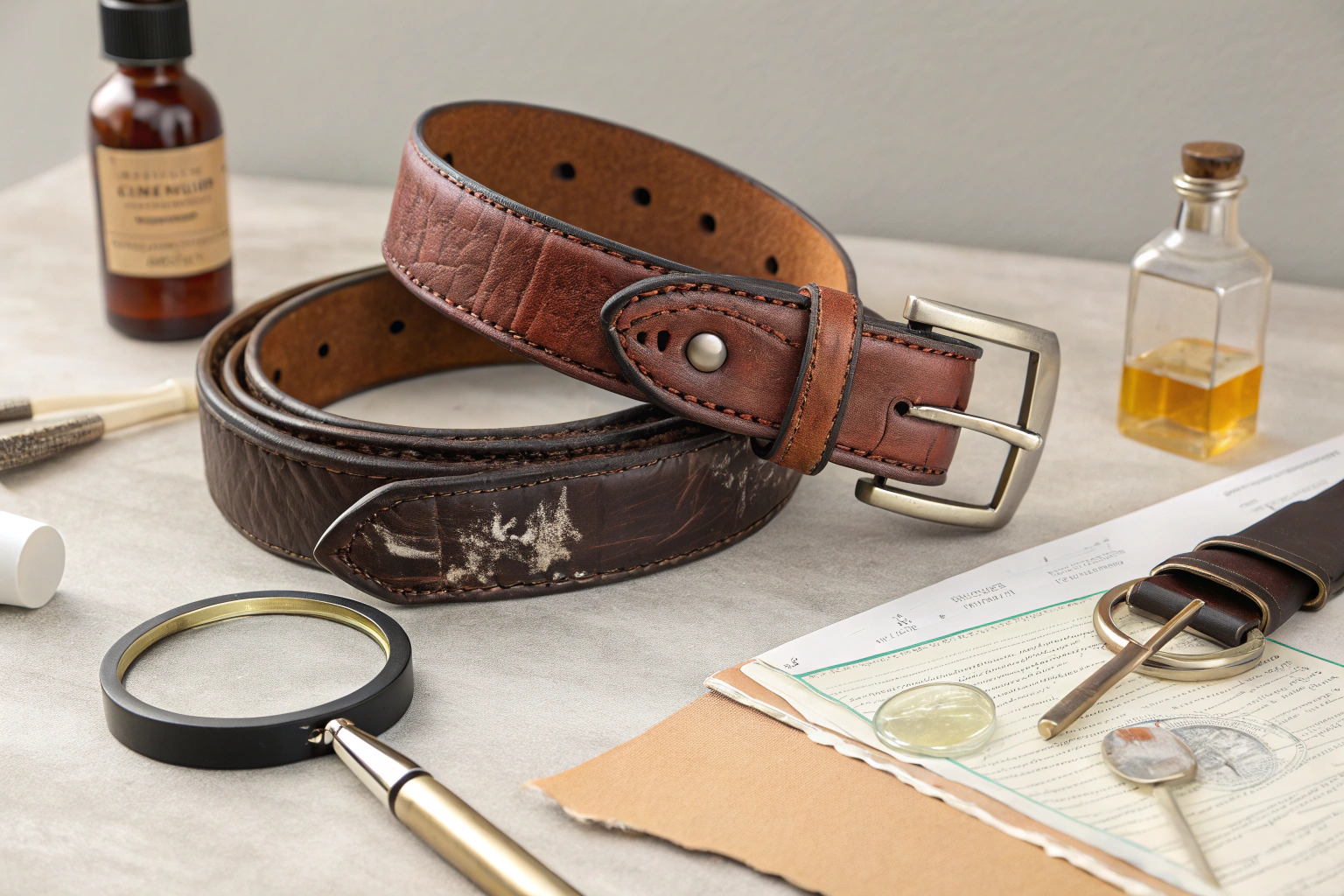
Is the leather on your premium belts cracking and peeling after just a few seasons, disappointing your customers and damaging your brand’s reputation? Do you suspect the issue lies in the materials or the manufacturing process, but you’re unsure how to specify a truly durable product? For brands and retailers, belt cracking is a common failure that signals poor quality and leads to costly returns. The solution is not a single magic step, but a holistic approach spanning material selection, production chemistry, and proper care guidance.
To ensure your leather belts do not crack over time, you must control four critical factors: selecting high-quality, properly tanned leather, ensuring optimal fatliquor content and even dye penetration, applying protective finishes correctly, and educating end-users on proper maintenance. Cracking is primarily caused by the loss of natural oils and fibers becoming brittle, which is a failure of the leather’s internal structure, not just its surface. By partnering with a manufacturer that masters each step of this chain—from raw hide inspection to final conditioning—you can guarantee belts that remain supple and intact for years.
Preventing cracking is a technical challenge rooted in leather science. This guide will dissect the causes of cracking, explain the manufacturing specifications that prevent it, and provide a clear framework for sourcing belts built for longevity, not just immediate appeal.
What are the root causes of leather belt cracking?
Cracking is not random; it’s the visible symptom of internal leather failure. To prevent it, you must understand its origins. The primary cause is moisture and oil depletion. Leather is a natural, fibrous material. During tanning, oils (fatliquors) are reintroduced to replace the natural fats lost from the raw hide. These oils keep the collagen fibers lubricated and flexible. When these oils evaporate or are stripped away by cleaning, the fibers dry out, stick together, and become brittle. Any flexing then causes the brittle fibers to snap, resulting in visible surface cracks.
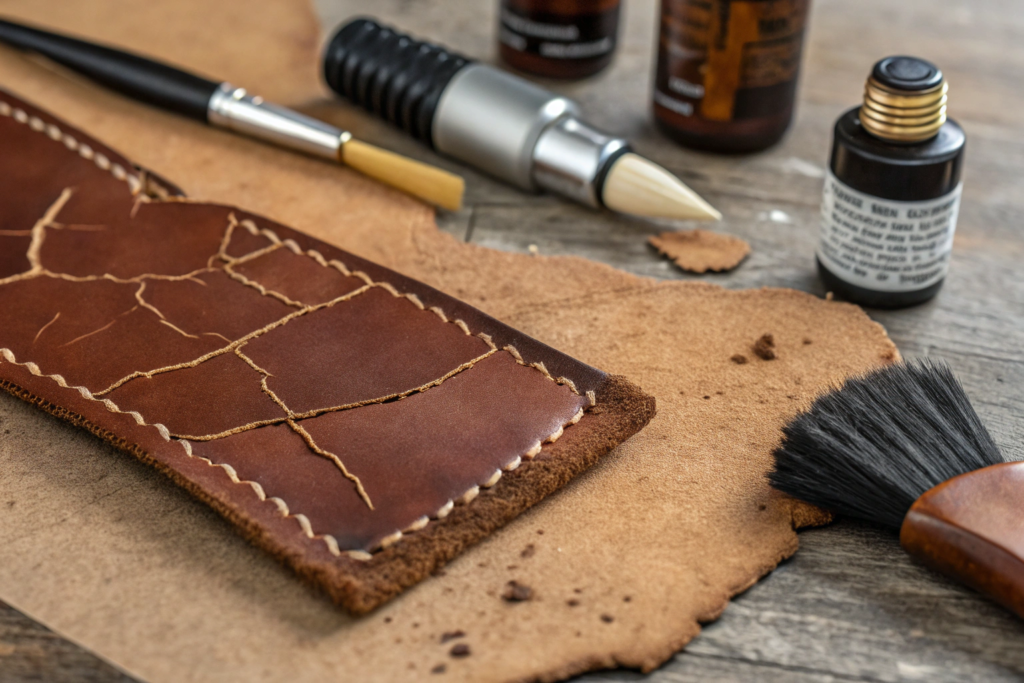
Secondary causes are often related to poor manufacturing or material flaws. Insufficient or uneven fatliquoring during tannage leaves dry spots that are prone to early cracking. Top-heavy finishing is a major culprit: applying thick, inflexible layers of pigment or polyurethane coating on the leather’s surface creates a hard shell. When the softer leather underneath flexes, the rigid topcoat cannot move with it and fractures. Finally, using low-quality leather splits or corrected-grain leather that has been overly sanded and coated has minimal natural grain structure and relies almost entirely on the finish for integrity—a finish that will inevitably fail.
How does leather quality and tannage directly impact longevity?
Not all leather is created equal for belt making. The choice of hide and tanning method sets the foundation for durability.
- Full-Grain vs. Corrected-Grain: Full-grain leather is the top layer of the hide, retaining the natural grain and densest, strongest fibers. It breathes well and develops a patina. It is inherently more durable and, when properly maintained, resistant to cracking. Corrected-grain leather (including top-grain) has been sanded to remove imperfections and is then heavily coated with a finish. This finish is what eventually cracks. For long-life belts, insist on full-grain or very lightly corrected leather.
- Vegetable-Tanned vs. Chrome-Tanned: Vegetable tanning uses natural tannins. It produces a firmer, more moldable leather that ages beautifully but can be more susceptible to drying if not cared for. Chrome tanning uses chromium salts, resulting in softer, more water-resistant, and consistently pliable leather. For fashion belts requiring flexibility, high-quality chrome-tanned leather is often more crack-resistant under stress. Many premium belts use a combination tan for balance.
The key is the tannery’s reputation. Source leather from reputable tanneries that provide technical data sheets, including fatliquor content and tear strength metrics. At Shanghai Fumao Clothing, we source our leather from audited tanneries and conduct our own material acceptance testing, which is the first pillar of our quality control system.
Why is the fatliquoring process the invisible guardian against cracks?
Fatliquoring is the most critical yet overlooked step in leather production. After tanning stabilizes the hide, fatliquors (a blend of oils and emulsifiers) are forced into the leather’s fiber network. They act as a permanent lubricant, preventing the fibers from bonding together as the leather loses moisture.
A belt made from under-fatliquored leather might look fine initially but has a ticking clock. When you specify leather to your manufacturer, ask about the fatliquor content. A good fatliquor process ensures:
- Uniform Oil Distribution: The leather should be soft and pliable throughout its thickness, not just on the surface.
- Optimal Moisture Retention: The oils help the leather retain a small percentage of moisture, which is essential for flexibility.
- Enhanced Tensile Strength: Lubricated fibers can slide past each other under tension instead of breaking.
Demanding evidence of proper fatliquoring is a technical discussion that separates serious manufacturers from assemblers. Our project managers can guide clients through these specifications to ensure the core material is built to last.
What manufacturing specifications prevent cracking?
Even the best leather can be ruined by poor manufacturing. The belt-making process must preserve and protect the leather’s integrity. Key stages where cracking is "designed out" include dyeing, finishing, and even stitching.
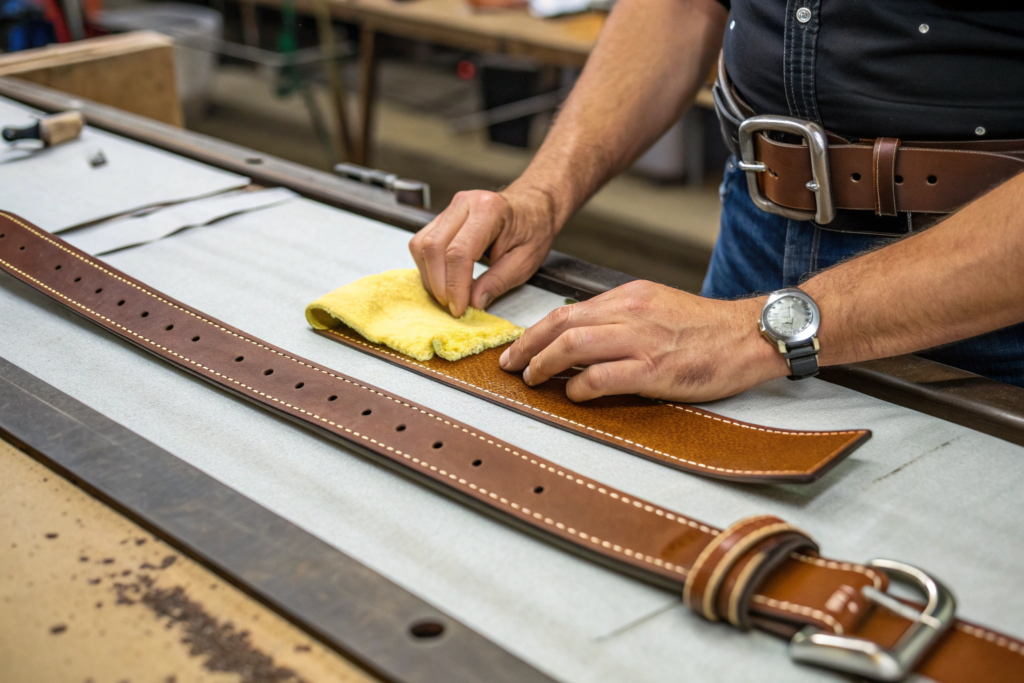
The first rule is deep, aniline or semi-aniline dye penetration. In these methods, dye is absorbed deeply into the leather. The color is part of the leather, not just on it. This means that as the belt wears, the color remains consistent, and any minor scuffs won’t reveal a stark white underside. In contrast, surface-level pigment dyeing (where opaque pigment sits on top) creates a layer that can separate from the leather body. Secondly, the finish must be flexible. Avoid cheap, thick acrylic or polyurethane coatings. Instead, specify microporous finishes, wax aniline treatments, or light oil finishes that protect while allowing the leather to breathe and flex. Finally, excessive heat during embossing or setting can bake the oils out of localized areas, creating weak points.
How do finishing techniques make or break flexibility?
| The finish is the leather’s shield, but it must be a flexible shield. Here’s a breakdown of common finishes and their impact: | Finish Type | Description | Impact on Crack Resistance |
|---|---|---|---|
| Aniline / Light Oil Finish | Transparent, soaks into leather. Shows natural marks. | Excellent. Becomes part of the leather, moves with it. Requires regular conditioning. | |
| Semi-Aniline Finish | Light pigment + aniline dye for more color consistency. | Very Good. Good balance of protection and flexibility. | |
| Pigment Finish (Corrected Grain) | Opaque paint-like layer on surface. | Poor. Creates a stiff film that cracks with repeated flexing. Common in low-cost belts. | |
| Wax or Oil Pull-Up Finish | Heavy wax/oil treatment. Leather lightens when stretched. | Good. Very water-resistant and flexible, but can require upkeep. | |
| Polyurethane (PU) Coating | Plastic-like layer applied to splits or low-quality leather. | Very Poor. Essentially a plastic coating on a fiber board; will delaminate and crack. |
When developing a belt line, explicitly request finishes that are water-based and flexible. Ask for a flex test report (like the MIT Flex Test) from your manufacturer, which simulates repeated bending to ensure the finish won’t fail prematurely.
Why is stitching and hardware attachment critical?
Improper construction creates stress points that accelerate cracking. The points where the buckle is attached and where the belt is stitched are high-flex zones.
- Buckle Attachment: The leather tongue that holds the buckle prong must be robust. It should be made from a folded and skived piece of leather, not a single thin layer. The holes for the buckle prong must be cleanly punched, not burned (burning can singe and weaken fibers), and ideally reinforced with a metal rivet or bar tack in addition to stitching. This distributes the pulling force.
- Stitching: Stitch holes are perforations that can become initiation points for tears if placed too close to the edge or if the thread is too tight, causing the leather to constrict and stress. Use a lockstitch with synthetic thread (like polyester) that has some give, and ensure the stitch density (SPI – stitches per inch) is appropriate for the leather thickness.
A manufacturer with expertise in leather goods, like Shanghai Fumao Clothing, understands these structural nuances. Our production process includes reinforcing all high-stress points as standard, because we know that product development must account for real-world wear, not just initial appearance.
How can proper care and conditioning extend belt life?
A belt’s longevity is a shared responsibility between the manufacturer and the end-user. Even a perfectly made belt will fail if abused or neglected. Providing clear, effective care instructions is part of delivering a quality product. This education also reduces warranty claims and builds brand loyalty.
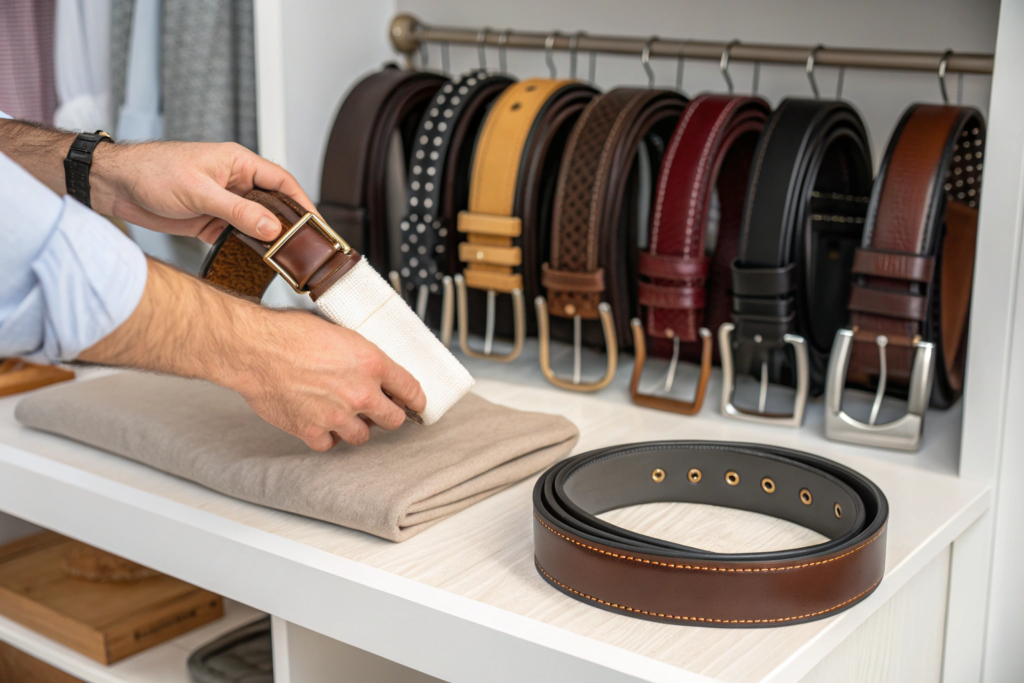
The core of belt care is periodic conditioning. This replenishes the natural oils that slowly evaporate over time. Recommend a pH-neutral leather conditioner (avoid products with silicone or petroleum distillates that can clog pores) to be applied sparingly 1-2 times a year, or whenever the leather feels dry. Equally important is proper storage: belts should be hung on a curved hook or laid flat, not tightly coiled, which can set a crease that weakens over time. They should also be kept away from direct heat sources and excessive sunlight.
What are the best conditioning practices and products to recommend?
Your care instructions should be specific. Vague advice like "condition occasionally" is not helpful. Provide a simple guide:
- Clean: Wipe the belt with a slightly damp cloth to remove surface dirt. Let it dry completely.
- Condition: Apply a small amount of conditioner (e.g., mink oil, beeswax-based cream, or a dedicated leather conditioner) to a clean, soft cloth.
- Rub In: Gently work the conditioner into the leather in a circular motion, covering the entire surface, including the edges.
- Rest: Allow the belt to absorb the conditioner for at least an hour, then buff off any excess with a dry cloth.
- Frequency: For daily wear belts, recommend conditioning every 6 months. For seasonal belts, once a year is sufficient.
Consider bundling a small sample of recommended conditioner with higher-end belts or providing a link to a trusted product on your website. This proactive step demonstrates your commitment to the product’s lifespan and enhances customer experience. Resources like the Leather Working Group (LWG), while focused on environmental compliance, also promote best practices in leather stewardship.
How does environmental exposure accelerate cracking?
Leather is a natural material that reacts to its environment. Educate your customers on what to avoid:
- Extreme Dryness: Heated indoor air in winter robs leather of moisture. This is a prime time for conditioning.
- Heat and Sunlight: Prolonged exposure to sun (e.g., in a car) or placing a belt near a radiator will rapidly dry out and bake the leather, causing irreversible damage.
- Water and Salt: While quality leather can handle some moisture, soaking and then rapid drying (especially with salt from sweat or winter roads) can cause stiffening and salt stains that lead to cracking.
- Chemical Exposure: Hairspray, perfume, and insect repellent can strip finishes and damage leather fibers.
Including these "what to avoid" tips on your product’s care tag or website FAQ shows thoroughness and helps manage customer expectations, preventing misuse that leads to premature failure.
How to vet a manufacturer for crack-resistant belt production?
Your sourcing partner is your first line of defense against quality failures. Vetting a belt manufacturer requires going beyond price and MOQ to audit their technical understanding and process controls. The right questions will reveal their commitment to producing durable goods.
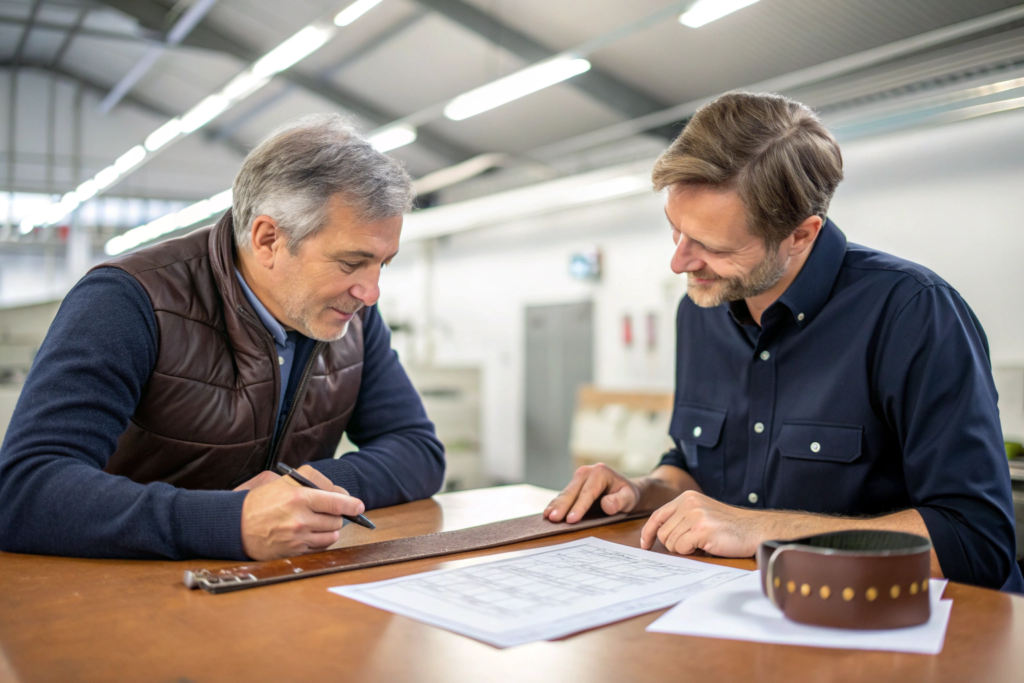
Start by asking for their leather sourcing policy. Do they work with LWG-audited tanneries? Can they provide traceability? Then, delve into process specifics: "What is your fatliquor content standard for belt leather?" "How do you test dye penetration?" "What type of flexible finish do you recommend for this style?" Request to see physical test samples—ask for a strip of their production leather, bend it repeatedly, and examine the finish. A confident manufacturer will have these answers and samples readily available.
What factory audits and tests are non-negotiable?
Before placing a bulk order, insist on evidence from these key areas:
- Material Testing: Request test reports for the specific leather being used. Key tests include IUF (IULTCS) Drum Flex Test (simulates repeated flexing to check for finish cracking and grain rupture) and Tensile/Tear Strength.
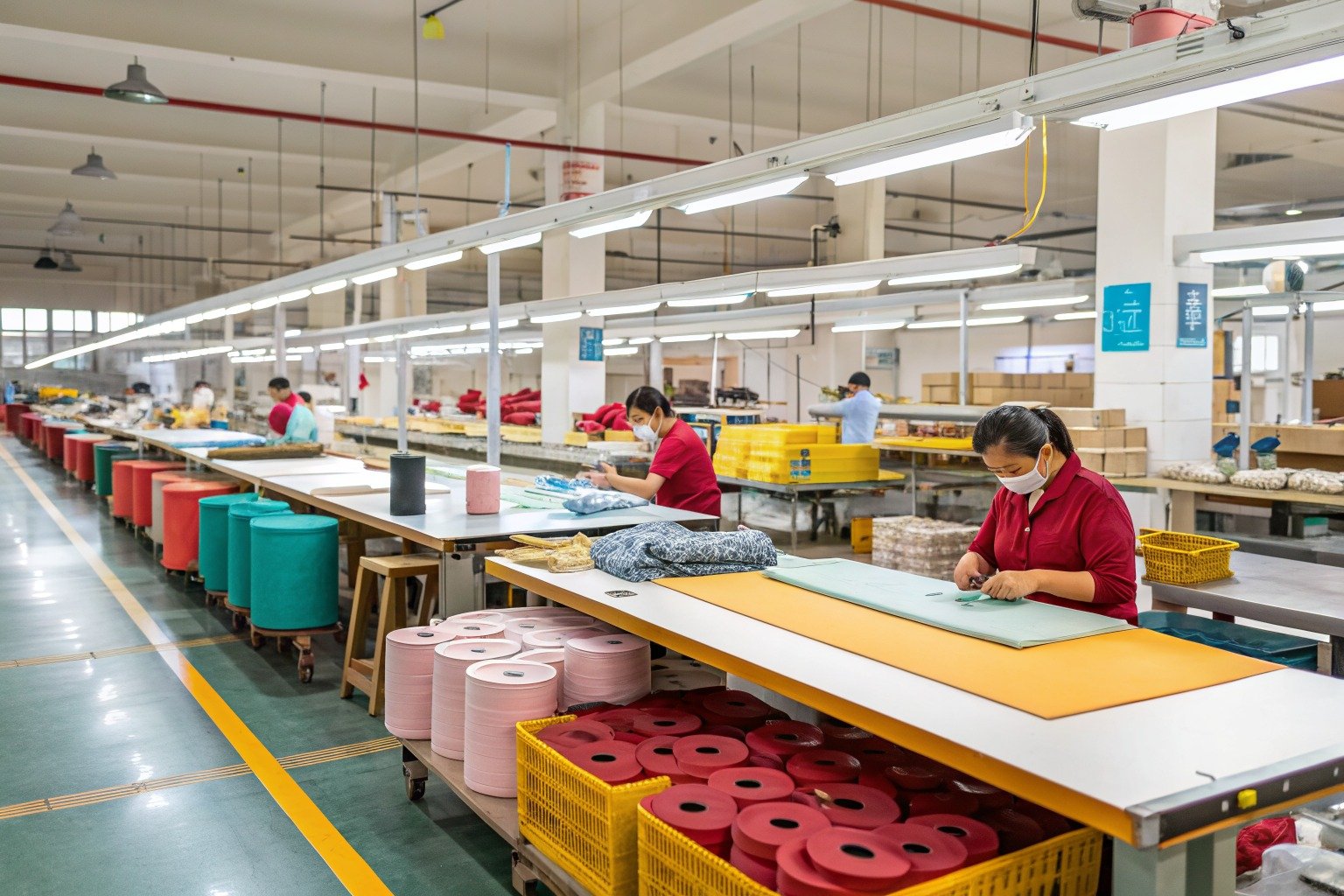
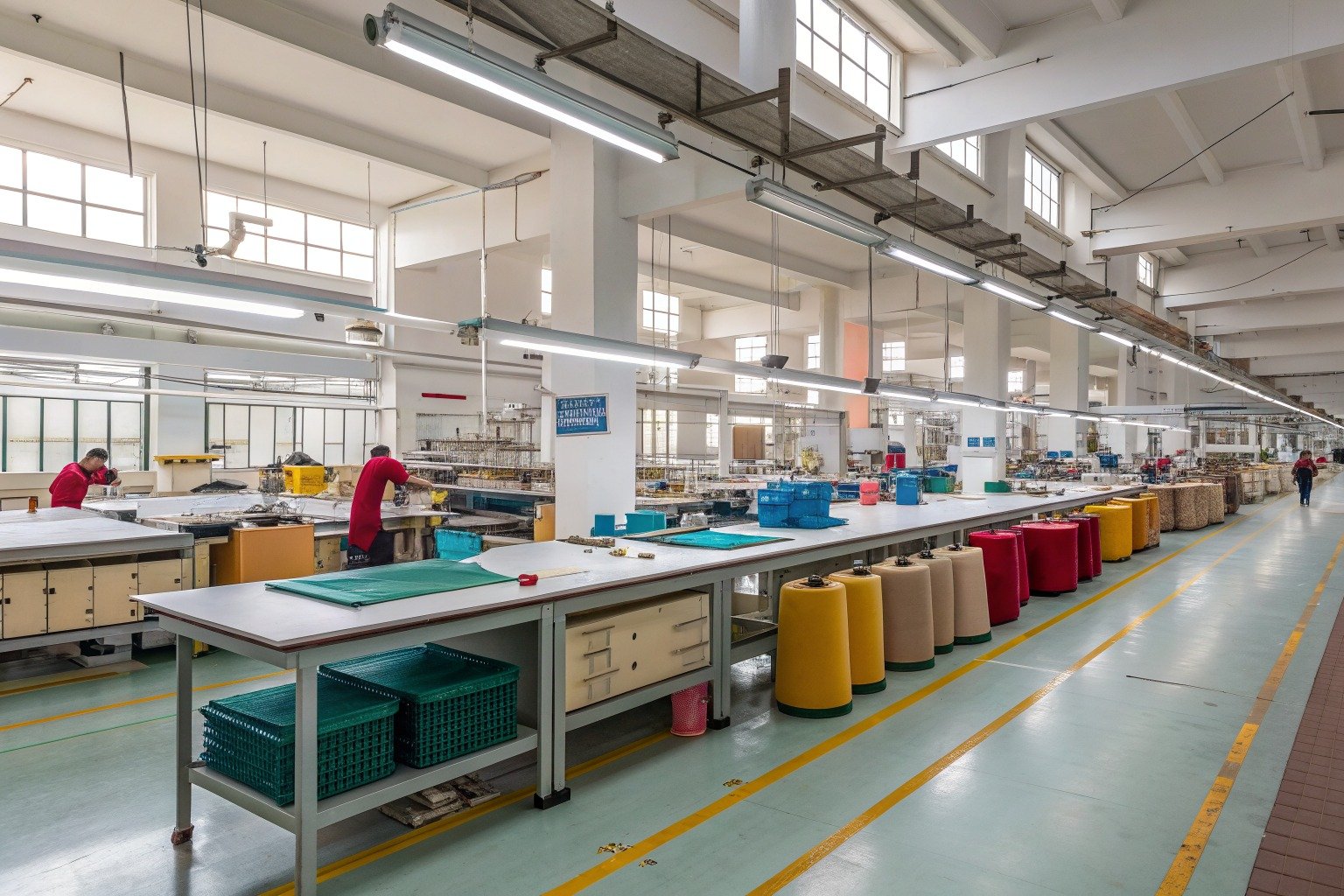
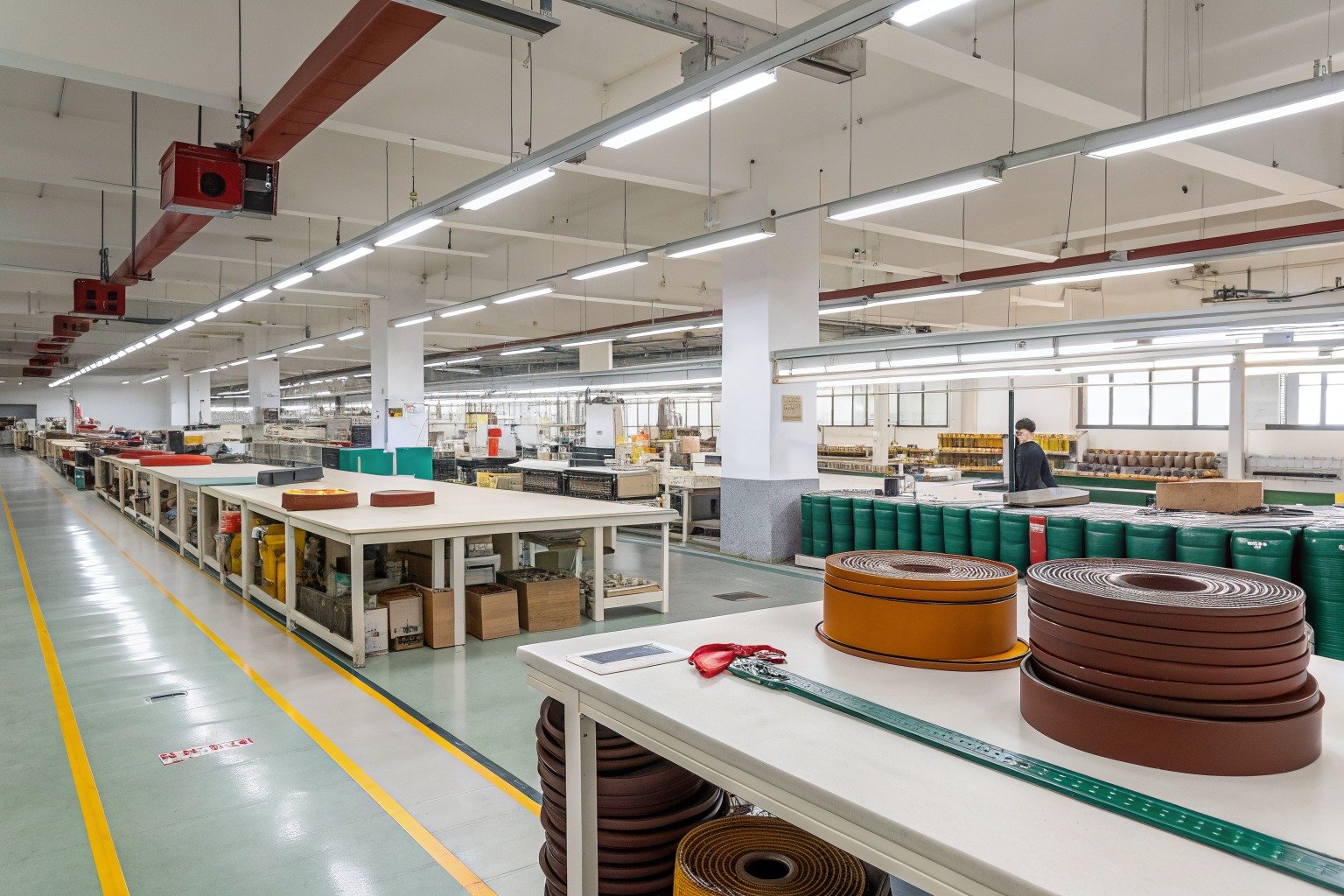
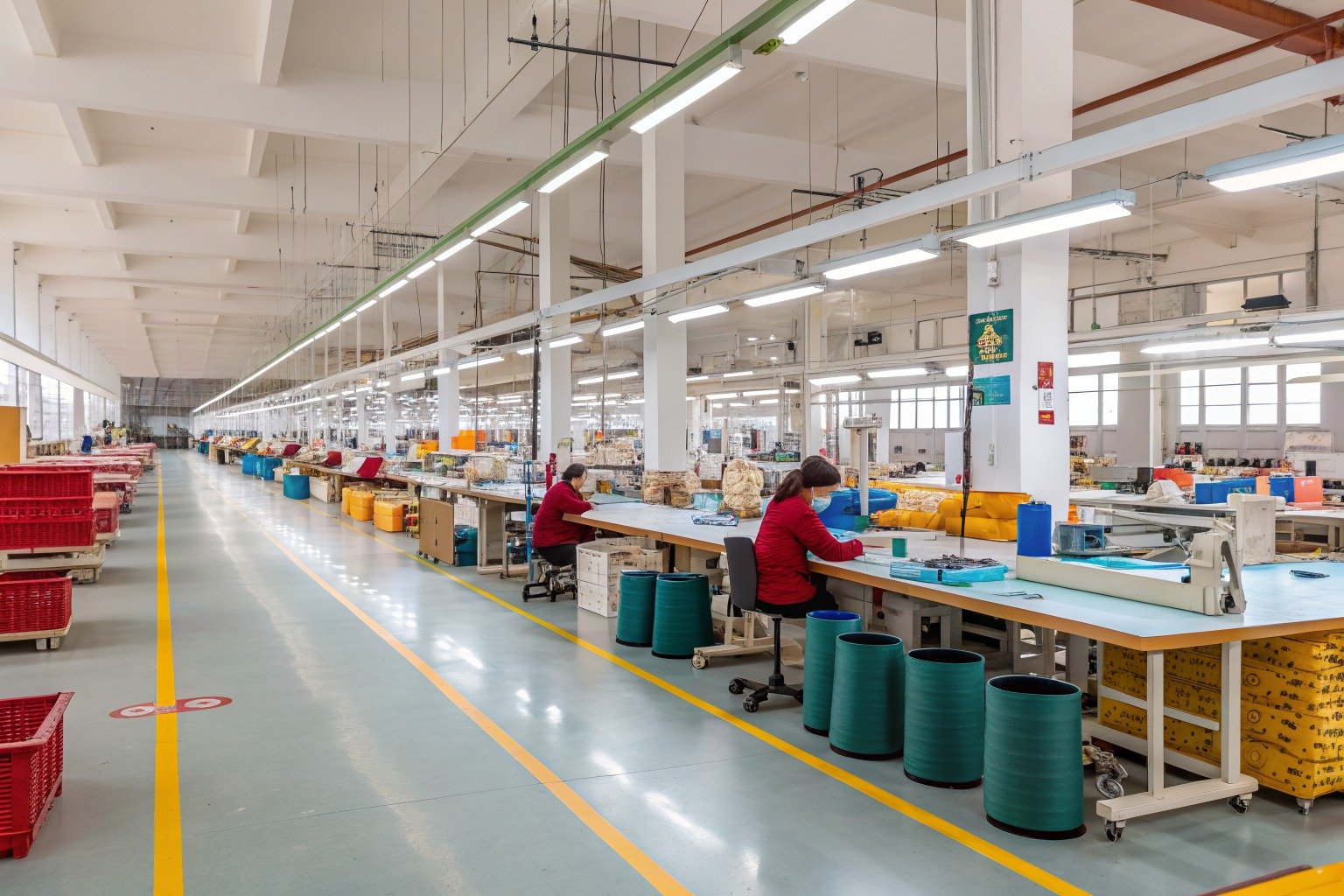
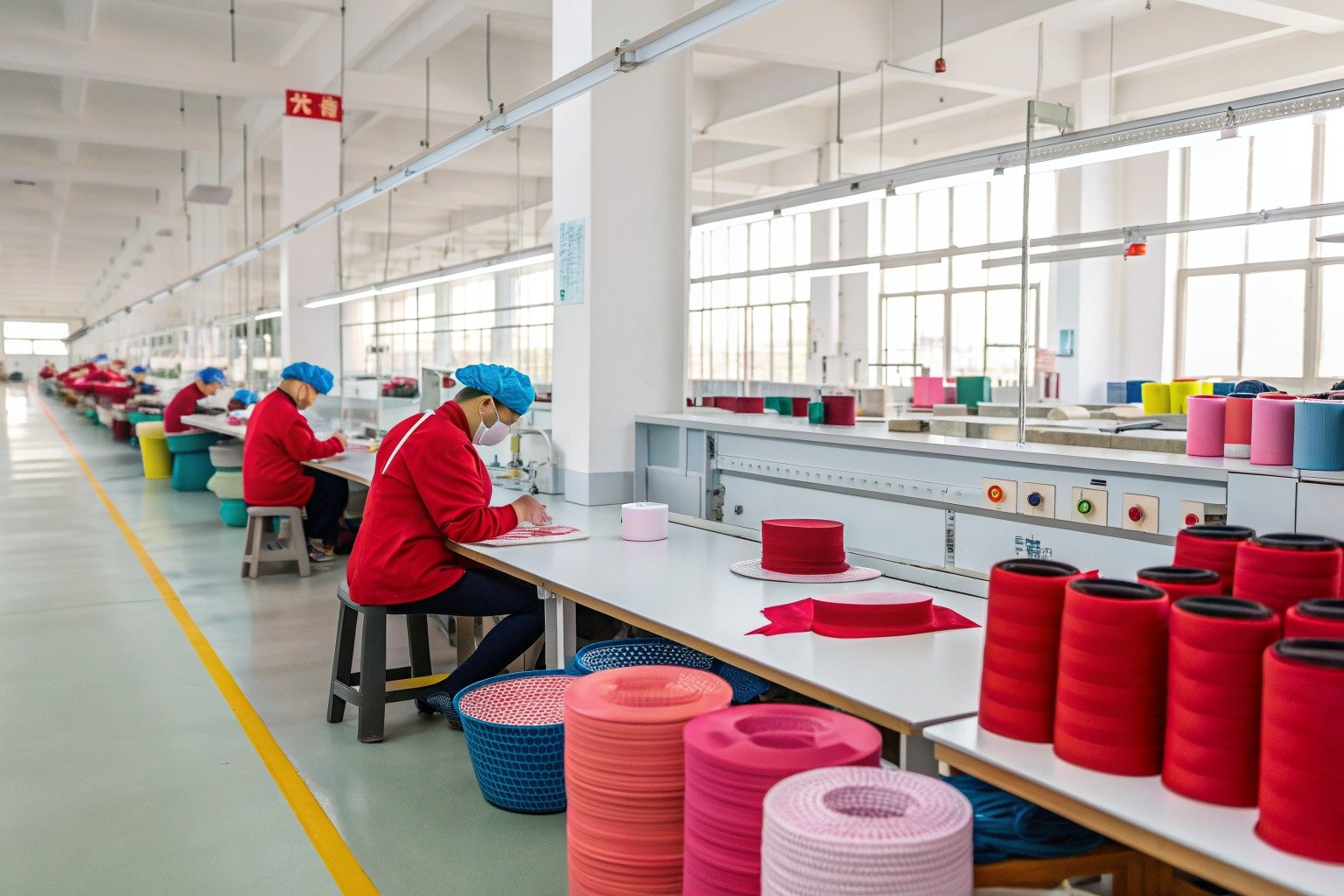
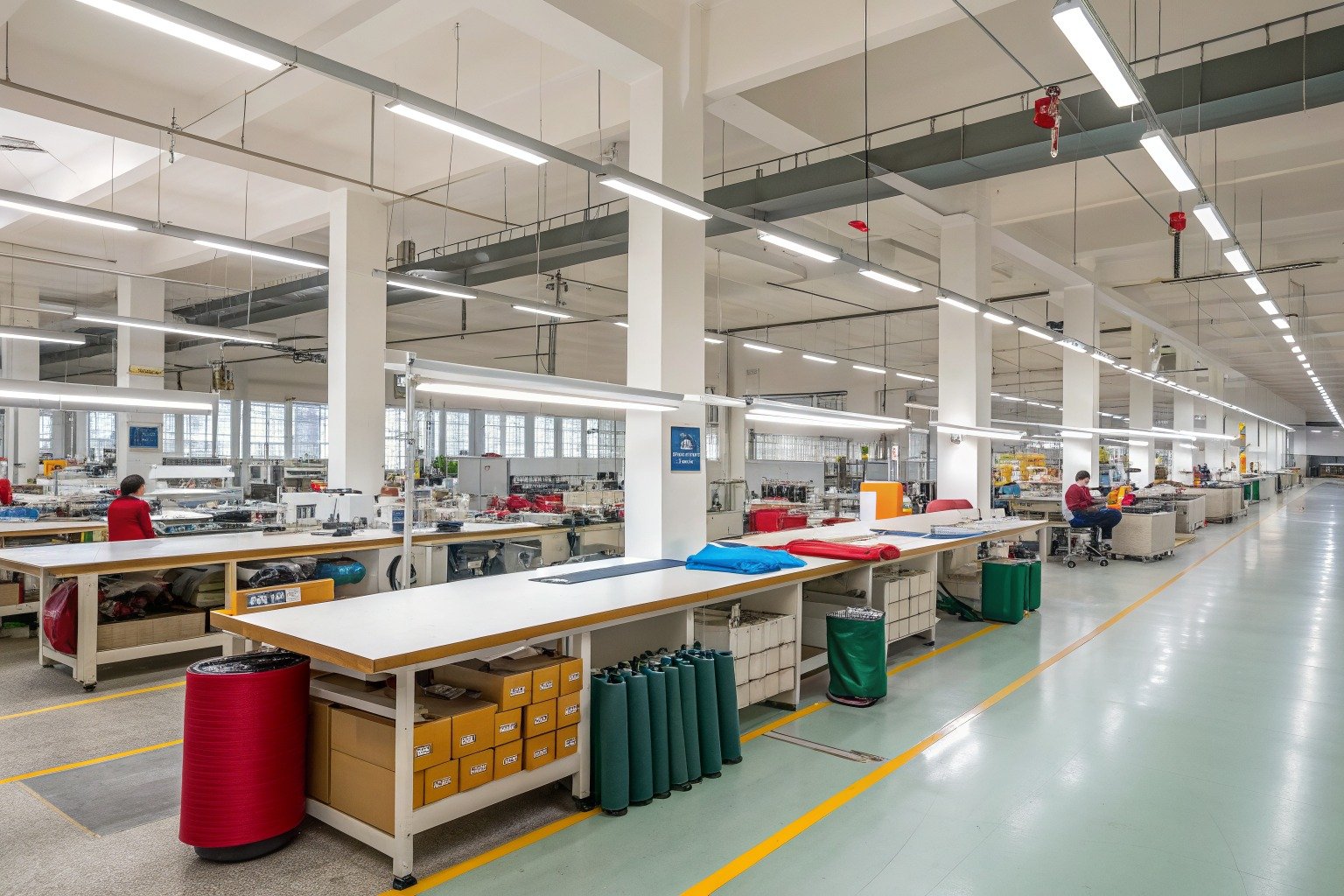
- Process Control Audit: If possible, visit the factory or request a video audit of their production line. Look for controlled environment (temperature/humidity), proper skiving and folding techniques for buckle tongues, and quality checks at each stage.
- Pre-Production Sample Approval: The "Golden Sample" approved for production must be made from the exact leather, dye, and finish of the bulk order. Subject this sample to your own stress tests—bend it sharply, rub it, and even apply a drop of water to see how it reacts.
- Pre-Shipment Inspection (PSI): Hire a third-party inspector to check a random sample from the production batch against your golden sample. They should specifically check for finish consistency, stitch quality, and any signs of dryness or poor workmanship that could lead to future cracking.
Partnering with a manufacturer that has an in-house quality control team accustomed to these protocols, like ours, streamlines this due diligence and provides peace of mind.
How to structure product specifications and warranties?
Protect your investment with clear, technical specifications in your Purchase Order (PO) or contract. This document should detail:
- Leather Type: e.g., "Full-grain bovine leather, chrome-tanned, semi-aniline dyed."
- Performance Standards: e.g., "Leather must pass IUF 180 flex test with no finish cracking or grain loss."
- Finishing: e.g., "Water-based, flexible acrylic top coat."
- Construction: e.g., "Buckle tongue to be made from folded and skived leather, reinforced with a brass rivet."
Furthermore, a sensible warranty policy can be a selling point. Instead of a vague "lifetime warranty," offer a 2-3 year warranty against manufacturing defects, including premature cracking under normal use. This shows confidence in your product while being commercially realistic. It also incentivizes the manufacturer to maintain high standards to avoid claims.
Conclusion
Ensuring your leather belts resist cracking over time is a multifaceted endeavor that begins at the tannery and extends to the customer’s closet. It requires a deliberate selection of high-quality, properly fatliquored leather, the application of flexible, breathable finishes, and robust construction at stress points. This technical foundation must then be supported by clear customer education on proper conditioning and care.
The role of a knowledgeable, process-driven manufacturer cannot be overstated. By thoroughly vetting your partner’s material science, production controls, and testing protocols, you secure a supply of belts that embody durability. This commitment to longevity not only minimizes returns and protects your brand reputation but also builds customer trust, turning a simple accessory into a lasting staple of their wardrobe.
If you are looking to develop or source a line of leather belts engineered to resist cracking and stand the test of time, let’s combine your design vision with our technical expertise in leather craftsmanship. Contact our Business Director Elaine at Shanghai Fumao Clothing to discuss how we can build durability into every belt. Reach out to Elaine at elaine@fumaoclothing.com to start the conversation.