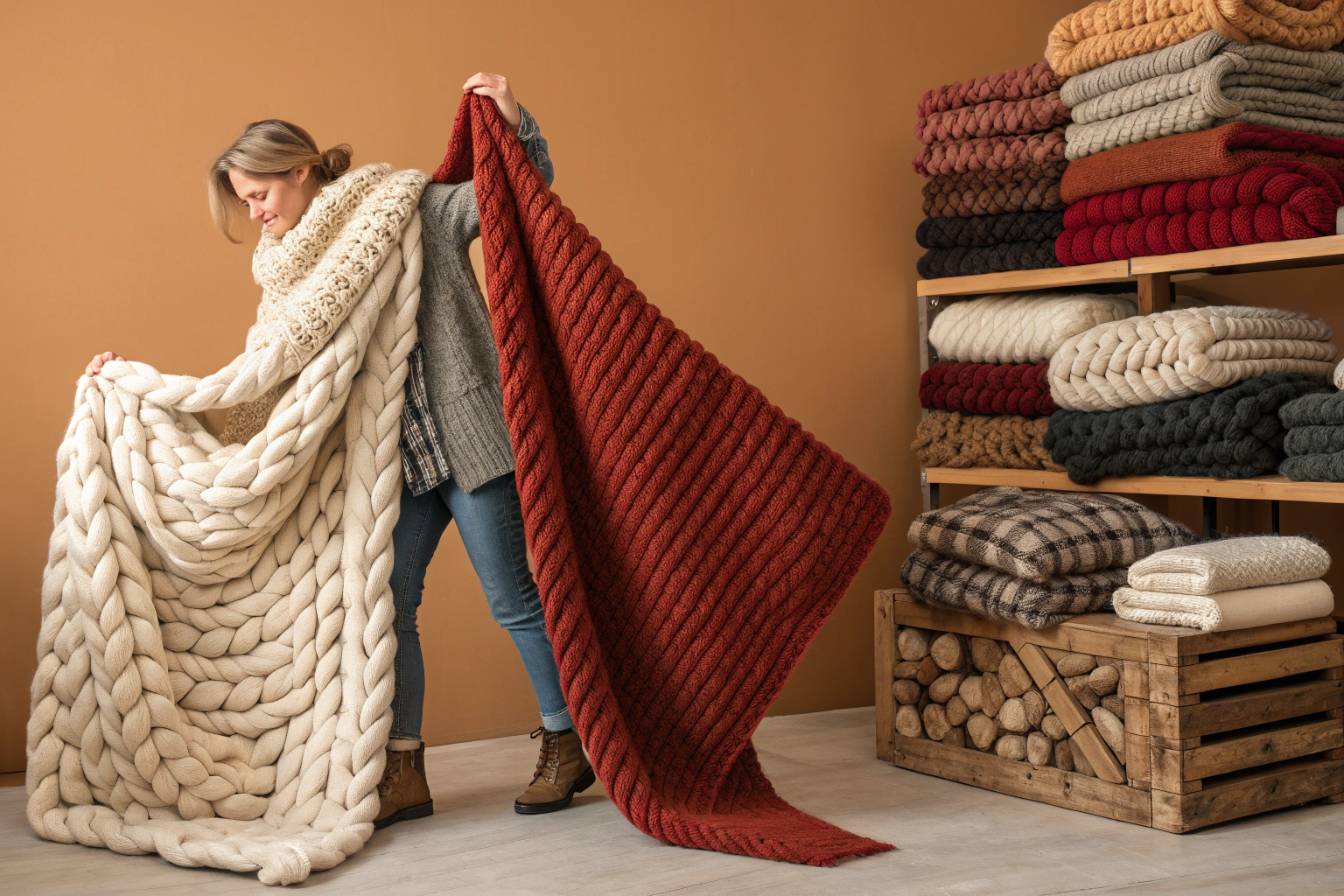
Are you struggling to source oversized blanket scarves that are both voluminous in size and rich in quality? Do you find suppliers promising large dimensions but delivering thin, flimsy fabric that lacks the cozy, substantial feel customers crave? For retailers, boutique owners, and fashion brands, this mismatch can lead to disappointing sales and damaged reputation. The challenge isn’t just finding a scarf maker, but finding a specialist in heavyweight, large-scale knit or woven textiles.
To find a reliable supplier for oversized blanket scarves, you must target manufacturers with specific expertise in heavyweight fabrics and large-format accessory production. This involves searching with precise technical keywords, vetting suppliers for direct factory capabilities (not just trading), and requesting comprehensive samples that test both dimensions and fabric density. The ideal partner will have proven experience in producing chunky knit scarves, jacquard woven plaids, or fleece blankets that can be adapted into scarf dimensions, ensuring the final product has the desired drape, warmth, and aesthetic.
This process requires a strategic shift from general accessory sourcing to textile-centric sourcing. In this guide, we will walk you through a step-by-step supplier discovery and vetting process, explain the critical material and production specifications you must understand, and show you how to evaluate a manufacturer’s true capability to deliver a premium, bulky scarf that meets market expectations.
Where to start your search for a specialized supplier?
Beginning your search in the right places with the right terminology is half the battle. Generic searches for "scarf manufacturers" will yield thousands of results, most of whom specialize in standard, lightweight fashion scarves. You need to refine your approach to target suppliers whose core competency aligns with the bulky, oversized category.
Start on B2B platforms like Alibaba.com or Global Sources, but use highly specific keywords. Instead of "scarf factory," search for "oversized blanket scarf manufacturer," "chunky knit scarf supplier," "heavyweight plaid scarf factory," or "fleece blanket scarf OEM." These terms attract suppliers who have built their product listings around this niche. Additionally, explore industry-specific trade shows, both physical and virtual, focused on textiles, knitwear, or winter accessories. These events allow you to see and feel fabric samples firsthand and meet technical representatives.
Remember, you are not just sourcing an accessory; you are sourcing a specific type of textile product. Therefore, also consider suppliers who manufacture throws, blankets, and shawls, as their machinery, fabric sourcing, and expertise are directly transferable to the oversized scarf category. Their understanding of fabric weight (GSM) and large-format finishing is crucial.
Which online platforms are best for finding niche suppliers?
While Alibaba is the largest, diversifying your platform search increases your chances of finding a specialist.
- Alibaba.com: Use its advanced filters. After your keyword search, filter by "Supplier Type" to "Manufacturer" (not Trading Company). Then, look for suppliers with "Trade Assurance" and those who have passed "On-site Verification." Check if their main product gallery consistently features bulky, textured scarves or blankets.
- Global Sources: This platform often features established manufacturers with stronger export experience. The vetting process can be more rigorous, potentially leading to higher-quality leads.
- Thomasnet.com (for North America): If you are specifically interested in domestic or near-shore sourcing, this industrial sourcing platform can connect you with textile converters and manufacturers.
- LinkedIn: A professional search using the same technical keywords can uncover company pages, key employees (like product managers), and industry posts that reveal expertise. It’s a tool for deeper due diligence on a shortlisted factory.
Critical to success on any platform is looking beyond the glossy images. Examine factory videos, machinery lists, and product certifications. A supplier like Shanghai Fumao Clothing, for example, highlights its knitting and weaving capabilities as part of its core services for accessories, which is a strong signal of relevant in-house production.
How can trade shows and industry networks help?
Digital search has limits; tactile verification is irreplaceable. Trade shows dedicated to textiles and apparel are invaluable.
- Première Vision (Paris/New York): A top-tier fabric show. While you source fabric here, you can also connect with manufacturers who exhibit finished accessories or who are referred by mills.
- Intertextile Shanghai Apparel Fabrics: One of the largest fabric sourcing fairs. Many accessory manufacturers attend to source materials and meet clients.
- Specialty Accessory/Gift Shows: Shows like the Atlanta Gift Show or New York Now often have sections dedicated to scarves, wraps, and winter accessories where you can meet brands and their manufacturers.
Leveraging your network is equally powerful. Ask for referrals from other boutique owners or brands whose scarf quality you admire. Post inquiries in relevant fashion sourcing groups on Facebook or LinkedIn. Often, the best suppliers are discovered through word-of-mouth because their reliability and quality have been proven in real business relationships.
What are the key specifications to define with a supplier?
Once you have potential suppliers, clear communication of your product’s physical and aesthetic specs is vital to get accurate quotes and samples. An "oversized blanket scarf" is too vague. You must define it numerically and descriptively to avoid costly misunderstandings.
Create a detailed technical package or request for quotation (RFQ). This document should leave no room for interpretation. It must include target dimensions (e.g., 70" L x 50" W), fabric weight in grams per square meter (GSM) or ounces per square yard (a key indicator of substance), primary material composition (e.g., 100% Acrylic, 80% Wool/20% Acrylic blend), construction type (e.g., jacquard weave, knit, sherpa fleece), and finishing details like fringe type, hemming, or branding. Providing a physical reference sample or clear photos of the desired texture and drape is immensely helpful.
Why is fabric weight (GSM) more important than just size?
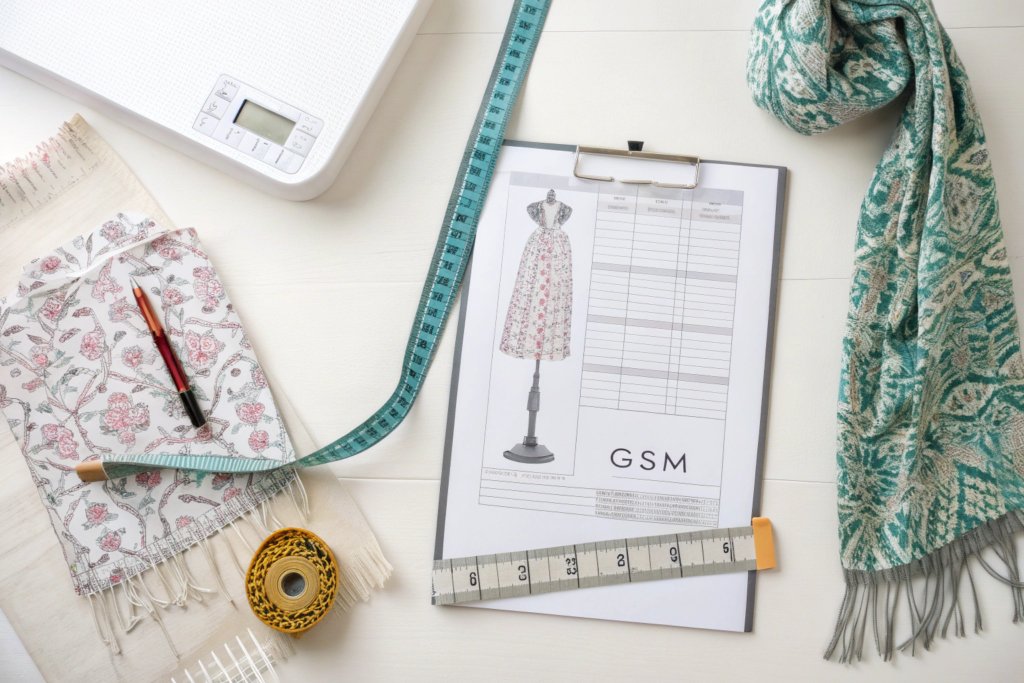
For an oversized blanket scarf, the perceived quality and functionality are dictated more by fabric weight (GSM) than by dimensions alone. A scarf can be large but made from a 150 GSM fabric—it will feel cheap, floppy, and provide little warmth. A premium blanket scarf typically uses fabrics from 250 GSM to over 400 GSM.
- 250-300 GSM: A good mid-weight for a stylish, drapey scarf that is warm but not overly bulky.
- 300-400 GSM: The sweet spot for a true "blanket" feel—substantial, cozy, and very warm.
- 400+ GSM: Extremely chunky and heavy, often used for dramatic knit or super-plush fleece styles.
When discussing with a supplier, always ask, "What is the GSM of the fabric you are proposing?" A professional manufacturer will know this number immediately. They should also be able to advise on the drape, warmth, and cost implications of different weights. This is a technical parameter that separates serious manufacturers from casual vendors. Resources like the Textile Institute provide educational material on fabric properties and testing.
What production capabilities should a true manufacturer have?
To verify a supplier is a true manufacturer and not just a middleman, you must inquire about their in-house capabilities. For oversized scarves, key machinery and skills include:
- Wide-Width Looms or Knitting Machines: Standard scarf weaving looms are narrow. Blanket scarves require wider equipment, similar to what is used for throws and blankets.
- Heavyweight Fabric Handling: Sewing and finishing thick, bulky fabrics requires specialized industrial machines with stronger motors and needles to handle the density without breaking.
- Fringe Making/Twisting Equipment: Many blanket scarves have knotted or twisted fringe, which requires specific automatic or semi-automatic fringe machines.
- Dyeing and Finishing Facilities: Ask if they control the dyeing process. For consistent color across large batches of heavy fabric, this is critical.
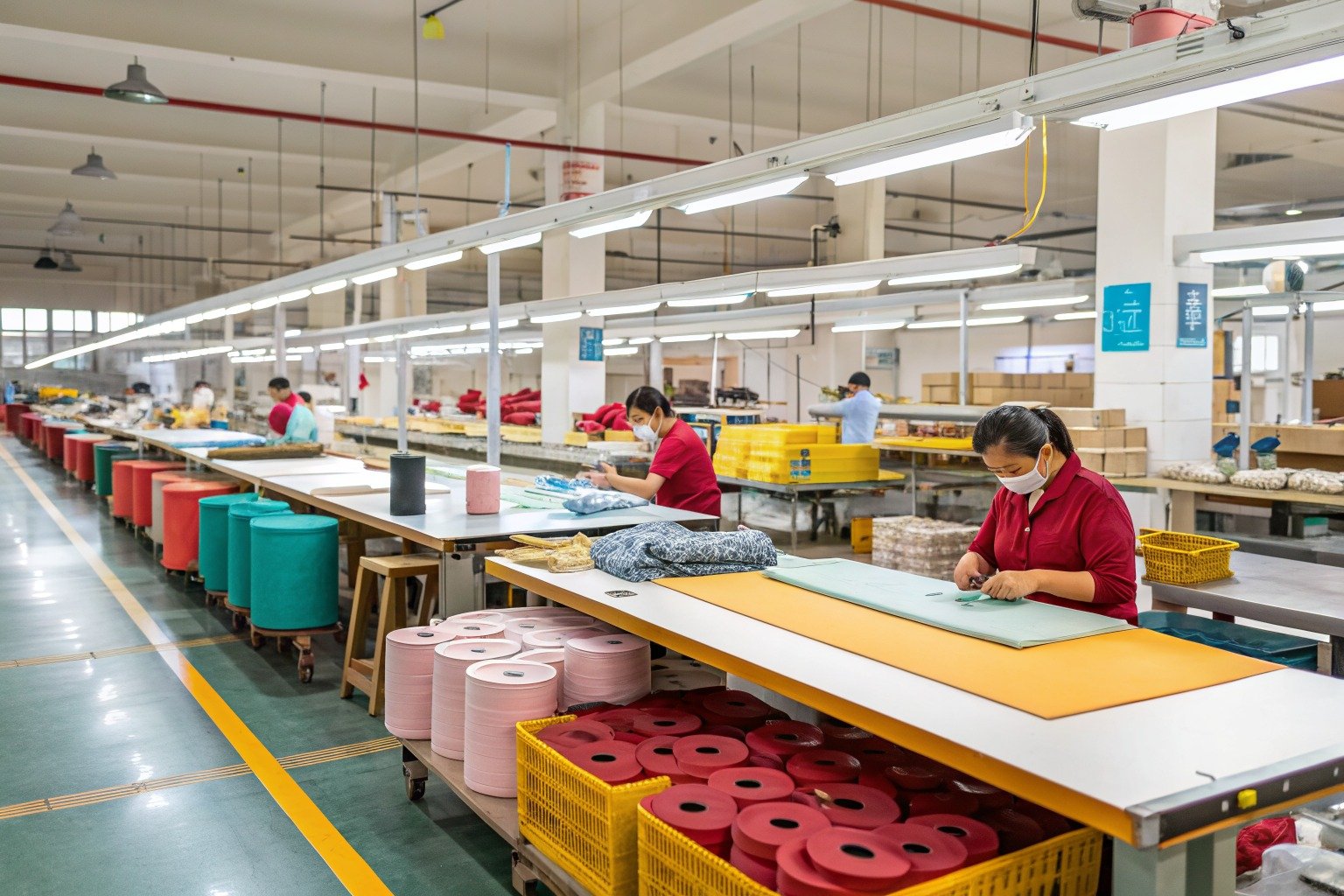
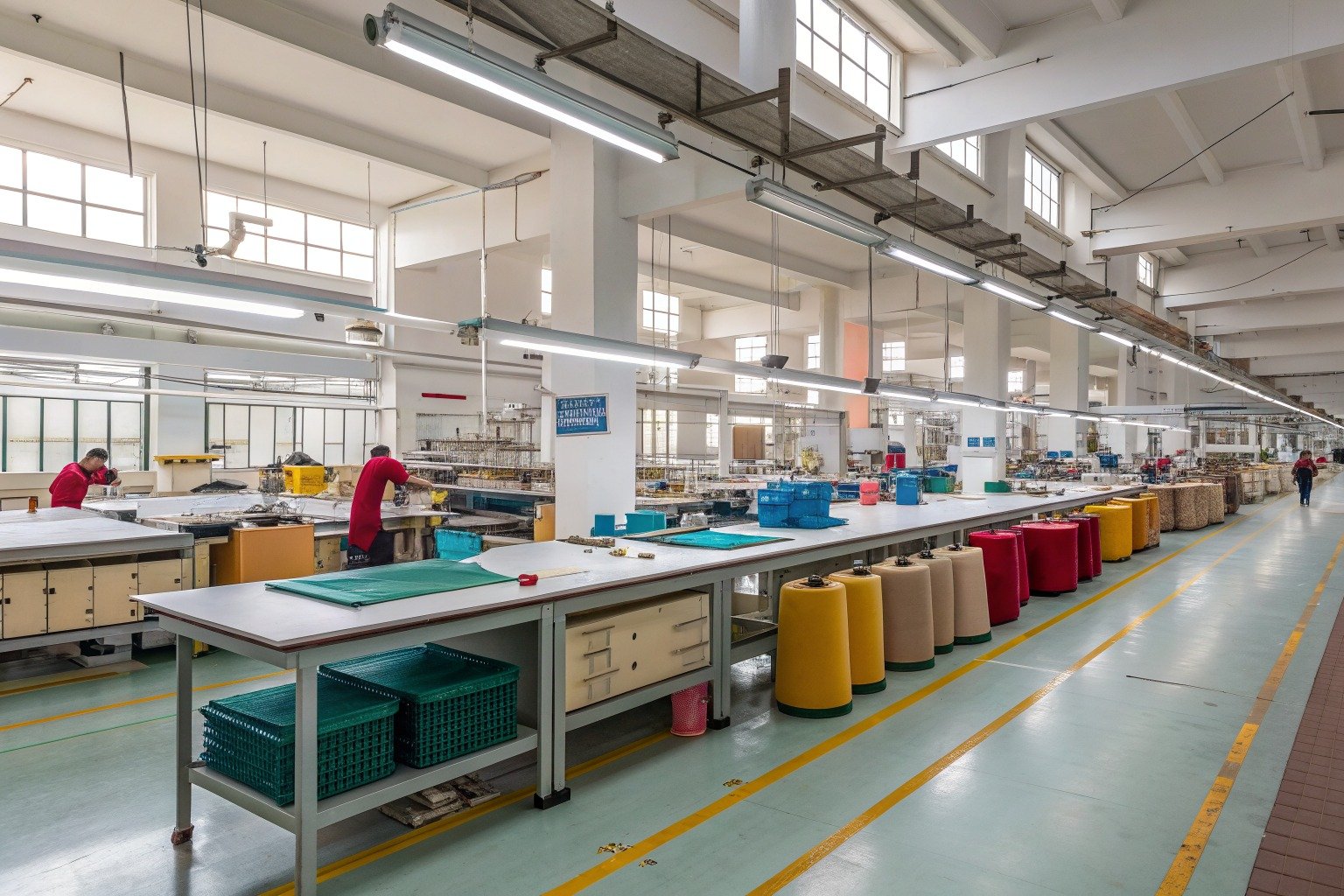
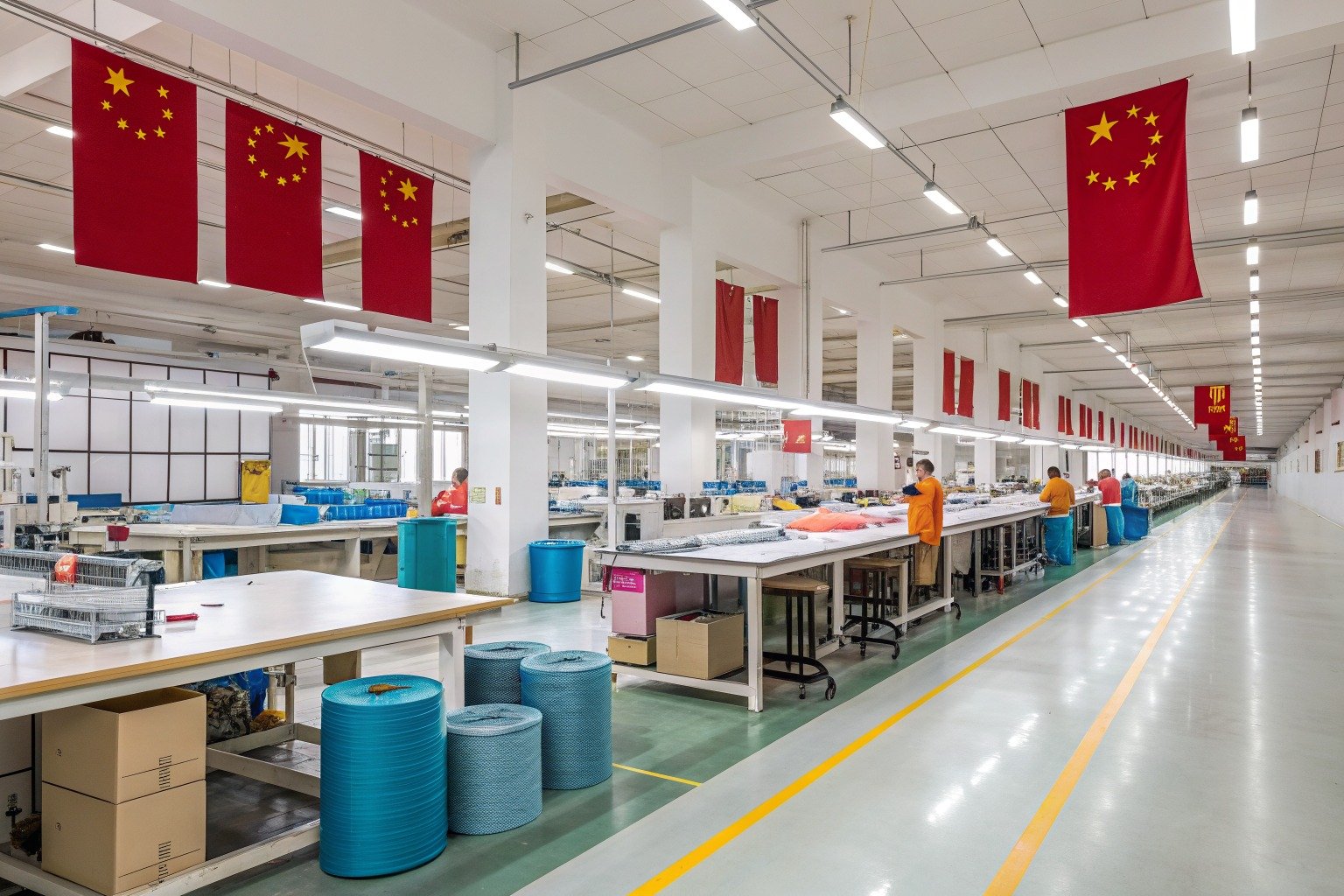
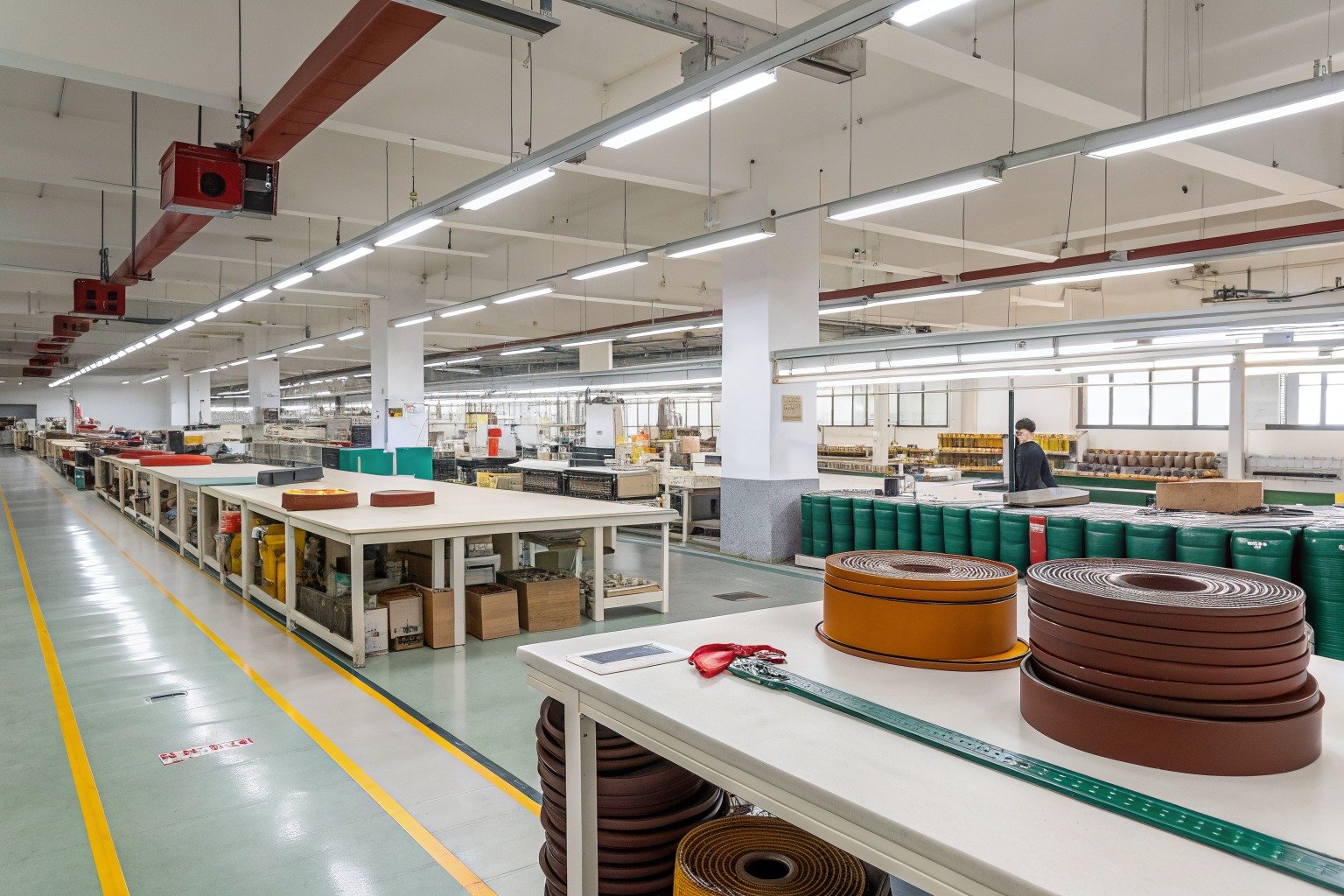
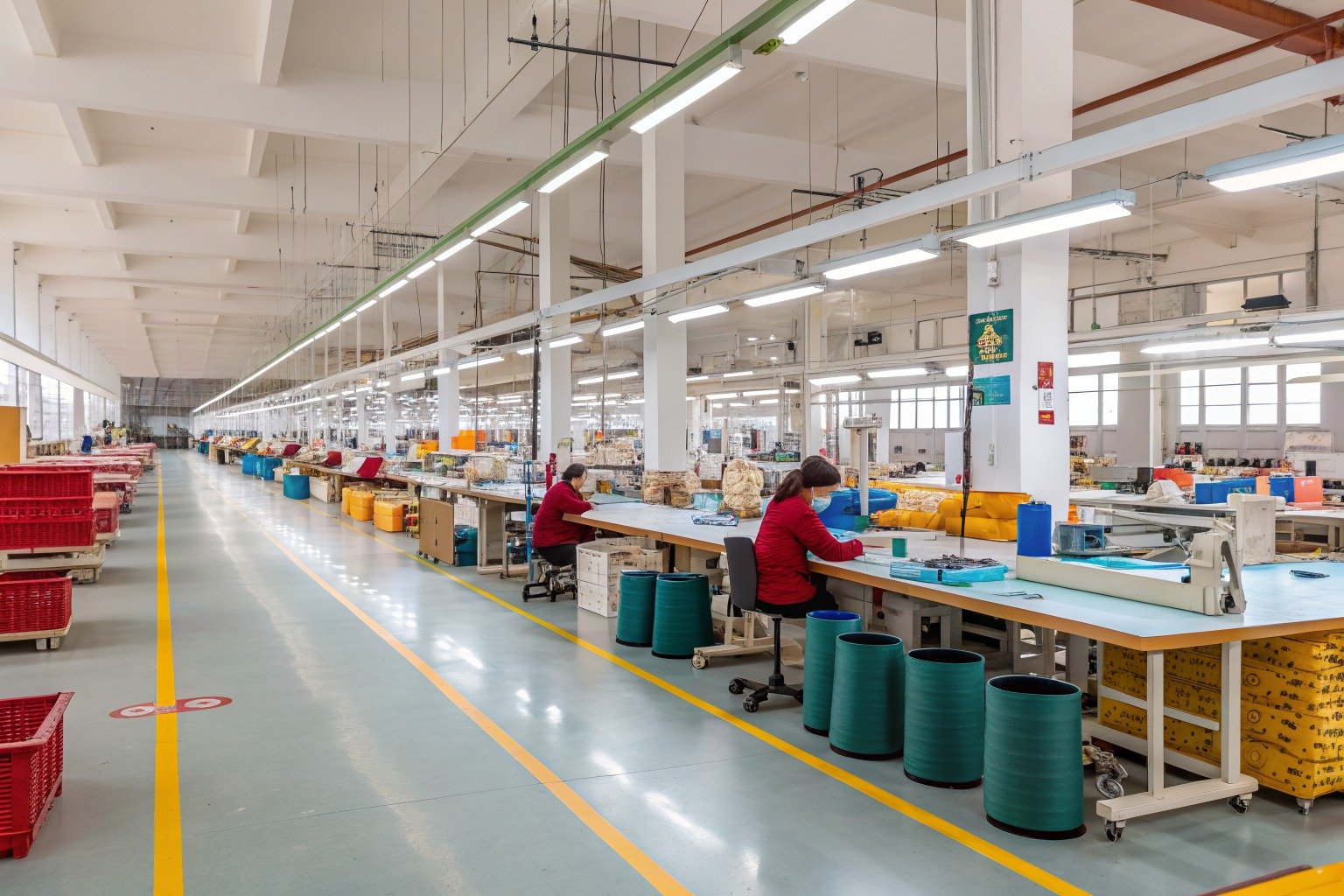
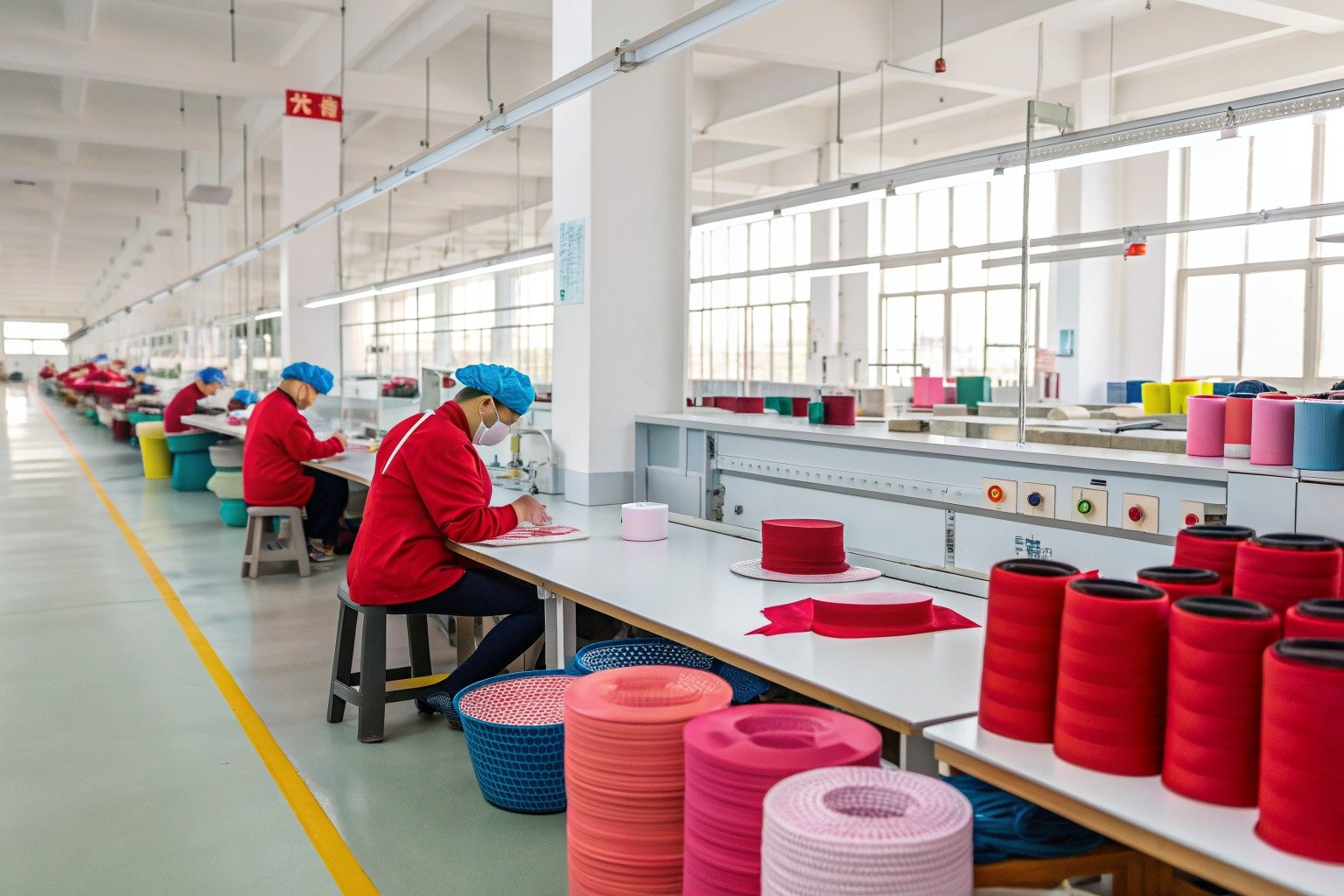
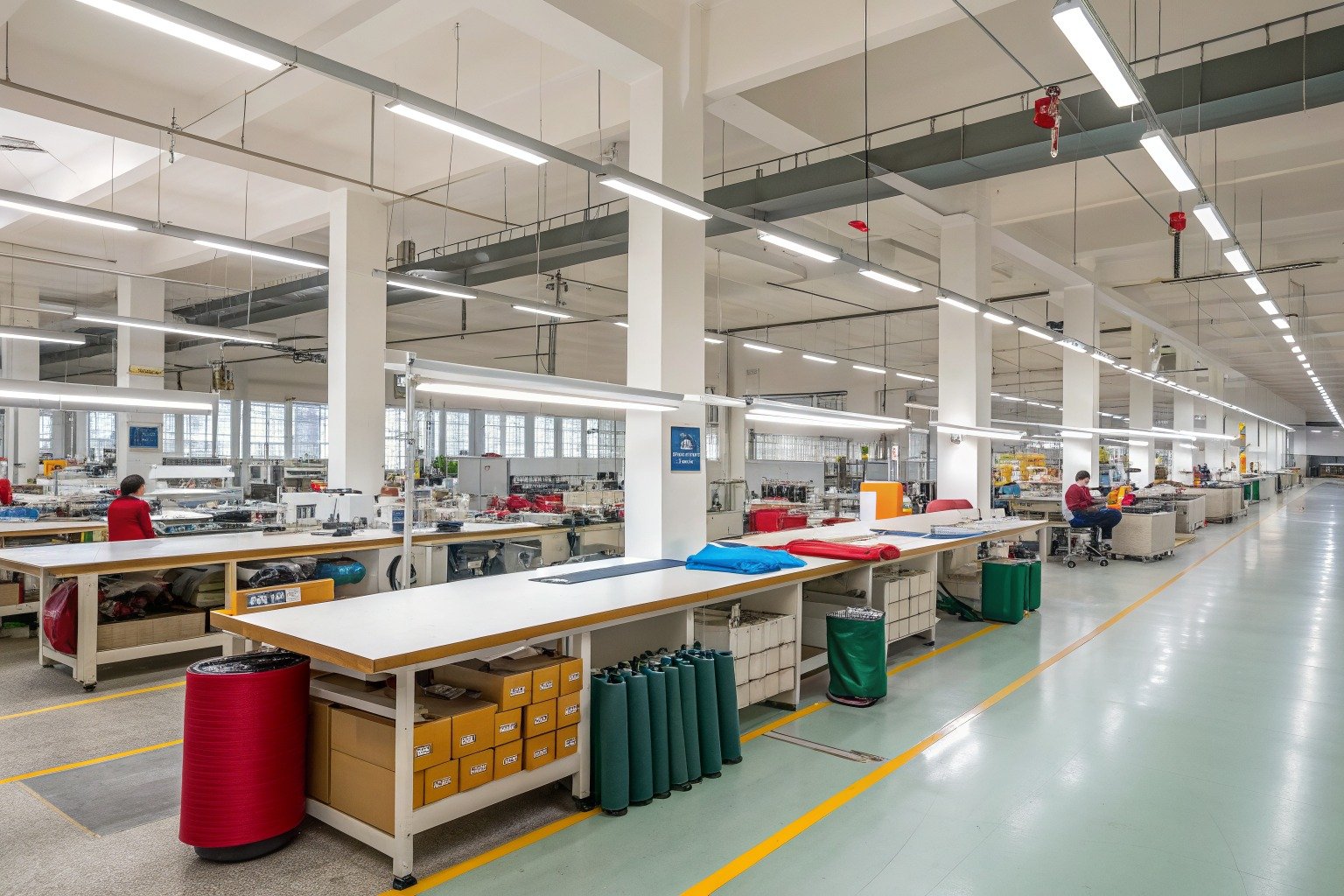
During the vetting process, request a virtual factory tour or specific photos/videos of their production floor showing the relevant machinery processing similar bulky textiles. A credible factory will be transparent. Our project managers at Shanghai Fumao Clothing regularly facilitate such tours for potential clients to demonstrate our integrated design, production, and quality control process for bulky knits and wovens.
How to thoroughly vet and sample with a potential supplier?
Due diligence doesn’t end with a promising conversation. The sampling phase is your opportunity to test the supplier’s responsiveness, adherence to specs, and ultimate product quality before committing financially to a large order. This phase requires a small investment but saves immense cost and headache later.
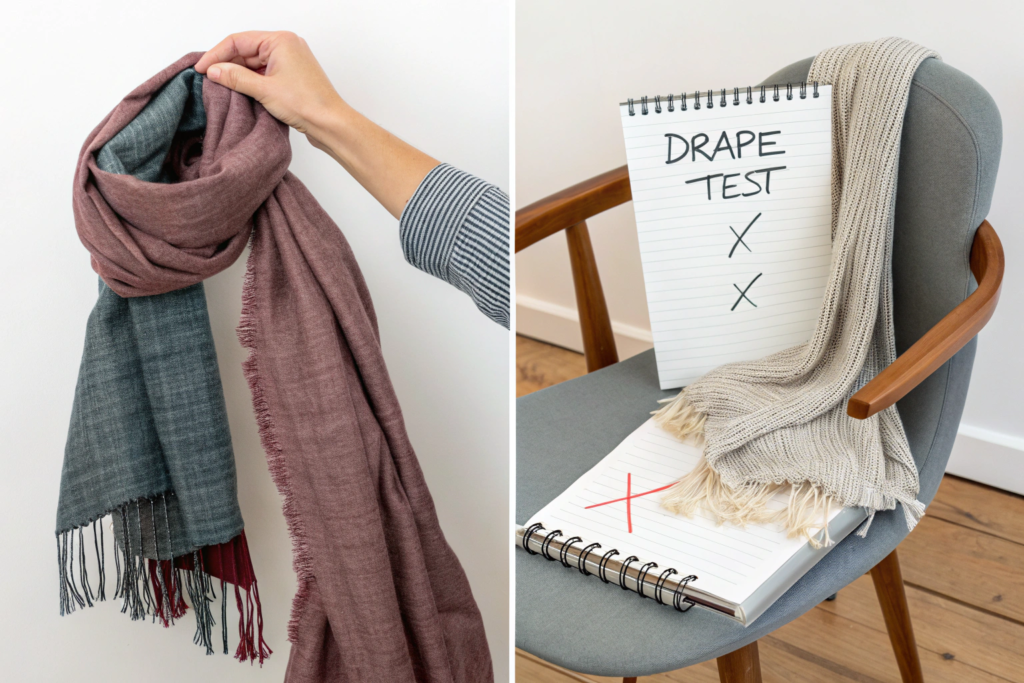
Start by requesting a pre-production sample. Be prepared to pay for this sample and its shipping—it’s a standard practice that signals serious intent. Provide your full tech pack and ask for the sample to be made in the exact material, weight, and dimensions you intend to order. When the sample arrives, evaluate it ruthlessly against your criteria. Don’t just look at it; measure it, weigh it, feel it, and even wash it according to care instructions to check for shrinkage or pilling.
What should you look for in a pre-production sample?
Your sample evaluation checklist should be meticulous:
- Dimensions & Weight: Precisely measure length and width. Weigh the entire scarf and calculate if the GSM matches the promised spec.
- Fabric Quality: Assess the hand-feel. Is it soft? Is it scratchy? Check for consistency of color and weave/knit pattern across the entire surface. Look for any flaws, holes, or stains.
- Construction & Finishing: Examine the seams or edges (selvage). Are they even and secure? Is the fringe tightly knotted or twisted? Will it unravel easily?
- Colorfastness: Perform a simple rub test with a white cloth. Does color transfer? This is crucial for dark or vibrant colors.
- Packaging & Presentation: Note how the sample is presented. This can reflect the supplier’s attention to detail, which translates to your final product’s presentation.
Document your feedback clearly and communicate it to the supplier. Their response is telling. A good supplier will ask detailed questions, acknowledge issues, and show how they will correct them in the next sample or bulk production. A poor supplier will make excuses or brush off concerns.
Which certifications and compliance factors matter?
For importing, especially into markets like the US and EU, regulatory compliance is non-negotiable. Discuss these points early:
- General Product Safety: Ensure the materials used are safe and free from harmful substances.
- Labeling Requirements: Discuss care/content label rules for your target country.
- Third-Party Testing & Certifications: While not always mandatory for scarves, certificates like Oeko-Tex Standard 100 (verifying textiles are free from harmful levels of chemicals) are strong quality indicators. For wool products, RWS (Responsible Wool Standard) can be important.
Ask the supplier if they have experience shipping to your target country and if they can assist with required documentation for customs clearance. A seasoned exporter will understand Harmonized System (HS) codes and basic logistics. Their ability to navigate these matters is part of the service. Organizations like the International Consumer Product Health and Safety Organization (ICPHSO) provide resources on safety standards.
What are the common pitfalls and how to avoid them?
Sourcing oversized items has unique challenges. Being aware of common pitfalls allows you to proactively address them in your supplier agreements and communications.
The most frequent issue is a disconnect between sample and bulk order quality. The sample is perfect, but the mass-produced items are lighter, smaller, or made with inferior fabric. This is often due to a supplier cutting costs or using a different, unapproved mill for the bulk fabric. The safeguard against this is a gold seal sample or bulk production sample. This is a sample taken from the first production run using the actual bulk materials. You approve this sample before the entire order is completed and before shipping. This approval should be a formal step in your contract.

How to manage logistics and cost for bulky, low-density goods?
Oversized blanket scarves are low-density cargo. They take up a lot of shipping volume (CBM) relative to their weight, which can make shipping costs surprisingly high, especially by air. This must be factored into your total landed cost calculations early on.
- Discuss Packaging: Work with the supplier to design flat, efficient packaging that minimizes volume without crushing the product.
- Choose the Right Incoterm: Understand terms like FOB (Free On Board) vs. EXW (Ex-Works). With FOB, the supplier is responsible for getting the goods to the port and loaded on the ship, which often gives you more control over final freight costs.
- Plan for Seasonality: Shipping costs and times fluctuate. Book your production and shipping slots well in advance of your selling season to avoid peak surcharges and delays.
A reliable manufacturer will have a logistics department or partner to advise on these matters and provide clear sailing schedules and cost breakdowns. This integrated service is a hallmark of a professional partner.
How to structure payment terms to minimize risk?
Balancing risk between buyer and supplier is key. Avoid paying 100% upfront. Standard, safer payment terms for new suppliers often follow a structure like:
- 30% deposit upon order confirmation.
- 70% balance against copy of Bill of Lading (before shipment) or after pre-shipment inspection.
Using Alibaba Trade Assurance or letters of credit (LC) through your bank adds a layer of financial security. These mechanisms ensure payment is only released when contractual conditions (like passing inspection) are met. Always have a formal purchase order (PO) or contract that details product specifications, quality standards, delivery timeline, payment terms, and protocol for handling defects. This clarity protects both parties.
Conclusion
Finding the right supplier for oversized blanket scarves is a targeted process that blends precise sourcing tactics with deep technical understanding. Success hinges on searching for specialists in heavyweight textiles, defining your product with unambiguous specifications like GSM and dimensions, and conducting rigorous vetting through sampling and due diligence. It requires looking beyond the label of "scarf supplier" to partners with the machinery and expertise for blankets, throws, and bulky knits.
By thoroughly evaluating pre-production samples, understanding compliance needs, and structuring clear agreements to guard against quality drift and logistical surprises, you can build a partnership that delivers the substantial, cozy, and high-quality product your customers expect. This strategic approach transforms sourcing from a potential headache into a reliable foundation for your seasonal collections.
If you are looking to develop a line of premium oversized blanket scarves with the perfect weight, texture, and craftsmanship, let’s discuss your vision. Contact our Business Director Elaine at Shanghai Fumao Clothing to explore how our manufacturing expertise in bulky knits and wovens can bring your designs to life. Reach out to Elaine at elaine@fumaoclothing.com to start a conversation.