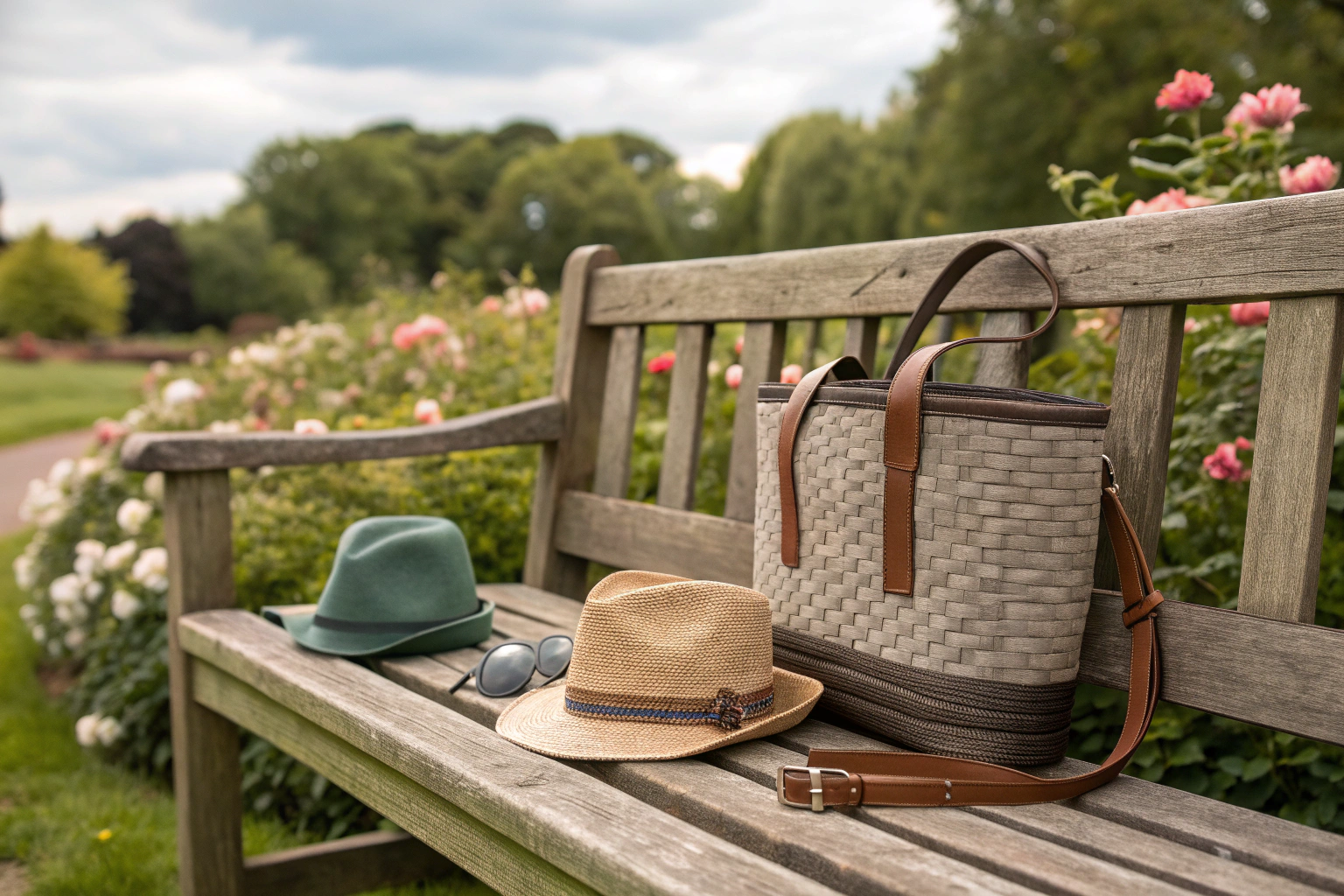
Are your scarves, hats, and bags falling apart after a single season of outdoor adventures? Do you struggle to find fashion accessories that can withstand sun, wind, and rain while still looking stylish? For buyers sourcing for outdoor brands, markets, or lifestyle stores, this durability dilemma directly impacts customer satisfaction and return rates. The secret to longevity isn’t just the fiber, but the very structure of the fabric: the weave.
The most durable weaves for outdoor fashion accessories are those that create a dense, tight, and often reinforced structure. Specifically, twill weaves, plain weaves with high thread density, and specialized basket weaves offer exceptional strength and resistance to abrasion and elemental damage. For instance, a tightly woven twill in a polyester or nylon blend is a cornerstone for durable scarves and hats, while a robust basket weave might be used for sturdy bag straps. The right weave locks fibers in place, minimizes snagging, and provides a stable canvas for water-repellent treatments.
Understanding weaves is crucial for making informed sourcing decisions that balance aesthetics with endurance. In this guide, we’ll dissect the weaves that stand up to the elements, explore how material choice interacts with weave structure, and provide actionable insights for selecting and testing accessories that promise your customers both style and substance for the long haul.
What Are the Key Characteristics of a Durable Fabric Weave?
When we talk about durability in weaves for outdoor accessories, we’re looking at a fabric’s ability to resist forces that cause wear and tear. It’s not just about thick fabric; it’s about intelligent construction. The key characteristics intertwine to create a shield against the outdoor environment. First is abrasion resistance—the fabric’s ability to withstand rubbing against rough surfaces like backpack straps or tree bark. Second is dimensional stability, meaning the weave doesn’t easily stretch, sag, or deform when wet or under tension. Third is tear strength, which is how well the fabric resists a rip from a snag or puncture.
A durable weave achieves these traits primarily through two factors: the tightness (or thread count) and the interlacing pattern of the warp (lengthwise) and weft (crosswise) yarns. A tighter weave, with more threads per square inch, leaves less room for fibers to move and abrade. The interlacing pattern, such as the diagonal path in a twill, creates longer "floats" that can distribute stress more evenly than a simple over-under pattern. For sourcing professionals, evaluating these characteristics moves the conversation beyond subjective "feel" to objective, testable performance metrics that ensure product longevity.
How Does Weave Tightness Impact Abrasion Resistance?
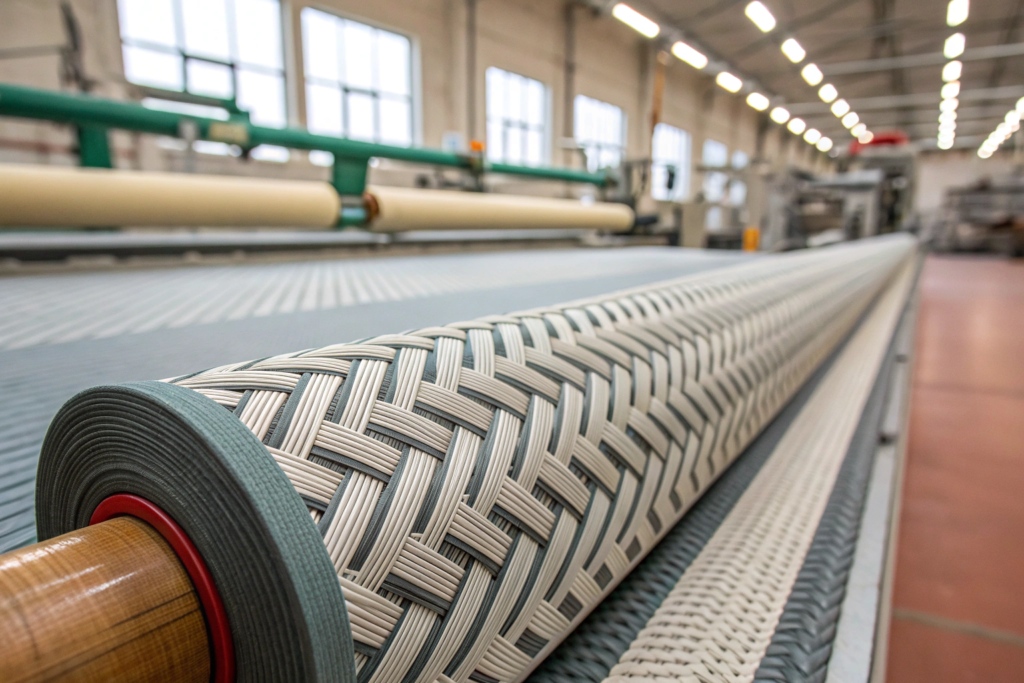
Think of weave tightness as the population density of a city. The closer the buildings (threads), the harder it is for anything to slip through and cause damage. In fabric terms, a high thread count creates a denser surface where the yarns support each other. When an abrasive force is applied, the friction is distributed across many closely packed fibers rather than isolating and breaking a single, exposed thread. This is why a densely woven plain weave canvas is used for durable tote bags and bucket hats. The simple over-under structure, when executed with high thread count and sturdy yarns like cotton or polyester, creates a remarkably tough surface. For outdoor accessories like gloves or the trim on a jacket, this density is critical. Manufacturers and material engineers often refer to standardized tests, like the Martindale abrasion test, to quantify this property. Resources from Textile School provide excellent foundational knowledge on how weave construction affects fabric performance.
Why is Tear Strength Critical for Outdoor Accessories?
Abrasion wears down a surface, but a tear can instantly ruin a product. Tear strength is the force required to propagate a rip from an initial cut or puncture—a common hazard for outdoor gear caught on branches or equipment. The weave pattern profoundly influences this. For example, a ripstop weave incorporates thicker reinforcement threads at regular intervals in a grid pattern. This classic durable weave confines tears to small squares, preventing a catastrophic failure. It’s a hallmark of performance rainwear and lightweight outdoor shells. Similarly, a twill weave (like denim) has inherent tear resistance because the diagonal interlacing creates a path of resistance, forcing a tear to change direction and expend energy. When sourcing accessories like packable tote bags or adventure scarves, understanding the tear strength of the proposed fabric, often measured by tests like the Elmendorf tear test, is a non-negotiable part of the quality control process. Industry standards from organizations like ASTM International define these test methods.
Which Specific Weave Types Excel in Outdoor Conditions?
Not all weaves are created equal for the great outdoors. Through our experience at Shanghai Fumao Clothing producing accessories for global brands, we’ve identified champions that consistently deliver. These weaves form the backbone of reliable outdoor collections. The first is the Twill Weave, recognizable by its diagonal rib pattern. This structure allows for a high thread count, creating a dense, strong, and flexible fabric that resists wrinkles and stains—ideal for durable scarves, caps, and belt backings. The second is the Plain Weave at its highest density, often called canvas. When made with synthetic or treated natural fibers, it becomes a robust, weather-resistant workhorse for bags, hats, and accessory details.
Beyond these, specialized weaves offer targeted benefits. The Basket Weave, a variation of plain weave where two or more yarns are bundled together as one, adds substantial thickness and a distinctive texture, perfect for heavy-duty bag straps or belts. The aforementioned Ripstop is a technical marvel for ultra-lightweight yet tear-resistant items like packable rain hats or accessory pouches. Choosing the right one depends on the accessory’s specific function, desired weight, and aesthetic.
Is Twill Weave the Best All-Around Durable Choice?
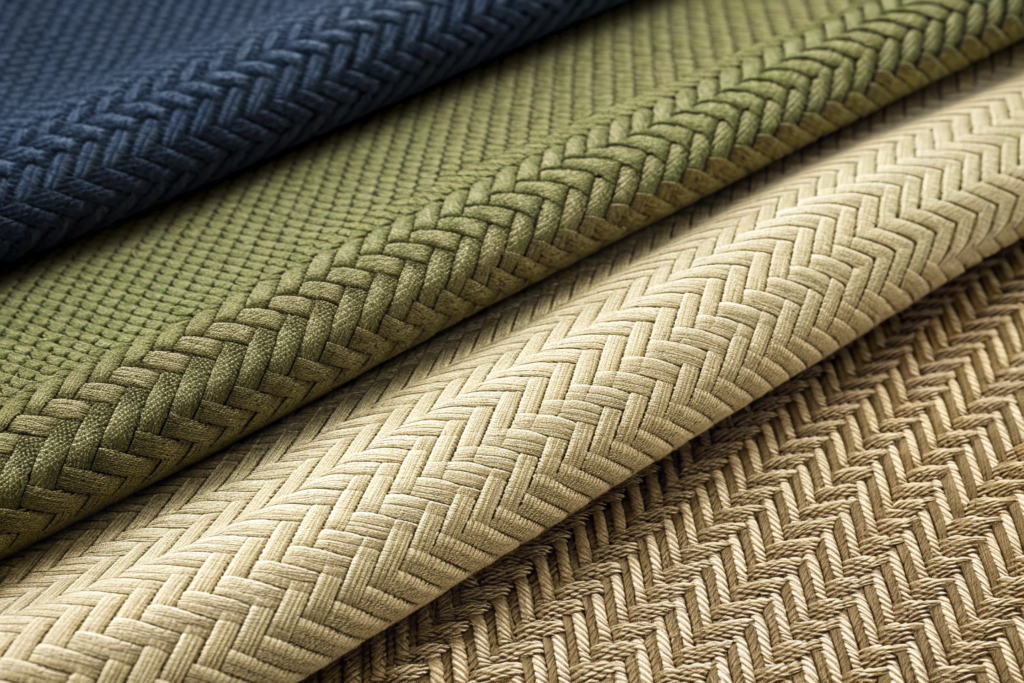
For a balance of durability, drape, and aesthetic versatility, twill weave is a top contender. Its diagonal structure gives it several advantages. First, the weave is naturally tighter and heavier than a basic plain weave of the same yarn, offering better wind resistance—a key factor for shawls and scarves. Second, the surface has more give, making it resistant to creasing and comfortable against the skin. Third, it excels at hiding dirt and wear, making it practical for outdoor use. In our production for brands, we often recommend a polyester or nylon twill for items like baseball caps and knit hat exteriors because it holds its shape through weather and wear. It’s also an excellent base for applying durable water repellent (DWR) finishes. While it may not be the absolute best in every single metric (pure abrasion resistance might go to an ultra-dense canvas), its all-around performance profile is why it’s a staple in outdoor apparel and accessories. For deeper technical comparisons of weave properties, fabric guides from Sportswear International can be very informative.
How Do Specialized Weaves Like Ripstop Enhance Function?
Specialized weaves solve specific problems. Ripstop is the prime example, engineered for one purpose: to stop tears. By weaving thicker, stronger yarns in a crosshatch pattern within a finer base fabric, it creates a grid that acts like a network of tiny containment fields. A small puncture won’t spread beyond one square. This allows designers to use very lightweight, packable fabrics (like thin nylon) without sacrificing catastrophic failure resistance. For accessories, this means you can offer customers a rain hat or a stuff sack that weighs almost nothing and packs into a pocket, yet won’t be destroyed by a simple snag. Another example is a double weave, which essentially creates two layers of fabric bonded together, offering exceptional insulation and windproofing for technical neck gaiters or glove liners. When sourcing, inquiring about these engineered weaves demonstrates a sophisticated understanding of performance needs. Learning about innovative fabric technologies from resources like Outdoor Industry Association can inspire new product lines.
How Does Material Choice Interact with Weave for Maximum Durability?
The weave is the skeleton, but the material is the muscle. Even the strongest weave pattern will fail if made with weak, UV-sensitive, or hydrophilic (water-loving) fibers. The synergy between material and weave is where true outdoor durability is forged. Synthetic fibers like polyester and nylon are inherently strong, quick-drying, and UV-resistant, making them ideal partners for durable weaves. A polyester twill or a nylon ripstop becomes a formidable combination. On the other hand, natural fibers like cotton or wool offer comfort and biodegradability but often require a tighter weave and chemical treatments to achieve similar weather resistance.
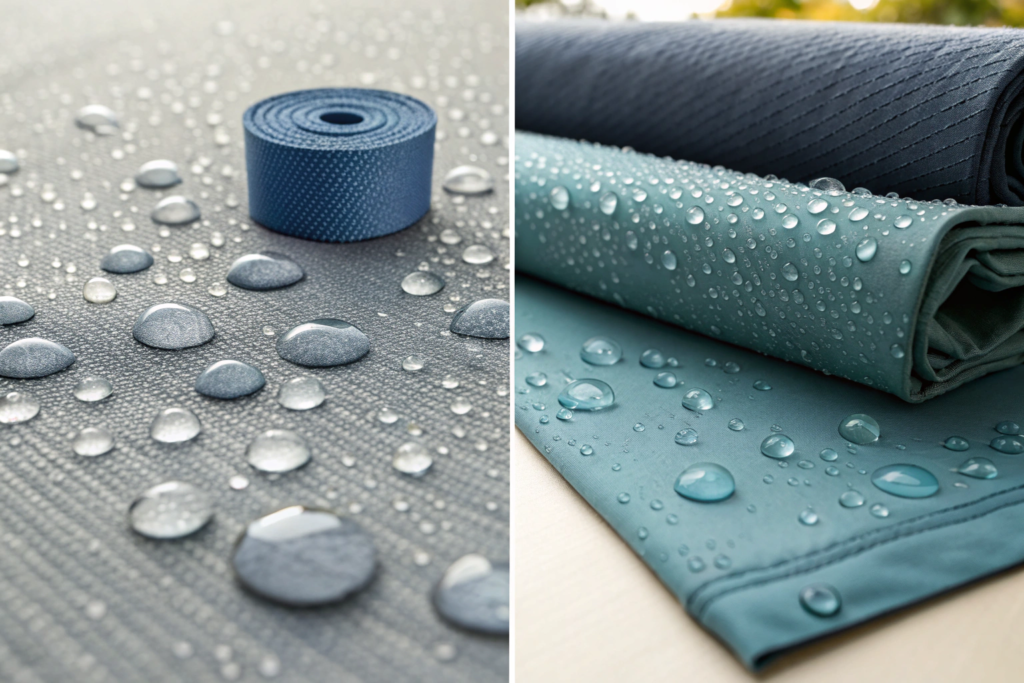
The treatment applied to the yarn or finished fabric is the final layer of defense. A Durable Water Repellent (DWR) finish causes water to bead up and roll off a tightly woven fabric. UV inhibitors can be added to the polymer of synthetic fibers to prevent sun degradation and fading. For sourcing, it’s essential to specify not just the base fiber (e.g., "polyester") but also its denier (thickness), filament type, and any required finishes to ensure the material-weave combo meets the intended use, whether for a beach hat or a hiking scarf.
Why are Synthetic Fibers Like Polyester Preferred for Outdoor Weaves?
Synthetic fibers bring consistent, engineered performance to the table. Polyester is a champion for outdoor accessories due to its high tensile strength, excellent abrasion resistance, and low moisture absorbency (it dries fast). It also holds color well through sun exposure. When woven into a tight twill or canvas, these properties are maximized. Nylon is even stronger and more elastic than polyester, making it superb for items under stress, like bag straps or adjustable belt components. Its downside can be slightly lower UV resistance unless treated. These materials allow for lighter-weight fabrics that don’t sacrifice strength, enabling sleek, functional designs. In our project management of accessory lines, we guide clients through these choices, perhaps recommending a recycled polyester plain weave for an eco-conscious but durable tote bag line. The evolution of these materials is well-documented by industry sources like Textile Exchange.
What Role Do Fabric Finishes Play in Longevity?
A finish is the accessory’s invisible shield. It enhances the innate properties of the fiber-weave combination. For outdoor durability, three finishes are paramount: 1) DWR (Durable Water Repellent): This fluorocarbon or newer eco-friendly treatment coats fibers, making the fabric hydrophobic. On a tight weave, water beads up instead of soaking in, keeping the wearer drier and preventing water-logged weight gain in items like caps or scarves. 2) UV Protection Finishes: These absorb or block ultraviolet radiation, preventing the polymer chains in fibers from breaking down, which causes fading and brittleness. This is crucial for accessories consistently used in the sun. 3) Anti-Microbial Treatments: For accessories like headbands or glove linings, these inhibit odor-causing bacteria, a key feature for performance wear. It’s vital to discuss these finishes with your manufacturer early, as they affect cost, compliance (e.g., REACH regulations in Europe), and care instructions. The American Association of Textile Chemists and Colorists (AATCC) provides test methods for evaluating these finish performances.
How to Source and Specify Durable Weaves for Your Product Line?
Knowing about weaves is one thing; successfully sourcing them is another. The process begins with clear, technical communication with your manufacturing partner. Instead of asking for a "strong scarf," specify a "230T polyester twill weave with a DWR finish, weight ~120gsm, passing a Martindale abrasion test of >20,000 cycles." This precision eliminates ambiguity, aligns expectations, and allows for accurate pricing. It also empowers your partner, like our team at Shanghai Fumao Clothing, to propose the most efficient and cost-effective solutions from our network of fabric mills.
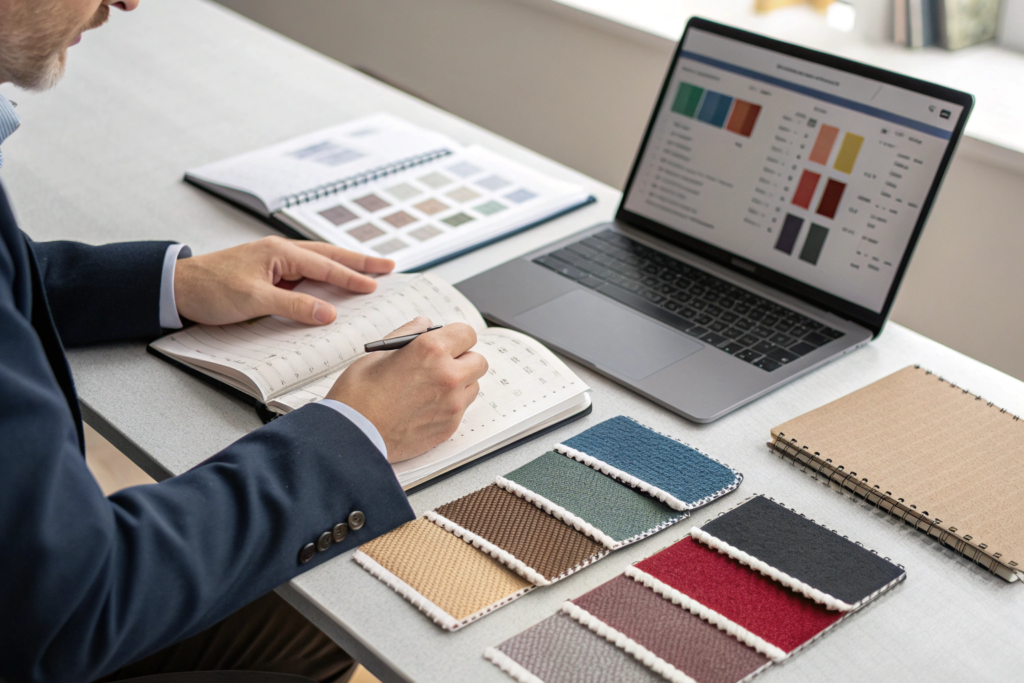
The next step is validation through sampling and testing. Never skip this phase. Insist on receiving bulk fabric swatches or full prototypes made from the exact material before approving mass production. Conduct or commission basic tests—a simple rub test, a pull on the seams, a water bead test. For critical items, invest in third-party lab testing against international standards. This due diligence is your insurance policy against large-scale failures and returns, protecting your brand’s reputation and bottom line.
What Technical Specifications Should Be in a Sourcing RFQ?
A comprehensive Request for Quotation (RFQ) is your blueprint. For durable weaves, include these key specifications:
- Fiber Content: Exact percentage (e.g., 100% Recycled Polyester).
- Weave Type: Be specific (e.g., 2×2 Basket Weave, Plain Weave 1×1).
- Fabric Weight: In grams per square meter (gsm) or ounces per square yard (oz/yd²).
- Thread Count: Often denoted as "T" (e.g., 210T, 400T). Higher usually means tighter.
- Yarn Denier: Thickness of the yarns used (e.g., 150D, 600D).
- Performance Finishes: List required finishes (e.g., C0 DWR, UPF 50+).
- Colorfastness Requirements: Specify testing standards for washing, rubbing, and light (e.g., AATCC Gray Scale rating).
- Physical Test Benchmarks: Reference standards for tear strength (ASTM D1424) and abrasion (ASTM D4966).
Providing this detail signals professionalism and helps manufacturers like us provide an accurate and competitive quote, streamlining the entire product development process. Understanding Harmonized System (HS) codes for your fabric can also aid in later customs clearance.
How to Implement Effective Quality Control for Weave Durability?
Quality control must be designed to verify durability claims. This goes beyond checking stitches. Implement a multi-stage QC protocol:
- Fabric Inspection (Pre-production): Inspect incoming fabric rolls for defects like weaving errors, holes, or inconsistent dyeing that could weaken the structure.
- In-Process Checks: During cutting and sewing, monitor for issues like misaligned patterns on directional weaves (like twill) which can affect strength and appearance.
- Finished Product Testing: Perform or request test reports on finished items. A simple field test for a scarf could be vigorously rubbing it against a rough surface for a minute and checking for pilling or fuzzing. For a bag, load it with weight and stress the straps and seams.
- Documentation Review: Ensure the manufacturer provides Mill Test Certificates (MTCs) for the fabric, verifying its composition and any finishes applied.
By building these checks into your timeline and budget, you move from hoping for quality to ensuring it. Partnering with a factory that has an experienced quality control team, like ours, means this system is already in place, offering you peace of mind and a reliable, high-yield production run.
Conclusion
Selecting the most durable weaves for outdoor fashion accessories is a strategic decision that directly impacts product lifespan, customer satisfaction, and brand integrity. The journey begins with understanding the core characteristics of abrasion resistance, tear strength, and stability, which are best delivered by tight, structured weaves like twill, dense plain weaves, and specialized constructions like ripstop. This knowledge must then be fused with the right material science—predominantly synthetic fibers like polyester and nylon, enhanced by performance finishes such as DWR.
Ultimately, durability is not discovered by chance but specified and verified through action. It requires clear technical communication with your manufacturing partner, rigorous sampling, and a quality control regimen that tests the promises made on paper. By mastering this blend of design, material science, and diligent sourcing, you can confidently offer accessories that are built to last, adventure after adventure.
If you are looking to develop a line of outdoor-proof scarves, hats, bags, or other accessories that stand the test of time and the elements, let’s combine your vision with our expertise in durable materials and construction. Contact our Business Director Elaine at Shanghai Fumao Clothing to discuss how we can bring resilience and style to your next collection. Reach out to Elaine at elaine@fumaoclothing.com to start a conversation about producing durable accessory orders with confidence.