Are you noticing a growing demand for accessories labeled "naturally dyed" and wondering if it’s a passing niche or a substantive shift? Do you question the real value behind using plant-based dyes over their reliable, vibrant synthetic counterparts? You’re observing a fundamental evolution in consumer consciousness and industry practice. The resurgence of natural dyes is not merely a nostalgic trend; it’s a multi-faceted movement driven by environmental urgency, consumer health awareness, and a deepening appreciation for artisanal, story-rich products.
Natural dyes, derived from plants, minerals, and insects, offer a compelling alternative to the petrochemical-based synthetic dye industry. Their traction is gaining because they address several critical pain points of modern fashion: toxic chemical pollution, resource depletion, and emotional disconnection from mass-produced goods. For accessory brands—dealing with scarves, bandanas, hats, and small leather goods—this presents an opportunity to differentiate with authenticity, sustainability, and unique aesthetics that cannot be replicated by machines alone.
This article will explore the powerful drivers behind this shift. We’ll examine the environmental and health imperatives pushing the change, the unique aesthetic and brand storytelling advantages, the challenges and innovations in scaling natural dyeing, and what this means for forward-thinking accessory brands and their sourcing strategies. Let’s uncover the true color of change.
What Are the Environmental and Health Drivers Behind the Shift?
The conventional synthetic dye industry is one of the largest polluters of clean water globally. It uses vast amounts of water, energy, and chemicals, many of which are toxic, non-biodegradable, and harmful to aquatic life and human health. Natural dyes present a fundamentally different ecological profile, which is increasingly valued by regulators, communities, and conscious consumers.
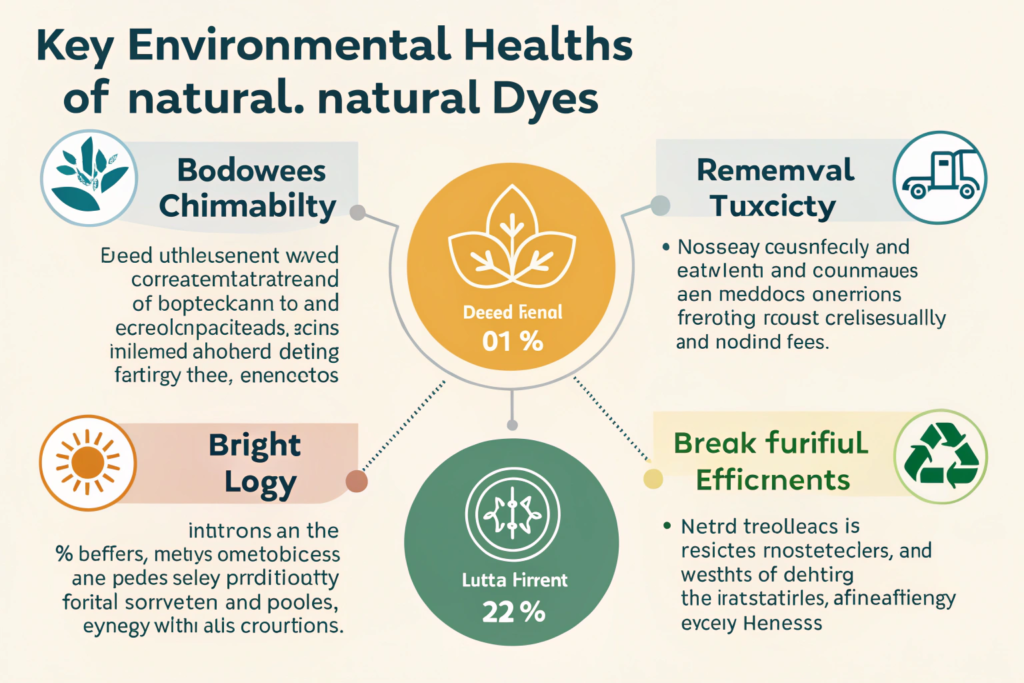
Key Environmental & Health Benefits:
- Biodegradability & Non-Toxicity: Natural dyes are derived from renewable biological sources. At the end of their life cycle, they break down without leaving persistent chemical pollutants or microplastics in waterways. The dye baths themselves are often less toxic.
- Reduced Chemical Load: The process eliminates the need for heavy metal mordants (like chromium and tin) often used in synthetic dyeing, though safe mineral mordants (alum, iron) are still used. This results in a final product with a lower chemical footprint, which is crucial for items worn close to the skin like scarves and headbands.
- Water & Energy Efficiency Potential: While natural dyeing can be water-intensive, closed-loop systems and rainwater harvesting are being implemented by pioneers. The lower temperature requirements for some dyes can also reduce energy consumption compared to high-heat synthetic processes.
This shift aligns with stringent regulations like EU REACH and brands’ own chemical management policies, reducing compliance risk. It’s a proactive move towards cleaner production, similar to the motivations behind sourcing sustainable fabrics.
How Do Natural Dyes Compare to Low-Impact Synthetic Dyes?
"Low-impact" synthetic dyes are an improvement, but they are still petroleum-derived and not inherently biodegradable. They address some toxicity issues but not the fundamental resource origin problem. Natural dyes offer a regenerative narrative: they can be grown, replenishing the source, and often utilize agricultural waste (avocado pits, onion skins). This creates a circular economy link that low-impact synthetics cannot match. For a brand, this provides a deeper, more holistic sustainability story.
Are Naturally Dyed Products Safer for Sensitive Skin?
Generally, yes. By avoiding harsh azo dyes, formaldehyde, and other irritants common in conventional dyeing, naturally dyed textiles are less likely to cause allergic reactions or skin irritation. This is a significant selling point for accessories like baby hats, headscarves, or items for consumers with eczema or chemical sensitivities. It’s a tangible health benefit that translates directly to customer well-being, much like the appeal of hypoallergenic materials in hair accessories.
What Unique Aesthetic and Brand Storytelling Advantages Do They Offer?
Beyond ethics, natural dyes deliver a compelling aesthetic and narrative that synthetic dyes cannot replicate. This is where the commercial "magic" happens for fashion brands. The colors produced are complex, subtle, and alive with variation.
The Aesthetic Appeal:
- Living, Non-Reproducible Colors: Natural dyes produce colors that change with the season, soil, and batch. A madder root dye from one harvest will differ slightly from the next. This creates beautiful, nuanced variations—soft ochres, deep indigos, muted pinks—that have a depth and "living" quality flat synthetic colors lack.
- Aging with Character: Naturally dyed fabrics often age gracefully, fading in a way that is often considered desirable, developing a patina rather than simply wearing out.
- Connection to Terroir: Like wine, natural dyes carry a sense of place (terroir). An indigo from a specific region, or dyes made from local plants, tell a geographical story.
The Brand Story Power:
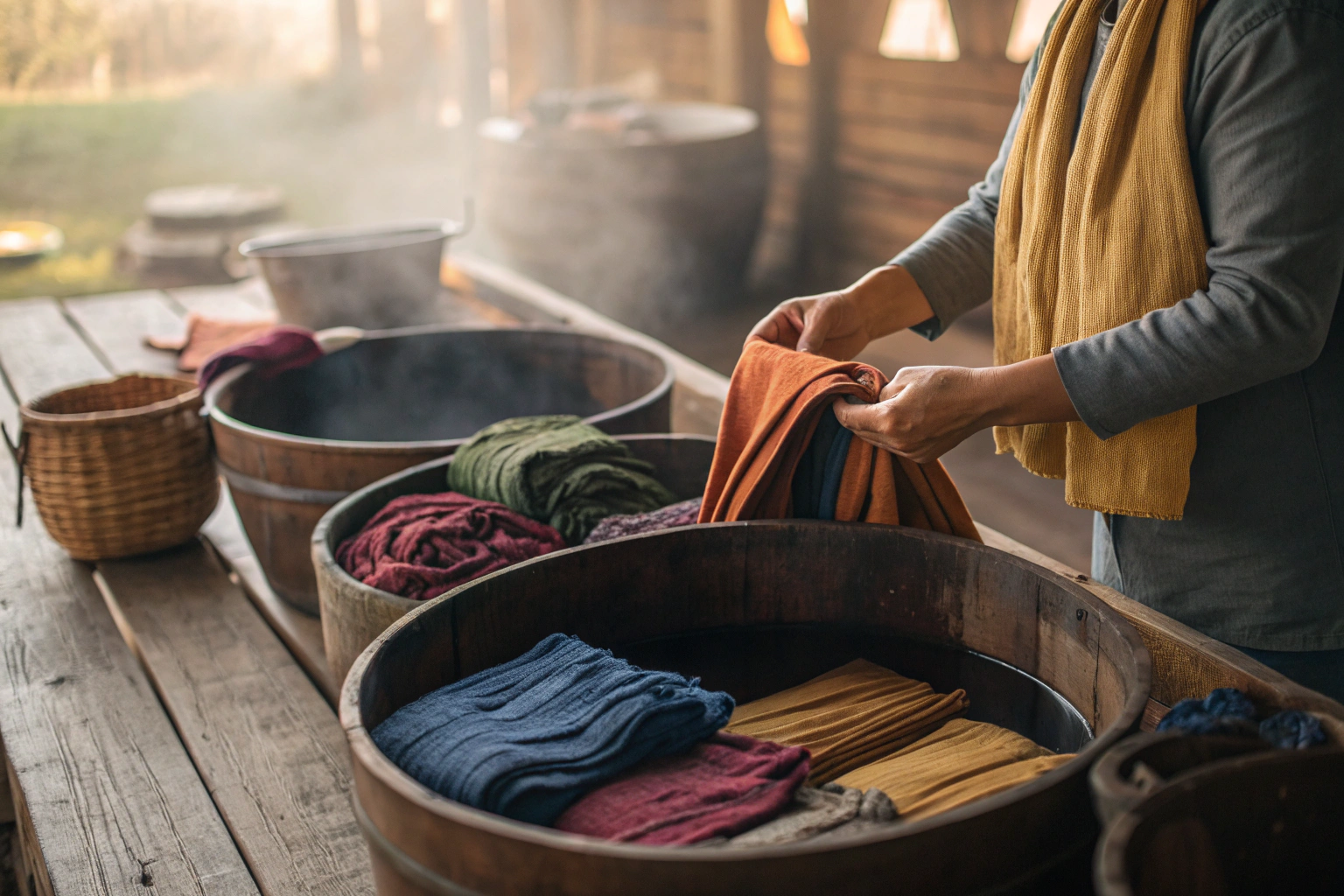
This process allows for powerful storytelling about artisan partnerships, preservation of craft, and a direct connection to nature. Brands can highlight the specific plants used, the artisans who dye the fabrics, and the cultural heritage of the techniques (e.g., Japanese aizome indigo dyeing). This transforms a product from a commodity into a cherished object with a soul, justifying a premium price point and building deep emotional loyalty.
Can Natural Dyes Achieve a Wide and Vibrant Color Range?
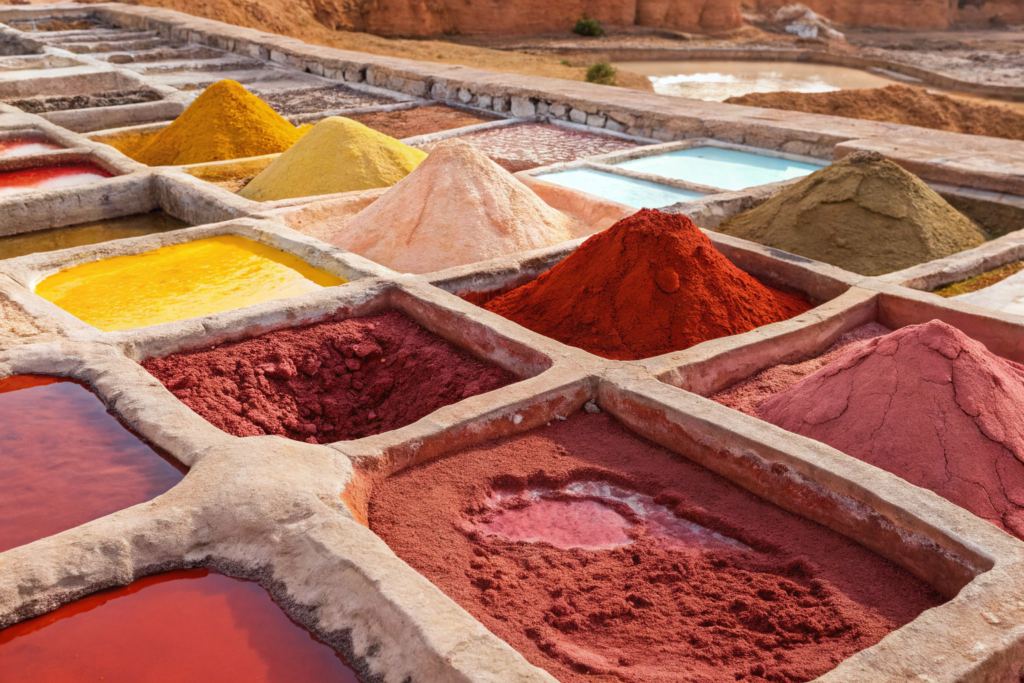
The historic palette of natural dyes is vast and can be surprisingly vibrant. While they may not replicate the neon brightness of some synthetics, they offer a rich spectrum:
- Reds & Pinks: Madder root, cochineal insect, lac.
- Blues: Indigo (from the indigo plant), woad.
- Yellows & Oranges: Turmeric, weld, marigold, pomegranate.
- Browns & Blacks: Walnut hulls, oak galls, cutch.
Through over-dyeing and the use of different mordants, an incredible range of shades can be achieved from a single dye plant. This opens up creative possibilities for unique, small-batch collections.
How Does This "Story" Translate to Marketing and Customer Loyalty?
In an era of greenwashing, natural dyeing is a tangible, demonstrable commitment. Brands can document the process through video, share stories of the dye masters, and even offer dye garden tours or workshops. This transparency builds immense trust. Customers buying a naturally dyed scarf aren’t just buying warmth; they’re buying into a narrative of care, tradition, and environmental stewardship. This fosters a community of advocates, not just consumers. It’s a level of engagement that goes beyond standard product storytelling.
What Are the Challenges and Innovations in Scaling Production?
The adoption of natural dyes is not without significant hurdles, especially for large-scale fashion production. The key challenges are cost, consistency, colorfastness, and supply chain complexity. However, innovation is rapidly addressing these issues.
Primary Challenges:
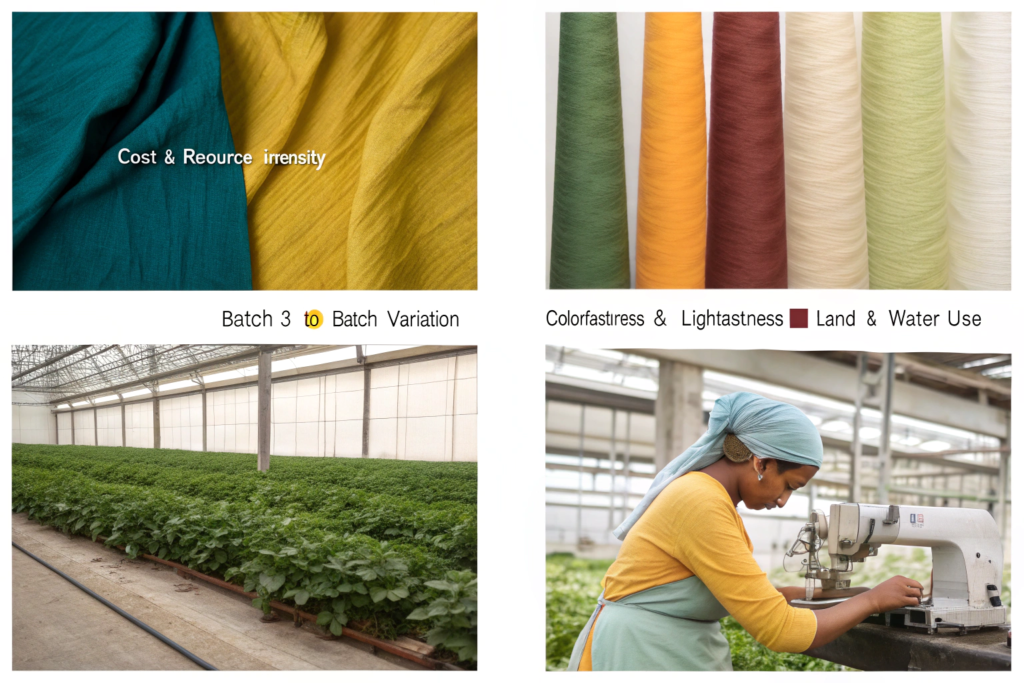
- Cost & Resource Intensity: Natural dyes are often more expensive per kilogram than synthetics, and the dyeing process can be more labor and time-intensive.
- Batch-to-Batch Variation: Achieving perfect color consistency across large orders is difficult, as the raw material (plants) varies.
- Colorfastness & Lightfastness: Some natural dyes can fade faster than high-quality synthetics, though proper mordanting and after-treatments can greatly improve this.
- Land & Water Use: Scaling plant cultivation for dye requires agricultural land and water resources.
Innovations Overcoming Barriers:
- Agricultural Partnerships: Brands are partnering directly with farmers to grow dye plants as regenerative crops, improving soil health and securing a traceable supply.
- Bio-Refinement & Standardization: Companies are developing refined natural dye extracts that offer more consistent strength and color, making them easier for larger mills to use.
- Digital Color Matching: Advanced software is helping artisans and factories predict and replicate shades by accounting for variables in the dye bath.
- Waste-to-Dye Initiatives: Using food and agricultural waste (avocado pits, almond shells, used tea leaves) as dye sources creates a circular model and reduces raw material cost.
Is It Possible to Produce Consistent Bulk Orders with Natural Dyes?
Yes, but it requires a different mindset and process. Instead of demanding exact color matching, brands embracing natural dyes often adopt a "color story" or "palette range" approach for a collection. They define a core color (e.g., "madder rose") and accept the beautiful tonal variations within that range across different production batches. For accessories, this can be a feature, not a bug—each scarf becomes a unique piece. For larger runs, working with specialists who use refined extracts and controlled processes can achieve remarkable consistency.
How Does the Supply Chain for Natural Dyes Differ?
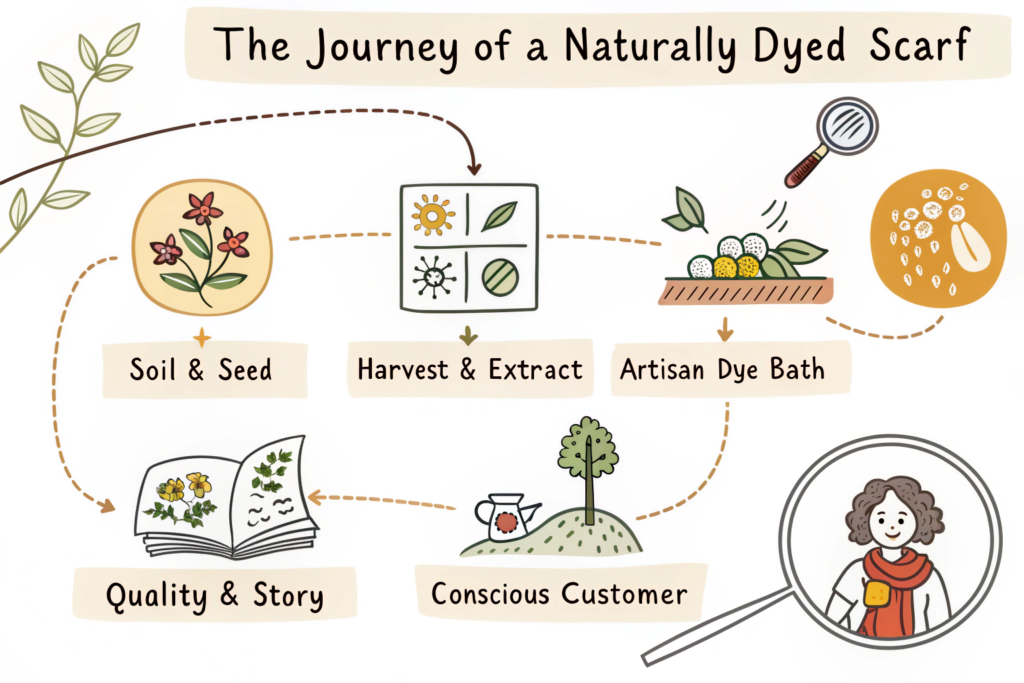
It’s more complex and requires deeper partnerships. The supply chain isn’t just factory-to-brand; it’s farm (or forager) -> dye processor -> textile mill -> brand. This requires traceability and ethical sourcing at every step. Brands must vet not just the factory, but the dye supplier’s practices. This vertically integrated approach, while challenging, results in unparalleled supply chain transparency—a major asset in today’s market. It’s a level of diligence that exceeds even vetting a standard accessory factory.
What Does This Mean for Accessory Brands and Sourcing Strategies?
For accessory brands, natural dyes offer a powerful point of differentiation in a crowded market. Implementing them requires a strategic shift in sourcing, costing, and communication.
Strategic Implications:
- Target the Conscious Luxury Segment: Naturally dyed accessories naturally command a higher price point. Position them in the premium, slow-fashion segment where customers value craftsmanship and story.
- Start Small and Artisanal: Begin with capsule collections or limited editions. Partner with small artisan collectives or specialized dye houses to manage risk and learn the process.
- Integrate with Other Sustainable Practices: Combine natural dyes with GOTS-certified organic fabrics and eco-friendly packaging for a fully cohesive sustainability narrative.
- Educate Your Team and Customers: Sales staff and marketing materials must be able to eloquently explain the "why" behind the higher cost and subtle variations.
Sourcing Action Plan:
- Identify Specialized Partners: Look for manufacturers or fabric mills that explicitly advertise natural dye capabilities. Attend sustainable textile fairs like Première Vision’s Smart Creation area.
- Request Full Documentation: Ask for details on dye plant sources, mordants used, and test reports for colorfastness (to washing and light) to ensure quality.
- Visit the Dye Unit: If possible, audit the dyeing facility to understand their process, waste management, and working conditions.
- Build it into Your Tech Pack: Specify the exact dye source and desired color effect in your technical package, understanding there will be a tolerance for variation.
Can Natural Dyeing Be Applied to All Accessory Materials?
The technique is most associated with natural fibers like cotton, linen, silk, wool, and hemp, which bond well with natural dyes. For leather, natural tanning and dyeing processes (using vegetable tannins) are also a historic and sustainable practice. It is not typically applicable to synthetic fibers like polyester or nylon, as they require different dye chemistry. This reinforces the natural synergy between natural dyes and a natural fiber-based product strategy.
What is the Future Outlook for Natural Dyes in Industry?
The trajectory is toward mainstream integration through innovation. We will see more hybrid models: large mills adopting bio-refined natural dyes for consistency, more brands investing in "farm-to-closet" verticals, and continued technological advancements to improve performance and lower cost. It will likely remain a premium segment, but its influence will push the entire industry toward cleaner chemistry and greater transparency.
Conclusion
Natural dyes are gaining serious traction because they answer the modern demand for fashion that is environmentally responsible, safe for health, and rich in authentic story. They move sustainability from a reduction of harm to a regenerative practice, creating products with unique beauty and soul.
For accessory brands, embracing natural dyes is a strategic decision to lead rather than follow, to cultivate depth in a world of surface-level trends. While challenges in scaling and consistency exist, they are being met with innovation, and the market rewards the authenticity and quality they represent.
Intrigued by the potential of naturally dyed accessories for your brand? At Shanghai Fumao Clothing, we are connected to a network of specialized artisan dye houses and mills working with advanced natural dye extracts. We can help you navigate the development of a beautiful, story-driven, and commercially viable naturally dyed collection. Contact our Business Director Elaine at elaine@fumaoclothing.com to explore adding this profound dimension to your line.