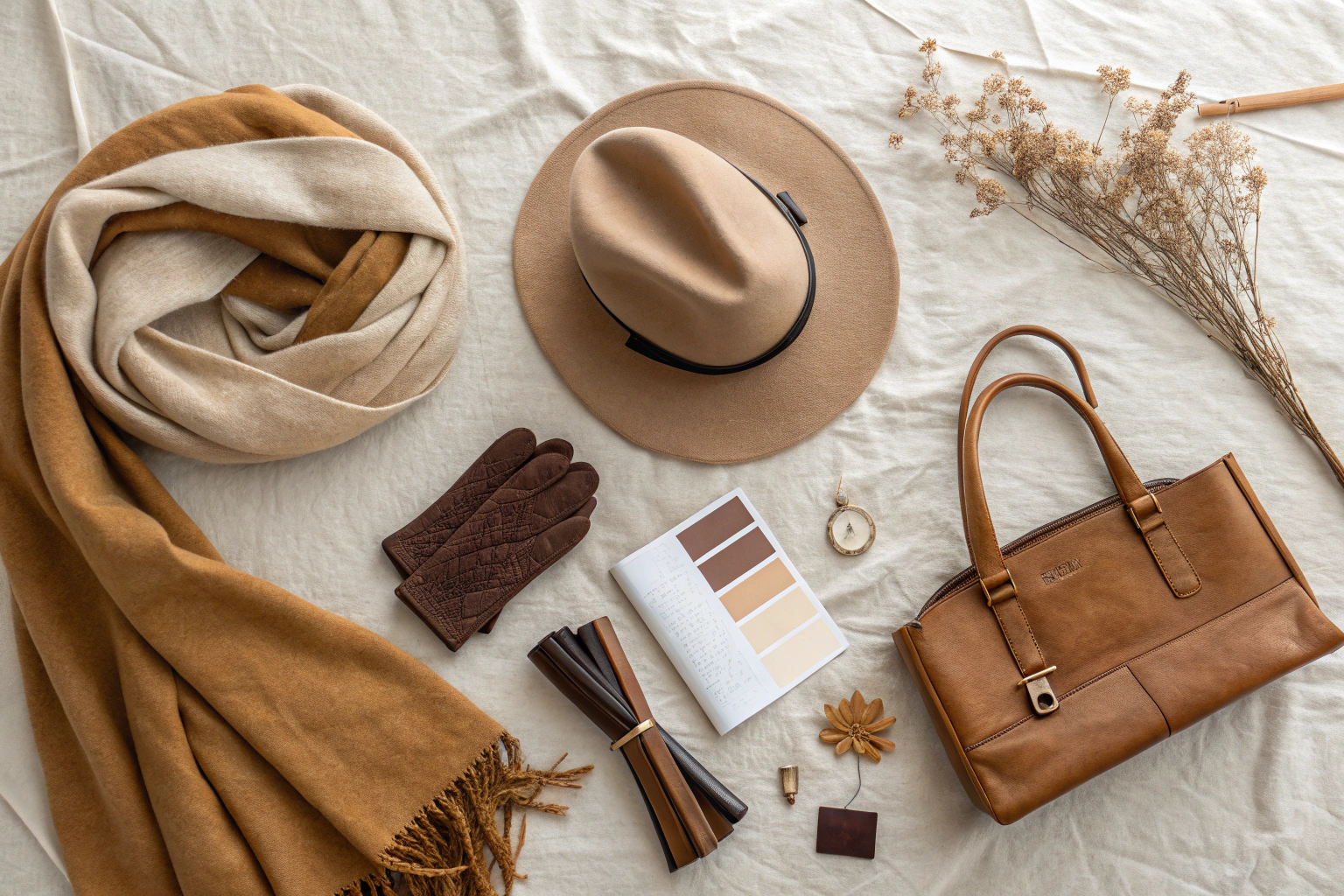
Are you looking to launch a tightly curated accessory line that tells a clear brand story and encourages multiple purchases? Do you struggle with how to make different items—scarves, hats, bags—feel like a unified family rather than random products? You’re tackling the strategic challenge of collection building. A successful capsule collection is more than a group of products; it’s a deliberate system where each piece reinforces the others through shared design language, materiality, and color, creating a versatile wardrobe for your customer.
The key is to start with a strong, singular Creative Concept and use it to drive every decision on Color, Material, and Form (CMF). This creates a visual and tactile thread that binds the collection together. The goal is to offer mix-and-match versatility that simplifies the customer’s choice while maximizing their outfit combinations. A well-designed capsule collection drives higher average order value, strengthens brand identity, and streamlines your production and inventory planning.
This guide provides a step-by-step framework. We’ll cover how to define a compelling core concept, build a cohesive color and material palette, design complementary forms and silhouettes across categories, and finally, plan the production and marketing to launch your collection as a complete story. Let’s build a collection that customers want to collect.
How to Define the Core Concept for Your Capsule Collection?
Every iconic collection starts with a clear, inspiring idea. This concept is the "why" behind the collection—it could be a mood ("Alpine Serenity"), a material story ("Regenerated Ocean Plastics"), a cultural reference ("Mid-Century Geometry"), or a functional need ("Urban Commuter Toolkit"). This concept becomes your North Star, ensuring every design choice feels intentional and connected.
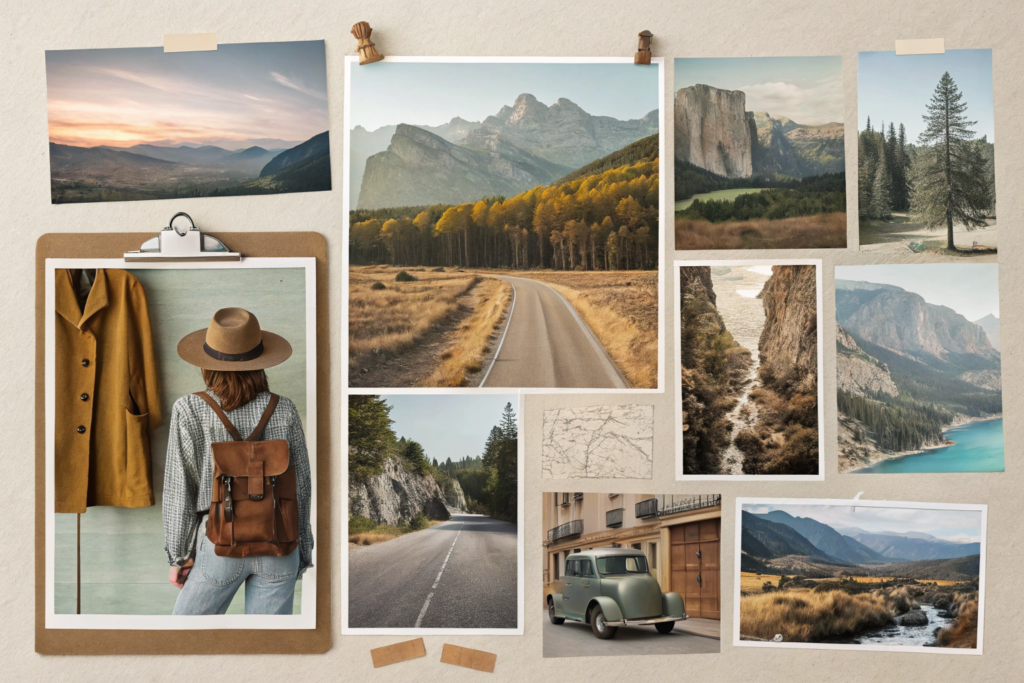
Begin by creating a Mood Board. This is a visual collage (using tools like Pinterest or a physical board) that captures the essence of your concept. Include images of landscapes, textures, artwork, vintage objects, and fashion that evoke the desired feeling. From this board, extract 3-5 key adjectives that describe the collection’s personality (e.g., "structured, earthy, resilient"). This foundational work ensures that when you, your designer, and your manufacturer discuss the collection, everyone is aligned on the same vision. A partner like Shanghai Fumao Clothing can provide valuable early input on translating your concept into producible designs.
What Makes a Compelling and Marketable Collection Theme?
A strong theme balances aspiration with commercial viability. It should be specific enough to be ownable but broad enough to allow for variety within the collection. For example:
- "Coastal Laboratory": Focuses on technical fabrics (like windproof nylons), marine-inspired blues and whites, and functional details (adjustable straps, waterproof zippers). It’s more specific than just "beachy."
- "Artisan Bakery": Evokes warmth with natural materials (linen, unbleached cotton, leather), soft rounded shapes, and a palette of cream, wheat, and caramel.
The theme should also align with your brand’s overall identity and your target customer’s lifestyle. It’s not just what you want to make; it’s what your customer wants to be part of.
How to Use a Mood Board to Guide Material and Color Selection?
Your mood board is a treasure trove of tangible references. Look for recurring textures (rough stone, polished wood, knitted wool), patterns (subtle stripes, organic marbling), and color harmonies. Physically pull swatches of fabrics, threads, and trims that match these textures. A color found in a landscape photo can be matched to a Pantone TCX textile color. This process transforms abstract inspiration into concrete specifications for your Tech Pack, ensuring the factory has precise targets for material sourcing and color matching, a principle as critical as specifying fabric for windproof accessories.
How to Build a Cohesive Color and Material Palette?
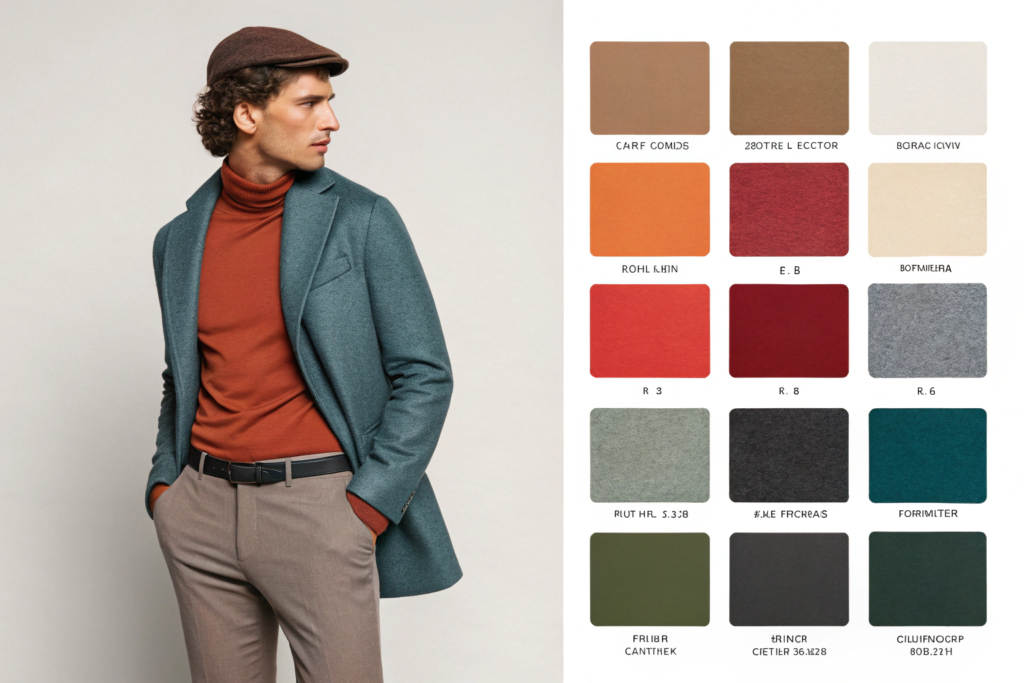
Color and material are the most powerful tools for creating cohesion. A capsule collection should revolve around a tight, disciplined palette—typically 1-2 core colors, 2-3 secondary/neutral colors, and 1 accent color. These colors should be applied across different items using a strategic logic.
The Palette Strategy:
- Core Color(s): The hero shade(s) that defines the collection. It might appear as the main color of a scarf, the lining of a bag, or the webbing of a belt.
- Neutral Base(s): Colors like black, white, cream, navy, or charcoal that ground the collection and provide versatility. These often form the base of key items.
- Accent Color: A pop of contrasting or complementary color used sparingly—on a label, a stitch detail, or as a small component like a hair clip.
Material Harmony: Similarly, select a primary material (e.g., brushed wool) and 1-2 complementary materials (e.g., smooth leather accents, matte metal hardware). Using the same materials across different products creates a tangible family feel.
What is a "Color Application Matrix" and How Do You Create One?
| A Color Application Matrix is a simple chart that ensures visual balance and prevents items from clashing. List your products down the side (Scarf, Beanie, Tote, Gloves) and your palette colors across the top. Then, fill in which color is used as the dominant, secondary, and accent on each product. For example: | Product | Core Color (Clay) | Neutral (Oatmeal) | Accent (Rust) |
|---|---|---|---|---|
| Scarf | Dominant Fabric | – | Contrasting Fringe | |
| Beanie | – | Dominant Knit | Pom-Pom in Accent | |
| Tote Bag | Lining | Dominant Body | Strap Trim |
This ensures the collection looks coordinated but not monotonous when displayed together.
How to Ensure Material Consistency Across Suppliers and Batches?
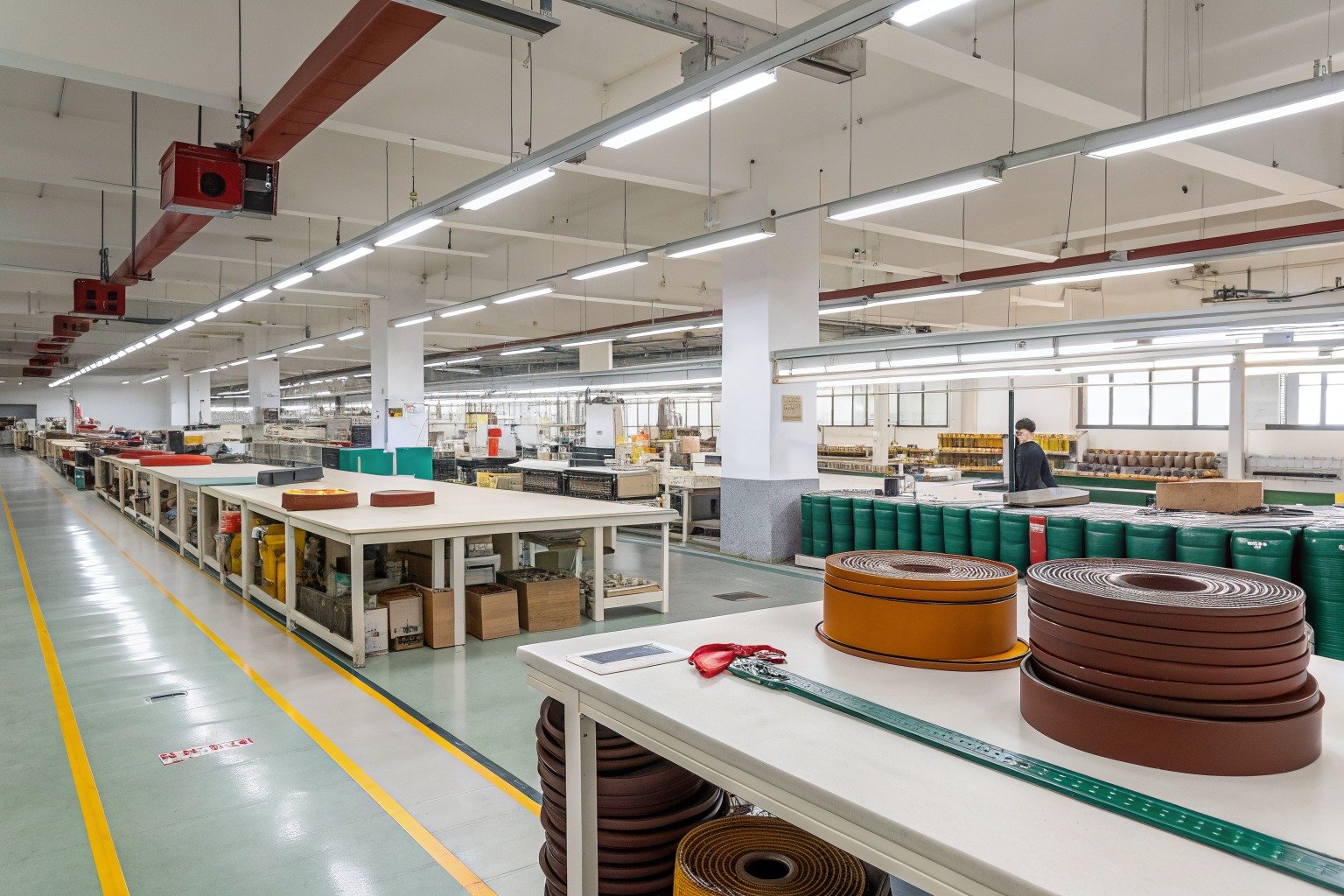
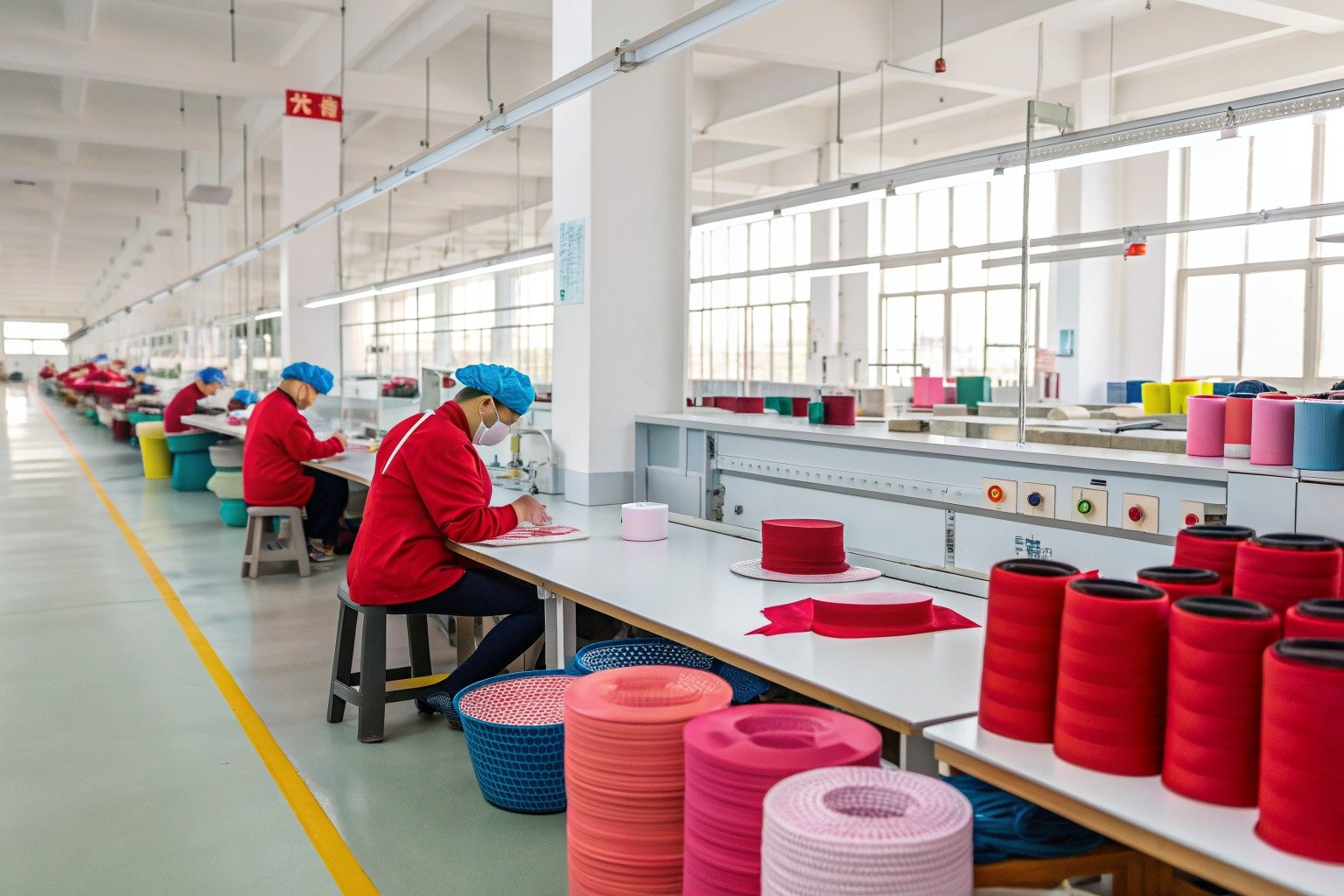
This is a production challenge. If using a special fabric or leather, order all the material for the entire collection at once from the same dye lot to guarantee perfect color matching. Specify the exact material codes and Pantone references in every individual product tech pack. Work with a manufacturer who can manage production of all items in the collection concurrently or in close sequence to maintain this consistency. This level of coordination prevents the scarf being a different shade of blue than the hat, safeguarding the cohesive look you’ve designed.
How to Design Complementary Forms and Silhouettes?
Cohesion extends beyond color to shape and detail. A shared design language in the forms, hardware, and finishing touches makes items feel like siblings. This doesn’t mean everything looks the same, but that they speak the same visual dialect.
Establish design principles from your concept. If your theme is "Modern Architecture," your principles might be: clean lines, geometric shapes, modularity. These principles then manifest in:
- A rectangular scarf with a bold graphic border.
- A structured bucket hat with a flat crown and sharp brim.
- A trapezoid-shaped crossbody bag with angular gussets.
- Square-ended leather belts with geometric buckles.
Furthermore, standardize details: use the same custom-developed buckle on the belt and bag strap; use the same contrast stitching color on all leather goods; repeat a signature pattern (like a stripe width) across woven and printed items.
How to Balance Repetition and Variety in Design?
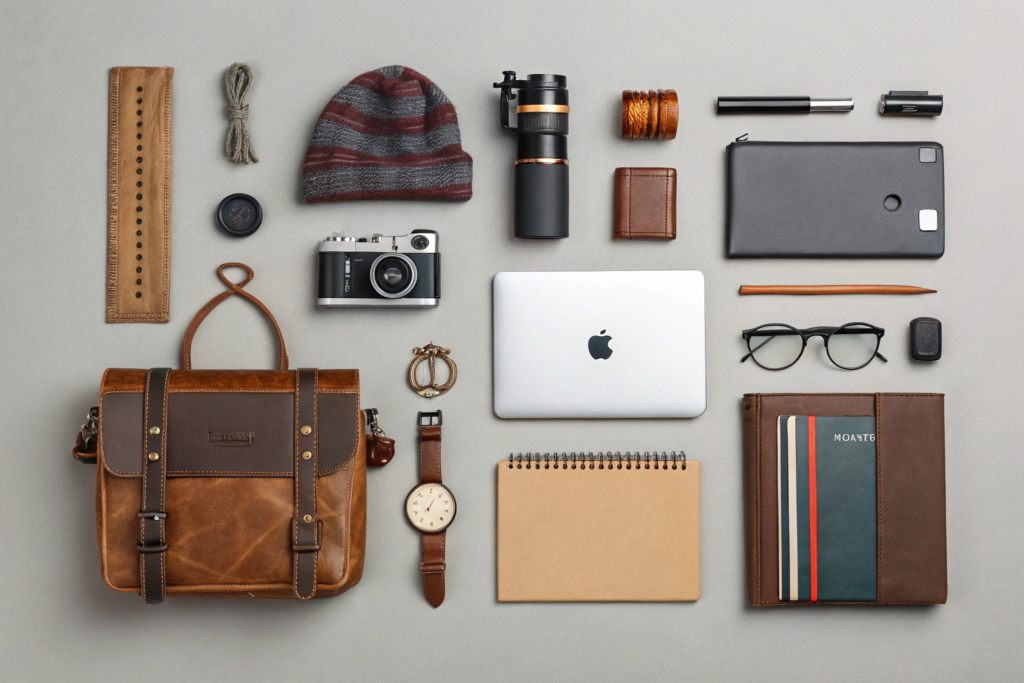
The goal is "same but different." Use the "Rule of Three" for key elements: repeat a signature shape, a hardware finish, or a trim in at least three different products. For variety, play with scale and proportion—a large geometric pattern on a scarf can become a tiny embossed detail on a hair clip. Also, vary the product categories to offer true versatility: include items for the head, neck, hands, and waist. This approach ensures the collection is visually linked but each item has its own reason to exist and be purchased.
What Role Does Packaging Play in Unifying the Collection?
Packaging is the final, critical touchpoint. Design packaging that reflects the collection’s concept and color palette. Use custom tissue paper, stickers, or tags in your accent color or with your collection’s logo/motif. Consider offering a "Collection Box" that holds a curated set (e.g., scarf and gloves). Consistent, thoughtful packaging elevates the unboxing experience and reinforces the curated, special nature of the capsule collection. This mirrors the importance of a unified brand experience in sustainable packaging.
How to Plan Production and Launch Your Capsule Collection?
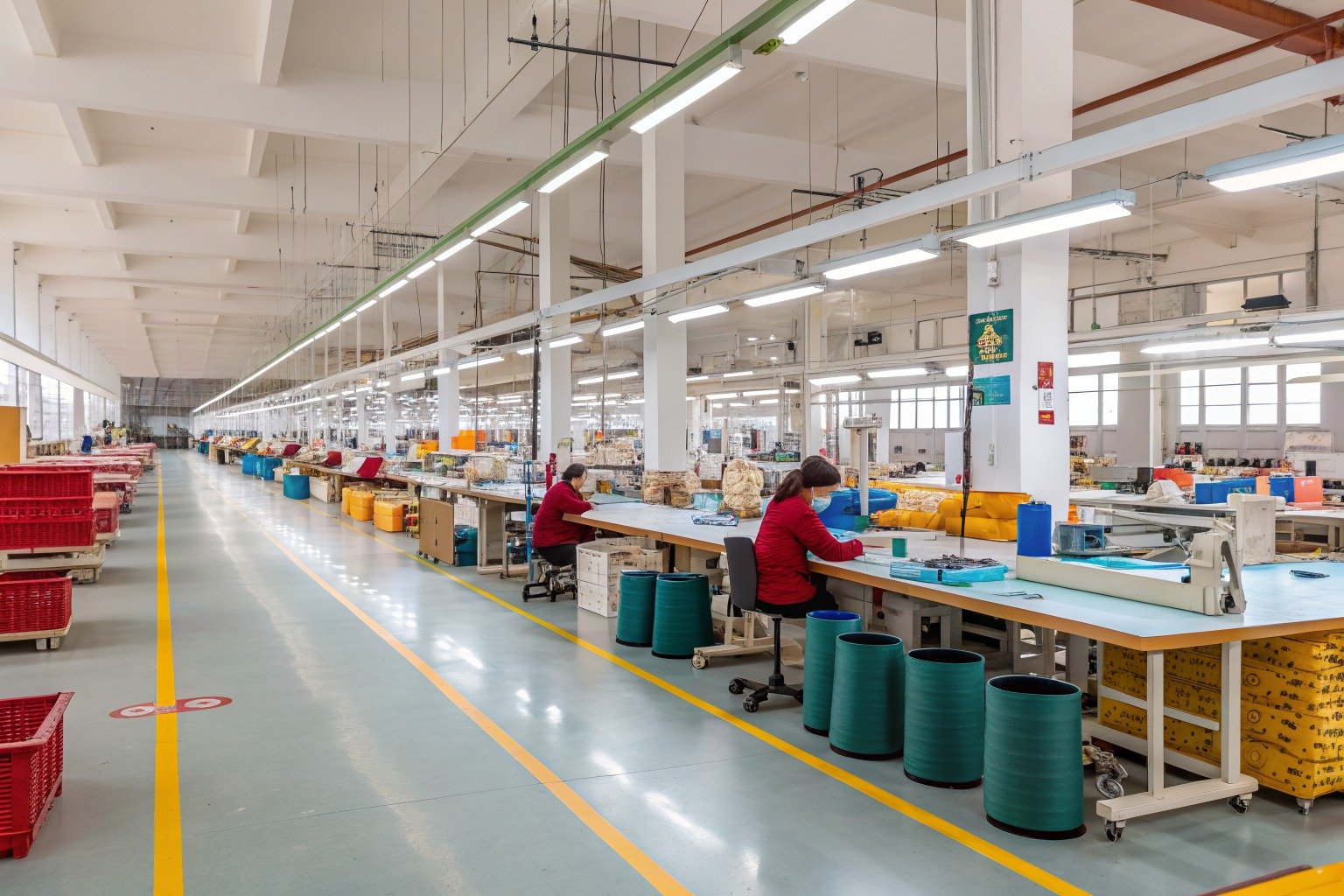
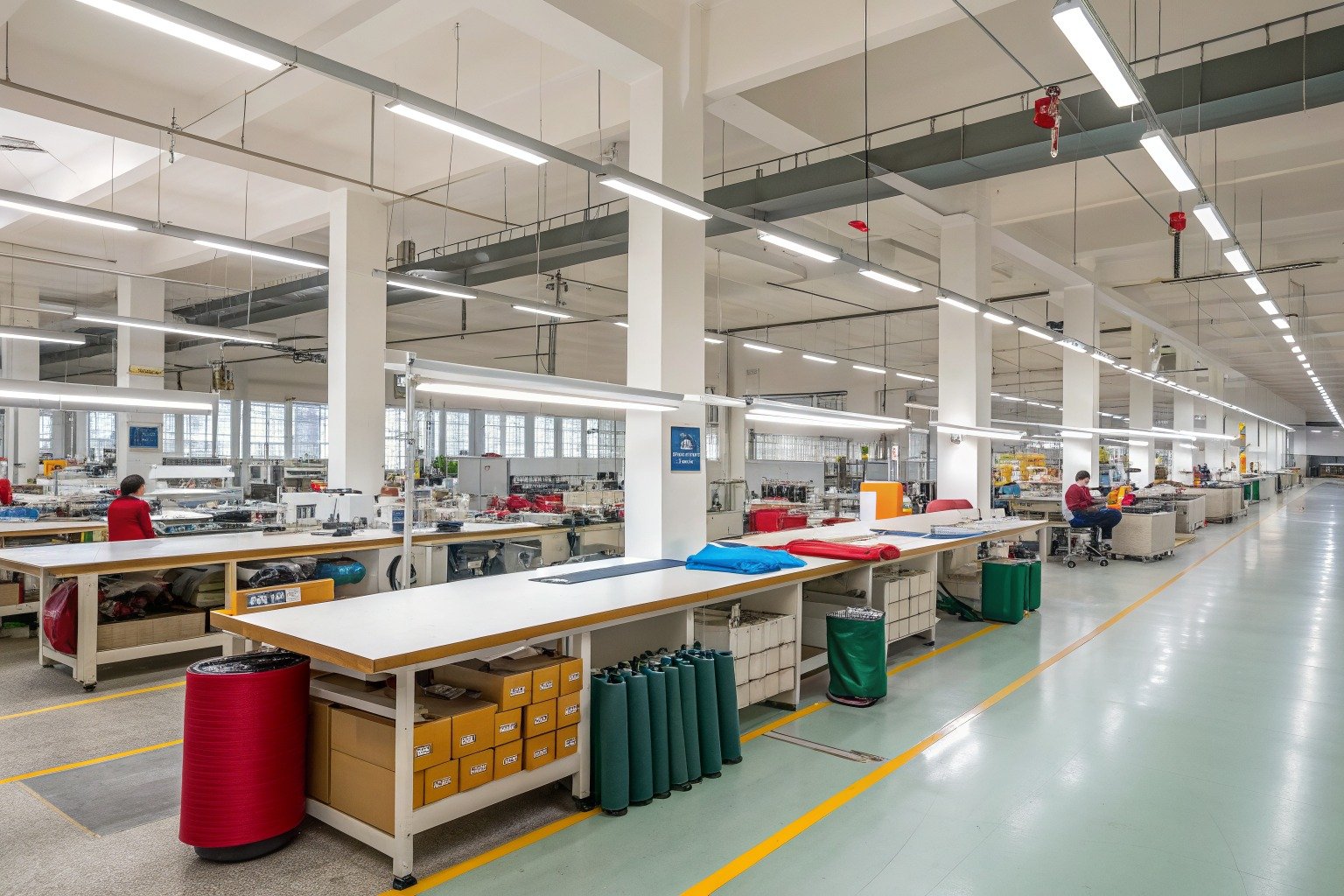
A capsule collection requires synchronized planning. You need to develop, sample, produce, and launch all items together to tell the complete story. This demands excellent project management and a reliable manufacturing partner.
Create a Unified Production Timeline:
- Phase 1 – Concept & Design: Finalize all products, tech packs, and material sourcing.
- Phase 2 – Sampling: Develop first samples for all items simultaneously. This allows you to see and adjust the collection as a whole.
- Phase 3 – Production: Schedule production so all items finish within a close timeframe, ensuring a coordinated launch.
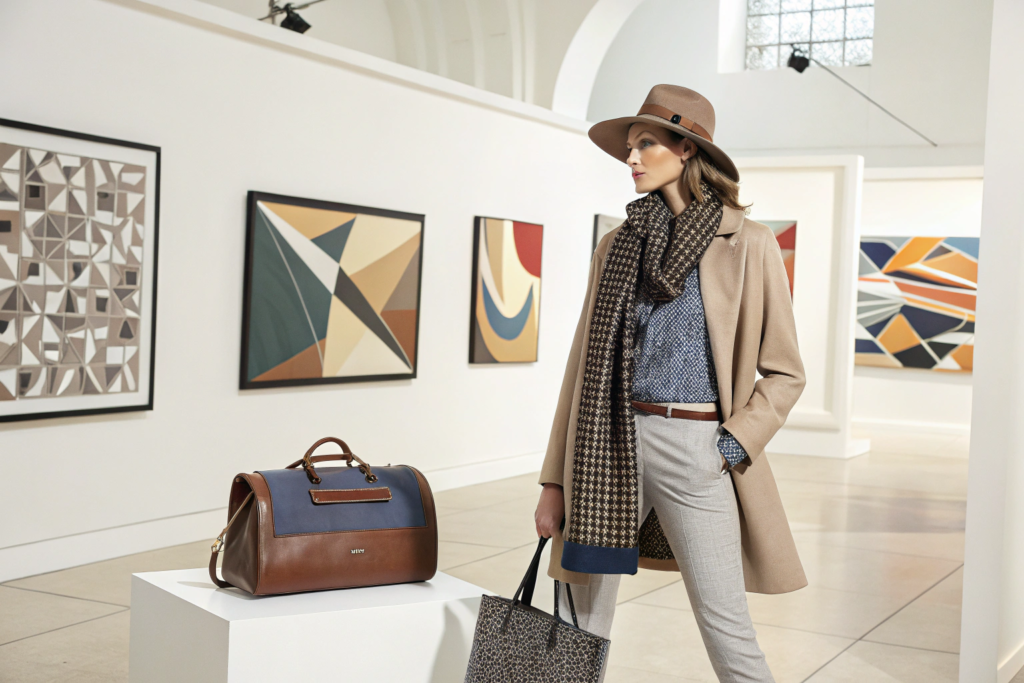
- Phase 4 – Photography & Marketing: Shoot all products together in styled looks that showcase their mix-and-match potential.
Marketing the Story: Your launch campaign should educate customers on the capsule concept. Create content like "Lookbooks" showing how to style the pieces together, "Behind the Design" videos explaining your inspiration, and "Collection Guide" blog posts. Highlight the versatility and intentionality behind the collection.
How to Price and Bundle Items in a Capsule Collection?
Pricing should reflect the curated value. Consider a tiered pricing strategy:
- Individual Item Price: Accessible for first-time buyers.
- "Duo" or "Trio" Bundle Price: Offer a small discount (e.g., 10-15%) for purchasing a pre-curated set (e.g., Scarf & Hat). This increases average order value and helps customers style the pieces.
- "Complete Collection" Price: A larger bundle containing one of every item, at the most attractive discount.
This strategy encourages customers to build their own "capsule" from your collection.
What are Common Pitfalls to Avoid When Creating a Capsule?
- Lack of Discipline: Adding "just one more" color or product that doesn’t fit the core concept. Stay focused.
- Inconsistent Quality: If one item feels cheap or poorly made, it devalues the entire collection. Maintain high quality standards across all products.
- Poor Launch Timing: Releasing items piecemeal dilutes the impact. Launch the full collection together to make a statement.
- Ignoring Production Realities: Not accounting for different lead times for different materials (e.g., leather vs. knit). Plan with your manufacturer to synchronize deliveries.
Conclusion
Creating a capsule collection of matching accessories is a rewarding exercise in focused creativity and strategic planning. By anchoring your work in a strong core concept, developing a disciplined color and material palette, designing with a shared visual language, and executing a synchronized production and launch plan, you build more than just products—you build a compelling, covetable world for your customer.
This approach not only strengthens your brand identity but also drives commercial success through higher engagement and increased sales. A well-executed capsule collection tells a story customers want to be part of.
Ready to bring your cohesive capsule vision to life? At Shanghai Fumao Clothing, we specialize in managing the end-to-end development of coordinated collections, from concept and material sourcing through synchronized sampling and production. Contact our Business Director Elaine at elaine@fumaoclothing.com to start crafting your signature capsule.