Are you struggling to choose the right materials for your summer accessory line? Do your customers complain about scratchy scarves or sweaty hat bands when temperatures rise? You’re facing a common seasonal challenge where material choice makes or breaks both comfort and sales. The wrong fabric can turn a stylish summer item into an uncomfortable burden, leading to returns and damaged brand loyalty.
The answer lies in returning to nature’s own solutions. Natural fibers like cotton, linen, silk, and straw are not just traditional choices; they are scientifically and functionally superior for warm-weather wear. They offer a unique combination of breathability, moisture management, and skin-friendly properties that synthetic materials often struggle to match. For brands and retailers, this translates to accessories that customers genuinely enjoy wearing, enhancing satisfaction and repeat purchases.
This article will explore the compelling reasons behind this preference. We’ll examine how natural fibers regulate temperature and comfort, why they are gentle on sensitive skin, how their aesthetic aligns with seasonal trends, and their growing appeal in the context of sustainability. Understanding these advantages will help you make informed sourcing decisions that elevate your summer collection.
How Do Natural Fibers Enhance Breathability and Temperature Regulation?
The primary reason natural fibers dominate summer collections is their innate ability to manage heat and moisture. Unlike many synthetic fabrics which can trap heat and sweat against the skin, natural fibers are porous. They allow air to circulate freely through the fabric’s structure, creating a cooling microclimate. This process of thermoregulation is crucial for comfort.
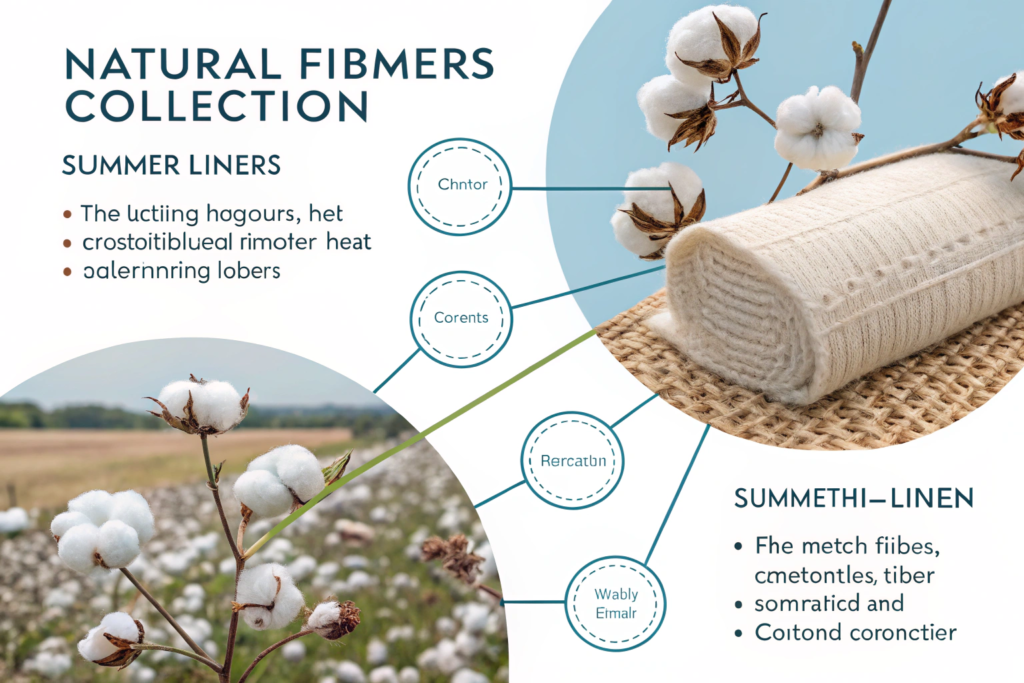
Consider linen, made from flax plant fibers. It is highly absorbent and wicks moisture away from the body rapidly, then allows it to evaporate quickly. This keeps the wearer feeling dry and cool. Similarly, cotton is breathable and absorbent, making it ideal for items like headbands or lightweight scarves that sit close to the skin. Straw for hats isn’t a textile fiber per se, but its woven, open structure provides unmatched ventilation and sun protection. This functional superiority directly addresses the core need for comfort in summer accessories.
What Makes Linen and Cotton Uniquely Breathable?
The breathability of linen and cotton stems from their physical structure. Under a microscope, linen fibers are hollow and polygonal, creating natural channels for air and moisture flow. Cotton fibers are soft, porous, and can absorb up to 27 times their weight in moisture without feeling damp. When woven into fabrics, these properties translate to excellent air permeability. A tightly woven synthetic polyester might have a permeability rating of 5-10 cm³/cm²/s, while a standard cotton weave can exceed 50. This is why a linen scarf feels cool to the touch and a cotton bandana remains comfortable during activity. For manufacturers like Shanghai Fumao Clothing, selecting the right weave density (like a loose gauze or a crisp poplin) is key to maximizing these inherent properties for accessory design.
How Does Moisture-Wicking Prevent Discomfort in Summer Items?
Moisture-wicking is the fabric’s ability to pull sweat (liquid moisture) away from the skin and disperse it across the surface for evaporation. Natural fibers excel at absorption. When you perspire, cotton or linen absorbs the sweat, preventing that clammy, sticky feeling. While some high-tech synthetics are engineered to wick, they often do so by moving moisture along synthetic fibers, which can feel less natural against the skin and may retain odor. The natural absorption of plant-based fibers, combined with breathability, provides a more holistic comfort experience. This is particularly important for accessories like hat linings, headbands, or scarf layers that are in direct, prolonged contact with the skin.
Why Are Natural Fibers Gentler for Sensitive Skin and Allergies?
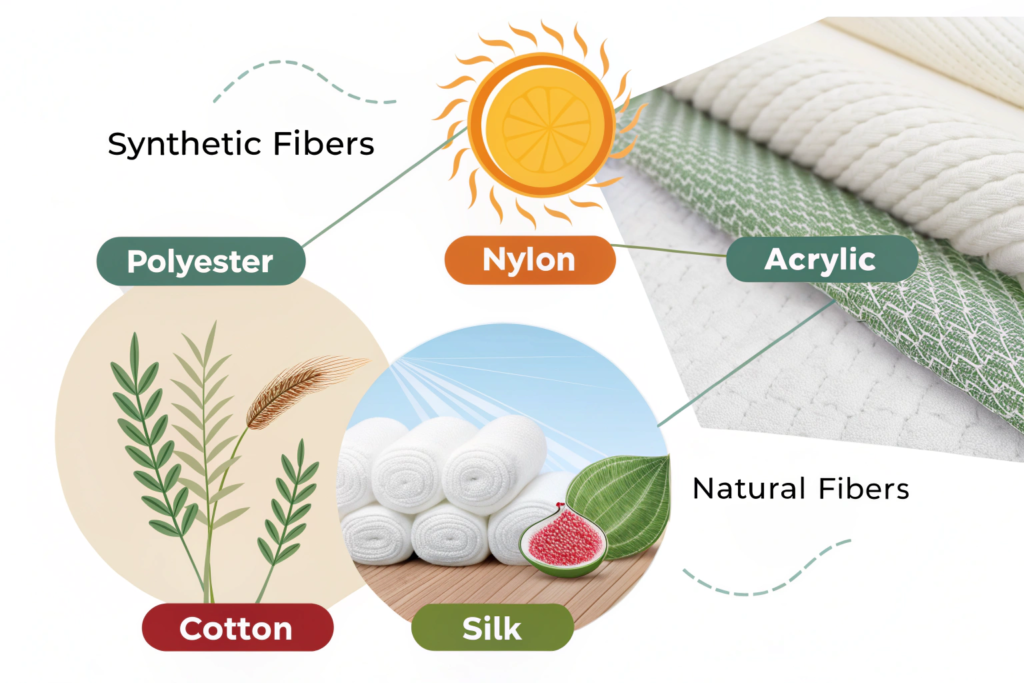
Summer heat often exacerbates skin sensitivity. Synthetic fibers like polyester, nylon, or acrylic can be irritating for two main reasons: they are less breathable (trapping heat and sweat that can cause rashes), and they are often derived from petrochemicals, which some individuals react to. Natural fibers, being plant-based or protein-based (like silk), are generally more biocompatible.
Cotton and linen are famously hypoallergenic and non-irritating. They are less likely to cause chafing or allergic reactions, making them safe for even baby accessories. Silk, a natural protein fiber, is smooth and contains sericin, which can have anti-inflammatory properties. For a growing market of consumers with eczema or sensitive skin, accessories made from natural materials are not just a preference but a necessity. Offering products that cater to this need expands your brand’s reach and builds trust.
Can Natural Fibers Reduce Skin Irritation and Heat Rash?
Yes, significantly. Heat rash (prickly heat) occurs when sweat ducts are blocked and sweat is trapped under the skin. Breathable, absorbent natural fibers help prevent this by allowing sweat to evaporate efficiently, keeping the skin surface drier. Furthermore, the smooth, non-abrasive texture of high-quality long-staple cotton or silky linen reduces friction against the skin, preventing chafing that can occur with rougher synthetic blends. For items like sunglasses bands, sweatband linings inside caps, or scarves worn against the neck, this skin-friendly quality is a major selling point that aligns with a wellness-focused lifestyle.
Are There Specific Natural Fibers Best for Allergy-Prone Customers?
For the most allergy-conscious customers, organic cotton and linen are top choices. Organic certification (like GOTS – Global Organic Textile Standard) ensures the fibers are grown without synthetic pesticides or fertilizers, reducing the chemical residue that can sometimes trigger reactions. Silk is also an excellent option due to its natural smoothness and hypoallergenic properties. When sourcing, it’s important to inquire about the dyeing and finishing processes as well. Low-impact, AZO-free dyes and softeners used on natural fibers further minimize potential irritants. Transparency about these material choices can be a powerful part of your product story and marketing, similar to how clarity in sampling processes builds business trust.
How Do Aesthetics and Durability Align with Summer Fashion?
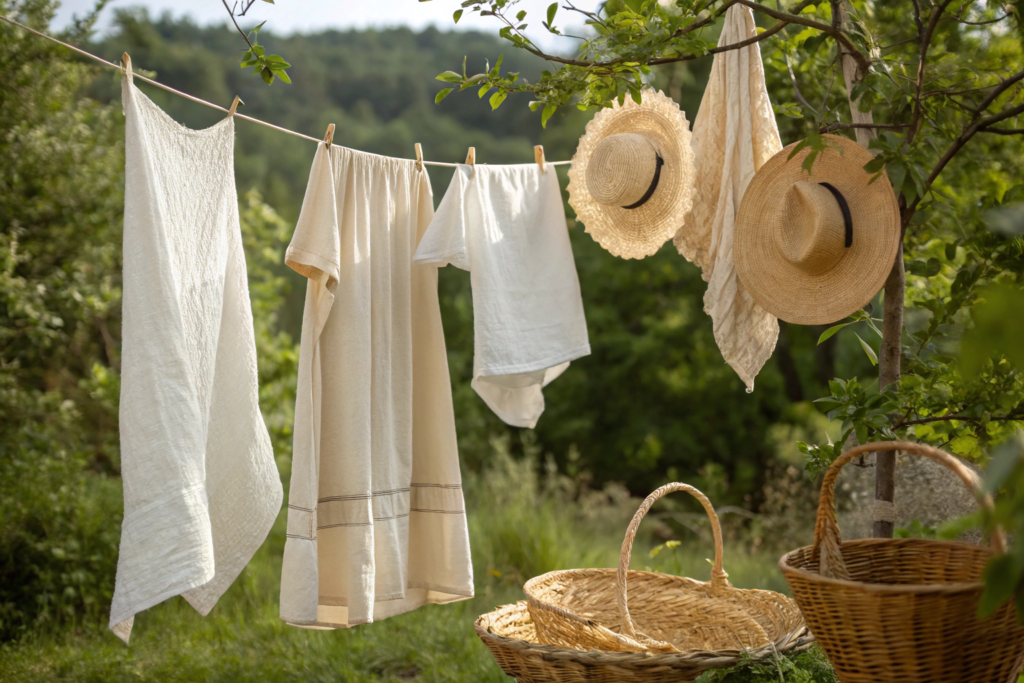
Beyond pure function, natural fibers offer an aesthetic that defines summer style. They possess a timeless, organic beauty that synthetic materials often imitate but rarely equal. The natural texture of linen, the soft drape of cotton, the subtle sheen of silk, and the artisanal look of woven straw or jute evoke feelings of authenticity, relaxation, and connection to nature—all central to the summer ethos.
Furthermore, natural fibers are durable and improve with age. Linen becomes softer and more lustrous with each wash. High-quality cotton retains its structure wash after wash. A well-made straw hat or raffia bag can last for seasons, developing a personalized patina. This longevity appeals to consumers moving away from fast fashion, offering better cost-per-wear value. The inherent beauty and character of these materials make accessories stand out in a crowded market.
Why Does the "Natural Look" Drive Summer Fashion Trends?
The "natural look" is synonymous with effortless, elevated summer style. It aligns with broader trends like quiet luxury and cottagecore, which favor authenticity and tactile pleasure over flashy synthetics. A scarf in raw, undyed linen or a tote in neutral-toned bamboo conveys a sense of mindful consumption and understated elegance. These materials photograph beautifully in natural light, making them highly effective for social media marketing and e-commerce product photography. Their visual and textural appeal is immediate and tangible, encouraging impulse buys and enhancing unboxing experiences.
How Does the Durability of Linen and Straw Support Seasonal Use?
Summer accessories face unique stresses: sunlight, sweat, saltwater, and frequent washing. Natural fibers are remarkably resilient. Linen is one of the strongest natural fibers, becoming stronger when wet. It resists pilling and abrasion. Straw (from plants like toquilla, seagrass, or wheat) is rigid yet flexible, providing excellent structure for hats and bags that must hold their shape. While they may require specific care (like reshaping a straw hat or air-drying linen), their inherent durability ensures they can withstand active summer lifestyles and be packed for travel without losing their integrity. This durability is a key component of product quality that manufacturers must uphold through proper construction techniques.
What is the Sustainability Advantage of Natural Fibers?
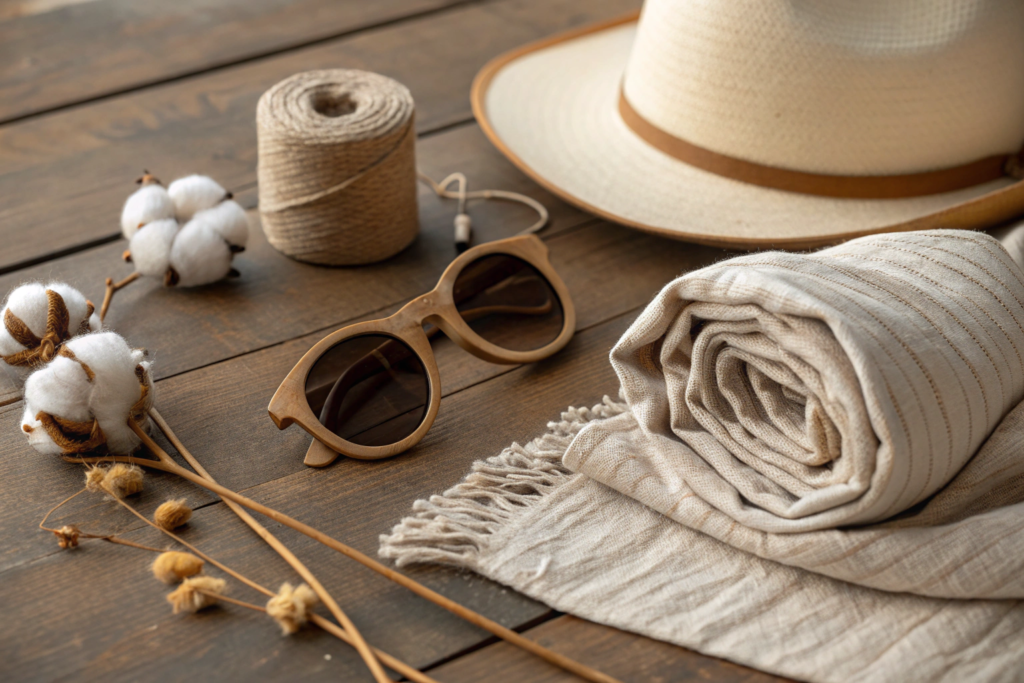
In today’s market, sustainability is a powerful driver of consumer choice. Natural fibers have a significant edge here, as they are biodegradable and renewable. At the end of their life, a cotton scarf or a linen hat will decompose naturally, unlike a polyester item that may shed microplastics and persist in landfills for centuries.
Furthermore, fibers like organic cotton, hemp, and linen have a lower environmental footprint in cultivation compared to conventional cotton or synthetic production, using less water and pesticides (or none, in the case of organic). While the sustainability debate is complex and includes factors like water use for cotton, the narrative of natural, biodegradable materials is highly compelling for eco-conscious brands and consumers. It allows you to position your accessories as a responsible choice.
Are Natural Fibers Truly Biodegradable and Eco-Friendly?
The core fibers themselves—cotton, linen, silk, wool—are 100% biodegradable under the right conditions. They will break down through natural biological processes. However, the full ecological picture depends on agricultural practices (conventional vs. organic), dyeing methods, and any blended treatments. For a more sustainable product, look for GOTS-certified organic cotton or OEKO-TEX certified fabrics, which ensure environmental and social standards are met. While production has impacts, the end-of-life benefit and renewable nature of the raw materials present a clear advantage over petroleum-based synthetics. Resources like the Textile Exchange provide valuable data on the comparative lifecycle impacts of different fibers.
How Does Consumer Demand for Sustainability Influence Material Choice?
Consumer demand is shifting decisively. Surveys consistently show that a growing segment, especially among Millennials and Gen Z, prefer natural materials and are willing to pay a premium for sustainable products. They associate natural fibers with health, authenticity, and environmental responsibility. By prominently featuring materials like organic cotton, linen, or TENCEL™ Lyocell (a biodegradable fiber from wood pulp) in your summer lines, you tap into this powerful market sentiment. It’s a tangible way to demonstrate your brand’s values, which can be as important as demonstrating supplier reliability in building customer loyalty. Marketing these choices effectively can differentiate your accessories in a competitive marketplace.
Conclusion
Natural fibers are preferred for summer accessories for a powerful confluence of reasons: superior physiological comfort, skin-friendly gentleness, authentic and durable aesthetics, and a compelling sustainability narrative. They solve the fundamental challenges of warm-weather wear by keeping the body cool, dry, and comfortable while aligning with modern values of wellness and environmental consciousness.
For brands, choosing natural fibers is an investment in customer satisfaction, product differentiation, and long-term brand equity. It’s a decision that resonates on both a functional and an emotional level with today’s discerning consumers.
Ready to develop a summer accessory collection that harnesses the benefits of premium natural fibers? At Shanghai Fumao Clothing, our design and sourcing teams have extensive expertise in working with cotton, linen, silk, and innovative biodegradable materials. We can guide you in selecting the right fabrics for comfort, style, and market appeal. Contact our Business Director Elaine today at elaine@fumaoclothing.com to craft a summer line that feels as good as it looks.