Staying ahead in the competitive canvas bag market means more than just offering a durable tote; it’s about capturing the cultural moment through print. If you’re noticing your current designs aren’t generating the buzz they used to, or you’re unsure which direction to take your next collection, you’re facing the core challenge of trend-driven product development. Missing the mark on print trends can leave you with stagnant inventory.
The latest print trends for canvas bags in North America are dominated by nature-inspired maximalism, nostalgic Y2K graphics, abstract artistic strokes, and bold, message-driven typography, all underpinned by a demand for sustainable and ethical production narratives. These trends reflect a consumer desire for self-expression, comfort, and conscious consumption.
This article will decode these key trends, providing you with actionable insights to refresh your product line. We will explore the visual languages that are resonating, the cultural shifts driving them, and practical guidance on how to adapt these trends for commercial success. For brands looking to execute these trend-forward designs seamlessly, partnering with a manufacturer that offers integrated design services is a crucial strategic advantage.
Why Are Nature-Inspired Maximalist Prints Dominating the Market?
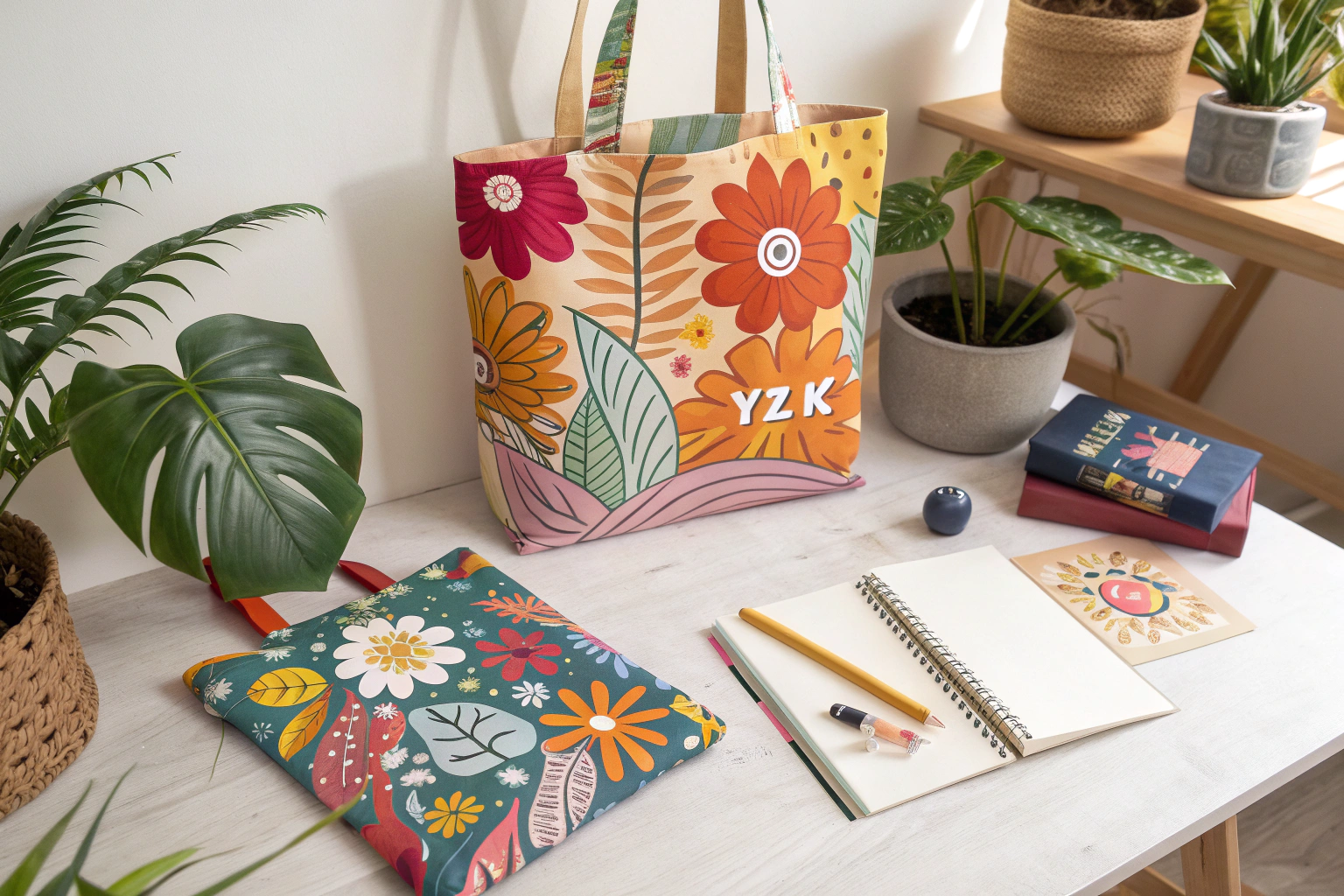
In response to a digitally saturated world, consumers are seeking connection and comfort through bold, organic visuals. The trend is not about subtle florals; it’s about lush, oversized, and hyper-saturated depictions of nature that make a confident, joyful statement. This print direction turns a simple canvas tote into a wearable piece of art.
Nature-inspired maximalism dominates because it combines the enduring appeal of the natural world with the expressive, anti-minimalist mood of the moment. It caters to a desire for optimism, escapism, and unapologetic personal style. Think large-scale botanicals, dense animal prints, and vibrant jungle motifs that cover the entire bag.
This trend’s power lies in its versatility and emotional pull. It works across demographics, appealing to both Gen Z’s love for bold expression and Millennials’ appreciation for artisanal, detail-rich design. The key is in the execution: high-detail illustrations, rich color palettes (emerald greens, deep burgundies, sun-drenched oranges), and often a mix of elements like fruits, insects, and foliage within one print. At Shanghai Fumao, our design team actively sources inspiration from global trend agencies like WGSN to create original, copyright-free maximalist patterns that feel fresh and exclusive for our clients, ensuring their bags stand out on crowded retail racks.

What Defines a "Maximalist" Nature Print Versus a Classic Floral?
Classic florals are often repetitive, smaller in scale, and more decorous. Maximalist nature prints are characterized by:
- Scale: Oversized, single blooms or leaves that become the bag’s focal point.
- Density: A layered, "more-is-more" approach with overlapping elements.
- Color: Unexpected, high-contrast, or neon-infused colorways rather than pastels.
- Subject Matter: Beyond flowers—incorporating fungi, corals, feathers, or fantastical hybrid plants.
- Artistic Style: Often rendered with a painterly, watercolor, or hyper-realistic illustrated technique.
This approach transforms the canvas from a blank slate into a dynamic canvas itself. It’s less about a pattern and more about creating a striking visual scene.
How Can Brands Ethically Source These Bold Botanical Designs?
The demand for originality is high. To avoid copyright issues and cliché designs, brands should:
- Work with Original Artists: Collaborate with illustrators to create exclusive prints.
- Utilize Factory Design Teams: Partner with ODM manufacturers (like us) that have in-house artists who develop original pattern libraries.
- Leverage Modified Vintage: Use copyright-free vintage botanical archives as a base and modernize them with contemporary colors and layouts.
- Focus on Storytelling: Tie the print to a narrative, like "Amazonian Rainforest Canopy" or "Desert Botanics," which adds depth and marketability. Ensuring the narrative includes sustainable materials (like organic or recycled canvas) amplifies the appeal. Resources like the Textile Exchange can inform material choices that align with this eco-conscious aesthetic.
How is Nostalgic Y2K and Retro Graphics Influencing Bag Design?
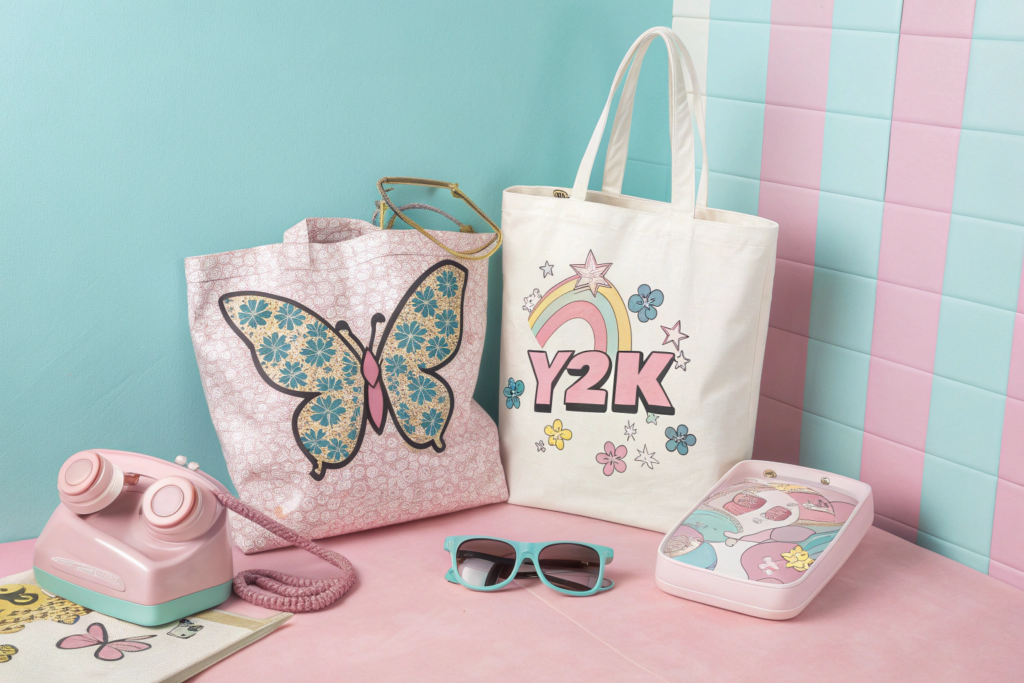
Nostalgia is a powerful commercial force, and the early 2000s (Y2K) aesthetic is having a major renaissance. This trend is driven by younger consumers who view this era through a lens of ironic fondness and digital-native curiosity. For canvas bags, it translates into logos, playful graphics, and a distinct color palette that feels both familiar and fresh.
Y2K and retro graphics influence bag design through the use of bubble fonts, sparkle effects, cyber-inspired motifs, low-fi cartoon graphics, and reimagined logos from late-90s/-00s pop culture. It’s about fun, irreverence, and a tactile, low-fidelity feel that contrasts with today’s sleek digital interfaces.
This trend goes beyond simple re-issuance; it’s about reinterpretation. The modern take mixes authentic Y2K elements with contemporary sensibilities. Think: a canvas backpack with a distorted, pixelated floral print, or a tote featuring a cartoon animal with a "glitch" effect. The color palette is key: think lime green, hot pink, chrome silver, and electric blue. For manufacturers, this means offering specialized printing techniques like foil stamping, glitter ink, or puff printing to achieve that tactile, playful effect. We help clients navigate this trend by advising on which retro elements feel most current and how to execute them with quality techniques that avoid a cheap look.
What Specific Y2K Motifs Are Most Relevant for Canvas Bags?
Key motifs that translate well to bag prints include:
- Logomania 2.0: Stylized, repetitive brand logos or invented "fake brand" logos in a retro font.
- Cyber & Tech Elements: Pixel art, smiley faces with computer cursor eyes, "@" symbols, and glossy plastic-like textures.
- Playful Characters: Simple, cartoonish animals (like kittens or dolphins) or childish doodle-style hearts and stars.
- Girlish Maximalism: Combinations of butterflies, crystals, daisies, and rhinestone effects.
The appeal is in the mix-and-match energy. A successful design might layer several of these motifs in a seemingly chaotic but deliberate way.
How to Balance Nostalgic Appeal with Modern Taste?
The trick is to avoid a costume-like reproduction. Modernize nostalgic graphics by:
- Elevating the Palette: Pairing Y2K hot pink with sophisticated earthy tones like sage or terracotta.
- Using Premium Materials: Printing on high-quality, heavy-weight cotton canvas or recycled PET canvas to elevate the feel.
- Simplifying the Message: Instead of a literal 2000s slogan, use a modern, positive affirmation in a Y2K-style font.
- Asymmetrical Placement: Moving away from centered logos to off-kilter, unexpected print placement for a contemporary layout.
This balance ensures the bag appeals to both those feeling nostalgic and those simply embracing a current trend. Research from fashion trend analysts like Fashion Snoops often breaks down this fusion of retro and contemporary.
What is Driving the Popularity of Abstract and Artistic Stroke Prints?
There is a growing consumer appetite for products that feel unique, artisan-crafted, and intellectually engaging. Abstract prints fulfill this by moving away from literal imagery toward emotion, texture, and individual interpretation. A canvas bag with an artistic print is perceived as more sophisticated and collectible.
The popularity is driven by the desire for one-of-a-kind style, the association of abstract art with luxury and creativity, and the versatility of these prints to complement a wide range of personal aesthetics. They offer a more subtle, yet distinctive, form of self-expression compared to graphic or nature-based prints.
This trend encompasses a wide spectrum, from bold, painterly brushstrokes and ink-blot effects to delicate line drawings and geometric color-field compositions. The common thread is the evidence of the human hand—imperfections, bleed, and dynamic movement. For production, this often requires skilled digital printing or screen printing techniques to capture the nuance of the artwork. Our role as a manufacturer is to ensure color accuracy and print clarity, even on the textured surface of canvas, so the artistic integrity of the design is preserved. We work with clients to select the right base fabric (like unbleached or dyed canvas) to make the abstract colors truly pop.

What Styles of Abstract Art are Most Commercial for Bags?
The most commercially viable styles include:
- Painterly Gestures: Large, sweeping strokes of color that suggest movement and energy.
- Marble & Terrazzo Effects: Repetitive yet randomized patterns that feel modern and textural.
- Minimalist Line Art: Single, continuous line drawings of faces, animals, or objects.
- Color Blocking with Texture: Simple geometric shapes filled with a grainy, watercolor, or brushed texture.
These styles are successful because they are visually striking without being overly prescriptive, allowing the consumer to project their own meaning onto the design.
How Can Brands Collaborate with Artists for Unique Prints?
Collaboration is a powerful strategy. Steps include:
- Identify Alignment: Find an artist whose style matches your brand’s aesthetic and values.
- Clear Licensing: Secure exclusive or limited-term print licensing rights for the specific artwork on bags.
- Technical Adaptation: Work with your factory’s technical team to adapt the artwork for print production, considering scale, repeat, and color separation.
- Co-Branding Marketing: Promote the collaboration through both the brand’s and artist’s channels, telling the story behind the art.
This not only results in a unique product but also generates compelling marketing content and taps into the artist’s follower base. It elevates the bag from an accessory to a collectible art piece.
How Are Bold Typography and Message-Driven Prints Evolving?
The "statement tote" is a perennial category, but the messages and typography are evolving. Consumers, especially in North America, are using their bags to signal values, affirmations, and humor. The trend has moved from generic words like "LOVE" to more specific, personal, or socially conscious phrases.
Bold typography prints are evolving through the use of custom handwritten fonts, multilingual phrases, socially aware slogans, and witty, contextual humor. The design treatment is as important as the message itself, with emphasis on layout, negative space, and mixed font weights.
Today’s message-driven bags serve as mini-billboards for personal identity. This could be a bag printed with a phrase in Spanish celebrating heritage, a bold call for environmental action, or a self-deprecating joke about loving coffee. The key for brands is authenticity—the message must align with the brand’s core voice to avoid seeming opportunistic. From a production standpoint, this trend favors clean screen printing or DTG (Direct-to-Garment) printing for crisp typography. At Shanghai Fumao, we help clients navigate cultural nuances to ensure messages are appropriate and impactful for the North American market, and we advise on durable printing methods that ensure the statement lasts.

What Types of Messages Resonate in Today’s Market?
Current resonant themes include:
- Community & Identity: Phrases celebrating specific cities, cultural groups, or shared experiences.
- Wellness & Affirmation: Short, empowering mantras like "Breathe," "You Got This," or "Payday."
- Dry Humor & Pop Culture: References to TV shows, internet culture, or relatable adulting struggles.
- Sustainability Advocacy: Direct but design-forward phrases like "Reusable Not Plastic," "Fix It Don’t Landfill It," or symbols representing recycling.
The tone can range from earnest to ironic, but it must feel genuine.
Why is Font Choice and Layout Critical for Statement Bags?
Typography is the visual voice of the message. Critical considerations are:
- Legibility: Even the most artistic font must be readable from a short distance.
- Personality: A handmade script conveys warmth; a bold, blocky sans-serif conveys strength; a typewriter font conveys nostalgia.
- Layout: Creative use of negative space on the canvas, staggered text, or integrating small graphical elements with the letters can elevate the design from simple text to a graphic composition.
A well-executed typographic bag feels intentional and designed, not just stamped with words. This attention to detail is what separates a market-leading product from a generic one.
Conclusion
The latest print trends for canvas bags in North America—nature-inspired maximalism, nostalgic Y2K, abstract artistry, and evolved typography—all point to a market that values bold self-expression, emotional connection, and conscious storytelling. Success lies not in blindly copying these trends, but in interpreting them through your unique brand lens, ensuring quality execution, and pairing them with a credible narrative around sustainability and craftsmanship.
By understanding the cultural currents behind these visuals, you can create canvas bags that are not just carry-alls, but coveted accessories that resonate deeply with consumers and drive loyalty.
Ready to translate these top trends into a best-selling canvas bag collection? Partner with a manufacturer that understands both design and market dynamics. Contact our Business Director, Elaine, at elaine@fumaoclothing.com to explore how Shanghai Fumao can help you design, develop, and produce on-trend canvas bags that capture the North American market.