You are constantly juggling deadlines in a race against the clock. The fashion industry operates on a relentless seasonal calendar, and your success depends on your ability to make smart, timely decisions. You’ve sent a tech pack for a new accessory to a potential supplier, and now you’re waiting. And waiting. Every day that passes without a sample in your hands feels like a missed opportunity. You know intuitively that this delay is bad, but what are the specific, critical business reasons why a fast sample turnaround is not just a "nice to have," but an absolute necessity for success?
Fast sample turnaround is critically important for buyers because it directly accelerates the entire product development lifecycle, enabling brands to capitalize on trends, secure retail orders, and get to market faster. A quick sample allows for rapid design iteration, provides the physical tool needed for sales and marketing, and serves as a powerful indicator of a factory’s overall efficiency, professionalism, and commitment to partnership.
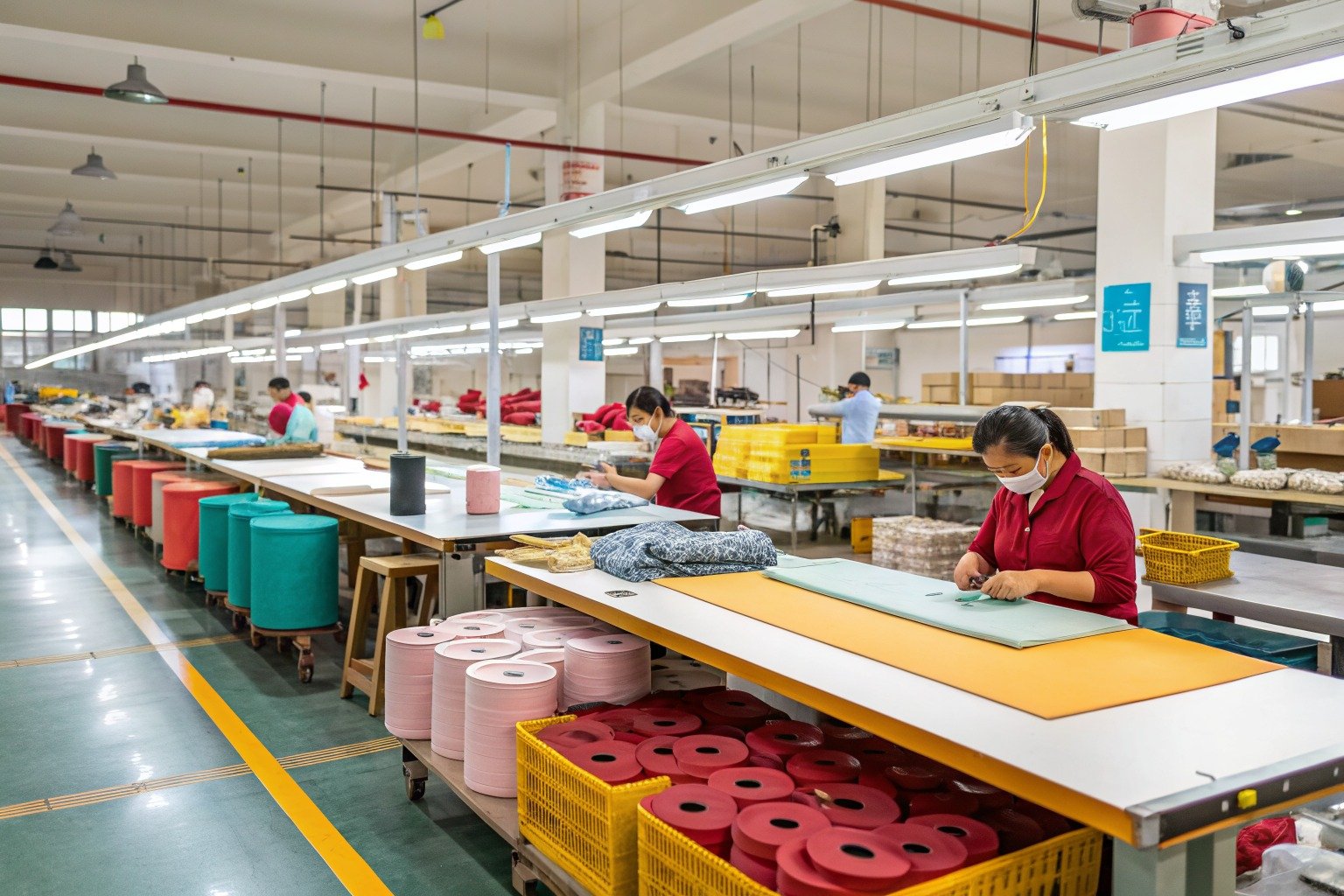
I’m the owner of Shanghai Fumao Clothing, and I’ve built my company’s reputation on one core principle: speed and accuracy. We understand that for our brand partners, time is their most valuable and non-renewable resource. A delay in sampling isn’t just an inconvenience; it’s a direct threat to their profitability and competitive edge. A factory that delivers a perfect sample quickly is not just delivering a product; they are delivering a strategic advantage. Let’s break down why speed in sampling is the engine of the fashion business.
How Does Sampling Speed Impact Market Responsiveness?
The world of fashion moves at the speed of a TikTok video. A trend can emerge, peak, and fade in a matter of weeks. Your job is to capture that lightning in a bottle. You’ve identified a hot new trend for an accessory, but you know your window of opportunity is small. If you can’t get a product to market while the trend is still climbing, you’ve missed the boat entirely.
A fast sample turnaround is the single most critical factor in a brand’s ability to be responsive to fast-moving market trends. The speed at which a factory can turn a design concept into a physical sample directly determines whether a brand can capitalize on a trend at its peak or is forced to chase it after it has already become saturated and discounted.
Think of it as a race.
- Week 1: A new style of handbag goes viral. You quickly create a tech pack.
- Week 2: You send the tech pack to two suppliers. Factory A (fast) promises a sample in 7 days. Factory B (slow) quotes 30 days.
- Week 3: You receive the sample from Factory A. It’s perfect. You approve it for production.
- Week 7: Your production run from Factory A is finishing, just as the trend is reaching its peak.
- Week 10: You finally receive the initial sample from Factory B, long after your product is already in stores and the trend is starting to fade.
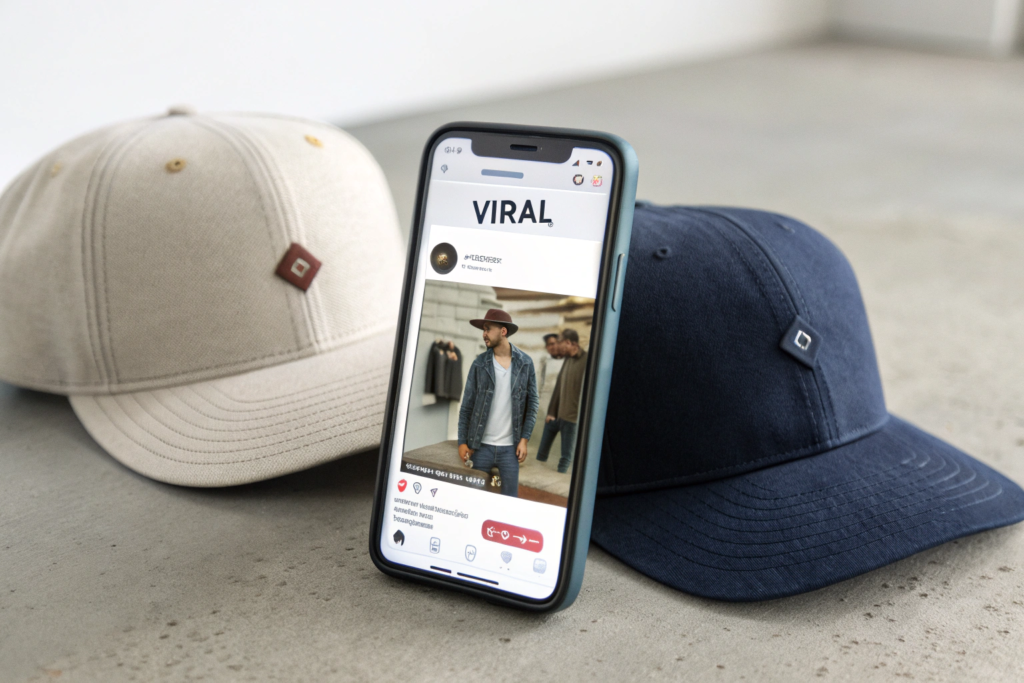
What is "speed to market"?
"Speed to market" is a business term for the total time it takes from product conception to the product being available for sale. In fashion, it is one of the most important metrics for success. A faster sampling process is the first and most impactful way to reduce your overall speed to market, giving you a massive competitive advantage.
How does this relate to "fast fashion"?
While often associated with cheap, disposable clothing, the core principle of fast fashion is a highly responsive supply chain. Brands like Zara have built empires on their ability to move from trend-spotting to in-store product in a matter of weeks. All brands, regardless of their price point or commitment to sustainability, can learn from this. A nimble and responsive sampling and production process is a powerful tool for any business.
Why is a Physical Sample Essential for Sales and Marketing?
Your brand doesn’t just sell directly to consumers; you sell to major retail partners who place large wholesale orders. These buyers need to make decisions months in advance of the season. You can’t walk into a meeting with a major department store and show them a digital drawing. You need to put a product in their hands.
A physical sample is the essential, non-negotiable tool required to secure wholesale orders from retail buyers and to generate marketing content long before the bulk production arrives. The sooner you have a high-quality sample, the sooner your sales team can get to work and your marketing team can start shooting campaigns, creating a runway for a successful product launch.
The sample is the catalyst for the entire business cycle.
- Securing Wholesale Orders: Retail buyers for stores like Nordstrom or Macy’s need to see and feel the quality of a product before they will commit hundreds of thousands of dollars to an order. A sample is your sales tool. A delay in sampling means a delay in these critical sales meetings.
- Pre-Launch Marketing: To build hype for a new collection, your marketing team needs to shoot product photography, create social media content, and send samples to influencers weeks or even months before the product launch. Without a sample, your marketing team is grounded.
- E-commerce Setup: Your web team needs the sample to take detailed photos for the product page on your e-commerce site. No sample, no product page.

What is a "salesman sample"?
A "salesman sample" or "showroom sample" is a high-quality, perfect sample that is specifically used by the sales team to show to wholesale accounts. Often, a brand will need a small run of these samples (5-10 pieces) to equip their entire sales force. The speed at which a factory can produce this small sample run is crucial for seasonal sales campaigns.
How does this impact cash flow?
By getting a sample quickly, you can secure wholesale orders (purchase orders or "POs") earlier. These POs are often used to help finance the bulk production run. Therefore, a faster sample process can directly lead to improved cash flow for your business, reducing the financial strain of placing a large production order.
How Does Sampling Allow for Rapid Design Iteration?
Rarely is the first sample perfect. Maybe the color is slightly off, the fit isn’t quite right, or you have a new idea for a detail. The design process is iterative, meaning it proceeds in a cycle of "design -> sample -> review -> revise." The speed of this cycle determines how refined your final product can be.
A fast sample turnaround allows for rapid and effective design iteration. When a factory can deliver a revised sample in a week instead of a month, it gives the design team the ability to test ideas, correct flaws, and perfect the product through multiple versions without jeopardizing the final production deadline. A slow sampling process forces you to either accept a flawed first sample or miss your delivery window.
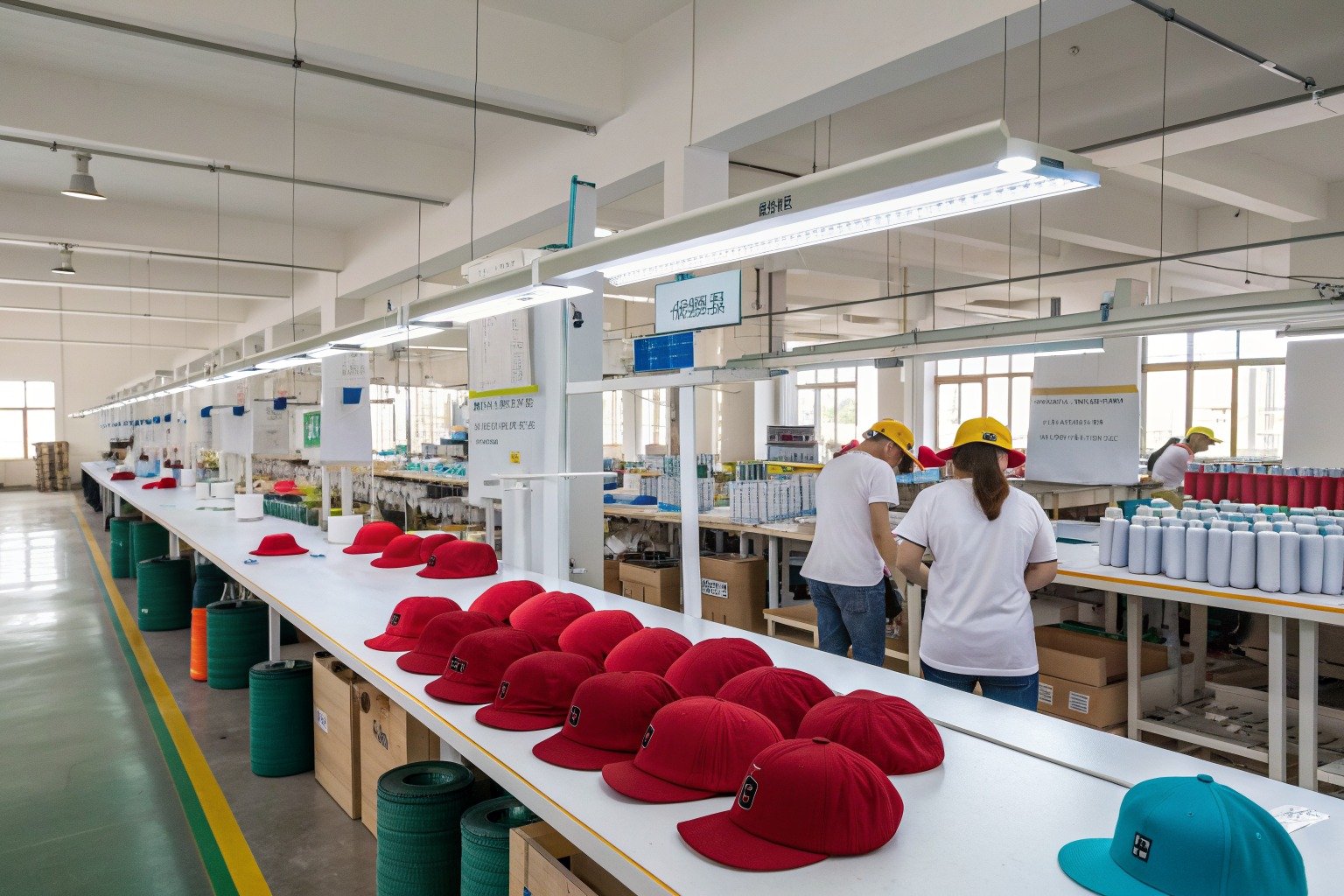
Imagine you are designing a new hat.
- Fast Supplier (7-day turnaround):
- Day 7: Receive Sample 1. The crown is slightly too tall.
- Day 8: Send feedback.
- Day 15: Receive Sample 2. It’s perfect. You approve for production. Total time: 15 days.
- Slow Supplier (30-day turnaround):
- Day 30: Receive Sample 1. The crown is slightly too tall.
- Day 31: Send feedback.
- Day 61: Receive Sample 2. Total time: 61 days.
With the slow supplier, a single revision has cost you an entire month. You’ve lost your ability to react to the market, and your production is now critically delayed. A fast supplier gives you the creative freedom to get the design right.

How many rounds of samples are normal?
For a new, complex product, two or three rounds of samples are very common. The first sample is to check the basic construction. The second is to refine the fit and details. A third might be to approve the final color in the correct material. A factory that understands this and is structured for rapid prototyping is an invaluable partner.
How can I help the factory make a better first sample?
The best way to reduce the number of iterations is to provide an incredibly detailed tech pack. Include clear drawings, precise measurements, and photos of any specific details. If possible, sending a physical "target sample" of a similar product that you like can also be extremely helpful. The more information you provide upfront, the higher the chance the first sample will be correct.
What Does Sampling Speed Reveal About a Factory?
You are not just buying a sample; you are evaluating a potential long-term partner. The sampling process is your first real-world test of a factory’s capabilities. How they handle this initial, small project is a powerful indicator of how they will handle your large, business-critical production order.
A factory’s sample turnaround time is a direct reflection of its overall efficiency, communication, and professionalism. A factory that can produce a high-quality sample quickly demonstrates that they have a well-organized sampling department, clear internal communication, and a proactive, problem-solving culture.
The sample process is a preview of the future.
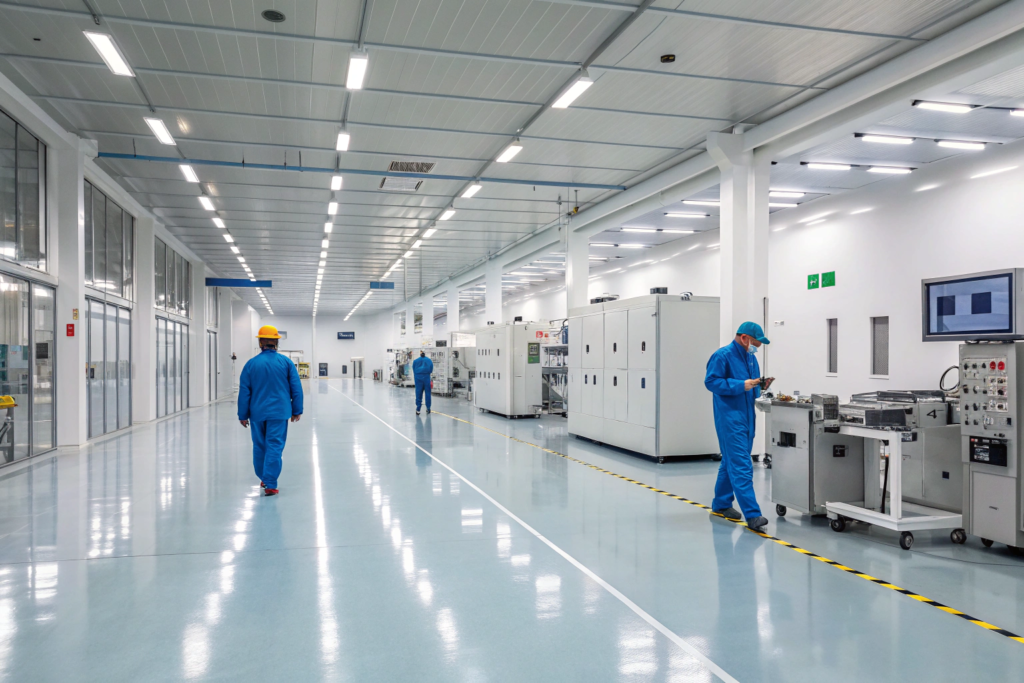
- A fast sample shows: They have a dedicated sample room and skilled technicians who are not bogged down by production. They prioritize new client development. Their supply chain for raw materials is efficient.
- A slow sample suggests: They may be disorganized. They may not have a dedicated sample team. They may not view your project as a priority. They may have problems sourcing materials.
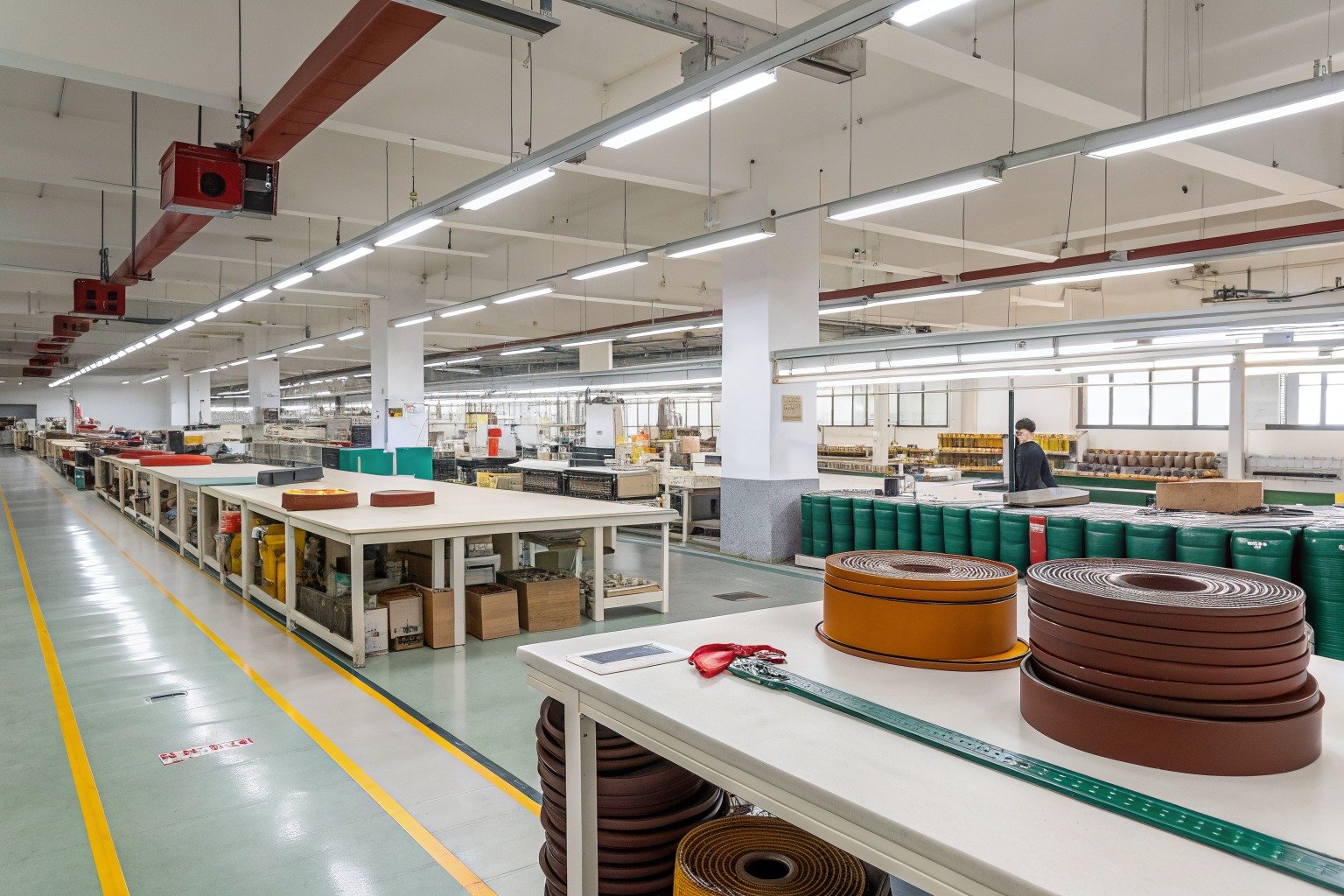
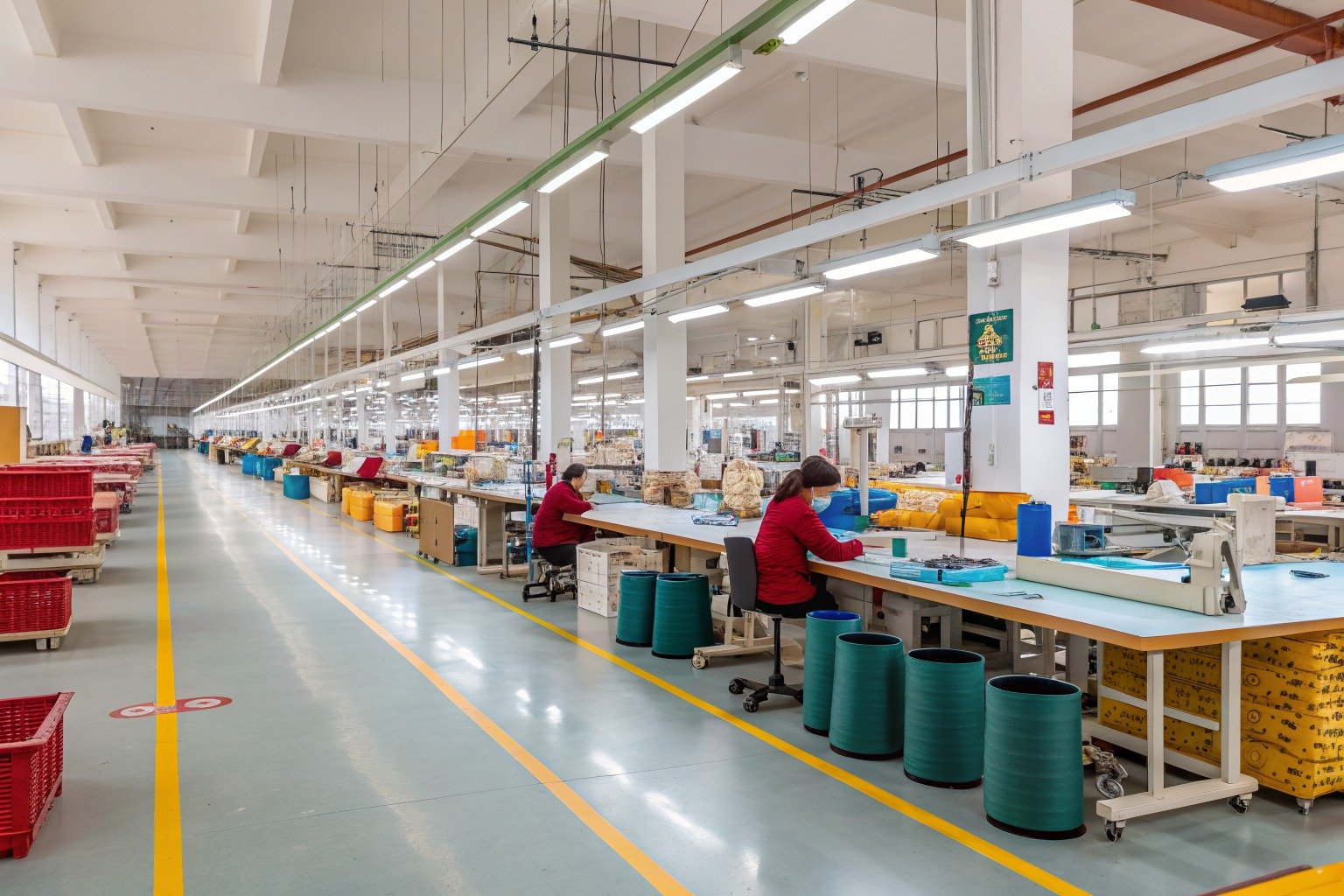
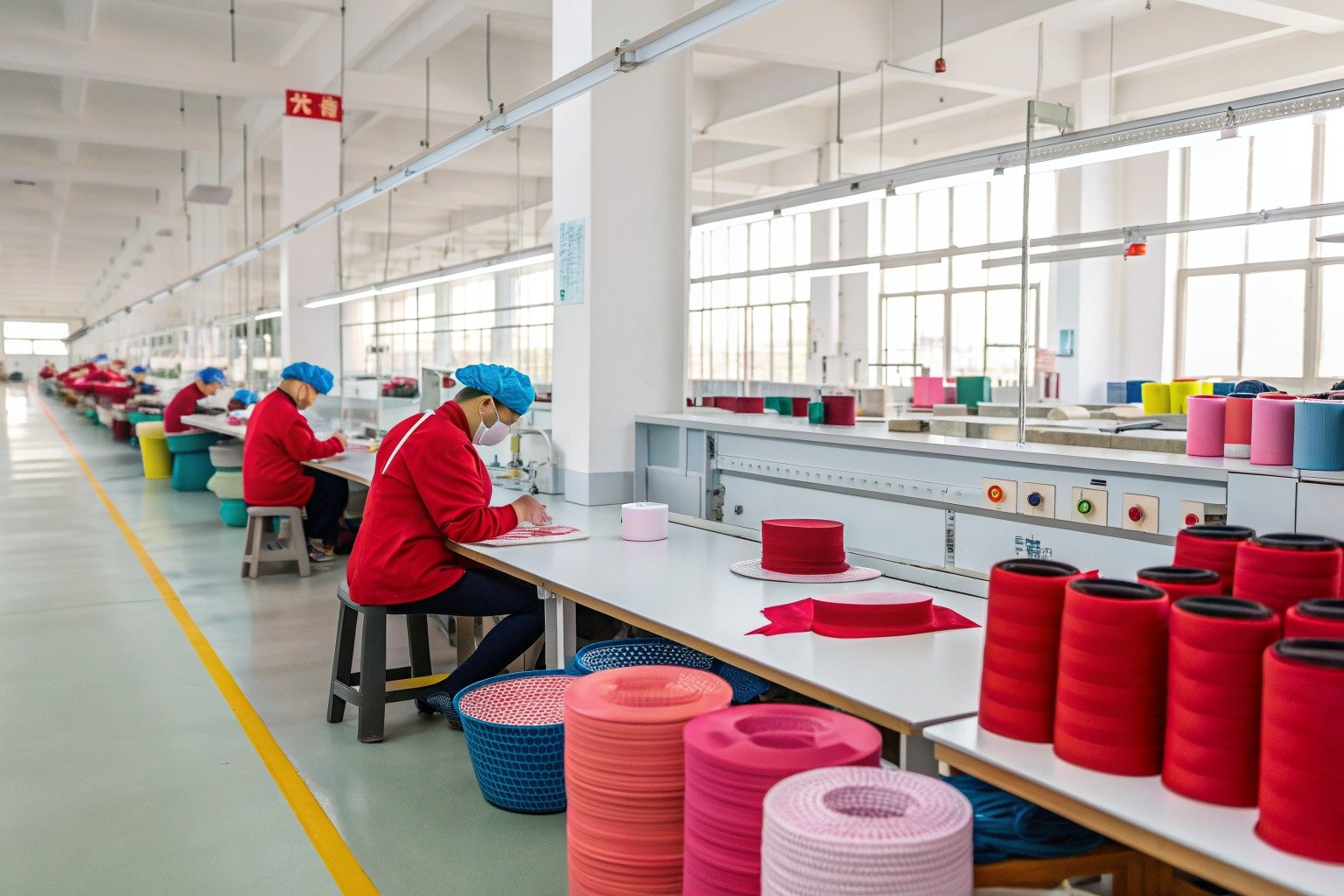
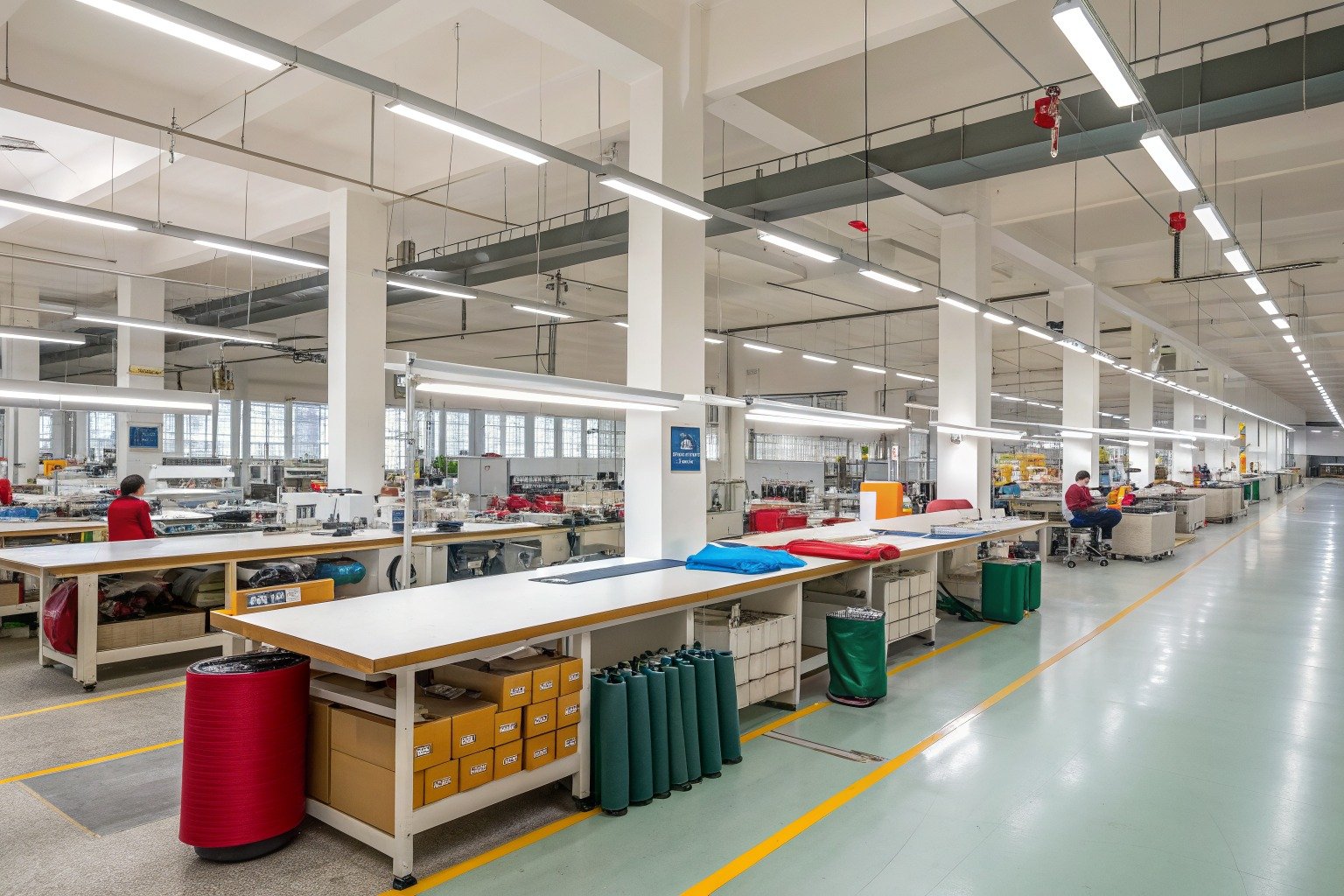
At Shanghai Fumao Clothing, we treat our dedicated sample room as the R&D heart of our company. Its efficiency is a point of pride and our primary way of demonstrating our commitment to our partners from day one.
Is speed more important than quality?
No, they are two sides of the same coin. The goal is not just a fast sample; it’s a fast, accurate sample. A factory that rushes and sends a sloppy, incorrect sample is just as bad as a slow one. The ideal partner is one who has the systems in place to be both fast and right.
What if a factory is slow but very cheap?
This is a classic trap. Saving a few cents on the unit price is meaningless if the factory’s delays cause you to miss your shipping window, forcing you to pay for expensive air freight or to cancel the order entirely. The cost of a slow supplier is often hidden in missed opportunities and logistical nightmares, and it almost always outweighs any upfront price advantage.
Conclusion
In the fast-paced world of fashion, speed is not a luxury; it is the currency of success. A fast sample turnaround is the engine that drives your entire business forward. It allows you to be nimble and responsive to trends, to secure the wholesale orders that fuel your growth, to perfect your product through rapid iteration, and to build a powerful marketing story before your product even lands. When you evaluate a manufacturing partner, you must view their sampling speed not as a simple lead time, but as a key performance indicator of their overall competence and their potential as a long-term strategic partner. Choosing a factory that understands the value of time is one of the most important decisions you will ever make.
We have built our entire operation around the principle of speed with precision. We know that by delivering a perfect sample to you quickly, we are delivering the key that unlocks your brand’s potential for the season. If you are looking for a partner who respects your time and is built for the speed of modern fashion, please reach out to our Business Director, Elaine, at elaine@fumaoclothing.com.