As a buyer or brand manager like Ron, your job is to stay one step ahead of the market. You’re not just buying for today; you’re planning the collections that will hit stores in 2026. When it comes to a staple as timeless as the men’s leather belt, it’s easy to think that nothing ever changes. But the subtle shifts in trends—buckle finishes, leather textures, and belt widths—are what separate a top-selling collection from one that feels dated and gets left on the shelf. You’re looking for the inside track on what’s next, so you can make smart, profitable buying decisions.
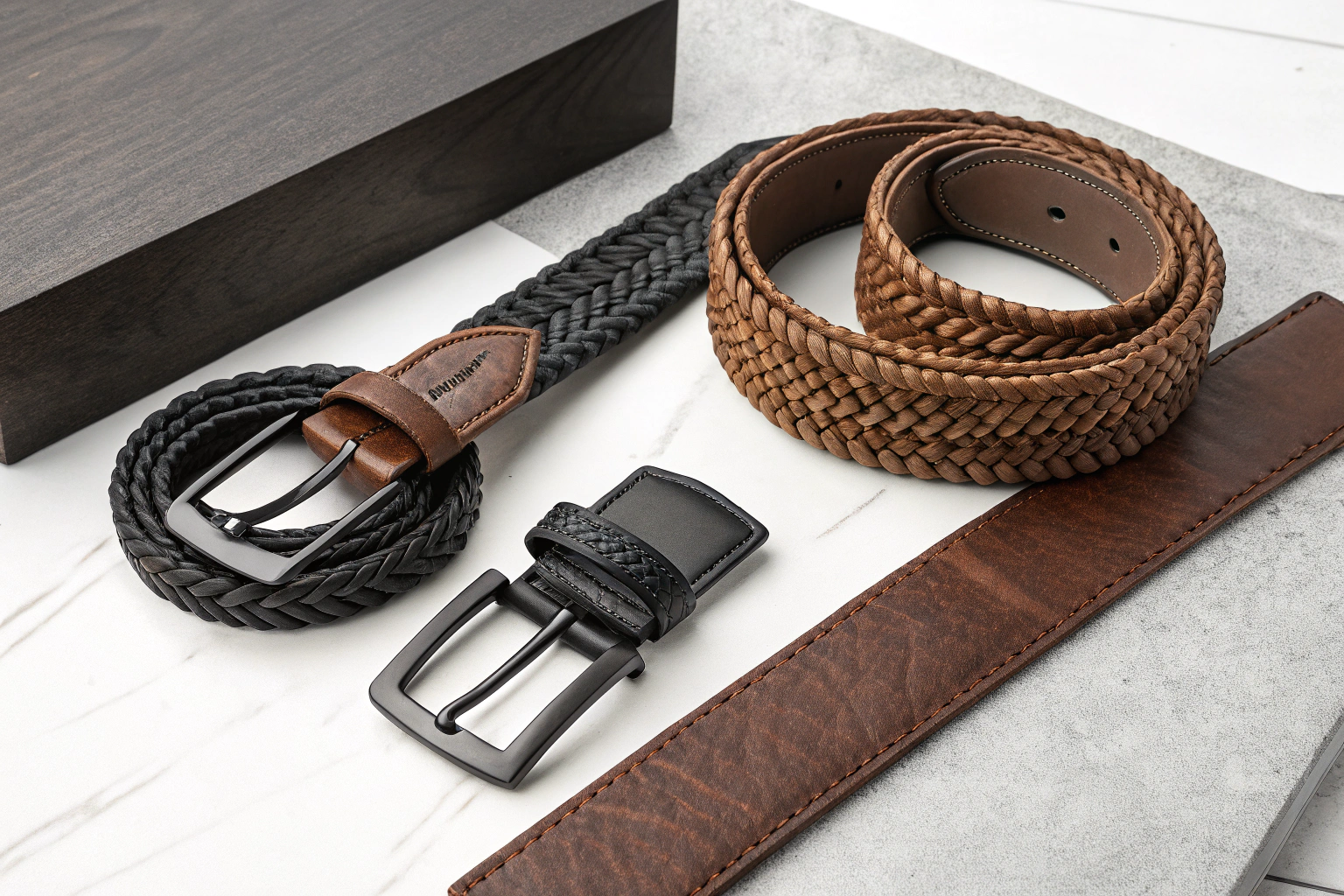
For 2026, the overarching trend in men’s leather belts is a move towards "Quiet Luxury" and "Textured Authenticity." We’re seeing a decline in loud, oversized logo buckles and a rise in sophisticated, understated designs. Key trends include the growing popularity of woven and braided leathers, a strong preference for matte and minimalist hardware, a renewed interest in vintage and distressed finishes, and a subtle shift towards slightly wider, more substantial belt profiles.
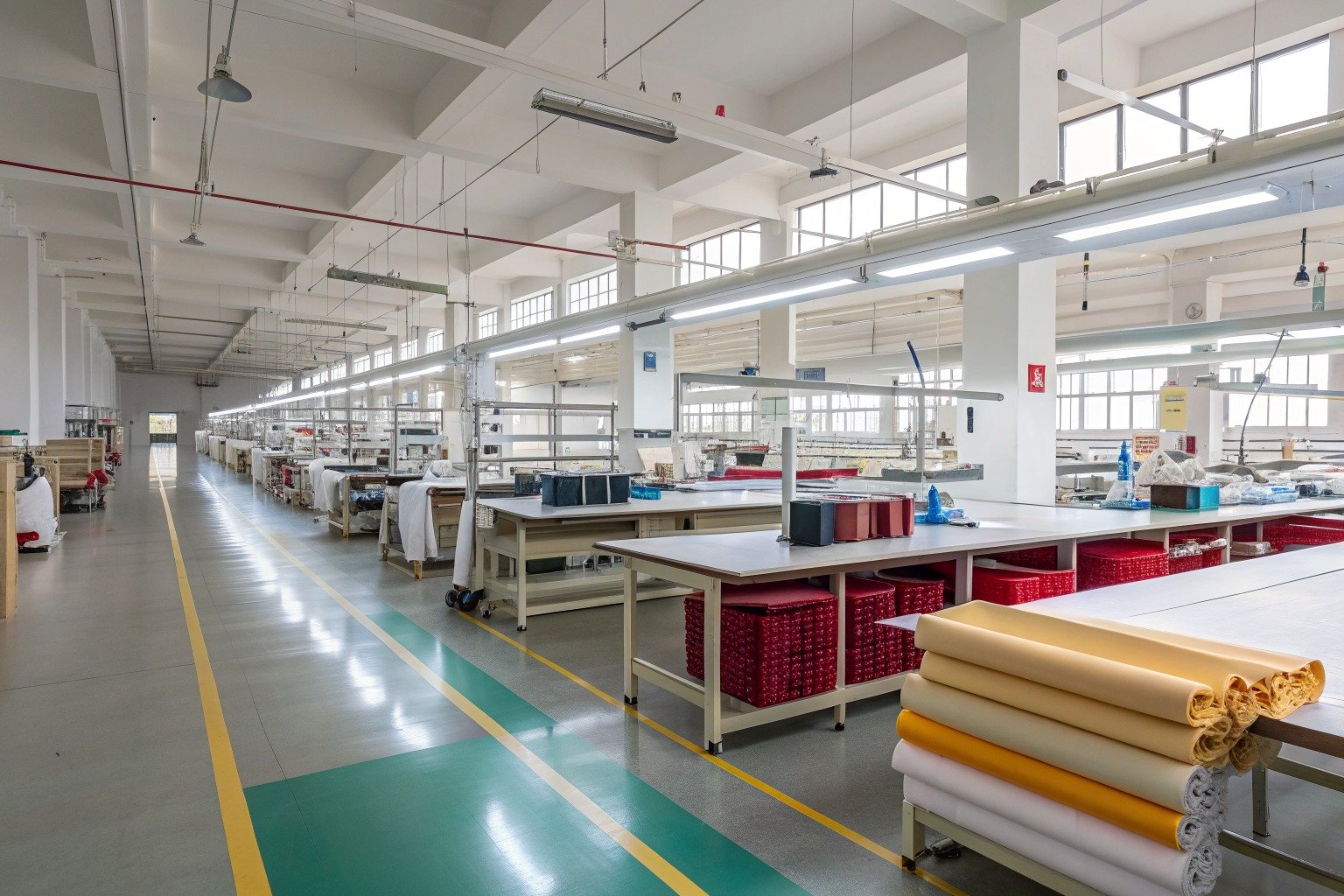
I’m the owner of Shanghai Fumao Clothing, and our design teams and project managers are in constant dialogue with our European and North American brand partners. We’re not just executing their designs; we’re collaborating on what’s next. Based on the sample requests and collection developments we’re currently working on for the 2026 season, a clear picture is emerging. The post-pandemic desire for comfort, longevity, and authentic craftsmanship is now fully translating into the world of men’s accessories. Let’s dive into the specific trends you need to have on your radar.
Why is Texture the New Frontier?
For years, the standard men’s belt has been a simple, flat, smooth piece of leather. It’s a classic, but it can also be a bit boring. Your customers are looking for ways to add a touch of personality and craft to their outfits without being flashy. You need a way to update your core belt offering that feels fresh, sophisticated, and premium.
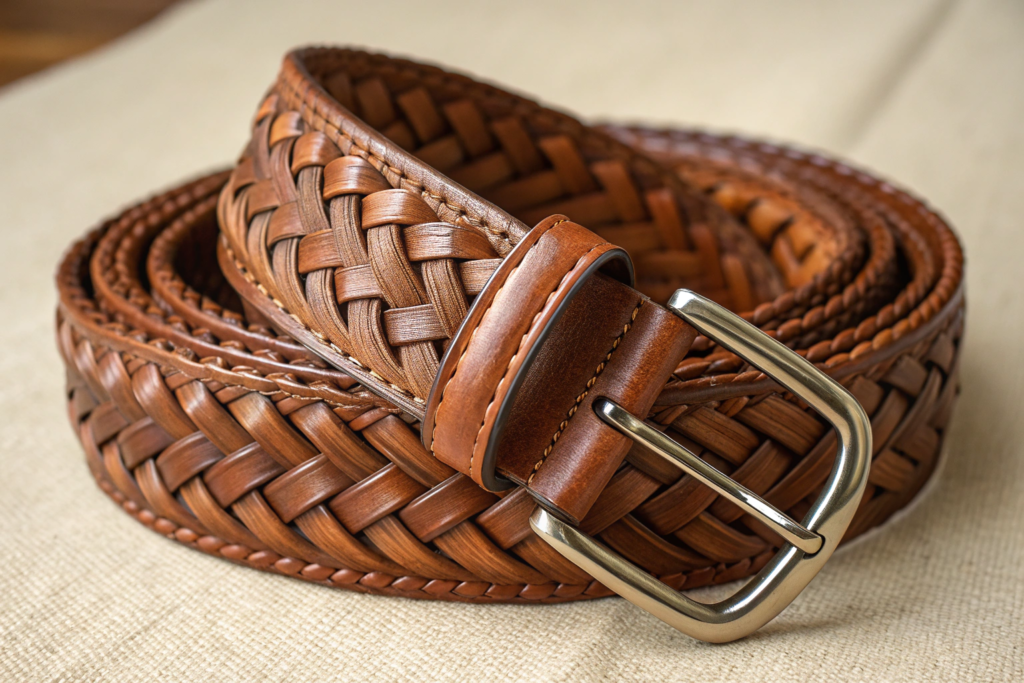
Texture is becoming the primary way to add interest and perceived value to a men’s belt. Woven, braided, and embossed leather belts are moving from a niche category to a mainstream trend because they offer a rich, tactile dimension that signals craftsmanship and understated style. They provide visual interest without the need for a loud logo.
This trend is a direct response to the "Quiet Luxury" movement. Instead of broadcasting status with a logo, the focus shifts to the inherent quality and craft of the object itself. A woven belt feels more artisanal and special than a simple stamped-out leather strap. At Shanghai Fumao Clothing, we’ve invested in specialized machinery and artisan training to produce high-quality woven designs because we see this as a long-term shift, not a fleeting fad. It’s a way for a man to show he has an eye for detail.
What’s the difference between woven and braided belts?
Though often used interchangeably, there’s a subtle difference. A braided belt typically consists of several strands plaited together, often in a rounder profile, and is a very casual look. A woven belt, which is the bigger trend for 2026, involves flat strips of leather being interwoven to create a flat, intricate, and often multi-toned surface. This style is more versatile and can be dressed up or down, making it a smarter choice for a core collection.
What about other textures?
Beyond weaving, look for embossed textures. These are patterns pressed into the surface of the leather. Subtle pebble-grain or cross-hatch (like Saffiano) embossing is becoming very popular. It adds a touch of scratch-resistance and a sophisticated, modern look to the belt, aligning perfectly with the demand for durable, high-quality goods as seen in the collections of brands like Tom Ford.
How is Hardware Evolving Towards Minimalism?
The era of the giant, polished, statement logo buckle is waning. Your customers, especially younger Millennials and discerning Gen X professionals, are rejecting overt branding in favor of a cleaner, more refined aesthetic. You’re concerned that a collection full of shiny, loud buckles will look dated and fail to connect with this modern, minimalist sensibility.
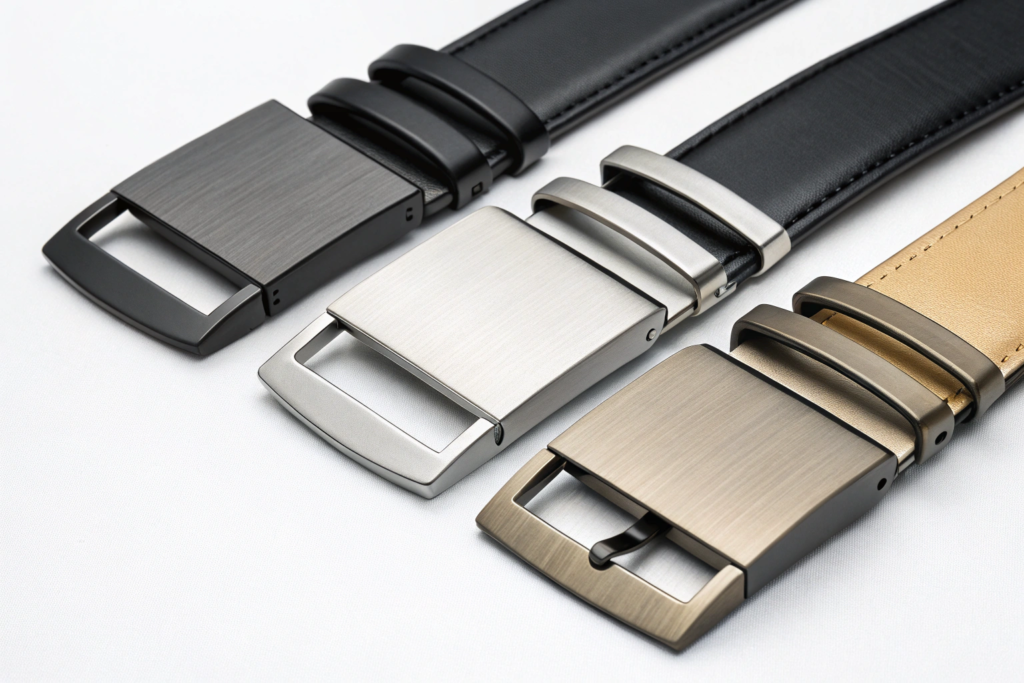
For 2026, belt hardware is defined by minimalism and matte finishes. The trend is moving decisively away from polished chrome and shiny gold towards understated, non-reflective options like matte black, brushed gunmetal, and satin nickel. The buckle shapes themselves are also becoming cleaner, more geometric, and more discreet.
This is another key pillar of the "Quiet Luxury" trend. The buckle is no longer the hero of the belt; the quality of the leather is. The hardware should complement the strap, not overpower it. Matte finishes feel more modern, more architectural, and less ostentatious. This trend is heavily influenced by the aesthetics of modern technology (like smartphones and laptops) and contemporary industrial design. It’s a sophisticated look that appeals to a man who is confident in his style and doesn’t need his accessories to shout.
What specific buckle styles are trending?
Look for simple, elegant shapes. Frame-style buckles with clean, rectangular or slightly rounded corners are a dominant trend. Plate buckles (solid plates with a hook on the back) are also popular, but in very clean, minimalist forms with no engraving or loud branding. The key is a lack of fussy detail. Think of the design principles of brands like Apple or Muji—clean, simple, and functional.
Is there still a place for logos?
Yes, but in a much more subtle way. Instead of a buckle shaped like a logo, the trend is towards a very small, discreet logo laser-etched onto the side of a minimalist buckle. It’s a subtle nod to the brand for those who are "in the know," rather than a billboard for everyone else. This approach feels more exclusive and modern.
Why is the "Lived-In" Look Gaining Popularity?
In a world of fast fashion, there’s a growing counter-movement towards products that have character, longevity, and a story. Your customers are showing interest in items that feel authentic and have a "lived-in" quality from day one. You’re wondering how to capture this feeling in a brand-new product without it looking fake or poorly made.
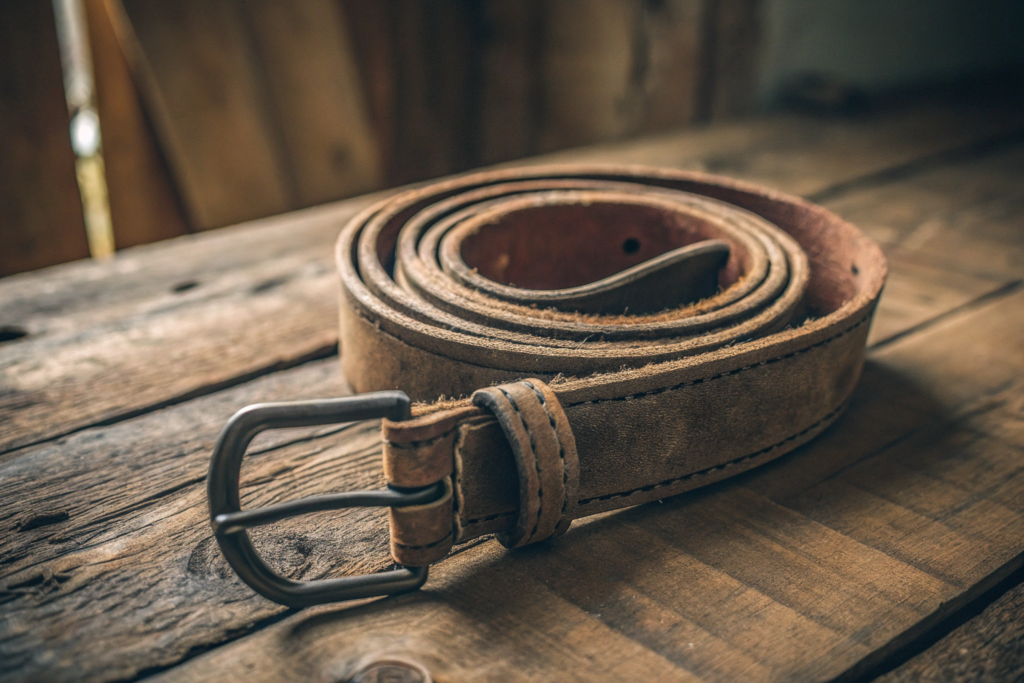
The "lived-in" or "heritage" look is trending because it taps into a desire for authenticity and sustainability. Belts made from vegetable-tanned leathers that are designed to patinate and improve with age, or those with subtle, pre-distressed finishes, are becoming highly sought after. These styles tell a story of durability and timelessness, appealing to consumers who are tired of disposable fashion.
This trend is about embracing imperfection and the beauty of natural materials.
- Vegetable-Tanned Leather: This traditional method of tanning uses natural tannins from tree bark. "Veg-tan" leather starts off stiffer but softens beautifully over time, developing a unique patina (a darkening and sheen) based on the wearer’s habits. Brands can market this as a product that becomes "uniquely yours."
- Distressed Finishes: This involves using techniques like oiling, waxing, or light tumbling to give a new belt the soft, supple feel and subtle color variations of a well-worn vintage piece. The key is for the distressing to look natural and authentic, not like a cheap acid wash.
What is a "patina" and why is it a selling point?
A patina is the surface aging that develops on natural materials like leather and bronze. It’s a hallmark of high-quality, natural leather. Marketing a belt as something that will "develop a beautiful patina" frames it as a long-term investment that gets better with age, which is a powerful selling point for sustainability-minded consumers, a concept well-understood by heritage brands like Filson.
How do I specify this to a manufacturer?
When working with a factory like AceAccessory, you need to be specific. Ask for "full-grain vegetable-tanned leather" or provide a physical "target sample" of a vintage belt you want to replicate. For distressed finishes, you would work with the factory’s technicians, approving samples at each stage to achieve the perfect level of "lived-in" character.
How Are Belt Proportions and Silhouettes Changing?
For the past decade, men’s fashion has been dominated by slim-fit everything, and belts have followed suit, becoming thinner and more discreet. But fashion is cyclical, and silhouettes are starting to relax. Trousers are getting wider and more comfortable. How should belts respond to this shift in proportions?
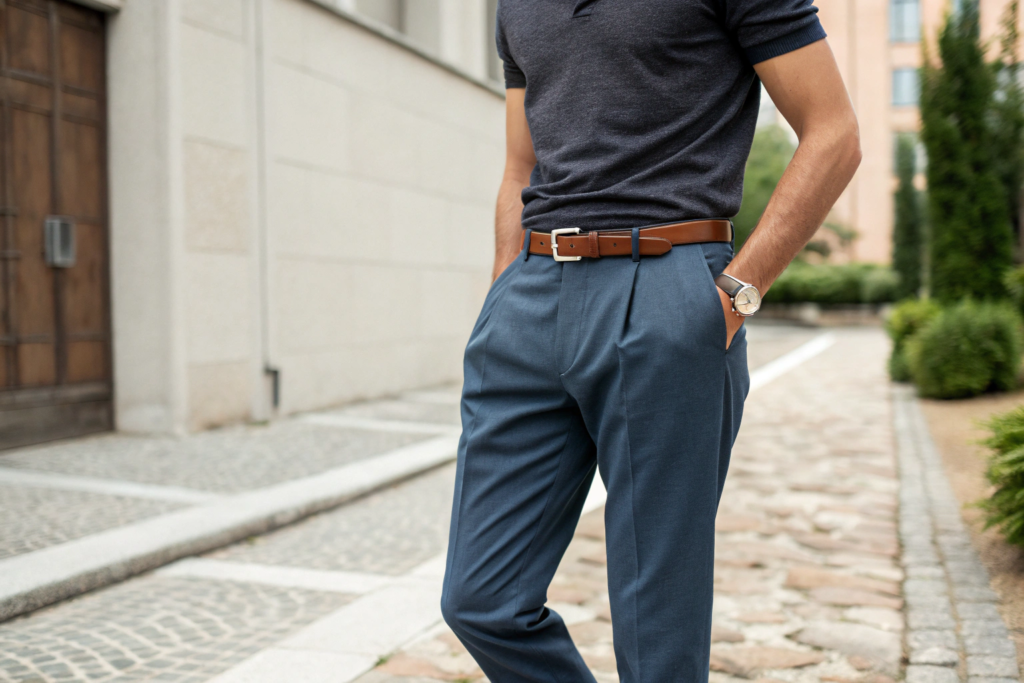
As men’s trouser silhouettes relax and widen for 2026, belt proportions are subtly increasing to match. The super-skinny dress belt is being replaced by a slightly wider, more substantial profile. The standard width is moving from 30-32mm (approx 1.2 inches) towards a more versatile and confident 35-38mm (approx 1.4-1.5 inches).
This is a subtle but critically important trend. A skinny belt can look out of place and "weak" when paired with the relaxed-fit chinos, pleated trousers, or wider-leg denim that are defining modern menswear. A slightly wider belt provides a better visual anchor, balancing the overall silhouette. This 35-38mm width is the new sweet spot—it’s substantial enough for casual wear and denim, but still refined enough to be worn with smart-casual tailoring.
Does this mean the end of the dress belt?
Not at all, but its role is becoming more specific. The very thin, formal dress belt (under 30mm) will be reserved strictly for formal suits and black-tie occasions. For everyday business and smart-casual wear, the slightly wider 35mm belt is becoming the new, more modern standard. This is a key merchandising insight for any brand planning their 2026 assortment.
How does this affect buckle size?
The buckle size should increase in proportion to the strap width. A wider strap requires a slightly larger and more robust buckle to look balanced. However, this does not contradict the trend towards minimalism. The buckle can be larger in dimension but should still be clean, simple, and understated in its design and finish.
Conclusion
The story of men’s leather belts in 2026 is one of quiet confidence. The trends are moving away from overt flashiness and towards a deeper appreciation for material, craftsmanship, and thoughtful design. By focusing your collection on rich textures like woven leather, embracing the clean look of minimalist matte hardware, capturing the soul of the "lived-in" aesthetic, and adopting the new, more balanced proportions, you will be perfectly positioned to meet the demands of the modern male consumer. These are not radical changes, but they are the essential, nuanced shifts that will define a successful and profitable accessories program for 2026.
At Shanghai Fumao Clothing, our teams are already deep into developing these next-generation styles. We have the material sourcing expertise, the technical skill, and the trend-forecasting insight to be your ideal manufacturing partner. If you’re ready to build a 2026 belt collection that is not just on-trend, but ahead of the curve, please reach out to our Business Director, Elaine, at elaine@fumaoclothing.com.