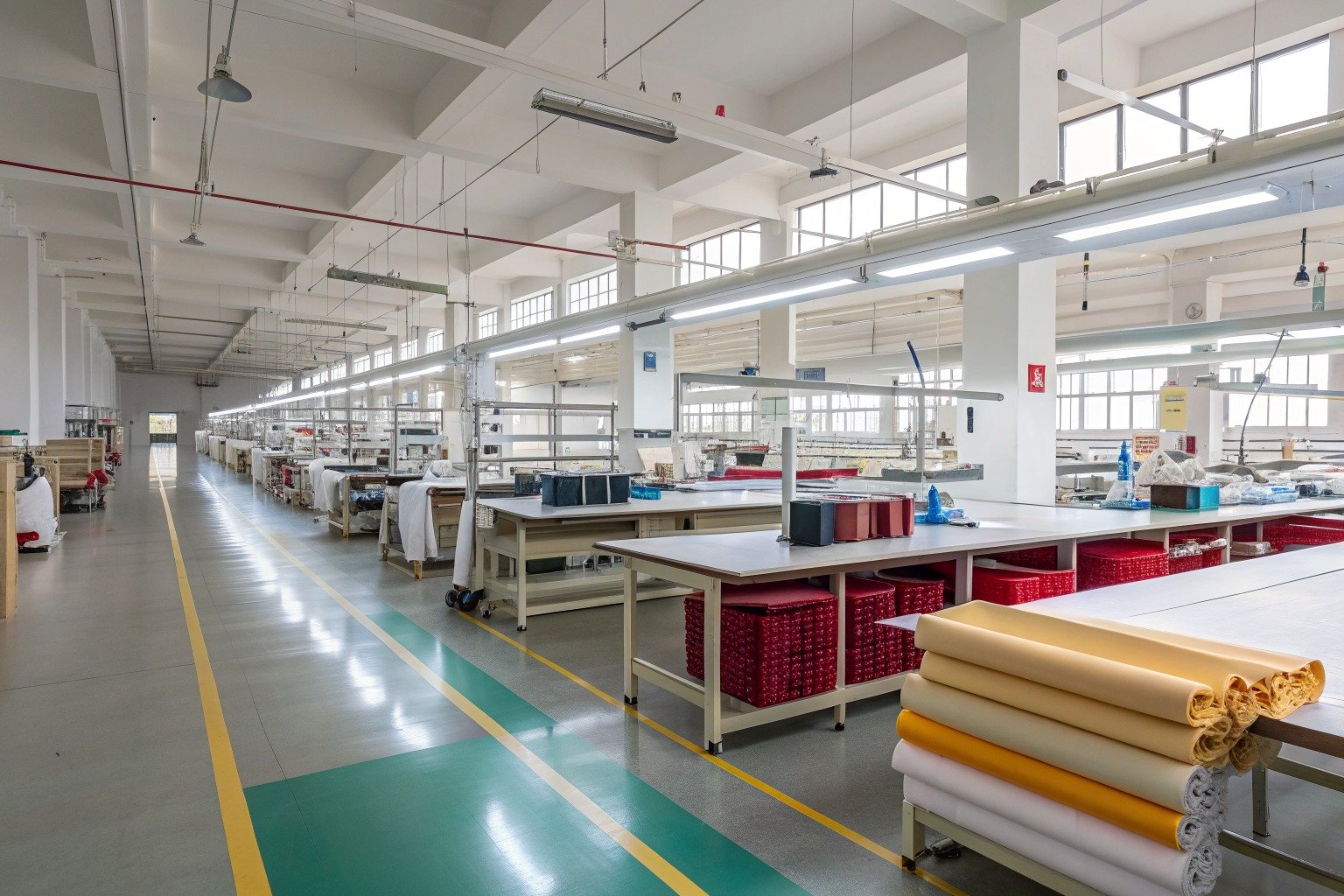
As a brand owner or buyer, you know that summer is a season of opportunity. Your customers are looking for versatile accessories that can take them from a breezy beach day to an air-conditioned evening event. A summer shawl is a perfect solution, but its success hinges entirely on one thing: the fabric. Choose the wrong material, and you’re left with a product that is heavy, sweaty, and uncomfortable—a guaranteed sales flop. You’re worried about navigating the world of textiles to find that perfect fabric that is not only beautiful but also functional for warm weather.
Choosing the right fabric for a summer shawl means prioritizing breathability, a lightweight feel, and a soft touch against the skin. The best choices are natural fibers like cotton, linen, and silk, or modern, high-tech semi-synthetics like modal and viscose. These materials allow air to circulate and wick away moisture, providing comfort and style without adding heat.
I’m the owner of Shanghai Fumao Clothing, and we’ve manufactured countless collections of shawls for our US and European partners. I can tell you from experience that the fabric choice is where a summer accessory wins or loses. It’s a decision that balances aesthetics, performance, and price. A beautiful print on a heavy polyester won’t sell in July. Let’s break down the best fabric options to ensure your next summer collection is a runaway success.
Why Are Natural Fibers the Classic Choice?
When you think of summer clothing, your mind naturally gravitates towards materials that feel good in the heat. You know that natural fibers are a popular choice, but you might not be sure about the specific benefits of each one for an accessory like a shawl. You need to understand their unique properties to make an informed sourcing decision that aligns with your brand’s quality and price point.
Natural fibers like cotton, linen, and silk are the classic, can’t-go-wrong choices for summer shawls because of their inherent, time-tested performance properties. They are naturally breathable, absorbent, and generally hypoallergenic, offering a level of comfort in the heat that many pure synthetics struggle to match. They project an image of quality and timeless appeal.
These fibers have been used for centuries for a reason. Their cellular structures are designed by nature to manage moisture and allow for airflow. When we translate this to a summer shawl, it means the wearer stays cool, dry, and comfortable. At AceAccessory, we often guide our clients toward these reliable, high-quality options as the foundation for a premium summer accessory line. They are not just materials; they are a statement of quality that discerning customers recognize and appreciate.
What are the pros and cons of cotton?
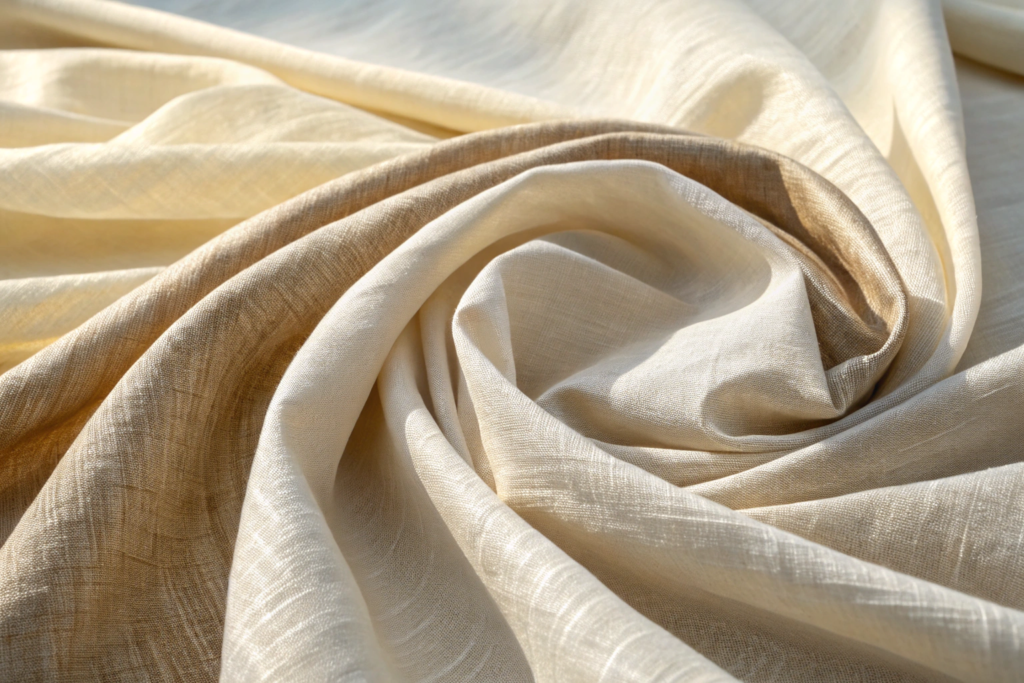
Cotton is the undisputed king of casual summer fabrics. For shawls, you should look for lightweight varieties like voile or gauze. The main benefit of cotton is its incredible softness and breathability. It feels gentle against the skin and is highly absorbent, which is great for humid climates. It’s also easy to print on, making it perfect for vibrant, colorful designs. The primary downside can be its tendency to wrinkle, although for a casual beach shawl, a slightly crinkled look is often part of its charm.
Is linen a good option for a more premium look?
Yes, linen is an excellent choice for a more sophisticated, premium summer shawl. Derived from the flax plant, linen is one of the most breathable fabrics in the world. Its fibers are hollow, allowing air to circulate freely. It’s also stronger than cotton and has a beautiful, slightly textured look known as "slub." While it does wrinkle easily (a characteristic considered part of its aesthetic), it drapes beautifully and has a crisp, cool feel against the skin. A linen shawl signals a relaxed, European-inspired luxury.
How Do Semi-Synthetics Offer Modern Performance?
You’re hearing more and more about modern "eco-friendly" fabrics like Modal and Viscose/Rayon. They are often described as being as soft as silk but as practical as cotton. You’re intrigued by these claims but also confused. Are they natural? Are they synthetic? And are they truly suitable for a high-quality summer accessory?
Semi-synthetic fibers, specifically Modal and Viscose, are fantastic modern options for summer shawls because they combine the best of both worlds. Derived from natural, renewable wood pulp, they are engineered to have an exceptionally soft, silk-like feel, a beautiful drape, and excellent moisture-wicking properties, often outperforming basic cotton in terms of softness and color vibrancy.
These fabrics are part of the "rayon" family—they start as natural cellulose but are transformed into fiber through a chemical process. This allows manufacturers to control their properties precisely. The result is a fabric that is incredibly soft, drapes beautifully, and holds dye exceptionally well, leading to deep, rich colors. They are also highly breathable and feel cool to the touch, making them ideal for summer wear. Brands like TENCEL™, a leading producer of Modal and Lyocell, have built a reputation on the sustainable credentials and luxurious feel of these modern fibers.

What is the main difference between Modal and Viscose?
Modal is considered a second-generation rayon. It is made using a slightly different process that results in a stronger, more stable fiber, especially when wet. It is also even softer and more resistant to shrinking and pilling than standard viscose. For a premium summer shawl that needs to withstand use and washing, Modal is often the superior choice. It offers a truly luxurious, silky hand-feel at a more accessible price point than genuine silk.
Are these fabrics truly sustainable?
The sustainability of semi-synthetics depends heavily on the manufacturing process. It’s crucial to work with suppliers who source from reputable producers like TENCEL™, who use a "closed-loop" production process. This process recycles the water and solvents used, dramatically reducing the environmental impact. When you specify a branded fiber like TENCEL™ Modal in your tech pack, you are ensuring both a high-quality product and a verifiable sustainability story for your brand.
What About Silk and Silk Blends?
For the ultimate luxury, your mind goes to silk. It’s synonymous with high-end fashion. But you’re also aware that 100% silk can be expensive and delicate. You’re wondering if it’s a practical choice for a summer accessory and if there are ways to get the benefits of silk without the high cost and delicate nature.
Silk is a superb luxury option for summer shawls due to its incredible strength-to-weight ratio, natural temperature-regulating properties, and unmistakable luster. To make it more practical and affordable, silk is often blended with other fibers like cotton or modal. A silk-blend shawl offers the beautiful sheen and drape of silk with the added stability and easier care of the blended fiber.
Pure silk is a natural protein fiber that feels amazing against the skin and has a unique ability to feel cool in the heat and warm in the cold. However, it can be slippery and require special care (dry cleaning). A blend is often the perfect compromise for a retail product.
- Silk/Cotton Blend: This blend is very popular. The cotton adds softness, breathability, and makes the fabric easier to care for, while the silk adds a beautiful, subtle sheen and a fluid drape.
- Silk/Modal Blend: This is a truly luxurious combination. The Modal enhances the silk’s softness and drape, creating a fabric that feels incredibly smooth and silky, while also being more durable and wrinkle-resistant than pure silk.
What type of silk weave is best for summer?
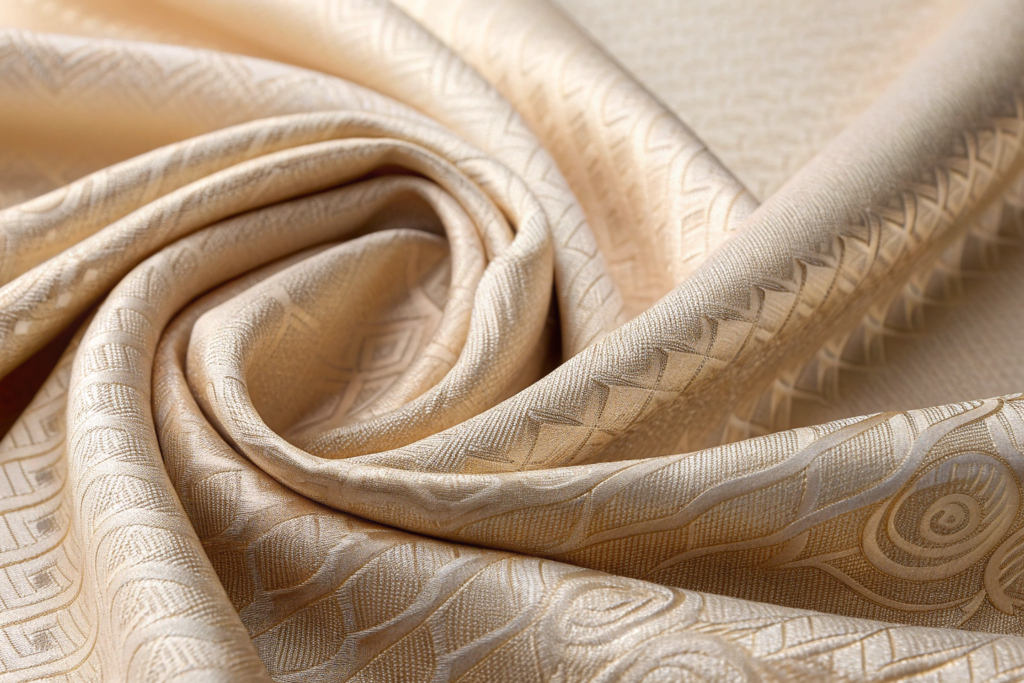
For summer, you want a lightweight and airy weave. Look for silk chiffon, which is sheer and ethereal, perfect for a very delicate, dressy shawl. Another great option is silk habotai, which is slightly more opaque but still very lightweight and has a beautiful, smooth surface. Avoid heavier silks like charmeuse or crepe de chine, which are better suited for cooler weather.
How does a blend affect the price?
A silk blend will be significantly more affordable than a 100% silk product. The final price will depend on the percentage of silk in the blend. Even a blend with 20-30% silk can impart a noticeable luster and improved drape to the fabric, elevating it far beyond a simple cotton or modal base. This allows you to offer a product with a premium feel without the premium price tag.
Which Fabrics Should I Generally Avoid for Summer?
You’re being offered a very low price on a collection of shawls made from 100% polyester. The prints are beautiful, and the price is tempting. It seems like an easy way to boost your profit margins. But you have a nagging feeling that it’s too good to be true. Is there a hidden cost to choosing a cheap, synthetic fabric?
For a summer shawl, you should generally avoid heavy, non-breathable synthetic fabrics like 100% standard polyester or acrylic. While they are inexpensive and hold color well, they trap heat and moisture against the skin, creating a sweaty, uncomfortable "greenhouse effect" that is the exact opposite of what a customer wants in a summer accessory.
This is a classic case of "you get what you pay for." Standard polyester and acrylic are essentially plastics. Their fibers do not absorb moisture; instead, they trap it. Wearing a polyester shawl on a warm day can quickly become a clammy, unpleasant experience. While some advanced, high-tech polyesters are engineered for athletic wear to wick moisture, the standard, inexpensive polyester used in many mass-market accessories does not have these properties. Choosing this material might save you money upfront, but it will cost you in customer satisfaction and repeat business.

Are all polyesters bad?
Not all. As mentioned, high-performance "technical" polyesters are different. Also, a polyester chiffon can be an acceptable, very low-cost alternative to silk chiffon for a sheer, dressy look, as its thinness mitigates some of the breathability issues. However, for a shawl meant for everyday comfort, natural fibers or semi-synthetics are far superior. A small amount of polyester in a blend can also be acceptable if it’s used to add durability or wrinkle resistance.
What about fleece or heavy knits?
These are definite "no’s" for a summer collection. Materials like fleece, heavy wool, or thick acrylic knits are designed for insulation and warmth. They are completely unsuitable for a summer shawl. Ensure your supplier understands the seasonal context of your product. A good partner like Shanghai Fumao Clothing would never recommend these materials for a summer line.
Conclusion
The success of your summer shawl collection is woven directly into the fabric you choose. By prioritizing the cool comfort of natural fibers like cotton and linen, embracing the modern, silky performance of semi-synthetics like Modal, or offering the accessible luxury of a silk blend, you can create a product that your customers will love to wear. The right fabric choice is a testament to your brand’s commitment to quality and customer experience. It ensures your shawl is not just a beautiful accessory, but a truly functional and comfortable companion for the entire summer season.
We have deep expertise in sourcing and working with all of these high-quality materials. Our team can guide you in selecting the perfect fabric that aligns with your brand’s aesthetic, your quality standards, and your target price point. If you are ready to create a collection of summer shawls that stand out for their beauty and their superior comfort, please reach out to our Business Director, Elaine, at elaine@fumaoclothing.com.