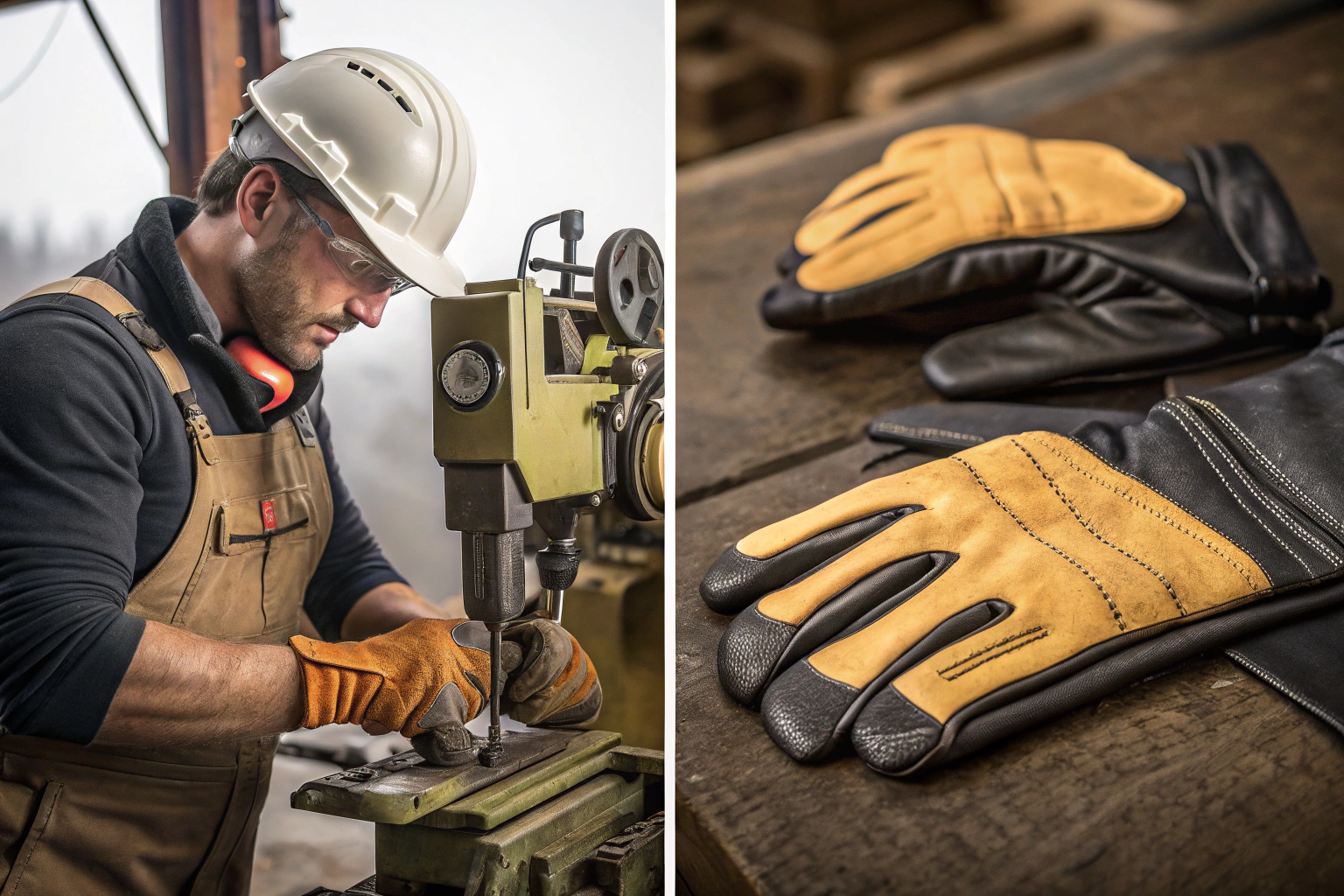
As a US brand specializing in workwear or industrial safety, you know that the quality of your gear can mean the difference between a job well done and a serious injury. You want to source a line of heavy-duty work gloves, but the process is fraught with risk. You’re concerned about navigating a sea of unknown overseas factories, verifying complex safety certifications, and ensuring the final product is tough enough to protect your customers. A bad supplier choice doesn’t just hurt your profits; it jeopardizes worker safety and your brand’s entire reputation.
To find a reliable supplier for heavy-duty work gloves, you must adopt a systematic approach that prioritizes technical vetting over price. This involves identifying specialist manufacturers on industrial B2B platforms, rigorously verifying their safety certifications (like ANSI and EN 388), testing physical samples for real-world performance, and establishing crystal-clear quality control standards before placing a bulk order.
I’m the owner of Shanghai Fumao Clothing, and while we specialize in fashion accessories, the principles of sourcing high-quality, functional products are universal. I’ve seen many US brands struggle when they venture into technical goods like Personal Protective Equipment (PPE) without a solid plan. Finding a true manufacturing partner—one with proven expertise and verifiable quality systems—is the only way to ensure your products are both compliant and competitive. Let’s walk through the essential steps to find a supplier you can trust.
Where Do I Find Specialized Glove Manufacturers?
You start with a broad search on a general B2B marketplace and are immediately overwhelmed. You find thousands of listings, many from trading companies reselling products from various unknown factories. It’s impossible to tell who is a true specialist and who is just a middleman. This lack of clarity makes you worry you’ll end up with a supplier who doesn’t understand the technical requirements of heavy-duty gloves, leading to a product that fails in the field.
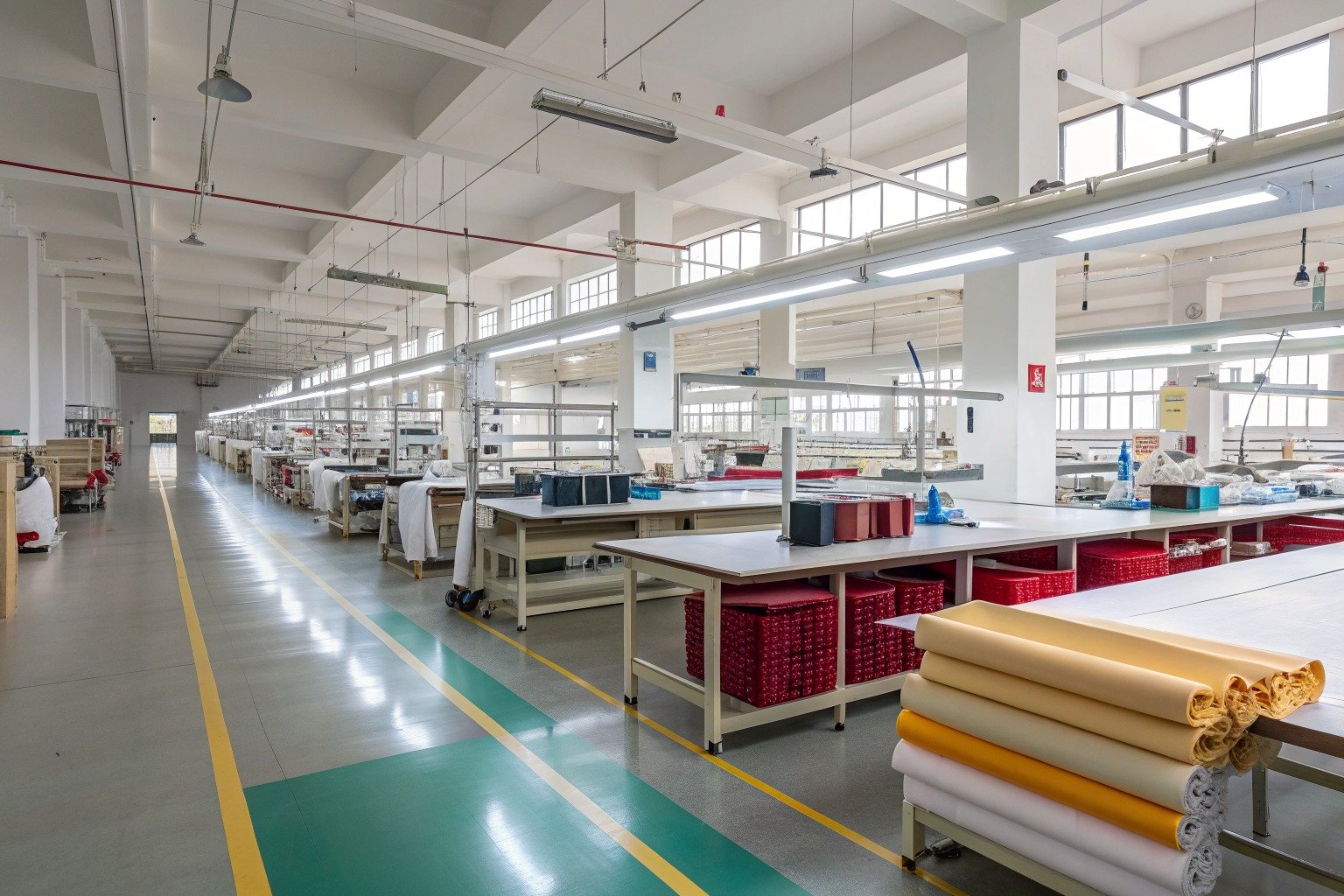
You must focus your search on platforms and trade shows that cater to industrial and safety equipment. While general sites like Alibaba are a starting point, specialized B2B marketplaces and industry-specific trade publications will connect you with experienced OEM (Original Equipment Manufacturer) factories that have deep expertise in producing PPE.
Unlike fashion goods, heavy-duty gloves are a technical product where expertise is paramount. You need a factory that lives and breathes hand protection. Look for suppliers on platforms like Global Sources and Made-in-China.com, which often have a stronger focus on industrial goods than general marketplaces. Even better, identify the major players in the safety industry by attending or researching global trade shows like the A+A in Germany or the NSC Safety Congress & Expo in the US. These events are where you’ll find legitimate, export-focused manufacturers who understand the demands of the US market.

Are there B2B platforms specifically for safety gear?
While there isn’t one single dominant platform just for PPE, many industrial sourcing sites have strong safety equipment categories. Websites like Europages for the European market and even targeted searches on LinkedIn can help you find direct contacts at specialized factories. Searching for "OEM work glove manufacturer" or "private label safety gloves" will yield more targeted results than a generic search. Many reputable manufacturers, like Unigloves or Caiman, also have their own direct B2B inquiry portals.
Why is a specialist manufacturer so important?
A specialist manufacturer understands the nuances of performance materials like Kevlar®, leather grades, and nitrile coatings. They will have the correct testing equipment on-site and a deep knowledge of the required safety standards for different industries (e.g., construction vs. chemical handling). A general accessory factory simply won’t have this institutional knowledge, increasing your risk of receiving a non-compliant or underperforming product.
How Do I Verify a Supplier’s Certifications and Quality?
A potential supplier’s website is covered in impressive-looking certification logos. But how do you know if they are legitimate? You’re worried about "paper-thin" certifications or, worse, completely fake documents. Placing an order with a non-compliant factory could result in your entire shipment being seized by customs or, more dangerously, lead to workplace injuries for which your brand could be held liable.
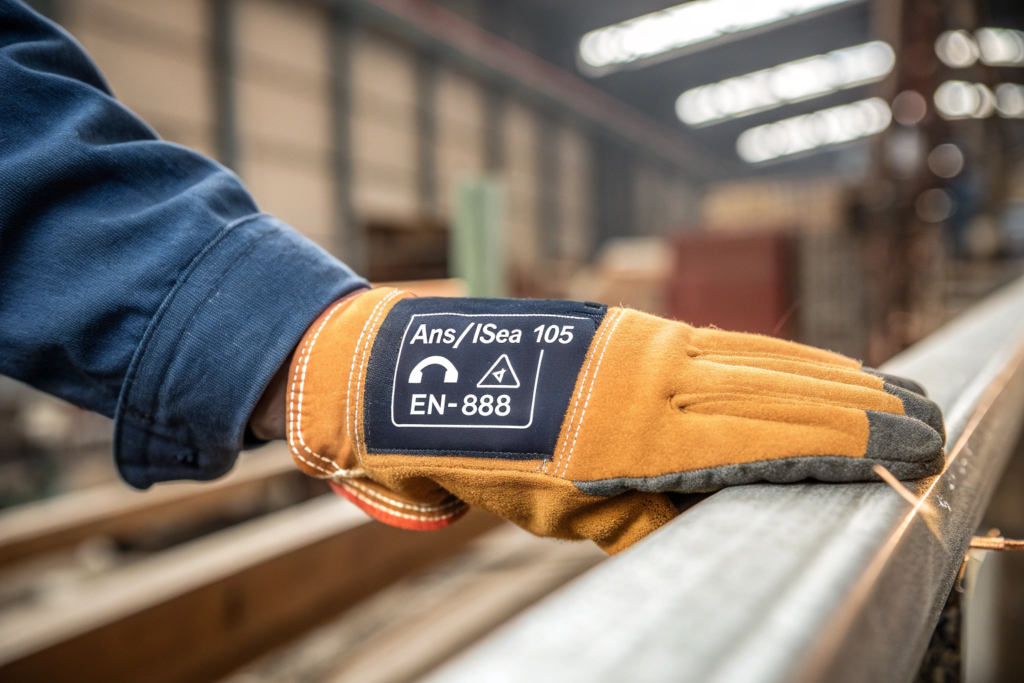
You must independently verify a supplier’s safety certifications and assess their quality control (QC) systems. For the US market, demand proof of compliance with ANSI/ISEA 105 standards. For Europe, it’s EN 388. Ask for the full test reports from a reputable third-party lab, not just a certificate. A trustworthy manufacturer will provide this documentation without hesitation.
These standards are not optional; they are the language of safety. The ANSI/ISEA 105 standard, for example, classifies gloves on a scale for cut resistance (A1-A9), abrasion, and puncture resistance. A supplier should be able to provide a report that shows the specific performance level of the glove you are sourcing. Beyond certifications, inquire about their internal QC process. Do they have ISO 9001 certification for their quality management system? Do they perform in-line inspections during production? The answers to these questions separate the professional factories from the risky ones.
What are the key safety standards to know?
- ANSI/ISEA 105 (American National Standard): This is the primary standard for the US market. It rates gloves for cut, abrasion, puncture, and other hazards.
- EN 388 (European Standard): This is the European equivalent, widely recognized globally. It uses a system of pictograms and numbers to rate performance against mechanical risks.
- ISO 9001: This is not a product standard but a certification of the factory’s quality management system. It shows they have reliable and repeatable processes in place.
How do I spot a fake certificate or a bad supplier?
Look for red flags. Be wary of suppliers offering prices that are "too good to be true," as this often indicates cheap, non-compliant materials.Scrutinize the test reports they send you—do they look professional? Is the testing lab reputable? A legitimate supplier will also be transparent about their processes and welcome your questions. If a supplier is evasive or unwilling to provide documentation, it’s a major warning sign to walk away.
How Do I Test and Validate a Glove’s Performance?
A sample glove has arrived. It looks and feels good. But will it hold up to the rigors of a construction site or a manufacturing plant? You can’t tell just by looking at it. You’re worried that the glove will fail under real-world stress, falling apart after a week of use and destroying your brand’s credibility with professional customers who depend on their gear.
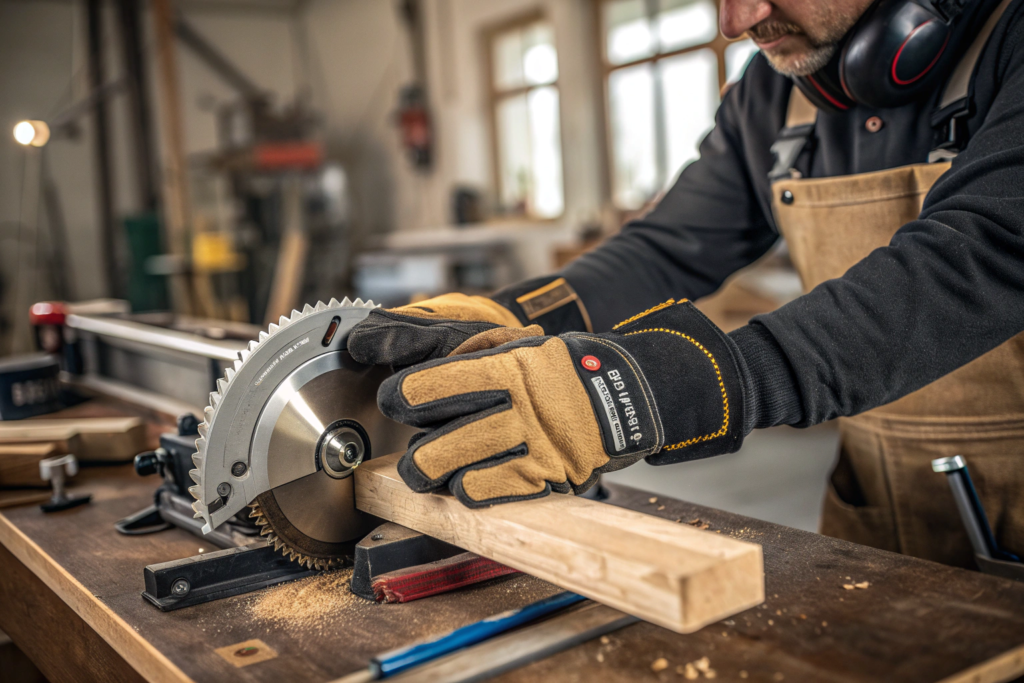
You must subject sample gloves to rigorous, real-world testing that simulates the intended use. This goes beyond a simple visual inspection. Distribute samples to professionals in your target industry (e.g., construction workers, mechanics) and gather structured feedback on durability, comfort, dexterity, and grip over a set period.
This field-testing phase is your ultimate quality assurance check. The feedback you receive is invaluable. A glove might have a high cut-resistance rating on paper but be too stiff for workers to handle small parts, reducing their efficiency. A seam might look strong but unravel after a week of abrasive work. At Shanghai Fumao Clothing, we know that no lab test can fully replace the feedback from an actual end-user.
What specific tests should I perform?
Once you receive samples, create a testing protocol.
- Fit and Dexterity Test: Can you pick up small objects like screws or nuts? Does the glove feel overly bulky?
- Grip Test: Test the grip in dry, wet, and (if applicable) oily conditions.
- Durability and Abrasion Test: Rub the palm and fingertips against a rough surface like concrete or coarse sandpaper. Do the coatings flake off? Do the seams hold?
- Long-Term Wear Test: Give samples to your target users and ask them to use them for 1-2 weeks and report back. This is the most important test of all.
What if the sample fails the test?
If a sample fails, provide clear, specific, and photographic feedback to the supplier. Don’t just say "the grip is bad." Say "the nitrile coating did not provide adequate grip when handling oily metal parts." A good OEM manufacturer will use this feedback to adjust the materials or construction and provide a revised sample. This iterative process is a normal part of developing a high-quality technical product.
How Do I Negotiate and Finalize an Order for PPE?
You’ve found a great supplier and approved the final sample. Now it’s time to negotiate the bulk order. You’re worried about committing a large amount of capital without locking in every detail. What if the production quality doesn’t match the approved sample? What if there are unexpected price increases or shipping delays?
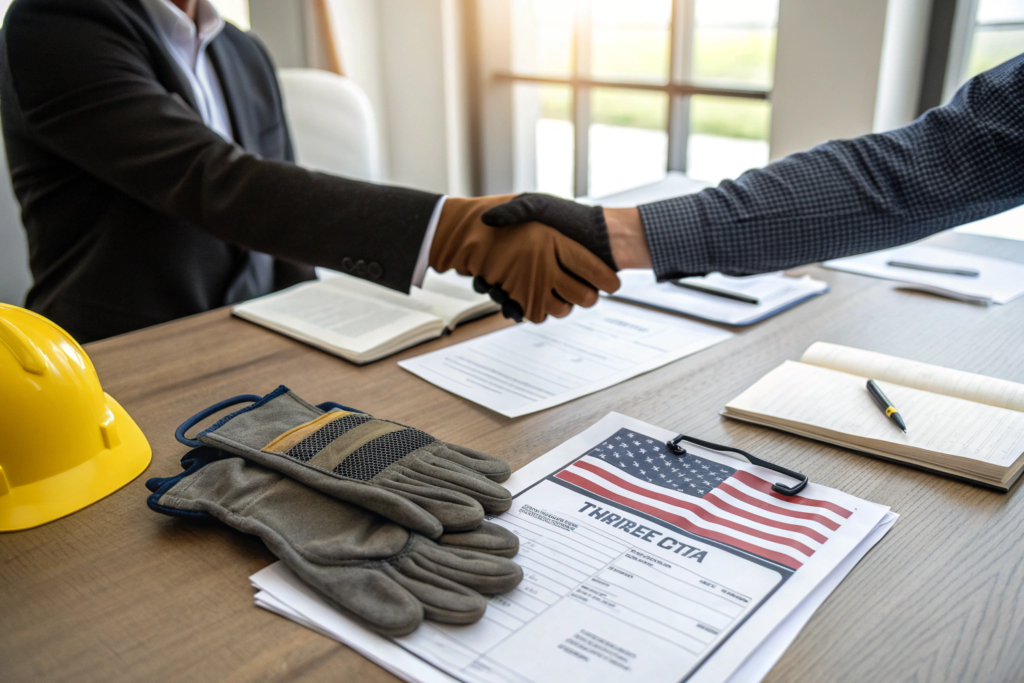
When finalizing an order for PPE, your negotiation should focus on establishing clear terms for quality assurance, payment, and delivery, not just on haggling for the lowest unit price. Your Purchase Order (PO) must be an ironclad contract that references the approved sample and details your QC standards, payment milestones, and delivery schedule.
For technical safety products, consistency is everything. Your PO is your primary tool for ensuring that consistency. It should explicitly state that "all production units must conform to the approved final sample." It’s wise to negotiate payment terms that mitigate your risk, such as a 30% deposit and 70% balance payable only after the goods have passed a pre-shipment inspection. Building a long-term, professional relationship based on clear expectations is more valuable than saving a few cents per unit on a single order.
What specific clauses should I include in my PO?
- Reference to Final Sample: "This order is for Product Name, Style #XYZ, to be manufactured in strict accordance with the approved final sample signed and dated Date."
- Quality & Inspection Clause: "We reserve the right to perform a third-party pre-shipment inspection. The order will be considered accepted only upon passing this inspection."
- Materials Specification: Re-state the exact materials (e.g., "Goatskin leather palm, A4 cut-resistant Kevlar lining").
- Packaging & Labeling: Detail all requirements for hang-tags, polybags, carton markings, and compliance labels.
Should I use a third-party inspection service?
For your first large order with a new supplier, using a third-party inspection service (like QIMA, SGS, or Intertek) is a highly recommended investment. For a few hundred dollars, they will send a professional inspector to the factory to check a random sample of your finished goods against your tech pack and approved sample before you pay the final balance. This provides an unbiased final check and gives you immense leverage to have any issues corrected before the products leave the factory.
Conclusion
Finding a supplier for heavy-duty work gloves is a high-stakes process that demands a level of diligence far beyond that for simple accessories. It requires a shift in focus from style and cost to technical performance, safety compliance, and verifiable quality. By seeking out specialist manufacturers, rigorously verifying their certifications, conducting real-world sample testing, and locking in all specifications in a detailed purchase order, you can build a reliable supply chain that protects both your customers and your brand.
This methodical, professional approach is the key to success in any technical product category. It transforms sourcing from a game of chance into a strategic business process. If you are looking for a manufacturing partner who understands the importance of quality systems, clear communication, and technical precision, we at Shanghai Fumao Clothing have built our business on these very principles. To discuss how we can help you develop your next high-quality product line, please reach out to our Business Director, Elaine, at elaine@fumaoclothing.com.