If you’re a ski brand or outdoor retailer sourcing gloves for the European winter sports market, choosing the right type isn’t just about warmth—it’s about performance, safety, style, and compliance. Many buyers we talk to get stuck between “cheap bulk gloves” and “premium technical gear,” unsure which balance delivers real value. The truth? Europe demands both function and certification.
For European ski markets, the most suitable gloves are insulated, waterproof, breathable models made with materials like GORE-TEX® or equivalent membranes, featuring reinforced palms, adjustable cuffs, and certifications such as EN 512 (for cold protection) and OEKO-TEX® Standard 100. Styles range from alpine ski gloves to freeride mittens, all designed for temperatures between -10°C and -30°C.
At Shanghai Fumao Clothing, we’ve supplied gloves to brands across Germany, France, Austria, and Scandinavia for over eight years. We know that European consumers don’t just buy gloves—they invest in gear that performs on the slopes and lasts season after season. Below, we break down exactly what works—and what doesn’t—in this demanding market.
What types of ski gloves dominate the European market?
European skiers prioritize technical performance over fashion alone. While North American markets sometimes favor bold colors or lifestyle looks, Europe leans toward minimalist design with maximum functionality—especially in alpine regions like the Alps.
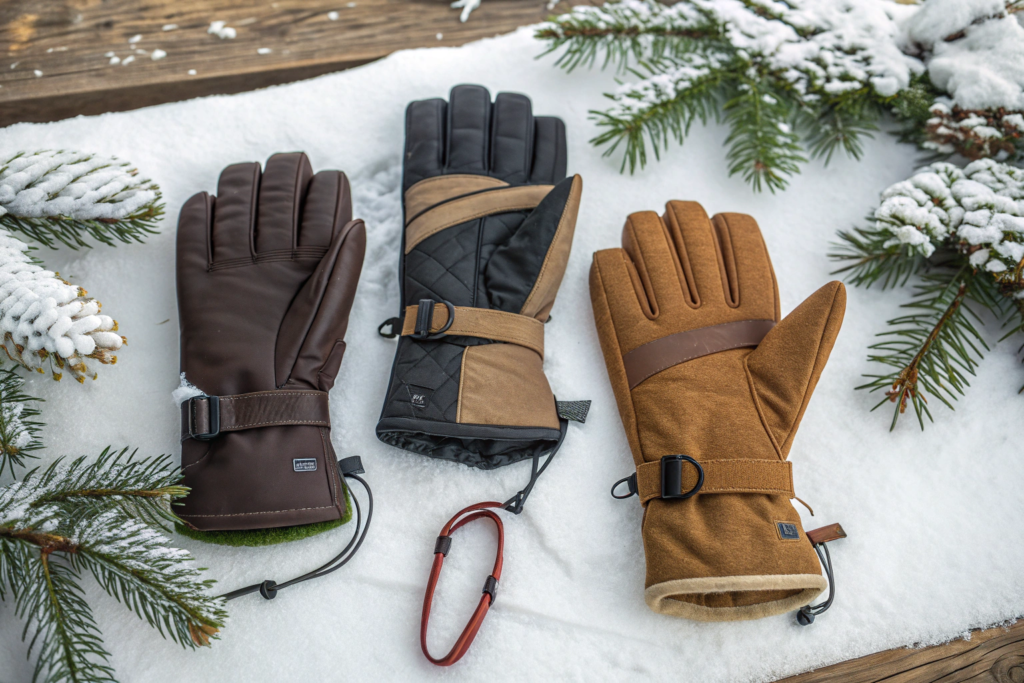
The dominant glove types include alpine ski gloves, freeride mittens, 3-in-1 convertible systems, and heated gloves for extreme conditions. Alpine gloves offer dexterity for pole handling and lift operation; mittens provide superior warmth for backcountry or powder days. In Scandinavia and the Baltics, heated gloves with battery packs are gaining traction due to prolonged sub-zero exposure.
We’ve seen brands fail by offering only one style—say, basic knit gloves—only to realize too late that EU customers expect seam-sealed construction and windproof shells. Our best-selling lines for EU clients combine goatskin leather palms (for grip and durability) with polyester or nylon shells laminated to breathable membranes. All meet the EN 512:2019 standard for cold-weather protection.
Why do European skiers prefer mittens over gloves in certain regions?
In high-altitude zones like the Austrian Arlberg or Swiss Valais, temperatures often drop below -20°C. Mittens keep fingers together, reducing heat loss—critical for safety during long lift rides or off-piste tours. According to the European Outdoor Group’s Market Report, mitten sales rise 22% annually in alpine countries versus flat growth in urban skiwear segments.
Are 3-in-1 glove systems popular in Europe?
Yes—especially among families and rental shops. A waterproof shell + removable thermal liner offers versatility across variable conditions (e.g., sunny mornings vs. snowy afternoons). However, premium brands like Arc’teryx or Mammut avoid them due to bulk. For mid-tier retailers like Decathlon or Intersport, they’re a top seller. We produce 3-in-1 systems with YKK® AquaGuard zippers and PrimaLoft®-equivalent insulation, fully compliant with REACH regulations.
What materials and features are non-negotiable for EU ski gloves?
It’s not enough to say “waterproof.” European buyers demand proof—through material specs, lab tests, and certifications. A glove labeled “water-resistant” won’t pass muster in Munich or Chamonix.
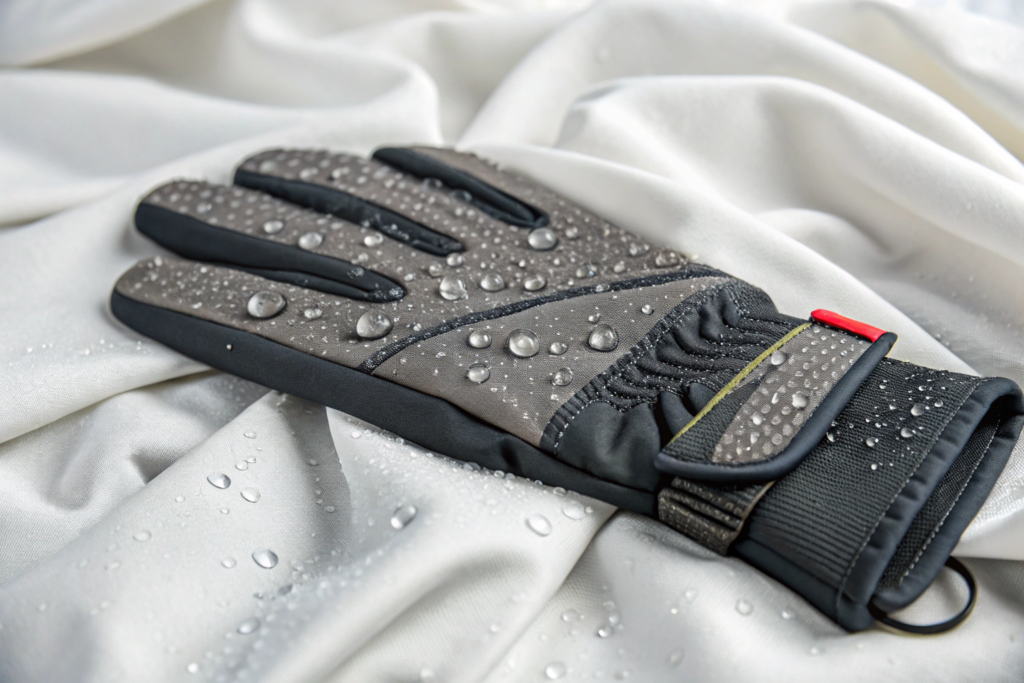
Non-negotiable features include: durable water repellent (DWR) finish, fully taped seams, breathable membrane (e.g., PU or ePTFE), insulation rated for -20°C or lower, reinforced palm and thumb panels, adjustable gauntlet or wrist strap, and compatibility with touchscreen devices. Materials must also comply with EU chemical safety laws—no banned phthalates or PFAS above threshold limits.
At Shanghai Fumao Clothing, we use Bionic Finish® Eco (a PFC-free DWR) and partner with membrane suppliers certified under OEKO-TEX® STeP. Our gloves undergo internal rain chamber tests (simulating 2+ hours of heavy snow) before shipment. We also offer optional GORE-TEX® INFINIUM™ WINDSTOPPER® integration for dry-wind conditions—ideal for Nordic skiing.
| Feature | Requirement | Why It Matters |
|---|---|---|
| Waterproofing | ≥10,000mm HH rating | Prevents snow melt penetration |
| Breathability | ≥5,000g/m²/24h | Reduces sweat buildup |
| Insulation | Synthetic (e.g., Thinsulate™) or wool blend | Maintains warmth when wet |
| Cuff Design | Extended gauntlet or elasticized wrist | Blocks snow entry |
Why is breathability as important as waterproofing?
Sweaty hands freeze faster than dry ones. Even if a glove blocks external moisture, trapped perspiration condenses and chills the skin. That’s why EU standards emphasize moisture vapor transmission rate (MVTR). We test breathability using the ISO 11092:2014 method and aim for >8,000g/m²/24h in premium lines. Learn more from the International Ski Federation (FIS) Equipment Guidelines.
Can I use recycled materials without sacrificing performance?
Absolutely. Recycled polyester shells (from rPET bottles) now match virgin fabric in strength and DWR retention. We source from GRS-certified mills and can add up to 100% recycled content without compromising waterproofness. Brands like Picture Organic Clothing prove sustainability sells—Textile Exchange’s 2025 Preferred Fiber Report shows 68% of EU outdoor shoppers prefer eco-materials.
Which certifications are mandatory for selling ski gloves in Europe?
Unlike the U.S., the EU enforces strict conformity assessments for personal protective equipment (PPE). Ski gloves fall under Category II PPE (moderate risk), requiring CE marking, technical documentation, and third-party testing.
Mandatory certifications include: CE Marking under Regulation (EU) 2016/425, EN 512:2019 (cold protection), and OEKO-TEX® Standard 100 (chemical safety). Optional but recommended: bluesign® approval (sustainable production) and ISO 13688 (general PPE requirements). Without these, customs may block your shipment—or worse, retailers reject your entire order.
We’ve helped U.S. brands navigate this maze by providing full compliance packages: test reports from SGS or TÜV, DoC (Declaration of Conformity), and bilingual labeling (English + local language). Our factory is audited annually under BSCI and SEDEX, ensuring ethical production—a growing concern for EU buyers post-CSDDD.
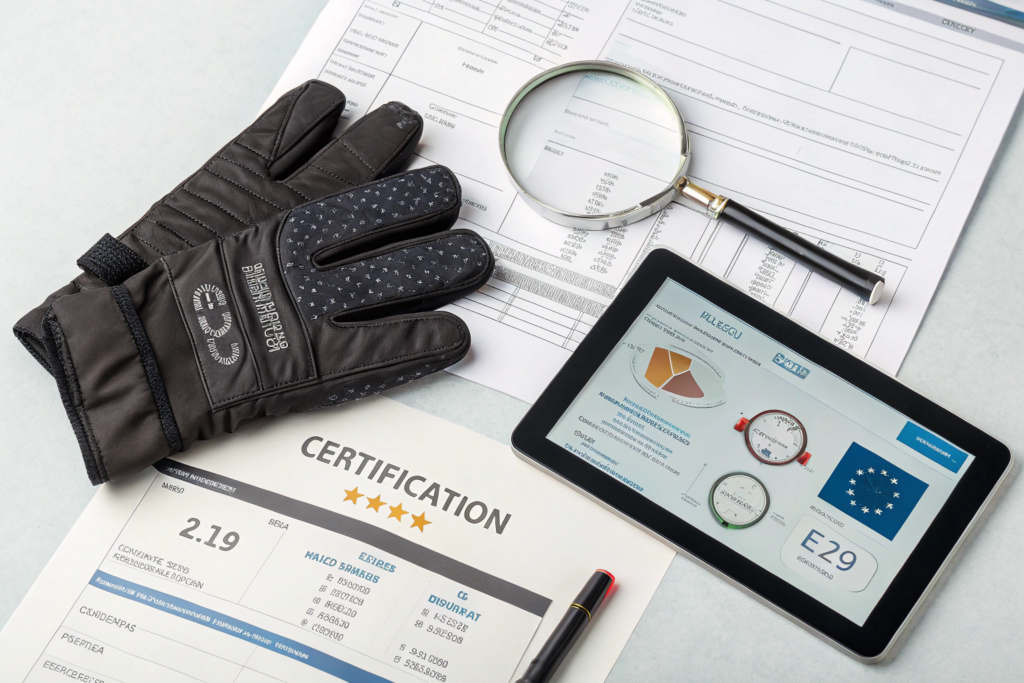
How do I verify if my supplier’s certifications are valid?
Check certificate numbers on official databases: EU NANDO for notified bodies, OEKO-TEX® Label Check, and bluesign® SYSTEM PARTNER search. Avoid suppliers who send PDFs without verifiable IDs. At Shanghai Fumao Clothing, we share live access to our certification portal so you can validate anytime.
Does CE marking require a European authorized representative?
Yes—for non-EU manufacturers. You must appoint an EU-based Responsible Person to hold technical files and liaise with authorities. We partner with compliance firms in Germany and the Netherlands to offer this service at cost, saving you legal headaches. Details are outlined in the European Commission’s PPE Guidance.
How can I balance cost and quality when sourcing for Europe?
Many importers assume “EU-compliant = expensive.” But smart design choices—like modular construction or strategic material blends—can cut costs without compromising safety or performance.
Focus spending on critical zones: palm reinforcement, membrane quality, and cuff sealing. Save on non-contact areas: use lighter lining in the backhand, or simplify embroidery. We helped a French startup reduce COGS by 18% by switching from full-leather to leather-palm/hybrid-shell—without affecting warmth or durability.
Also, consider seasonal production timing. Ordering in Q2 (April–June) locks in lower material prices before winter demand spikes. Plus, our Zhejiang factory avoids U.S. tariffs entirely—so your EU-bound gloves aren’t burdened by unnecessary duties. We offer FOB Ningbo or DDP Rotterdam terms with real-time logistics tracking via Flexport-integrated systems.
What’s the minimum order quantity (MOQ) for custom EU ski gloves?
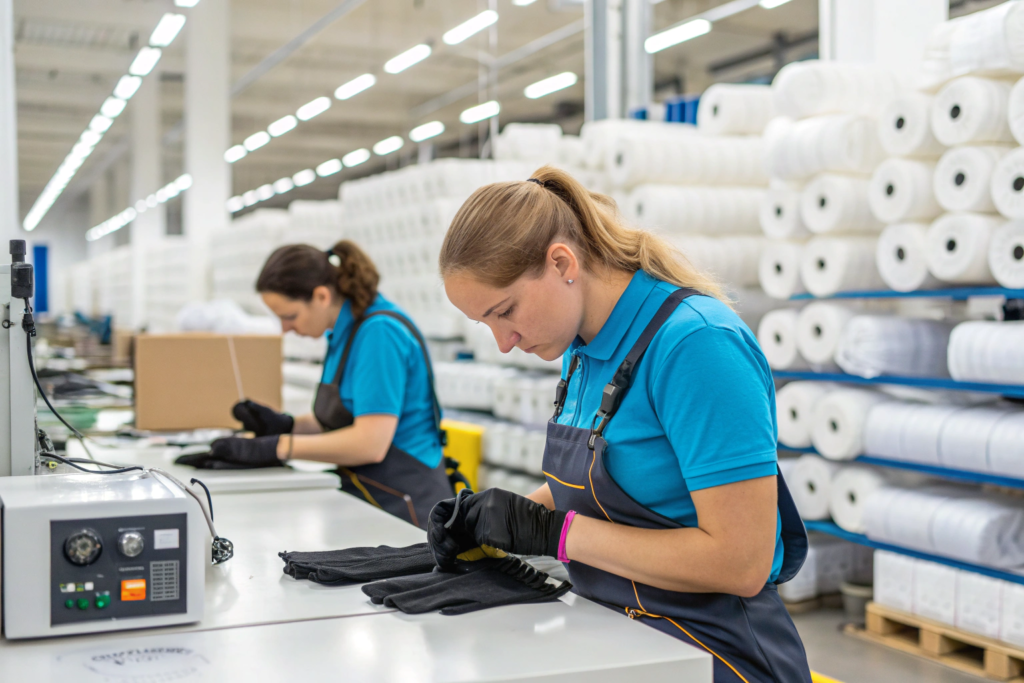
Our standard MOQ is 500 pairs per style/color, but we offer 300-pair trial runs for new brands. This includes full tech pack development, pre-production samples, and compliance documentation. Compare that to competitors demanding 2,000+ units—you get agility without sacrificing scale.
How do I handle returns or defects under EU consumer law?
EU Directive 1999/44/EC gives buyers 2-year legal warranty on goods. If gloves leak or delaminate within that period, you’re liable. That’s why we build in 15% extra inventory for replacements and offer AQL 1.5 inspection (stricter than industry-standard 2.5). Our defect rate? Under 0.8% over the last three winters. For supply chain transparency, see the EU Consumer Protection Cooperation Network.
Conclusion
Succeeding in the European ski glove market means respecting its blend of technical rigor, regulatory depth, and consumer expectations. It’s not about the cheapest option—it’s about the smartest partnership. From material selection to CE compliance, every detail impacts shelf life, brand trust, and repeat orders.
At Shanghai Fumao Clothing, we’ve built our reputation on delivering gloves that meet—and exceed—European standards, on time and on budget. Our team combines agile manufacturing with deep regulatory knowledge, so you can focus on marketing, not micromanaging production.
If you’re developing a ski glove line for Europe and need a reliable, certified, and responsive manufacturer, contact our Business Director Elaine at elaine@fumaoclothing.com. She’ll send you our EU compliance checklist, material swatch book, and sample pricing within one business day.