You’ve just approved the production of a beautiful new collection of belts. The leather is perfect, the buckles are stunning, and the craftsmanship is exactly what you wanted. But now comes a crucial, often overlooked question: how will they survive the 10,000-kilometer journey from the factory to your warehouse? A single deep scratch on a buckle or a permanent crease in the leather can turn a first-quality product into a discounted reject. So, how do we prevent this?
How can you package belts to prevent damage? The most effective method is a multi-layered strategy that protects each component individually: 1) wrapping the buckle in protective film or paper, 2) coiling the belt correctly and securing it, 3) enclosing each unit in a polybag, and 4) packing them tightly into a strong, double-walled master carton. As the owner of Shanghai Fumao Clothing, I can assure you that proper packaging is not an expense; it’s the final, critical step of quality control.
Is it really necessary to take so many steps? Yes. Let’s break down each layer of protection and understand why it’s essential for delivering a perfect product.
How Do You Protect the Buckle, the Belt’s Most Vulnerable Part?
When a shipment of belts arrives damaged, what is the most common complaint? It’s almost always scratches, chips, or scuffs on the metal buckle. The buckle is the "face" of the belt, and it’s also the hardest, heaviest, and most damage-prone component. During transit, an unprotected buckle can easily get scratched by another buckle or, even worse, scratch the leather of another belt. Therefore, what is the first and most critical packaging step? It is to isolate and protect the buckle. Before anything else, every single buckle must be meticulously wrapped. This single step prevents 90% of common shipping damage. Isn’t it true that protecting the most valuable component first is the most logical approach?
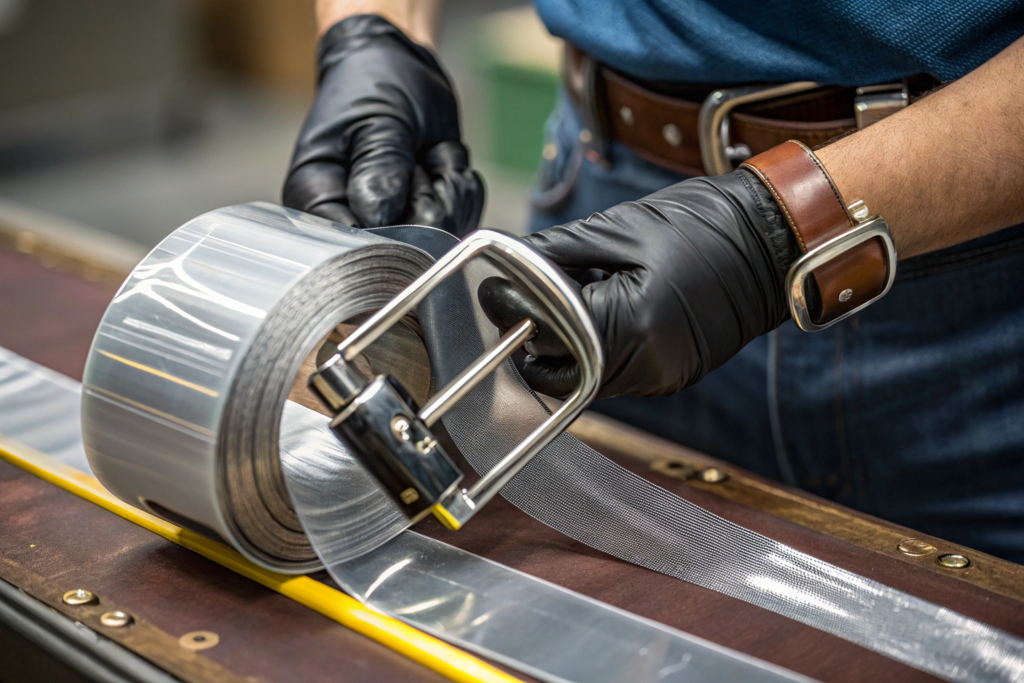
What Are the Best Materials for Wrapping Buckles?
What do we use for this process? We have a few standard options, depending on the buckle’s shape and finish. Protective Plastic Film is the most common method. It’s a thin, clear, self-adhering film, similar to food wrap but stronger, perfect for wrapping complex buckle shapes. For delicate or matte-finish buckles, we use soft, acid-free Tissue Paper or Foam Paper, secured with a small piece of tape. For some high-volume, standardized buckle shapes, we may even use a custom-molded, slide-on plastic cover that offers rigid protection, a technique often discussed in packaging design forums. This choice is a key part of our sample evaluation process.
Why Must Every Single Buckle Be Wrapped?
Can’t you just wrap every other one? No. In the chaos of a shipping container vibrating across the ocean, every buckle is a potential weapon against every other product in the box. Wrapping every single one is the only way to ensure that the only thing a buckle can touch is its own soft, protective layer. This is a non-negotiable step in our quality inspection process. Think of it like a quarantine for each buckle to prevent cross-contamination of damage. It is a fundamental principle of good manufacturing practice.
How Should the Belt Itself Be Coiled and Secured?
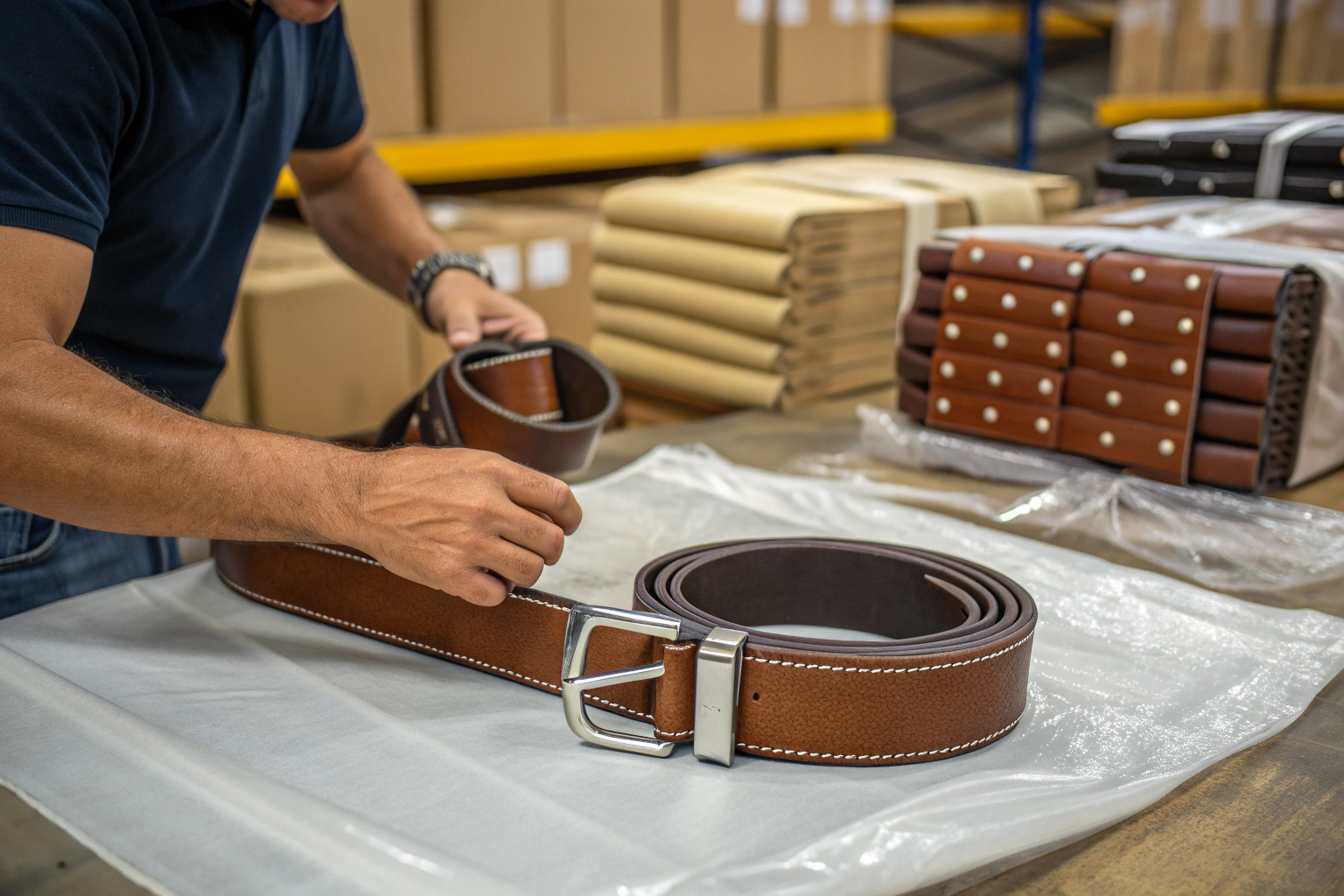
Once the buckle is protected, how do you manage the long leather or fabric strap? You can’t just toss it in the box. An improperly folded belt will develop permanent creases that can ruin the product. The goal is to prepare the belt in a way that is compact, secure, and avoids any sharp folds. What is the industry-standard method? It is to gently coil the belt. Starting from the tip of the belt, we roll it towards the buckle, creating a neat, circular coil. This method follows the natural curve of the belt and prevents any hard-angled creases from forming.
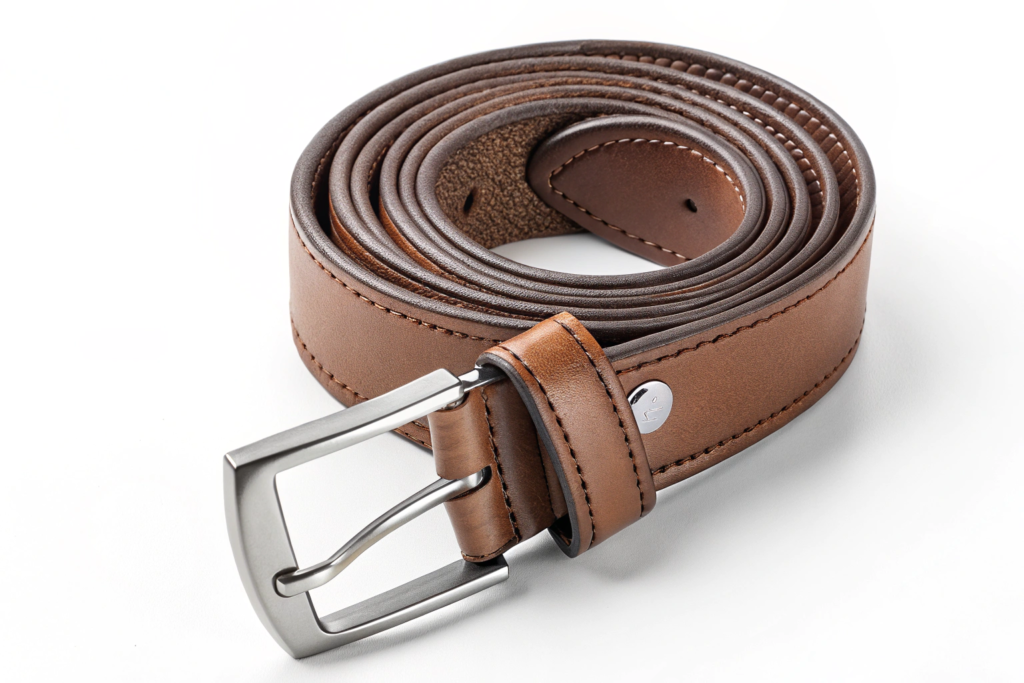
How Do You Secure the Coil?
What stops the belt from unrolling in the box? Once coiled, the belt must be secured. We use a few different methods depending on the client’s preference. Clear Plastic "C-Clips" or Bands are inexpensive and effective. For a more premium or sustainable packaging option, we can use a printed Paper "Belly Band" that wraps around the middle of the coiled belt. This can also be a great place for branding, sizing, or barcode information, a technique often used for high-end men’s formal accessories. This choice of material is an important part of the overall product presentation.
What About Belts with Delicate Embellishments?
What if the belt strap is covered in beads or studs? For these highly delicate items, coiling might put too much stress on the embellishments. In these special cases, we may package the belt flat, laid out straight in a long, narrow box, with a layer of tissue paper protecting the full length of the strap. This is a more expensive packaging method reserved for the most delicate and premium accessories, similar to how one might package a fragile bridal hair accessory. This approach is a form of specialized protective packaging designed for high-value goods.
Why Does Every Belt Need Its Own Individual Bag?
Now you have a perfectly wrapped and coiled belt. Is it ready to be put in the shipping carton? Not yet. The next layer of protection is the individual polybag. Every single coiled belt unit is placed inside its own clear plastic bag before being packed. What is the purpose of this extra step? The polybag serves two critical functions: protection from moisture and dust, and protection from abrasion. The smooth surface of the polybag allows the units to slide harmlessly against one another during the thousands of miles of vibration in transit.
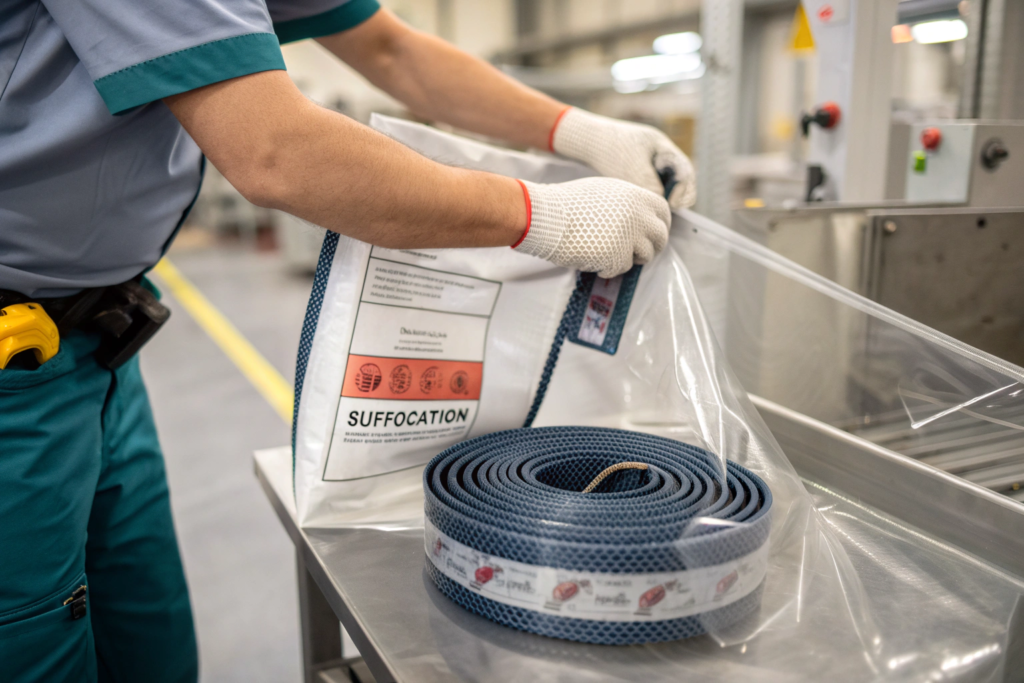
Does This Bag Require Any Special Markings?
Are there any rules for these bags? Yes, and this is very important for our clients importing to Canada, the US, or Europe. For safety reasons, most Western countries require that polybags have small air holes and a clearly printed suffocation warning label. As an experienced exporter, we ensure all our packaging complies with the consumer product safety regulations of the destination country. This is a critical detail for any brand that sells products for all ages, similar to regulations for tourist souvenirs.
Can You Use More Sustainable Options?
What if a brand wants to avoid plastic? We are seeing a growing demand for more sustainable options. Instead of a plastic polybag, we can package each belt in a small, reusable cotton drawstring bag or a box made from recycled cardboard. These are more expensive options, but they can be a powerful part of a brand’s sustainable marketing story. This aligns with the growing consumer demand for eco-friendly packaging, a trend we watch very closely.
How Do You Choose and Pack the Master Shipping Carton?
You now have a pile of individually bagged, perfectly protected belts. What is the final layer of the fortress? It is the master shipping carton. Choosing the right box and packing it correctly is the final, crucial step. What makes a good shipping box? It’s all about strength. We exclusively use double-walled (or 5-ply) corrugated cardboard cartons. A single-walled box is simply not strong enough to withstand the crushing weight and rough handling of international freight. The box must be strong enough to protect the contents even if it ends up at the bottom of a stack of twenty other heavy boxes. Isn’t the outer box the primary defense against the brutal realities of shipping?
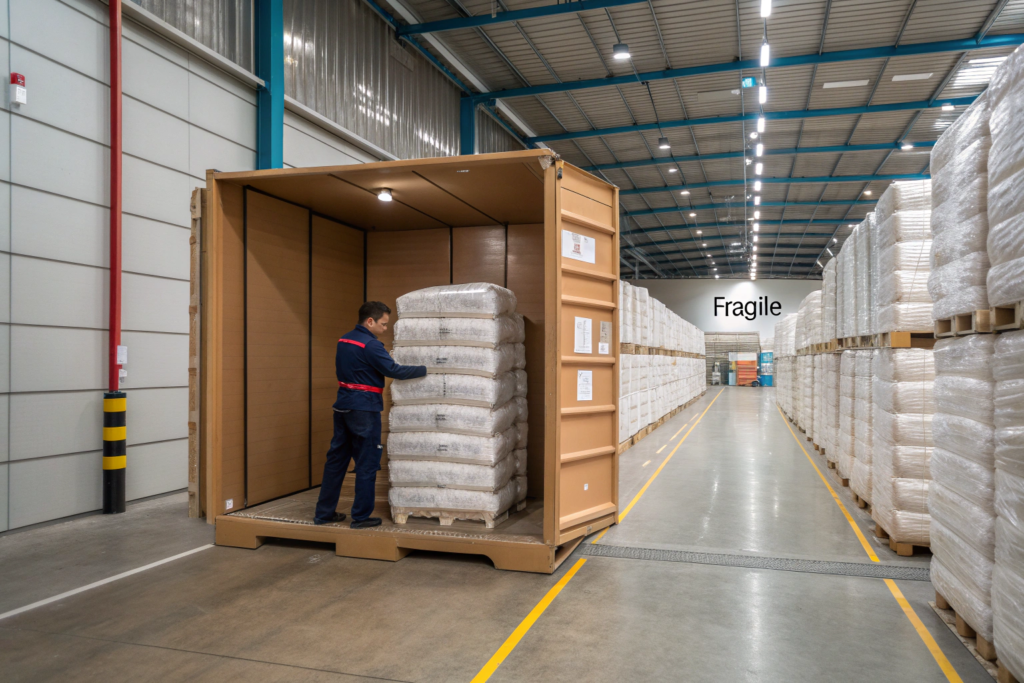
Why is a "Tight Pack" So Important?
What is the golden rule of packing a box? Minimize empty space. The individually bagged belts should be packed neatly and tightly together. Any empty space allows the contents to shift and slide around during transit. This movement creates momentum and can lead to damage, even if the items are individually wrapped. If there are any small gaps, we fill them with dunnage (filler material) like craft paper or air pillows to ensure the contents are immobilized. This principle is a core concept in logistics and supply chain management.
What About Carton Markings?
How do you know what’s in the box? Every master carton must be clearly marked with all the essential information required by the client and the customs authorities. This includes the Purchase Order (PO) number, style number, color, quantity, carton number (e.g., "1 of 20"), weight, and country of origin ("Made in China"). Clear markings, as defined by international standards like ISO 7000, ensure the shipment is easy to receive, inventory, and clear through customs.
Conclusion
So, how do you package belts to ensure they arrive in perfect condition? Is it a single, simple solution? No. It is a systematic, multi-layered defense strategy.
It begins with protecting the most vulnerable part, the buckle. It continues with a proper coiling technique to prevent creases. Each unit is then shielded in its own individual polybag. Finally, everything is immobilized within a strong, tightly packed master carton.
By investing in this level of detailed packaging, we ensure that the quality we build into your product on our production line is the same quality you unbox in your warehouse. It’s the final, silent promise of a professional manufacturing partner.
If you’re looking for a partner who thinks about every detail, from the first stitch to the final piece of packing tape, we’re ready to show you the difference. Please contact our Business Director, Elaine, at her email: elaine@fumaoclothing.com.