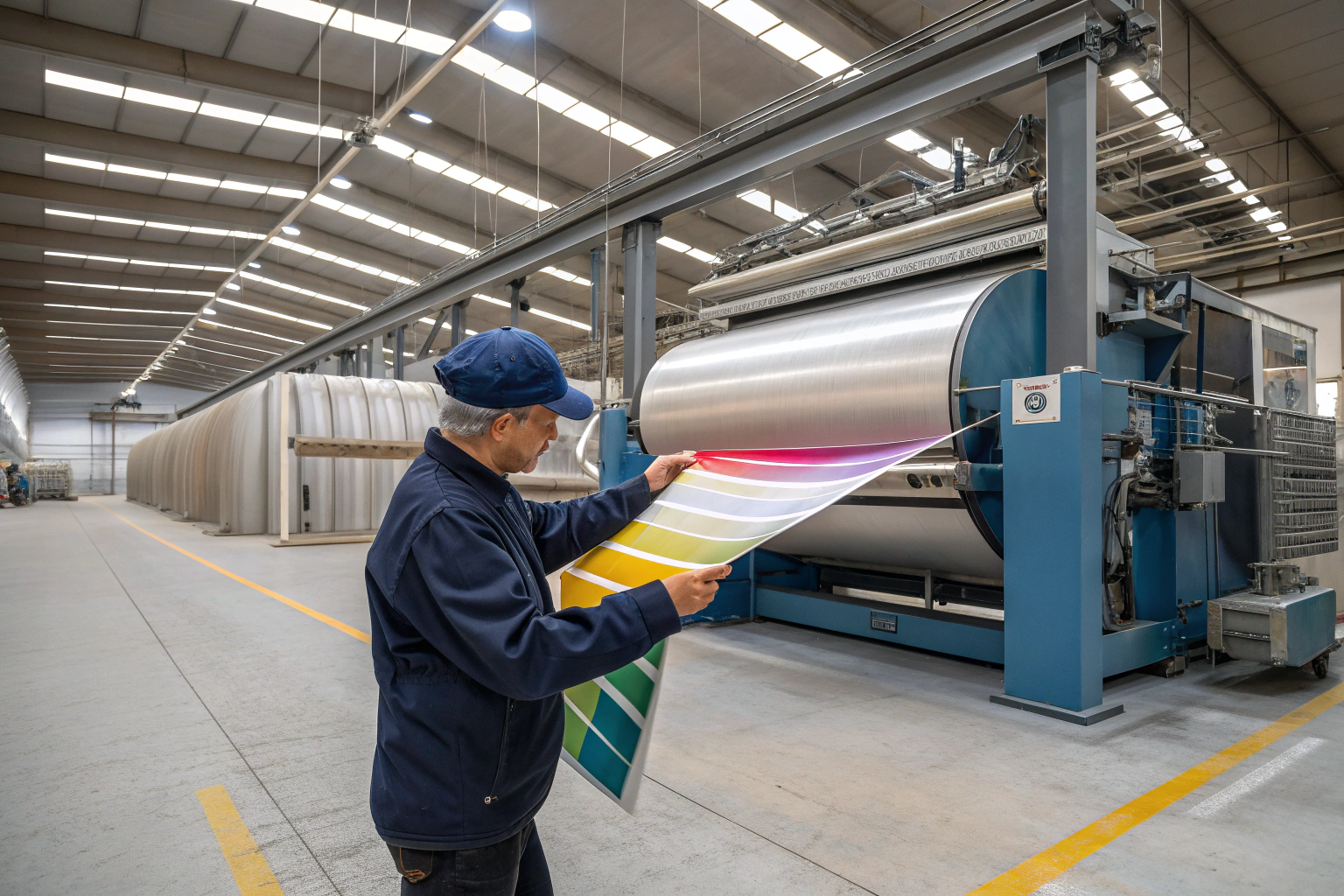
You have a specific, beautiful color in mind for your next collection. It’s your brand’s signature shade, and it’s not something you can find "off-the-shelf." You need to get your fabric custom-dyed. You contact a factory, excited to bring your vision to life, and then you’re asked a question: "Are you able to meet the MOQ?" This three-letter acronym—MOQ, or Minimum Order Quantity—can be the most significant hurdle for any brand, especially a new one.
So, what is the standard MOQ for custom-dyed fabric? While it varies by fabric type and supplier, a typical starting point for custom dyeing is between 800 to 1,000 meters (or yards) per color. For some specialized fabrics, it can be even higher.
Does this number seem intimidatingly large? It can be. But it’s not an arbitrary number designed to exclude small brands. It’s a number deeply rooted in the industrial realities and economics of the fabric dyeing process. As the owner of Shanghai Fumao Clothing, I believe that understanding why this MOQ exists is the first step to successfully navigating it. Let’s pull back the curtain on the dyeing process and explore what this number really means for your brand.
Why Does This Minimum Quantity Even Exist?
Before we talk about the number itself, shouldn’t we understand the reason for it? The MOQ for custom dyeing isn’t a sales tactic; it’s a technical and economic necessity for the dye houses and fabric mills we work with. The entire process is built for industrial scale.
Imagine trying to bake a single cupcake in a massive industrial oven designed to bake 1,000 loaves of bread at once. The amount of energy, time, and resources used would be incredibly wasteful, and the result would probably not be very good. Custom fabric dyeing operates on a similar principle. The machinery, chemicals, and labor are all optimized for large batches.
Isn’t understanding this industrial reality the key to a better conversation with your supplier? Let’s look at the specific factors that create this minimum.
What is the "Dye Lot" and Why is it So Large?
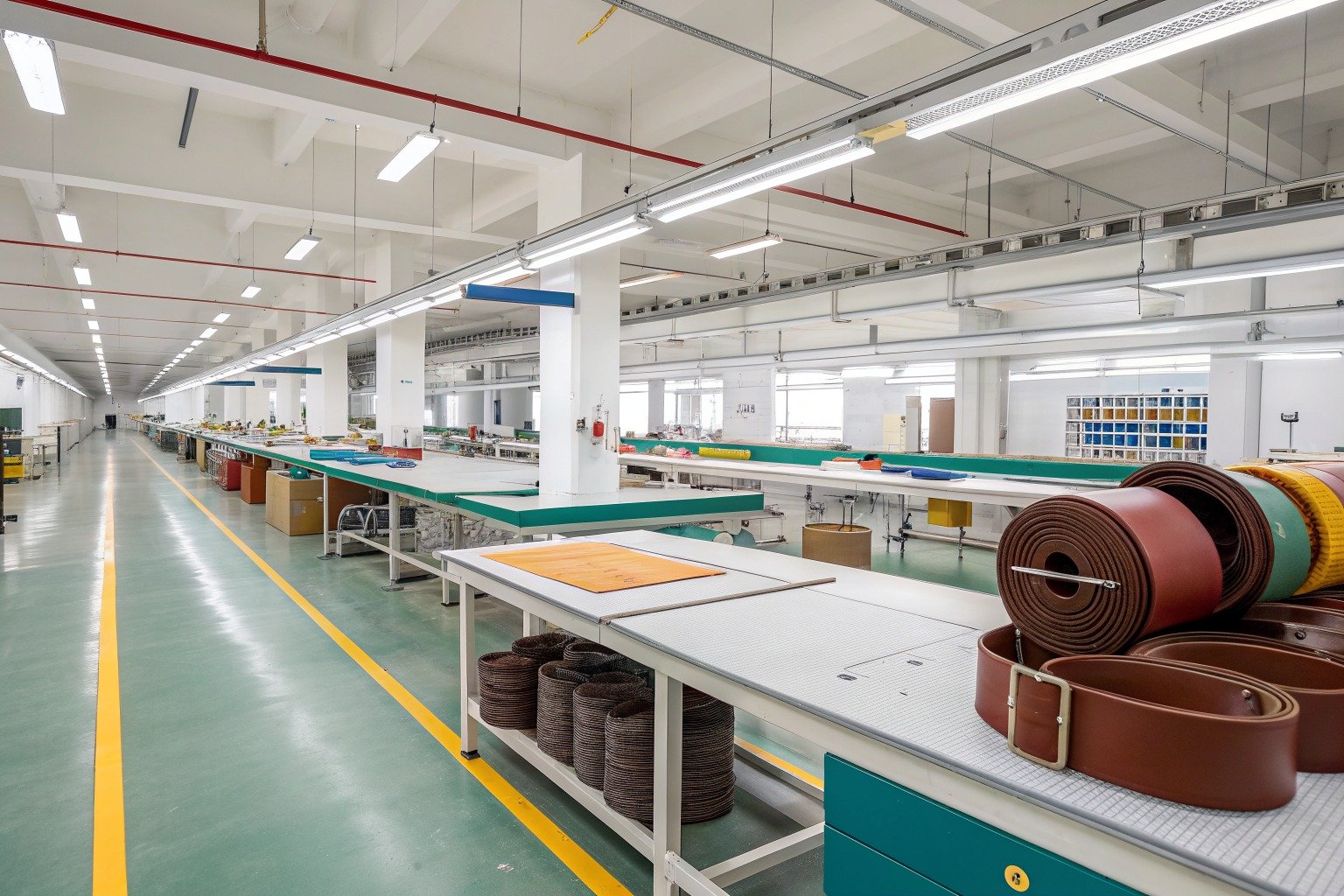
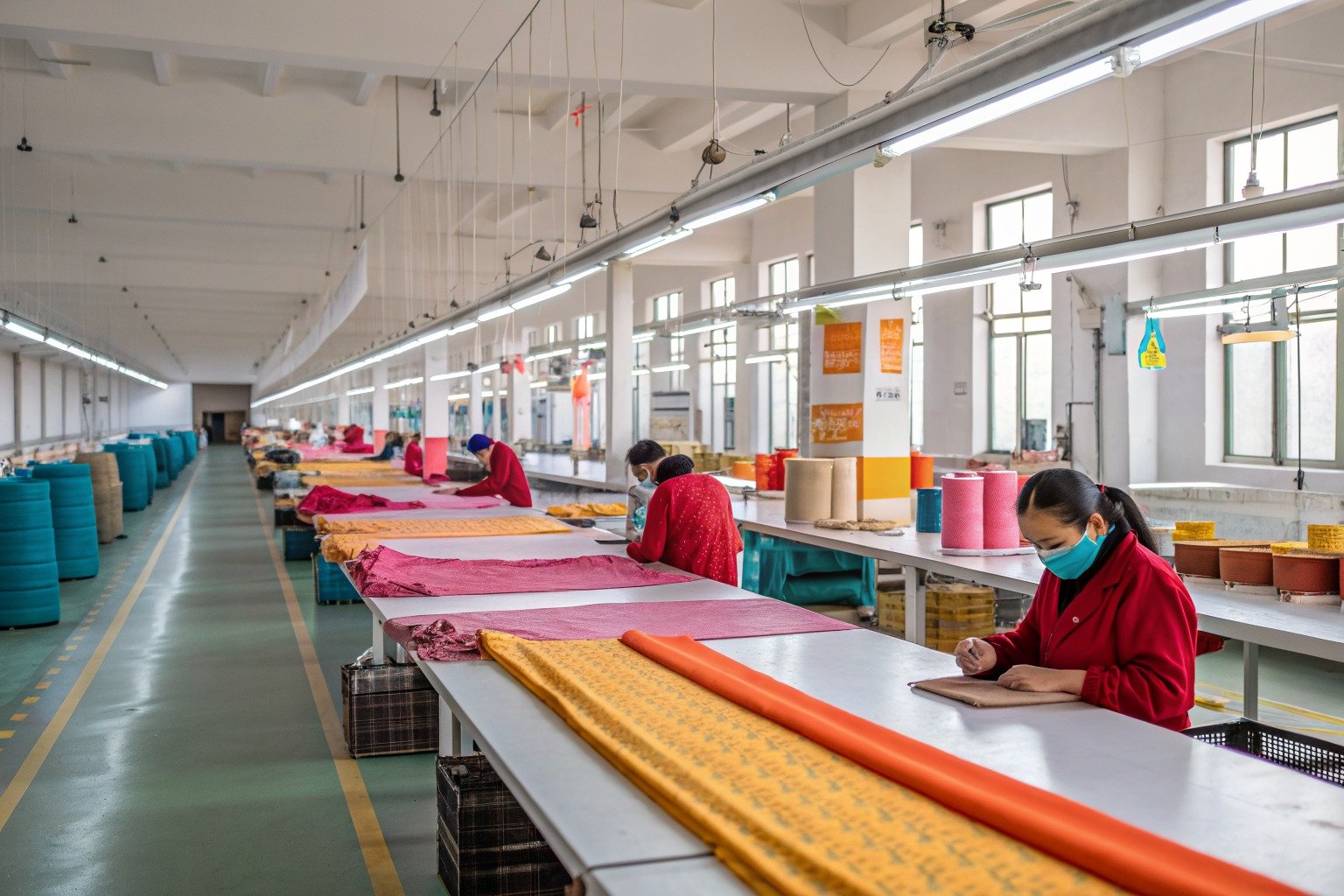
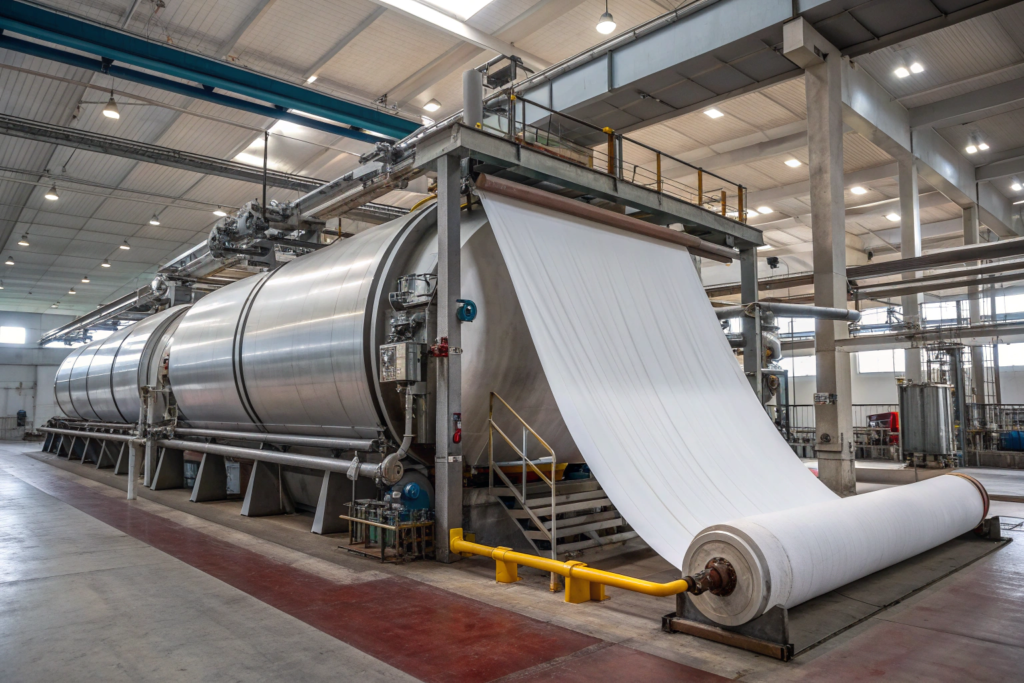
What is a dye lot? It’s a single, continuous batch of fabric that is dyed at the same time in the same machine. The industrial dyeing machines, or "vats," are huge. They are designed to hold hundreds of kilograms of fabric at once. To set up a machine for a custom color involves a significant amount of labor: loading the fabric, mixing the precise dye formula, heating vast quantities of water, and then running the machine for several hours. The cost of this setup is the same whether the machine is half-full or completely full. Therefore, to make the process economically viable, the dye house must run a full or nearly-full machine. This minimum machine capacity is the primary driver of the MOQ.
How Does Color Matching Affect the MOQ?
Isn’t getting the color perfect a complex science? Yes. Before the main dye lot is run, the dye house must first create a "lab dip." This is a small swatch of your fabric dyed with the proposed formula to see if it matches your color standard (e.g., your Pantone chip). This process of testing and adjusting the formula can take several attempts. This development work has a cost. The dye house builds this development cost into the price of a full dye lot. Spreading that cost over 1,000 meters is feasible; spreading it over 50 meters would make the price per meter astronomically high. This is a key part of the manufacturing process that beginners need to understand.
How Do Different Fabric Types Affect the MOQ?
Is the MOQ of 1,000 meters the same for all fabrics? No, this is a crucial point. The MOQ can vary significantly based on the type of fiber and the way the fabric is constructed.
Different fibers (like cotton, polyester, or silk) require different types of dyes and different dyeing processes. Some processes are more complex or require more specialized machinery, which can lead to higher MOQs. As a general rule, fabrics that are widely used and produced in massive quantities (like standard cotton jersey) may have slightly more flexible options, while highly specialized or technical fabrics will have stricter, often higher, MOQs.
When you are choosing a material, isn’t it important to also consider the production minimums it might require?
What are Typical MOQs for Common Fabrics?
While these are general estimates and can vary, what can you expect?
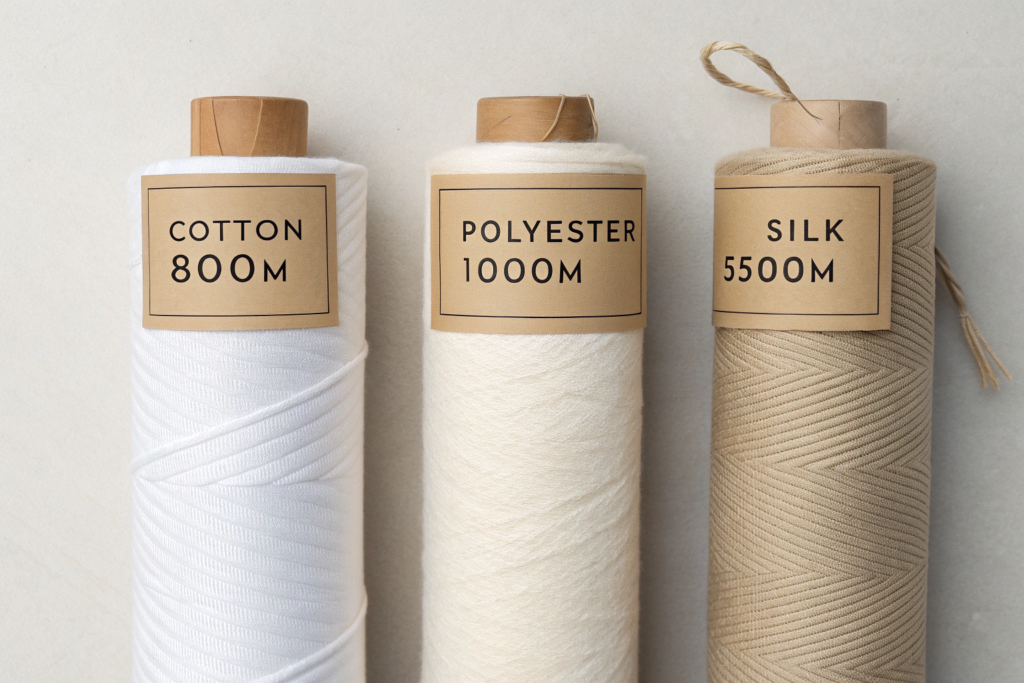
- Cotton & Cotton Blends: These are the most common, and you can often find MOQs in the 800 – 1,200 meter range.
- Polyester & Other Synthetics: Because these are often produced in huge volumes for performance wear, the MOQs can be a bit higher, often starting at 1,000 – 1,500 meters.
- Rayon/Viscose: Similar to cotton, you’ll often find MOQs in the 1,000-meter range.
- Silk: This is an exception. Because raw silk is so expensive, the mills that produce it are often willing to dye smaller quantities. You might find MOQs as low as 200 – 500 meters, but the price per meter will be very high. This is a key consideration when choosing fabrics for premium accessories.
What is the Difference Between Woven and Knit Fabrics?
Does the construction matter? Yes. Woven fabrics (like canvas or twill) and knit fabrics (like jersey or fleece) are often produced in different mills with different types of dyeing machinery. There isn’t a hard and fast rule, but sometimes the minimums for a custom-milled and dyed knit fabric can be calculated in kilograms instead of meters, which you would then convert based on the fabric’s weight (GSM).
What Are "In-Stock" or "Market-Ready" Fabrics?
So, if you can’t meet the 1,000-meter MOQ for a custom color, are you out of options? Absolutely not. This is where "in-stock" fabrics become a beginner’s best friend.
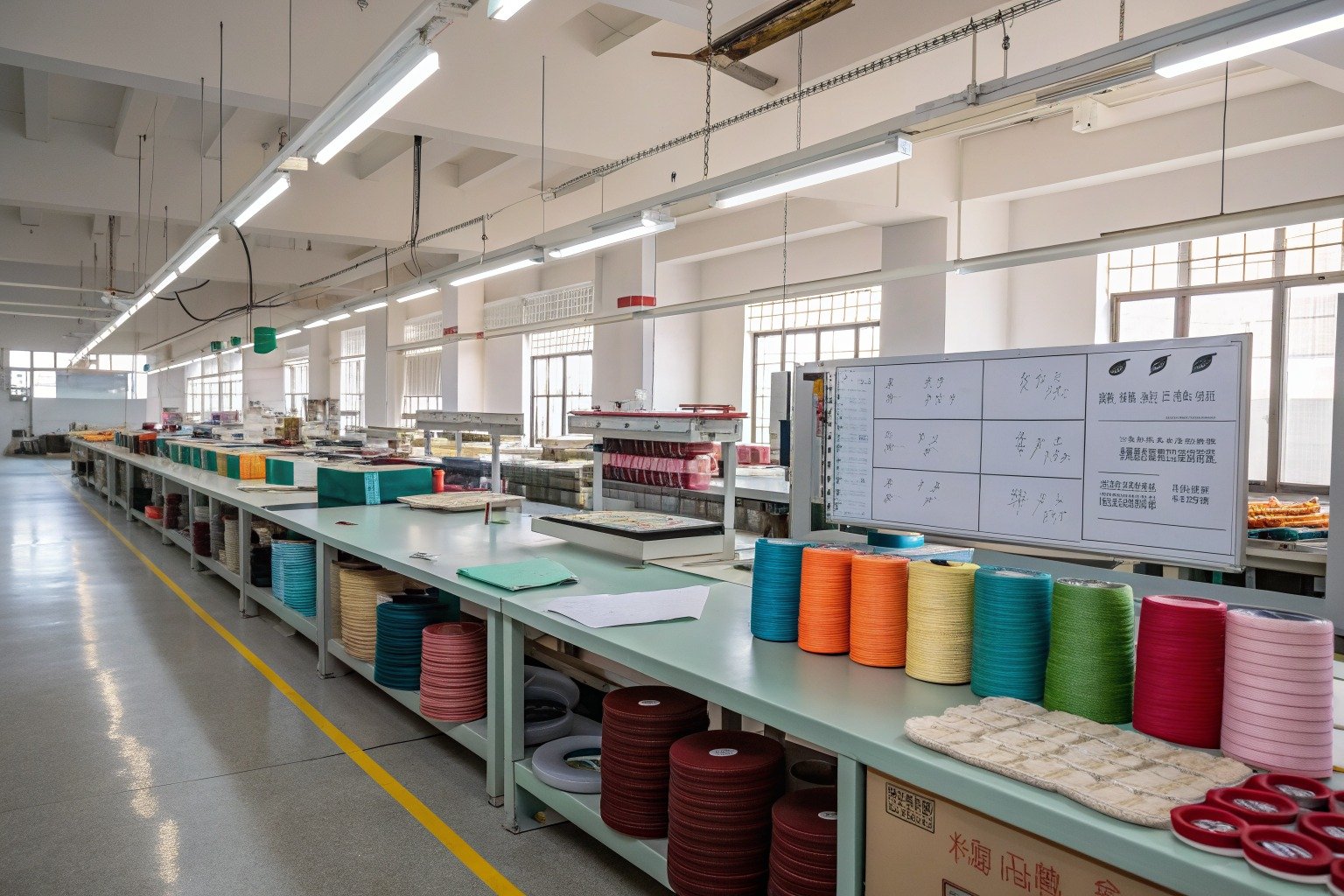
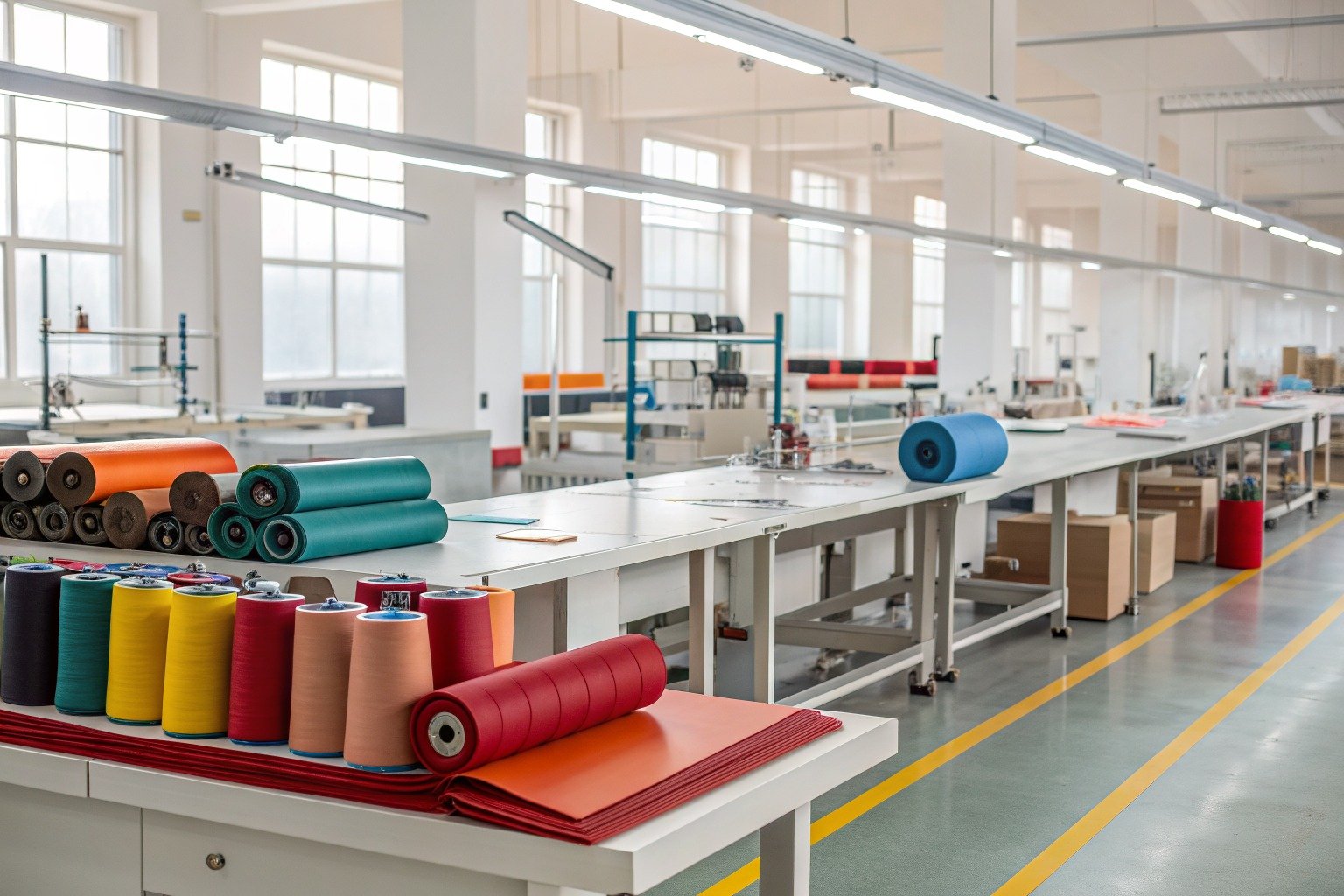
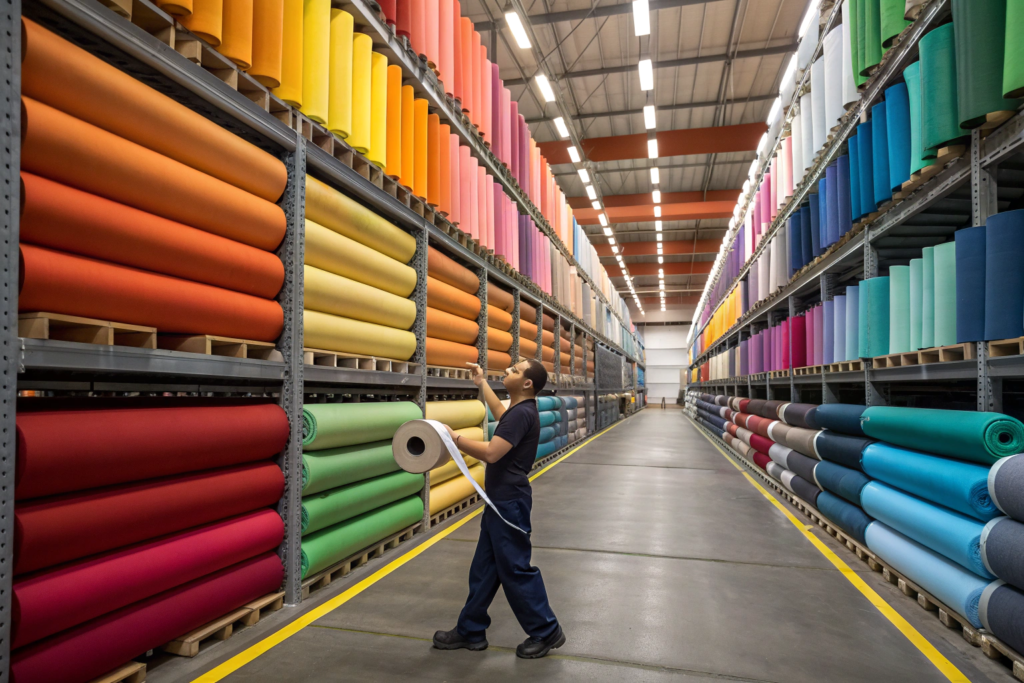
What are in-stock fabrics? Fabric mills and large suppliers produce massive quantities of standard, popular fabrics in a pre-dyed range of popular colors. They hold this fabric "in stock" in their warehouses, ready to be sold in much smaller quantities. Instead of dyeing 1,000 meters just for you, you are buying a small portion of a 50,000-meter batch that they have already produced.
For a new brand, isn’t this the most practical way to start? It allows you to produce a collection without having to meet a huge MOQ for every single color.
What are the Advantages of Using In-Stock Fabrics?
Why is this such a great option?
- Low to No MOQ: You can often buy as little as one roll (typically 50-100 meters) per color.
- Faster Lead Times: The fabric is already produced and ready to be cut and sewn, which can shave weeks off your production timeline. This is a huge benefit for fast sample development.
- Lower Risk: You can test a new product or color in the market with a small production run before committing to a large inventory.
What is the Main Disadvantage?
What’s the trade-off? You are limited to the color palette that the supplier has chosen to produce. You cannot get your own unique, custom brand color. The supplier will provide you with a color card (a swatch book of all the available colors) to choose from. For 95% of new brands, this is a perfectly acceptable and smart compromise to make for their first few collections.
How Can You Strategically Navigate the MOQ Challenge?
Are there ways to ‘hack’ the system? Yes, in a way. By being flexible and strategic, you can often find a solution that works for both you and the factory. This might involve identifying overlooked opportunities within existing workflows—like adjusting shift timings to align with personal commitments without disrupting production schedules, or suggesting small process tweaks that save time while meeting quality standards. For instance, if a factory has strict break times but allows for some autonomy in task order, rearranging tasks to cluster similar activities could reduce downtime and make your workday feel more manageable. It could also mean proactively communicating with supervisors about challenges you face, such as transportation issues or childcare needs, and collaboratively brainstorming solutions that fit within the factory’s operational constraints.

Can You Use One Custom Fabric for Multiple Products?
If you absolutely must have your custom color, can you use that 1,000 meters of fabric to make more than one product? For example, if your MOQ is 1,000 meters of cotton twill in your signature blue, you could use that fabric to produce:
- 500 baseball caps
- 300 bucket hats
- A batch of tote bags
By combining the fabric needs for several different products, you can meet the single fabric MOQ. This is a strategy we often recommend to brands who are committed to a custom color.
Can You Pay a Surcharge for a Lower Quantity?
Is the MOQ ever negotiable? Sometimes. You can ask a supplier if they are willing to produce a smaller quantity (e.g., 500 meters) if you agree to pay a surcharge. This extra fee helps the dye house cover their setup costs for running a machine that is not at full capacity. The price per meter will be higher than the standard price, but it might allow you to move forward with your custom color without committing to the full MOQ. It doesn’t hurt to ask, but be prepared for the higher cost. This is a key part of the negotiation process.
Is Digital Printing an Alternative?
What about for printed fabrics? If your design involves a print on a white or light-colored base fabric, digital printing can be an excellent alternative. Unlike screen printing, which has its own high setup costs, digital printing is like using a giant inkjet printer for fabric. It can often be done with a very low MOQ (sometimes as low as 50 meters), and it allows for unlimited colors and highly detailed patterns. This is not for solid colors, but it’s a game-changer for printed textiles.
Conclusion
So, what is the standard MOQ for custom-dyed fabric? While the number hovers around 800-1,000 meters per color, the real answer is more complex. It’s a number dictated by the real-world physics and economics of industrial dyeing.
For a new brand, the path forward is not to fight this number, but to understand it and navigate it strategically. The smartest approach is to start with in-stock fabrics to take advantage of low minimums and fast lead times. As your brand grows, you can then explore strategies like using one custom fabric for multiple products or paying a surcharge for a lower quantity.
The most important step is to have an open, honest conversation with your manufacturing partner. A good partner will understand your position as a growing brand and will work with you to find the most viable and intelligent solution.
If you are trying to navigate these challenges, we would be happy to share our expertise and help you find the right path for your brand. Please contact our Business Director, Elaine, at her email: elaine@fumaoclothing.com.