Securing a reliable manufacturing partner for large-scale accessory production is one of the most critical decisions for your business. The right factory becomes the engine of your growth, ensuring your products reach global shelves on time and to standard. Yet, finding one that can seamlessly handle high volume—from consistent quality control to on-time delivery across continents—feels daunting. How do you separate suppliers who can truly scale from those who simply claim they can?
The key to finding a high-volume accessory factory lies in a meticulous, multi-step vetting process that evaluates not just claimed capacity, but proven infrastructure, stringent quality systems, financial stability, and strategic geographic positioning. It’s about looking beyond the sales pitch to assess the tangible assets and processes that underpin reliable mass production. A true high-volume partner operates like a well-oiled machine, with each component—from smart production lines to seasoned project managers—working in sync to deliver your order.
The stakes are high. A mismatch can lead to delayed launches, inconsistent products, and eroded brand trust. For brands targeting major retailers or building a substantial DTC presence, the factory’s capability directly impacts your market credibility. The following actionable framework will guide you in identifying and partnering with a manufacturer built for scale.
How to Verify a Factory’s True Production Capacity and Scale?
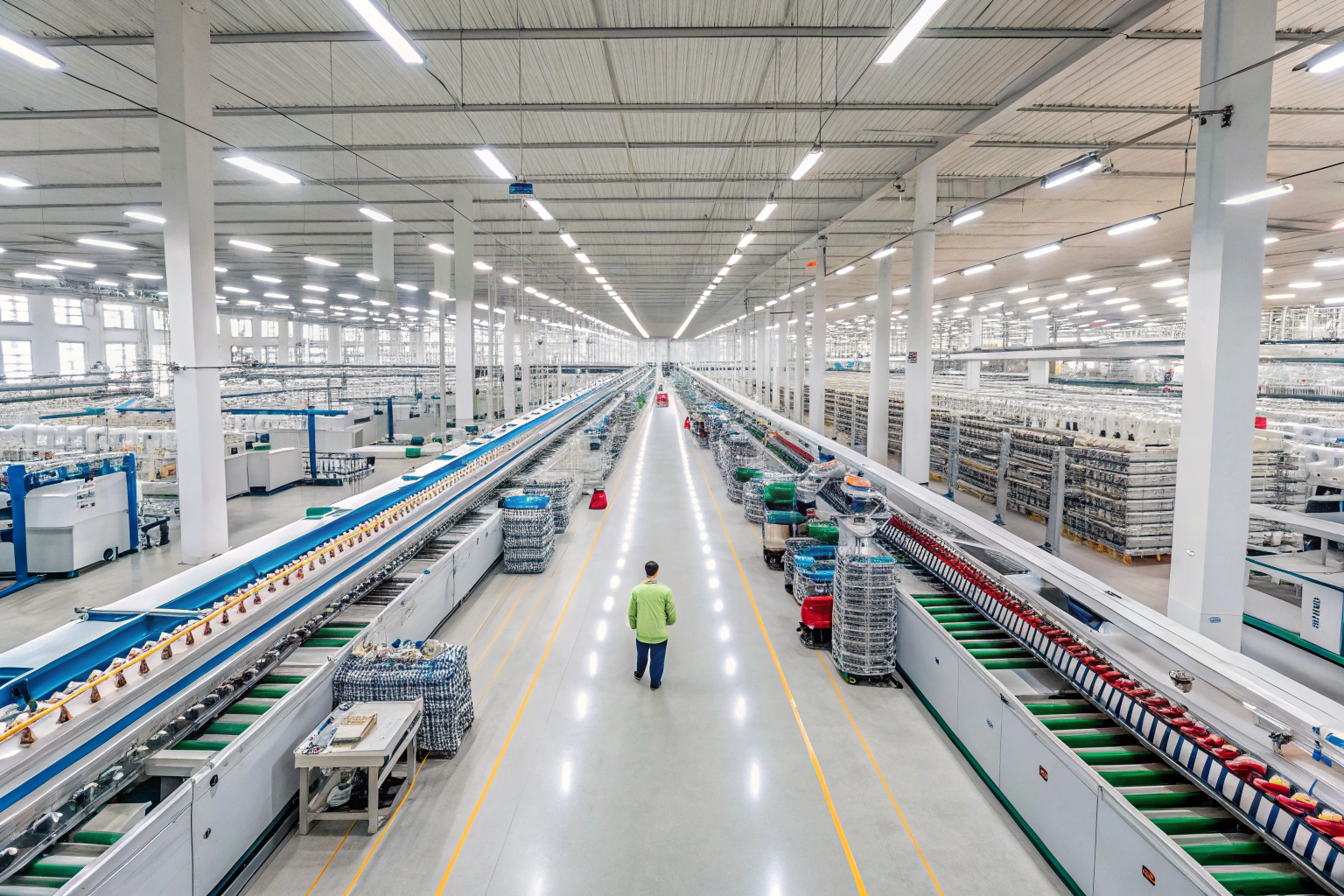
When a factory claims it can handle your large order, the first step is to move beyond verbal assurances and request concrete, verifiable evidence. True high-volume capacity is demonstrated through a combination of physical assets, documented output, and client history. You need to see the engines of production, not just the finished showroom.
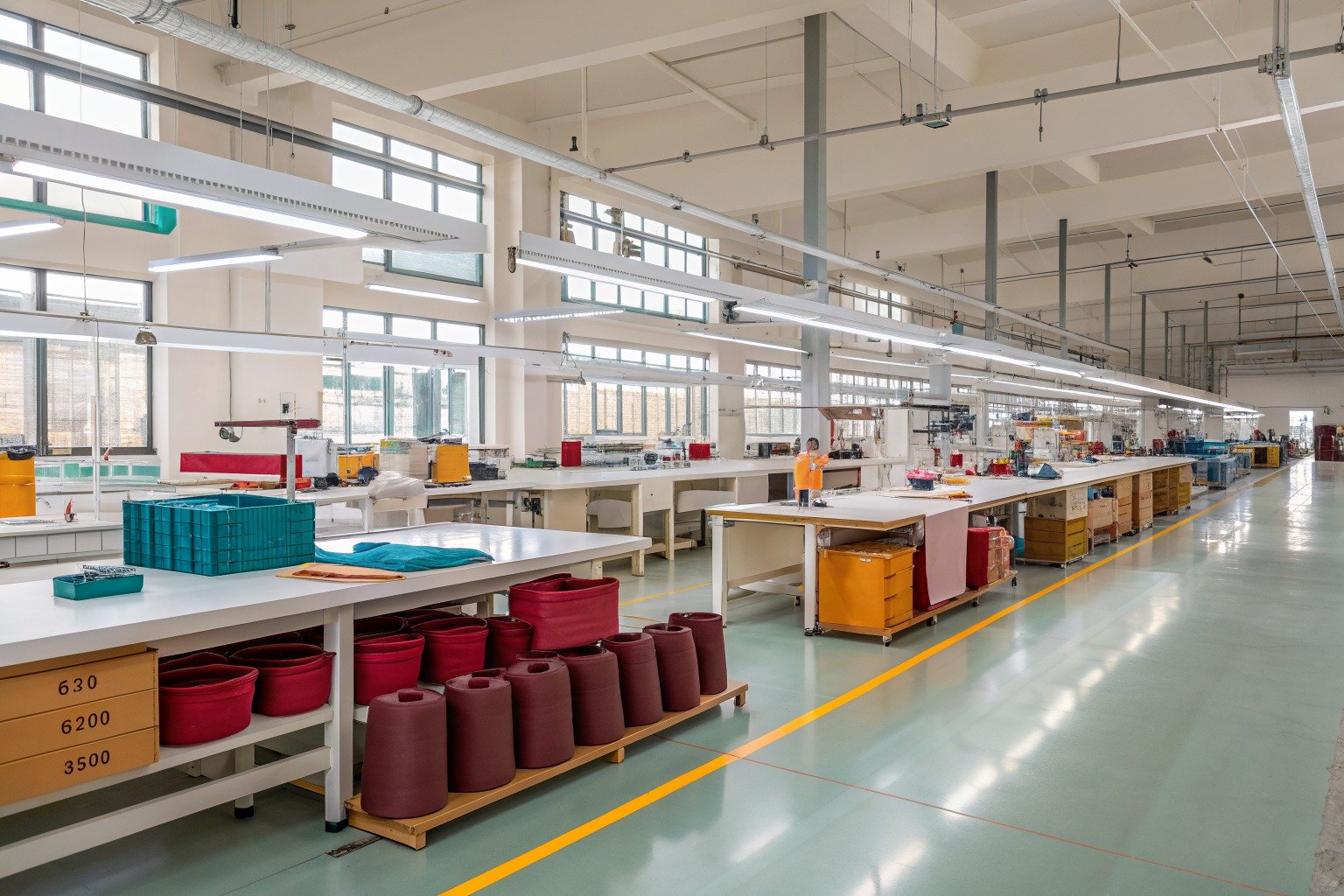
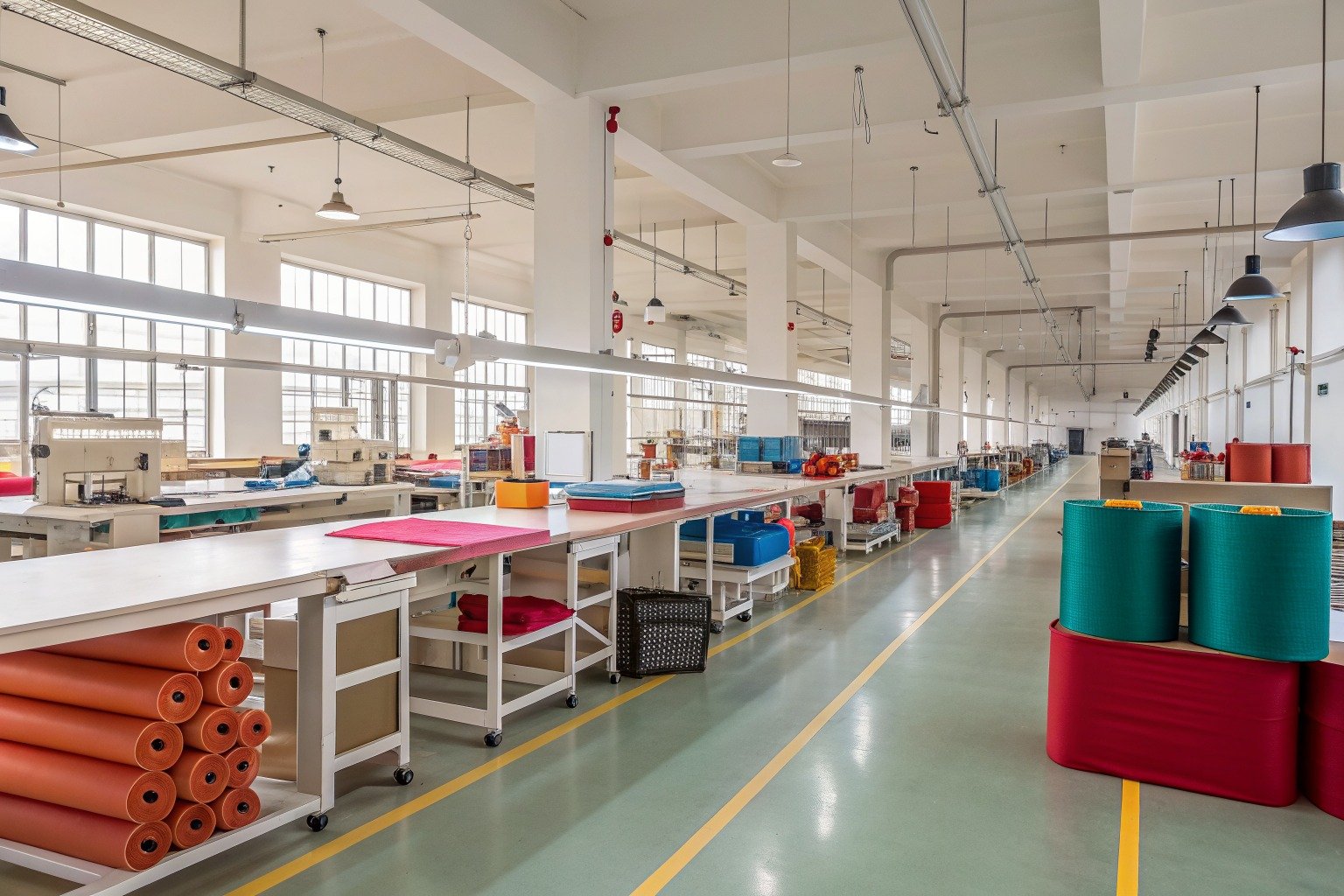
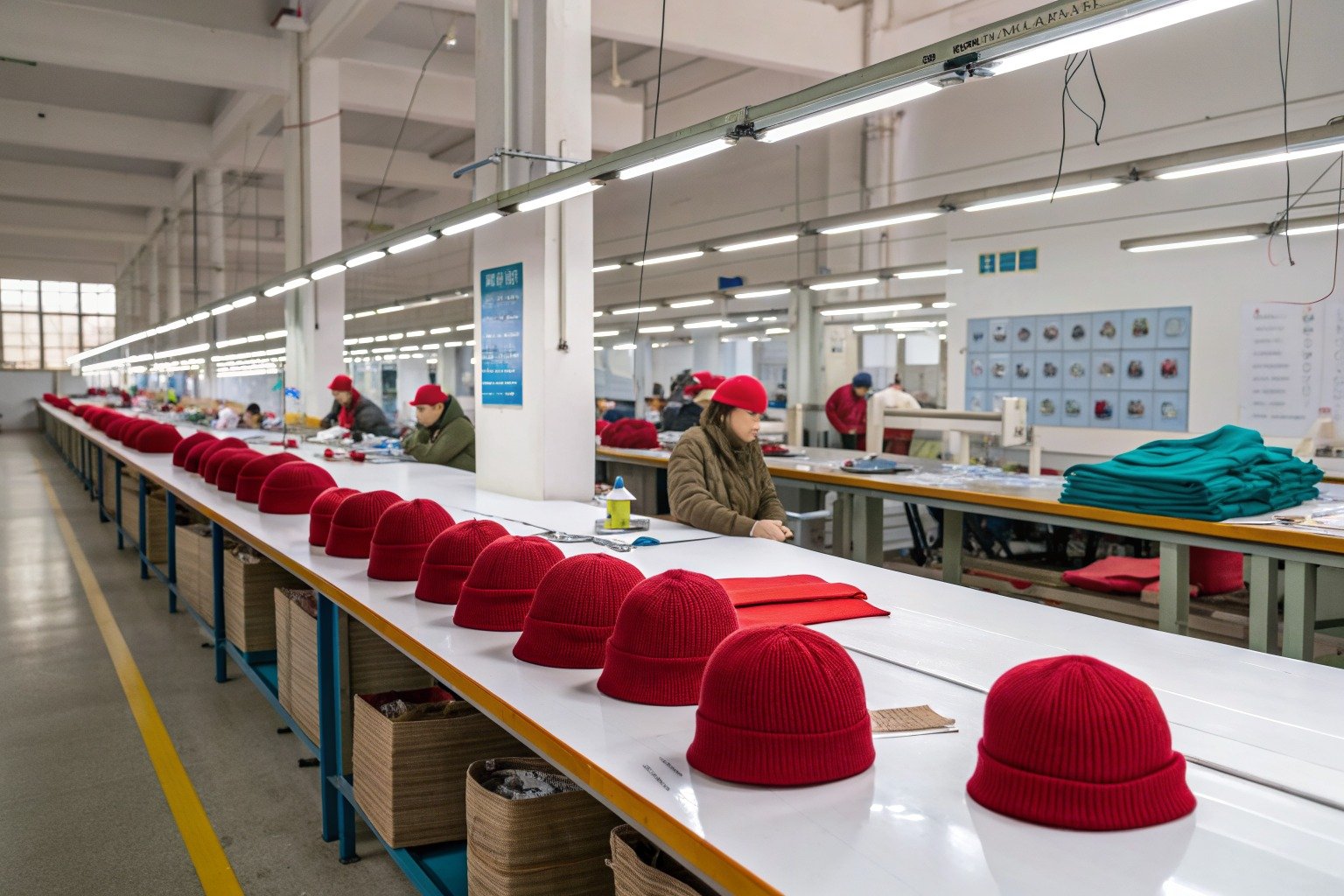
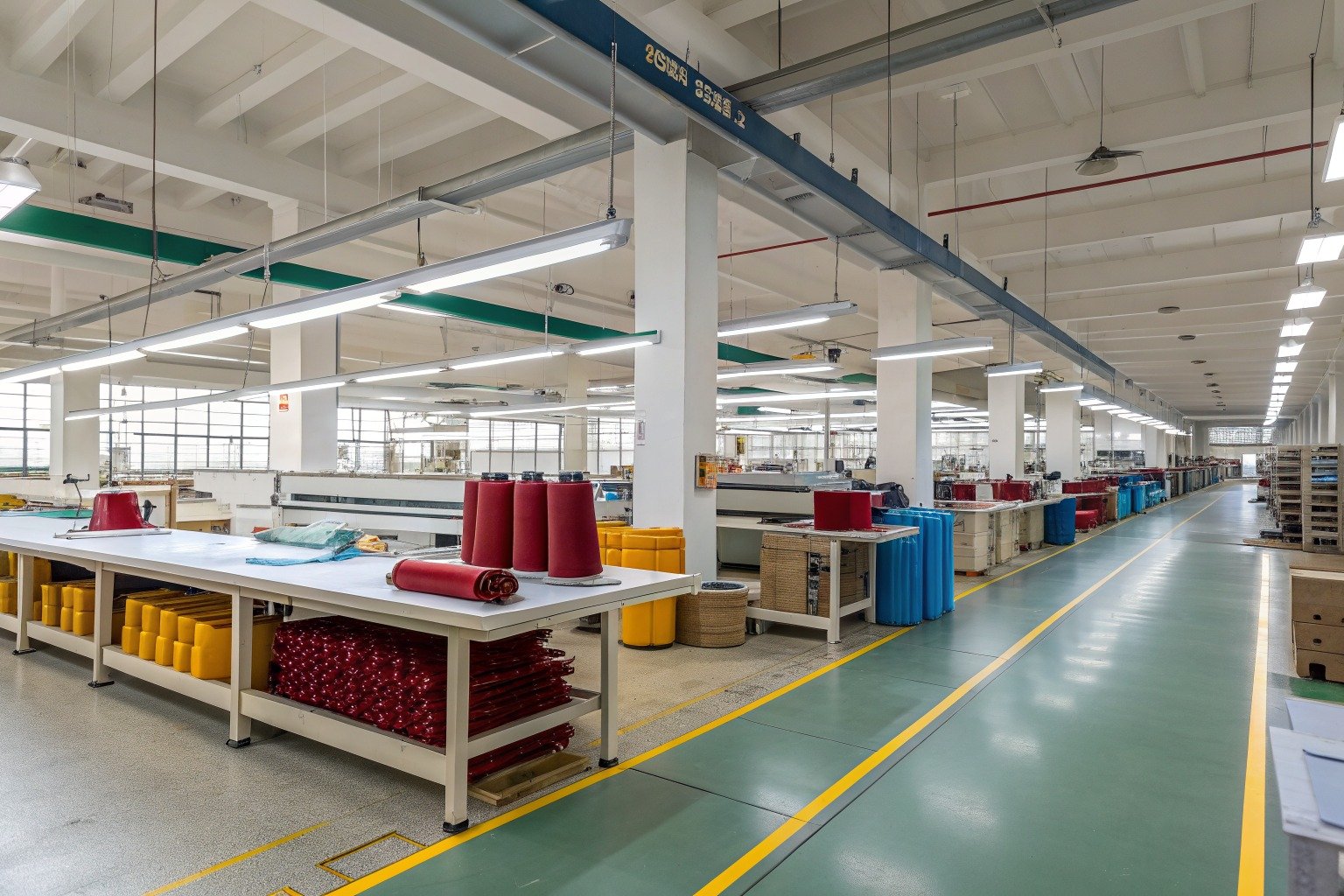
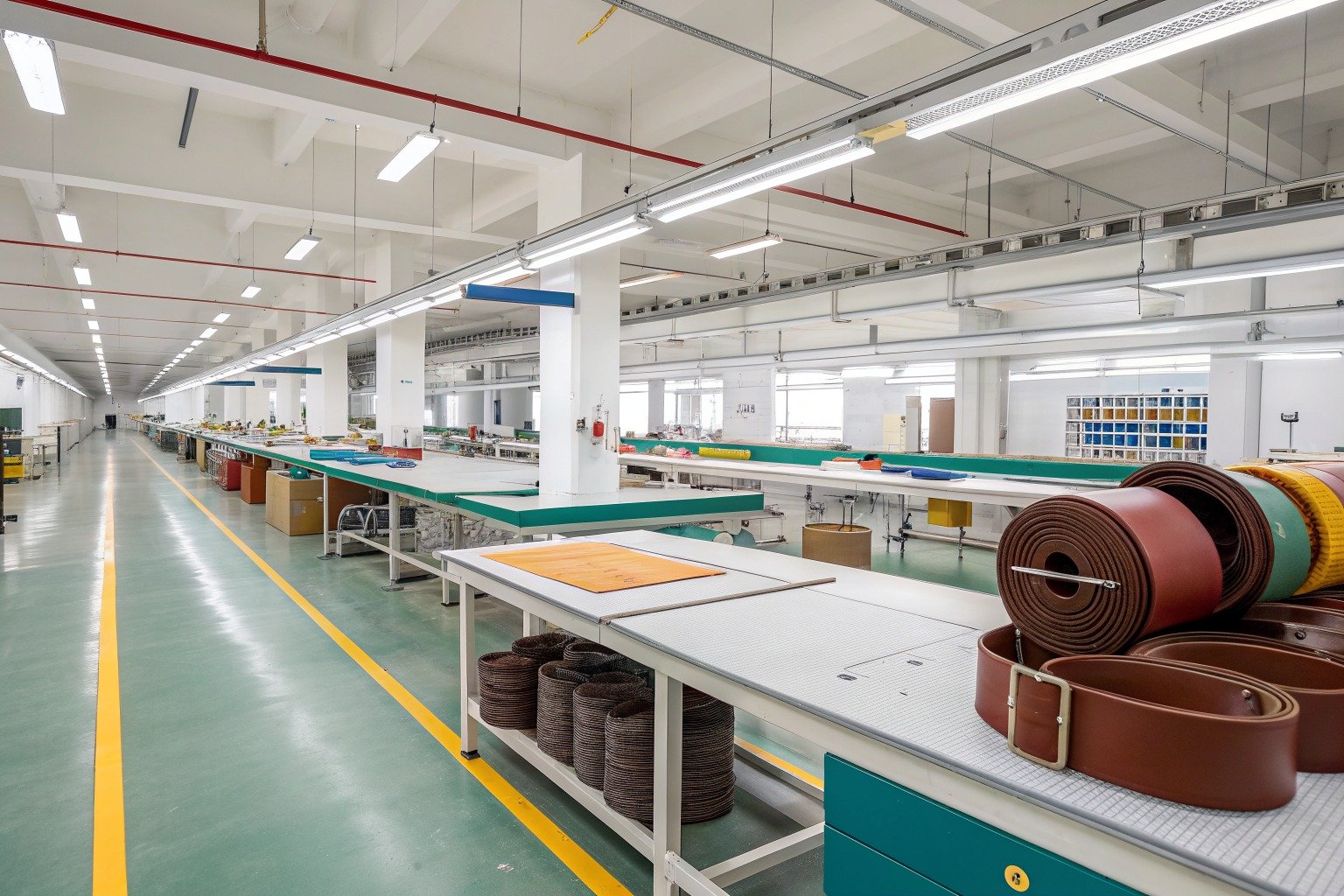
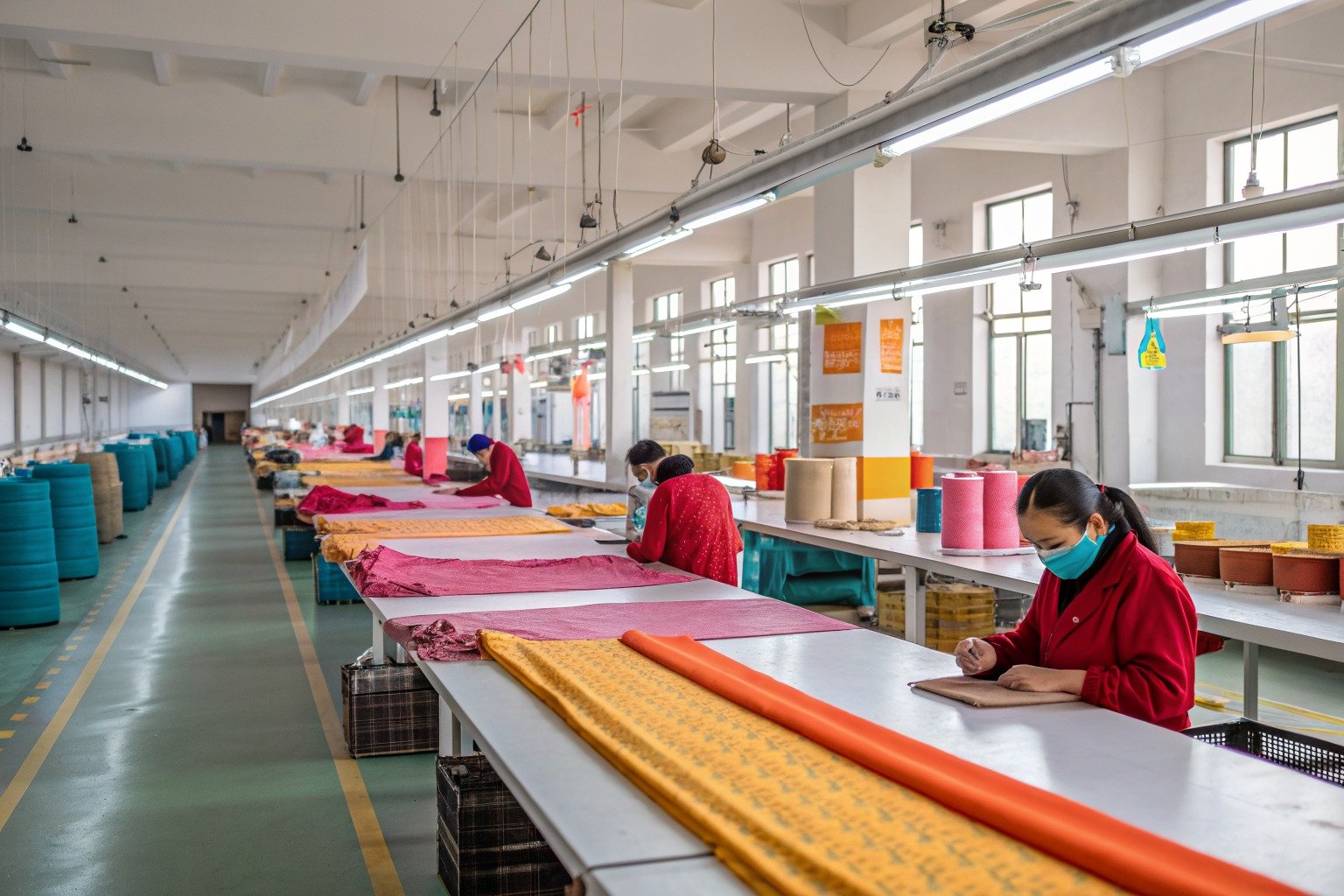
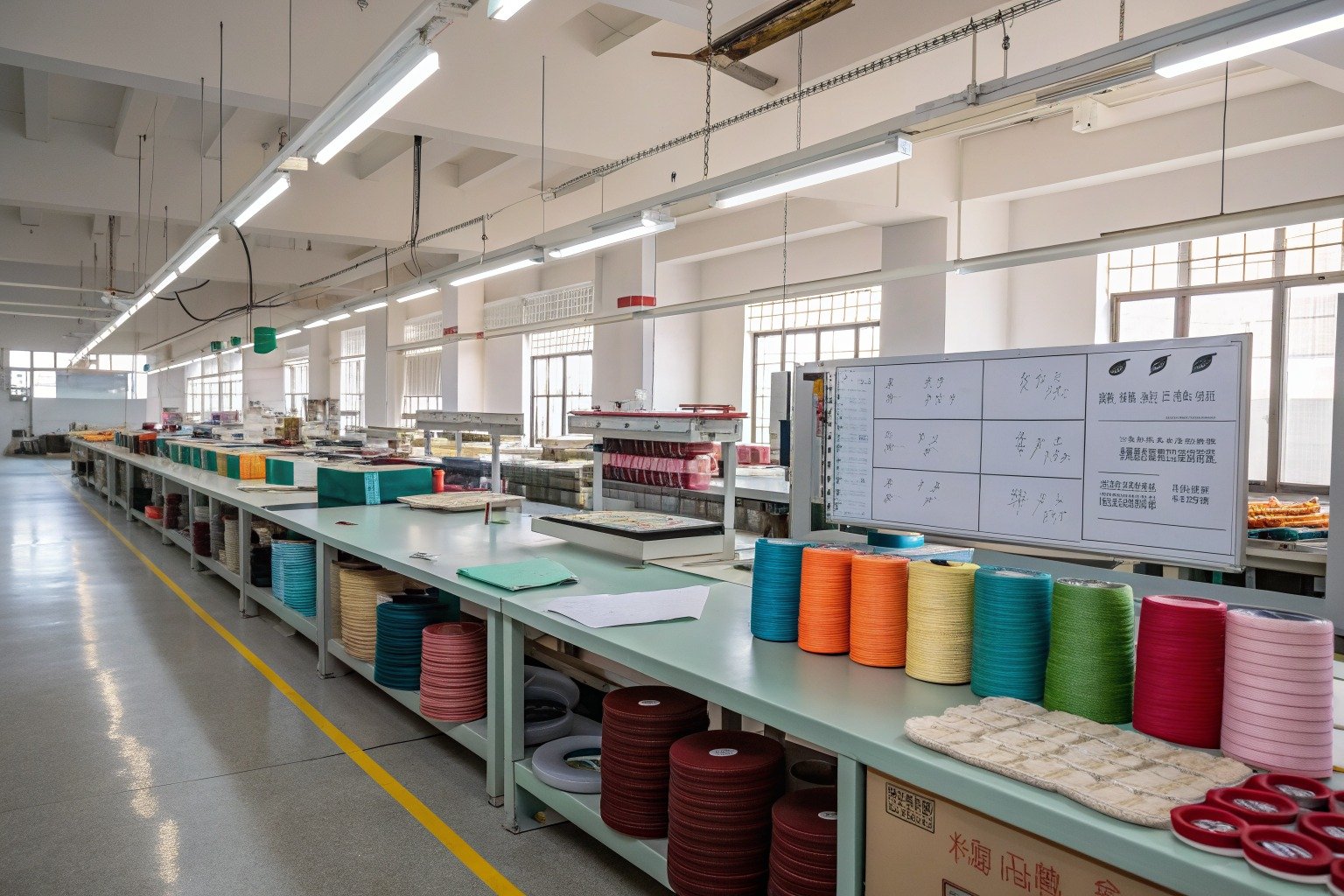
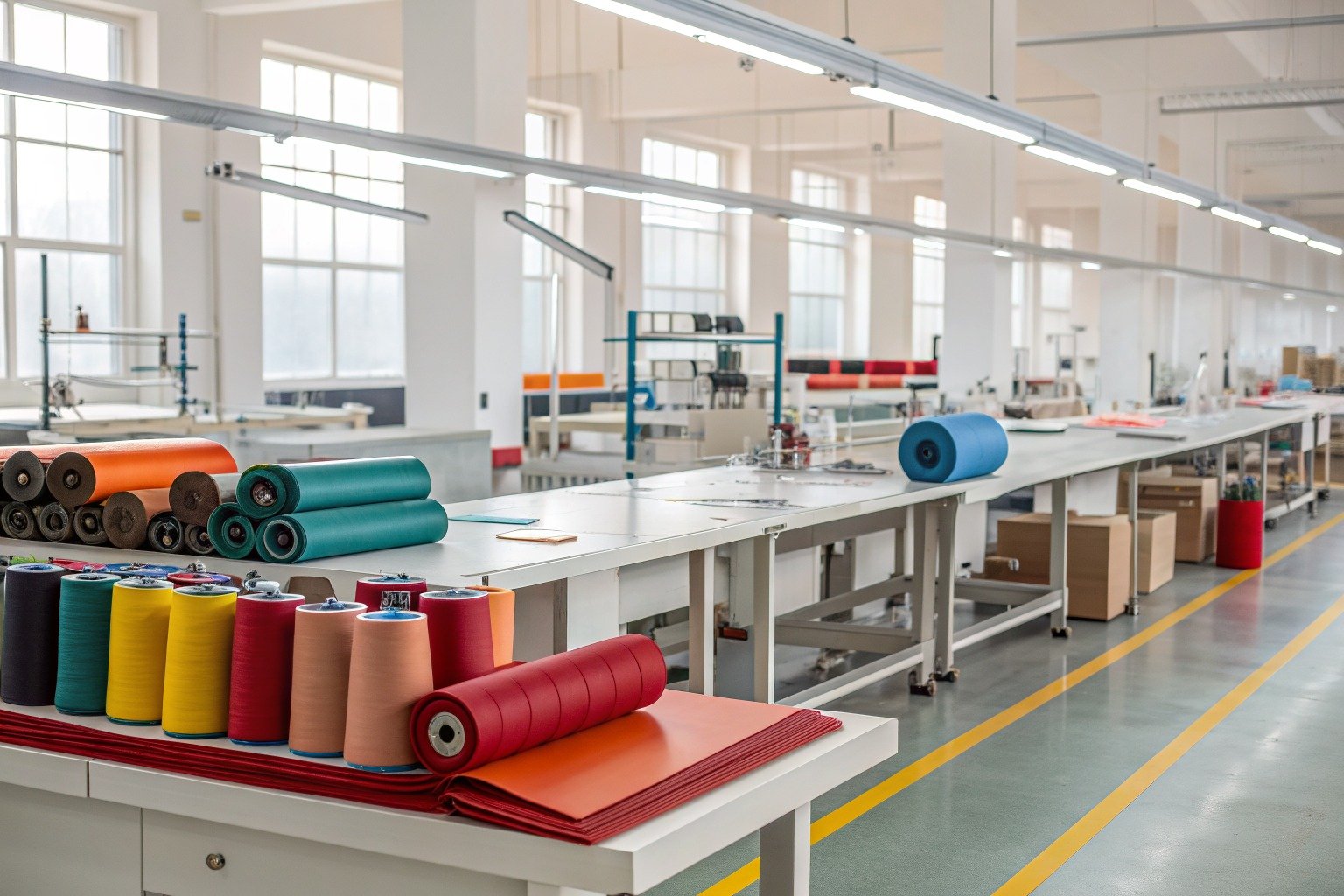
Start by requesting a virtual or in-person tour of the facility. Look for modern, automated equipment that reduces manual error and increases output. For example, factories serving international brands often utilize automated laser cutting for precision and speed. Observe the workflow: is it organized and flowing smoothly, or chaotic? Ask for specific metrics: daily output capacity, number of production lines, and current utilization rates. A transparent factory will share these. Crucially, verify their track record. Request case studies or client references for projects of a similar scale and complexity to yours. A factory producing millions of units annually or handling single orders in the hundreds of thousands has the systems to prove it.
What Physical and Documentary Evidence Should You Request?
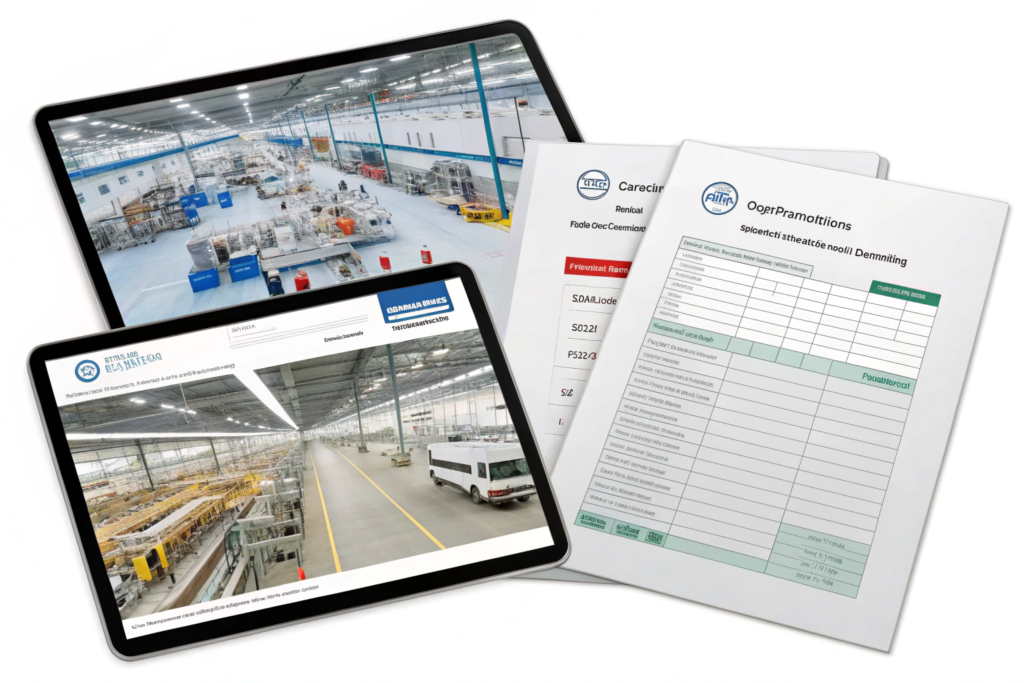
To build a complete picture, systematically request and cross-reference the following:
- Facility Evidence: Videos or live tours of production lines running at full capacity. Note the age, maintenance, and automation level of equipment.
- Output Data: Historical production reports or audit summaries showing consistent high yield over time. Look for data on units produced per day or month.
- Client Proof: Redacted purchase orders or delivery notes from reputable brands. Factories supplying major global brands undergo rigorous audits to meet those standards, which is a strong positive signal.
- Certifications: Quality management system certifications like ISO 9001 are a baseline. For specific markets, check for material safety and social compliance certifications.
This due diligence is what we facilitate at Shanghai Fumao Clothing. We understand buyers need proof, not promises, which is why we maintain transparent operations and documented processes for high-volume partners.
Why are Financial Stability and Industry Reputation Critical?
A factory’s ability to invest in your order—purchasing raw materials, paying skilled workers, and maintaining equipment—depends on its financial health. A financially unstable partner is a major risk; they may cut corners on materials or miss payroll, leading to production halts. Check business registration longevity and, if possible, seek third-party credit reports. Positive, long-term relationships with major brands are a strong indirect indicator of stability. Large retailers value suppliers with a proven credit history for fulfilling large and stable orders. A factory’s reputation within industry clusters can often be gauged through trade associations or in-depth B2B platform reviews.
What Quality Control Systems Are Essential for Mass Production?
In high-volume manufacturing, a single quality flaw, when multiplied across thousands of units, can become a catastrophe. Therefore, the robustness of a factory’s Quality Control system is not just important—it is the defining factor between a successful partnership and a costly recall. The system must be procedural, not personal, ensuring consistency regardless of which worker is on the line.
Examine if the factory has a multi-stage QC protocol integrated into the production flow, not just a final inspection. This should include Incoming Material Inspection, In-Process Inspection at critical stages, and a Final Random Inspection based on internationally recognized standards like AQL (Acceptance Quality Limit). For instance, leading factories implement precise controls, measuring fabric cutting accuracy within millimeters or conducting weight checks for filled items. Ask to see their QC checklists, defect logging system, and how they handle non-conforming products.
How Do In-House Labs and Testing Protocols Mitigate Risk?
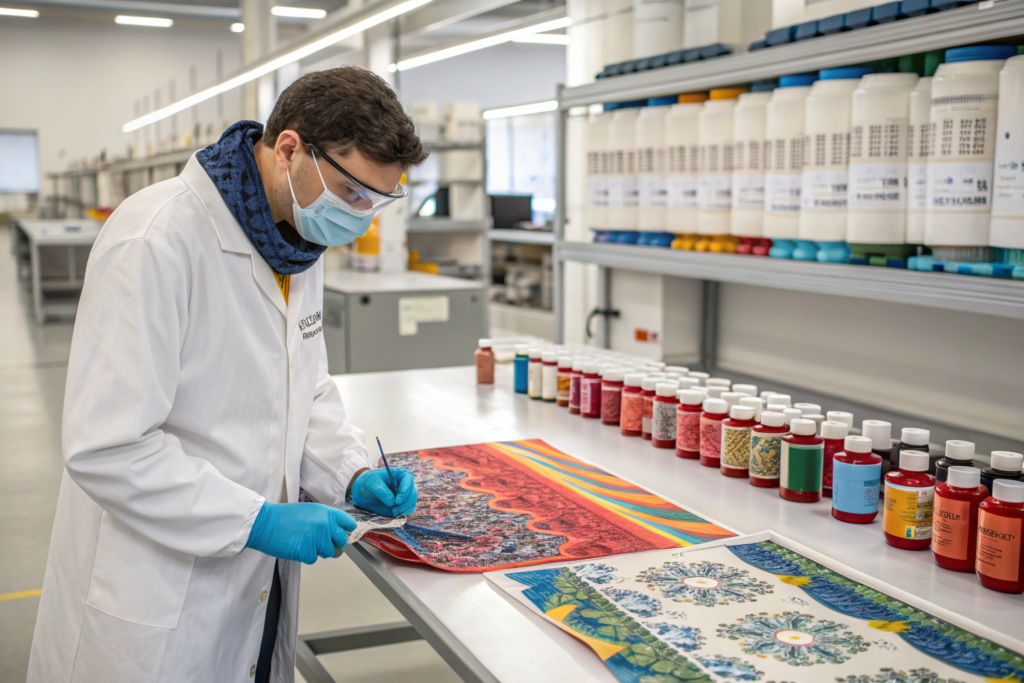
The most capable factories invest in preventing defects, not just finding them. This is often evidenced by an in-house testing lab. For accessories, this lab might test fabric for colorfastness, metal for plating durability, or plastic for strength and safety. They conduct drop tests for bags or pull tests for straps. This proactive approach allows for batch testing of raw materials and pre-production samples, catching issues before mass production begins. It directly translates to higher yield and protects your brand from liability. Inquire about the specific tests they run for your product type and if they can provide test reports aligned with your market’s regulations.
What is the Role of a Dedicated QC Team and Digital Traceability?
Quality cannot be an afterthought assigned to production managers. Look for a dedicated, independent QC team that reports to quality assurance, not production. This eliminates conflict of interest and ensures objective standards enforcement. Furthermore, leading factories employ digital traceability systems. This could involve batch numbers or QR codes that track a product back to its production line, date, and material batch. This is invaluable for targeted recalls if needed and demonstrates a high level of process control. When you partner with a manufacturer like Shanghai Fumao Clothing, you benefit from this structured, technology-backed approach to quality, which is essential for maintaining consistency across the fast production of large orders.
How Does Supply Chain and Logistics Infrastructure Impact Large Orders?
A factory’s four walls are just one part of the story. Its ability to reliably source materials and ship finished goods determines whether your massive order arrives on time and on budget. For high-volume production, disruptions in the supply chain are not mere inconveniences; they are existential threats to launch dates and profitability.
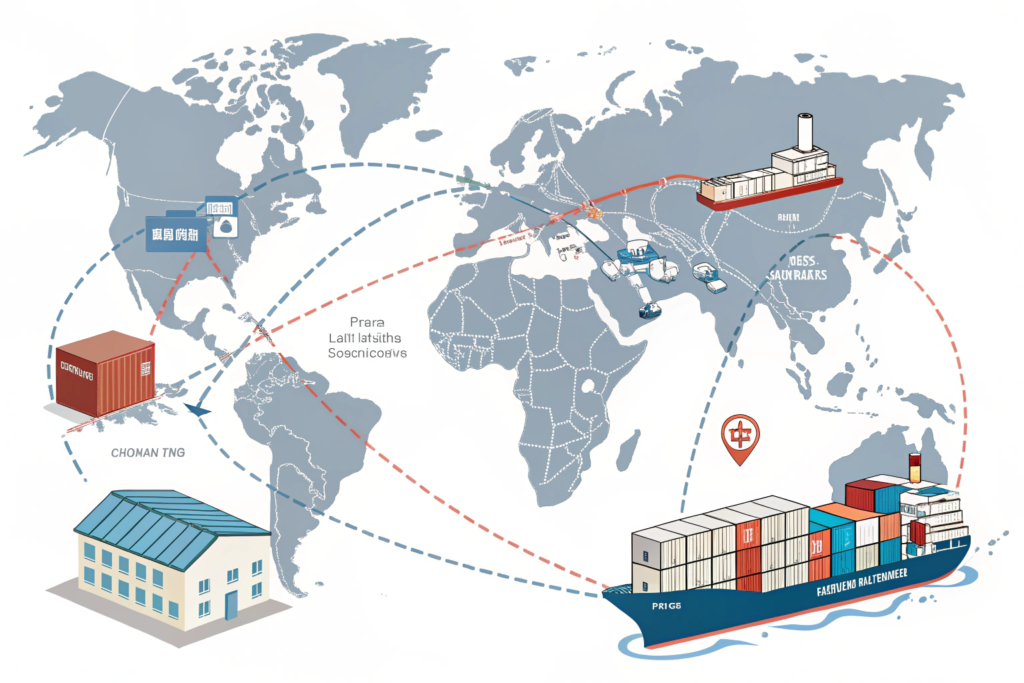
Evaluate the factory’s raw material sourcing strategy. Do they have long-term relationships with trusted mills or component suppliers? This ensures consistency in material quality and availability. For cost and tariff optimization, some large manufacturers adopt a multi-country production strategy. Crucially, assess their logistics partnerships. Do they have established relationships with major freight forwarders and experience with packaged transportation and customs clearance? For time-sensitive fashion cycles, their ability to book container space and manage documentation seamlessly is critical.
Why is Geographic Location and Cluster Advantage Important?
A factory’s location within a specialized industrial cluster offers significant advantages. Clusters for textiles, metals, or plastics provide dense networks of sub-suppliers, skilled labor, and specialized logistics providers. This ecosystem allows a factory to react quickly to material shortages or design changes. For example, a scarf factory in a textile cluster can source new fabric within days, not weeks. Furthermore, proximity to major ports reduces inland transportation time and cost, making sailing schedules more predictable. When vetting, consider if the factory is leveraging such a cluster for resilience and speed.
How to Assess Their Experience with Your Target Market’s Regulations?
Navigating the tariff costs and regulatory security of your destination market is a shared responsibility. A seasoned factory will have experience shipping to your region. They should understand labeling requirements, product safety standards, and documentation. They can often advise on Harmonized System codes to optimize duty rates. Ask for examples of shipping documents for previous orders to your country. Their familiarity with these details prevents costly delays at customs, ensuring your high-volume shipment clears smoothly and reaches its destination on schedule.
What Are the Red Flags and Green Lights During Factory Vetting?
The final step in selecting a partner is a holistic evaluation, balancing quantitative data with qualitative observations. This is where you identify potential deal-breakers and confirmatory signals that a factory is a true professional.
Major Red Flags to Watch For:
- Evasion on Details: Unwillingness to share production data, client references, or allow a comprehensive facility tour.
- Lack of Professional Systems: Reliance on paper-based tracking, no clear QC documentation, or poor organizational structure.
- Unrealistically Low Price: A quote significantly below market average often signals compromised materials or hidden fees.
- Poor Communication: Slow, vague, or inconsistent responses during the vetting phase.
- No Long-Term Clients: An absence of relationships lasting more than 1-2 years can indicate unreliable performance.
Positive Green Lights to Look For:
- Proactive Transparency: The factory volunteers information and suggests improvements to your design for manufacturability.
- Structured Communication: They assign a dedicated project manager as your single point of contact from the start.
- Investment in Innovation: They discuss fast development cycles and show investment in new technology.
- Cultural Fit: Their business philosophy on sustainability, ethics, or partnership aligns with yours.

How to Structure a Pilot Order or Capability Test?
Before committing to a full production run, propose a pilot order. This is a smaller batch that runs through the full production line. Use it to test: communication flow, adherence to timeline, consistency of quality across the batch, and accuracy of logistics. Pay the full price for this order; it’s an investment in due diligence. The factory’s handling of this pilot is the most accurate predictor of how they will manage your high-volume business.
When is it Time to Visit the Factory in Person?
If the order is strategically crucial, an in-person audit is invaluable. It allows you to verify everything discussed, assess working conditions and morale, and build a direct relationship with the management team. Look for order, cleanliness, and safety protocols. This final step solidifies trust and provides the confidence needed to move forward with a major partnership.
Conclusion
Finding a high-volume accessory factory is a strategic process that demands diligence, going far beyond a simple price comparison. It requires a forensic examination of capacity proofs, an understanding of embedded quality systems, an assessment of supply chain maturity, and a keen eye for operational culture. The right partner will demonstrate not just the ability to produce at scale, but the disciplined processes to do so consistently, reliably, and in partnership with your brand’s goals.
By following this structured approach—verifying capacity, auditing quality systems, evaluating logistics, and recognizing key vetting signals—you transform a risky sourcing decision into a foundation for scalable growth. This partnership enables you to meet market demand with confidence, uphold your brand promise, and build a resilient supply chain.
If you are seeking a manufacturing partner that embodies this comprehensive, high-volume capability for your next major order, we are ready to demonstrate our proven systems. Let’s discuss how we can scale your production with quality and precision. Contact our Business Director Elaine at elaine@fumaoclothing.com to begin a data-driven evaluation for your project.