As the temperature rises and the sun shines brighter, what’s the one accessory that becomes both a stylish statement and a practical necessity? A great summer hat. But have you ever wondered why the most comfortable, sought-after summer hats are almost always made from natural materials like straw, raffia, or cotton? Is it just a traditional look, or is there a scientific reason behind this preference?
Why are natural materials so preferred for summer hats? The reason is simple: they offer an unbeatable combination of breathability, lightweight comfort, natural UV protection, and sustainable appeal that synthetic materials simply cannot match. As the owner of Shanghai Fumao Clothing, where we weave and sew countless summer hats each year, I can tell you that the functional superiority of natural fibers is the real secret to a great summer hat. It’s a perfect marriage of nature’s ingenuity and timeless style.
Are you thinking about your next summer collection? Let’s explore the four key reasons why choosing natural materials is the smartest decision you can make for your brand and your customers.
How Does Breathability Keep You Cool and Comfortable?
Have you ever worn a polyester (plastic-based) hat on a truly hot day? It can feel like wrapping your head in plastic wrap. Your head gets hot, sweaty, and uncomfortable. Why does this happen? Synthetic fibers are essentially non-porous. They trap heat and moisture against your skin.
How do natural materials solve this problem? Natural fibers like straw, raffia, and cotton have a microscopic structure that is inherently breathable. The fibers themselves can absorb a small amount of moisture, and the way they are woven into a hat creates tiny, microscopic gaps that allow air to circulate freely. This constant airflow wicks away perspiration and allows heat to escape, keeping your head significantly cooler and more comfortable.
Isn’t this cooling effect the number one job of a summer hat? This is a functional benefit that no synthetic material can truly replicate. This focus on performance is just as important in a summer hat as it is when choosing a manufacturer for sports caps.
What Makes Straw and Raffia So Breathable?
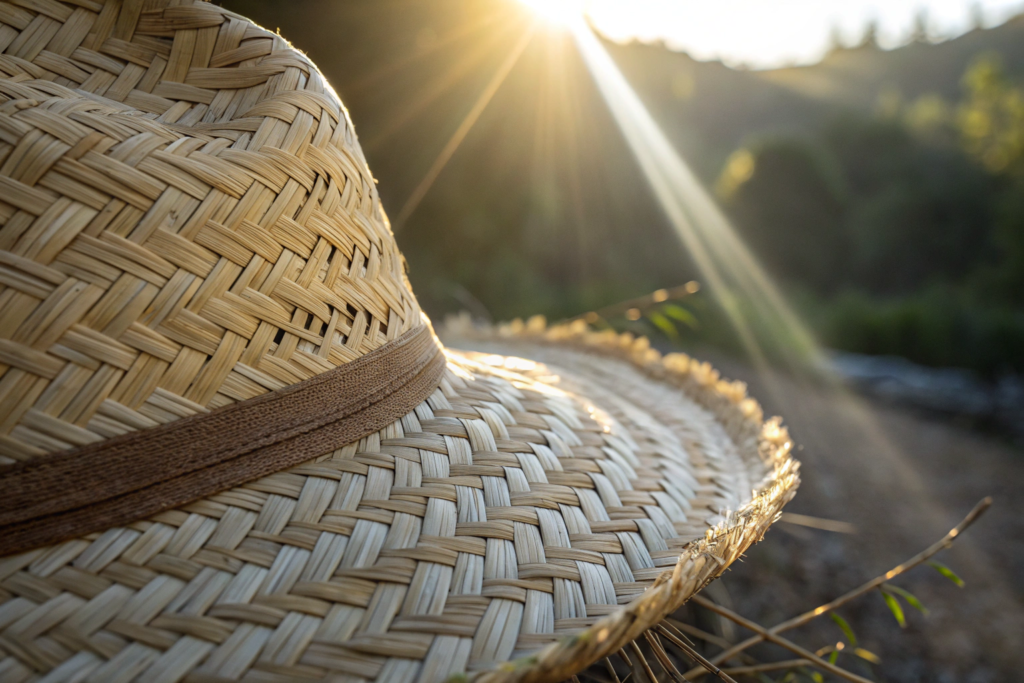
What is straw, really? It’s the dried stalk of a cereal plant. Its natural, hollow structure is designed by nature to transport water and nutrients, and this structure remains even when it’s dried and woven. Raffia, derived from a palm tree, has a similar cellular structure. This creates a material that is not only strong and lightweight but also incredibly porous. When you wear a raffia hat, you’re wearing a piece of natural air-conditioning. This is a perfect example of biomimicry in design.
Isn’t Cotton a Great Natural Option Too?
What about cloth hats? A hat made from 100% cotton or linen is another excellent choice for summer. These plant-based textile fibers are soft, absorbent, and highly breathable. Unlike polyester, which feels slick and repels moisture, cotton can absorb sweat, pulling it away from the skin where it can then evaporate. This makes a cotton bucket hat or baseball cap a comfortable, casual choice for a hot day. This is why these materials are also preferred for other summer accessories, like lightweight scarves.
Can Natural Fibers Provide Effective UV Protection?
Besides keeping you cool, what is the other critical function of a summer hat? It’s protecting your face, neck, and scalp from the sun’s harmful ultraviolet (UV) rays. While any hat provides some shade, the material itself can play a big role in sun protection.
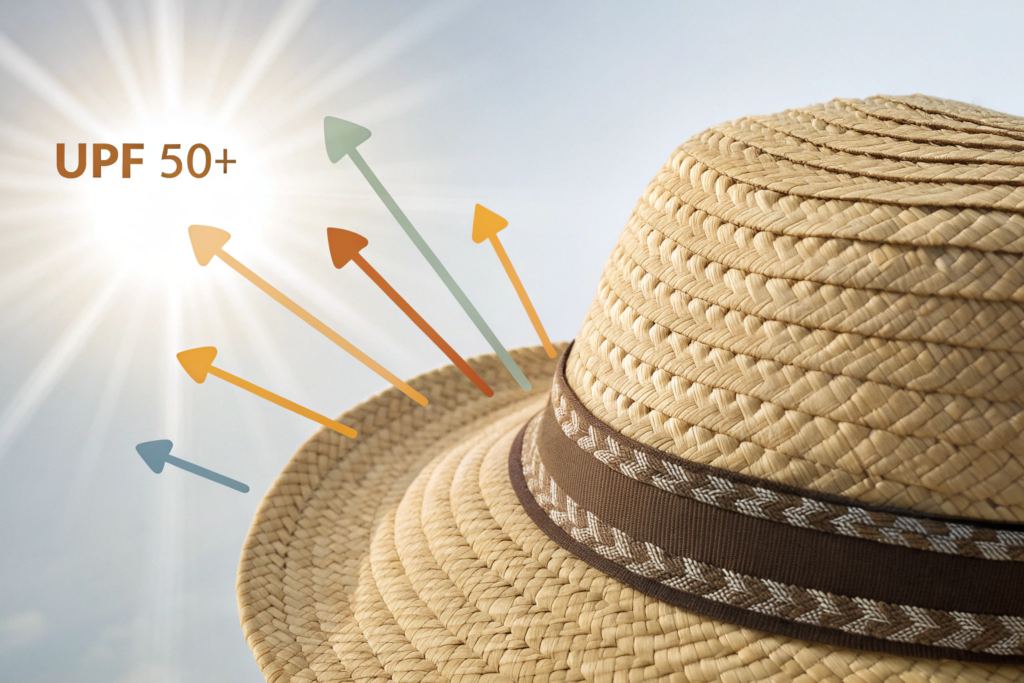
Do natural materials offer good UV protection? Yes, surprisingly so. The dense, complex structure of woven natural fibers is very effective at physically blocking UV radiation. Lignin, a natural polymer found in plant-based fibers like straw and raffia, is a natural UV absorber. This means the material itself is helping to neutralize harmful rays, not just cast a shadow.
Many high-quality hats made from natural materials are tested and given a UPF (Ultraviolet Protection Factor) rating. A hat with a UPF 50+ rating, for example, blocks over 98% of UV rays. This is a powerful selling point and a crucial health benefit.
How Does the Weave Affect the UPF Rating?
Is the material the only factor? No, the tightness of the weave is just as important. A loosely woven, see-through hat will offer less protection than a very tightly woven one, regardless of the material. When we work with clients to develop a sun hat, we often discuss the weave density as a key feature. A tighter weave not only provides a higher UPF rating but also gives the hat a more premium, durable feel. This is a key quality point we look for when evaluating samples.
Are Darker Colors Better for UV Protection?
Does color make a difference? Yes. While it may seem counterintuitive on a hot day, darker colored hats often provide better UV protection than lighter ones. The dyes used to create darker colors can help to absorb UV rays, preventing them from reaching your skin. However, a darker hat will also absorb more heat, so there is a trade-off between UV protection and staying cool. For this reason, many people prefer a natural, undyed straw color combined with a tight weave for a balance of both benefits.
Why Do Natural Materials Feel So Lightweight and Comfortable?
On a hot, humid day, what’s the last thing you want? To feel weighed down by heavy clothes and accessories. The comfort of a summer hat is directly related to its weight.
How do natural materials perform here? They are exceptionally lightweight. Think about the raw materials: dried grass, palm leaves, cotton bolls. They are naturally light and airy. This inherent lack of density translates directly into the final product. A well-made raffia or straw hat feels almost weightless on your head, making it comfortable to wear for hours on end, whether you’re gardening, sightseeing, or relaxing at the beach.
Isn’t this "barely-there" feeling the definition of summer luxury? It’s a level of comfort that denser, heavier synthetic materials often struggle to match.

How Does Weight Impact All-Day Wear?
Have you ever gotten a headache from a hat that’s too tight or heavy? A lightweight hat reduces pressure on your head and neck. This is especially important for wide-brimmed styles, where a heavy material can feel cumbersome and put a strain on your neck over time. The natural lightness of straw, raffia, or cotton ensures that even a hat with a very large brim remains comfortable for all-day wear.
Does "Lightweight" Mean "Fragile"?
Is there a trade-off between weight and durability? Not necessarily. Many natural fibers are surprisingly strong for their weight. Raffia, for example, has a natural resin that makes it pliable and resilient. It can be crushed and reshaped. High-quality paper braid (a form of man-made straw) is also designed to be "packable" or "crushable." This combination of being lightweight yet durable is what makes these materials so perfectly suited for travel and everyday summer life. This is a key factor we discuss with clients when deciding on the best strategies for selling accessories, as "packability" is a huge selling point.
How Does Choosing Natural Materials Align with Modern Values?
In today’s market, aren’t customers more conscious than ever about the environmental impact of their purchases? The story behind a product—how it’s made and what it’s made from—is a huge part of its appeal.
How do natural materials fit into this modern mindset? They align perfectly with the growing demand for sustainability and authenticity. Materials like straw, raffia, cotton, and linen are renewable resources. They are biodegradable, meaning that at the end of their long life, they will break down and return to the earth, unlike a plastic-based hat which will sit in a landfill for centuries.
Doesn’t choosing a natural material tell a beautiful story? It connects your product to nature, to traditional craftsmanship, and to a more sustainable way of living. This is a powerful narrative that resonates deeply with a growing segment of consumers.
What is the Appeal of "Imperfect" Authenticity?
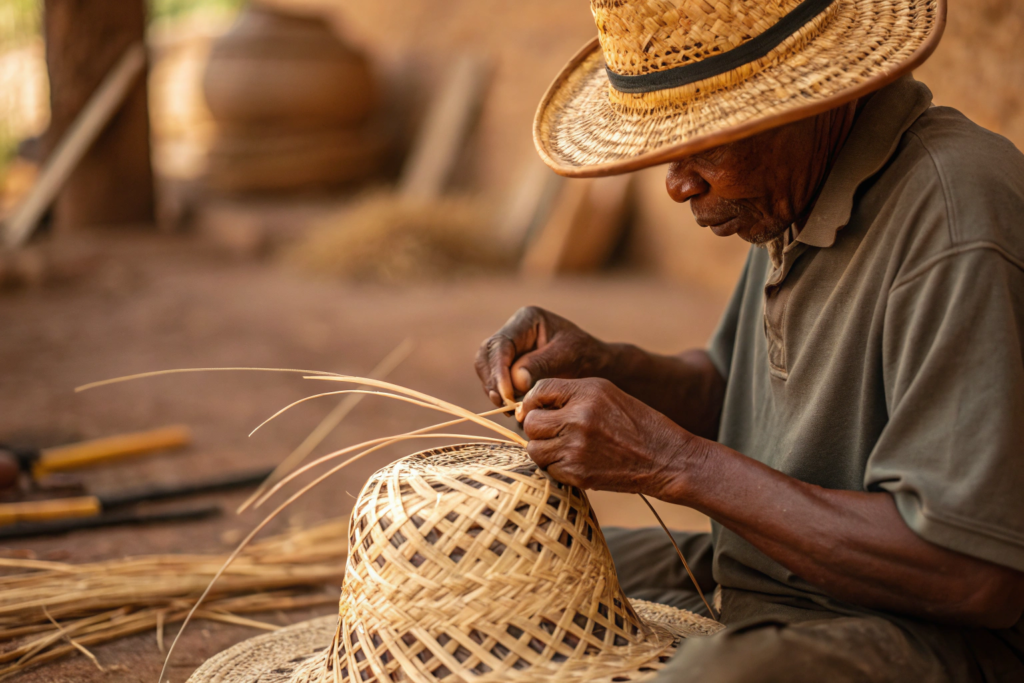
Have you noticed that no two handmade straw hats are exactly identical? Unlike a machine-molded plastic hat, natural hats often have slight, beautiful variations in color and weave. These are not defects; they are signs of authenticity. They are proof that the hat was made from a natural material and likely touched by human hands. In a world of mass-produced uniformity, this uniqueness is a highly valued attribute. It’s a key part of the brand story that creates an emotional connection.
How Does This Support a "Slow Fashion" Ethos?
What is the opposite of fast, disposable fashion? It’s the "slow fashion" movement, which emphasizes buying fewer, higher-quality items that are timeless and made to last. A well-made hat from natural materials is the epitome of this ethos. It’s a classic, durable piece that can be worn summer after summer. By choosing natural materials, your brand can position itself as a proponent of this more mindful and sustainable approach to consumption.
Conclusion
So, why are natural materials the undisputed choice for summer hats? Is it just about looks? Not at all. Their popularity is a perfect blend of superior function and modern values. They offer unparalleled breathability for cool comfort, effective UV protection for safety, a lightweight feel for all-day wear, and a sustainable story that resonates with today’s conscious consumer.
When you choose to create your summer hats from natural materials, you are choosing to offer your customers a product that is not only stylish but also performs better and aligns with a more thoughtful way of living.
As a manufacturer, we are passionate about working with these beautiful, natural materials. If you are looking to create a collection of high-quality summer hats that your customers will love for seasons to come, we have the expertise to help you. Please contact our Business Director, Elaine, at her email: elaine@fumaoclothing.com.