You have a fantastic new line of hair clips, a beautiful collection of scarves, or a trendy set of hats. The quality is excellent, and the designs are on point. But in a crowded marketplace where every brand shouts for attention, why should a buyer choose your accessories? As a manufacturer who has helped dozens of brands launch, I’ve seen that products with a great story don’t just sit on shelves—they connect, they resonate, and they sell. The real question is, how do you move beyond listing features to crafting a narrative that makes your accessories meaningful?
To create a compelling accessory brand story, you must authentically define your "Why"—the core purpose and values driving your brand—and weave it into every aspect of your product, from design inspiration and material sourcing to packaging and customer communication. A powerful brand story is not a marketing afterthought; it is the foundational narrative that transforms a simple object like a belt or a hair band into a symbol of identity, aspiration, or belonging for your customer. It answers the fundamental question: "What do we believe in, and why should you care?"
For brand owners and importers looking to build lasting value, a strong story provides a crucial competitive edge. It allows you to command a premium price, foster unshakeable customer loyalty, and create marketing content that truly engages. It turns your customers into advocates. Let’s explore the actionable steps to build this narrative from the ground up, ensuring it is authentic, consistent, and deeply integrated with your products.
How to Define the Core "Why" of Your Accessory Brand?
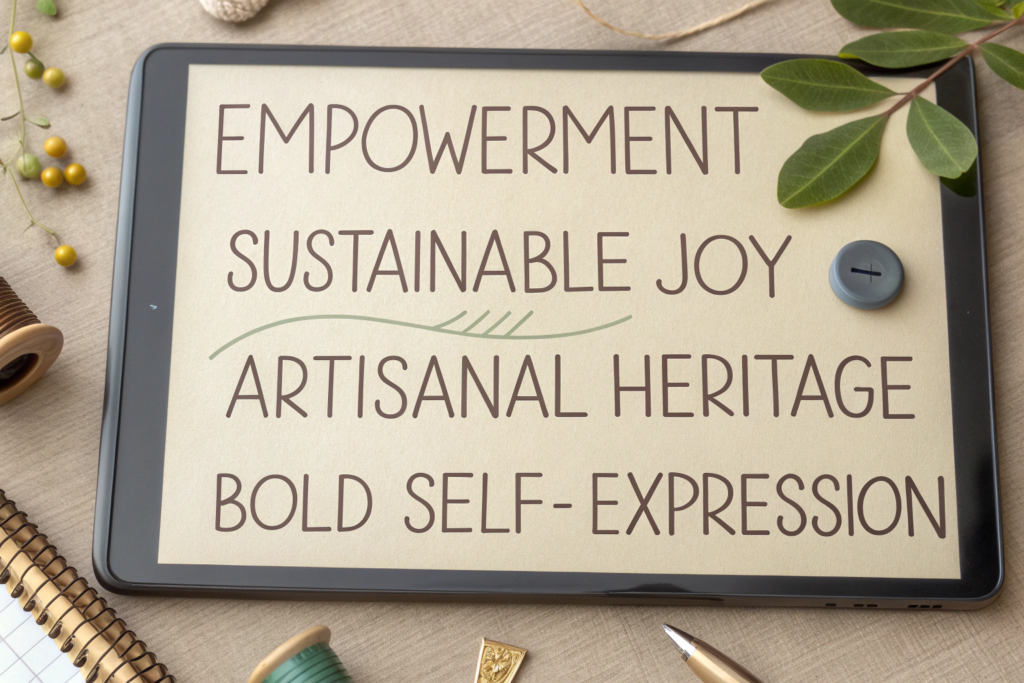
Every iconic brand, from the smallest artisan label to global giants, starts with a powerful "Why." This is the purpose, cause, or belief that goes beyond making a profit. For an accessory brand, your "Why" could be empowering women’s confidence, championing sustainable craftsmanship, celebrating a specific cultural heritage, or bringing playful artistry to everyday life. Without this core, your story risks being generic and forgettable. So, how do you dig deep to find the authentic heart of your brand?
Begin by asking fundamental questions: What problem are we solving? What value are we adding to our customer’s life beyond the physical product? What change do we want to see in the world through our business? The answers shouldn’t be about selling more hair clips; they should be about enabling self-expression, reducing environmental waste through durable straw hats, or preserving a traditional weaving technique in your shawl collection. This core "Why" becomes the emotional anchor of your brand story, the thread that connects every product you create.
What Questions Uncover Your Authentic Brand Mission?
To move from vague ideas to a clear mission, conduct a structured brainstorming session. Consider these prompts:
- Origin: What personal passion or experience sparked the creation of your first product? Was it a frustration with low-quality belts that fell apart, or a desire to recreate your grandmother’s knitted glove patterns?
- Impact: How do you want customers to feel when they wear or use your accessory? Confident, playful, sophisticated, responsible?
- Values: What are your non-negotiable principles? Is it ethical manufacturing, inclusive design, or radical transparency?
- Community: Who are you serving, and what do they care about?
Documenting these answers clearly will form your brand manifesto. Resources like the Business of Fashion’s brand strategy guides can provide excellent frameworks for this foundational work.
How to Translate Your "Why" into a Mission Statement?
A mission statement is a concise, actionable declaration of your brand’s purpose. It should be simple enough for every team member, from your design team to your project managers, to understand and repeat. A strong formula is: "We exist to verb for target audience by unique action." For example, a brand using our factory might state: "We exist to empower bold individuality for creative professionals by crafting sustainably sourced, artist-designed scarves that make a statement." This statement then directly informs decisions on materials, partnerships, and marketing. At Shanghai Fumao Clothing, we partner with brands that have a clear "Why," as it aligns with our own commitment to professional customer energy and enables us to help them tell a consistent story through quality manufacturing.
How to Weave Your Story into Product Design and Sourcing?
Your brand story must be tangible. It should be felt in the weight of a brass belt buckle, seen in the pattern of a printed scarf, and understood in the choice of organic cotton for a cap. If your story is about sustainability, but you use conventional, polluting processes, customers will see the disconnect immediately—a phenomenon known as "greenwashing." How do you ensure your narrative is authentically baked into the very fabric of your products?
The integration happens at two key stages: design inspiration and material sourcing. Your core "Why" should act as a creative brief for your design team. If your brand celebrates urban exploration, your backpack designs might feature map details and durable, weather-resistant fabrics. If it’s about artisanal heritage, your hair accessories might incorporate traditional filigree techniques. Simultaneously, your sourcing strategy must reflect your values. A story centered on environmental care demands eco-friendly materials, transparent supply chains, and partnerships with certified suppliers.
How to Use Design Elements to Tell a Visual Story?
Every design choice is a storytelling opportunity. Consider these elements:
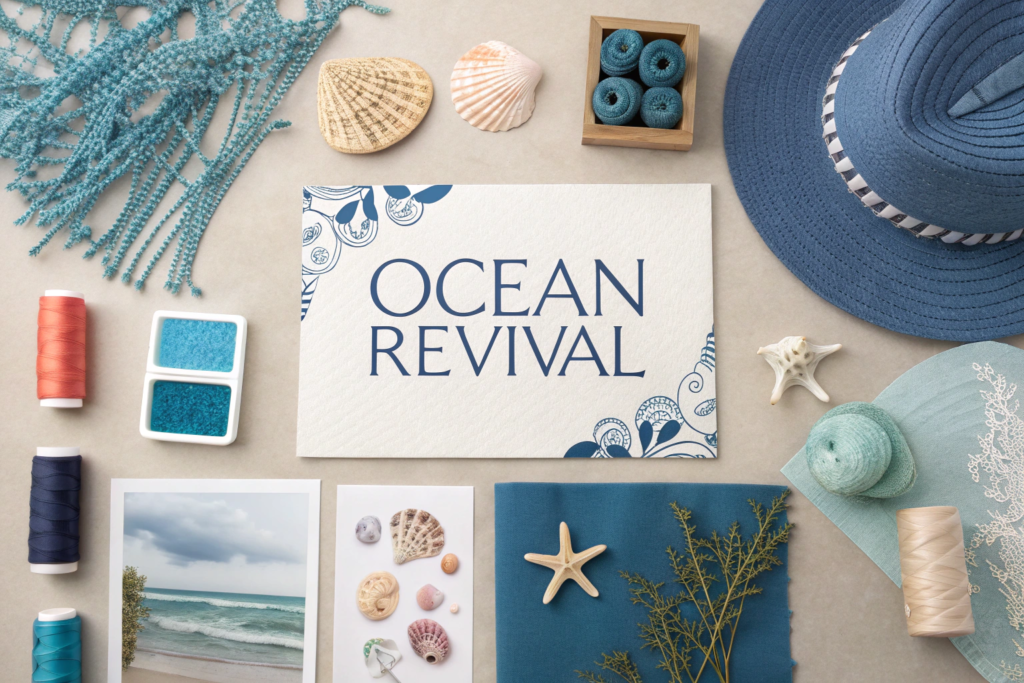
- Color Palette: Colors evoke emotion. A brand story about tranquility might use soft blues and greens in its silky scarves.
- Patterns & Motifs: Create custom prints that illustrate your narrative. A brand inspired by astronomy might have constellation patterns on its ties and pocket squares.
- Finishing Details: Emboss your logo with a meaningful symbol, use branded lining inside your totes, or include a unique care label that shares a part of your story. These details create moments of discovery and reinforce brand identity.
These elements should be part of the technical pack you provide to your manufacturer. A skilled factory with a strong design team, like ours, can be an invaluable partner in translating these narrative elements into producible specifications.
Why is Transparent Sourcing a Critical Part of the Story?
Today’s consumers, especially in markets like North America and Europe, demand transparency. Your sourcing story is a powerful chapter. Share where your materials come from. Do you use GOTS-certified organic cotton for your beanies? Do your metal accessories come from a recycled source? Document this journey. You can even include a "Story Tag" with your products—a QR code that links to a page showing the artisans at work or the source of your materials. Organizations like the Fair Trade Federation provide principles that can guide and validate ethical sourcing stories. This level of detail not only builds trust but also justifies a premium position and makes your brand more resilient to scrutiny.
How to Communicate Your Brand Story Across All Touchpoints?
A story confined to an "About Us" page is a wasted story. For it to be effective, it must be a consistent and cohesive narrative experienced by your customer at every single point of contact—or "touchpoint"—with your brand. This includes your website, social media, packaging, customer service emails, and even the product itself. Inconsistency creates confusion and weakens your brand’s impact. So, how do you maintain a unified voice and visual identity everywhere?
Create a comprehensive Brand Story Guide. This internal document goes beyond a logo sheet. It should define your brand voice (is it playful, authoritative, inspirational?), key messaging pillars, visual style (photography, filters, graphics), and the specific stories to tell about your origin, products, and impact. This guide ensures that whether your content is created by your marketing team, your manufacturer’s project manager providing an update, or an external agency, it all sounds and looks like it’s coming from one, authentic source.
What is the Role of Packaging in the Brand Experience?
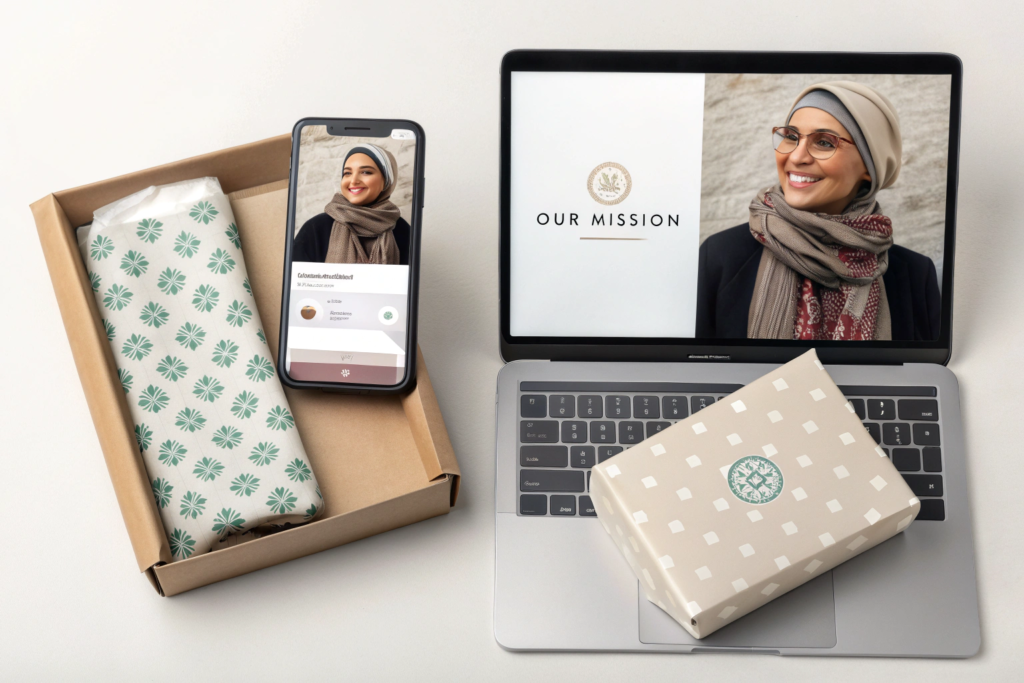
Packaging is often the first physical interaction a customer has with your brand—it’s a crucial storytelling moment. For accessory brands, packaging should reflect the brand’s quality and values. A luxury leather belt might come in a sturdy, minimalist box with a magnetic closure and a handwritten thank-you note. An eco-conscious brand might use recycled paper boxes, seed-embedded tags, or reusable fabric pouches for its hair bands. The unboxing experience should feel like a deliberate part of the story, not an afterthought. It’s a tangible expression of your care and attention to detail, reinforcing the premium nature of your products.
How to Tell Your Story on Social Media and Your Website?
Your digital platforms are your primary storytelling stages. Go beyond product shots.
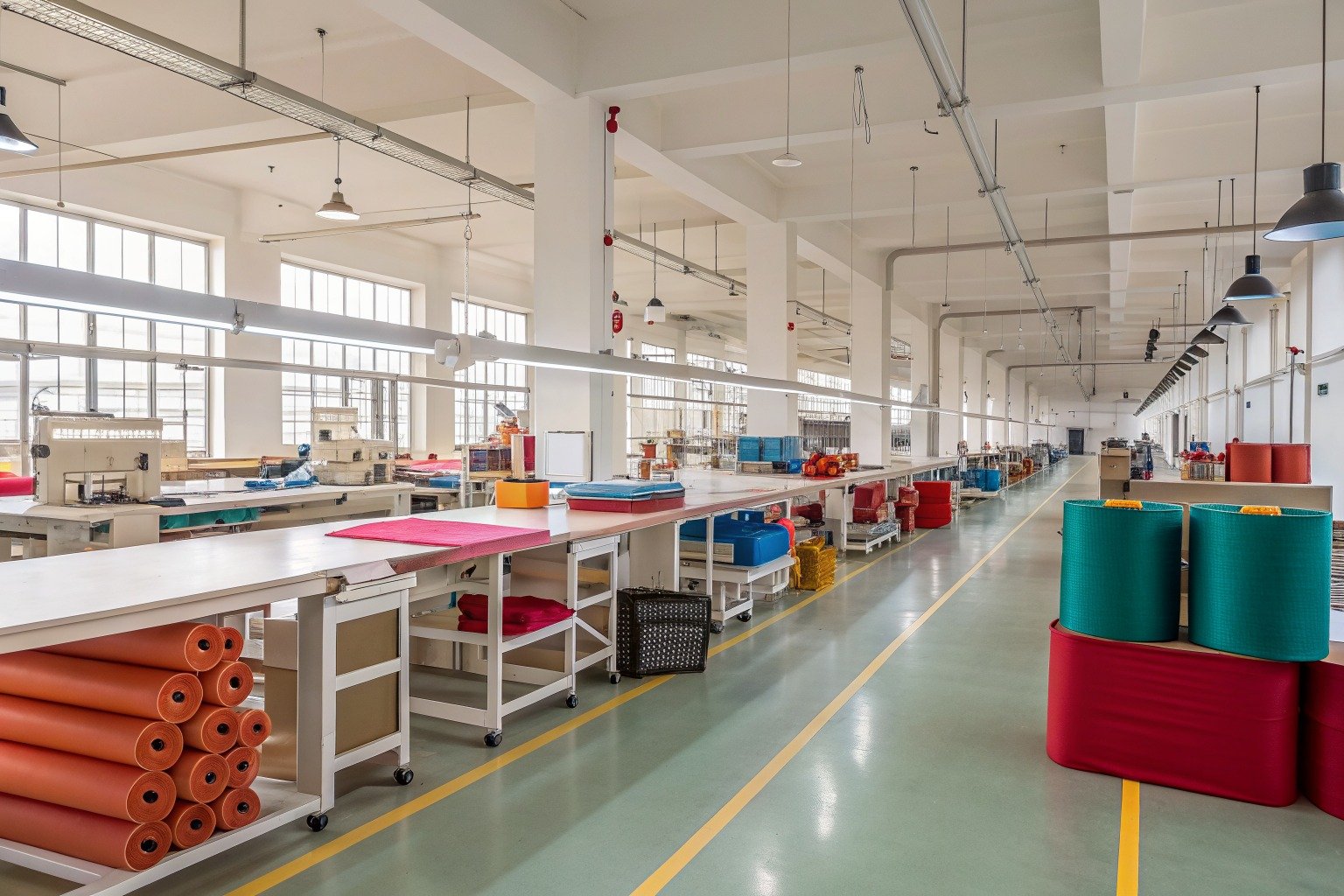
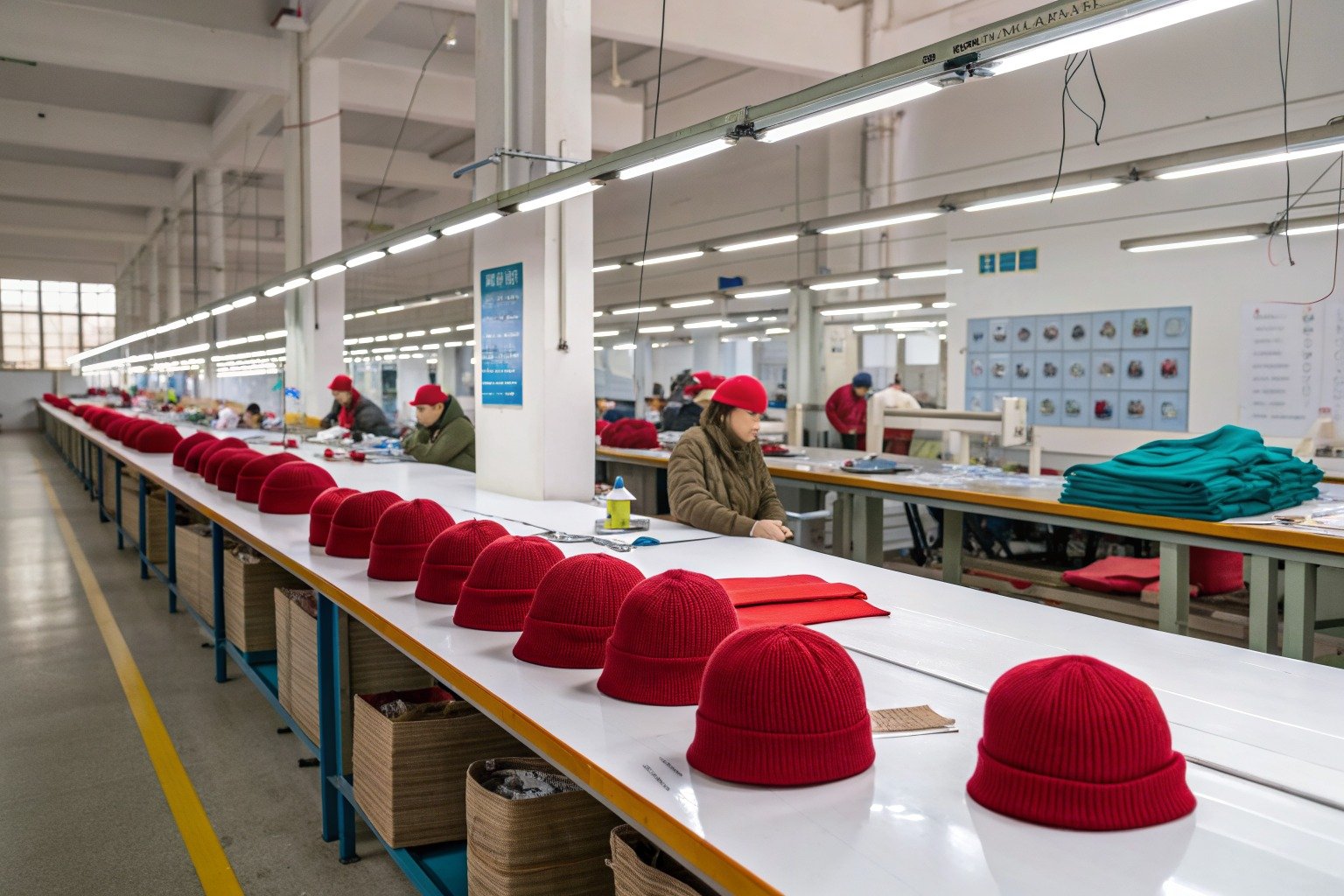
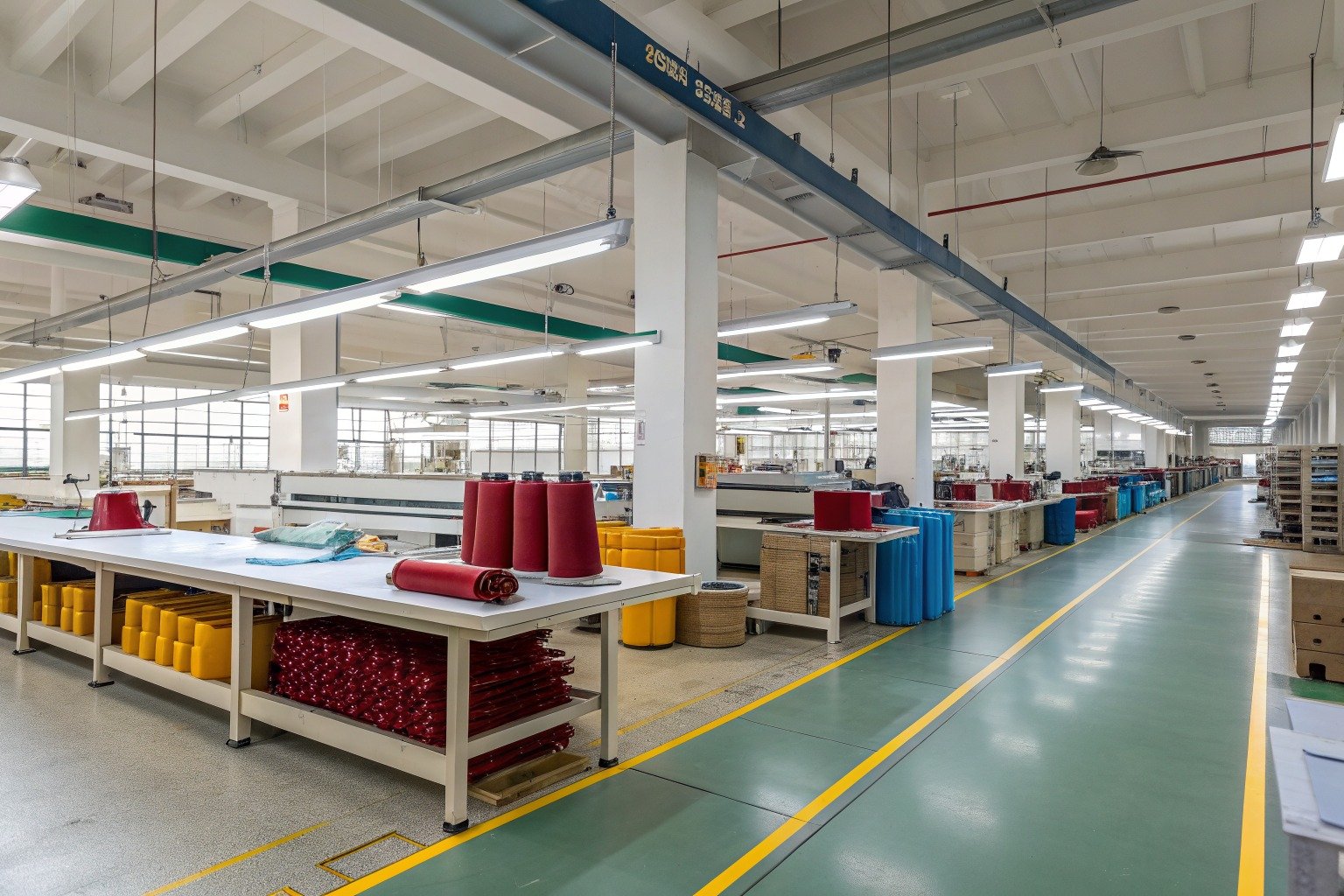
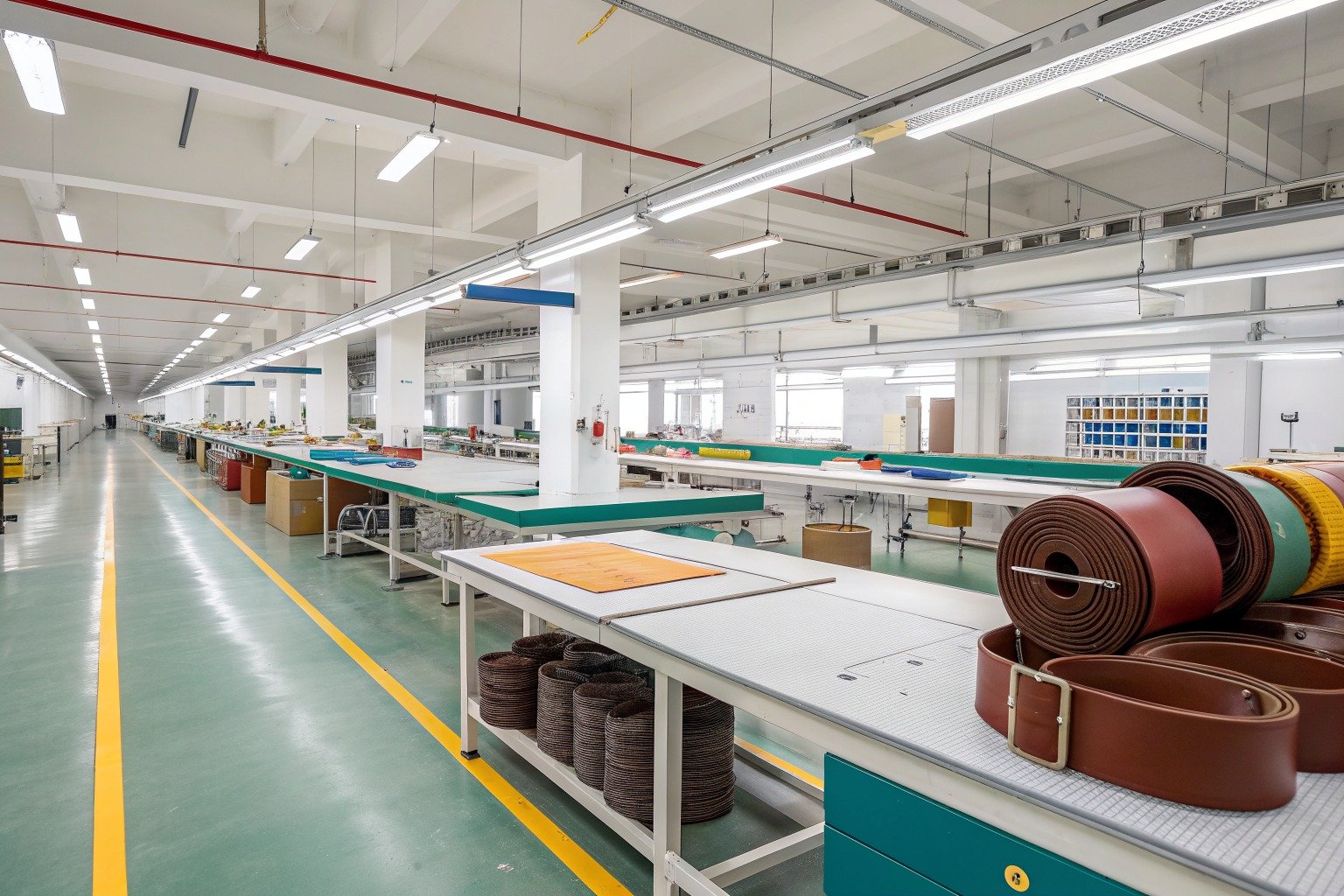
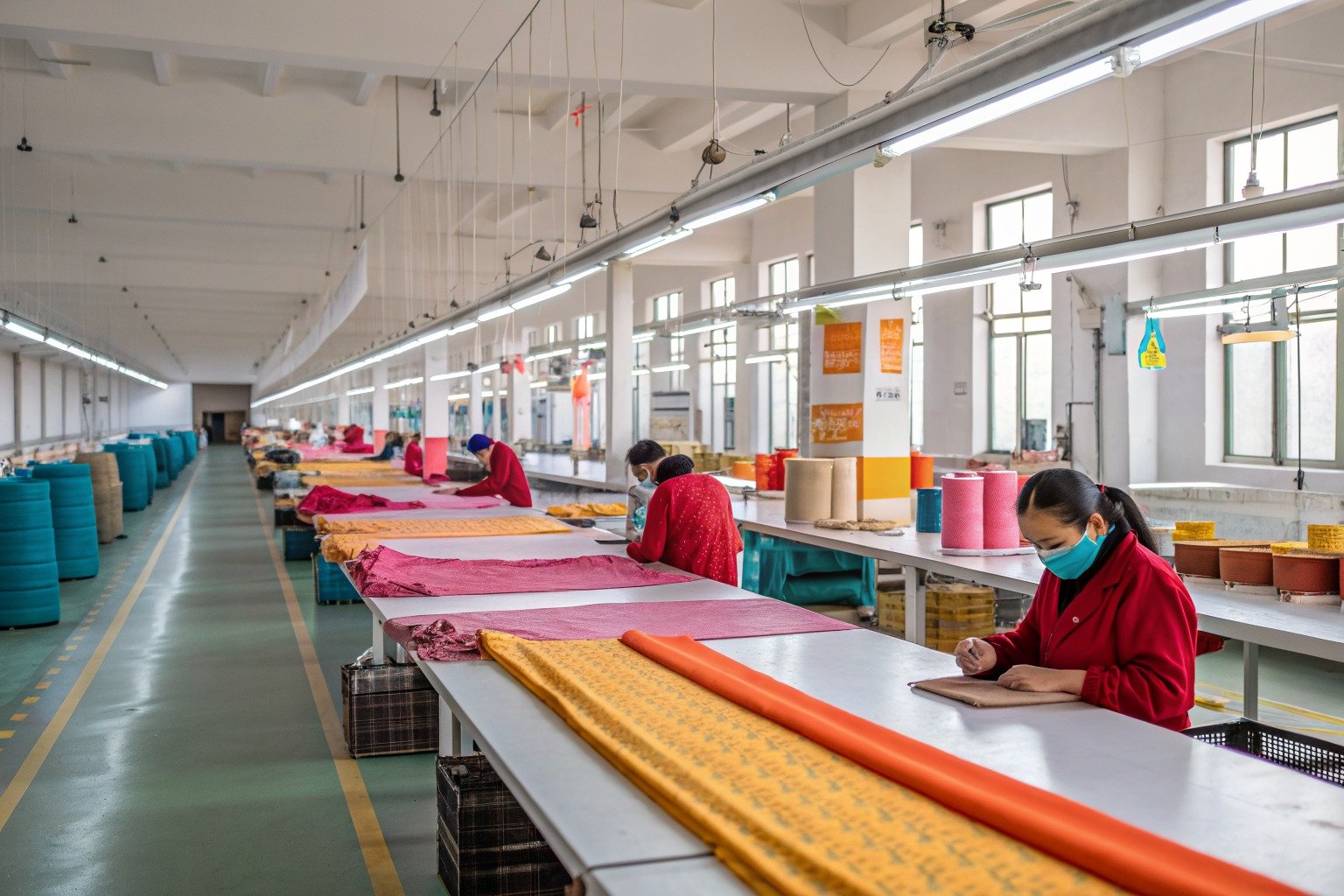
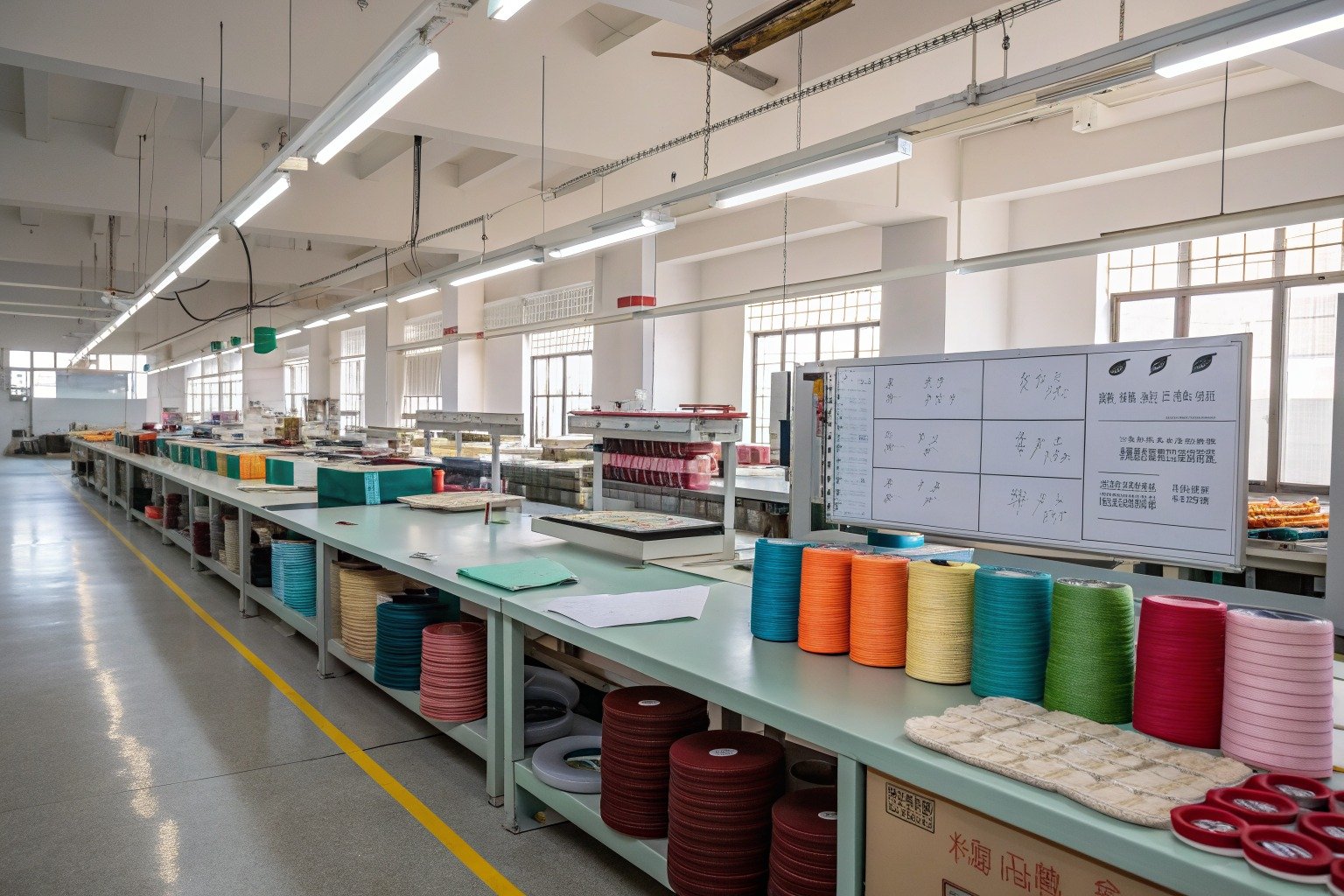
- Behind-the-Scenes: Share videos or photos from your manufacturer’s facility (with permission). Show the quality control process, the hands of artisans at work, or your project manager reviewing samples. This builds immense trust and makes the "craftsmanship" part of your story real.
- User-Generated Content: Feature customers wearing your accessories in their own lives. This shows the product in context and proves that your story resonates.
- Content Series: Create blog posts or video series that delve into topics related to your "Why." A sustainable brand might do a series on material innovations, while a heritage brand might explore the history of a craft.
Ensure your website’s copy, from the homepage to product descriptions, uses your brand voice and weaves in narrative elements. Instead of "Blue Silk Scarf," a description could read: "The ‘Azure Sky’ Scarf—inspired by clear mountain mornings and crafted from peace-silk, dyed with low-impact colors." This approach, supported by a reliable manufacturing partner like Shanghai Fumao Clothing that can provide authentic production insights, makes your story sell for you.
How to Evolve Your Brand Story with Customer Feedback and Growth?
A brand story is not a stone tablet etched once and never changed. It is a living narrative that should grow and deepen as your brand evolves. Ignoring customer feedback, market shifts, or your own growth can make your story feel stale or disconnected. The most resilient brands listen and adapt. How can you ensure your story remains relevant and authentic over time?
Actively build feedback loops into your business. Monitor customer reviews, comments on social media, and direct messages. What are they saying about your products and your brand? Are they connecting with the story you intended, or are they finding a different meaning? This feedback is invaluable data. It can reveal strengths to double down on or gaps to address. For instance, if customers consistently praise the durability of your canvas bags, your story could evolve to emphasize "long-lasting design" more strongly. Growth, such as expanding into new product categories like umbrellas or cups, also offers a chance to extend your core narrative into new expressions.

How to Collect and Integrate Meaningful Customer Insights?
Move beyond passive observation. Proactively engage:
- Surveys: Send post-purchase emails asking what attracted them to the brand and how the product makes them feel.
- Interviews: Conduct occasional video calls with loyal customers to dive deeper.
- Community Building: Create a private social media group for your most passionate customers to discuss and give feedback.
Look for patterns in this data. Are customers using words you haven’t thought of? These are often gold mines for refining your messaging. Tools and methodologies discussed on platforms like Shopify’s Entrepreneur Blog can help structure this customer discovery process.
When and How Should You Refresh Your Brand Narrative?
A full brand overhaul is rare and risky. More often, it’s about refreshing and expanding. Consider a refresh when:
- Your product line has significantly diversified.
- Your core customer demographic has shifted.
- Your foundational values have deepened (e.g., achieving a carbon-neutral supply chain).
A refresh might involve updating your visual identity, tweaking your tagline, or introducing new storytelling chapters (e.g., a "Impact Report" section on your website). The key is to anchor any change in the original, authentic "Why." Communicate changes transparently to your audience—this itself can be a new chapter in your story, showing that you listen and evolve. As a long-term manufacturing partner, we at Shanghai Fumao Clothing value brands that grow thoughtfully, as it allows for a stable and collaborative partnership where we can jointly plan for new developments and ensure consistent quality across an expanding product range.
Conclusion
Creating a compelling accessory brand story is a strategic exercise in authenticity and consistency. It begins with defining a core "Why" that is genuine and impactful. This foundation must then be meticulously woven into your product design, material choices, and sourcing ethics, making the story tangible. Consistent communication across all packaging and digital touchpoints brings the narrative to life for your customers. Finally, by listening to feedback and allowing your story to evolve naturally with your brand’s growth, you ensure it remains relevant and powerful.
A strong brand story does more than sell products; it builds a community, commands loyalty, and creates intangible value that competitors cannot easily replicate. It transforms your accessories from mere commodities into cherished pieces with meaning.
If you are building an accessory brand and seek a manufacturing partner who understands the importance of your story and can deliver the quality and consistency needed to tell it truthfully, we are here to help. From material sourcing advice to precise production, let’s build the narrative together. Contact our Business Director Elaine at elaine@fumaoclothing.com to start a conversation about bringing your brand story to life through exceptional products.