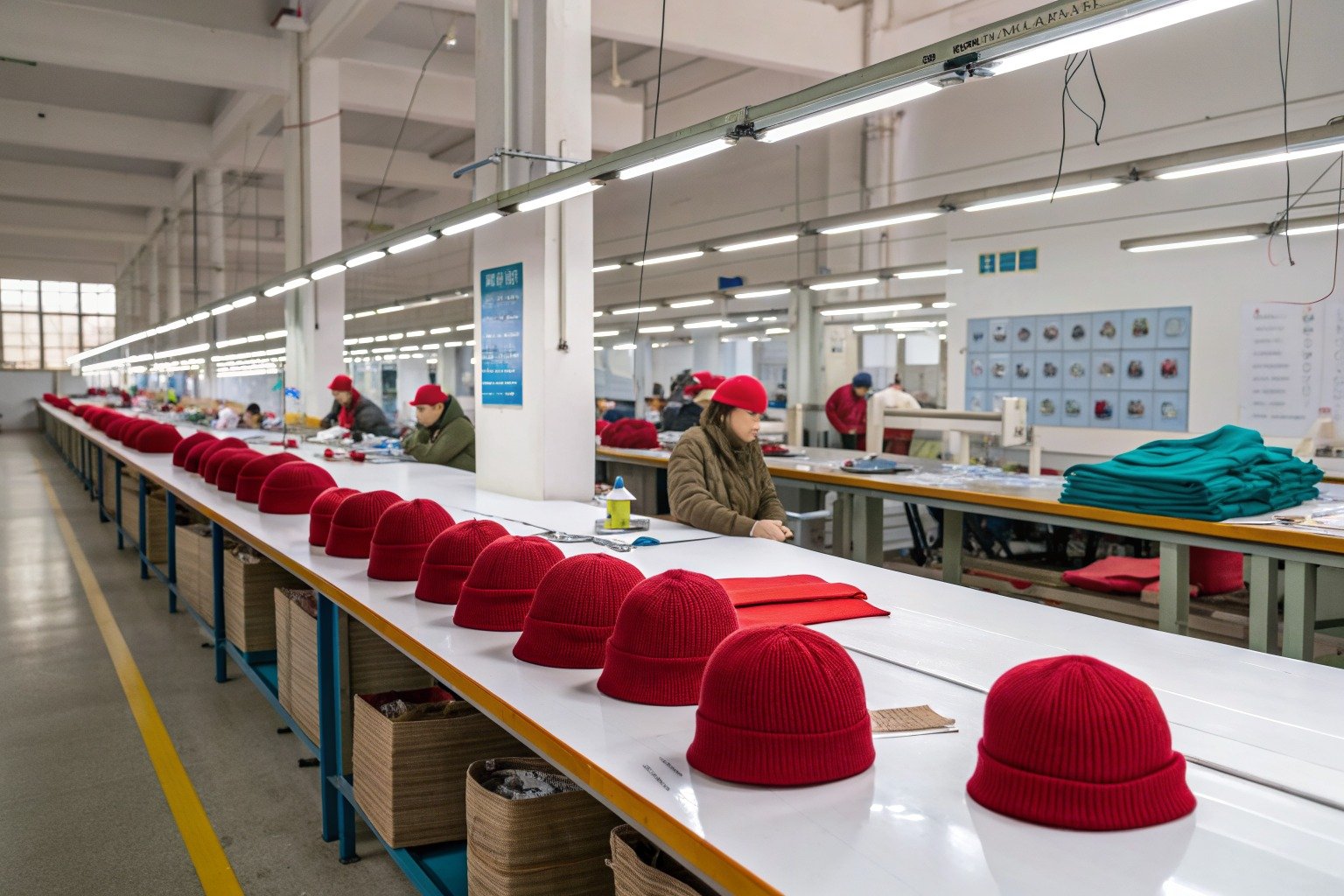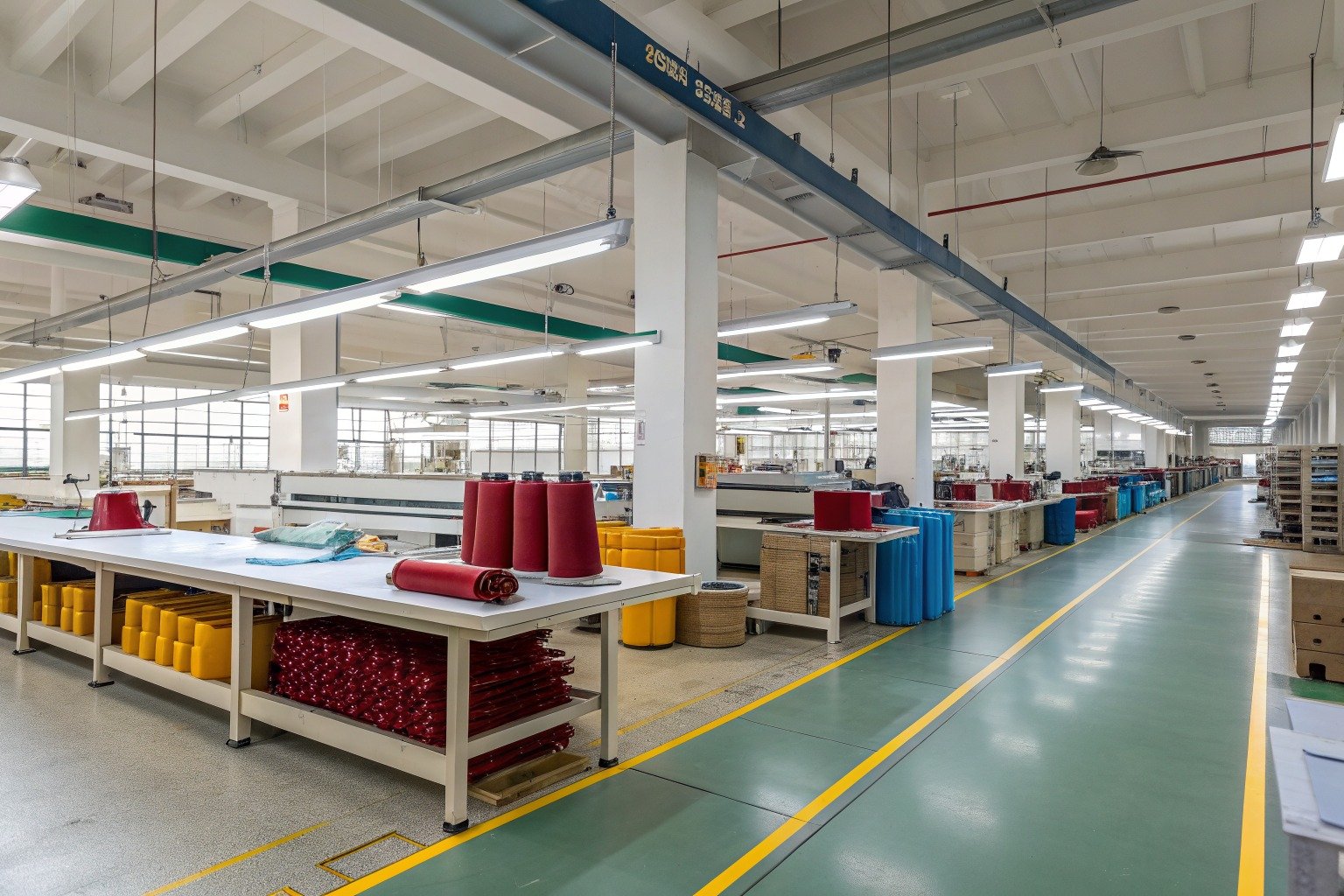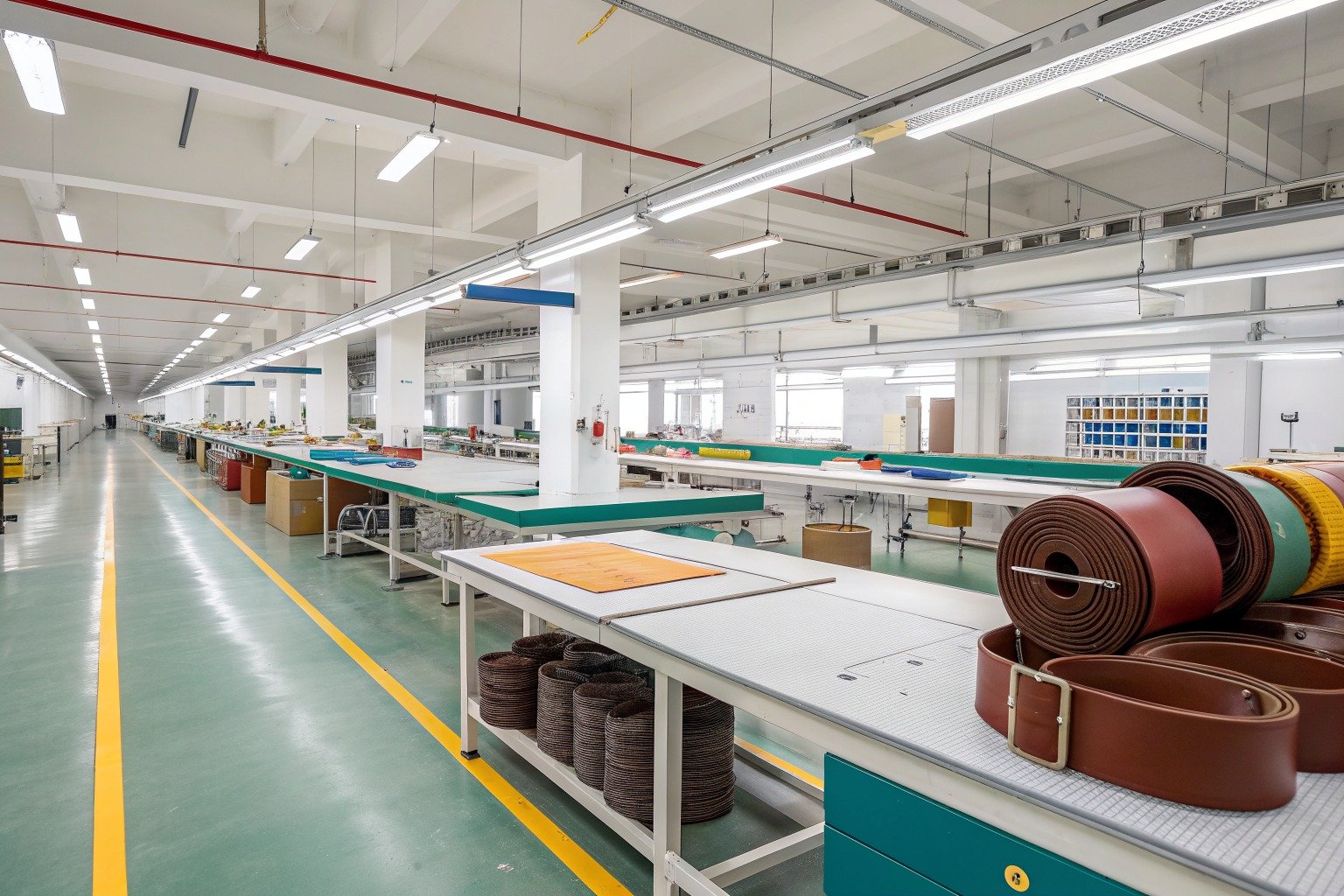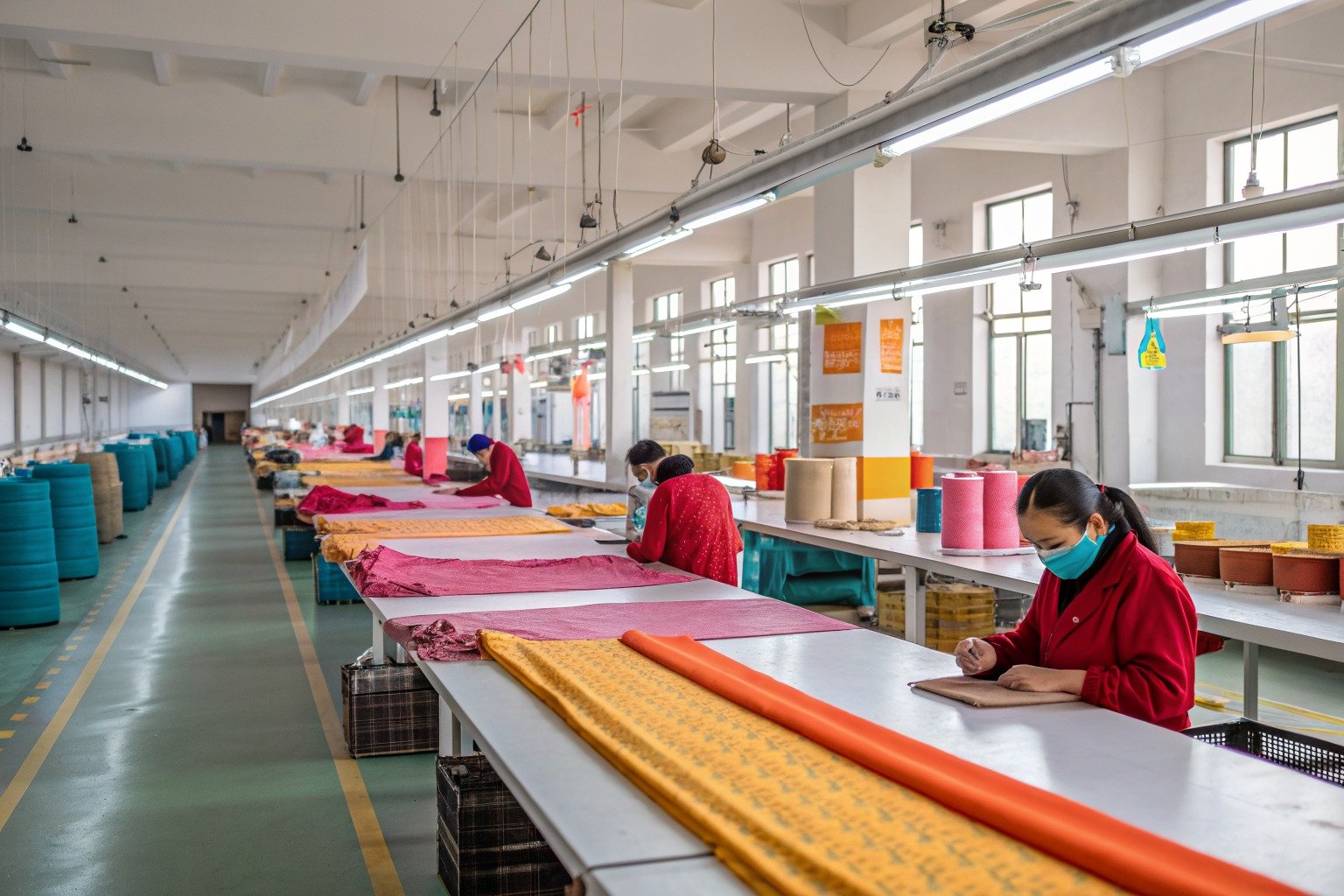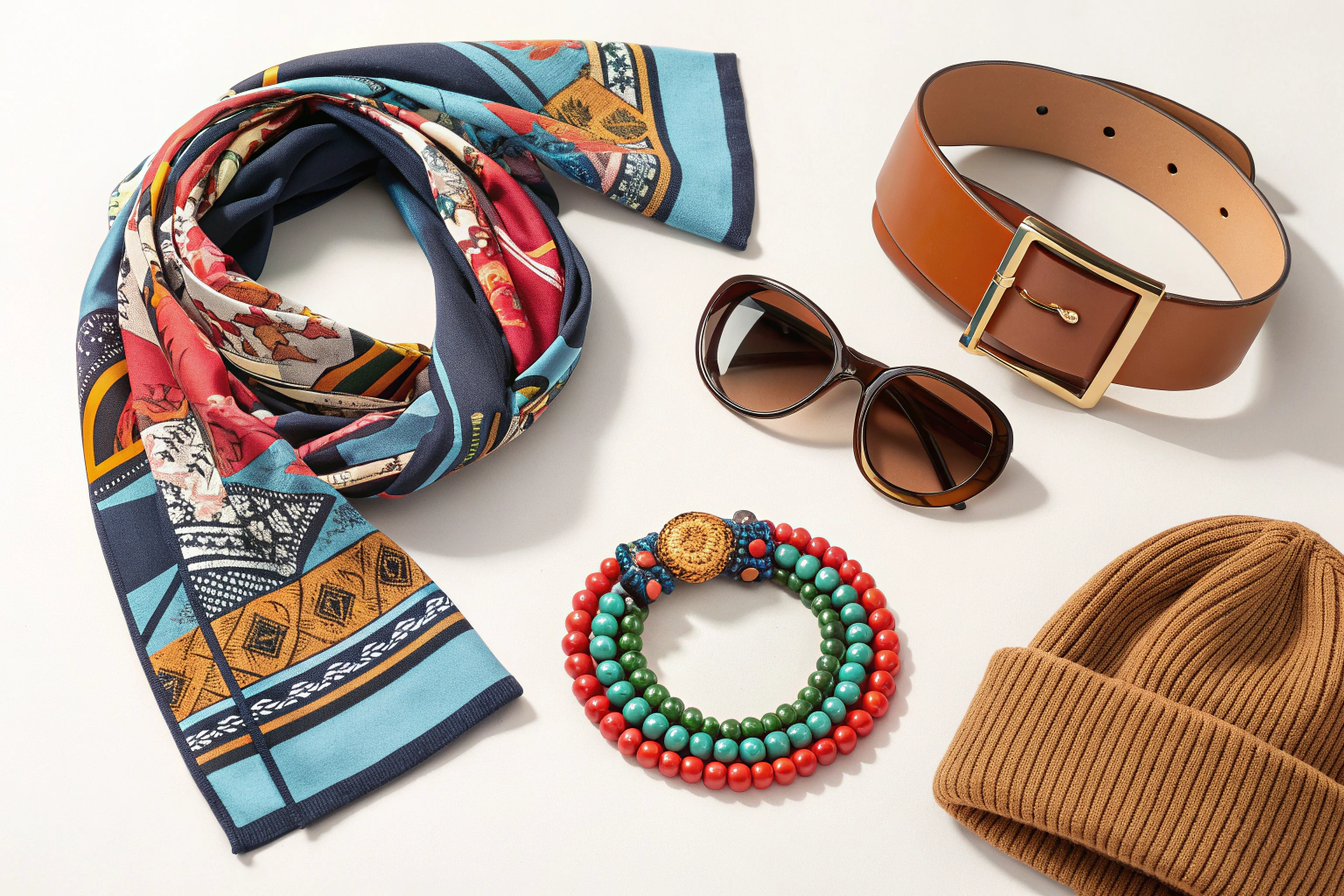
Have you ever noticed how a simple scarf, a bold belt, or the right hat can completely transform an outfit? It’s a kind of everyday magic. For consumers, it’s an affordable way to express personal style. For brands and entrepreneurs, this magic represents one of the most exciting and accessible opportunities in the entire fashion industry.
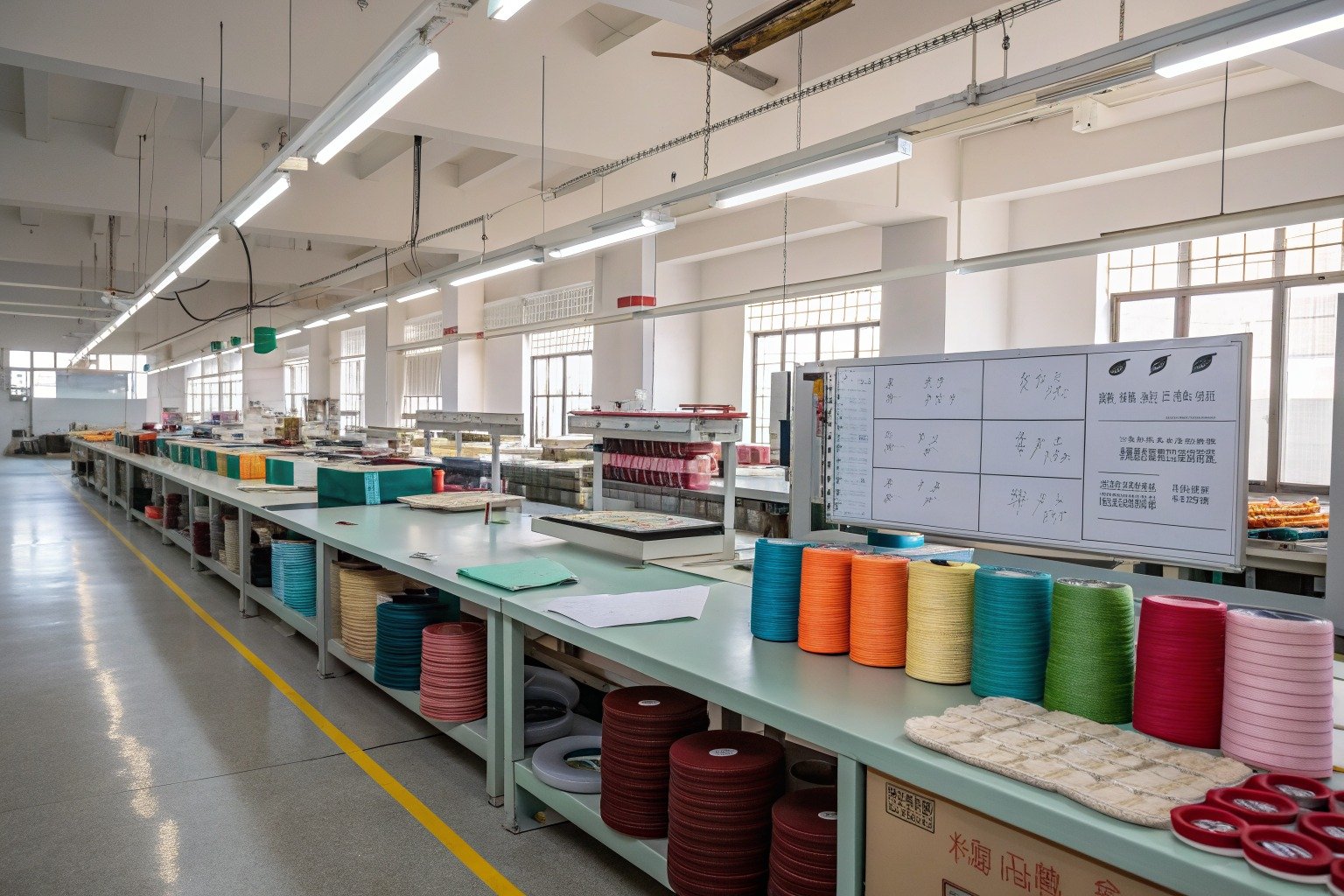
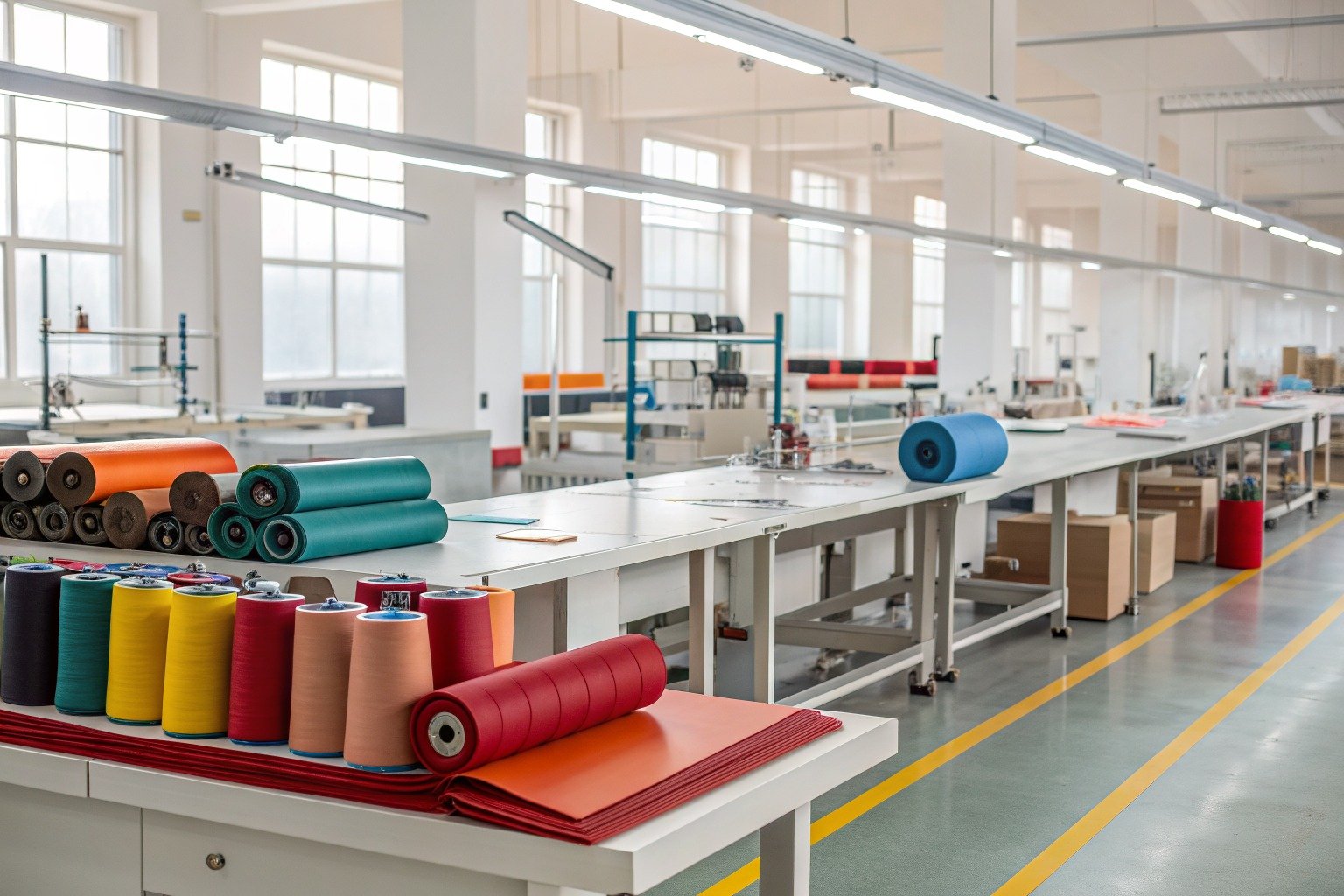
Fashion accessories represent a huge market opportunity because they offer high profit margins, have a lower barrier to entry than clothing, and cater directly to the modern consumer’s desire for personalization, affordability, and frequent style updates. As the owner of Shanghai Fumao Clothing, a factory that has been on the front lines of accessory manufacturing for years, I’ve witnessed this market’s incredible resilience and growth. While apparel trends can be complex and capital-intensive, accessories provide a faster, more flexible way for brands to capture consumer interest and drive sales.
This isn’t just a niche market; it’s a multi-billion dollar global industry that is continuously expanding. Whether you’re an established apparel brand looking to diversify or a new entrepreneur searching for a launchpad, the world of accessories holds immense potential. Let’s dive into the specific factors that make this market a strategic goldmine.
Why Do Accessories Offer Higher Profit Margins?
In business, profit is king. While revenue is exciting, it’s the margin that determines sustainability and growth. And when it comes to fashion, accessories are often the unsung heroes of profitability. But how can a $30 scarf be more profitable than a $100 dress?
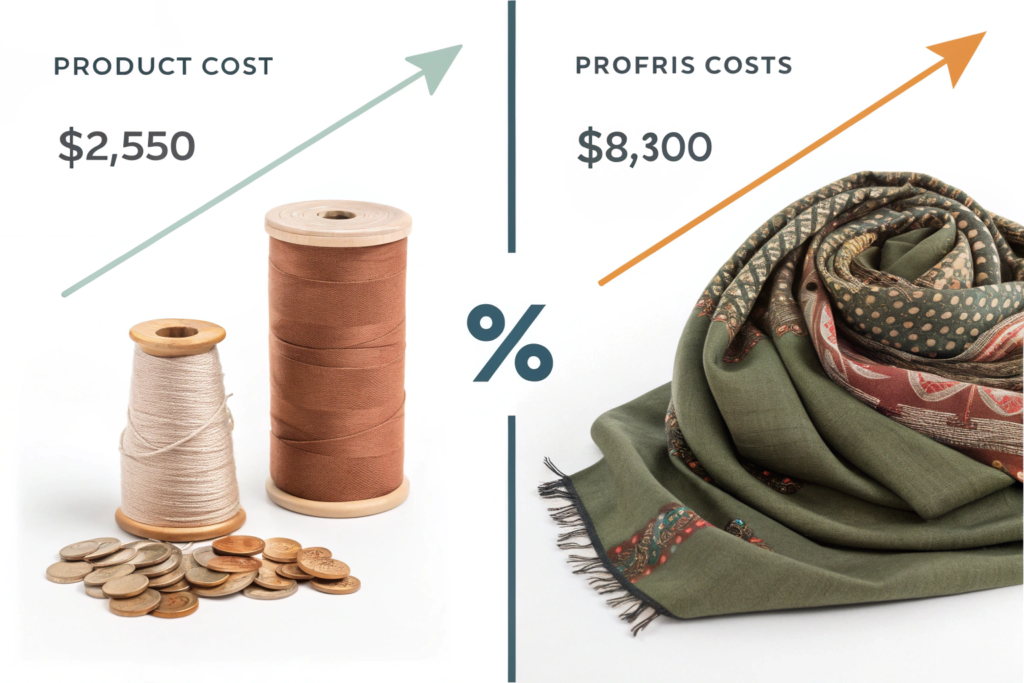
Accessories typically have a lower cost of goods sold (COGS) and a higher perceived value, allowing for significantly healthier profit margins compared to apparel. The production of a scarf, hat, or belt requires less raw material and often simpler manufacturing processes than a complex garment like a jacket. However, because a stylish accessory can be a powerful statement piece, consumers are willing to pay a premium for a design they love. This creates a wider gap between the production cost and the retail price.
This favorable margin structure is the financial engine of the accessories market. It allows brands to invest more in marketing, design, and customer acquisition while remaining profitable. Let’s examine the cost structure and the psychology of perceived value. This financial advantage is a key reason brands invest so heavily in getting the product right, starting with a meticulous sample evaluation process.
How Does the Cost Structure Differ from Apparel?
Manufacturing a garment involves many complex steps: intricate pattern making, multiple size gradings, and extensive sewing of different panels. This all adds up to higher labor costs and more material consumption. An accessory, like a knit hat or a simple tote bag, is often a single-piece construction with far fewer steps. For example, the cost of the fabric and labor for a printed scarf is a fraction of what’s needed for a blouse, but its impact on a consumer’s outfit can be just as significant, allowing it to command a strong retail price. This is a fundamental concept in manufacturing cost analysis.
What is "Perceived Value" and Why is it Higher?
Perceived value is the worth a consumer ascribes to a product. Accessories are masters of high perceived value. A beautifully designed print on a silk-blend scarf, a unique buckle on a leather belt, or a clever logo on a baseball cap can make the item feel special and luxurious. It’s an "emotional" purchase. Because it’s seen as a finishing touch or a personal style statement, its value is tied more to its design and brand identity than its raw material cost. This psychological aspect of consumer behavior is what allows a $5 production cost item to be a desirable $40 retail product.
How Do Accessories Lower the Barrier to Entry for New Brands?
Starting a fashion brand can be daunting. The financial investment, logistical complexity, and risk involved in creating a full apparel line can be prohibitive for many entrepreneurs. This is where accessories shine as the perfect entry point into the market.
The barrier to entry is lower for accessories because they require less initial capital, have simpler sizing, and allow for faster production cycles. You don’t need to develop a complex range of sizes (like XS to XXL) for a scarf or a handbag. This "one-size-fits-most" nature dramatically simplifies inventory management and reduces the risk of being left with unsold stock in unpopular sizes. This allows new brands to launch with a focused, curated collection and test the market without risking a massive upfront investment.
This accessibility is what makes the accessories market so vibrant and dynamic, constantly infused with new ideas from emerging designers. Let’s explore the specific advantages of simplified sizing and faster speed-to-market. This agility is a key reason why finding the right specialist supplier who can move quickly is so important.
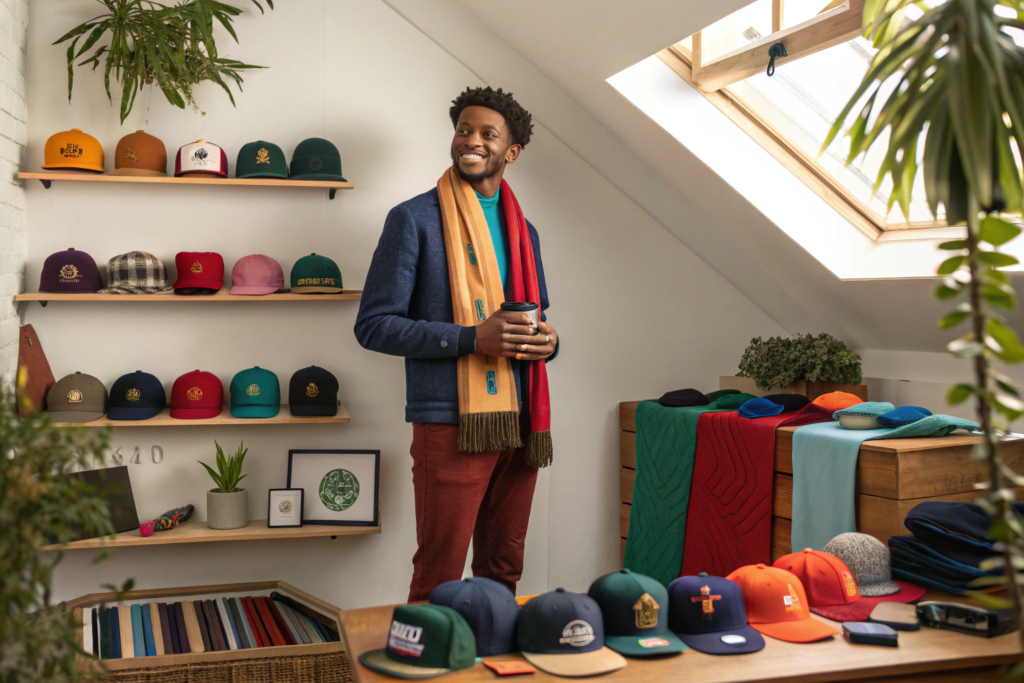
Why is "One-Size-Fits-Most" a Game Changer?
Inventory management is one of the biggest challenges in fashion. For an apparel brand, ordering the right ratio of sizes is a constant gamble. Order too many smalls or not enough larges, and you have dead stock or missed sales. For most accessories, this problem vanishes. A hat might come in S/M and L/XL, but scarves, bags, and shawls are universal. This means you can invest your capital in more designs rather than more sizes. This dramatically simplifies inventory forecasting and reduces financial risk.
How Does it Enable Faster "Speed-to-Market"?
Because accessories are generally simpler to produce, the time from design concept to finished product is much shorter. This allows brands to be incredibly agile and responsive to fast-moving trends. Did a particular color or pattern suddenly go viral on social media? An agile brand can work with a factory like ours to design, sample, and produce a line of scarves or hats featuring that trend in a matter of weeks, not months. This ability to quickly capitalize on micro-trends is a massive competitive advantage in today’s market.
How Do Accessories Meet Modern Consumer Demands?
The way people shop for fashion has changed. Consumers, especially younger generations, are looking for ways to express their unique identity without breaking the bank. They crave novelty and personalization, and they share their style instantly on social media.
Fashion accessories perfectly align with the modern consumer’s demand for affordability, personalization, and constant newness. An accessory is an impulse buy, an affordable treat. It allows a shopper to participate in a current trend or refresh their existing wardrobe without committing to an expensive new outfit. A collection of accessories allows for endless combinations, giving the consumer a powerful tool for self-expression. They are, in essence, the perfect product for the Instagram and TikTok era.
This alignment with consumer psychology is the driving force behind the market’s sustained growth. At Shanghai Fumao Clothing, we help brands tap into this by offering low minimum order quantities (MOQs) and fast development. Let’s look at the power of the "small treat" and the desire for personalization. This is a market driven by emotion, where the visual appeal we check for in color and print evaluation is paramount.
What is the Power of the "Affordable Indulgence"?
In uncertain economic times, consumers may cut back on large purchases, but they still crave the emotional lift of buying something new. This is known as the "lipstick effect." A fashion accessory is the perfect affordable indulgence. A customer might hesitate to spend $200 on a new coat, but they will happily spend $40 on a new scarf that makes them feel stylish and updated. This makes the accessories market more resilient to economic downturns than many other retail sectors. This concept is a well-documented principle in consumer economics.
How Do Accessories Enable Self-Expression?
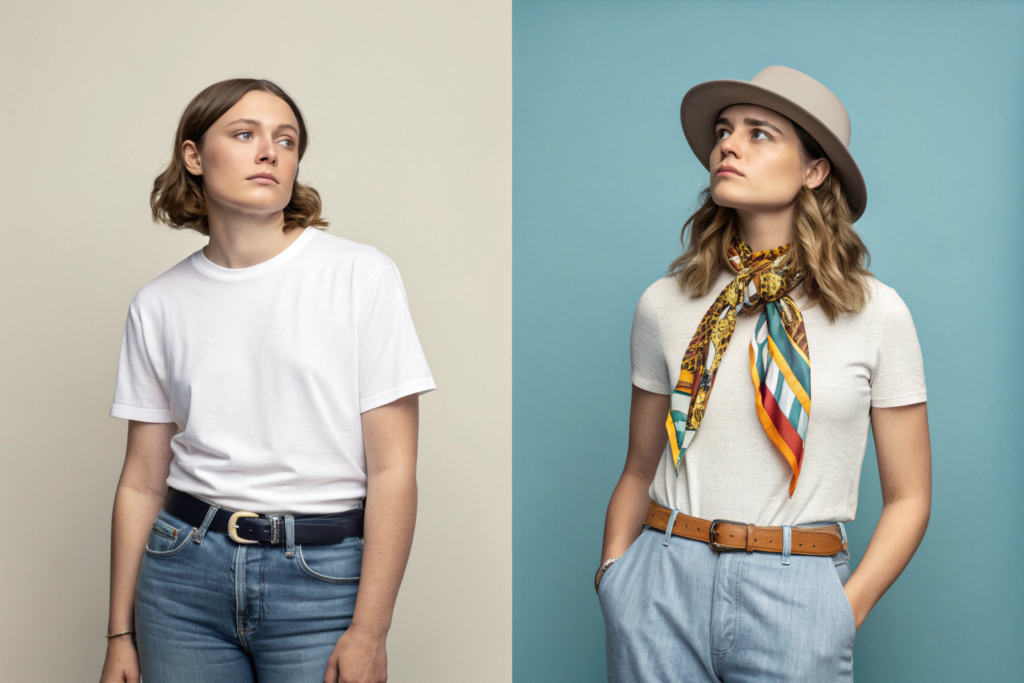
Today’s consumer doesn’t want to look like everyone else. They want to curate a personal brand. Accessories are the building blocks of this personalization. By changing a hat, a belt, or a bag, the same basic outfit of jeans and a t-shirt can be transformed to fit different moods and occasions: professional, casual, edgy, or bohemian. They allow for a level of creativity and individuality that is central to modern fashion identity. Brands that offer a diverse and interesting range of accessories are giving their customers the tools they need to tell their own style story.
Conclusion
The evidence is clear: the fashion accessories market is not just a sideshow to apparel; it is a vibrant and powerful industry brimming with opportunity. The combination of high profit margins, a low barrier to entry, and a perfect alignment with modern consumer desires creates a uniquely attractive business proposition. Accessories offer a flexible, profitable, and creative path for entrepreneurs to enter the fashion world and for established brands to expand their reach and deepen their connection with customers.
The key to unlocking this opportunity lies in finding a manufacturing partner who understands the nuances of this market—a partner who can deliver quality, speed, and the collaborative spirit needed to bring your vision to life.
If you are inspired to seize this market opportunity, our team is ready to help you build your brand. We have the experience, the infrastructure, and the passion for accessories to be the ideal partner for your journey. Please feel free to contact our Business Director, Elaine, at her email: elaine@fumaoclothing.com to get started.