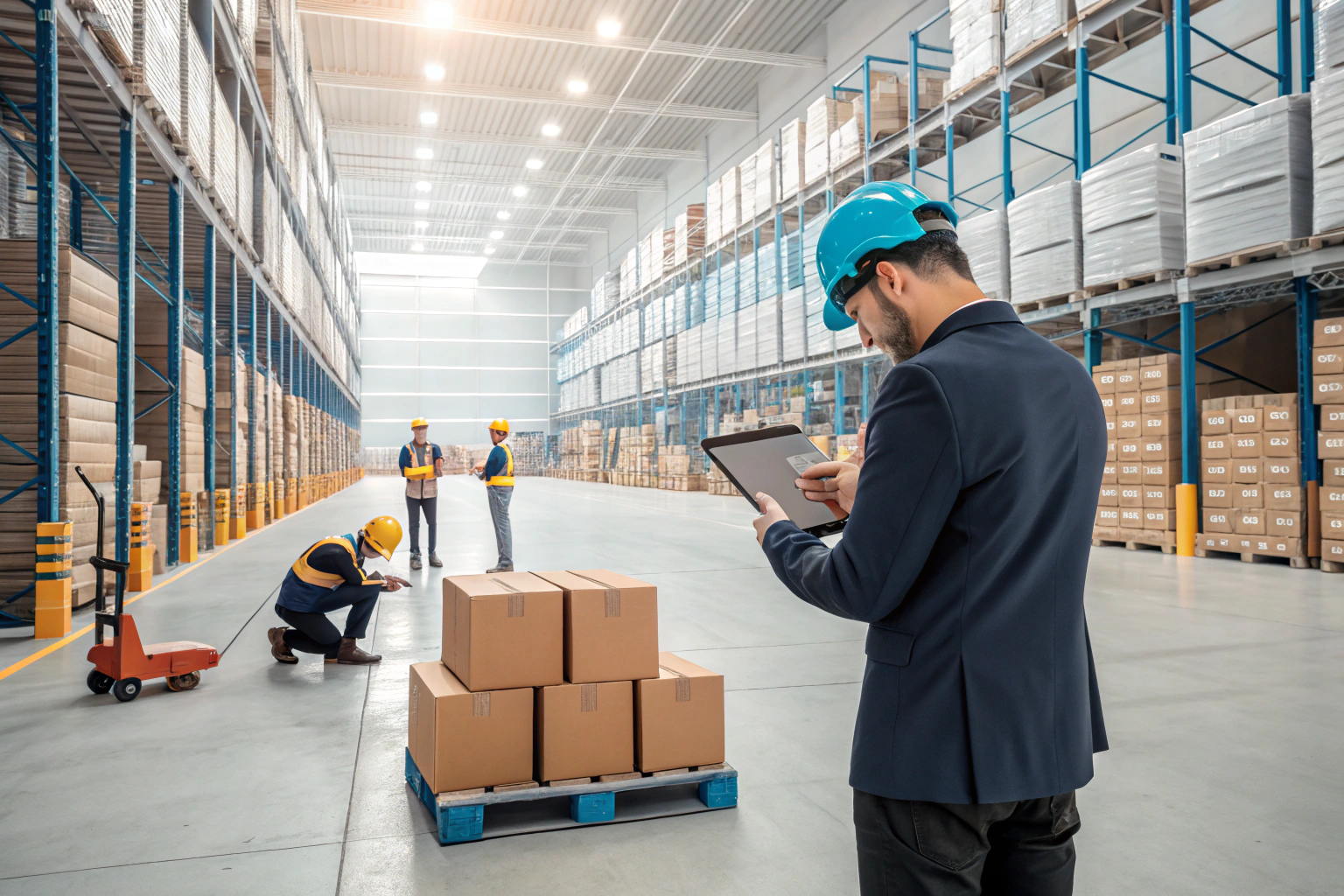
You’ve successfully navigated design, sampling, and production. Your beautiful fashion accessories—hats, scarves, belts, and bags—are finally ready. Now comes the final, crucial hurdle: getting them from our factory in China to your warehouse in North America or Europe. For many importers, especially those with diverse product lines or multiple suppliers, logistics can feel like a chaotic, expensive puzzle. You’re juggling different sailing schedules, multiple customs declarations, and a mountain of paperwork.
Centralized transportation, the practice of consolidating cargo from one or multiple suppliers into a single, larger shipment, is the most powerful strategy for reducing costs, improving efficiency, and gaining control over your supply chain. As the owner of Shanghai Fumao Clothing, I’ve seen clients transform their logistics from a major headache into a competitive advantage by adopting this model. Instead of shipping five small boxes separately, we help them combine those into one larger, more manageable shipment. It’s a simple concept with profound benefits.
This isn’t just about saving a few dollars on freight. It’s about streamlining your entire operation, reducing risks, and making your business more resilient. In this article, I’ll break down the core advantages of centralized transportation and explain how we, as your manufacturing partner, can facilitate this process to make your life easier and your business more profitable.
How Does Consolidation Directly Reduce Shipping Costs?
The most immediate and compelling benefit of centralized transportation is, without a doubt, cost savings. But how exactly does shipping one big box instead of five small ones translate into significant savings? The mechanics of freight pricing can seem opaque, but the principle is quite simple.
Consolidating cargo allows you to leverage economies of scale in freight pricing, moving from expensive Less-than-Container Load (LCL) rates to more cost-effective Full Container Load (FCL) rates. International shipping is priced based on volume and weight, and carriers offer substantial discounts for larger, standardized units. Shipping small, individual parcels is the most expensive method per kilogram. LCL is better, but you’re still paying a premium for the freight forwarder to handle and consolidate your goods with others. The ultimate goal is to fill your own container (FCL), which offers the lowest cost per cubic meter.
This is where a good manufacturing partner adds immense value. We can store your finished goods from different production runs (e.g., hats produced this week, scarves next week) until you have enough volume to justify a larger, more economical shipment. Let’s explore how LCL and FCL work and why it matters so much for your bottom line. This cost-saving strategy is as crucial as the initial sample evaluation process in protecting your profit margins.
What is the Difference Between LCL and FCL?
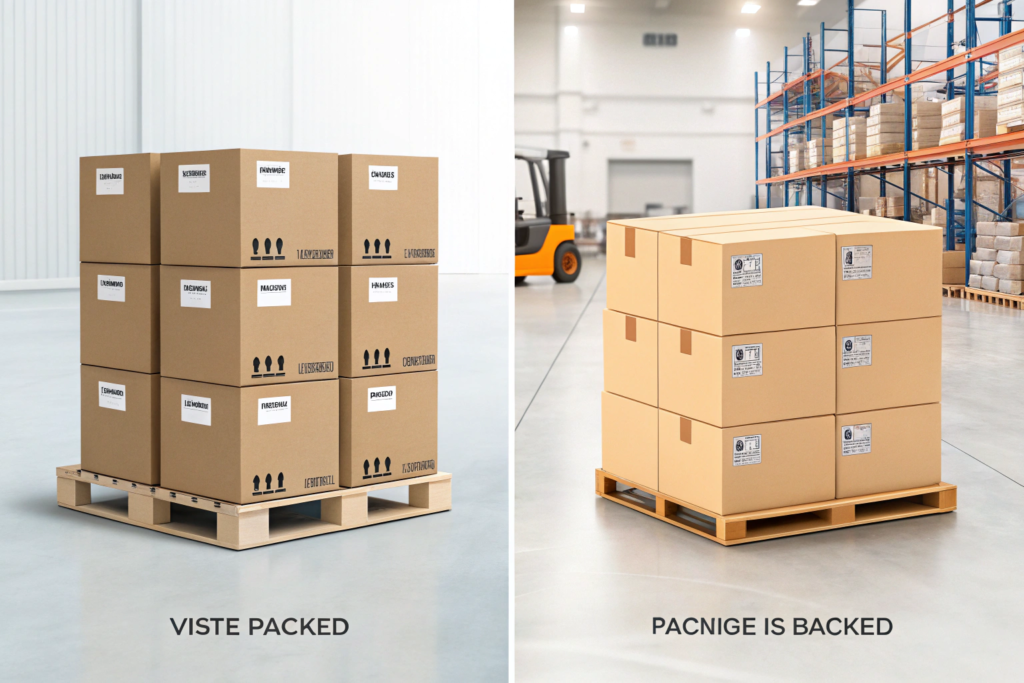
LCL (Less-than-Container Load) is like carpooling for cargo. You book space in a container that you share with other shippers. It’s a good option if your volume is small, but it has downsides. You pay higher rates per cubic meter, and your goods are handled more frequently (loaded into a shared container at the origin, unloaded at the destination), which increases the risk of damage or loss. FCL (Full Container Load), by contrast, is your private ride. You pay a flat rate for an entire 20-foot or 40-foot container and can fill it as you please. Even if you don’t fill it completely, a point is quickly reached where booking an FCL container is cheaper than shipping a large LCL volume. The freight industry operates on this fundamental distinction. Understanding your shipping incoterms, as explained by the International Chamber of Commerce, is also vital here.
How Do We Help You Achieve FCL?
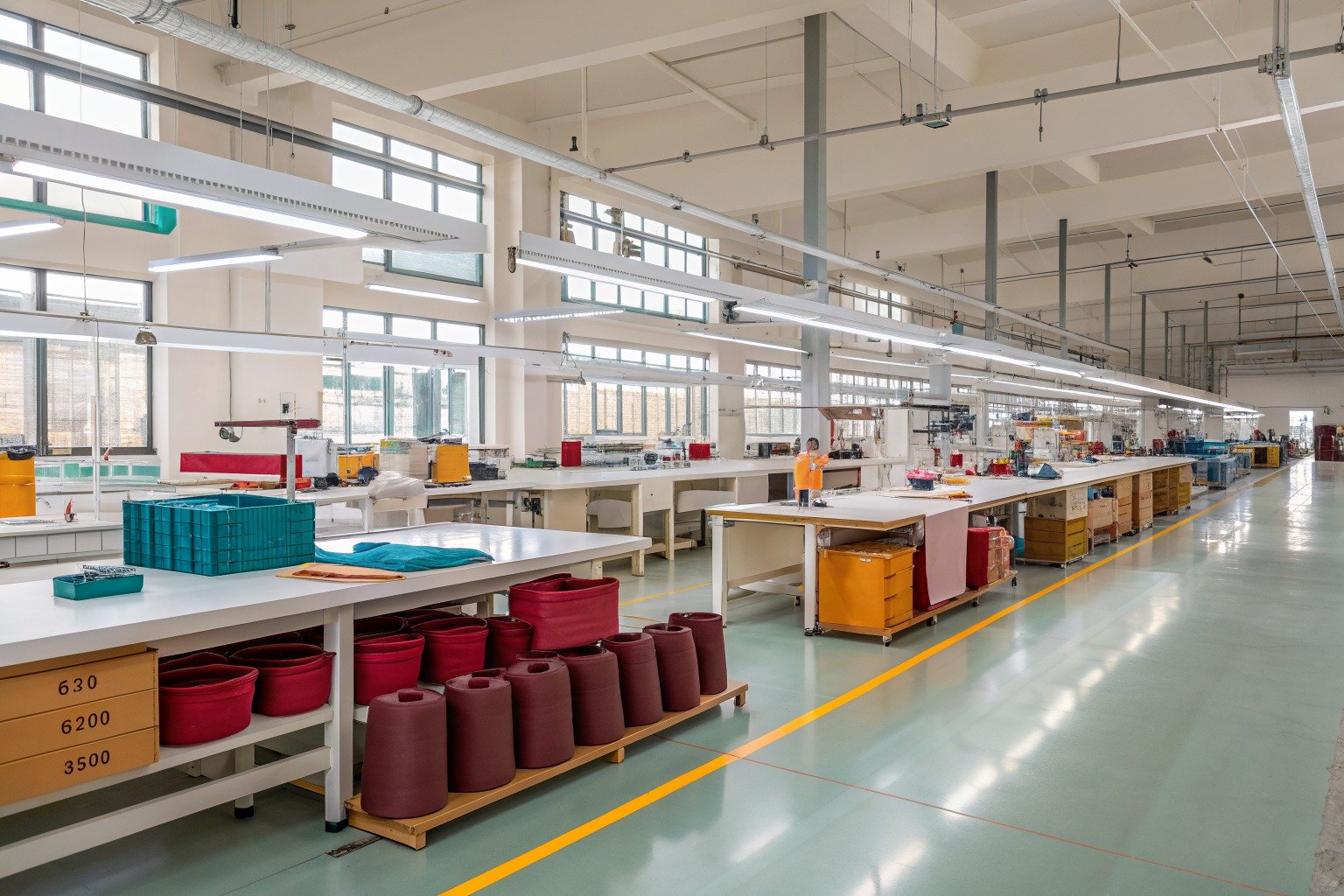
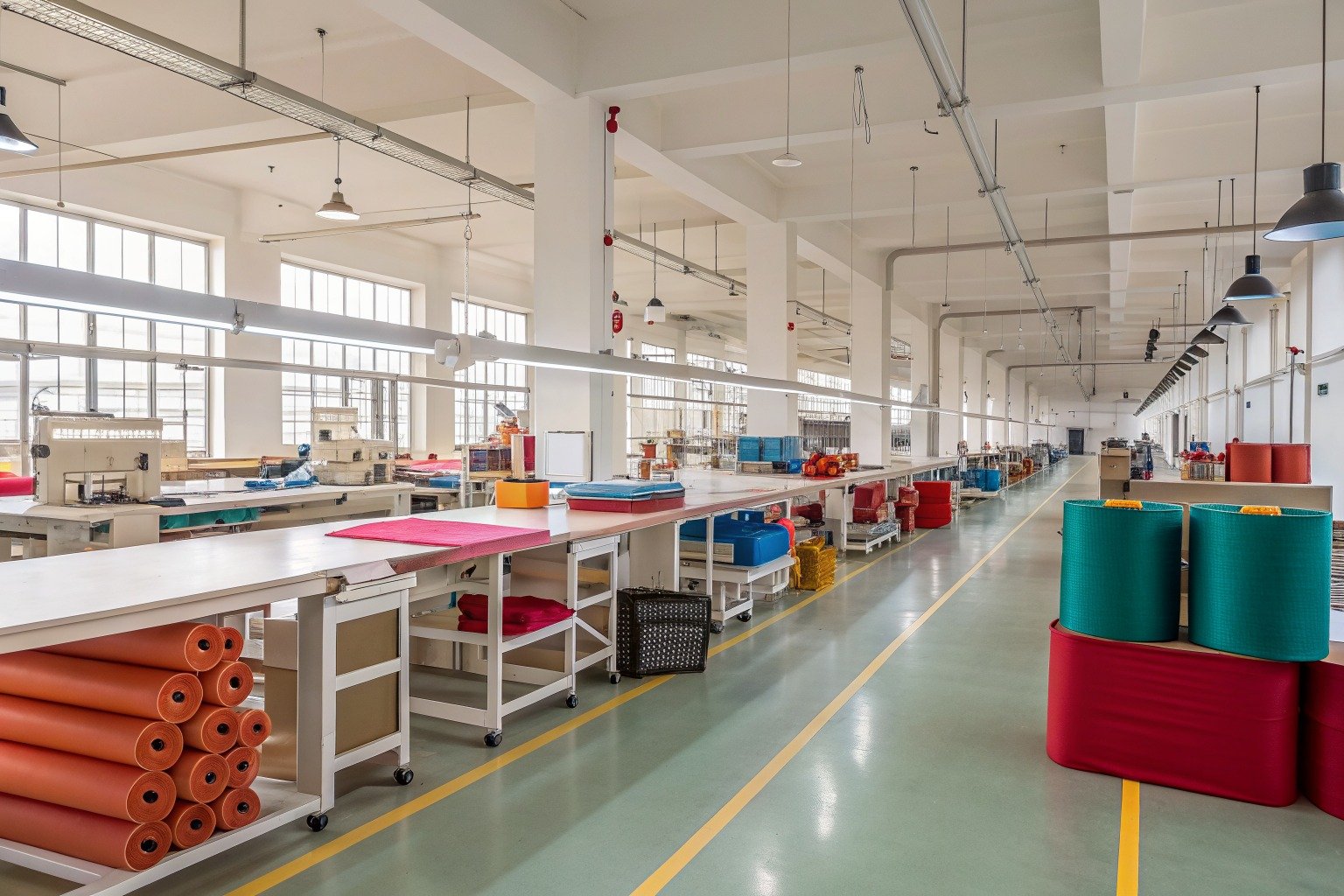
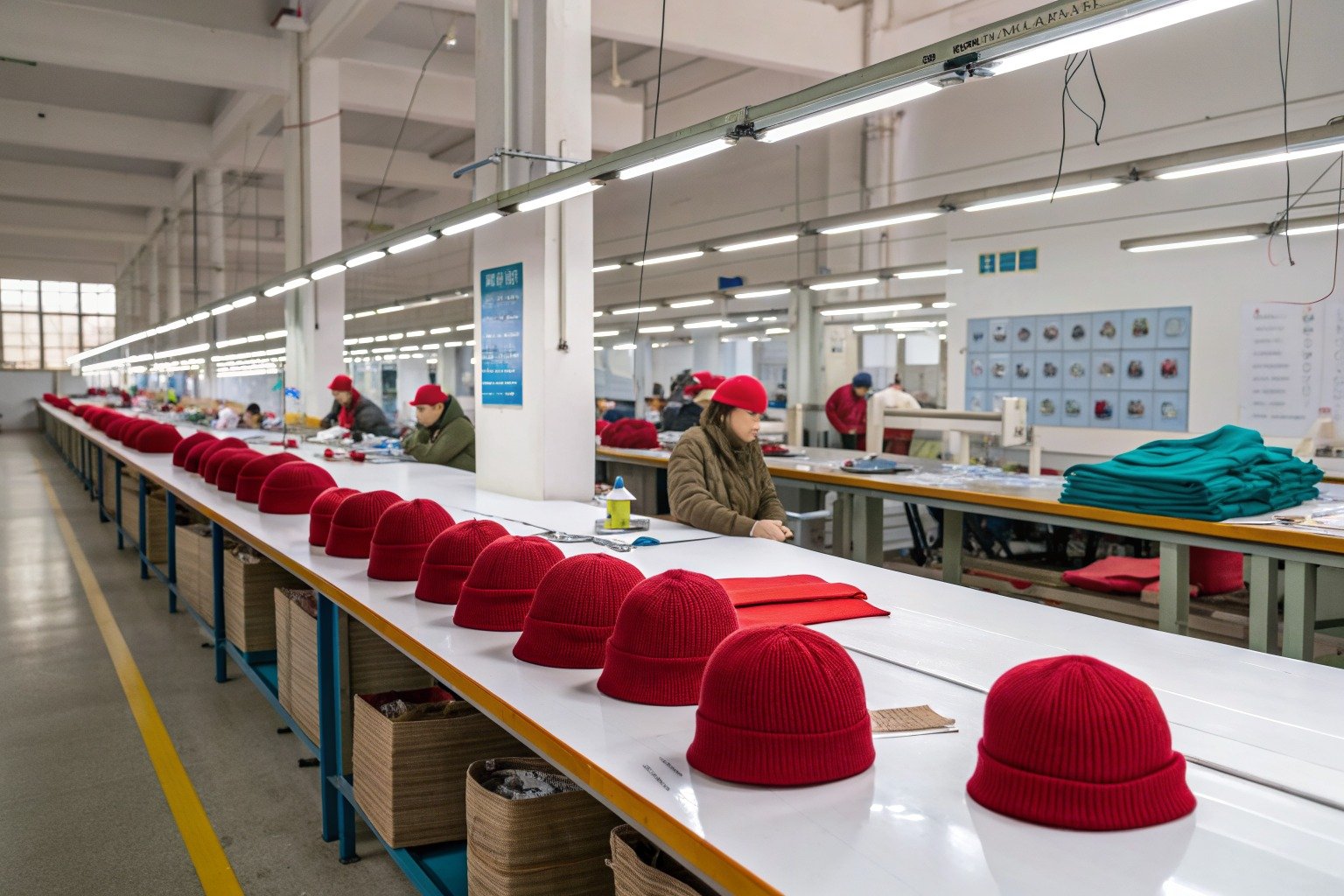
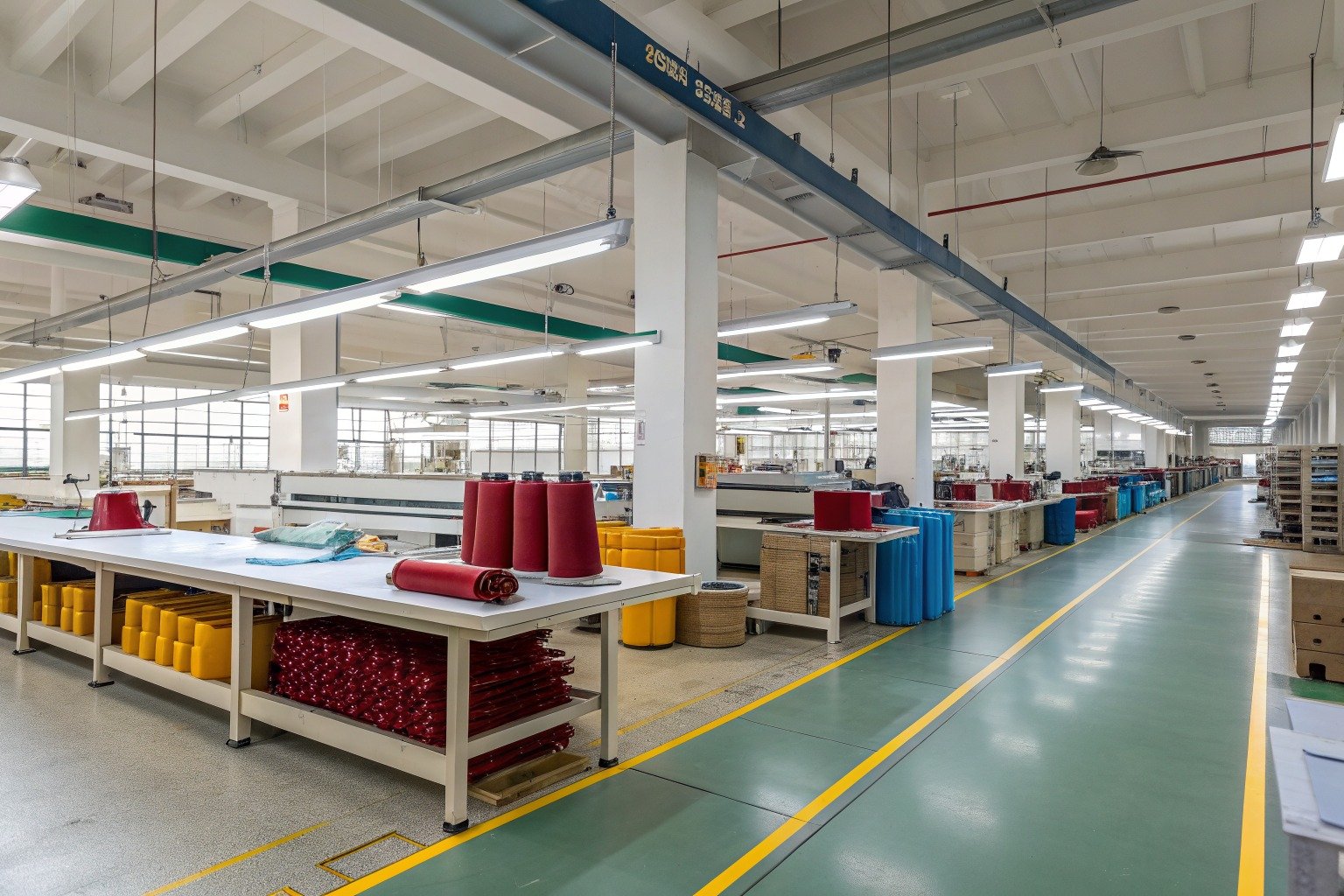
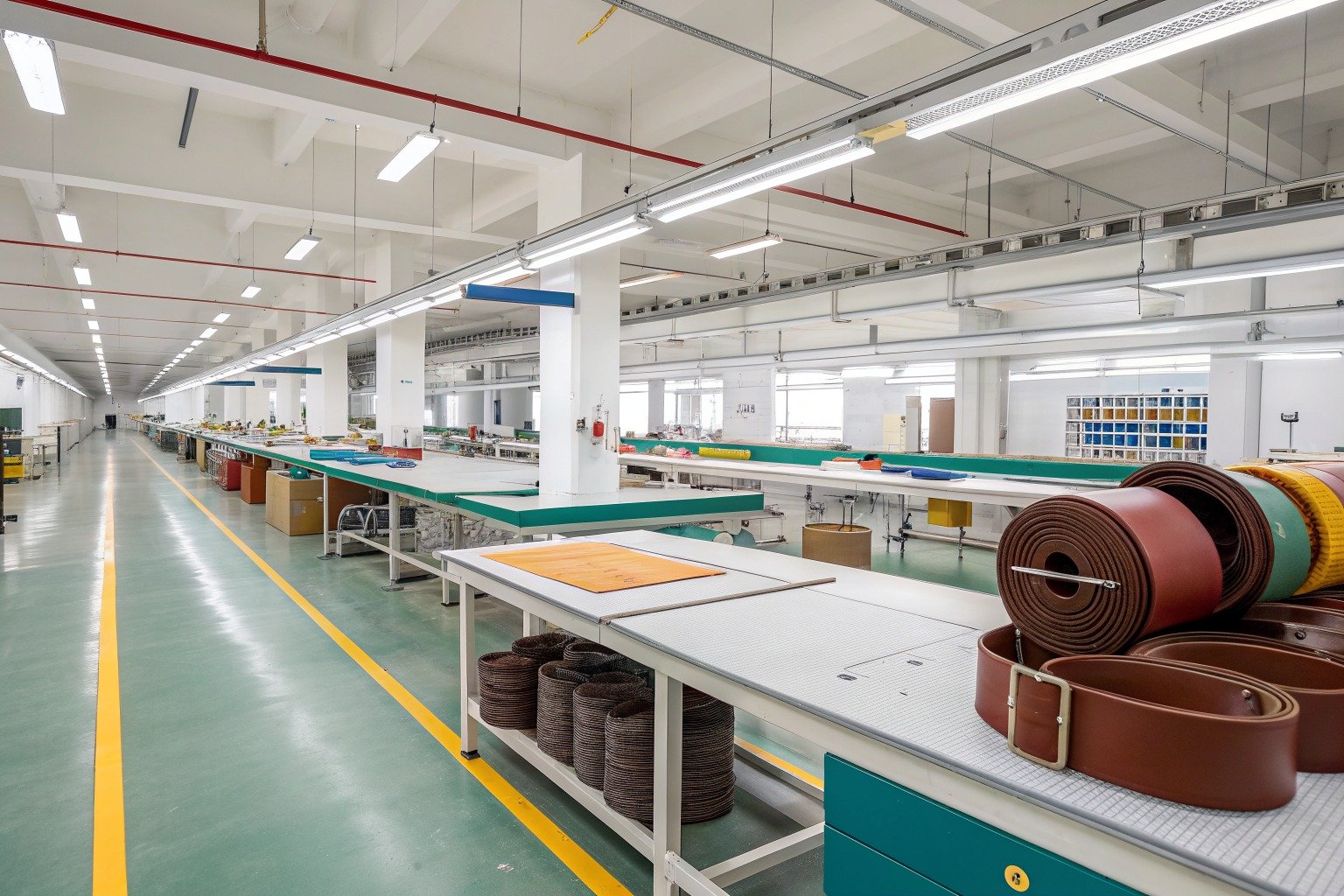
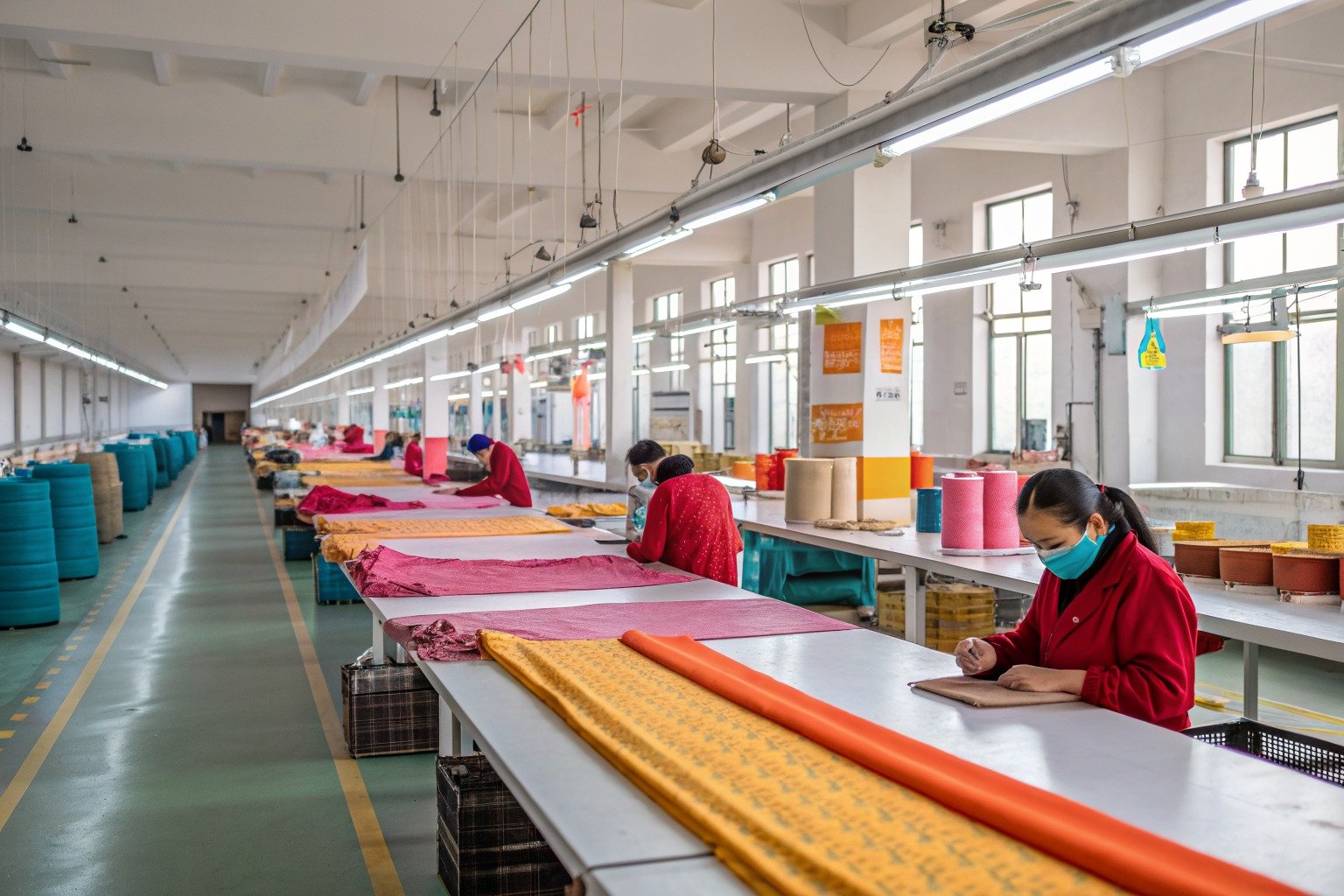
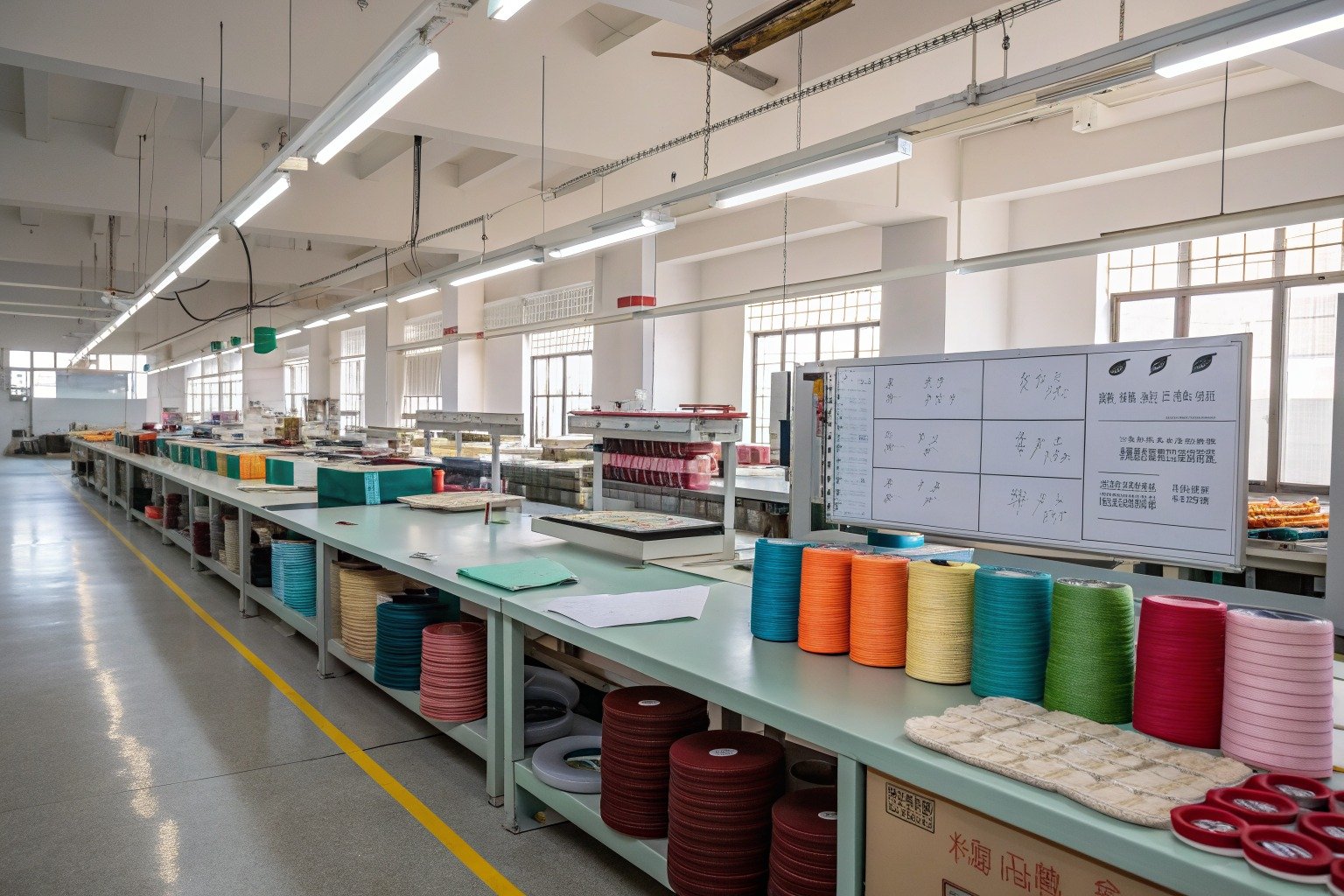
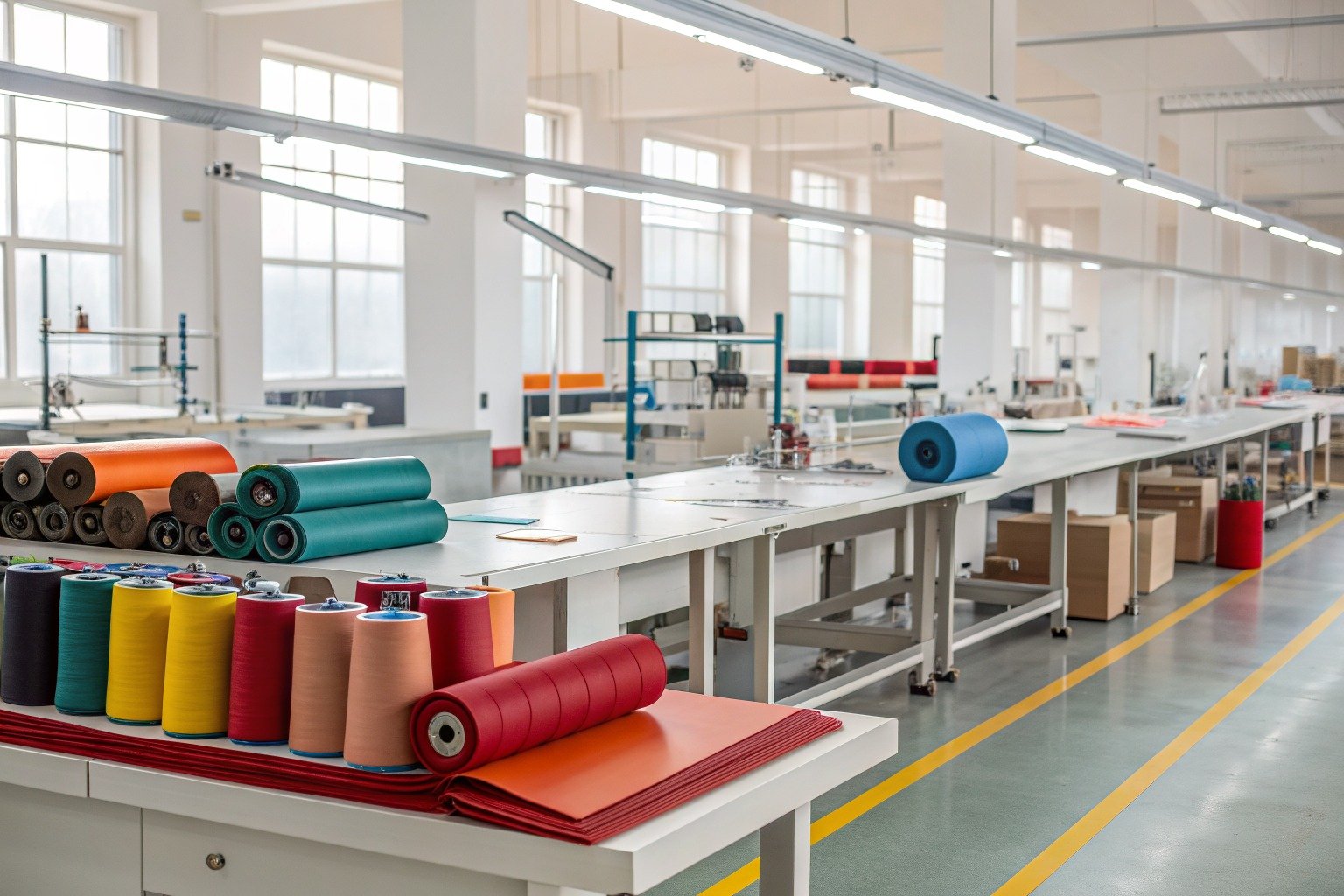
As your partner, we can act as your consolidation hub. Let’s say you have an order for 5,000 baseball caps, 3,000 knit hats, and 4,000 scarves, but they have slightly different production timelines. Instead of shipping three separate LCL shipments as they are completed, we can securely store the finished goods in our clean, modern warehouse. Once all products are ready, we can load them into a single 20-foot container for you. This not only gets you the better FCL rate but also simplifies the entire process down to one booking, one bill of lading, and one customs declaration. This service is a key part of what makes a manufacturing partnership successful.
How Does Centralization Simplify Customs and Documentation?
Beyond cost savings, one of the biggest headaches in international trade is managing the mountain of paperwork and navigating customs procedures. Every single shipment requires its own set of documents. If you’re shipping multiple small orders, your administrative workload multiplies.
Centralizing your shipments into one consolidated load drastically simplifies customs clearance and reduces administrative overhead by requiring only one set of documentation. Instead of juggling five commercial invoices, five packing lists, and five bills of lading, you have just one of each. This streamlining significantly reduces the chance of errors, which can lead to costly delays, inspections, or even fines at the port of entry. A single, clean, and accurate set of documents makes for a smooth and predictable customs process.
For any importer, especially small to medium-sized businesses, minimizing administrative burdens is key to staying lean and efficient. At Shanghai Fumao Clothing, our experienced project managers handle this documentation meticulously, ensuring your consolidated shipment clears customs without a hitch. Let’s look at the specific documents that get simplified and the risks you avoid. This administrative efficiency is just as important as the physical workmanship of the product.

What Documents Are Consolidated?
For a typical sea freight shipment, you need a Commercial Invoice, a Packing List, and a Bill of Lading (or a telex release). With five separate LCL shipments, you need five sets of these. With one consolidated FCL shipment, you need only one. This means one transaction to track, one customs entry to file, and one payment to the freight forwarder. This simplification is a massive time-saver and dramatically reduces the complexity of your supply chain management. It also makes auditing and record-keeping far easier for your accounting department.
What Customs-Related Risks Are Minimized?
The risk of a customs inspection or delay increases with the complexity and volume of your filings. An error on one of your five LCL shipments could potentially flag your company for increased scrutiny on all your imports. By presenting a single, well-organized shipment with flawless paperwork, you project an image of professionalism and are less likely to be targeted for random inspections. Furthermore, if an inspection does occur, it’s on one container, not five different shipments scattered across different warehouses or ports. Managing compliance with agencies like U.S. Customs and Border Protection (CBP) becomes much more straightforward.
Does Centralized Shipping Improve Product Safety and Security?
Your products are valuable. The journey from the factory to your warehouse is long, and the more times your goods are handled, the higher the risk of damage, loss, or theft. This is a major concern, especially for smaller LCL shipments.
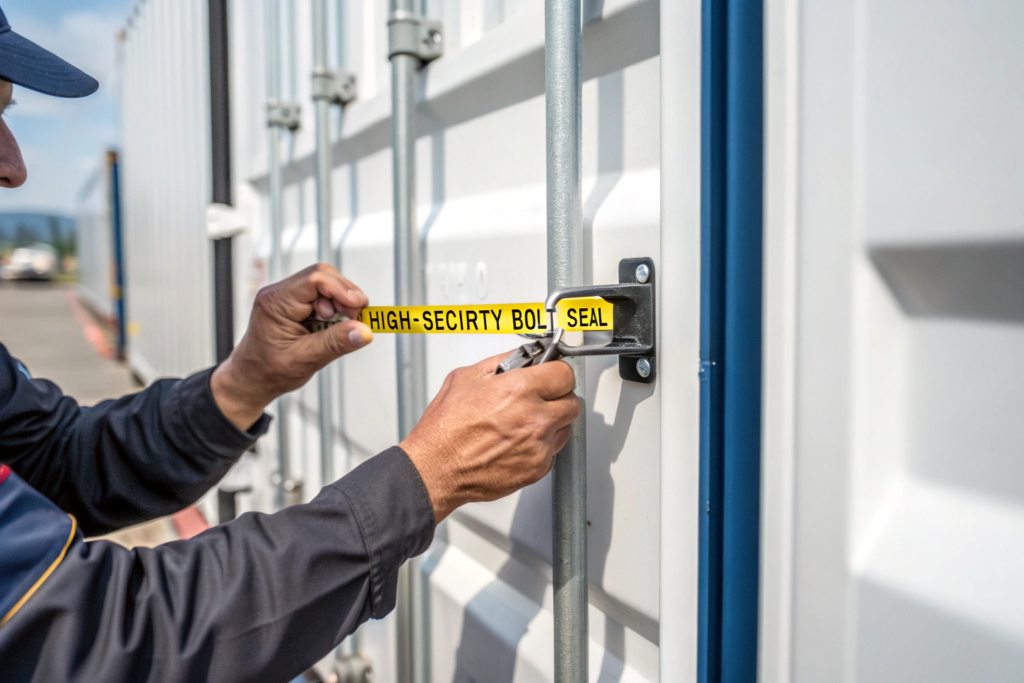
Centralized FCL shipping significantly enhances product safety by minimizing handling and providing a secure, sealed container for the entire journey. When you ship LCL, your boxes are loaded and unloaded multiple times: at our factory, onto a truck, at the forwarder’s warehouse (where they are consolidated with other goods), into the container, and then the reverse process at the destination. Every touchpoint is a risk. With an FCL shipment, we load your goods into a container at our factory, apply a high-security seal, and it remains sealed until you break it at your own warehouse.
This "factory-to-door" security provides immense peace of mind. You know your products are traveling in their own secure steel box, protected from the elements and from being mixed with other, potentially hazardous, cargo. Let’s discuss the specific risks of LCL and how a factory-sealed container mitigates them. This focus on security is a natural extension of the care taken in verifying colors and prints to ensure the product arrives in perfect condition.
What Are the Handling Risks with LCL?
In a shared LCL container, your boxes are just one part of a larger puzzle. They can be crushed by heavier cargo, damaged by forklifts during loading and unloading, or exposed to leaks from other shippers’ goods. There is also a higher risk of pilferage or entire boxes going missing during the complex consolidation and deconsolidation process. While freight forwarders have procedures to minimize this, the risk is inherent to the LCL model. The logistics industry has extensive literature on the dangers of improper cargo mixing and handling.
How Does a Container Seal Provide Security?
When we load your FCL container, we close the doors and apply a high-security bolt seal with a unique serial number. We record this number on the Bill of Lading. This seal is designed to be broken only once. When the container arrives at your facility, you can check that the seal number matches the one on your documents and that the seal is intact. If it is, you have a very high degree of confidence that no one has opened the container or tampered with your goods during transit. This simple device is a cornerstone of modern cargo security.
How Does Centralization Provide Greater Control and Predictability?
In business, predictability is priceless. Knowing when your inventory will arrive allows you to plan marketing campaigns, manage stock levels, and make promises to your customers that you can keep. Juggling multiple LCL shipments with different schedules can make this incredibly difficult.
Centralized transportation gives you greater control over your shipping schedule and provides a more predictable and reliable timeline for inventory management. Instead of tracking five different LCL shipments that might get delayed for various reasons, you are tracking one container. You decide when it ships. You can work with the freight forwarder to choose a vessel and route that meets your specific timeline needs. This consolidation smooths out the volatility in your supply chain, transforming logistics from a reactive scramble into a proactive strategy.
This level of control allows you to run a leaner, more efficient business. You can reduce the amount of safety stock you need to hold and respond more quickly to market demands. Let’s look at how this works in practice. This strategic control is the ultimate goal, building on the foundation of a solid final product check.

How Does It Improve Scheduling?
With separate LCL shipments, you are at the mercy of the consolidator’s schedule. They will only ship the container when they have enough cargo from various clients to make it profitable. This can add days or even weeks to your transit time. With your own FCL shipment, you are the master of the schedule. As soon as your goods are ready and the container is loaded, it can be moved to the port to catch the next available vessel. This puts you in the driver’s seat and can significantly shorten your lead times. This is a key principle in modern inventory management and just-in-time systems.
Why is Tracking and Management Easier?
Which is easier to track: one package or five? The answer is obvious. With a single FCL shipment, you have one container number and one bill of lading to track. You can follow its journey from the port of loading to the port of discharge with relative ease using online tracking tools. This simplifies communication with your freight forwarder, customs broker, and trucking company. It provides a single, clear ETA (Estimated Time of Arrival) for your entire consolidated order, making it much easier to plan your warehouse receiving and subsequent distribution to your own customers.
Conclusion
In the competitive world of fashion accessories, success is found in the margins. While design and product quality are paramount, efficient logistics is the unsung hero that protects your profits and ensures a smooth operation. Centralized transportation is not just a shipping tactic; it’s a comprehensive business strategy. By consolidating your goods into larger, more efficient shipments, you can achieve significant cost reductions, drastically simplify customs and paperwork, enhance product safety and security, and gain invaluable control and predictability over your supply chain.
As your manufacturing partner, our role extends beyond production. We are your logistics hub in China, ready to store, consolidate, and manage your shipments to help you unlock these benefits. We believe in building partnerships that are strong, efficient, and profitable for both sides.
If you’re tired of the chaos of managing multiple small shipments and are ready to take control of your logistics, let’s talk. We can help you build a supply chain that is as well-crafted as your products. Please contact our Business Director, Elaine, at her email: elaine@fumaoclothing.com to explore how we can help.