Are you looking for that perfect accessory to elevate your summer collection, but worried about it being too hot or heavy? It’s a common challenge for fashion brands. You want to offer stylish, versatile pieces like scarves, but the traditional wool or heavy knit options just don’t work for warm weather. Your customers want something that adds a pop of color and style without causing them to overheat.
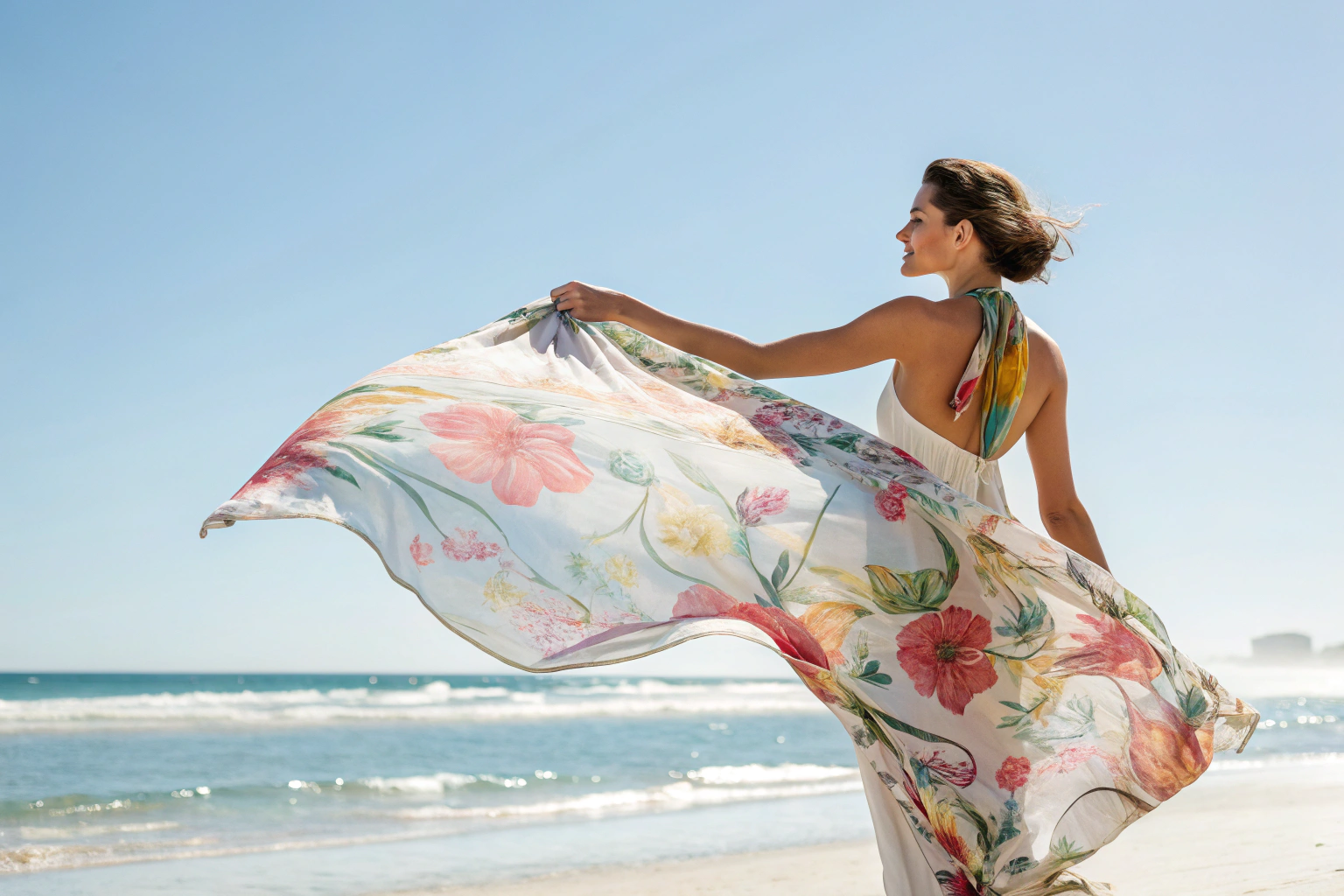
The best fabrics for lightweight summer scarves are those that are breathable, soft, and drape beautifully, such as cotton, linen, silk, and modal. As the owner of Shanghai Fumao Clothing, a factory that has produced countless accessory lines for international brands, I’ve seen firsthand how the right material can make or break a summer collection. Choosing a fabric that is naturally lightweight and allows air to circulate is crucial for comfort and style in the heat. These materials not only feel great against the skin but also hold prints beautifully, offering endless design possibilities.
This article will be your guide to selecting the perfect fabrics for your next summer scarf collection. We’ll explore the unique properties of the top material choices, discuss how they perform in warm weather, and provide insights to help you make an informed decision for your brand. Let’s dive into the world of lightweight, breathable textiles that will keep your customers cool and stylish all summer long.
Why is Cotton a Go-To Choice for Summer?
When you think of summer fabrics, cotton is often the first that comes to mind, and for good reason. But have you ever wondered what makes this natural fiber so perfectly suited for warm-weather accessories like scarves? It seems simple, but the science behind cotton’s comfort is key to its enduring popularity.
Cotton’s exceptional breathability and moisture-absorbing properties make it a top choice for comfortable and practical summer scarves. Unlike synthetic fibers that can trap heat and moisture, cotton allows air to flow freely, keeping the wearer cool and dry. It’s soft, hypoallergenic, and incredibly versatile, capable of being woven into various textures, from airy voiles to soft jerseys. At our factory, we often recommend high-quality cotton for brands that want to offer a reliable, comfortable, and stylish accessory that appeals to a broad customer base.
But not all cotton is created equal. The specific weave and type of cotton can dramatically change the look and feel of the final product. Let’s explore some of the best cotton variations for scarves and why they are perennial favorites. This knowledge is fundamental, just like understanding how materials affect print durability, which is crucial for printed scarf collections.
What Makes Cotton Voile So Special?
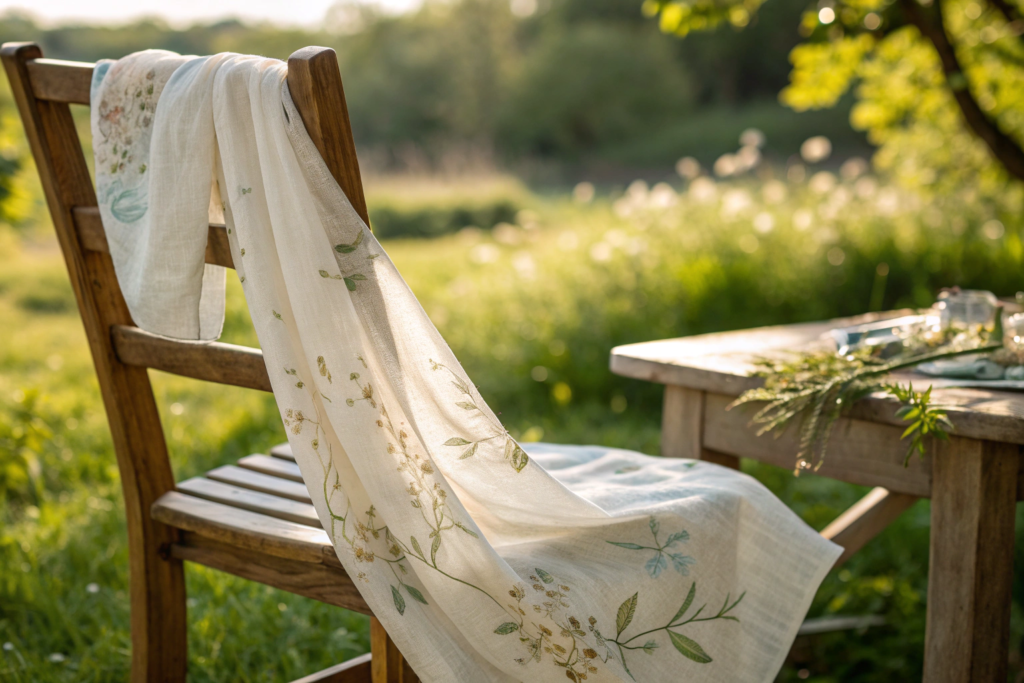
Cotton voile is a sheer, lightweight, plain-woven fabric that is incredibly soft and has a wonderful drape. The name "voile" comes from the French word for "veil," which perfectly describes its delicate, semi-transparent nature. It’s made from tightly twisted yarns, which gives it a slightly crisp feel while remaining silky smooth against the skin. This makes it an excellent choice for elegant summer scarves that can be layered without adding bulk or heat. Its sheer quality also allows for beautiful, subtle prints that have an almost ethereal look. For a deeper dive into textile specifics, the Textile Institute offers a wealth of knowledge on fabric construction. Voile is a staple in high-end summer fashion.
Is Cotton Jersey a Good Option?
Absolutely. While you might associate jersey with t-shirts, lightweight cotton jersey is a fantastic option for casual, comfortable summer scarves. As a knit fabric, jersey has a natural stretch, which makes it incredibly comfortable to wear and easy to style in various ways, like a simple loop or a head wrap. It’s extremely soft and drapes fluidly, creating a relaxed, effortless look. A lightweight cotton jersey scarf is the perfect "grab-and-go" accessory for a casual day out. The knitting process gives it a different structure from woven fabrics, contributing to its unique flexibility and comfort, making it a popular choice in casual wear.
What is the Appeal of Linen Scarves?
Linen has a reputation for being the ultimate summer fabric, often associated with relaxed, sophisticated style. But what is it about this ancient textile that makes it so perfect for a hot and humid day? If you’ve ever worn a linen shirt, you already know the answer isn’t just about looks—it’s about pure comfort.
Linen’s superior coolness and high moisture absorbency make it an unparalleled choice for luxury summer scarves. Derived from the flax plant, linen fibers are hollow, which allows air to circulate freely, making it one of the most breathable fabrics available. It can absorb a significant amount of moisture before it even starts to feel damp, wicking perspiration away from the skin and keeping you comfortable. While it does wrinkle, many consider that part of its natural charm and a sign of its authenticity. For brands targeting a discerning customer who values natural luxury, linen is a must-have.
The unique texture and performance of linen set it apart. It offers a different kind of elegance compared to the softness of cotton or the sheen of silk. Let’s look at why its natural properties are so beneficial and how to best utilize this fantastic material in an accessory line. Its performance in heat is a key selling point, much like how we emphasize post-print care to maintain the beauty of our products.
How Does Linen Keep You Cool?
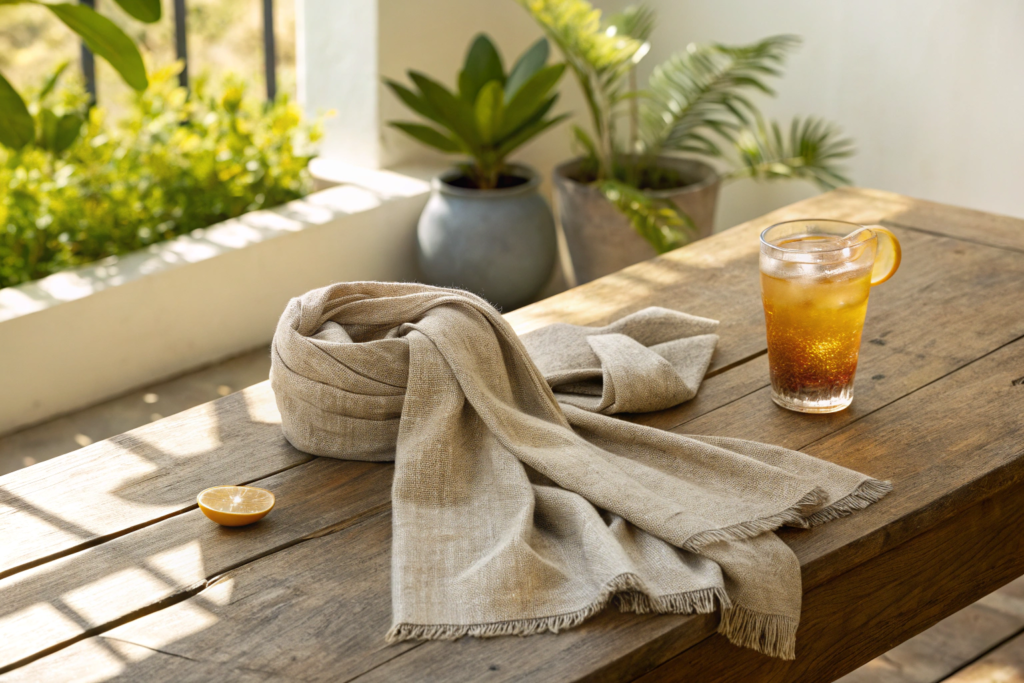
Linen’s cooling effect is a result of its natural structure. The long, hollow fibers of the flax plant create a fabric that is inherently breathable. This structure allows heat and moisture to escape from your body easily. Furthermore, linen is a natural insulator, meaning it feels cool to the touch in the summer heat. It’s also a highly durable fiber, getting softer and more comfortable with each wash. This combination of coolness, strength, and absorbency is why linen has been a prized textile for thousands of years, especially in warm climates. Its use in luxury goods is a testament to its premium qualities.
Are Linen Blends a Good Alternative?
Yes, linen blends are an excellent way to get the benefits of linen while enhancing certain properties. For example, a linen-cotton blend combines the coolness and crispness of linen with the softness and reduced wrinkling of cotton. This creates a scarf that is easier to care for and has a slightly softer drape. A linen-silk blend offers a touch of luxury, adding a beautiful luster and a smoother feel to the fabric while retaining much of linen’s breathability. As a manufacturer, we at Shanghai Fumao Clothing often work with clients to develop custom blends that achieve the perfect balance of comfort, appearance, and price point for their target market. Exploring fabric blends can open up a world of possibilities for your collection.
Why is Silk a Luxurious Summer Option?
When you think of luxury, you think of silk. But is this opulent fabric really suitable for summer? Many people associate silk with formal wear or cooler seasons, but its natural properties make it a surprisingly brilliant choice for a lightweight, high-end summer scarf.
Silk is a natural protein fiber that is highly breathable, surprisingly strong, and has excellent thermoregulating properties, making it comfortable in both warm and cool weather. This means a lightweight silk scarf can keep you cool in the summer by wicking away moisture, but also provide a touch of warmth on a breezy evening. Its incredible softness and smooth texture feel wonderful against the skin, and its natural sheen adds a level of elegance that no other fabric can match. It’s the perfect choice for creating a statement accessory that feels as good as it looks.
The beauty of silk lies in its versatility and luxurious feel. From sheer chiffon to classic charmeuse, different types of silk offer different possibilities. Let’s explore which silk fabrics are best for summer and why they are a worthwhile investment for any high-quality accessory line. The quality of the print on silk is paramount, which is why understanding how to identify high-quality printing is so important for buyers.
What is the Difference Between Silk Chiffon and Silk Charmeuse?
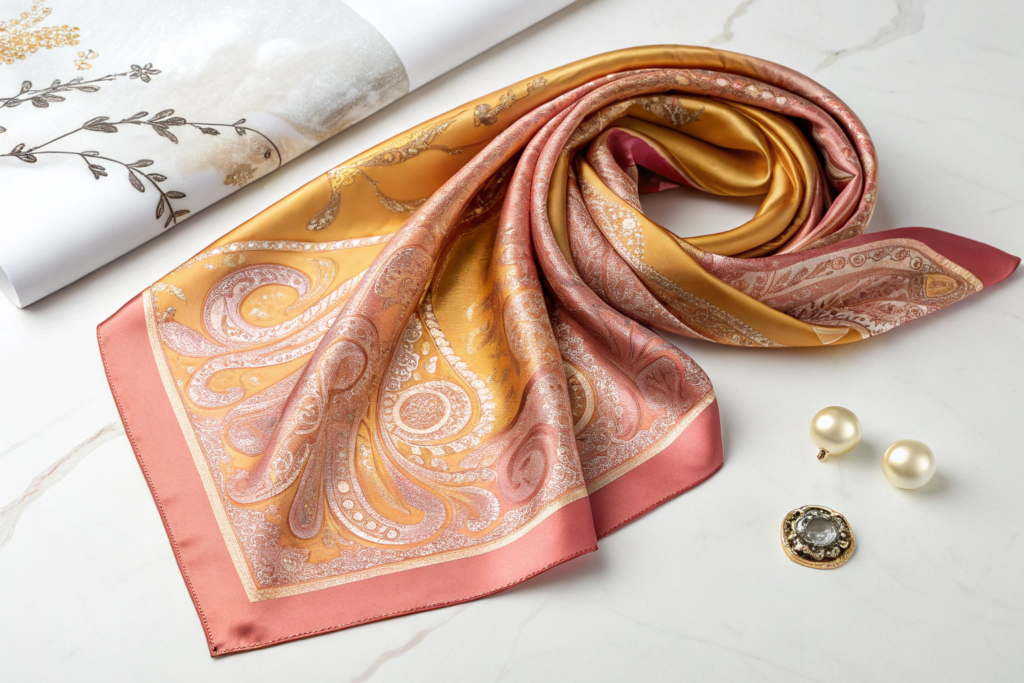
Silk chiffon is a very lightweight, sheer, and plain-woven fabric with a slightly rough, crepe-like texture. This texture is created by using twisted yarns. Its sheerness makes it perfect for creating layered, floaty scarves that add a touch of color without any weight. It’s incredibly delicate and elegant. Silk charmeuse, on the other hand, is known for its incredible luster on the front side and a dull finish on the back. It’s a satin-weave fabric that is extremely soft and drapes beautifully, clinging to the body in a fluid way. While slightly heavier than chiffon, a lightweight charmeuse is still wonderful for summer and is often used for high-end printed scarves where color vibrancy is key. The Victoria and Albert Museum has extensive resources on the history and types of silk. Both fabrics are staples in the world of haute couture.
Is Silk Difficult to Care For?
Silk does require more gentle care than cotton or linen, but it’s not as difficult as many people think. The key is to avoid harsh chemicals and high heat. Most silk scarves should be hand-washed in cold water with a very mild, pH-neutral detergent specifically designed for delicates. You should never wring out a silk scarf; instead, gently squeeze out the excess water and roll it in a clean towel before laying it flat to dry away from direct sunlight. While it requires a bit more attention, the longevity and timeless beauty of a silk scarf make the extra effort worthwhile. Following proper laundry guidelines will ensure the piece remains beautiful for years.
Are There Modern Alternatives like Modal?
While classic natural fibers like cotton, linen, and silk are fantastic, the world of textiles is always evolving. Are you looking for a fabric that combines the benefits of natural fibers with modern, sustainable production? This is where innovative materials like Modal come into play.
Modal is a semi-synthetic fiber made from beech tree pulp, known for its exceptional softness, smoothness, and high strength, making it an excellent modern choice for summer scarves. It’s considered a type of rayon, but it is more durable and softer than standard viscose. Modal is incredibly comfortable, drapes beautifully, and is resistant to shrinking and fading. It has a silky feel that is often compared to cotton or silk, but with a more robust performance, making it a fantastic, eco-conscious alternative. At Shanghai Fumao Clothing, we are seeing more and more brands embrace these innovative fabrics.
Modal and similar fibers like Tencel™ (Lyocell) represent the future of sustainable textiles. They offer a compelling combination of luxury, performance, and environmental responsibility. Let’s examine what makes Modal so special and how it compares to other fibers. Its unique properties make it a great canvas for various designs, tying back to the importance of choosing the right printing methods.
What Are the Main Benefits of Modal?
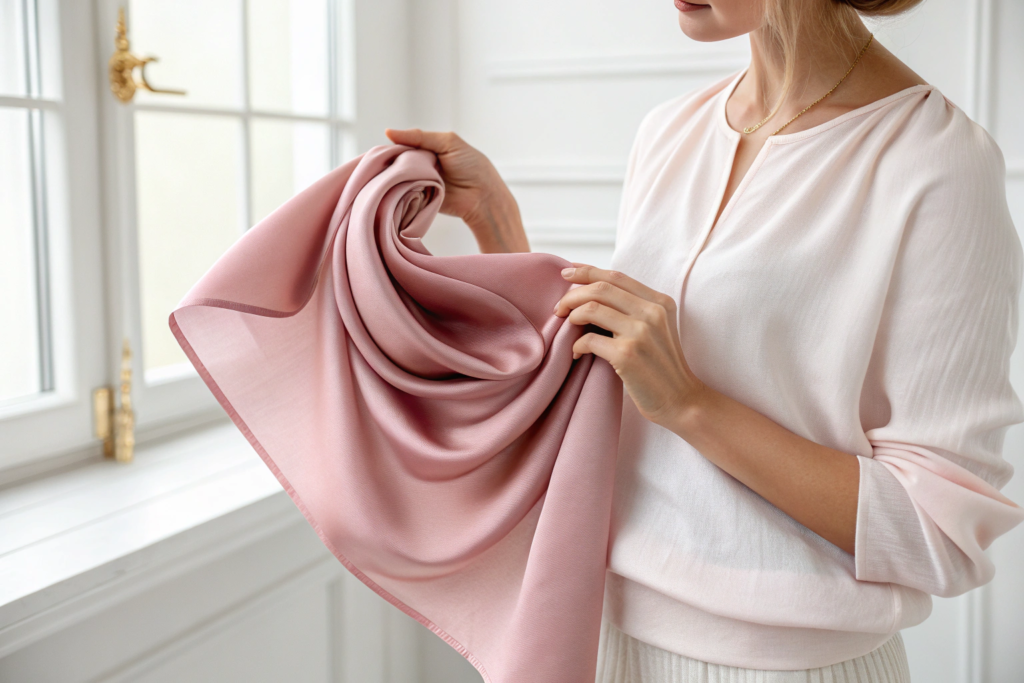
Modal’s primary benefit is its incredible softness; it’s often marketed as being "twice as soft as cotton." It has a very smooth, silky hand-feel that is gentle on the skin. It’s also highly breathable and about 50% more water-absorbent than cotton, making it fantastic for warm, humid weather. Unlike some natural fibers, Modal is less prone to wrinkling and holds dye exceptionally well, resulting in vibrant, long-lasting colors. Its durability means it stands up well to repeated washing without pilling or losing its shape. These qualities make it a practical yet luxurious choice for an everyday summer scarf. The sustainability of its production process, which often uses a closed-loop system, is another major selling point for conscious consumers.
How Does Modal Compare to Viscose?
Modal and viscose are both types of rayon, meaning they are made from regenerated cellulose (wood pulp). However, the production process for Modal is slightly different, resulting in a stronger and more stable fiber. Standard viscose can be weak when wet and is more prone to shrinking and stretching. Modal, on the other hand, has a higher wet strength and is more dimensionally stable, making it easier to care for. It also has a softer, more cotton-like feel compared to the sometimes overly silky or synthetic feel of viscose. For a durable, long-lasting summer accessory, Modal is generally considered a superior choice over standard viscose rayon.
Conclusion
Choosing the right fabric is the most important decision when creating a successful summer scarf collection. As we’ve explored, the best choices are those that prioritize breathability, comfort, and style. Classic natural fibers like cotton and linen offer unparalleled coolness and a relaxed aesthetic. Silk provides a touch of timeless luxury and surprisingly effective temperature regulation. And modern, eco-conscious alternatives like Modal deliver exceptional softness and durable performance. Each fabric offers a unique set of benefits, allowing you to tailor your collection to the specific needs and desires of your target customer.
Ultimately, a great summer scarf is one that your customer will love to wear—an accessory that is not only beautiful but also feels wonderful against their skin on a warm day. By focusing on these high-quality, lightweight materials, you can create a product that truly enhances their summer wardrobe.
If you are ready to develop your own line of beautiful, high-quality summer scarves, our team is here to help. We have the expertise to guide you in selecting the perfect fabric and bringing your designs to life. Please contact our Business Director, Elaine, at her email: elaine@fumaoclothing.com to get started.