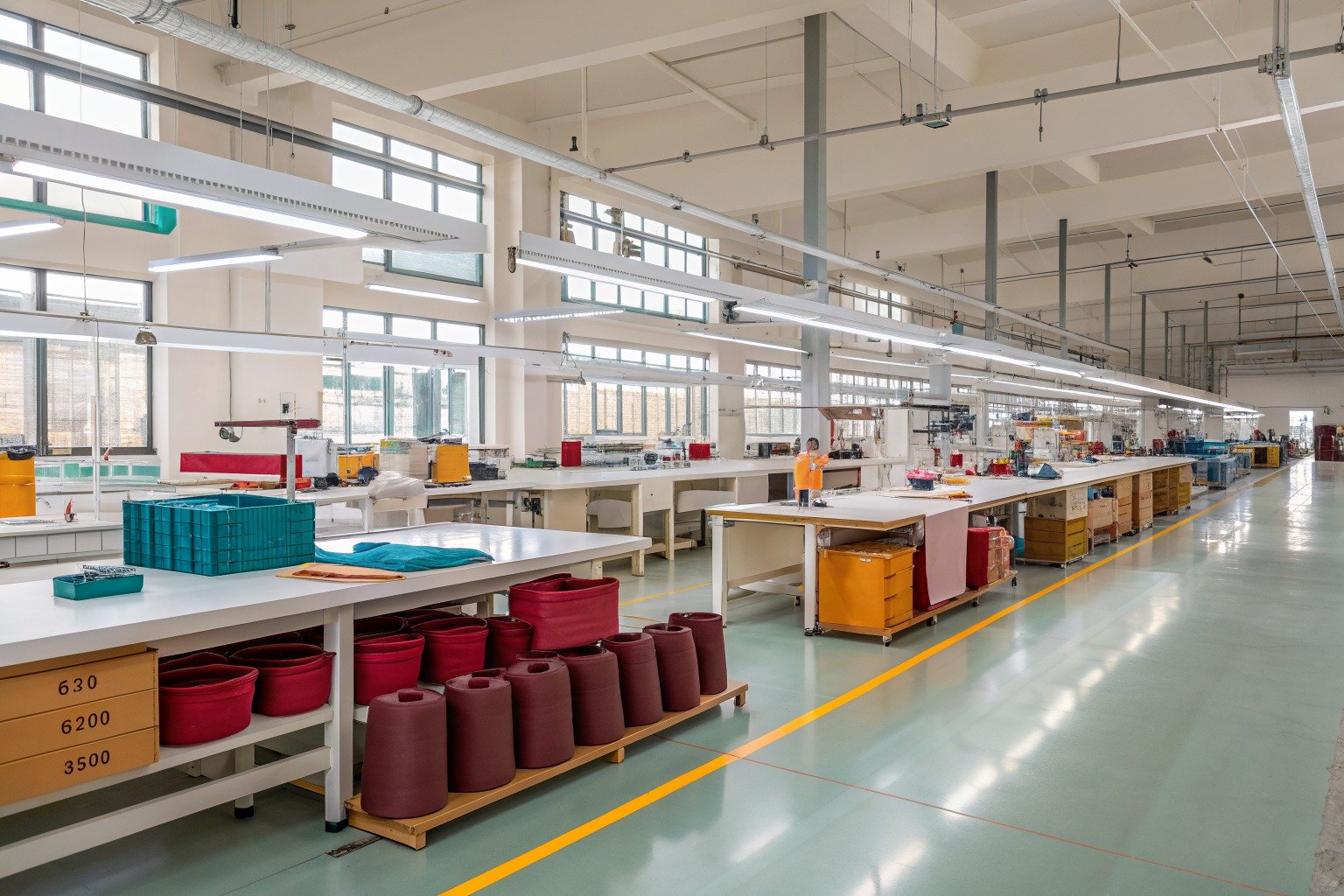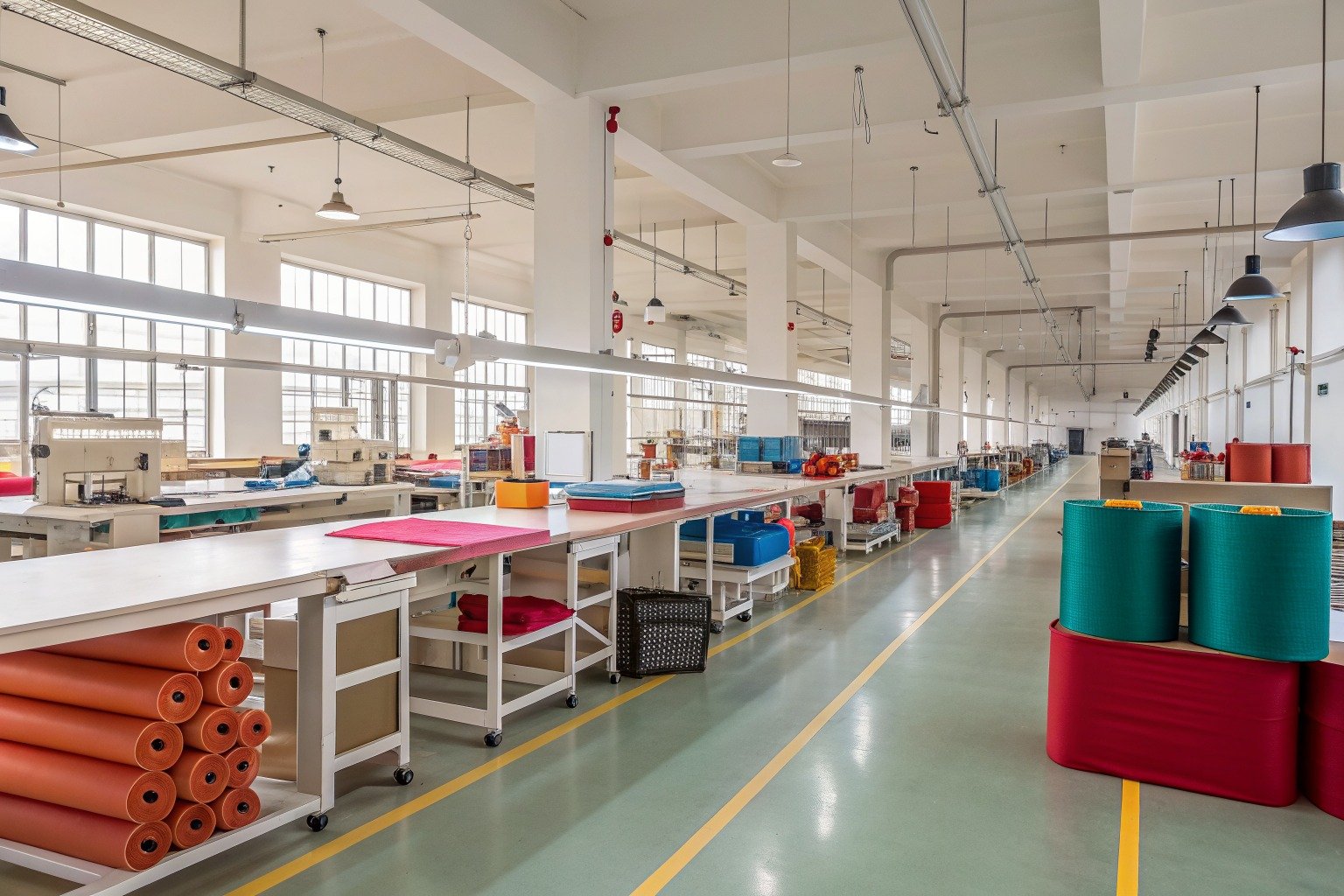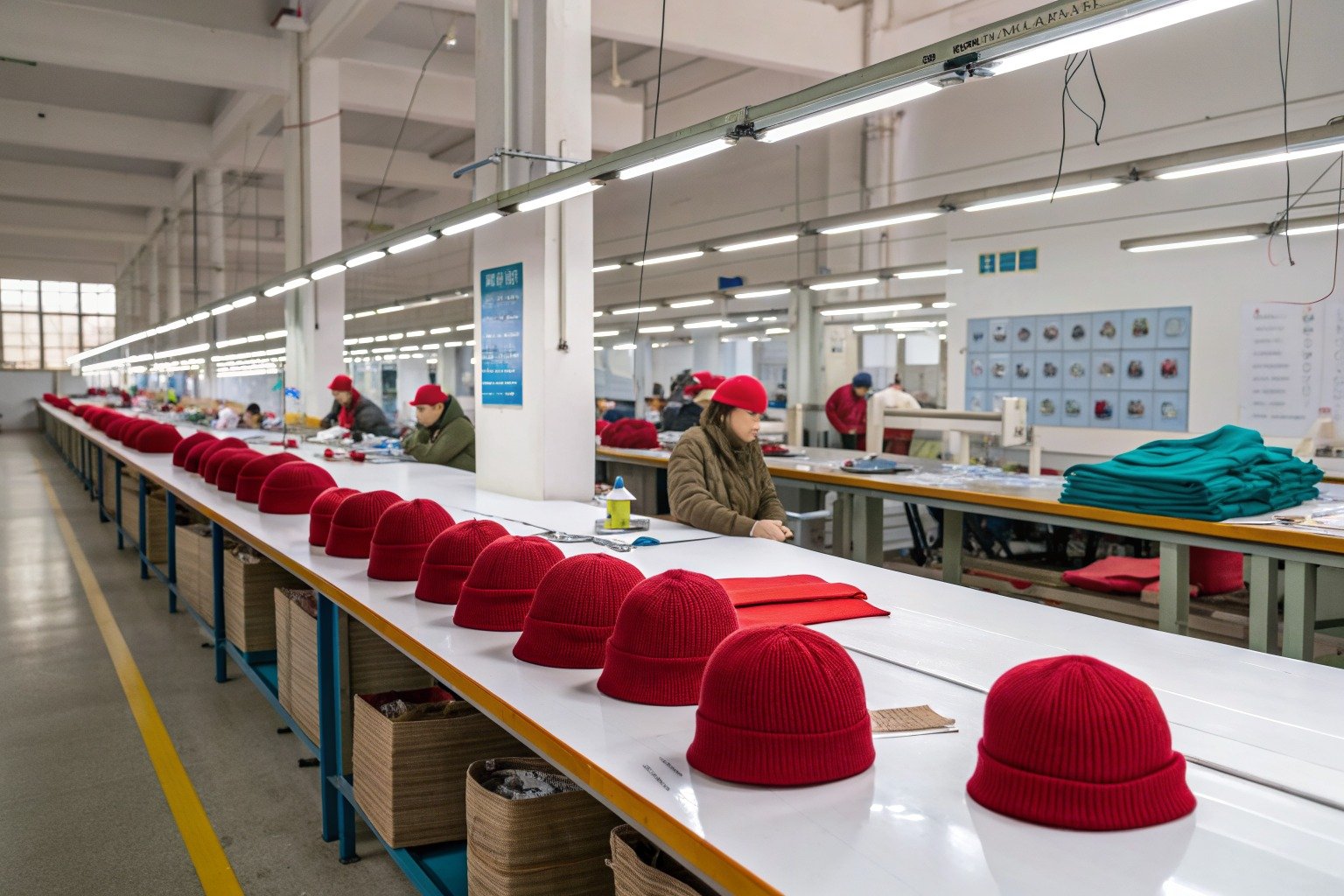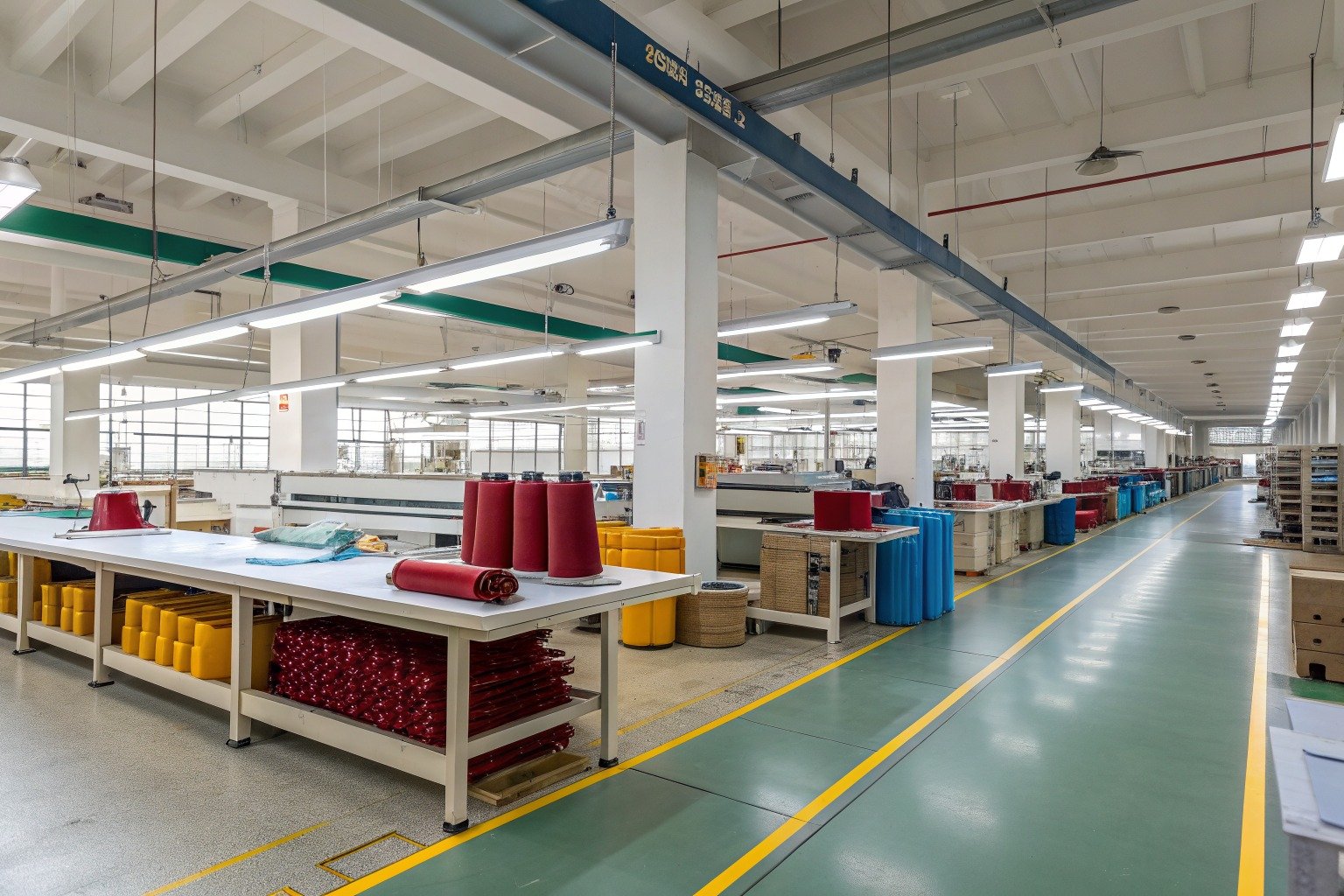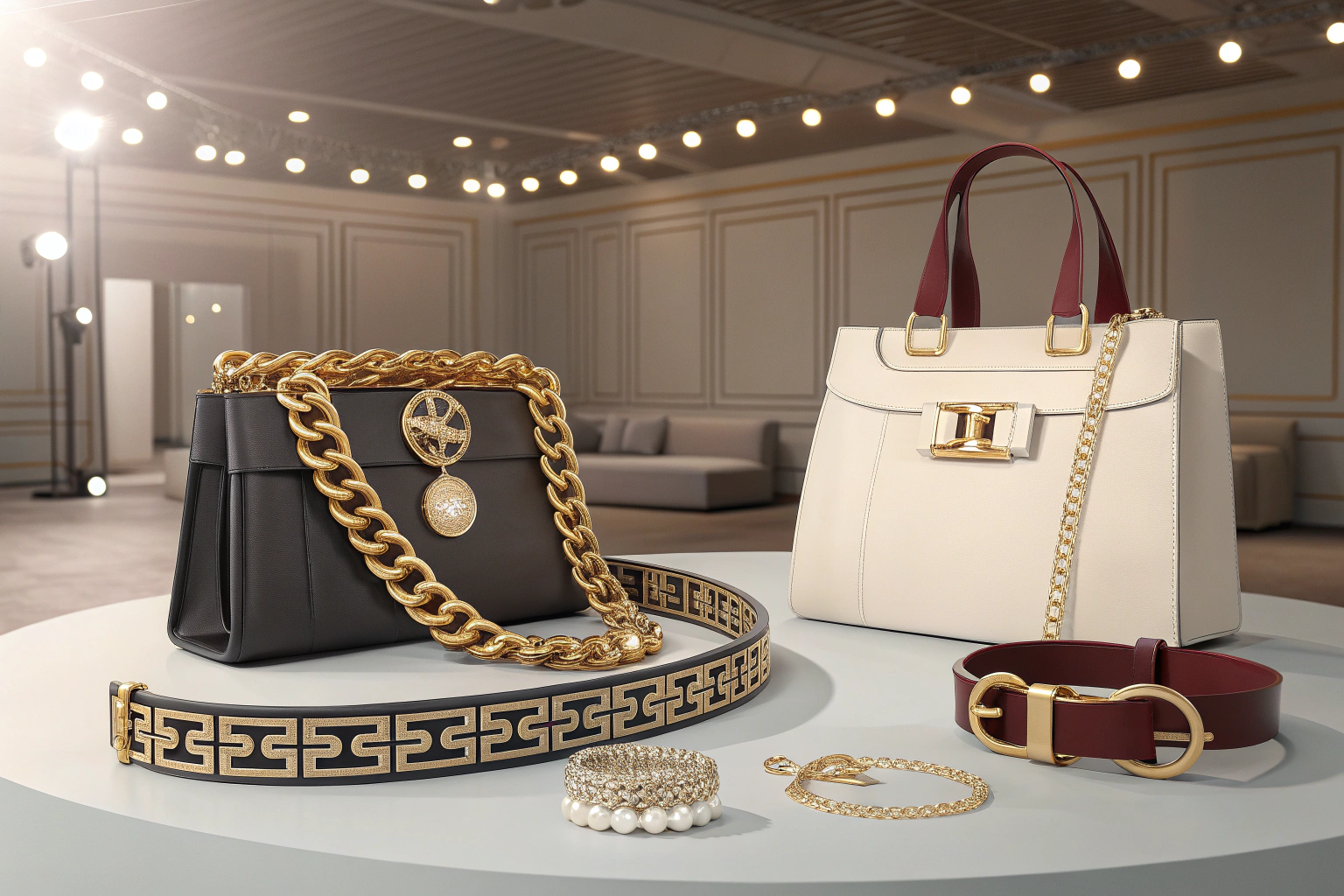
As someone who has been in the fashion accessory manufacturing business for over a decade, I’ve learned that fashion is a conversation between the past, present, and future. Right now, one of the loudest voices in that conversation is the past. My design team is constantly analyzing trends, and the single biggest influence on our work for the upcoming 2026 season is vintage style. Clients from major brands in North America and Europe aren’t just asking for "new" anymore; they’re asking for "new, with a story." They want the charm of the 70s, the boldness of the 80s, and the minimalism of the 90s, all reimagined for today’s consumer.
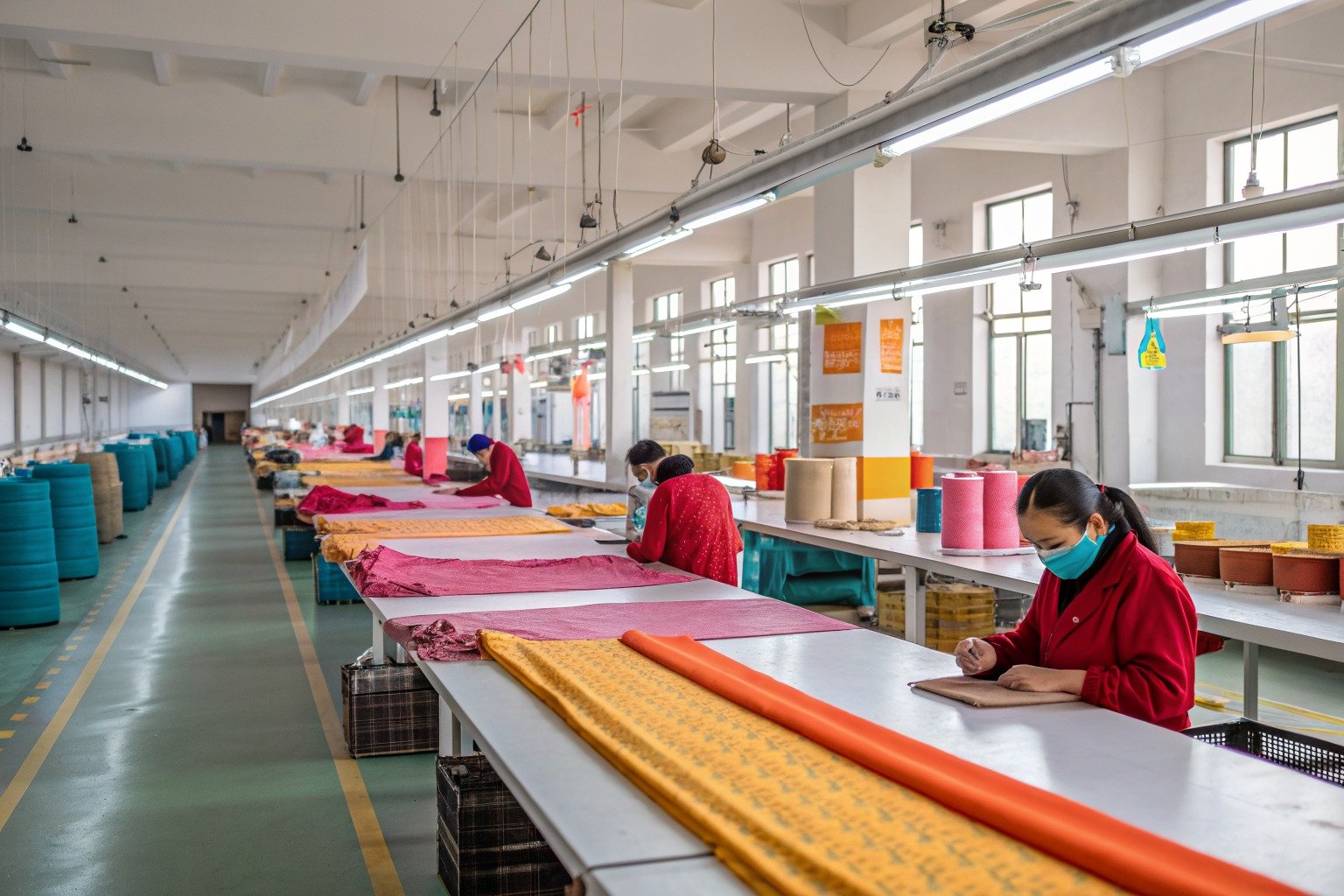
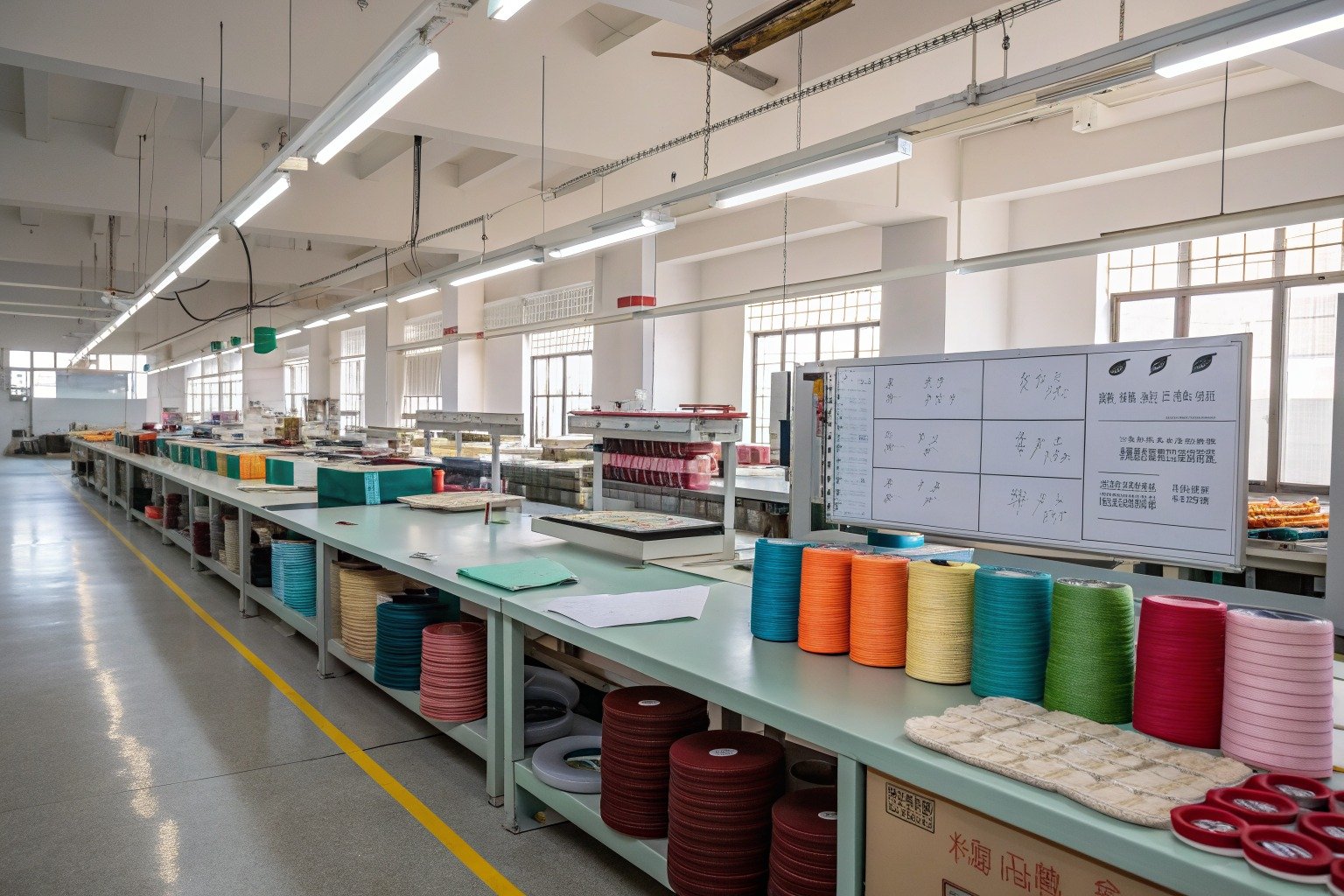
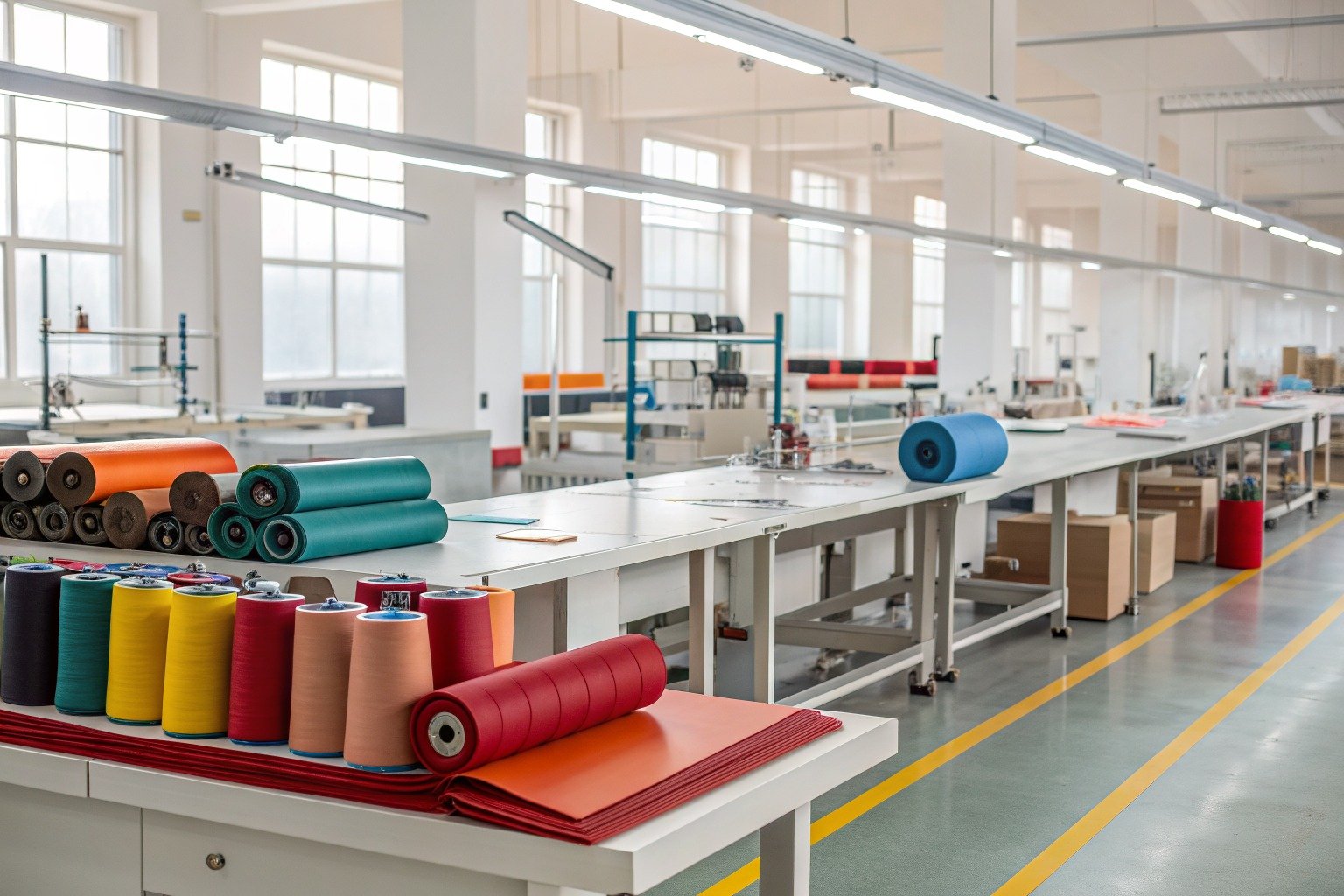
Vintage styles are dominating 2026 accessory trends because they offer a powerful combination of nostalgia, perceived quality, and a sustainable alternative to the fast-fashion cycle. In an uncertain, digitally-saturated world, consumers are craving the authenticity, unique storytelling, and timeless craftsmanship that vintage aesthetics provide. At my company, Shanghai Fumao Clothing, we’re not just recreating old designs; we’re studying the why behind them—the materials, the cultural moments, the craftsmanship—to create new accessories that feel both familiar and fresh.
I understand why some might be skeptical. Is this just a lack of new ideas? A temporary fad? I don’t think so. This is a deep, meaningful shift in consumer behavior. People are looking for more than just a product; they’re looking for a connection. Let’s explore the key reasons why the past is so powerfully shaping the future of fashion accessories.
Why the Craving for Nostalgia and Authenticity?
In a world dominated by social media feeds and fleeting digital trends, your customers are feeling a sense of disconnection. They are bombarded with images of hyper-modern, mass-produced goods that feel impersonal and disposable. They are craving something real, something with a story, something that feels like it has a soul.
Nostalgia acts as an emotional anchor in a fast-paced world. Vintage-inspired accessories offer a tangible connection to a "simpler time," whether real or imagined. This desire for authenticity is a direct reaction against the perceived disposability of fast fashion. A 70s-style leather belt or a 90s-style minimalist silver clip feels more "real" and permanent than a fleeting micro-trend.
This emotional component is a powerful driver of purchasing decisions. It’s not just about aesthetics; it’s about a feeling. When we design a new collection, we think about the story it tells. Is it channeling the free-spirited optimism of the 70s? The confident power of the 80s? This narrative layer is what transforms a simple accessory into a cherished possession. This search for meaning is a key reason why consumers are also drawn to the perceived quality and craftsmanship of past eras.
What is "Anemoia" and how does it drive sales?
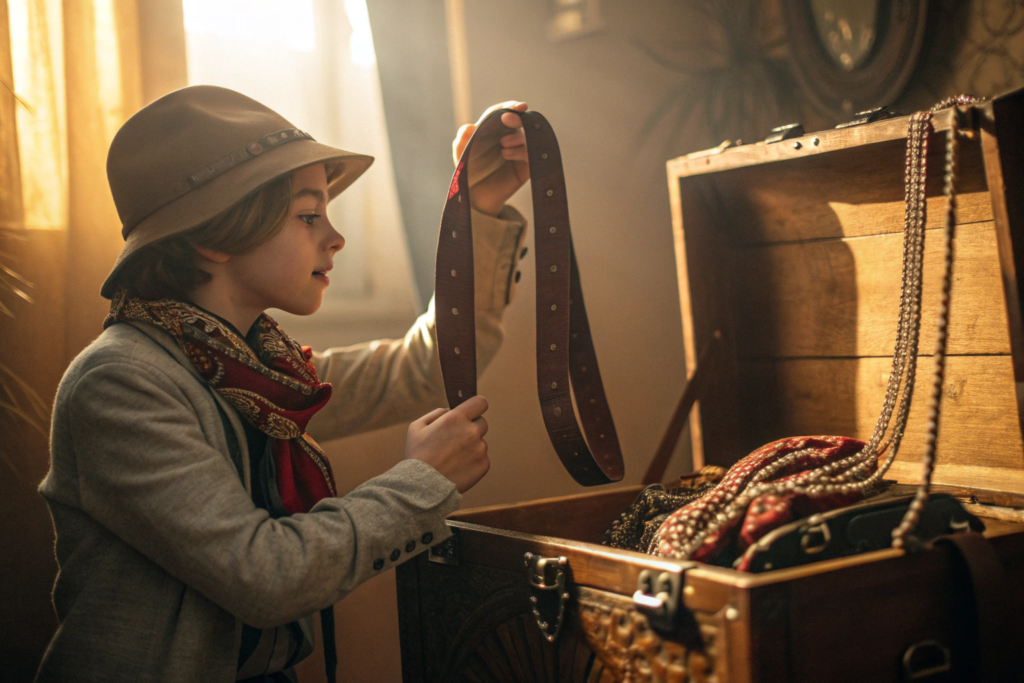
There’s a specific term for nostalgia for a time you’ve never known: anemoia. This is a huge factor for Gen Z and younger millennial consumers. They might be obsessed with the 90s or Y2K aesthetic, not because they remember it clearly, but because it represents a pre-social media era that feels more authentic and carefree. As a brand, tapping into this feeling is incredibly powerful. You can learn more about this psychological phenomenon on various culture and psychology blogs. It’s a key reason why Y2K-inspired butterfly clips and chunky platform-era accessories are so dominant.
How does vintage offer an escape?
In an age of global anxiety, looking back can be a form of comfort and escapism. The bold, vibrant colors of the 1960s can feel optimistic, while the earthy, natural tones of the 1970s can feel grounding. By wearing an accessory inspired by these eras, consumers can, in a small way, adopt the mood of that time. It’s a form of self-expression and mood-setting that goes beyond simple decoration. This idea of fashion as escapism is a topic frequently explored by cultural commentators and fashion theorists, including publications like Psychology Today.
Is Vintage Seen as Higher Quality?
Your customers are tired of products that fall apart after one season. They see a "vintage" or "heritage" label and immediately associate it with better materials and construction. They believe things were simply "made better" back then. Is this just a perception, or is there truth to it?
Yes, vintage styles are strongly associated with superior craftsmanship and more durable materials. Before the rise of fast fashion, products were designed to last for years, not weeks. This means a focus on solid metals instead of plated alloys, genuine leather, and robust construction techniques. Consumers are now seeking out these quality indicators, even in new, vintage-inspired products.
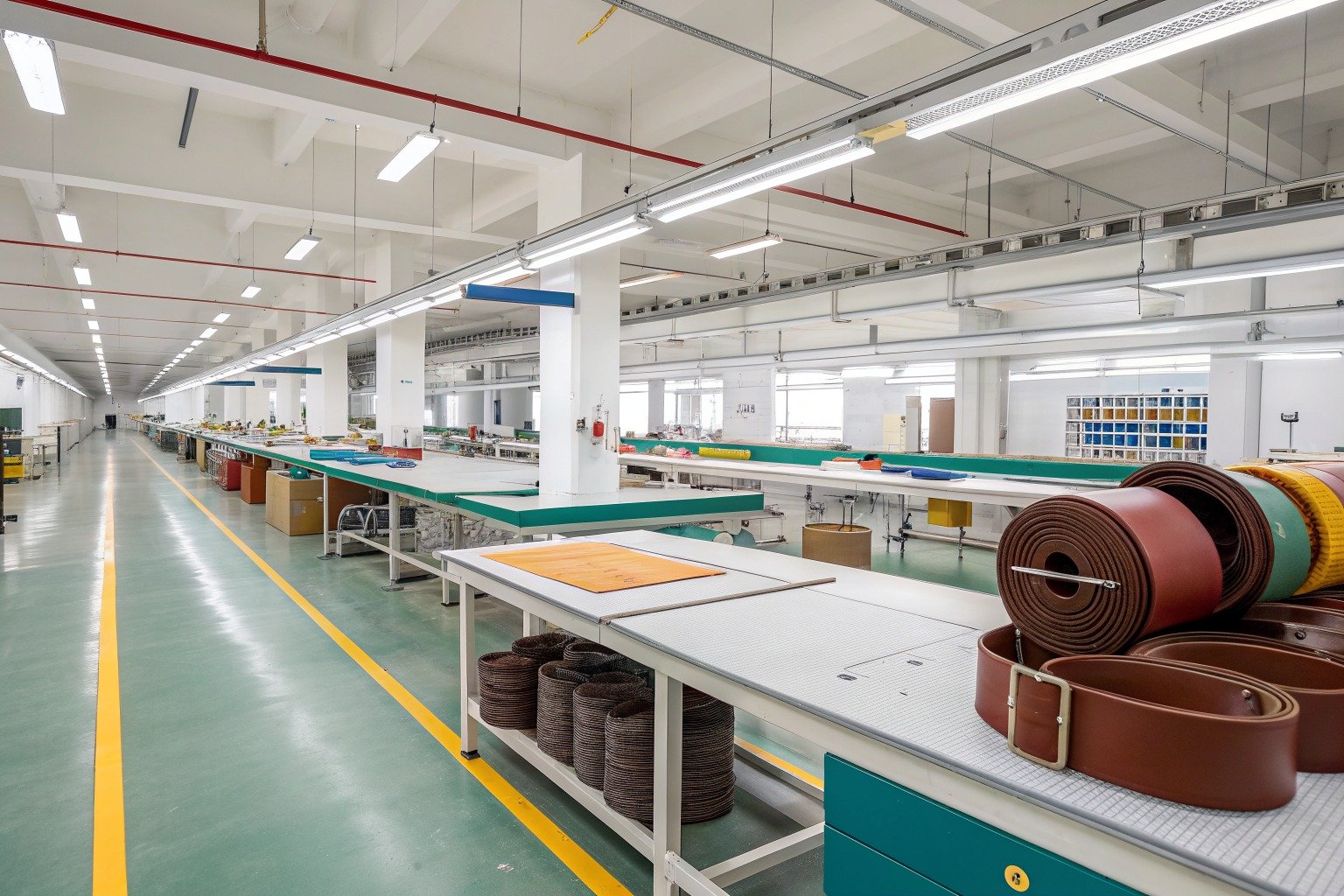
This perception is a huge opportunity for brands. By adopting the methods of the past—not just the styles—you can meet this demand for quality. At our factory, when a client requests a "70s-style belt," we know they don’t just mean the look. They mean it needs to be made from thick, full-grain leather and a solid brass buckle, just like it would have been back then. This commitment to quality is a powerful differentiator and a cornerstone of the sustainable fashion movement.
What specific construction techniques are coming back?
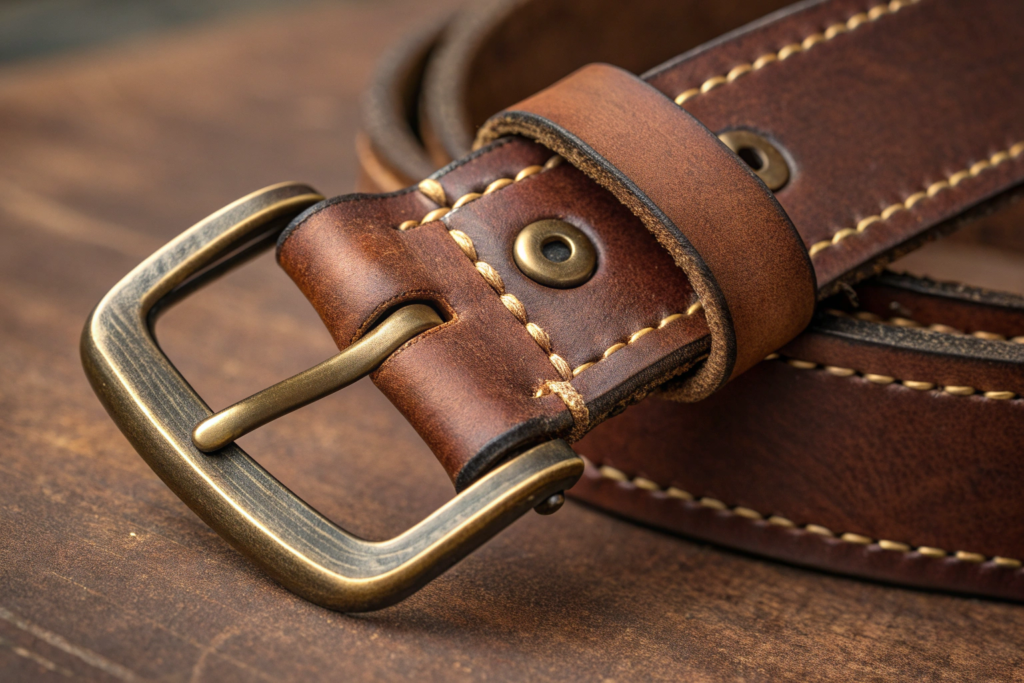
We’re seeing a renewed focus on traditional methods. For leather goods, that means techniques like saddle-stitching, which is far more durable than a machine lockstitch. For metal goods, it means a demand for solid cast brass or stainless steel instead of cheap, plated zinc. For scarves, it’s a return to hand-rolled edges, a sign of high-end craftsmanship. These details, once common, are now seen as luxury features. You can learn about these traditional crafts from heritage brands and artisan communities, such as those documented by organizations like the Heritage Crafts Association.
How does this influence material choice?
The trend is a move away from plastics and cheap synthetics and a return to natural, durable materials.
- Leather: Full-grain and top-grain leather are in high demand for their durability and ability to develop a beautiful patina over time.
- Metals: Solid brass, bronze, and stainless steel are preferred for their weight, strength, and corrosion resistance.
- Fabrics: Natural fibers like silk, wool, and heavy cotton canvas are being chosen over polyester and acrylic for scarves and hats.
How Does Vintage Fit into the Sustainability Conversation?
Today’s consumer, especially the younger generation, is more environmentally conscious than ever before. They are aware of the waste generated by the fast-fashion industry and are actively looking for ways to make more sustainable choices. How does a trend based on the "old" fit into this very modern concern?
The vintage trend is a powerful driver of the sustainable fashion movement. It champions the idea of "buy less, buy better" by focusing on timeless designs and durable construction that reject the disposable nature of fast fashion. A vintage-inspired accessory is seen as a long-term investment, not a short-term trend piece.
This is a fundamental shift in consumer values. It’s not just about recycling; it’s about reducing consumption in the first place by buying items that are designed to last. As a manufacturer, we are part of this conversation. By creating high-quality, durable goods, we are providing a more sustainable option for our clients and their customers. This philosophy is at the heart of the slow fashion movement, a topic covered extensively by resources like Good On You, which rates brands on their sustainability. This movement is also influencing the cyclical nature of trends.
What is "Circular Fashion"?
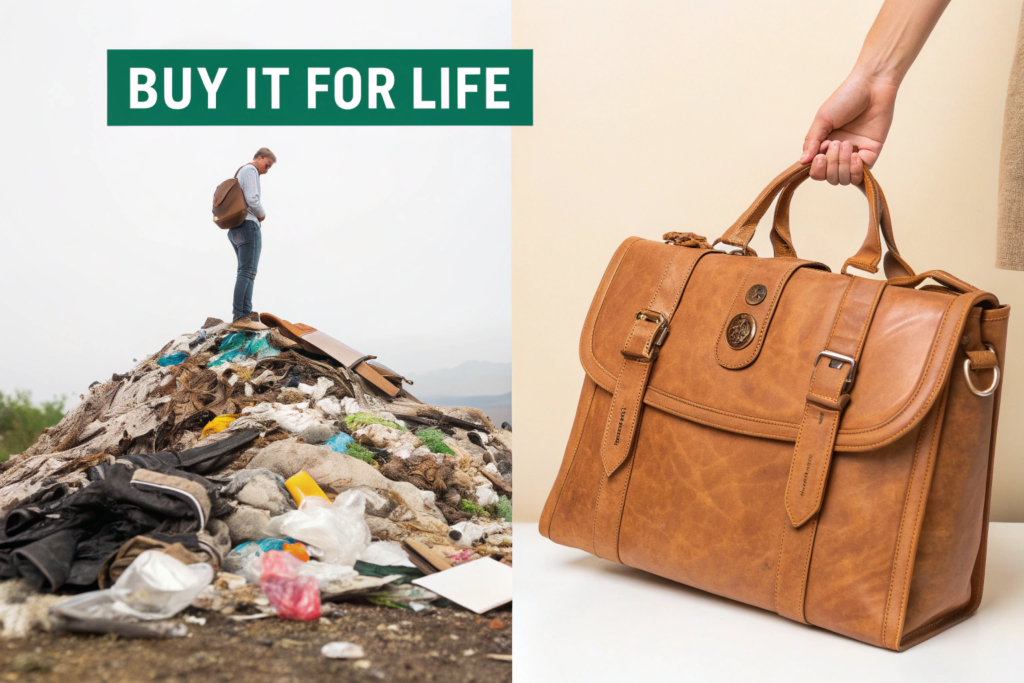
The vintage trend is a key component of the circular fashion model, where products are designed and made to be used and reused for as long as possible. A well-made, classic accessory can be worn for years, then sold or passed down, continuing its life instead of ending up in a landfill. By creating products with timeless appeal and durable construction, brands can participate in this circular economy. The Ellen MacArthur Foundation is a leading voice in defining and promoting the circular economy.
How does this affect design choices?
This trend encourages designers to move away from hyper-specific, "of-the-moment" fads and toward more classic, versatile shapes. A simple, well-made leather belt, a classic silk scarf, or a minimalist silver barrette are all examples of vintage-inspired items that will remain stylish for decades. They are, by their very nature, more sustainable because they won’t be discarded when a particular fad ends.
Is Fashion Just Repeating Itself?
You look at the trends for 2026—chokers, wide belts, bucket hats—and think, "I wore that in 1995!" It’s easy to be cynical and feel that fashion has simply run out of ideas. Is this just a lazy repetition of the past?
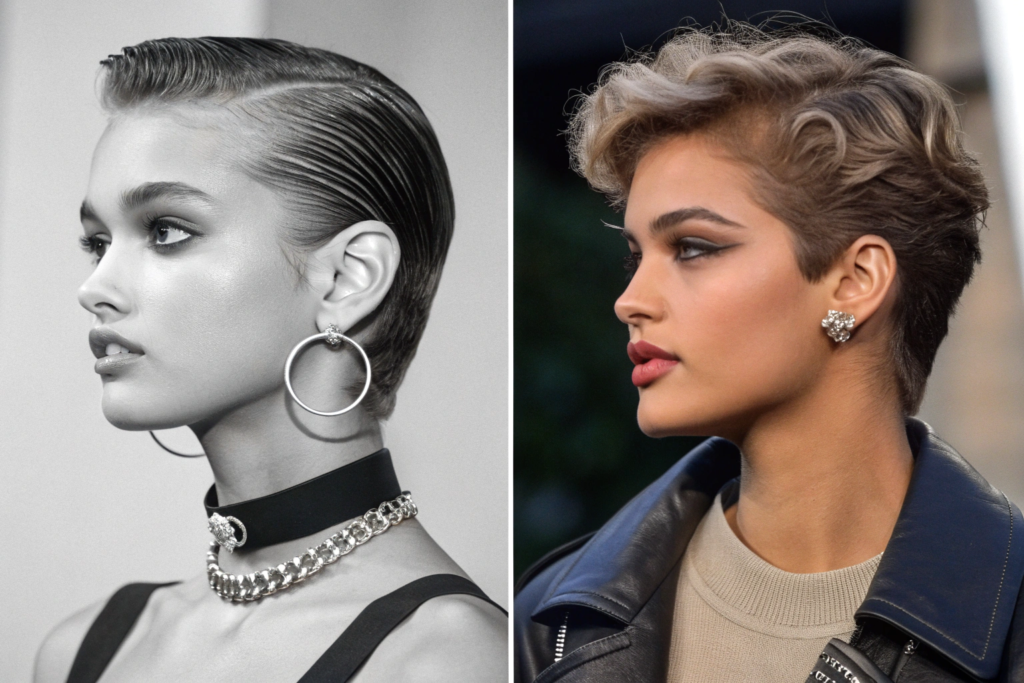
Fashion trends operate on a natural cycle, often cited as a 20-30 year loop. However, the current vintage revival is not a simple copy-paste. Designers are acting as curators, selecting specific elements from the past and reinterpreting them through a modern lens. A 90s-style bucket hat in 2026 might be made with a technical, sustainable fabric. A 70s-style wide belt might be paired with a minimalist, modern dress. It’s a dialogue, not a monologue.
This is the creative challenge that excites my team at Shanghai Fumao Clothing. How do we take a classic idea and make it feel new? It’s about changing the proportions, using unexpected materials, or applying a modern color palette. This reinterpretation is what keeps the cycle of fashion turning and prevents it from becoming stale.
What is the "20-Year Rule"?
The "20-Year Rule" is a well-known theory in fashion that suggests trends re-emerge approximately every 20 years. This is often because the generation that was too young to wear the trend the first time around is now old enough to discover and adopt it. The styles of the early 2000s feel fresh and exciting to Gen Z, while for millennials, they are pure nostalgia. This cycle is a predictable engine of trend forecasting, often analyzed by firms like WGSN.
How is technology changing the cycle?
Social media and the internet have accelerated this cycle. With platforms like Pinterest and Instagram, designers and consumers have instant access to a vast digital archive of past styles. A micro-trend from 1988 can be rediscovered and go viral on TikTok overnight. This means trends are becoming more fragmented and faster-moving, with multiple vintage eras often being popular at the same time. This creates a rich, diverse landscape for accessory design.
Conclusion
The powerful influence of vintage styles on 2026 accessory trends is not a sign of a lack of creativity. It is a direct response to the core desires of the modern consumer: a craving for the authenticity and storytelling of nostalgia, a belief in the superior quality of past craftsmanship, and a growing commitment to sustainable, long-lasting products. The past provides a rich library of ideas, and the best brands of 2026 will be those that can skillfully reinterpret these timeless concepts for a new generation. It’s about creating future classics.
My team and I are deeply immersed in this conversation between past and present. We combine timeless manufacturing techniques with modern, sustainable practices to create accessories that tell a story and are built to last. If you are a brand looking to tap into the power of vintage aesthetics with a focus on quality and authenticity, we are the ideal partner to help you build your collection. Please feel free to contact our Business Director, Elaine, at her email: elaine@fumaoclothing.com. Let’s create the next generation of classics together.