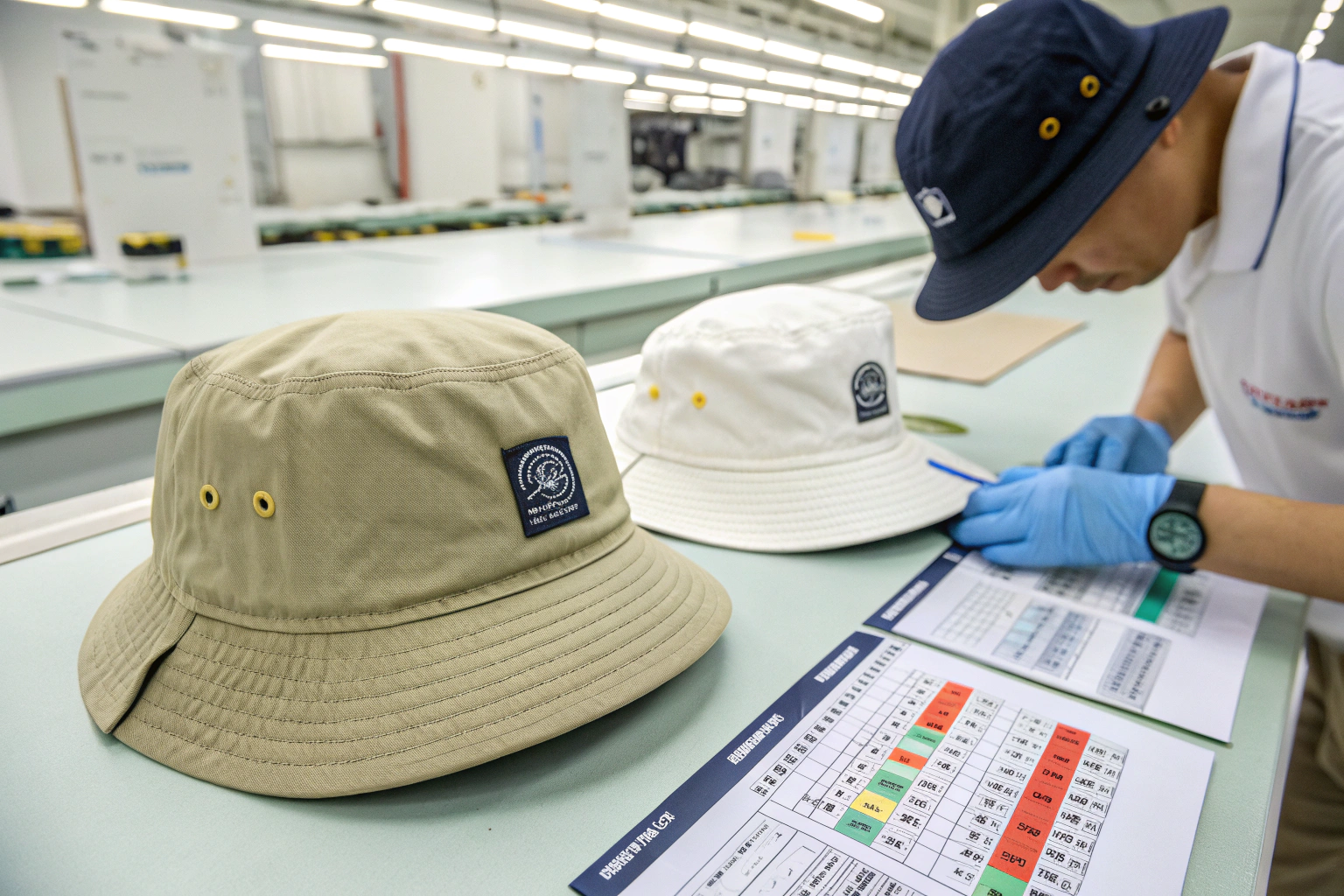
Finding a new manufacturing partner can feel like a gamble, can’t it? You’re looking for someone to bring your designs to life, but you’re haunted by stories of missed deadlines, poor communication, and worst of all, a shipment of products riddled with defects. As someone who has been on the manufacturing side of the fashion accessory business for years, I’ve spoken with countless clients like Ron from the U.S. who come to us after a bad experience elsewhere. Their biggest pain point? The devastating cost of a high defect rate, both in terms of money and brand reputation.
To find a fashion accessory manufacturer with a low defect rate, you must look beyond the price tag and focus on their quality control systems, certifications, transparency, and communication. A reliable partner will have a multi-stage inspection process, hold internationally recognized certifications like ISO 9001, and welcome third-party audits. At my company, Shanghai Fumao Clothing, we built our reputation on this very principle: quality isn’t just a final check; it’s embedded in every single step of our production process.
You’re right to be concerned about quality. A low defect rate isn’t an accident; it’s the result of a deliberate, systematic approach to manufacturing. It’s about having a partner who is as invested in the quality of your product as you are. In this article, I’ll pull back the curtain and show you exactly what to look for, the right questions to ask, and the red flags to avoid. Let’s ensure your next production run is your best one yet.
What are the key quality control processes?
You’ve received samples that looked perfect, but the bulk order that arrived was a disaster. Sound familiar? This happens when a factory’s quality control is inconsistent or only happens at the very end. You need a partner whose process guarantees that the quality of the 10,000th piece is just as good as the first sample.
A manufacturer with a low defect rate will have a robust, multi-stage quality control (QC) system. This isn’t just a final inspection; it includes Incoming Quality Control (IQC) for raw materials, In-Process Quality Control (IPQC) during production, and Final Quality Control (FQC) before shipment. This comprehensive approach catches potential issues early, saving time, money, and stress.
Think of it as a series of gates. No material gets in without passing the first gate (IQC). No product moves to the next stage of assembly without passing its gate (IPQC). And nothing leaves the factory without passing the final gate (FQC). This systematic approach is non-negotiable for us. It’s how we ensure reliability and build long-term trust with our clients. Let’s dive into what each of these stages means for you and your products. Understanding this will also help you evaluate a factory’s certifications and audit reports, which are formal verifications of these systems.
What is Incoming Quality Control (IQC)?
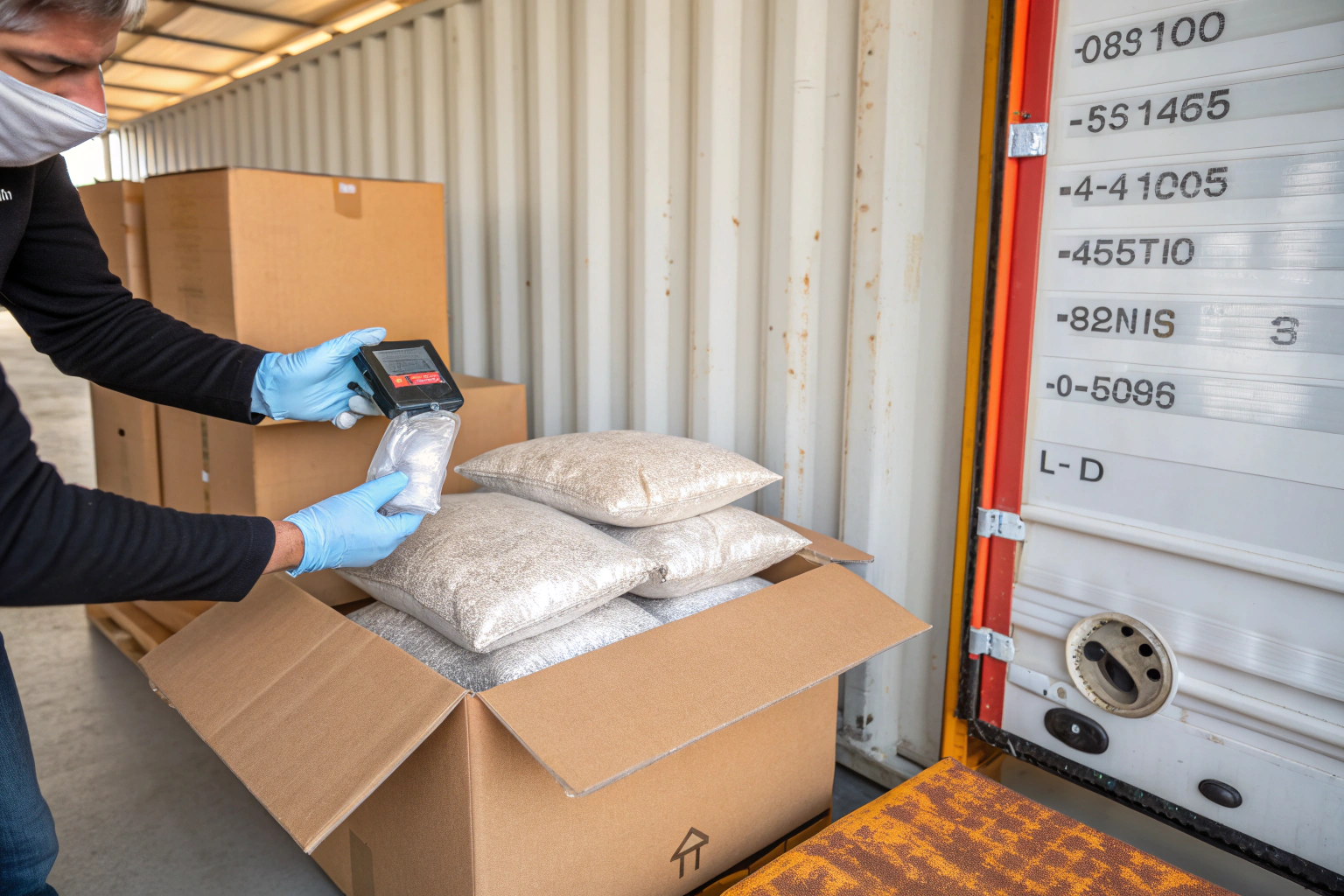
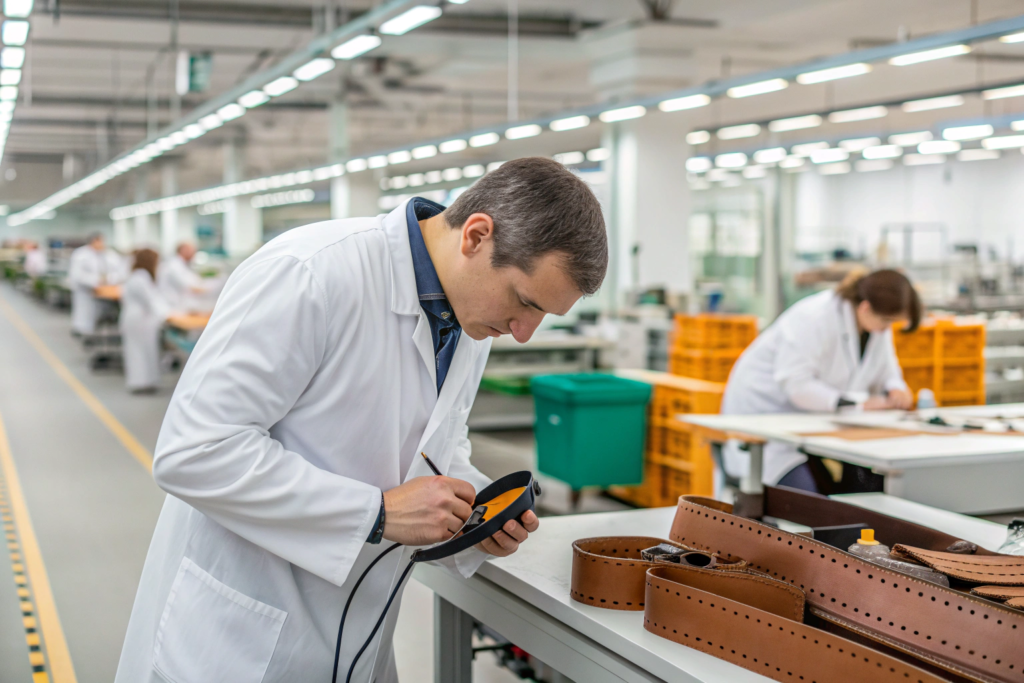
Incoming Quality Control is the first line of defense against defects. It’s the process of inspecting and verifying all raw materials before they enter the production line. This includes everything from the fabric for a scarf, the metal for a buckle, to the dye for a hat. We check for color consistency, material strength, and any flaws. A manufacturer that skips or skimps on IQC is taking a huge risk. A flaw in the raw material will inevitably lead to a defect in the final product. Asking a potential supplier about their IQC process is a critical first step. For a technical overview of what this entails, industry resources like the American Society for Quality (ASQ) provide detailed standards. A good supplier will be able to show you their documentation and standards for material acceptance, as detailed in quality management systems like ISO 9001.
Why is In-Process Quality Control (IPQC) crucial?
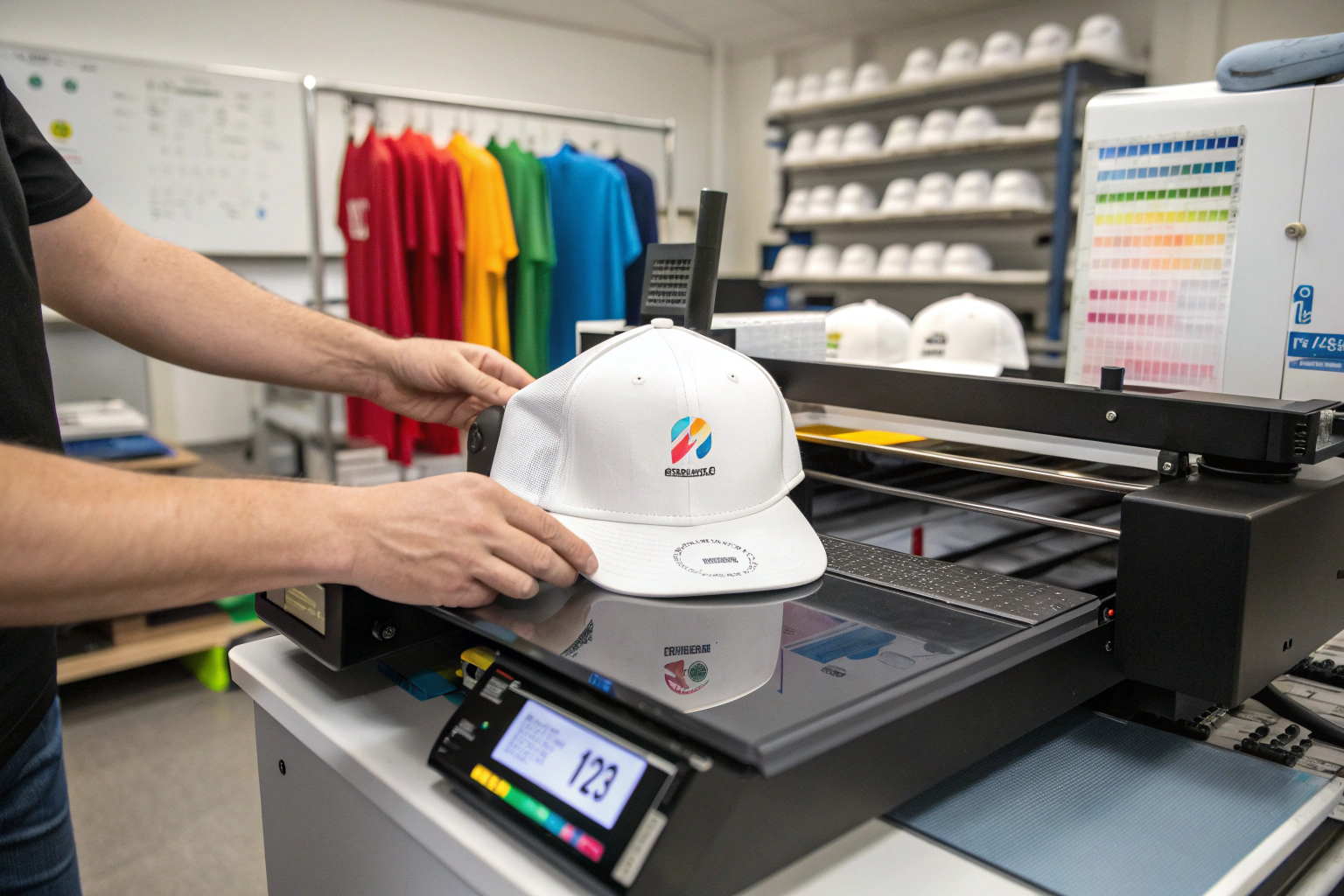
In-Process Quality Control, or IPQC, involves inspections at various stages during the manufacturing process. It’s about catching mistakes as they happen, not after 10,000 units have already been made incorrectly. For example, when we’re making baseball caps, our QC team checks the stitching accuracy after the panels are sewn, inspects the embroidery quality before the cap is fully assembled, and verifies the brim placement. This allows for immediate correction. A factory that relies only on a final inspection is inefficient and prone to high defect rates. A commitment to IPQC shows a proactive approach to quality. You can learn more about the principles of in-process inspection from manufacturing knowledge hubs like the Society of Manufacturing Engineers (SME). This proactive method is a hallmark of a mature and reliable manufacturing operation.
Why do certifications and audits matter?
You’re talking to a potential supplier, and they say they have great quality. But how can you be sure? You need objective proof, not just promises. You’re worried about being misled by a smooth-talking sales rep, only to be disappointed when the products arrive.
Certifications like ISO 9001 and factory audit reports from firms like SGS or Intertek are your independent verification that a manufacturer meets global quality and ethical standards. They prove that a factory has established, documented, and maintained a formal quality management system. These aren’t just pieces of paper; they are evidence of a deep commitment to operational excellence.
When a client asks to see our certifications, I’m thrilled. It shows they’re a serious buyer who understands quality. We proudly display our ISO 9001 certification and share our recent audit results because they validate the hard work our team puts in every day. These documents provide transparency and peace of mind, which are the foundations of a great partnership. They show that a factory is not afraid of scrutiny. Let’s look at what these documents actually tell you and why they are so much more valuable than a simple promise. This documented proof of quality is a direct reflection of the key quality control processes a factory has in place.

What does an ISO 9001 certification tell you?
ISO 9001 is the international standard for a Quality Management System (QMS). When a factory is ISO 9001 certified, it means an external body has audited them and confirmed they have a robust QMS. This system covers everything from how they handle customer requirements to their processes for continuous improvement. It’s not a product certification; it’s a process certification. It tells you the factory is organized, efficient, and committed to consistency. You can verify a company’s certification through the certifying body’s public database. For more information on what the certification entails, the International Organization for Standardization’s website is the ultimate source. A factory like Shanghai Fumao Clothing that invests in this certification is signaling its long-term commitment to global quality standards.
How do you read a factory audit report?
A factory audit report, often conducted by a third party like SGS or Bureau Veritas, is a detailed snapshot of a factory’s capabilities and compliance. When you get one, don’t just look at the final score. Look for details on their quality control procedures, machine maintenance schedules, and worker training programs. Pay close attention to any "non-conformity" issues raised and, more importantly, the factory’s corrective action plan. A good factory isn’t one with a perfect report, but one that is transparent about its weaknesses and has a clear plan to address them. This document gives you a far more realistic picture of a factory’s day-to-day operations than any marketing brochure ever could.
How does technology reduce defect rates?
You’re concerned about human error. In a process as hands-on as accessory manufacturing, how can you be sure that every single piece is made to the same standard? You need a partner who leverages technology not to replace artisans, but to empower them with consistency and precision.
Modern manufacturers reduce defect rates by integrating technology like Computer-Aided Design (CAD) for precise patterns, automated cutting machines for consistency, and digital management systems for tracking production. This technology minimizes human error in repetitive tasks and provides valuable data for process improvement.
At our factory in Zhejiang, we’ve invested heavily in this area. For example, our automated fabric cutters ensure every panel for our cloth hats is identical, something that’s nearly impossible to achieve by hand at scale. Our project managers use a digital platform to track every order, from material arrival to final shipment, ensuring everyone has real-time information. This isn’t about creating a cold, robotic factory; it’s about using tools to enhance the skill of our experienced team. This technological edge is a key factor that separates a good factory from a great one, and it directly impacts the communication and transparency you’ll experience.

How does CAD improve quality?
Computer-Aided Design (CAD) software is a game-changer for product development and pre-production. Before we cut a single piece of material, our designers create a precise digital pattern. This allows us to perfect the dimensions, test the fit, and plan the most efficient use of materials, which reduces waste. For complex items like a structured bag or a fitted cap, CAD ensures every component will fit together perfectly. This digital blueprint eliminates the guesswork and inconsistencies of manual pattern-making. To learn more about the role of CAD in fashion, you can explore resources from software providers like Autodesk. It’s the first step in a digitally-driven quality process.
What is the role of automation in consistency?
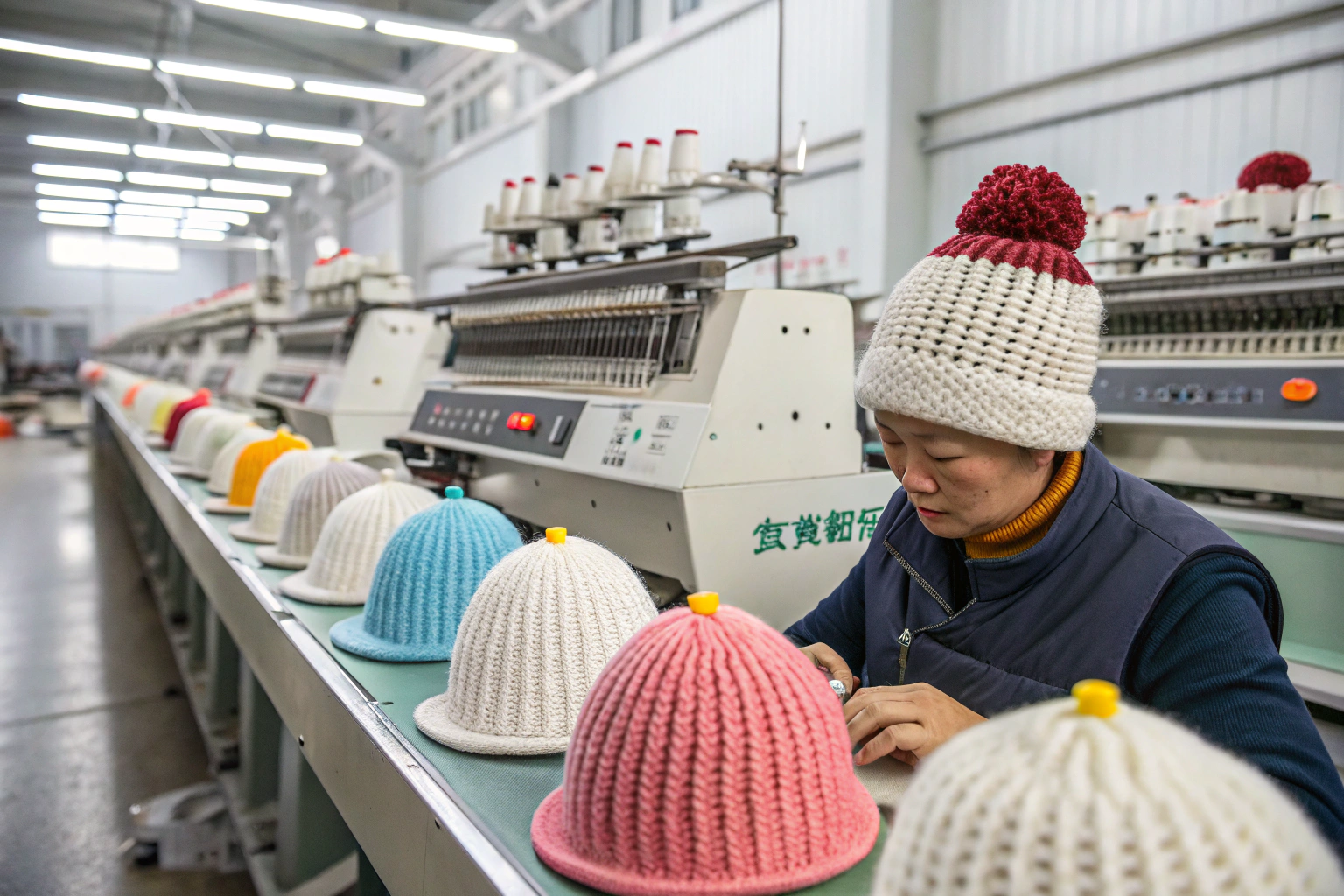
Automation plays a key role in tasks that require high repetition and precision. For example, we use automated knitting machines that can produce scarves and beanies with a perfectly consistent knit density and pattern, hour after hour. We also use automated machines for attaching snaps or grommets, ensuring each one is placed with the exact same pressure and location. This doesn’t replace our skilled workers; it frees them up to focus on more complex tasks like detailed assembly, finishing, and quality inspection. This blend of automated precision and human skill is the secret to achieving high quality at scale. For insights into modern manufacturing, sites like Manufacturing.net often cover the latest trends in factory automation.
How important is communication and transparency?
You’ve found a factory that looks good on paper, but getting a straight answer from them is impossible. Emails go unanswered, and when you do get a response, it’s vague. This lack of communication creates anxiety and makes you worry about what’s really happening with your order.
Clear, consistent communication and a culture of transparency are just as important as the physical production process. A great manufacturing partner will provide you with a dedicated project manager, regular updates, and honest feedback—even when there’s bad news. They see you as a partner, not just a purchase order.
This is a core part of our philosophy at Shanghai Fumao Clothing. Each of our clients is assigned an experienced project manager who is their single point of contact. They provide bi-weekly updates with photos and are always available for a video call to walk through a production sample. If we foresee a potential delay or a material issue, we tell our client immediately and propose a solution. This transparency builds trust, which is the most valuable asset in this business. A factory that communicates well is a factory that is confident in its processes and respects its clients. This open dialogue is essential for leveraging their expertise and making sure your vision is realized.

Why do you need a dedicated project manager?
A dedicated project manager is your advocate inside the factory. They understand your brand, your quality standards, and your deadlines. Instead of being passed around between sales, production, and shipping, you have one expert who is responsible for your order from start to finish. This single point of contact streamlines communication, reduces misunderstandings, and ensures accountability. According to project management resources like the Project Management Institute (PMI), having a dedicated manager is a key success factor for any complex project. When you’re evaluating a factory, ask specifically who your day-to-day contact will be and what their experience is.
What are red flags in communication?
Be wary of factories that are slow to respond, give vague answers, or are unwilling to participate in video calls. If they can’t communicate effectively during the sales process, it will only get worse once they have your deposit. Another major red flag is a refusal to be transparent. If a factory is hesitant to share their business license, certifications, or a recent audit report, it’s a sign they have something to hide. A trustworthy partner will be an open book. For more tips on vetting international suppliers, resources from the International Trade Administration can be very helpful. Trust your gut: if the communication feels off, it probably is.
Conclusion
Finding a fashion accessory manufacturer with a low defect rate is not about luck; it’s about a diligent and systematic evaluation process. It requires you to look beyond the price and focus on the pillars of quality: robust multi-stage QC processes, verifiable certifications and audits, the smart use of technology, and a culture of transparent communication. A true partner will welcome your questions and be proud to show you how they operate. They understand that their success is directly tied to yours.
For years, my team and I have been that trusted partner for brands in North America, Europe, and beyond. We’ve built our business on a foundation of quality, reliability, and service. We know what it takes to turn a great design into a flawless product that will delight your customers. If you’re tired of the uncertainty and ready to work with a manufacturer who is as committed to quality as you are, then let’s start a conversation. Please reach out to our Business Director, Elaine, at her email: elaine@fumaoclothing.com. We are ready to help you build with confidence.