For fashion accessory brands in a crowded market, a signature product is more than a bestseller; it's your brand identity. It’s the item customers instantly associate with you. Developing such a product is a strategic journey that blends deep market insight with authentic creativity and technical precision.
To develop a signature accessory, you must fuse a unique, emotionally resonant design concept with flawless execution, supported by a cohesive product brand strategy that tells a compelling story. It requires moving beyond generic items to create something that feels both iconic and indispensable to your target audience.
The path involves distinct phases: finding your unique inspiration, translating it into a viable design, building a story around it, and leveraging the right partnerships to bring it to life. Let's explore how you can navigate each step.
Where Do You Find Unique Inspiration for a Signature Design?
The search for a signature design often begins with looking outward. Many brands make the mistake of only watching competitors, leading to derivative products. True signature items spring from a deeper, more personal well of inspiration that resonates emotionally with both the creator and the consumer.
Unique inspiration for a signature accessory comes from synthesizing personal experiences, cultural elements, and unmet market needs into a coherent, fresh concept. It's about connecting dots between what moves you and what your audience desires but hasn't yet seen. Leading designers like Amina Muaddi fuel their creativity from diverse sources like travel, art, and vintage markets, ensuring their work sparks an internal emotional response first.
This process is less about a single "eureka" moment and more about curated research. It involves building a rich mood board—a collection of images, fabrics, and sketches that capture a feeling or a story you want to tell. The goal is to define the essence of your collection before a single sketch is finalized. For your brand, this could mean drawing from architectural details, historical costume, or even a specific lifestyle, translating that inspiration into the form of a belt, a hat, or a hair clip.

How can cultural and historical references make your design stand out?
Looking to the past or to different cultures can provide a powerful foundation that feels both original and substantial. For instance, some brands successfully attract younger consumers by reviving and modernizing heritage designs or vintage styles from past decades. This approach taps into a desire for authenticity and storytelling that pure novelty sometimes lacks. A belt might incorporate a historical buckle design, or a scarf print might be inspired by traditional folk art, giving it a narrative depth that customers appreciate.
However, the key is reinterpretation, not replication. The most successful signature products use these references as a starting point, filtering them through a contemporary lens and your unique brand aesthetic. This method ensures your design has roots and a reason for being, setting it apart from fast-fashion, trend-chasing items.
What role does identifying a market gap play in inspiration?
Inspiration isn't solely artistic; it can be commercial and insightful. Actively researching the competitive landscape to identify unmet needs is a powerful creative catalyst. This was demonstrated when students working with a footwear brand conducted deep market research, studying over 1,400 competitors to understand trends and opportunities. They looked for what was missing—whether in style, function, or inclusivity.
For an accessory brand, a market gap could be functional (e.g., travel-friendly bags with specific organization), demographic (e.g., high-fashion options in extended sizes), or material-based (e.g., using sustainable or innovative tech fabrics in new ways). Identifying this gap provides a clear "why" for your product, ensuring it has a ready audience seeking a solution that only your signature design provides.
How Do You Transform a Great Idea into a Tangible, Market-Ready Product?
A brilliant concept is only the beginning. The real challenge—and where many aspiring brands falter—is in the arduous journey from sketch to sample to a flawless, producible final product. This phase requires balancing unwavering vision with practical flexibility.
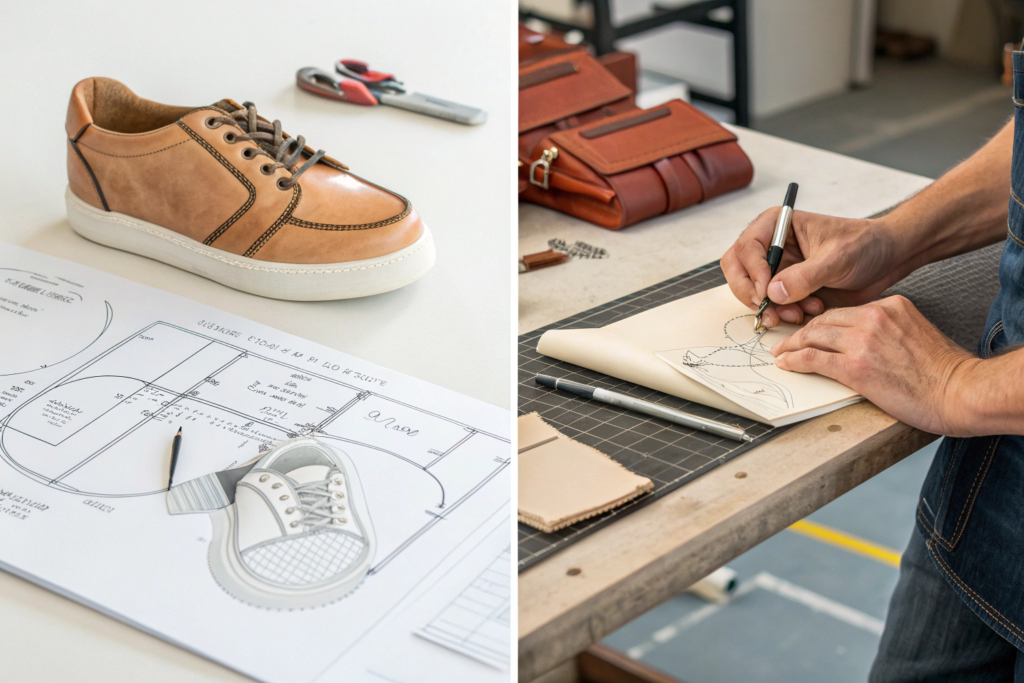
Transforming an idea into a market-ready product requires an iterative process of prototyping, technical refinement, and collaboration with skilled artisans to ensure the design is both beautiful and functional. As designer Amina Muaddi advises, beautiful ideas must be made functional, and feedback from suppliers and artisans who bring the design to life is invaluable.
This stage is characterized by "trial and error," using materials like muslin to create complex samples that test fit and structure before cutting into expensive final fabrics. It's here that designs evolve; a planned bodysuit might become a tube top after three mockups prove the original concept doesn't work. This flexible, problem-solving mindset is non-negotiable. For a manufacturer like Shanghai Fumao Clothing, this is our core expertise—guiding you through fittings, sample revisions, and material selection to perfect your signature piece.
Why is the prototyping phase so critical for a signature product?
Prototyping is where your idea meets reality. It's the safety net that prevents costly mistakes in full production. The process allows you to test proportions, ergonomics, and construction methods. For accessories, this is especially important: How does the bag feel on the shoulder? Is the hat band comfortable? Does the clip mechanism work smoothly?
This phase should answer all practical questions. As one designer noted, mockups allow for changes like adjusting a waistband width or adding a lining without wasting premium materials. For a signature item that must be perfect, multiple prototyping rounds are not a setback but an essential investment in quality and user experience.
How do you select the right materials and construction techniques?
The choice of materials and construction defines the product's quality, aesthetic, and price point. Your signature product demands materials that reinforce its story—whether it's buttery leather for a luxe feel, innovative recycled fabrics for a sustainable edge, or a unique alloy for a distinctive metal clasp.
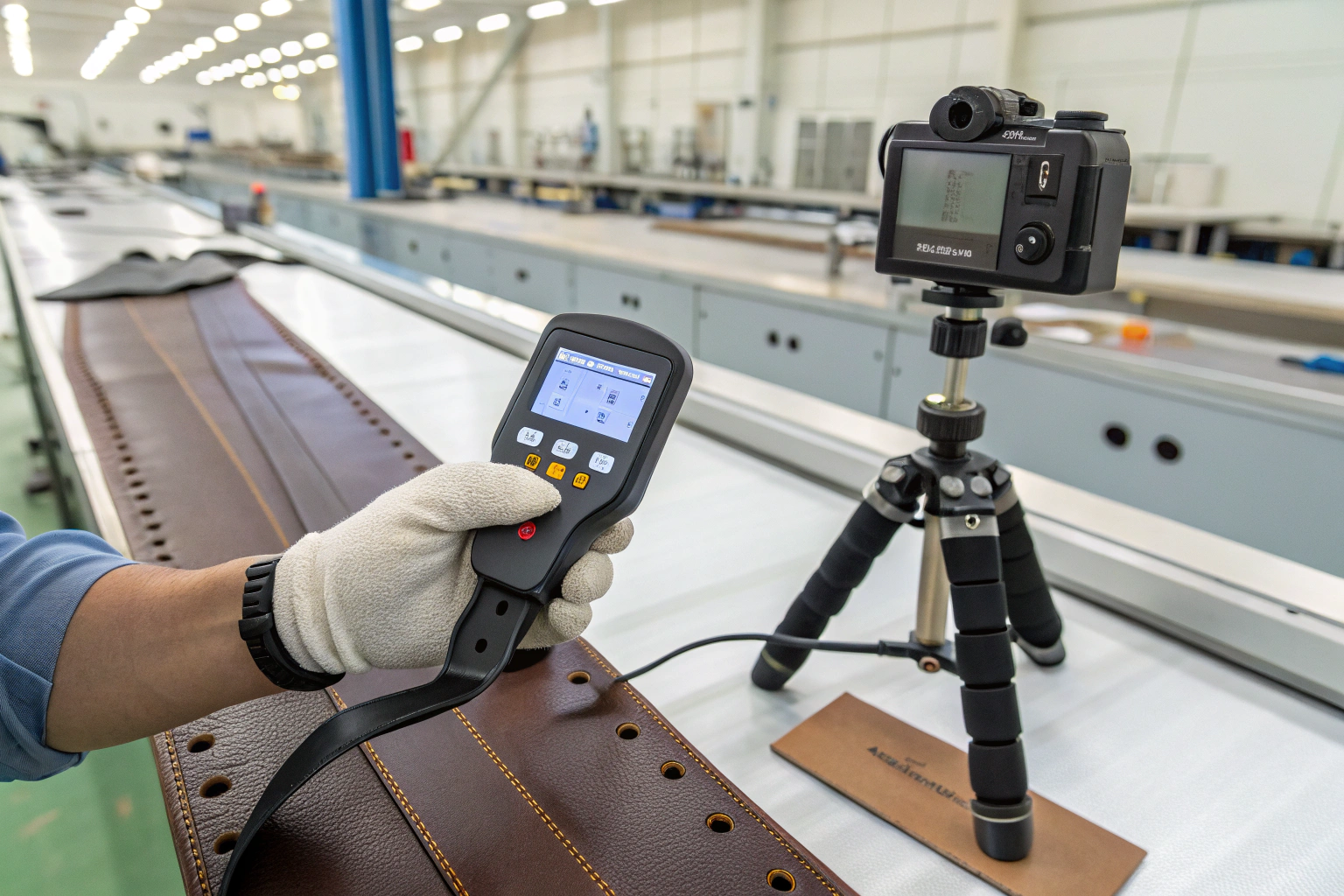
Beyond materials, the construction technique is paramount. Will it be hand-stitched for an artisanal look or use precision laser-cutting for a modern, sharp edge? Some advanced techniques, like laser-cutting and engraving, can even be leveraged to embed unique identification or decorative patterns at a micro-level, adding a layer of sophistication and authenticity. Partnering with a factory that has expertise in these varied techniques is crucial to executing your vision faithfully.
What Makes a Product Brand Strategy Successful?
A signature product needs its own identity within your brand. This is where product branding comes in—the art of creating a unique identity for an individual item that makes it stand out in a crowded marketplace. Without it, even a well-designed product can get lost.
A successful product brand strategy clearly defines the item's unique identity, emotional appeal, and visual language, ensuring every touchpoint—from name to packaging—communicates a consistent and compelling story. Research shows most purchases are emotionally driven, and product branding is the key to building that connection. It's what transforms a scarf into a "token of adventure" or a hair clip into a "modern heirloom."
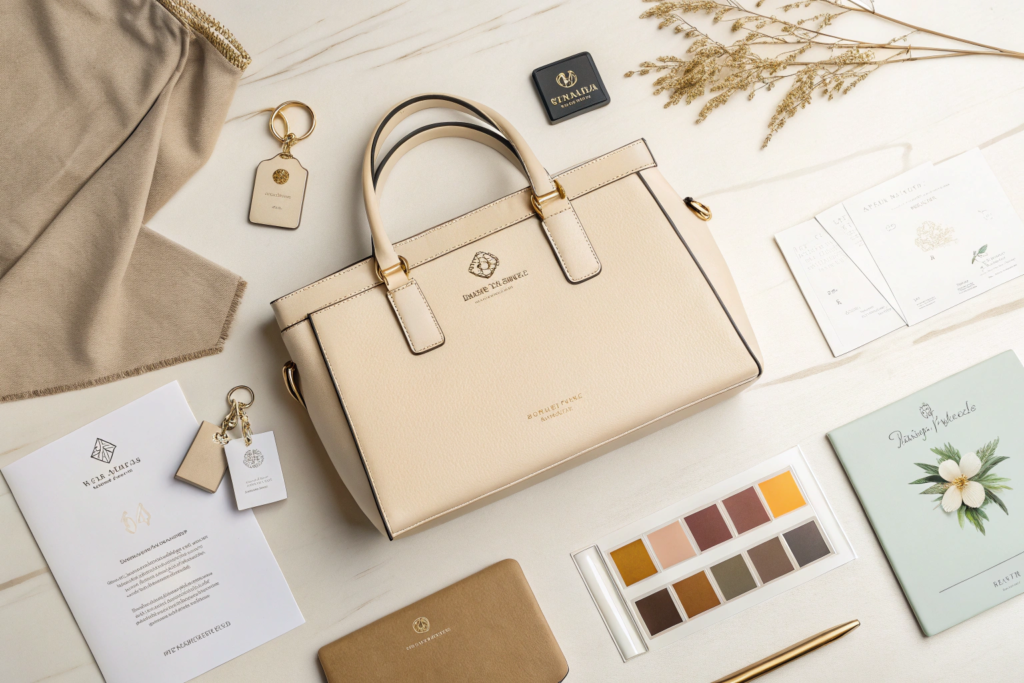
This strategy involves deliberate choices about the product's name, logo, color scheme, and packaging design. Consistency across all these elements is vital for building recognition and solidifying the product's value proposition in the customer's mind. For example, a brand targeting sustainability-focused consumers would prioritize eco-friendly messaging and materials, as this group is willing to spend more on such products.
What are the core elements of product branding?
Effective product branding is multi-faceted. According to experts, the key components include the logo design, the product name and description, and the packaging design. Interestingly, color is often considered one of the most important elements, as it directly influences mood and behavior.
For your signature accessory, this means asking: Does the name capture its essence? Does the logo or monogram integrate seamlessly into the design? Does the unboxing experience feel special and aligned with the product's perceived value? These elements work together to create the overall impression that justifies a premium position and fosters loyalty.
How do you build an emotional connection through storytelling?
The most iconic products are those wrapped in a story. This story can be about the inspiration (the vintage market in Paris), the craftsmanship (handmade by a specific community of artisans), or the purpose (designed for the modern traveler). As Amina Muaddi emphasizes, a successful design should evoke emotions and inspire dreams, much like a piece of art.
Your product's story should be woven into all communications—the website description, social media posts, and even the sales training for retail staff. When customers understand the "why" behind your signature piece, they are not just buying an accessory; they are buying into an identity and a set of values, which is the foundation of a lasting brand.
Why is the Right Manufacturing Partner Essential for Your Signature Item?
Your signature product is the flagship of your brand, and its quality is non-negotiable. The wrong manufacturing partner can dilute your design, compromise on materials, and fail to meet deadlines, undermining all your previous work. The right partner acts as a true extension of your team.
The right manufacturing partner is essential because they provide the technical expertise, quality control, and scalable production capability to faithfully execute your design vision while ensuring consistency, reliability, and value. They bridge the gap between creative aspiration and commercial reality.
A partner like Shanghai Fumao Clothing brings more than just machines; we bring a collaborative mindset. We understand that a signature item requires special attention—whether it's sourcing a specific, unusual material, achieving a complex construction detail, or implementing rigorous multi-stage quality checks. Our experienced project managers and QC teams are structured to give focused projects the priority they deserve, ensuring the final product that reaches your customer is perfect.

What should you look for in a manufacturing partner beyond cost?
While cost is a factor, for a signature product, other criteria are paramount:
- Technical Capability & Craftsmanship: Can they execute the specific techniques your design requires? Do they have access to skilled artisans?
- Quality Control Philosophy: Do they have a proactive, staged QC process to catch issues early, or do they only inspect at the end?
- Communication & Transparency: Is there a dedicated project manager? Is the process for approvals and feedback clear?
- Scalability & Reliability: Can they produce your initial run flawlessly and scale up if the product takes off? What is their track record for on-time delivery?
A partner invested in your success will ask questions, offer constructive feedback on manufacturability, and be transparent about challenges—much like the artisans and suppliers that Amina Muaddi relies on to bring her designs to life.
How can technology integration add value to your product?
An advanced manufacturing partner can introduce innovative technologies that elevate your signature product. This goes beyond basic production to include value-added features. For instance, research explores using photonics and laser engraving to create microscopic, diffractive surfaces on metal accessories. This could allow a unique, light-projected pattern or a hidden authentication marker, adding an exclusive, high-tech dimension to the item.
Other technologies like 3D modeling and printing can accelerate prototyping and allow for precise customization. Partnering with a factory that is knowledgeable about and invested in such technologies can future-proof your product and open doors to unique selling propositions that competitors cannot easily replicate.
Conclusion
Developing a signature fashion accessory is a deliberate and multifaceted journey. It begins with finding a unique inspiration that connects emotionally, rigorously refining that idea through prototyping and collaboration, building a distinct product brand identity around it, and finally, partnering with a manufacturer that can execute your vision with precision and care.
This process transforms a simple accessory into an iconic brand asset—a product that carries your story, earns customer loyalty, and defines your place in the market. It's an investment that pays dividends in brand recognition and long-term value.
If you have a vision for a signature accessory and are looking for a manufacturing partner that understands this holistic process, we invite you to connect with us. At Shanghai Fumao Clothing, we specialize in guiding brands from concept to market-ready masterpiece. For a discussion on how we can help you develop your next iconic product, please contact our Business Director, Elaine, at elaine@fumaoclothing.com. Let's build something extraordinary together.