As a brand owner, you're constantly trying to stay ahead of the curve. You see plain cloth hats selling, but you know that a unique, on-trend graphic print could make your product fly off the shelves. The problem is, trends move at lightning speed. You're worried about investing in a print that's already fading from popularity, leaving you with a warehouse full of dated inventory that nobody wants. This uncertainty can be paralyzing.
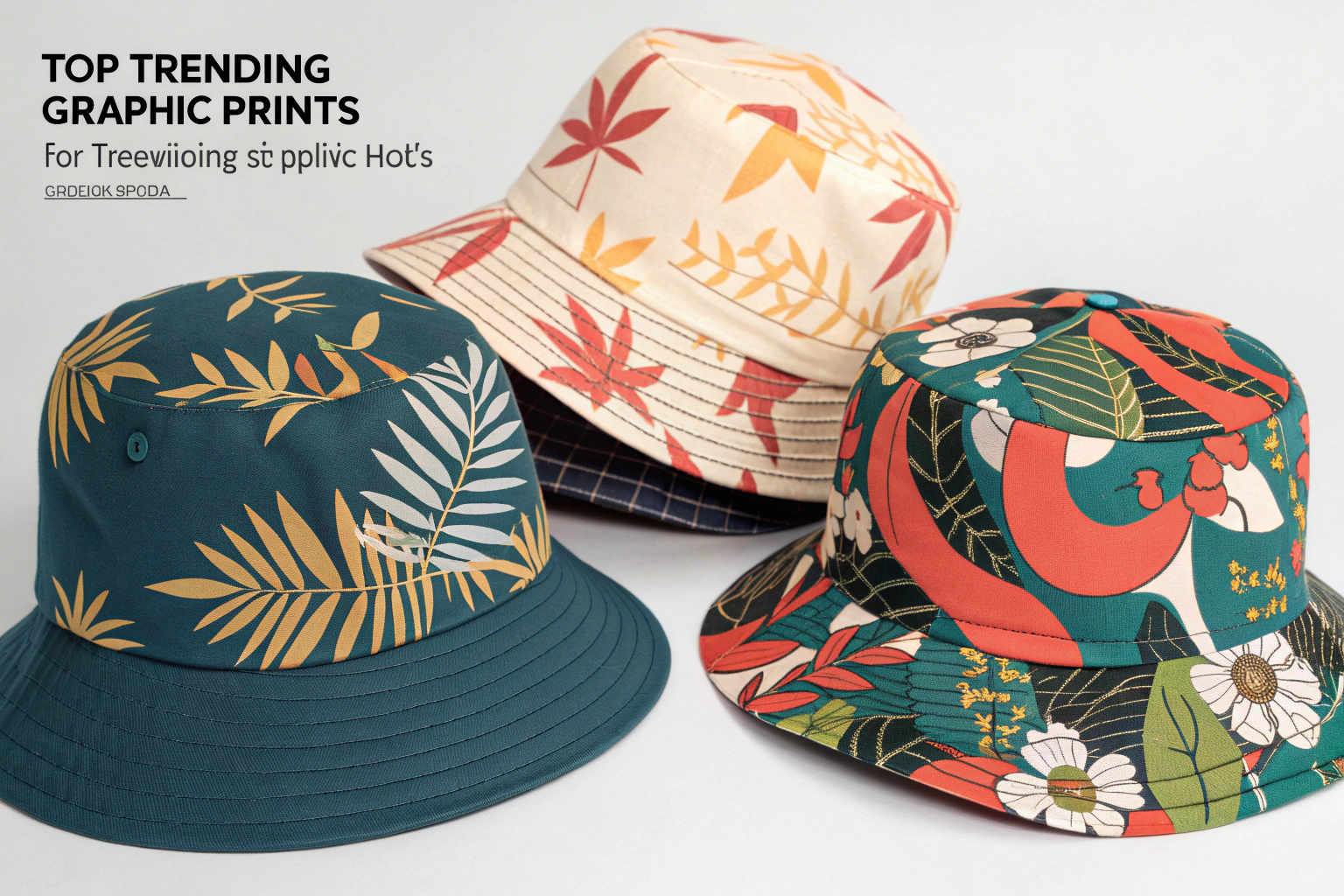
The top trending graphic prints for cloth hats are nature-inspired botanicals, bold abstract geometrics, and nostalgic retro patterns from the 70s and 90s. These trends tap into a collective desire for escapism, artistic expression, and comforting nostalgia, making them highly marketable for bucket hats, baseball caps, and other fabric headwear.
In my years of running a fashion accessory manufacturing business, Shanghai Fumao Clothing, I've seen trends come and go. The key is to identify the larger cultural shifts driving these trends. Right now, consumers are looking for joy, personality, and a connection to something authentic. The right graphic print does more than just decorate a hat; it tells a story and allows the wearer to express their individuality. Let's dive into the specific trends that are dominating the market and how you can leverage them for your brand.
Why Are Botanical and Nature Prints So Popular?
You see floral prints everywhere, but you're wondering if they're "played out." You're hesitant to commit to a nature-themed collection, fearing it might not feel fresh or exciting enough to capture your customers' attention. The risk is that you'll produce a collection that looks generic instead of standing out in a crowded market.
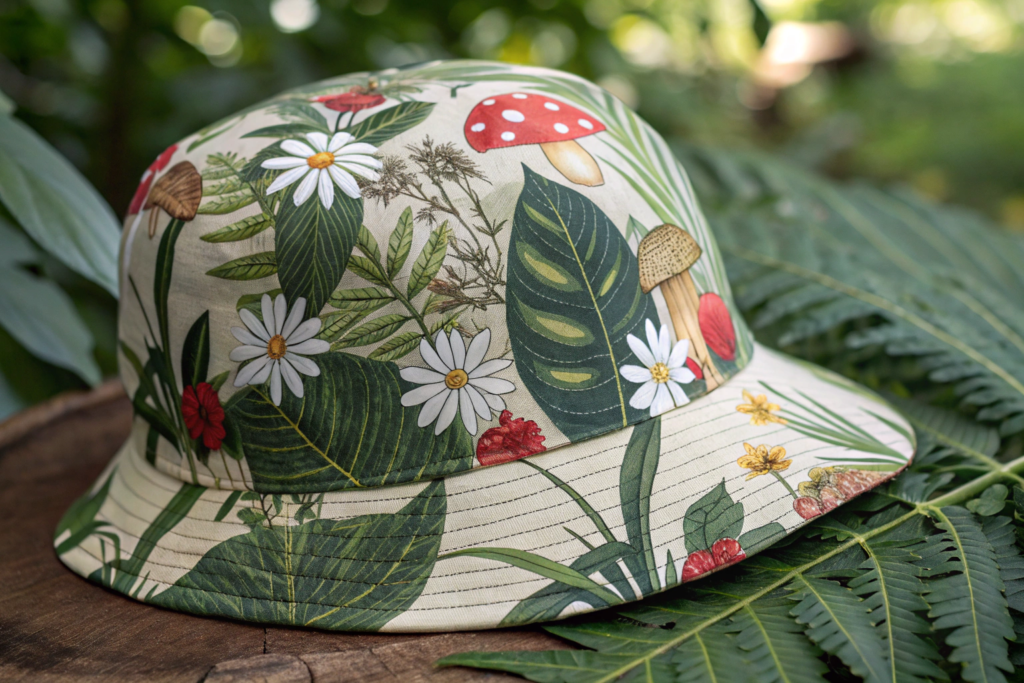
The key is to look beyond simple daisies. The current trend is about sophisticated, diverse, and even unexpected botanical prints. Think lush tropical leaves, delicate wildflower meadows, and even whimsical mushroom or fruit patterns. This trend is driven by a deep-seated desire to connect with nature and a growing interest in sustainability and wellness. It's less about "flower power" and more about "planet power." A well-executed botanical print can make a hat feel like a small piece of wearable art.
We've worked with numerous brands to develop unique nature-inspired prints. The secret is in the details: the color palette, the scale of the print, and the style of the illustration. A modern botanical print can be minimalist and chic or bold and vibrant. It’s an incredibly versatile trend that can be adapted to almost any brand identity. This focus on unique design is crucial, but it's equally important to consider how to choose the right printing method to bring your vision to life.
What types of floral prints are trending?
The current wave of floral prints is moving away from ditsy, repetitive patterns and towards more artistic and expressive designs. Large-scale, painterly florals with a soft, watercolor effect are very popular, giving hats a romantic and high-fashion feel. On the other end of the spectrum, stylized, graphic florals with bold outlines and vibrant, contrasting colors are making a big impact, drawing inspiration from pop art and modern illustration. Think less "grandma's couch" and more "art gallery wall." You can see this evolution in the collections of fashion-forward brands like Farm Rio, who are masters of the modern floral.
Are fruit and vegetable prints fashionable?
Absolutely. Fruit and vegetable prints have emerged as a fun, whimsical offshoot of the broader nature trend. Playful patterns featuring lemons, strawberries, cherries, or even avocados add a touch of humor and personality to accessories. This trend taps into a desire for joyful, optimistic fashion and is particularly popular with a younger demographic. It’s a way to wear a pop of color and a conversation-starter all at once. These "novelty" prints often perform exceptionally well on social media platforms like Instagram and TikTok, where visual appeal is paramount. For a look at how food-inspired patterns are used in textiles, you can explore design resources like Spoonflower.
How Can Abstract Prints Elevate a Hat Collection?
You want to offer something modern and artistic, but the world of abstract art seems vast and intimidating. You're worried that an abstract print might be too "niche" or that it won't have the mass appeal of a more recognizable pattern like a floral. The fear is investing in a design that your target customer just doesn't "get," leading to slow sales.
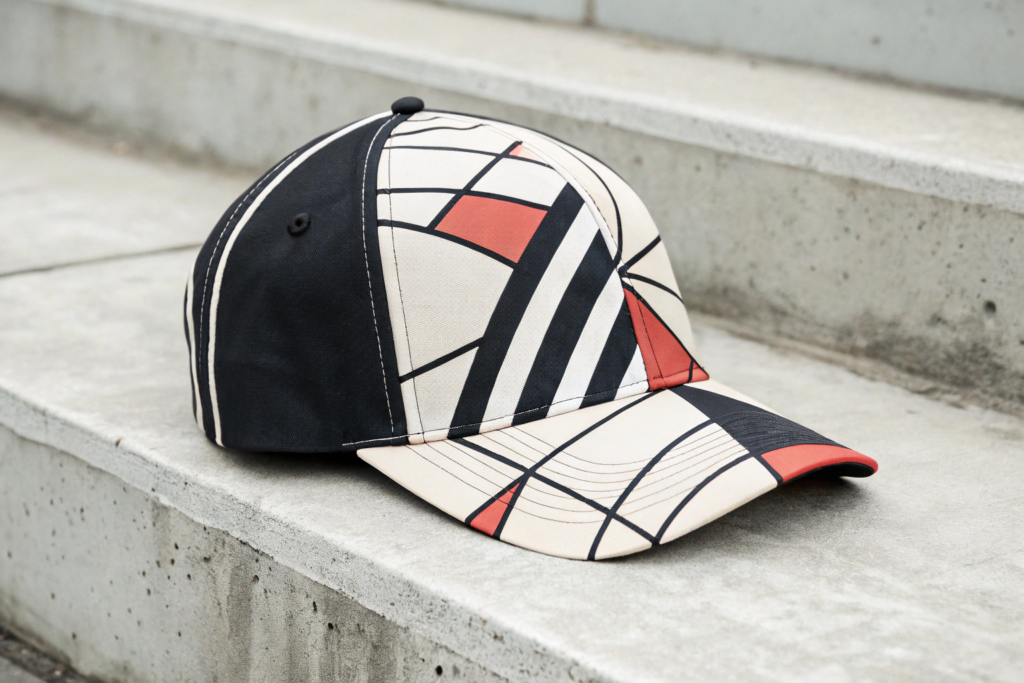
The power of an abstract print lies in its versatility and sophistication. The trend today leans towards bold geometric shapes, minimalist line art, and fluid, marble-like patterns. These prints can transform a simple cloth hat into a contemporary fashion statement. Unlike figurative prints, abstract designs are open to interpretation, allowing them to appeal to a wide range of tastes. They can be energetic and loud or subtle and refined, depending on the color and composition.
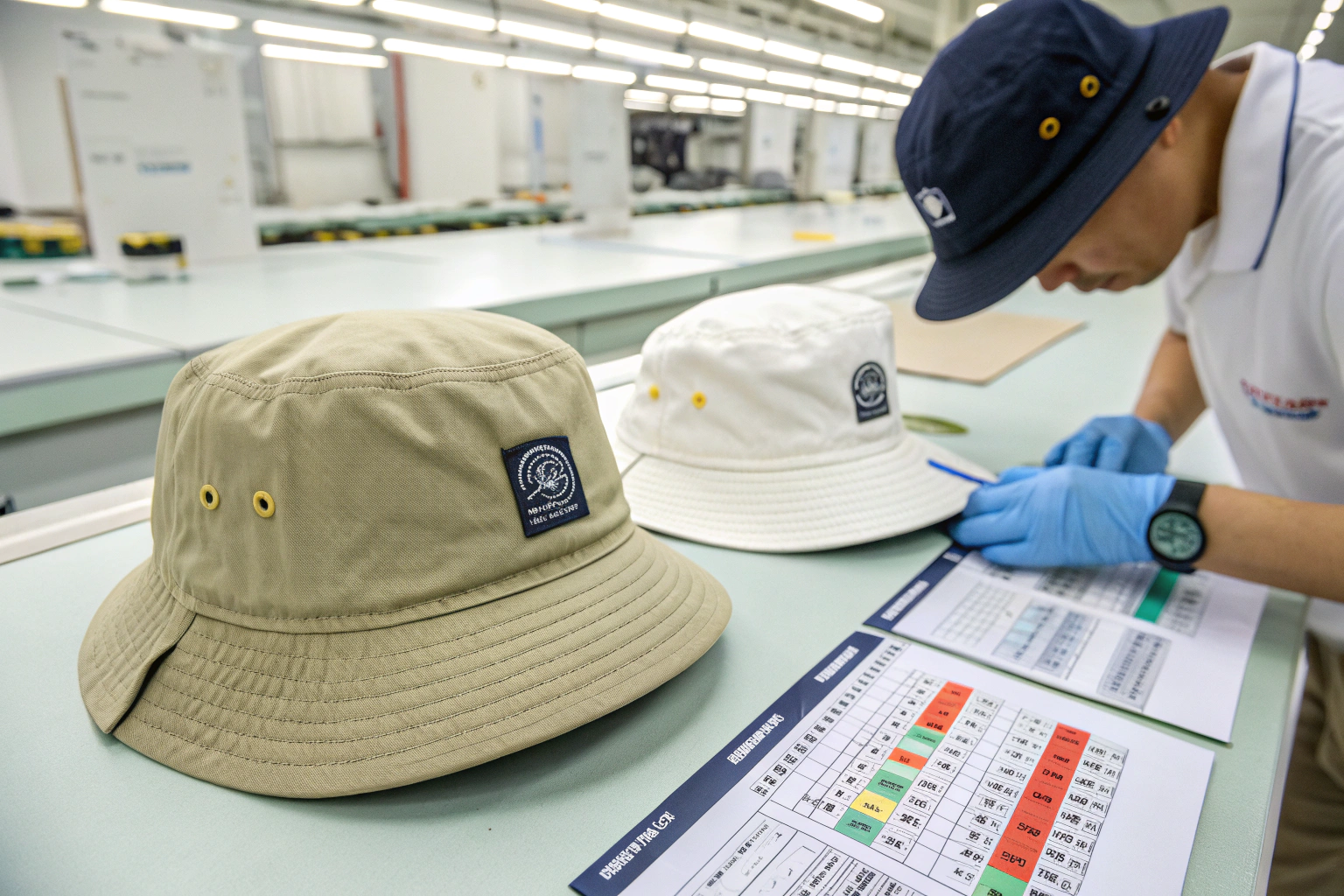
At our factory, we've seen a huge increase in demand for abstract prints from our North American and European clients. They are looking for designs that feel unique and elevated. Our design team works with them to create custom patterns that align with their brand's aesthetic, whether it's a clean, Scandinavian-inspired geometric or a vibrant, expressive brushstroke pattern. The key is to create a design that is visually balanced and uses a compelling color story. A great abstract print is more than just random shapes; it's a carefully considered piece of art. And to make that art last, you need to understand the best practices for quality control.
What is the appeal of geometric patterns?
Geometric patterns appeal to our sense of order and rhythm. Clean lines, repeating shapes like triangles, circles, and checkerboards create a visually satisfying and modern look. The current trend is seeing a revival of Op Art-inspired patterns that create a sense of movement and depth. These designs are bold, confident, and gender-neutral, giving them broad market appeal. They work exceptionally well on structured hats like baseball caps, where the pattern can be displayed without distortion. High-fashion brands like Burberry have long used geometric checks as a core part of their identity, proving the timeless appeal of a strong geometric design.
What about minimalist line art?
Minimalist line art is a more subtle take on the abstract trend. It often features simple, continuous-line drawings of faces, figures, or objects. This style has a sophisticated, hand-drawn feel that is both personal and chic. It has exploded in popularity across home decor, branding, and now fashion. On a hat, a single, well-placed line drawing can create an elegant and intriguing focal point without overwhelming the product. It appeals to consumers who appreciate understated artistry and a "less is more" aesthetic. You can see this style heavily featured on creative platforms like Behance, where thousands of artists showcase their work.
Why Is Retro and Nostalgia a Driving Force?
You're seeing 90s fashion everywhere, but you're not sure how to translate it into a product that feels current, not like a costume. You're worried about getting the aesthetic wrong—choosing a retro print that looks dated instead of fashionably nostalgic. This can be the difference between a bestseller and a clearance item.
The key to a successful retro print is to capture the feeling of an era, not just copy it directly. The current nostalgia trend is focused on the vibrant, free-spirited patterns of the 1970s (think paisley and psychedelics) and the bold, graphic energy of the 1990s (think graffiti and tie-dye). These trends resonate because they evoke a sense of optimism, rebellion, and fun. They offer an escape from the present and a connection to iconic cultural moments.
As a manufacturer, we at AceAccessory have a deep archive of prints and a design team that is expert at reinterpreting vintage styles for a modern audience. We help our clients take a classic pattern like paisley and update it with a fresh color palette, or take the energy of 90s street art and create a clean, wearable graphic. It's about finding the balance between authentic nostalgia and contemporary style. This creative process is exciting, but it's just the first step. You also need to consider which hat styles work best.

What 70s patterns are making a comeback?
The 70s are back in a big way, and with them come their iconic prints. Paisley, with its intricate, teardrop-shaped motifs, is being reimagined in both earthy, bohemian colorways and bright, psychedelic palettes. Abstract, swirling "lava lamp" graphics and bold, geometric floral patterns are also trending heavily. These prints have a free-spirited, maximalist energy that appeals to consumers looking to make a statement. You can see the influence of this era in the work of designers like Etro, a brand that has built its identity around the paisley pattern.
How are 90s graphics being reinterpreted?
The 90s revival is less about grunge and more about the decade's vibrant, pop-culture-fueled graphics. Tie-dye has seen a massive resurgence, but in more controlled, artistic forms than the DIY versions of the past. Graffiti-inspired prints, with their bold lettering and spray-paint effects, are also popular, tapping into the era's street style and hip-hop culture. Another key 90s trend is the use of quirky, cartoonish icons and logos, often arranged in a scattered, all-over pattern. These prints are fun, energetic, and tap directly into the nostalgia of millennials who grew up in that decade. The Museum of Youth Culture is a great resource for visual research on this era's authentic styles.
How Do I Choose the Right Printing Method?
You've designed the perfect, on-trend graphic. Now comes the technical part. You're hearing terms like "screen printing," "digital printing," and "sublimation," and you're not sure which is best for your hat. You're worried about choosing a method that can't capture the detail of your design, or one where the print fades or cracks after just a few wears, leading to quality complaints.
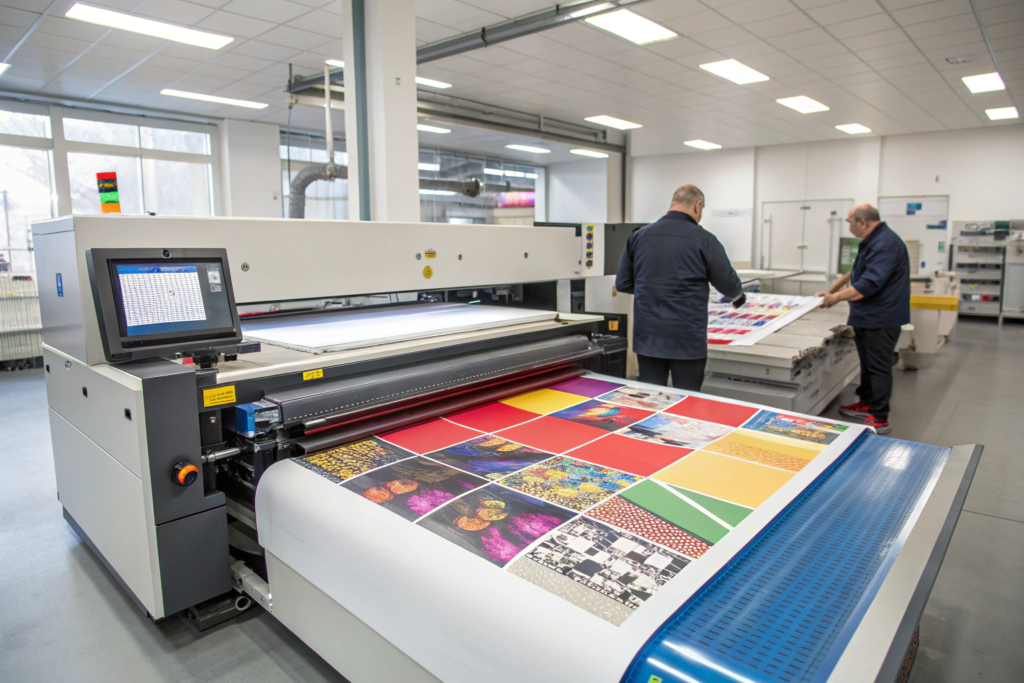
The right printing method depends on your design's complexity, the fabric of the hat, and your order volume. Screen printing is cost-effective for simple designs with few colors and large quantities. Digital printing (DTG) is perfect for complex, multi-colored designs like photographs or painterly florals, especially for smaller batches. Dye-sublimation is ideal for all-over prints on polyester hats, as it infuses the ink directly into the fabric for a permanent, no-feel finish.
This is a conversation our project managers have with clients every day. At Shanghai Fumao Clothing, we don't just take your design and print it; we advise you on the best method to achieve the look, feel, and durability you want. If you have a highly detailed botanical print, we'll recommend digital printing. If you have a bold, one-color logo for a large run of baseball caps, we'll suggest screen printing to keep costs down while ensuring a vibrant result. Matching the art to the technology is key to a successful product. This technical choice is a core part of the quality control process.
When is screen printing the best option?
Screen printing is a traditional and highly reliable method where ink is pushed through a mesh screen onto the fabric. It's best for designs with one to five solid colors, such as logos, text, or bold geometric graphics. The main advantage is its cost-effectiveness at high volumes—the more you print, the lower the cost per unit. Screen printing also produces incredibly vibrant, opaque colors that sit on top of the fabric, giving the print a tactile quality. It's extremely durable and the go-to method for many major apparel brands. You can learn more about the process from industry resources like ScreenPrinting.com.
Why would I choose digital printing (DTG)?
Digital printing, or Direct-to-Garment (DTG), works much like an inkjet printer for paper. It applies ink directly onto the fabric, allowing for an unlimited number of colors and incredible detail. This makes it the perfect choice for photorealistic images, intricate patterns, and designs with subtle gradients or color variations, like a watercolor floral. DTG is also ideal for small production runs or even one-off samples, as there are minimal setup costs compared to screen printing. The ink soaks into the cotton fibers, resulting in a soft feel that is comfortable to wear. Tech giants like Epson are leaders in developing this technology for the apparel industry.
Conclusion
Staying on top of graphic print trends is essential for any fashion brand, but it's about more than just knowing what's popular. It's about understanding the "why" behind the trend—the cultural desire for nature, artistry, and nostalgia. By focusing on sophisticated botanicals, bold abstracts, and well-executed retro patterns, you can create a collection of cloth hats that feels fresh, relevant, and highly desirable. The final, crucial step is partnering with a manufacturer who can not only produce your hats but also guide you in choosing the perfect printing method to bring your vision to life with quality and durability.
At Shanghai Fumao Clothing, we are passionate about helping our clients succeed. Our integrated team of designers, project managers, and production experts is here to help you navigate the trends and the technicalities. We are your partners in creating accessories that don't just sell, but also tell a story.
If you're ready to develop your next collection of on-trend cloth hats, please get in touch with our Business Director, Elaine, at her email: elaine@fumaoclothing.com. Let's create something amazing together.