Sourcing hair ties for a retail business can feel like navigating a maze, especially when your target audience has curly hair. You're constantly worried about finding a product that's gentle enough to prevent breakage but strong enough to hold voluminous curls. The wrong choice can lead to unhappy customers and damaged reputations. What if you could find a reliable supplier that offers high-quality, curl-friendly hair ties that your customers will love, all while ensuring fast production and smooth logistics?
The best wholesale hair ties for curly hair markets are those made from gentle, snag-free materials like satin, silk, and high-quality elastic, such as spiral or coil hair ties and scrunchies. These materials minimize friction, prevent breakage, and provide a secure hold without causing tension headaches, making them ideal for the unique needs of curly, coily, and textured hair.
As the owner of a fashion accessory manufacturing company, I've seen firsthand how the right product can transform a retailer's success. We've worked with numerous North American and European brands, helping them select and develop accessories that truly resonate with their customers. The journey to finding the perfect hair tie for curly hair is about understanding the material, the design, and the user's pain points. Let's dive into what makes a hair tie a bestseller in the curly hair community and how you can confidently source them for your business.
What Materials Should I Look for in Hair Ties?
Are you struggling to find hair ties that don't get tangled in your customers' beautiful curls? It's a common problem for buyers. You see a product that looks good, but you're unsure if the material will cause friction, leading to frizz and breakage. This uncertainty can make you hesitate, potentially missing out on a great product for your store.
The key is to focus on materials known for their gentleness and durability. For curly hair, the best options are satin, silk, and specific types of high-quality, seamless elastic. These materials are chosen because they glide over the hair cuticle instead of snagging on it. This simple difference is what separates a happy customer from a frustrated one.
When sourcing for your brand, understanding the "why" behind each material is crucial. It's not just about the look; it's about the function. For years, my team at Shanghai Fumao Clothing has guided clients through this selection process. We emphasize that for the curly hair market, performance is just as important as aesthetics. A hair tie that performs well becomes a staple item, driving repeat purchases. Let's break down the top materials and why they are the best choice for your inventory. As we explore materials, it's also worth considering how to find the right supplier.
Why are satin and silk ideal for curly hair?
Satin and silk are champions in the world of curly hair care for a very specific reason: they have an incredibly smooth surface. This smoothness minimizes friction, which is the main enemy of well-defined curls. When a person with curly hair uses a standard cotton or rough elastic hair tie, the fibers can catch on the hair's cuticle, leading to frizz, tangles, and even breakage over time. Think of it like rubbing a delicate fabric against sandpaper versus rubbing it against glass. Satin and silk act like the glass, allowing hair to slide freely. This is why many people with curly hair also sleep on silk pillowcases to protect their hair overnight. Furthermore, these materials don't absorb moisture the way cotton does, helping the hair retain its natural oils and stay hydrated, which is essential for healthy, bouncy curls. For a deeper dive into fabric properties, you can explore resources like the Textile Exchange.
Are spiral hair ties a good option?
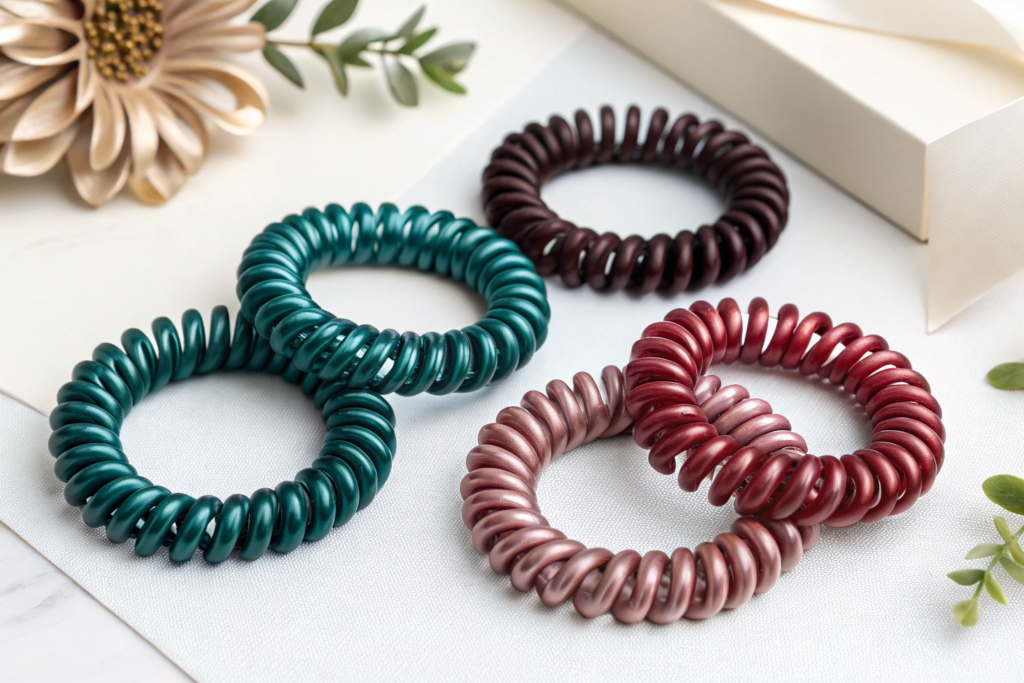
Spiral or coil hair ties are another excellent choice for the curly hair market. Their unique telephone-cord shape distributes pressure unevenly across the hair, which means they can hold a ponytail or bun securely without being too tight. This design helps to avoid the dreaded ponytail bump and reduces the risk of tension headaches, a common complaint with traditional elastics. Because they don't apply a single, sharp line of pressure, they are much less likely to leave creases in the hair, allowing for more versatile styling. They are typically made from a smooth, waterproof plastic like polyurethane, which makes them hygienic and perfect for use during workouts or swimming. These features have made them a favorite among those who need a reliable hold without sacrificing comfort or hair health. You can see their popularity reflected across major beauty retailers like Sephora.
How to Verify Supplier Quality Control?
You've found a potential supplier and their products look promising, but a nagging thought remains: how can you be sure their quality is consistent? The fear of receiving a shipment of poorly made hair ties that break easily or snag hair is real. This risk can lead to financial loss, customer complaints, and damage to your brand's reputation, making you wary of placing a large order.
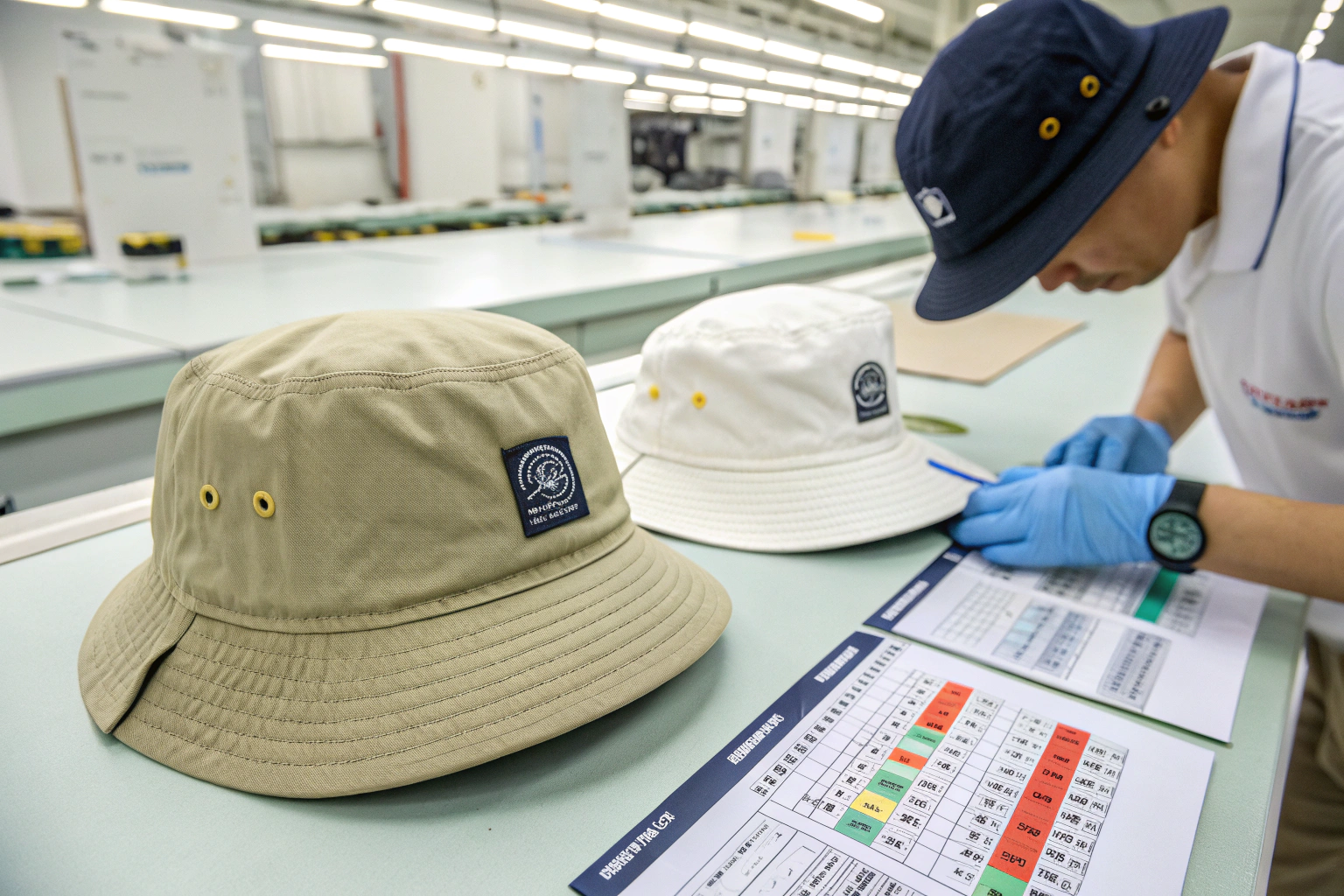
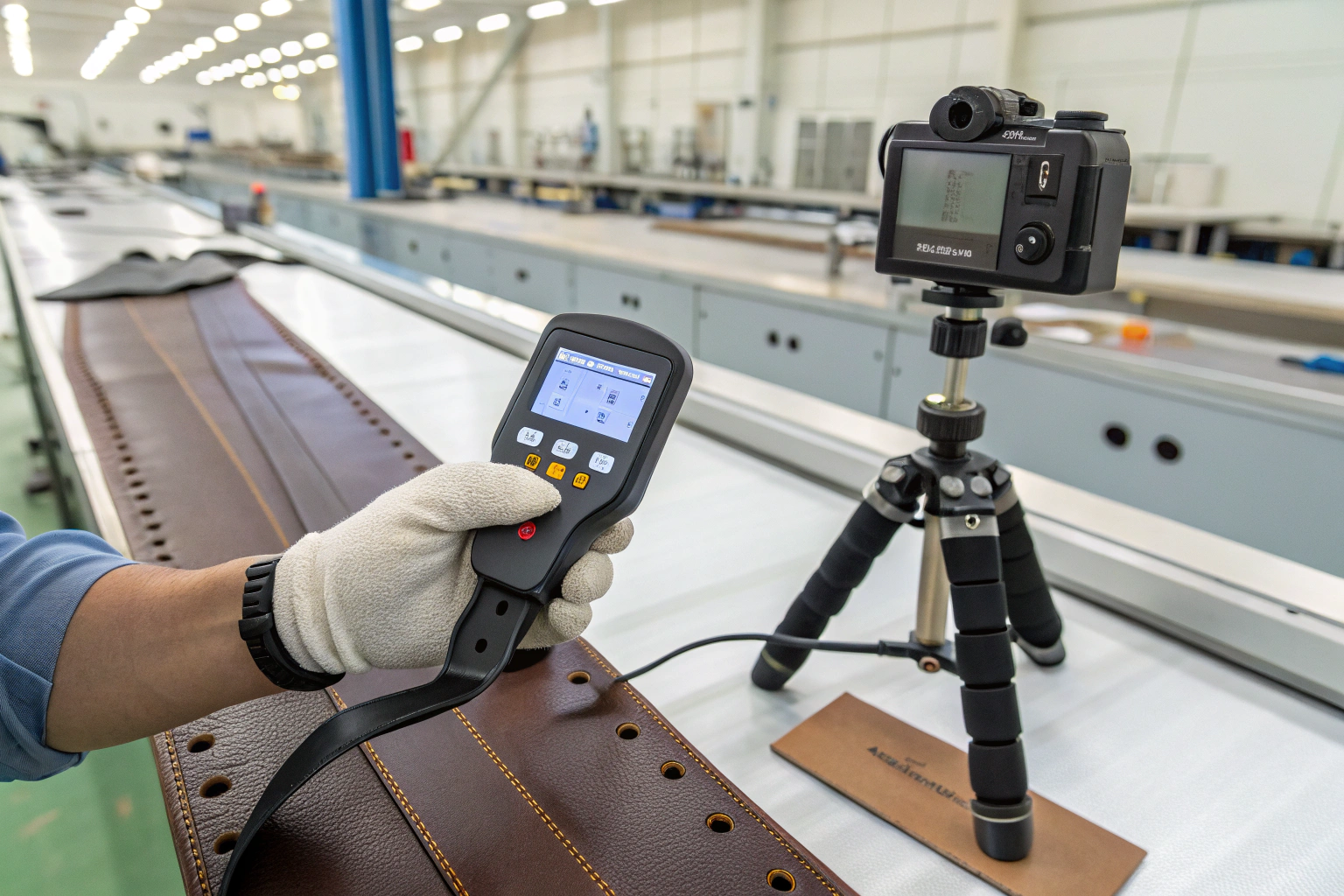
The solution is to implement a clear and thorough quality verification process. A trustworthy manufacturer will not only welcome this scrutiny but will also have their own robust quality control (QC) systems in place. You should look for suppliers who can provide detailed information about their QC procedures, offer third-party inspection reports, and are willing to send pre-production samples for your approval.
At our factory, we understand this concern deeply. That's why we have a dedicated QC team that oversees every stage of production, from raw material inspection to final product testing. We believe transparency is key to building long-term partnerships. A reliable supplier acts as an extension of your own team, ensuring that every product that reaches your customer meets the high standards you've set. This commitment to quality is a cornerstone of our service at AceAccessory. Before you commit, it's also wise to understand the logistics and tariff implications.

What certifications should a factory have?
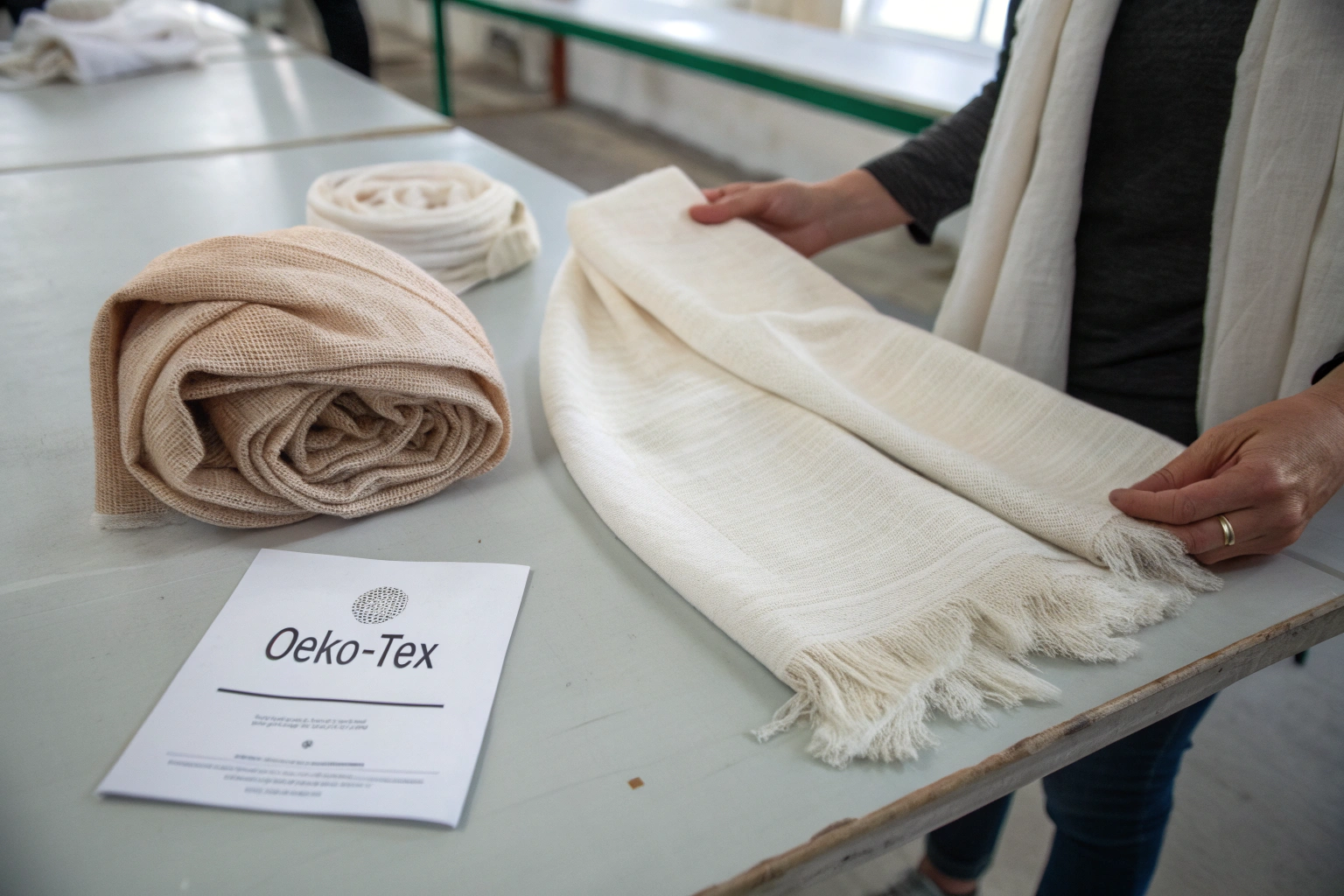
When vetting a supplier, ask about their certifications. Certifications from internationally recognized bodies are a strong indicator of a factory's commitment to quality, safety, and ethical practices. For example, an ISO 9001 certification demonstrates that the supplier has a well-documented and effective quality management system. This means they have standardized processes to ensure consistency and continuous improvement. Another important one is OEKO-TEX Standard 100, which certifies that every component of the product, from the fabric to the thread, has been tested for harmful substances and is safe for human use. This is particularly important for products that come in direct contact with the skin and hair. You can verify certifications through the issuing body's public database, such as the OEKO-TEX label check tool.
How can I test product samples effectively?
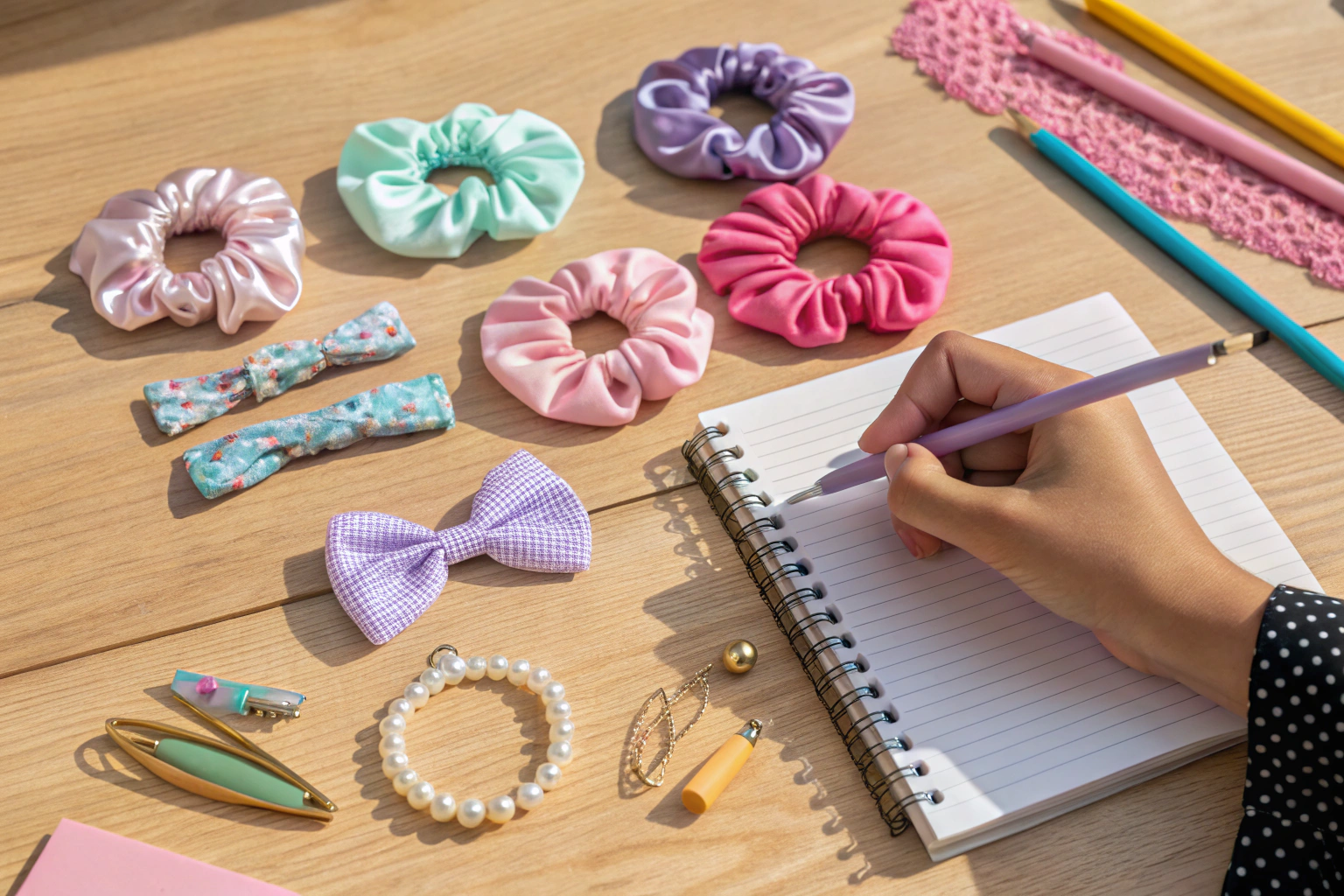
Once you receive pre-production samples, your testing should mimic real-world use, especially for a product like hair ties for curly hair. First, perform a stretch test: stretch the hair tie to its reasonable limit multiple times to see if it retains its shape and elasticity. A good quality hair tie should not snap or become permanently stretched out. Next, conduct a snag test: run the hair tie along a delicate, textured fabric like a pair of nylon stockings or a knit sweater. If it catches or pulls threads, it will likely do the same to curly hair. Finally, wear the hair tie yourself for a full day to assess its hold and comfort. Does it keep hair in place without causing a headache? Does it leave a deep crease? Documenting your findings with photos and notes will help you provide clear feedback to the supplier and make an informed decision. For more structured testing methods, you can reference consumer product testing guidelines from organizations like Consumer Reports.
How Do I Find the Right Supplier?
You know what kind of hair ties you want, but where do you find a manufacturer who can deliver on quality, price, and reliability? You might spend hours scrolling through Alibaba or walking through massive trade shows, feeling overwhelmed by the sheer number of options. The challenge is cutting through the noise to find a partner who truly understands your market and can meet your specific needs, from design development to timely shipping.
The most effective approach is a multi-channel strategy combined with diligent vetting. While platforms like Alibaba and global trade shows are excellent starting points, supplement them with targeted Google searches for specialized manufacturers. Look for suppliers with a professional website, detailed product information, and a clear focus on the accessories market. A company like Shanghai Fumao Clothing prides itself on having a strong online presence and experienced project managers ready to engage with clients directly.
Finding the right supplier is about building a relationship, not just making a transaction. I've always believed that the best partnerships are built on clear communication and mutual trust. When a client like Ron comes to us, our first goal is to understand his vision and his customers' needs. We act as consultants, leveraging our experience to guide him toward the best materials and designs. This collaborative approach turns a simple sourcing task into a strategic partnership, ensuring the final product is a success. It's also important to discuss payment methods and security early in the conversation.

What are the pros and cons of Alibaba vs. trade shows?
Alibaba offers unparalleled convenience and a massive selection of suppliers at your fingertips. You can compare prices, view product catalogs, and communicate with factories from your office. However, the main drawback is the difficulty in verifying quality and factory conditions remotely. Pictures can be deceiving, and communication can sometimes be challenging. Trade shows, on the other hand, allow you to meet suppliers face-to-face, touch and feel the products, and build a personal connection. This direct interaction is invaluable for judging quality and professionalism. The downside is the significant investment of time and money required to attend, especially for international events like the Canton Fair. A balanced approach is often best: use Alibaba for initial research and then try to meet your shortlisted suppliers at a trade show if possible.
How can AI Sourcing tools help?
In recent years, AI-powered sourcing platforms have emerged as powerful tools for buyers. These platforms go beyond simple keyword searches, using algorithms to match you with suppliers based on a wide range of criteria, including product specialization, certifications, production capacity, and past client reviews. They can analyze vast amounts of data to identify factories that are a perfect fit for your specific needs, such as finding a manufacturer specializing in eco-friendly materials or one with extensive experience exporting to North America. Some advanced tools can even help automate initial outreach and vetting processes, saving you significant time and effort. Platforms like Jungle Scout's Supplier Database are examples of how technology is making it easier to connect with qualified manufacturers globally.
What About Logistics and US Tariffs?
You've found the perfect hair ties and a reliable supplier. But now you're facing the complexities of international shipping and the constant worry about tariffs. Will your shipment get delayed at the port? Will unexpected import duties erase your profit margins? These logistical hurdles can be a major source of stress and can make or break the financial success of your product launch.
The key is to partner with a manufacturer who is not just a production expert, but also a logistics specialist. A seasoned supplier will have a deep understanding of international shipping, customs clearance, and tariff regulations. They can offer various shipping solutions (like FOB, CIF, or DDP) and provide accurate, all-inclusive quotes that prevent unpleasant surprises. This expertise ensures your products move smoothly from the factory floor to your warehouse.
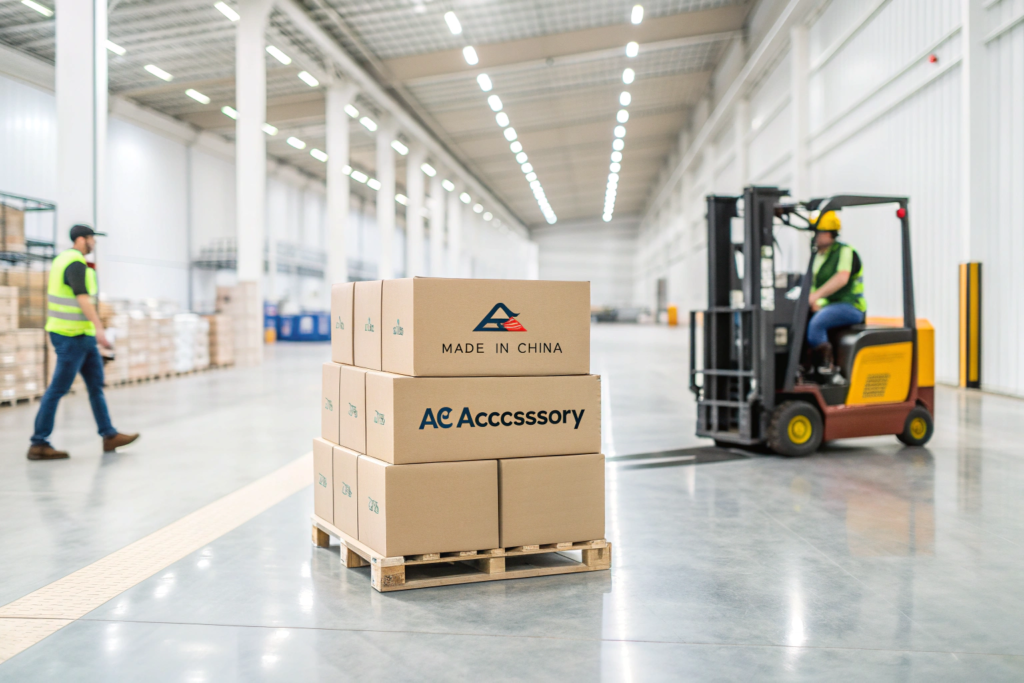
Over the years, we've helped countless clients in Europe and North America navigate these challenges. We've seen how volatile shipping schedules and tariff policies can be. That's why our project managers provide proactive updates and transparent cost breakdowns. We work with a network of trusted freight forwarders to secure reliable sailing schedules and manage all customs paperwork. Our goal is to make the shipping process as seamless and predictable as possible, so you can focus on selling, not worrying about logistics. This is a critical part of the service we provide, just as important as verifying supplier quality control.
How can I minimize tariff costs?
Navigating U.S. tariffs, particularly those related to Section 301 duties on Chinese goods, requires a strategic approach. First, ensure your products are correctly classified with the right Harmonized Tariff Schedule (HTS) code. An experienced supplier or a customs broker can help with this, as misclassification can lead to penalties. Some products may be eligible for tariff exclusions, so it's worth checking the latest updates from the U.S. Trade Representative (USTR). Additionally, discuss with your supplier whether any components can be sourced from countries not affected by the tariffs, which can sometimes alter the product's country of origin for customs purposes. A knowledgeable supplier will be your best asset in legally minimizing tariff impact.
What are the safest payment methods?
When dealing with international suppliers, payment security is paramount. For new relationships, using a Letter of Credit (L/C) is one of the most secure methods. It's a guarantee from a bank that the supplier will receive payment once they've met the conditions outlined in the L/C, such as providing proof of shipment. However, L/Cs can be complex and involve bank fees. A more common and balanced approach is a Telegraphic Transfer (T/T) with a split payment schedule, typically 30% upfront to start production and the remaining 70% upon completion and before shipment, often after you've approved a quality inspection report. For smaller orders or samples, platforms like PayPal or Alibaba Trade Assurance offer good buyer protection, holding your payment in escrow until you confirm satisfactory receipt of the goods. You can learn more about these options on financial education sites like Investopedia.
Conclusion
Choosing the right wholesale hair ties for the curly hair market is a strategic decision that goes far beyond just picking a product. It requires a deep understanding of the right materials like satin and spiral coils, a rigorous process for verifying supplier quality through certifications and sample testing, and a smart approach to sourcing and logistics. By focusing on these key areas, you can confidently select products that will not only delight your customers but also build a loyal following for your brand. The journey from concept to customer is filled with details, but partnering with an experienced and transparent manufacturer can make all the difference.
At Shanghai Fumao Clothing, we've built our business on being that reliable partner. We combine our modern manufacturing capabilities with a team of dedicated project managers who provide the timely, professional service you need to succeed. If you're ready to develop a line of high-quality fashion accessories tailored to your market, we're here to help you every step of the way.
Feel free to reach out to our Business Director, Elaine, at her email: elaine@fumaoclothing.com to start the conversation about your next order.