For a fashion accessory buyer today, sourcing isn't just about cost and style—it's increasingly about conscience. The demand for sustainable products is surging, and brands are under pressure to prove their environmental credentials. Finding a reliable, high-volume supplier for eco-friendly accessories can feel daunting, often involving a trade-off between your sustainability goals and commercial realities. The good news? The landscape of sustainable manufacturing is richer and more accessible than you might think.
You can find eco-friendly bulk fashion accessories through specialized B2B platforms, dedicated sustainable material databases, and by partnering directly with manufacturers who have integrated circular economy principles into their core operations. The most strategic approach combines sourcing specific finished products with leveraging comprehensive resources to develop your own sustainable line, ensuring both authenticity and scalability for your brand.
Let's explore the different avenues available, from quick-purchase platforms to deep development partnerships, so you can build a supply chain that aligns with your values and business needs.
How to Source Ready-Made Sustainable Accessories Online?
When you need to stock up quickly or test a new sustainable product line, online B2B marketplaces and wholesale platforms are your most direct tools. These platforms connect you with manufacturers and brands that already have eco-friendly products in production, often with set minimum order quantities (MOQs) and clear certifications.
The most efficient way to source ready-made sustainable accessories is through large B2B platforms like Alibaba, using specific eco-certifications as search filters, and through curated wholesale marketplaces that pre-vet brands for their sustainability practices. This method offers speed, variety, and transparent compliance information, allowing you to verify claims before engaging with a supplier.
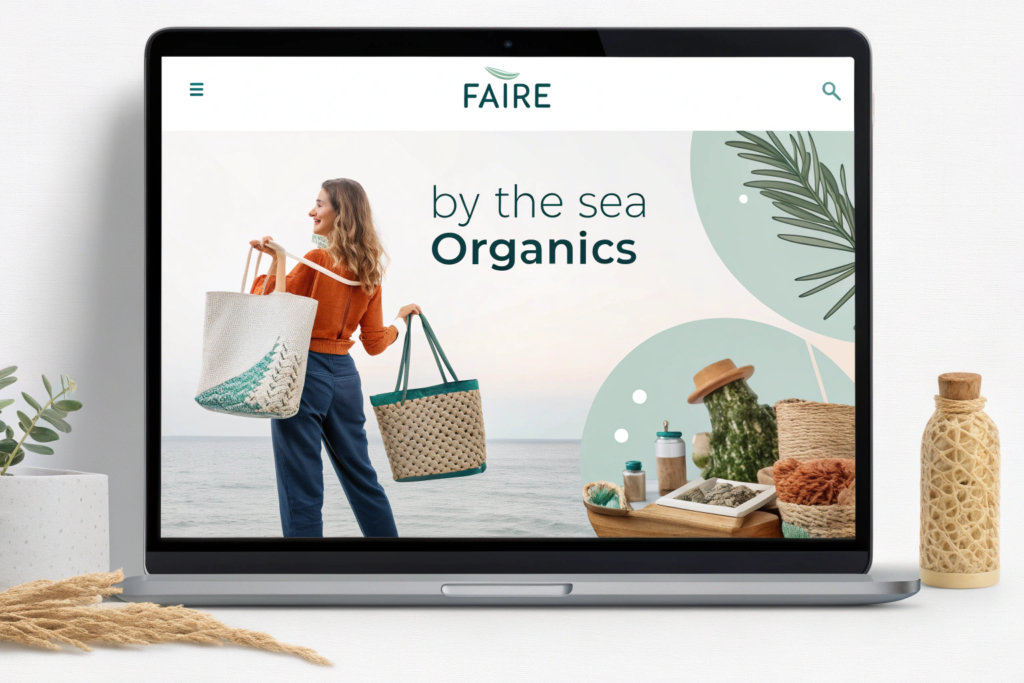
For instance, on Alibaba, you can find suppliers offering accessories made from materials like Global Recycled Standard (GRS)-certified recycled polypropylene (rPP) for bags, or combinations of organic cotton and other sustainable materials. The key is to use precise keywords such as "GRS certified," "eco-friendly," "organic cotton," or "recycled" alongside your product search. Always review the supplier's listed certifications and product specifications in detail. For a more curated experience, platforms like Faire feature wholesale brands such as By The Sea Organics, which specializes in zero-waste accessories made from factory scraps. These platforms often aggregate smaller, mission-driven producers.
What Should You Look for in a Supplier's Product Listing?
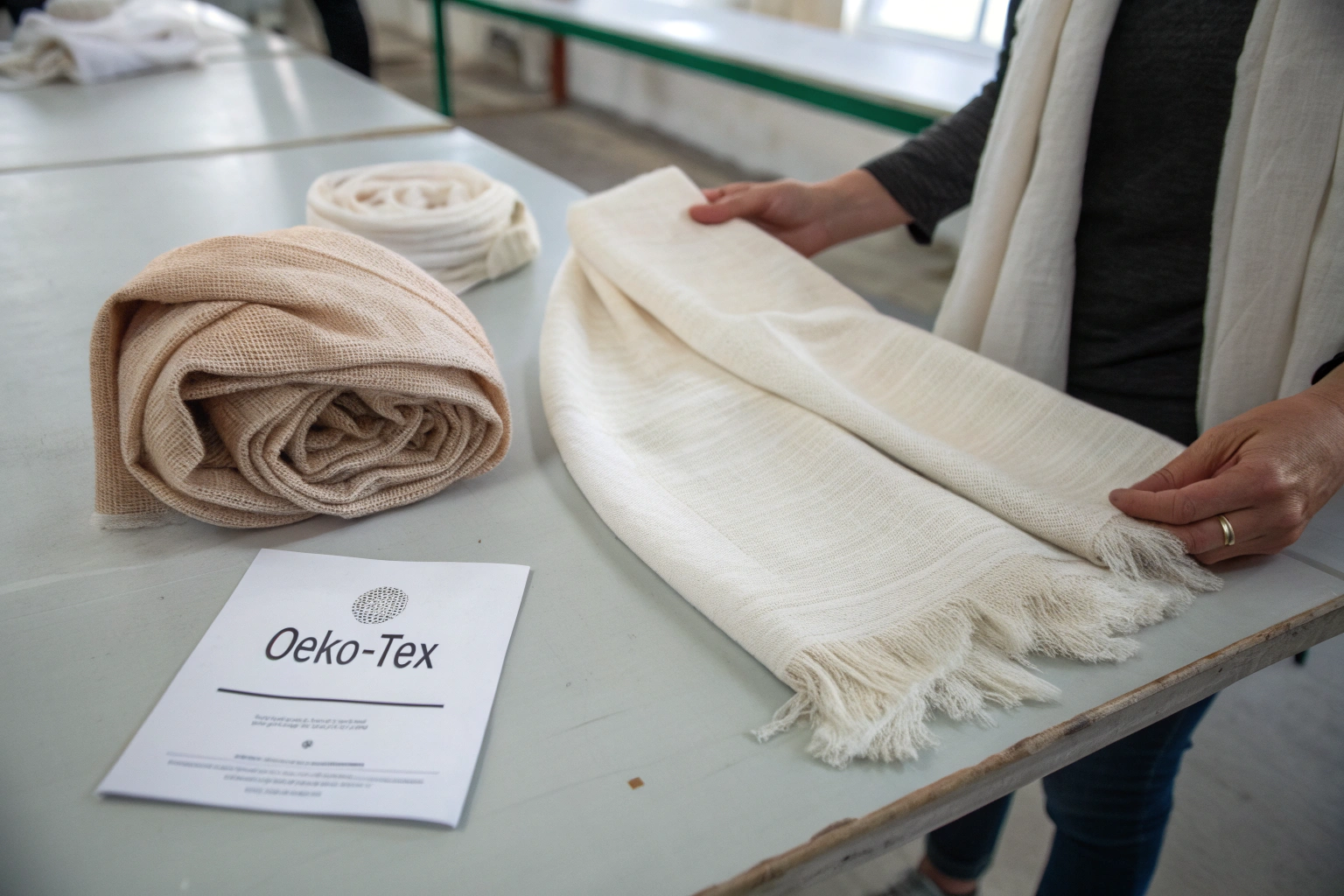
Beyond the attractive product images, focus on the hard data. Reliable suppliers will transparently list relevant eco-certifications. The Global Recycled Standard (GRS) is a crucial one to look for, as it tracks recycled content through the supply chain. Also, examine the material breakdown. A listing that specifies "98% organic cotton and 2% recycled elastane" or details the use of upcycled leather scraps is more credible than one that just says "eco-friendly fabric." Finally, check the MOQ to ensure it aligns with your needs, whether you're testing with 1000 units or committing to larger volumes.
How Can You Verify Sustainability Claims Before Ordering?
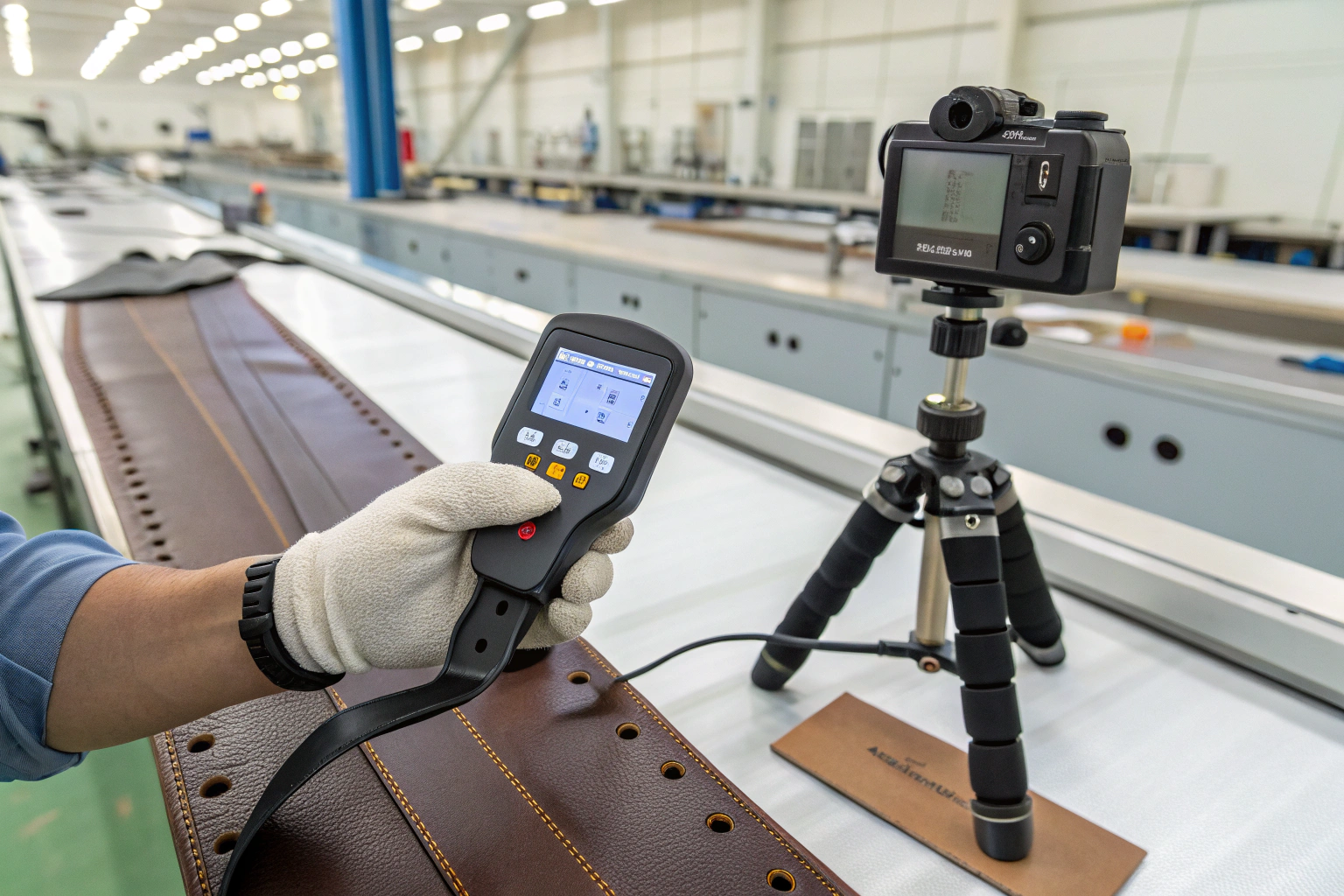
To avoid greenwashing, proactive verification is essential. First, directly request the certification documents from the supplier. Second, use sample orders strategically. Many suppliers offer the option to purchase single, non-customized pieces so you can assess the quality and true nature of the materials firsthand. Third, investigate the supplier's company profile for other indicators of commitment, such as membership in organizations like the Fair Labor Association or detailed information about their production processes. This due diligence protects your brand's reputation.
Where Can You Find Materials to Develop Your Own Eco-Friendly Line?
If your goal is to create unique, branded accessories, sourcing sustainable materials directly gives you maximum control over design and authenticity. This path is ideal for brands with dedicated design teams looking to innovate. A wealth of specialized databases and global suppliers cater specifically to this need.
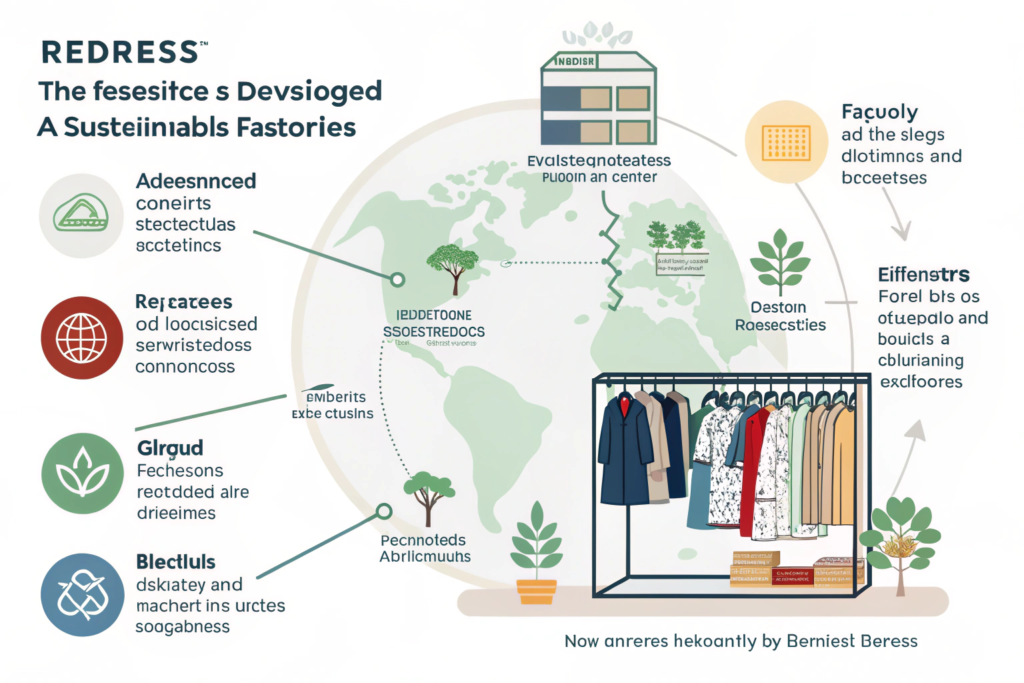
The most comprehensive resource for developing your own line is dedicated sustainable material directories, such as the one curated by Redress, which connect brands directly to global suppliers of everything from recycled fabrics to innovative biomaterials. These directories function as a curated gateway to the world of advanced sustainable textiles and components, far beyond generic marketplaces.
The Redress Sustainable Materials Directory is an exceptional tool. It lists suppliers and platforms worldwide that offer materials like GOTS-certified organic cotton, recycled nylon (e.g., Econyl), banana plant fiber (Bananatex®), and even fabrics made from recycled ocean plastic. It includes platforms like Nona Source (an LVMH initiative for reselling luxury deadstock fabric) and Upcybom, which connects brands with factories for upcycling strategies. For specific components like leather, you can find innovators like Hyer Goods, which creates accessories using upcycled leather scraps from tanneries. Using such a directory, you can discover sustainable manufacturers and materials that would be difficult to find through conventional search engines.
What Types of Sustainable Materials Are Available for Accessories?
The range is vast and growing. For bags and hats, consider durable fabrics like Bananatex® (made from banana plants) or rPP (recycled polypropylene). For scarves, wraps, and clothing, options include Tencel™ Lyocell (from sustainably sourced wood), organic cotton, and recycled wool. For trims and details, look for recycled metal zippers and threads from recycled or organic sources. Innovative materials are also emerging, such as MIRUM®, a leather alternative made from natural materials, and fabrics colored with low-impact, non-toxic dyes.
How Do You Source Small-Batch or Deadstock Materials?
For limited editions or to further reduce waste, sourcing deadstock (leftover) materials is a brilliant strategy. Platforms listed in directories like Redress's are perfect for this. Circle Supply offers products made from exclusive deadstock fabrics. Last Yarn is a social sales platform connecting designers with surplus materials from mills. Hyer Goods explicitly builds its business model on using upcycled leather and fabric scraps. Sourcing this way often requires more flexibility in design, as quantities are limited, but it results in truly unique products with an excellent sustainability story. This aligns with the principles of a circular economy, which is central to the mission of leading-edge brands and organizations in the sustainable fashion space.
Why Partner with a Manufacturer Committed to Circular Systems?
While sourcing individual products or materials is a great start, building a long-term competitive edge often means partnering with a manufacturer that has sustainability woven into its business model. These partners don't just offer a "green" product line—they operate on circular economy principles, aiming to eliminate waste and regenerate natural systems.
Partnering with a manufacturer committed to circular systems future-proofs your supply chain by ensuring deep, verifiable sustainability practices, innovation in material use, and alignment with evolving regulations and consumer expectations. This type of partnership moves beyond transaction to collaboration, offering access to R&D and scalable sustainable solutions.
Look for manufacturers that report measurable impact, such as saving billions of liters of water or recycling millions of plastic bottles. They often invest in programs like "Upcycling the Oceans," which turns recovered fishing nets into yarn, or focus on regenerative agriculture that improves soil health. These practices are complex and go far beyond surface-level claims. Collaborating with such a partner, like the approach we take at Shanghai Fumao Clothing, means your brand benefits from this deep expertise. You gain access to materials and processes that are difficult to replicate, creating a authentic and defensible market position.

What Are the Hallmarks of a Truly Circular Manufacturer?
A circular manufacturer's commitment is evident in several key areas. First, they use high percentages of recycled or renewable materials across their entire product range. Second, they hold advanced certifications like GRS for recycling and have transparent tracking. Third, they design for longevity and end-of-life, avoiding overproduction and excessive discounting. Finally, they often pursue broader certifications like B Corp, which rigorously assesses a company's overall social and environmental performance. These manufacturers view sustainability not as a marketing department but as the core of their innovation and growth strategy.
How Does This Partnership Simplify Your Sourcing and Compliance?
This deep integration simplifies your work significantly. The manufacturer handles the complex tracing of sustainable material supply chains, ensuring certifications are valid and documentation is in order. They are also more likely to be proactive about regulatory compliance, such as upcoming legislation on recycled content or chemical use. Furthermore, their design and development teams can become an extension of your own, suggesting new sustainable materials or construction methods that you might not have discovered independently. This turns the challenge of sustainable sourcing into a strategic advantage, much like the collaborative development process valued by industry-forward entities.
How Do You Tell Your Sustainability Story Effectively?
You've done the hard work of sourcing a genuinely sustainable product. The final step is to communicate that value to your customers.
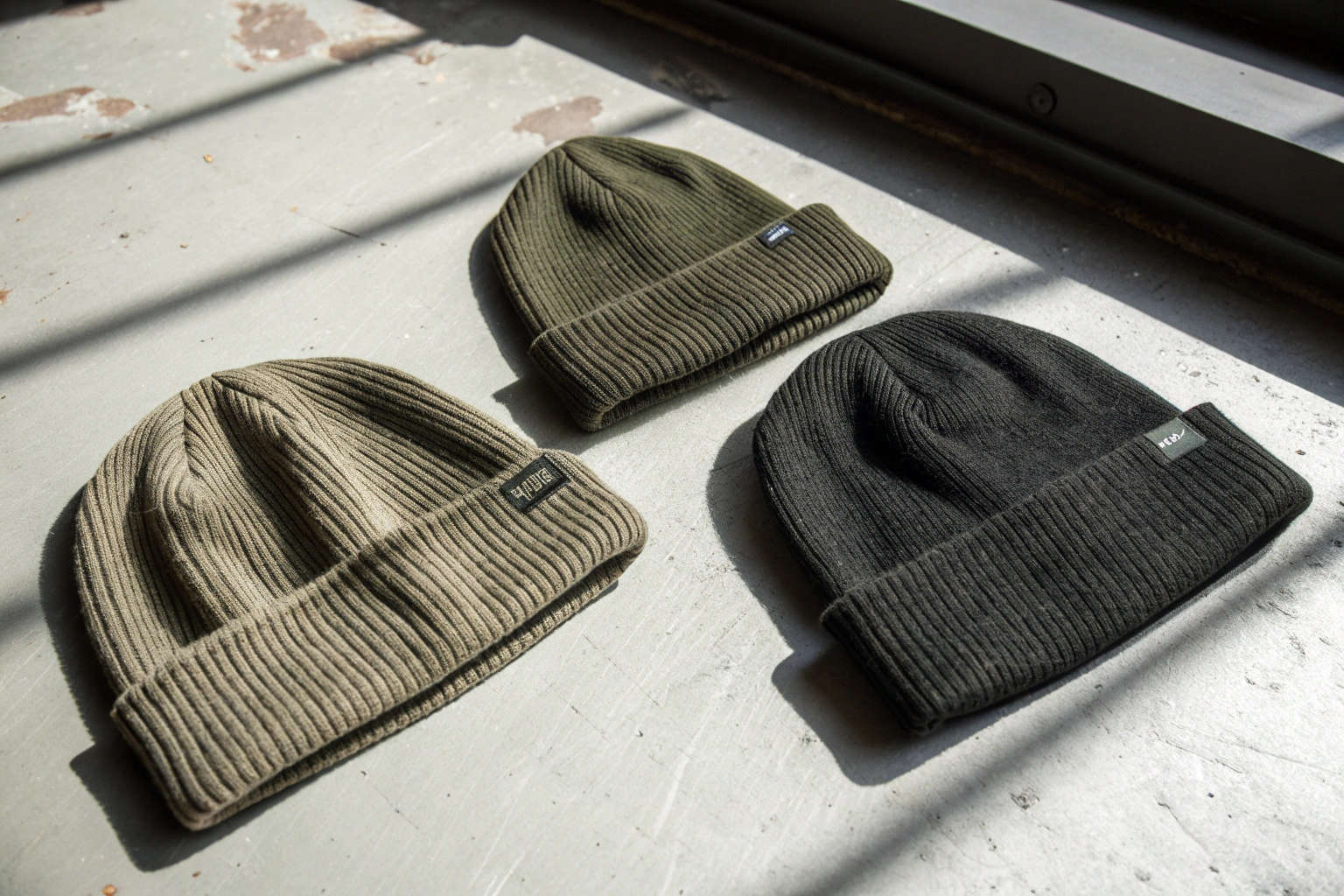
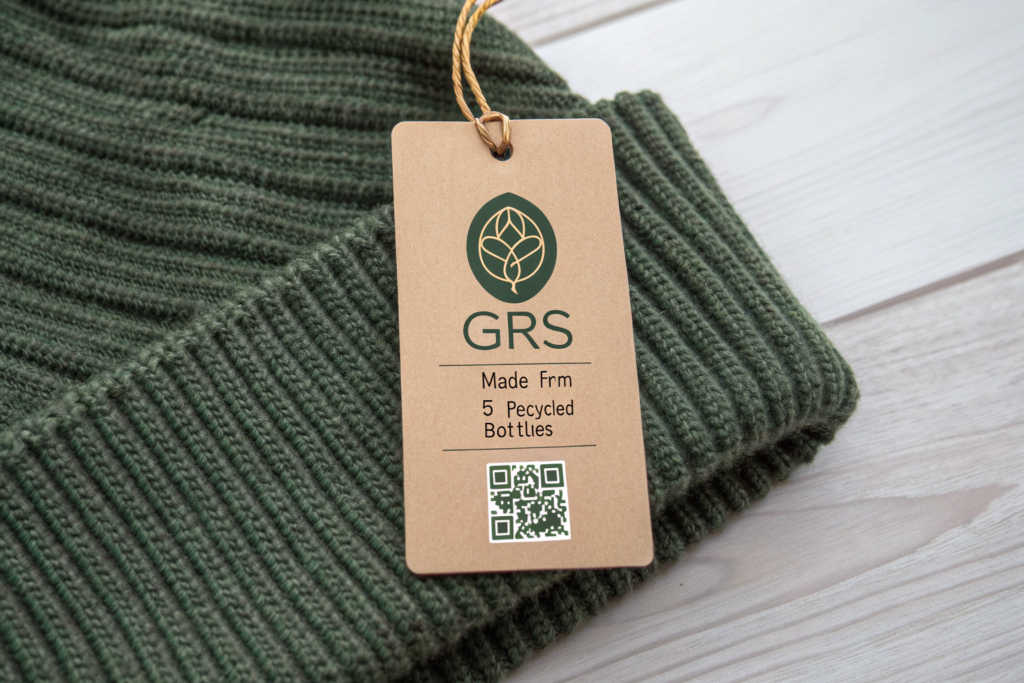
You tell your sustainability story effectively by being specific, transparent, and using the credibility of the third-party certifications. Don't just say "eco-friendly." Say "This beanie is made from 100% GRS-certified recycled polyester, which diverted 5 plastic bottles from the landfill."
This is how you get credit for your investment in sustainability.
- Use the Logos: The GOTS and GRS organizations have official logos that you are allowed to use on your packaging and marketing if your product is certified. This is a powerful visual cue for your customers.
- Be Specific on Hangtags: Use the hangtag to tell the story. A simple infographic showing a plastic bottle turning into a beanie is incredibly effective.
- Educate on Your Website: Have a dedicated page on your website that explains what the certifications mean and why you chose to use these materials. Link to the official certification websites (like the GOTS website) to show transparency.
By being specific and transparent, you build trust and allow your customers to feel good about their purchase.
Can you just use the logos without being certified?
No. This is trademark infringement and can get you into serious legal trouble, including potential fines, lawsuits, and damage to your business reputation. You must go through the proper certification process with your manufacturing partner to earn the right to use the official logos. This process typically involves rigorous quality checks, adherence to strict production standards, and formal approval from the trademark owner, ensuring that every product bearing the logo meets the required specifications and maintains the integrity of the brand.
Does telling the story help sales?
Absolutely. A comprehensive study conducted by Nielsen, a leading global information and measurement company, revealed that a significant majority—73%—of consumers worldwide indicate they would definitely or probably alter their purchasing behaviors and consumption habits in order to minimize their negative impact on the environment. This statistic underscores a profound shift in consumer priorities, where environmental responsibility is increasingly becoming a central consideration in decision-making processes. A clear, compelling sustainability story—one that transparently communicates a brand's efforts, initiatives, and commitment to eco-friendly practices—serves as a powerful and influential purchasing driver.
Conclusion
Finding reliable sources for eco-friendly bulk fashion accessories is a multi-faceted journey that ranges from quick online purchases to forming deep, strategic manufacturing partnerships. The most effective strategy involves leveraging B2B platforms for ready-made goods, utilizing specialized material directories for custom development, and ultimately seeking out manufacturers with circular economy principles at their core for long-term growth. This layered approach ensures you can meet immediate needs while building a resilient, authentic, and scalable sustainable supply chain.
The future of fashion is transparent, responsible, and circular. Aligning your brand with partners who share this vision is no longer just an ethical choice—it's a smart business imperative that builds trust with consumers and secures your place in the market.
If you are looking to develop your own line of eco-friendly fashion accessories with a partner who understands this holistic approach, we invite you to contact our team. At Shanghai Fumao Clothing, we combine sustainable material expertise with efficient production to bring your responsible designs to life. You can reach our Business Director, Elaine, directly to start the conversation at: elaine@fumaoclothing.com.