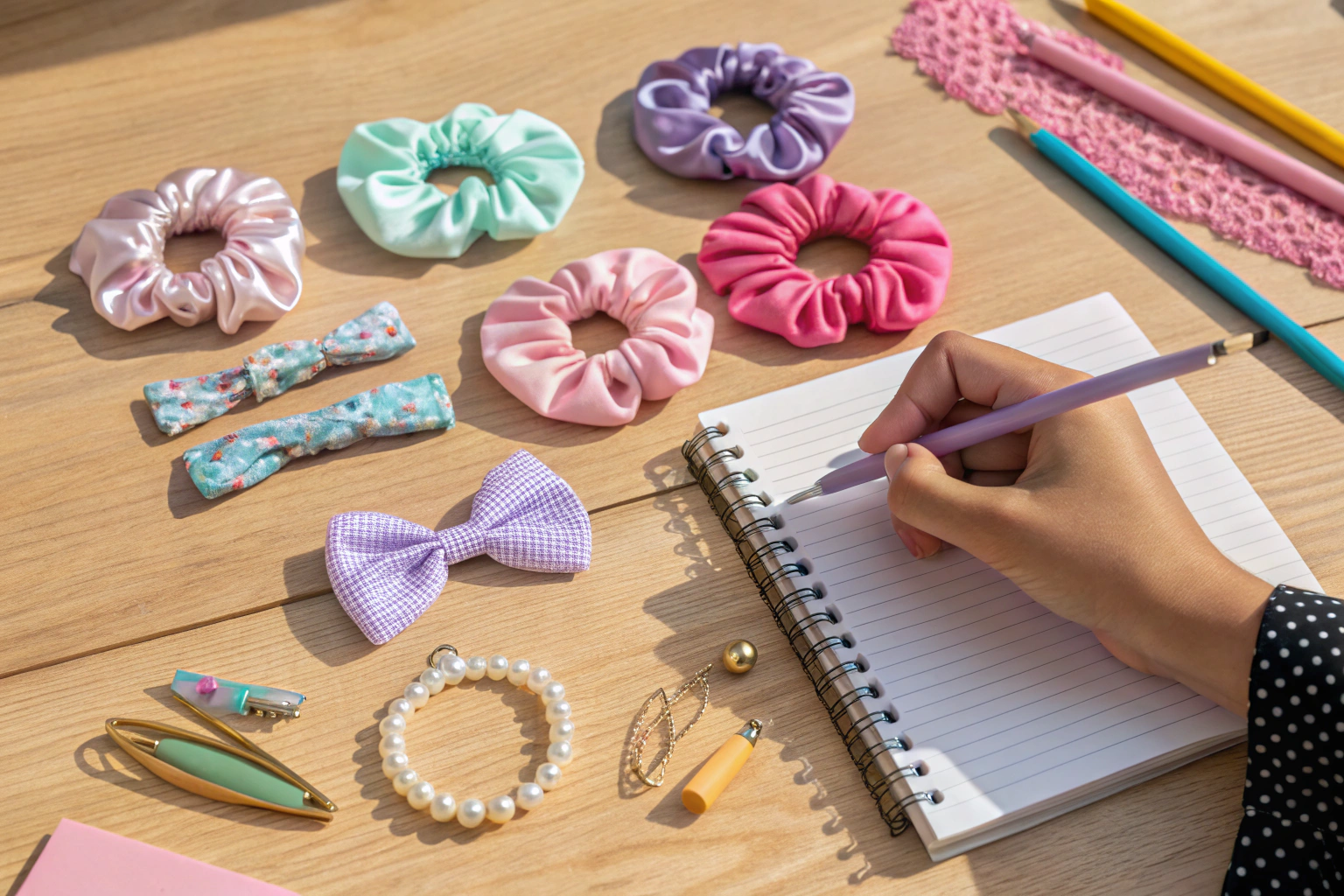
Are you a parent or a buyer for a children's brand? Have you ever worried about the safety of a cute hair clip or a colorful headband? You notice a small part feels loose. Or the color seems too bright. These small concerns point to a critical issue: regulatory compliance. Children's products are governed by strict safety rules. Ignoring them risks child safety and brand reputation. It also brings legal liability.
Safety regulations for children's hair accessories focus on three main hazards. They prevent mechanical hazards like small parts that cause choking. They control chemical hazards from substances like phthalates. They also manage flammability risks. In markets like the U.S. and EU, compliance with standards like CPSIA and EN 71 is mandatory. These rules require third-party testing and certification from an accredited lab before sale.
Understanding these rules is key for any buyer. At Shanghai Fumao Clothing, we treat safety as our top priority. Our quality control team ensures every children's order meets these strict standards. This includes items like hair bands and hair clips. Knowing these rules helps you build trust with your customers. Let's explore what you must know and verify.
What Mechanical Safety Tests Must Children's Hair Accessories Pass?
A beautiful bow detaches. A gem pops off a clip. To a child, these are new objects to mouth. This is why mechanical safety is the first line of defense. Regulations target choking and ingestion risks. They also cover strangulation and laceration. Failing these tests is a common cause of recalls for children's accessories.
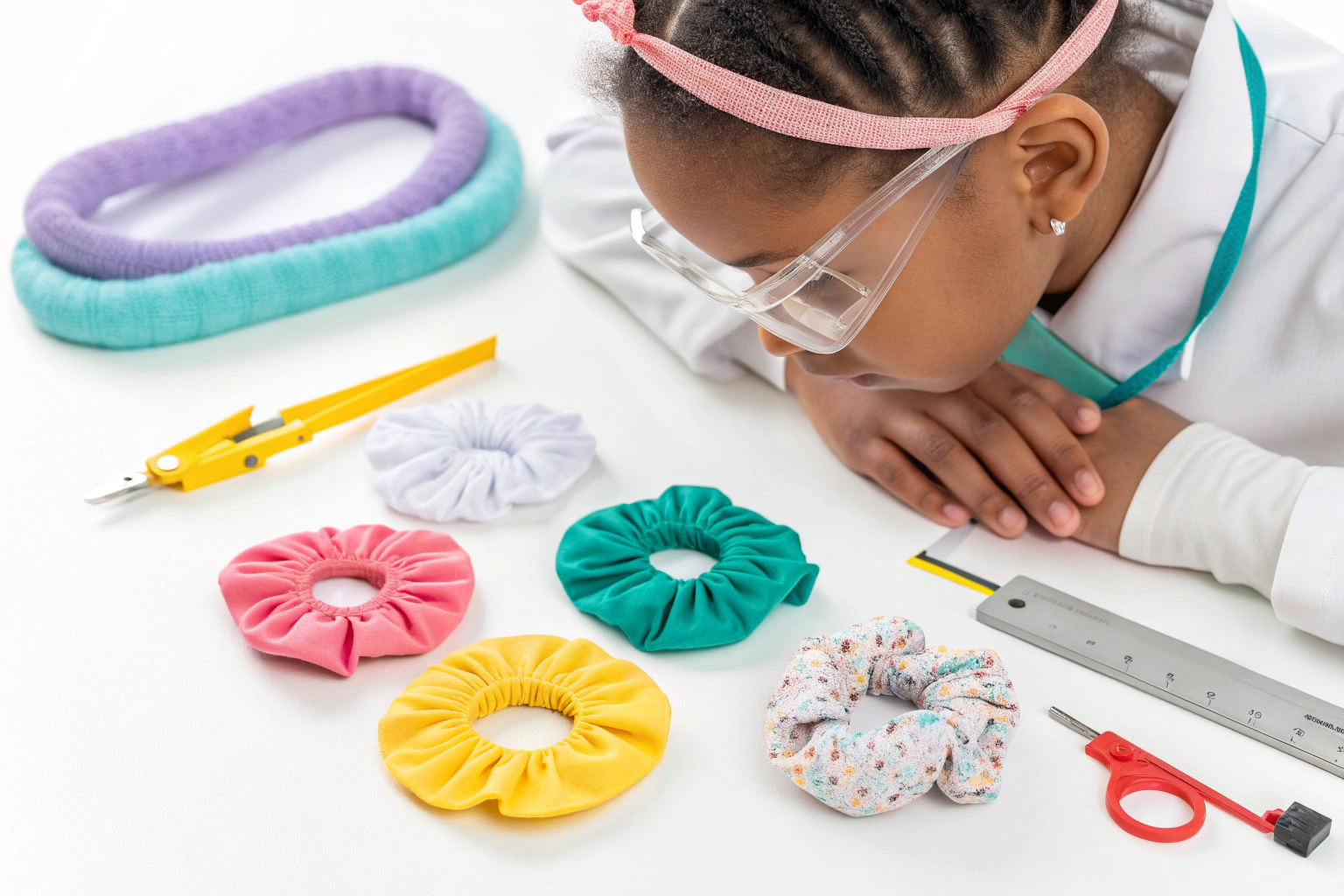
Children's hair accessories must pass strict mechanical safety tests. They are tested for small parts, sharp points and edges, and abuse resistance. The small parts test is the most important. Any part that detaches during testing must not fit inside a special test cylinder. This cylinder mimics a child's throat. Also, accessories must have no sharp points that puncture skin. They must have no sharp edges that cut. A good manufacturer designs products to pass these tests from the start.

How is the Small Parts Cylinder Test Applied?
The small parts cylinder is called the "choke test cylinder." Its size is set by standards like ASTM F963 in the U.S. and EN 71-1 in Europe. Our design process checks this from the beginning. For example, we avoid tiny beads on a hair band. If a decoration is needed, we make sure it is permanently attached. We test it with torsion and tension pulls. This proactive design prevents failures at the official third-party lab stage. It ensures safety and saves cost.
What Does "Use and Abuse" Testing Involve?
"Use and abuse" testing simulates rough handling by a child. It involves pulling, twisting, and biting components. For a hair clip, we apply force to the clasp. For a headband, we try to pull off decorations. Material strength and construction quality are key here. We use strong springs for clips. We choose high-strength adhesives. Knowing these tests lets us build durability into the product. This leads to safety and customer satisfaction. The Consumer Product Safety Commission (CPSC) gives clear guidelines on these tests.
Which Chemical Substances Are Restricted in Kids' Accessories?
The vibrant pink dye on a bow could be a risk. The soft plastic of a clip might have harmful chemicals. Global regulations limit these substances in children's products. Compliance is not visible. It is only proven through lab analysis.
Key restricted chemicals include phthalates, lead, and formaldehyde. In the U.S., the CPSIA sets strict limits. For example, lead must be below 100 ppm in any part a child can touch. The EU's REACH regulation lists many banned substances. As a maker, we must use safe raw materials. We also control our production process to prevent contamination. This requires strict supply chain management.

Why is Phthalate Testing So Critical for Plastic and PVC Items?
Phthalates soften plastics like PVC. They are found in some plastic hair clips. Certain phthalates are banned above 0.1% in children's products. We avoid this by using non-PVC materials. We choose thermoplastic elastomers (TPE) or fabrics instead. For any plastics we use, we check Material Safety Data Sheets (MSDS) from suppliers. We also do random batch tests as part of our quality control. This ensures no restricted phthalates are present.
How Do We Ensure Compliance for Painted and Dyed Items?
Surface coatings and dyes can have heavy metals. Our strategy has many steps. First, we buy paints and dyes from trusted suppliers. They must provide test reports for CPSIA and EN 71-3. Second, we control our inventory carefully. We do not mix certified and non-certified materials. Third, for each batch of colored items, we keep samples. We send these samples for third-party testing before shipping. We follow guides like the American Apparel & Footwear Association (AAFA) Restricted Substances List.
What Are the Labeling and Documentation Requirements?
Your hair accessory is safe. But without correct labels and papers, it cannot be sold. Proper labeling and documentation are the product's "passport." They prove compliance to stores and market inspectors.
Required labels and papers include tracking labels with source info. They also need marks like the UKCA mark for Great Britain. A key document is the technical file with test reports. In the U.S., a Children's Product Certificate (CPC) is required by law. The importer must provide it. The manufacturer gives all test data and product details. This lets the importer make a correct CPC.

What Must Be Included on a Permanent Tracking Label?
The U.S. CPSIA needs a permanent tracking label on all children's products. This label must have information to find the product's source. For a pack of hair bands, the label must include: 1) The maker's name (e.g., Shanghai Fumao Clothing), 2) Where and when it was made (e.g., Zhejiang, China, 10/2024), 3) Batch details like a lot number. This "traceability" is vital for recalls if a problem is found. We plan label placement and content during the packaging design phase.
What Constitutes a Compliant Test Report Dossier?
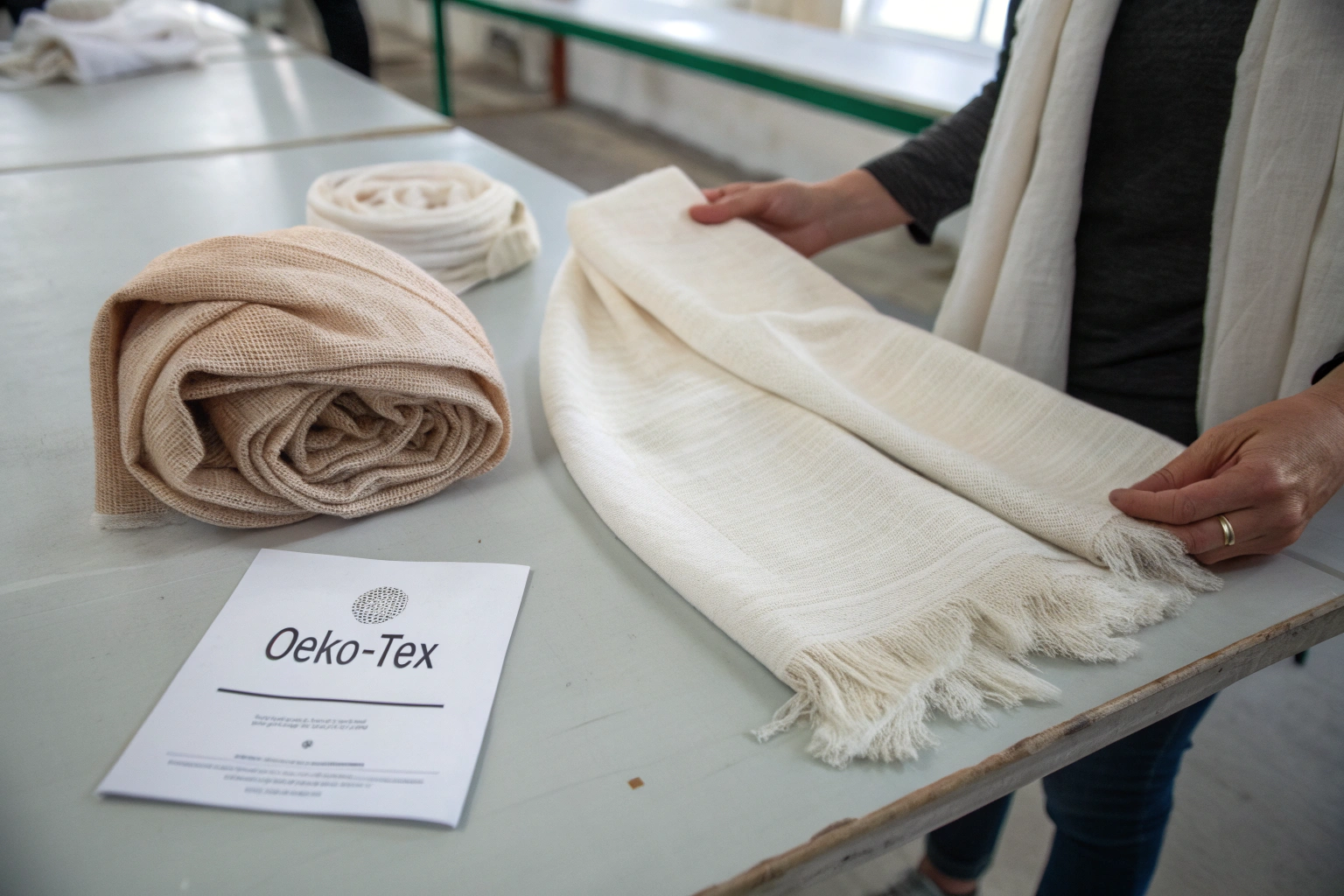
A good test report is more than a "pass" paper. It is a detailed file from an accredited lab. It has: a full product description with photos, a list of all safety rules tested, the test methods used, the results, and sample details. For a multi-style order, we plan testing with the lab to cover all materials. We use representative testing to control costs. We give this full dossier to our clients. It supports their certification and customs clearance. This makes logistics smooth.
How to Choose a Manufacturer That Guarantees Compliance?
The biggest safety risk is picking the wrong maker. A supplier that cuts corners puts your business in danger. Checking a manufacturer means looking at their quality systems. You must check their testing partners and knowledge of rules.
To pick a compliant maker, check their in-house quality system. See if they work with accredited test labs. Look at their material sourcing and paperwork. Ask for proof of past audits from big brands. A good maker like Shanghai Fumao Clothing will explain our quality control steps. We will show sample test reports. We will tell you how we follow new rules. This is part of our professional customer service.
What Questions Should I Ask About Their Quality System?
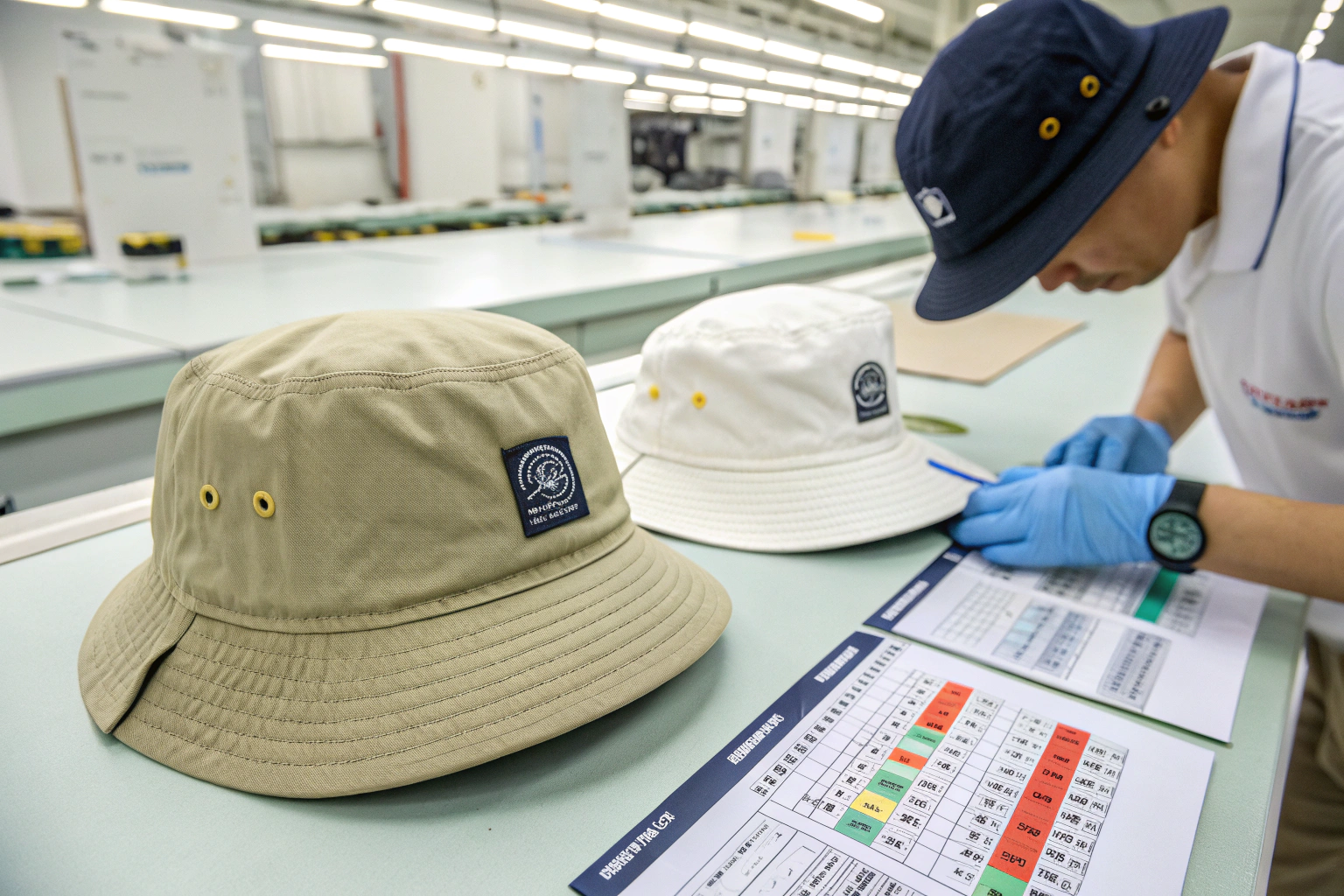
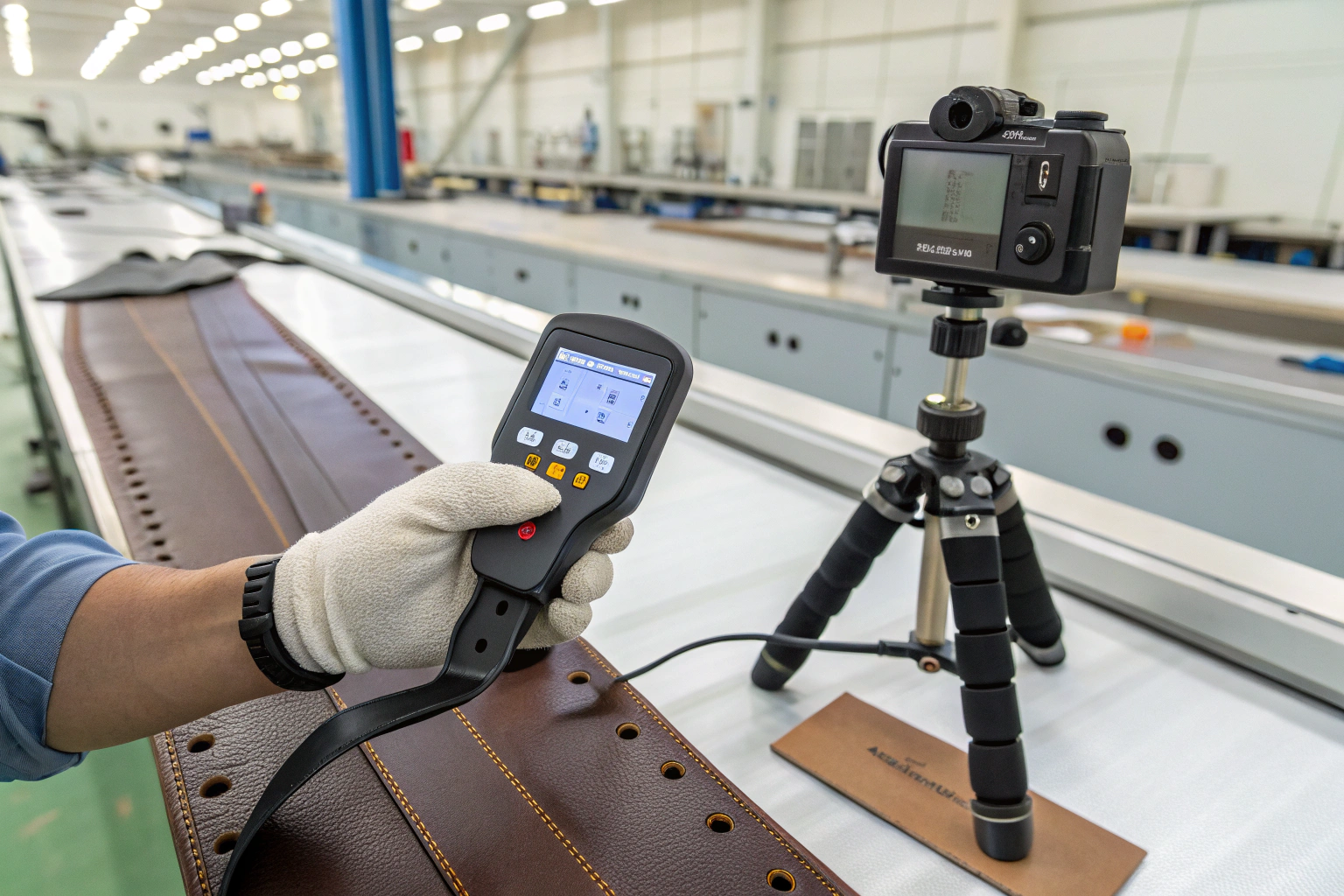
Ask clear, specific questions. "Do you have a team for compliance?" "Can you show your process from material check to final audit?" "How do you make sure the mass product matches the tested sample?" Listen for answers about systems, not random checks. For example, we use a First Article Inspection (FAI) for every new product. We check a pre-production sample against all specs and safety rules. Our modern factory in Zhejiang is built for controlled production. This ensures consistent quality and safety.
Why is the Choice of Testing Laboratory Critical?
The safety certificate's value depends on the lab's accreditation. A reliable maker uses labs recognized internationally. Ask your supplier: "Which labs do you use for CPSIA/EN 71 tests?" We work with major test groups like SGS, Bureau Veritas, and TÜV. This ensures tests are done right and fast. We also learn about rule changes from our lab partners. We follow groups like the American Apparel & Footwear Association (AAFA). This lets us advise clients on new chemical rules or label needs.
Conclusion
Safety rules for children's hair accessories are complex but vital. They protect young consumers. Success here needs a partner with skill, strong systems, and commitment. We must design out hazards. We must source safe materials. We must do exact testing and give perfect paperwork. Each step needs care. The cost of failure is high. It includes recalls, legal trouble, and harm to your brand.
Your choice of manufacturer is the most important step. It decides if safety is built-in or an afterthought. By picking a factory that sees safety as a duty, you get safe products. You also get peace of mind and a stronger brand. Are you looking to make or buy children's hair accessories that meet top global safety standards? Let's talk. Our team can guide you through all needs. Please contact our Business Director, Elaine, to begin. Her email is: elaine@fumaoclothing.com.