As a professional buyer like Ron, you live in a world of creative tension. Your job is to find or develop products that are new, exciting, and different. But you also have a responsibility to place orders for thousands of units that are commercially viable and will actually sell. A creative idea that doesn't sell is just an expensive mistake. This leads to the million-dollar question: How do you know if your creative, innovative accessory idea is a future best-seller or a costly flop before you commit to a massive production run?
To validate the creativity of a fashion accessory, you must move beyond your own intuition and use a structured, data-driven testing process. This involves creating a small batch of "Sales Samples" to test the concept with real buyers and consumers, running targeted social media ad campaigns to measure engagement, and launching a "Minimum Viable Product" (MVP) to gather real-world sales data before committing to large-scale production. This process transforms validation from a guessing game into a strategic analysis.
From my position as a manufacturer, I have seen brilliant creative ideas fail and simple ideas succeed. The difference is almost always in the validation process. The most successful brands are relentless testers. At Shanghai Fumao Clothing, we've structured our development process to support this kind of smart, iterative testing, allowing our clients to de-risk their creativity. Let me show you the professional's playbook for testing your next big idea.
Why Are "Sales Samples" Your Most Powerful Validation Tool?
Before you can test an idea, you need a high-quality, physical version of it. A sketch is not enough. You need a product that looks and feels exactly like the final version.
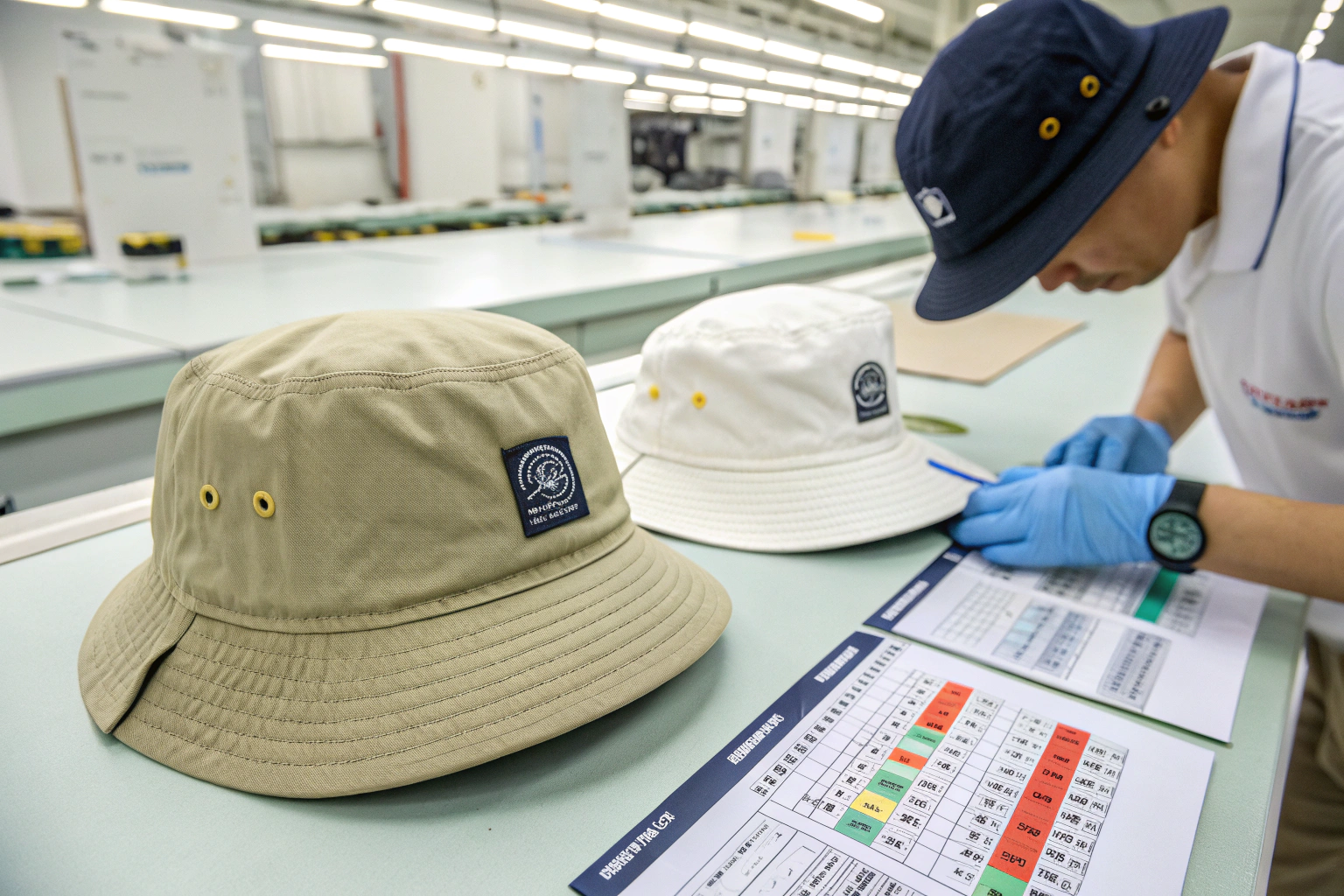
"Sales Samples" are your most powerful tool because they allow you to get tangible, qualitative feedback from the two groups that matter most: professional wholesale buyers and your end consumers. A small batch of 10-20 perfect samples allows you to see how people react to the physical product—its weight, its feel, its function—long before you've produced thousands.
This is the very first step in any validation process. We work with clients to create a small run of "production-quality" samples. These are not rough prototypes; they are perfect, retail-ready examples. With these in hand, you can conduct several critical tests:
- Wholesale Buyer Previews: Show the samples to your key retail partners. Their feedback is gold. If they say, "We'll place an order for that right now," you have a strong signal. If they are hesitant, you need to understand why.
- Focus Groups: Gather a small group of your target customers and let them interact with the product. Listen to their language. Are they excited? Confused? Their candid feedback is invaluable.
- Photoshoots: Use these samples to create high-quality marketing images, which you can then use for digital testing.

What is the difference between a prototype and a sales sample?
A prototype is often a rough, functional model used to work out the basic design and construction, featuring hand-sculpted or 3D-printed components with visible seams, unfinished edges, and perhaps even temporary fastenings like tape or glue.
It may lack the final product's polished finish, with surfaces that are slightly uneven or marked from tool use, yet it serves as a tangible representation to test functionality, ergonomics, and core features—allowing designers and engineers to make adjustments before moving to production.
How many samples do you need?
This depends on your strategy, but a batch of 10-20 units is usually a good starting point. This gives you enough to send to your top 5 retail partners, ensuring each receives 2-4 samples to thoroughly evaluate the product's quality, packaging, and market appeal; keep a few for high-quality photoshoots, where professional lighting and styling can highlight the product's unique features and aesthetic design; and have some on hand for focus groups or other marketing efforts, allowing potential customers to interact with the product firsthand, providing valuable feedback on usability, preferences, and areas for improvement.
How Can You Use Social Media to Test an Idea for Under $500?
You have beautiful photos of your new creative accessory. Now you can test its appeal with thousands of potential customers without even having a single unit of inventory for sale.
You can use social media advertising platforms like Instagram and TikTok to run highly targeted A/B test campaigns. By creating ads that showcase your new product and drive traffic to a "coming soon" landing page, you can measure real consumer intent based on metrics like click-through rate (CTR) and email sign-ups.
This is a fast, affordable, and incredibly powerful validation method. Here's a simple playbook:
- Create Two Ads: Create one ad featuring your new, creative product and another ad featuring a proven, best-selling "control" product.
- Target Your Audience: Use the platform's tools to target the ads to your specific customer demographic.
- Run the Campaign: Spend a small, fixed budget (e.g., $200 on each ad) over a few days.
- Analyze the Results: Compare the click-through rate and the cost per click. If your new creative product gets a similar or higher CTR than your proven best-seller, you have strong evidence that the idea has legs. This data-driven approach is the perfect precursor to launching a Minimum Viable Product.
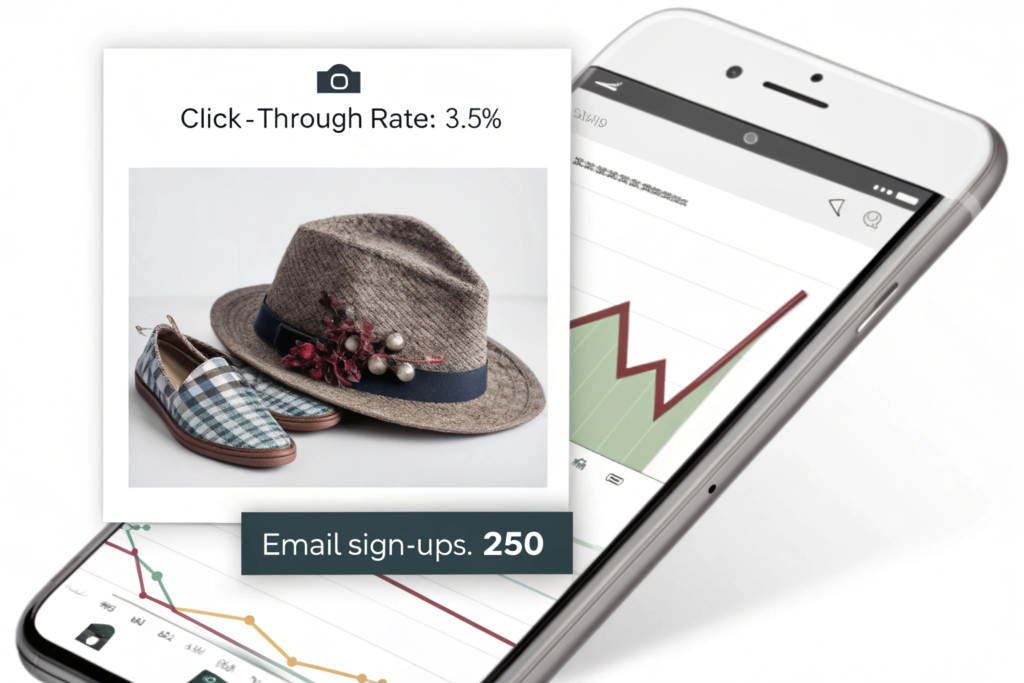
What is a "Coming Soon" page?
This is a simple page on your website that showcases the new product with high-resolution images capturing its sleek design, vibrant color palette, and intricate details—such as the smooth texture of its matte finish and the subtle glow of its LED accents. A brief, engaging description highlights key features: cutting-edge technology, eco-friendly materials, and user-centric functionality, making it clear why this product stands out.
The page has a single, prominent call to action: 'Enter your email to be notified when this product is available.' This CTA is styled with a soft, inviting button color that contrasts gently with the page background, drawing immediate attention.
What is A/B Testing?
A/B testing is a method of comparing two versions of something to see which one performs better. In this case, you are testing your new product (A) against a control product (B). You can learn the fundamentals of A/B testing from digital marketing resources like HubSpot.
What Is a "Minimum Viable Product" and How Do You Launch One?
You've received positive feedback from buyers and your social media tests look promising. The final step before a massive order is a small-scale, real-world sales test.
A Minimum Viable Product (MVP) launch involves producing a small, limited-quantity batch of your new accessory and putting it up for sale on your own e-commerce site. This is the ultimate test, as it moves beyond clicks and comments and asks customers to vote with their wallets. The goal is not to make a huge profit, but to gather crucial sales data.
This is where a flexible manufacturing partner is essential. At Shanghai Fumao Clothing, we can often accommodate a smaller-than-usual initial production run for our long-term clients to support this kind of MVP launch. For example, instead of a standard 1000-piece MOQ, we might be able to do a run of 250-300 pieces. This allows you to test the waters without taking a huge inventory risk. The sales velocity of this small batch will give you the final, definitive data you need to make the go/no-go decision.
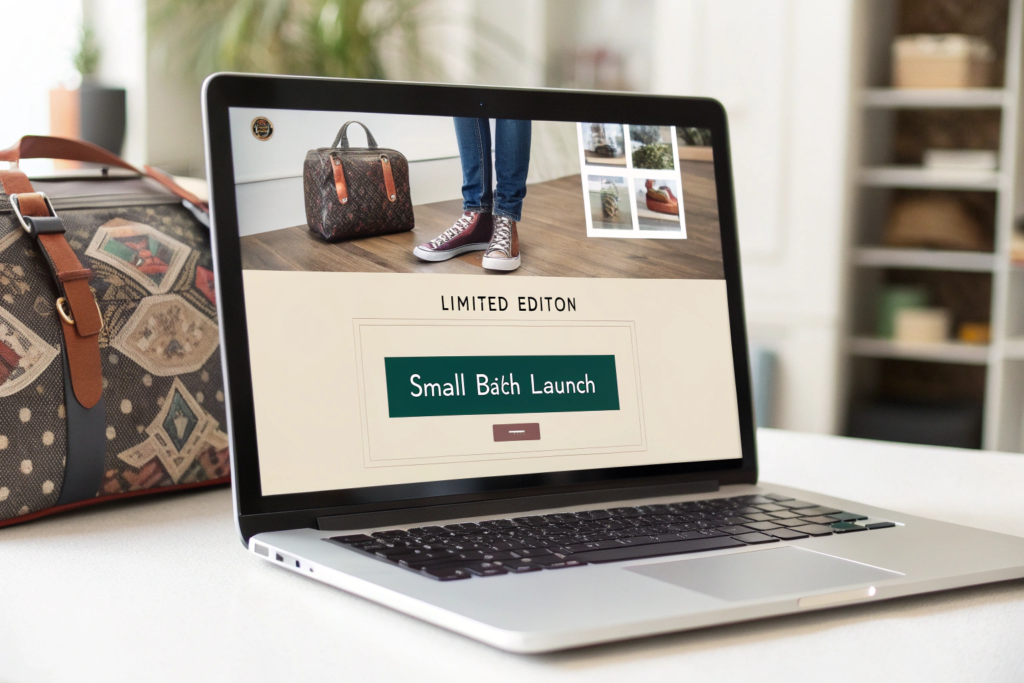
How do you measure the success of an MVP launch?
The key metric is sales velocity. How quickly did the product sell out? If your 250 units sell out in the first week, you have a clear winner—stock shelves empty by Friday, customers rushing to secure their purchase, social media buzzing with excitement and scarcity-driven demand. If it takes three months to sell 100 units, the product may not have the broad appeal you thought it did—slow-moving inventory gathering dust on shelves, customer interest waning, and potential competitors capitalizing on unmet market needs.
How do you position an MVP launch to your customers?
Frame it as an exclusive, 'limited edition' or 'small batch' release. This creates a sense of urgency and scarcity, which can help drive initial sales and makes the test more effective. Craft the narrative around the uniqueness of the product—perhaps highlighting that only 100 units will be available worldwide, each numbered and accompanied by a certificate of authenticity.
How Do You Make the Final "Go/No-Go" Decision?
You've completed your testing. Now you have to synthesize the data and make the final, high-stakes decision to either proceed with a large-scale production order or to shelve the idea.
You make the final "Go/No-Go" decision by evaluating the combined data from all your validation stages. A strong "Go" signal is when you have positive qualitative feedback from buyers, strong quantitative data from your social media tests, and a successful, fast-selling MVP launch.
This should be a rational, not an emotional, decision. Create a simple scorecard for your new product:
- Wholesale Buyer Feedback: (Positive / Neutral / Negative)
- Social Media Ad CTR vs. Control: (Higher / Same / Lower)
- MVP Sell-Through Rate: (Fast / Medium / Slow)
If you have "Positive," "Higher," and "Fast," you have a validated winner. You can now place your large-scale production order with a high degree of confidence. If the results are mixed or negative, it's a sign to pause. It doesn't necessarily mean the idea is dead—it might just need a tweak to the color, the price, or the marketing message—but it does mean it's not ready for a massive investment.

What if the results are mixed?
Mixed results are common in the journey of product development and marketing. For example, the social media ads might perform well, drawing in a steady stream of clicks, shares, and engagement as users are captivated by the sleek visuals, compelling storytelling, and the promise of the product's unique features.
Yet, when it comes to the Minimum Viable Product (MVP) itself, sales might move at a glacial pace, with potential customers adding items to their carts but hesitating to complete the purchase, or simply browsing without converting. This might indicate that people are indeed interested in the idea of the product—the problem it solves, the innovation it brings, or the lifestyle it promises—but the price point feels like a barrier, perhaps perceived as too high given the current value proposition or market positioning.
Is it hard to "kill" a creative idea?
Yes. It can be difficult to let go of an idea you love, with its vibrant colors, unique textures, and the personal passion that went into crafting every detail.
However, the purpose of this process is to separate your personal taste from the commercial viability of a product, to ensure that what resonates with you on an emotional level also has the potential to connect with a broader audience.
Conclusion
Creativity is the lifeblood of the fashion industry, but unvalidated creativity is a huge financial risk. By implementing a structured validation process—starting with high-quality sales samples, moving to affordable social media testing, and culminating in a real-world MVP sales test—you can replace fear and uncertainty with data and confidence. This disciplined approach allows you to take bigger creative swings because you've built a safety net of smart, iterative testing. It's how you find the perfect balance between a creative vision and a commercial success.
At Shanghai Fumao Clothing, we are more than just a factory; we are your strategic partner in this process. We understand the need for flexible, small-batch sampling and MVP runs, and we are structured to support your validation strategy.
If you have a creative idea and are looking for a partner to help you test, validate, and scale it, let's talk. Please contact our Business Director, Elaine, at her email: elaine@fumaoclothing.com, to get started.