Your shawls are ready: beautifully designed, high-quality fabrics that took weeks to perfect. But the journey from your factory to your customer’s warehouse across the ocean is fraught with risks. Rubbing against rough packaging, shifting violently inside a container, or being crushed under heavy loads can turn a pristine shawl into a frayed, unsellable piece in transit.
Fraying during bulk transportation is preventable, but it requires a proactive strategy that starts with meticulous packaging and ends with secure container loading. It’s about understanding that a shawl isn’t just another "soft good"—it’s a delicate textile with edges that are vulnerable to friction, pressure, and snagging throughout the complex logistics chain.
Based on our extensive experience at Shanghai Fumao Clothing, this article will guide you through a systematic, four-part approach to ensure your shawls arrive in perfect condition, saving you from costly returns, damaged brand reputation, and logistical headaches. We’ll cover everything from the first layer of protection to the final securing in the shipping container.
How to Choose the Right Packaging Materials to Protect Shawl Edges?
The battle against fraying is won or lost in the packaging stage. Using generic or insufficient materials is the single biggest cause of edge damage. Proper packaging isn’t a cost—it’s an investment that safeguards your product’s value and your customer’s satisfaction.
Effective shawl packaging follows a "cocoon" principle: creating multiple, gentle layers of protection that immobilize the item and shield its vulnerable edges from all direct contact. This requires moving beyond simple polybags to a combination of materials that address abrasion, compression, and moisture. According to international shipping guidelines from carriers like DPD, a good package uses enough filler so the contents do not move when the box is shaken.
What Are the Essential Materials for Individual Shawl Wrapping?
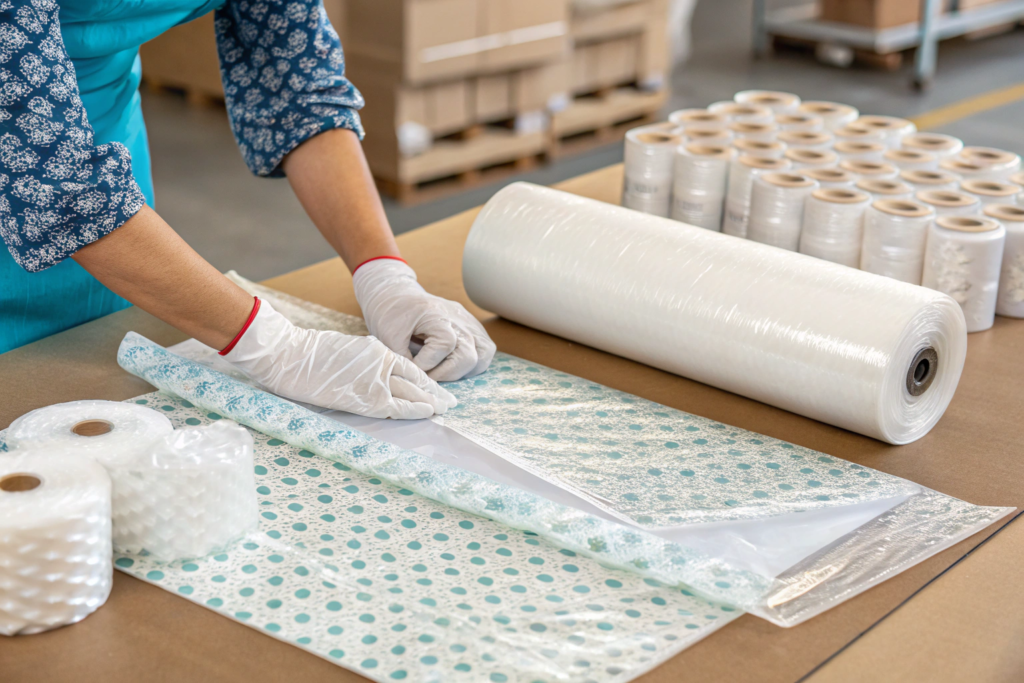
Start with the primary wrap for each shawl. Never fold or stack shawls directly against each other, as the friction during transit will act like sandpaper on the edges. First, lay the shawl flat and smooth. Then, use a layer of acid-free tissue paper to loosely wrap the entire shawl. This tissue acts as a soft, sacrificial barrier that absorbs minor friction. For luxury shawls made of silk or fine wool, consider a second loose wrap of silk paper or a breathable, non-woven fabric cover.
Next, the wrapped shawl should be placed in a clear, sealable polyethylene bag. This bag serves a dual purpose: it keeps the tissue wrap in place and provides a crucial moisture barrier, protecting against condensation during sea voyages or humidity changes. Ensure the bag is not too tight; you want a relaxed fit to avoid compressing the fibers at the edges. As a final step before boxing, you can gently roll the bagged shawl instead of folding it. Rolling, when done correctly around a wide tube, is a museum-approved method for storing large textiles as it avoids sharp creases that can weaken fibers over time.
How Should You Select and Prepare the Final Shipping Carton?
The outer carton is your shawl’s fortress. A common mistake is using oversized boxes, which allow too much movement. Choose a five-layer corrugated cardboard box that is just slightly larger than the stack of packaged shawls. Reinforce the bottom seams with strong, pressure-sensitive plastic packing tape, at least 2 inches (5 cm) wide. Do not use cellophane tape or string, as these are not strong enough for the rigors of international shipping.
Inside the box, create a buffer zone. Line the bottom with a 2-inch (5 cm) layer of crumpled kraft paper or bubble wrap. Place your stack of individually wrapped shawls in the center. Then, fill every gap between the stack and the box walls with more cushioning material. The goal is zero movement. As recommended by packaging experts, you should be able to shake the sealed box and hear no shifting inside. Finally, clearly mark the carton with "FRAGILE TEXTILE" and "THIS SIDE UP" labels to alert handlers.
What Are the Best Methods for Loading and Securing Cartons in a Container?
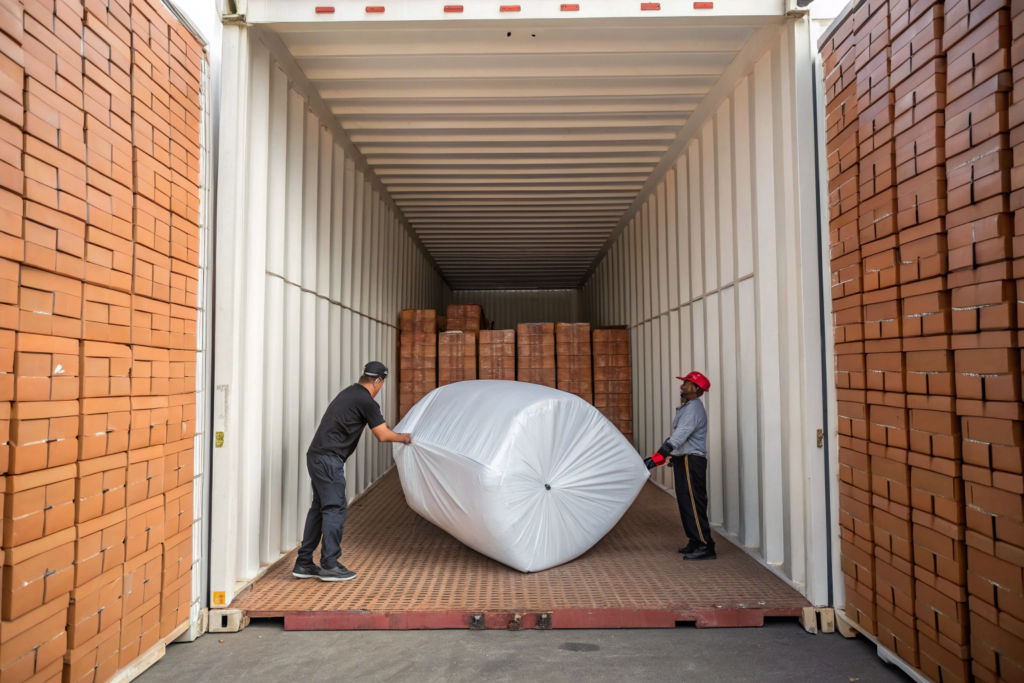
Perfectly packaged cartons can still be destroyed if they are loaded haphazardly into a shipping container. The forces at sea—rolling, pitching, and sudden braking—can turn unsecured boxes into projectiles, causing catastrophic crushing and friction damage. Proper loading and securing, known as blocking and bracing, is non-negotiable for textile shippers.
The core principle is to create a single, solid unit load inside the container. Every carton must be immobilized so it cannot slide, tip, or fall in any direction. This is especially critical for soft goods like shawls, where the cartons can deform under pressure, leading to edge friction on the contents inside. Careful planning in this phase directly prevents the hidden damage you only discover upon unloading.
How Should You Strategically Stack Cartons to Distribute Weight?
Start with a clean, dry container. Check for protruding nails, rusty spots, or excessive moisture that could stain cartons. Begin loading on a perfectly flat and level plane. Stack cartons in a brick-wall pattern, much like laying bricks, so that the seams of cartons do not align vertically. This interlocking pattern distributes weight evenly and greatly increases the stability of the entire column.
Always place heavier, sturdier cartons at the bottom and lighter ones on top. Build your stacks tightly against each other, front to back and side to side, to minimize gaps. Crucially, build your stacks to the full height of the container. An incomplete stack will almost certainly collapse during transit. If you cannot fill the container height with your product, you must use void fillers or empty pallets to occupy the space and provide a surface for the cargo securing equipment.
What Securing Techniques Are Required to Prevent Movement?
Once the container is fully loaded, you must secure the entire block of cargo. Never assume a tight fit is enough. According to the UNECE’s guidelines for cargo transport, you must use a combination of methods like blocking, lashing, or dunnage to prevent sliding and tipping.
- Dunnage and Air Bags: Fill any remaining small gaps between the cargo block and the container walls with inflatable dunnage bags. These are placed in gaps and then inflated, creating powerful pressure that locks the load in place. For larger voids, use wooden braces or plywood sheets to block off space.
- Strapping and Lashing: For particularly heavy or unstable loads, use polyester strapping to lash the cargo to the container’s built-in lashing points. The straps should be tightened to secure the load but not over-tightened to the point where they crush the cartons and damage the goods inside.
- Non-Slip Material: Laying non-slip rubber mats or plywood sheets on the container floor before loading can greatly increase friction and prevent the entire load base from shifting.
By treating the container’s interior as a puzzle that must be completely solved, you ensure the static, safe transit of your goods.
How to Control the Shipping Environment to Prevent Unseen Damage?
Even with perfect packaging and securing, environmental factors during a multi-week sea voyage can silently degrade your products. The two main invisible threats are humidity and contamination. Shawls, being natural fiber products, are particularly susceptible to these conditions, which can lead to mildew, odors, and even fiber degradation that weakens edges.
Proactive environmental control is a mark of a sophisticated shipper. It involves planning for the conditions inside the sealed metal container, which can become an oven or a sauna depending on the external climate and the voyage route. This is not just about product quality; goods damaged by mold can be rejected by customs or your customer entirely.
Why Is Moisture Control Critical and How Do You Achieve It?
Condensation inside a container, known as "container rain," occurs when warm, moisture-laden air inside the container cools rapidly (e.g., when sailing from a warm Asian port to a cooler destination). The water condenses on the container’s ceiling and walls, raining down on your cargo. To combat this, you must control the moisture at the source.
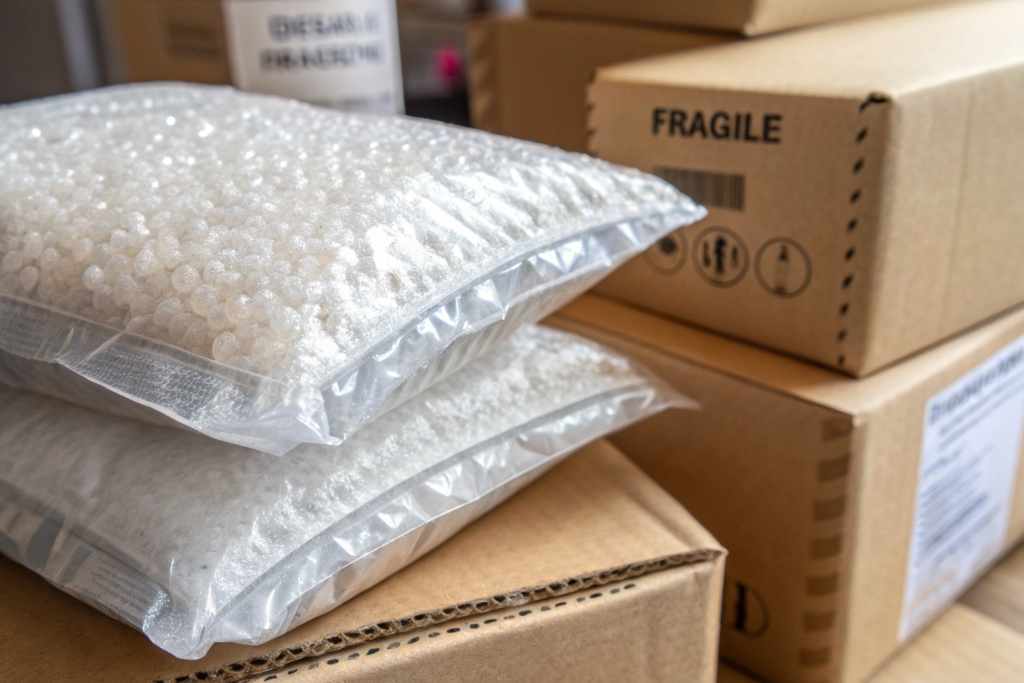
First, ensure your shawls and all packing materials (especially cardboard) are perfectly dry before sealing the cartons. Any trapped moisture will evaporate during the voyage and contribute to the problem. Second, and most importantly, include desiccants (silica gel packs) inside each master carton. The amount needed depends on the volume, but a general rule is far more than you might initially think—often several large units per carton. Third, for high-value shipments, consider using container liners (large plastic bag systems that enclose the entire palletized load) or humidity-controlled containers.
How Can You Protect Shawls from Contamination and Pests?
Contamination can come from the container itself or from other cargo. Always insist on a "food-grade" or "clean" container from your freight forwarder. Visually inspect the container before loading for residues, strong odors (like chemicals or previous food cargo), or signs of pests. Avoid storing cartons directly on the wooden floor of a container; use pallets or a plastic sheet as a barrier.
Within your own packaging, ensure that all materials are new and clean. As noted in packaging guides, avoid using materials like old newspapers or questionable foam peanuts as filler, as these can transfer dirt or dyes and may even raise questions during customs inspections. The individual polybag wrapping around each shawl is your final defense against any ambient dust or microscopic contaminants inside the container.
What Pre-Shipment Checks and Documentation Are Vital?
The final step to ensure a flawless arrival is a rigorous pre-shipment inspection and impeccable documentation. This is your last line of defense to catch issues before the container door closes and the shipment is out of your hands. For a buyer like Ron, who prioritizes quality and timeliness, detailed documentation and proof of process are invaluable for their own records and liability management.
This process isn’t just bureaucratic; it creates a clear chain of responsibility and provides evidence in case of a dispute with the shipping line or insurance company. It turns subjective claims about "poor handling" into objective, timestamped facts.
What Should Be Included in a Pre-Loading Inspection Checklist?
Before a single carton enters the container, conduct a final check. Your project manager or QC team should verify:
- Weight and Marking: The gross weight is marked on the carton, and it does not exceed the strength of the carton itself. This is also crucial for the container’s overall weight declaration and safety during lifting.
- Sample Retention: Keep at least one fully packed "sealed sample" carton in your warehouse. If damage occurs in transit, you can compare the received goods to this sample to diagnose where the failure happened (packaging vs. handling).
As the container is being loaded, take extensive photographs and video. Capture shots of the empty, clean container interior, the loading process, the secure blocking and bracing methods used, and the final secured load before the doors are closed. This visual evidence is powerful and often required for insurance claims.
Why Are Accurate Shipping Documents a Form of Protection?
Your commercial invoice and packing list must be hyper-accurate. Beyond just listing "100 cartons of shawls," include details that reflect the care taken. For example, note: "Goods packaged for fragile textile transport. Each shawl individually wrapped in acid-free tissue and polybag. Cartons contain desiccant packs."
This serves two purposes: First, it signals to everyone in the logistics chain that the contents require careful handling. Second, in the unfortunate event of a customs inspection at the destination, officials are more likely to handle goods that are documented as fragile with greater care. For high-volume shippers, a well-documented history of proper packaging can also streamline customs processes over time.
Conclusion
Preventing fraying during bulk shawl transportation is a holistic discipline that extends far beyond the sewing room. It is a seamless integration of protective packaging, engineering-grade load securing, environmental science, and meticulous process documentation. Each step is a critical link in a chain; if one fails, the entire shipment is at risk.
By adopting this end-to-end approach, you transform logistics from a cost center into a reliable pillar of your brand promise. You gain control over an often chaotic process, ensuring that the quality you labored to build into your shawls is the quality that arrives at your customer’s door. This reliability builds trust, minimizes costly waste, and protects your profit margins from hidden losses.
If you are looking for a manufacturing partner who understands that excellence in production must be matched by excellence in logistics, let’s talk. At Shanghai Fumao Clothing, our experienced project managers oversee this entire process for our clients, ensuring their accessories arrive flawlessly. For a consultation on your next shawl or accessory order, please contact our Business Director, Elaine, at elaine@fumaoclothing.com.