Are you, as a brand owner or buyer, looking to expand your sustainable product line but worried about sacrificing quality? You hear about recycled PET (RPET) fabric, made from plastic bottles, and you love the eco-friendly story. But a nagging question remains: can this recycled material really deliver the vibrant, lasting colors your customers expect? You can’t afford to sell a beanie that looks faded on the shelf or loses its brilliance after a few washes.
The recycled PET beanies that offer the most vibrant, fade-resistant color are those made from solution-dyed or dope-dyed RPET yarn. Unlike traditional yarn-dyeing where color is applied later, this superior method infuses the color pigment directly into the molten plastic before it’s even extruded into fiber. This locks the color in at a molecular level, resulting in exceptional vibrancy and resistance to fading from sun, washing, and wear.
This is a critical distinction that we, as manufacturers, deal with every day. The quality of an RPET beanie isn’t just about its recycled origin; it’s about the technology used to create it. At Shanghai Fumao Clothing, we have championed the use of solution-dyed RPET to provide our clients with sustainable products that don’t compromise on quality. Let’s dive into why this method is a game-changer for eco-conscious fashion.
What Is Solution-Dyed RPET and Why Is It Superior?
You’ve probably heard terms like "yarn-dyed" or "piece-dyed" before. So, what makes "solution-dyeing" so different, and why is it the key to brilliant, long-lasting color in recycled beanies?
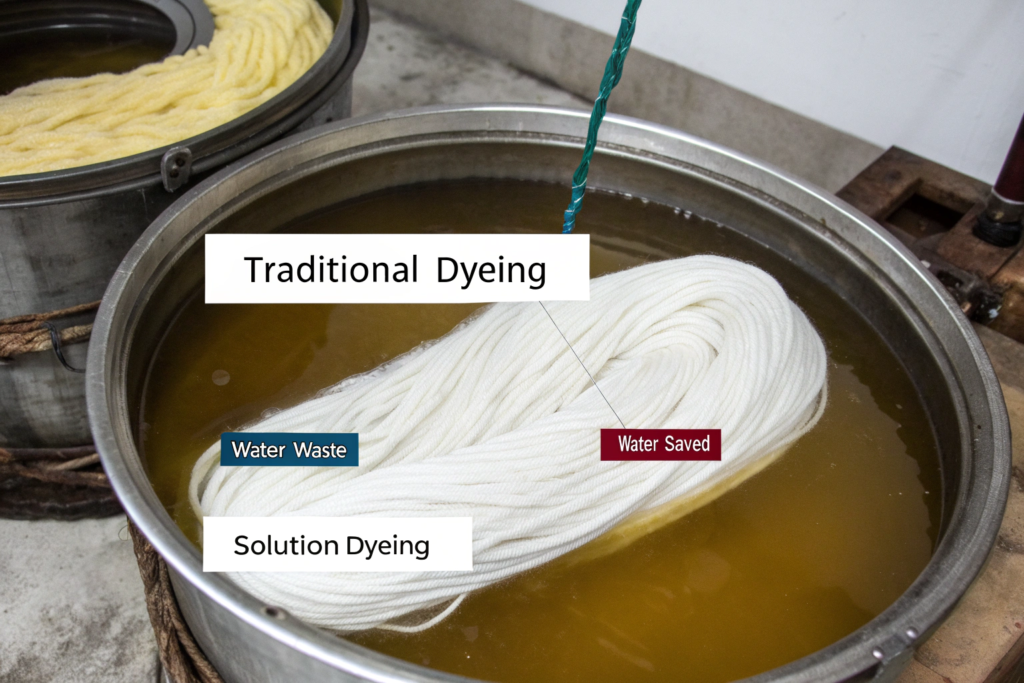
Solution-dyeing is a waterless coloring process where pigment is added to the liquefied PET plastic from recycled bottles before it is spun into yarn. This contrasts with traditional dyeing, where completed white yarn is soaked in huge vats of water and dye. By making the color an integral part of the fiber itself, solution-dyeing creates a product that is not only more colorfast but also vastly more environmentally friendly.
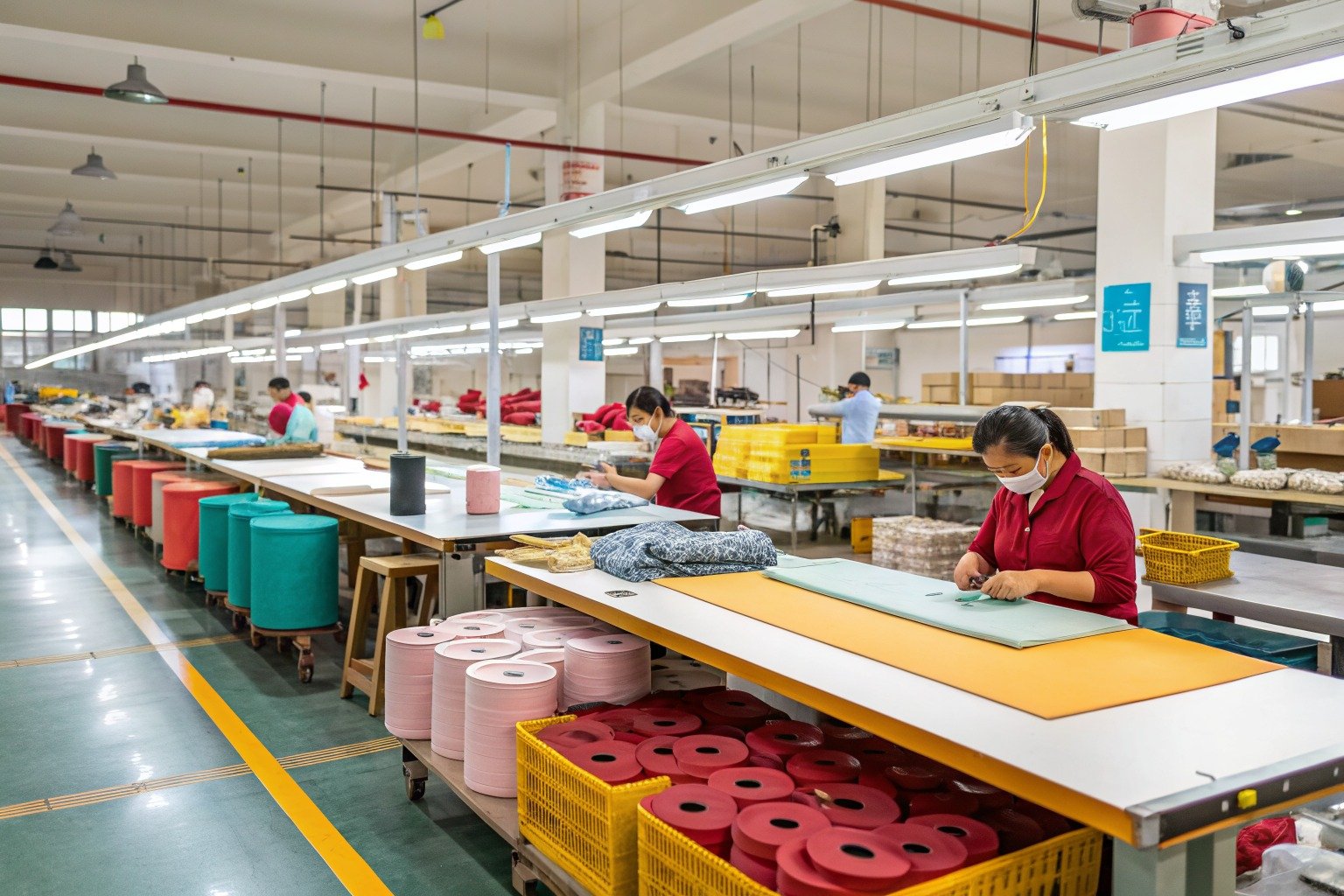
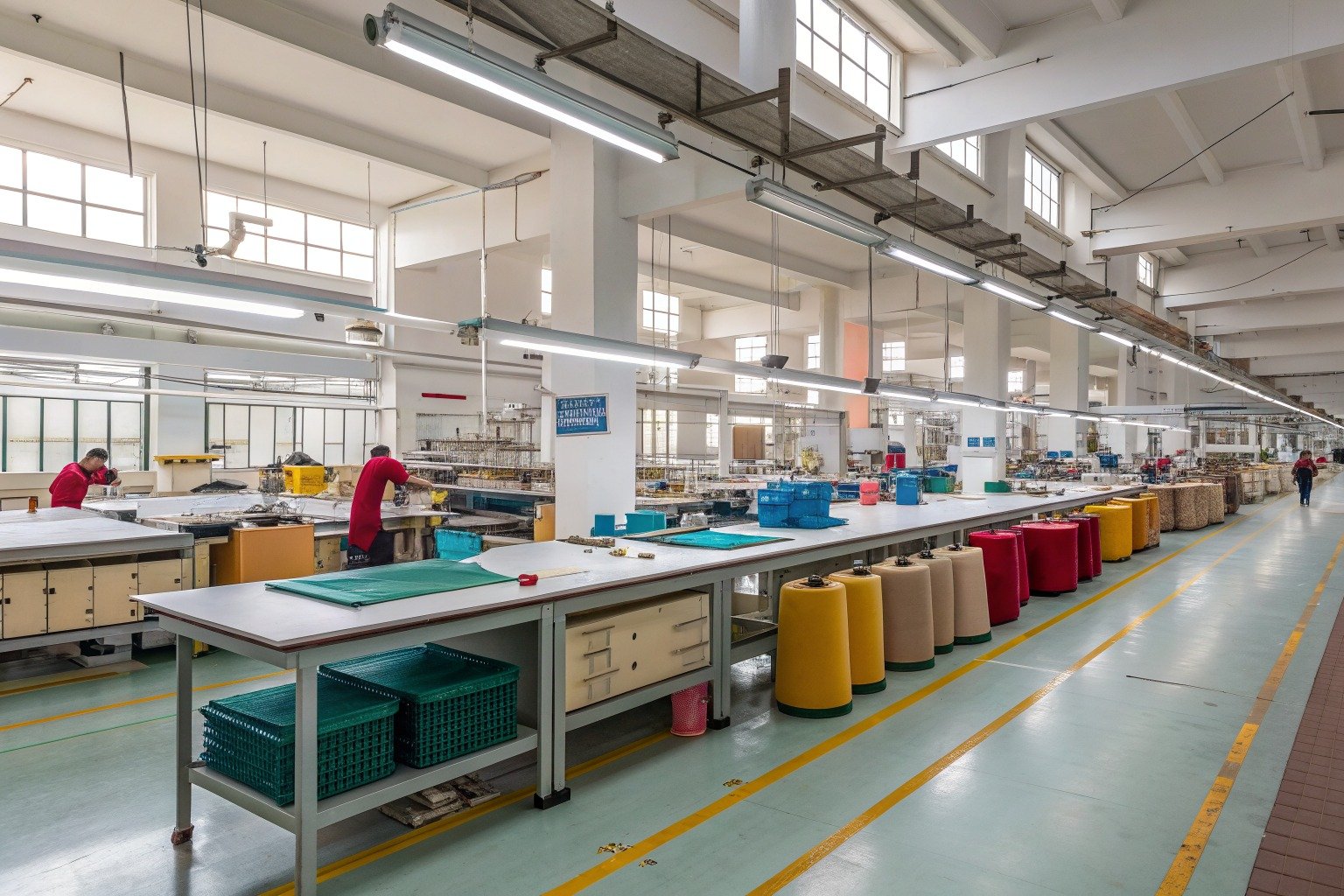
When I first saw the results of solution-dyeing in our factory, I was stunned. We placed a traditionally dyed beanie and a solution-dyed one under intense UV light for weeks. The traditionally dyed one faded noticeably, while the solution-dyed beanie’s color remained as vibrant as day one. This test proved to me that we could offer our clients a sustainable product without any compromise on performance. This superior colorfastness is a direct result of the innovative manufacturing process, which also has significant environmental benefits.
How does this process improve colorfastness?
Because the color is locked into the very core of the fiber, it is incredibly resistant to external factors.
- Fade Resistance: It stands up exceptionally well to UV radiation from sunlight, which is a major cause of fading in apparel.
- Wash Resistance: The color won’t bleed or wash out, even after repeated laundering, because it’s not just sitting on the surface of the yarn.
- Crocking Resistance: It resists "crocking," which is the rubbing off of color onto other surfaces (like a white shirt collar).
This level of durability is detailed by textile science resources and fabric manufacturers like Unifi, the makers of REPREVE®, a popular RPET yarn.
Can you achieve vibrant colors?
Absolutely. In fact, because the color is so pure and consistent throughout the fiber, solution-dyeing can produce exceptionally deep, rich, and vibrant colors. From brilliant reds to deep blacks, the saturation is often superior to that of traditionally dyed yarns, where the color may not fully penetrate the fiber core. For examples of brands that use this technology to achieve stunning colors, you can look at outdoor gear companies like Patagonia and their use of solution-dyed materials.
How Does This Method Impact Sustainability?
The main reason to choose an RPET beanie is sustainability. But if the dyeing process uses massive amounts of water and energy and creates chemical-laden wastewater, does it defeat the purpose?
The solution-dyeing process dramatically enhances the sustainability of an RPET beanie by virtually eliminating water usage and wastewater discharge from the dyeing phase. Traditional vat dyeing is one of the most water-intensive and polluting processes in the textile industry. By bypassing this step entirely, solution-dyeing represents a monumental leap forward in eco-friendly manufacturing.
For us at Shanghai Fumao Clothing, this is a huge point of pride. We’re not just recycling plastic bottles; we’re using a manufacturing process that saves millions of liters of water and prevents harmful dye runoff from entering ecosystems. When we present this to clients like Ron, who are increasingly being held accountable for their brand’s environmental footprint, it’s a powerful part of the story. It transforms the product from simply "recycled" to "holistically sustainable." This eco-friendly advantage is as important as the color quality itself.
What are the specific environmental savings?
Compared to traditional dyeing, solution-dyeing offers significant, measurable benefits:
- Water Savings: Reduces water consumption in the dyeing process by 85-90%.
- Energy Savings: Requires less energy as there’s no need to heat massive vats of water.
- Chemical Savings: Uses fewer chemicals since no additional fixing agents or salts are needed to bind the dye to the yarn.
- Reduced Pollution: Eliminates the discharge of dye-laden wastewater.
These statistics are often published in sustainability reports by textile industry organizations like the Textile Exchange and leading eco-conscious brands.
Are there certifications to look for?
Yes. To ensure the product is genuinely sustainable, look for certifications. The Global Recycled Standard (GRS) verifies the recycled content in the final product and ensures responsible social, environmental, and chemical practices in its production. The OEKO-TEX® Standard 100 certification ensures that the final product is free from harmful levels of more than 100 substances known to be harmful to human health. We ensure our RPET products meet these standards to provide full transparency and trust to our clients.
What Styles and Textures Are Possible?
Okay, the color is great and it’s sustainable. But does RPET yarn feel scratchy? Can you only make one type of basic beanie with it, or can you achieve the same soft, stylish textures that customers love?
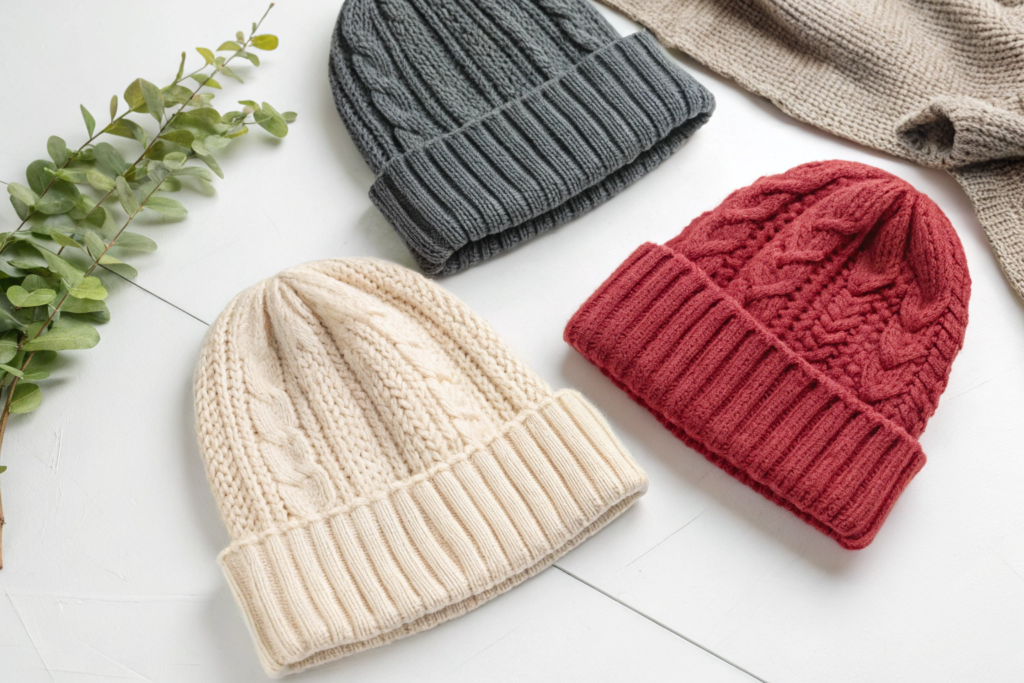
Solution-dyed RPET yarn is incredibly versatile and can be used to create a wide array of beanie styles and textures, from fine-ribbed classic knits to chunky cable knits and soft, brushed finishes. Modern recycling and spinning technology has advanced to the point where the feel and performance of high-quality RPET yarn are virtually indistinguishable from virgin polyester.
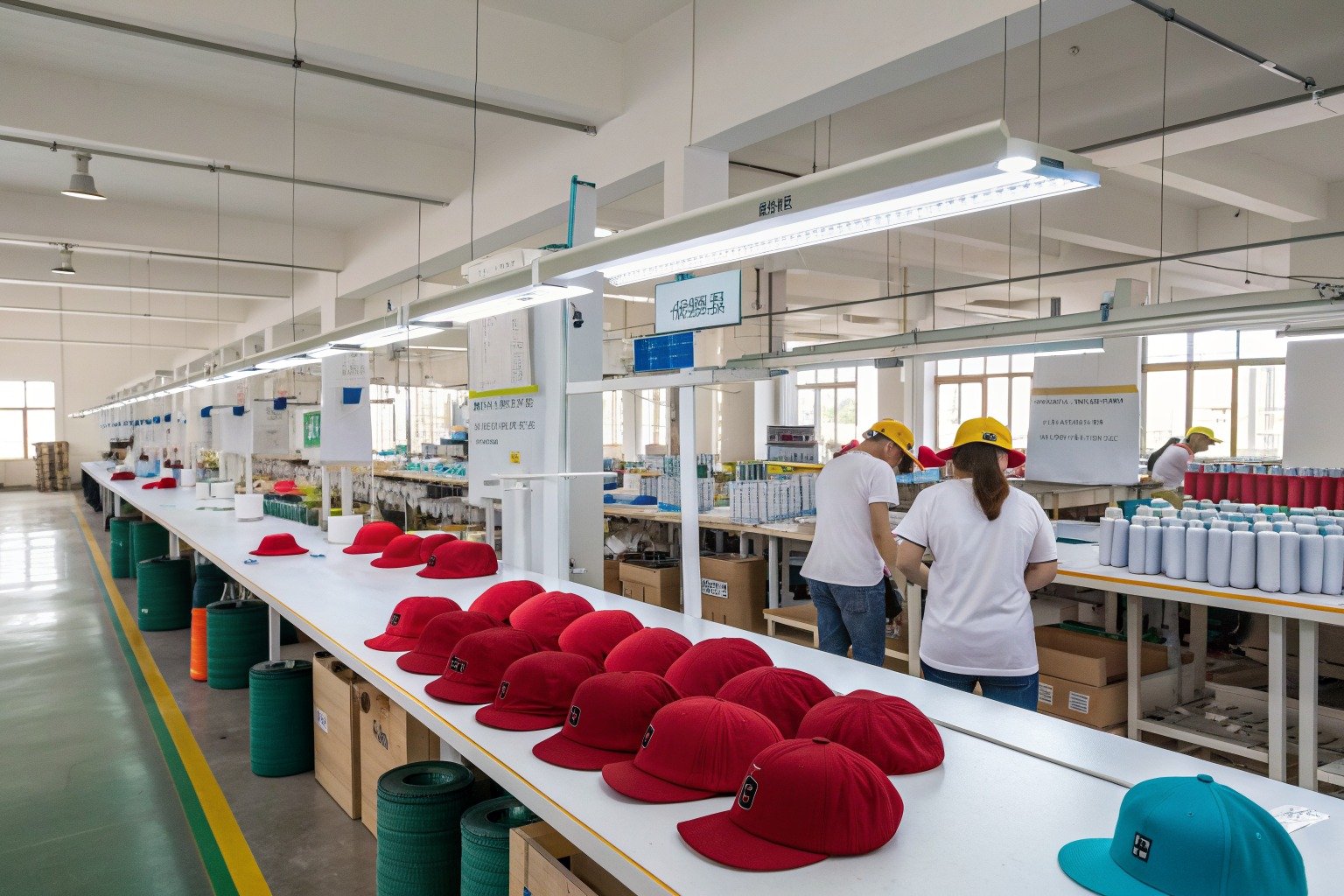
This is a common concern we address with new clients. They worry "recycled" means a compromise on feel. We quickly put those fears to rest by sending them samples. The softness and quality of our RPET beanies speak for themselves. We can adjust the yarn thickness, the knit pattern, and the finishing process to create beanies that are soft, stretchy, and comfortable, perfectly matching the desired aesthetic of the brand. This versatility is key to making RPET a viable option for the fashion-conscious consumer.
Can RPET yarn be blended with other fibers?
Yes, it can be blended to enhance its properties. For example, blending RPET with a small amount of spandex (elastane) adds excellent stretch and shape retention, ensuring a snug and comfortable fit. It can also be blended with natural fibers like cotton or wool, though this can sometimes complicate the end-of-life recycling process. For beanies, an RPET/spandex blend is a very common and effective choice. You can learn more about fiber properties and blends from textile education websites like The Textile Institute.
What knit patterns work well?
Virtually any knit pattern that works with virgin polyester will work with RPET. This includes:
- 1×1 or 2×2 Rib Knit: The classic, stretchy beanie look.
- Waffle Knit: Creates a textured, thermal appearance.
- Cable Knit: For a chunky, traditional, and cozy style.
- Jersey Knit: A smooth, simple knit for a more relaxed, slouchy beanie.
The possibilities are extensive, allowing for a great deal of design freedom. Knitting and craft resources like Ravelry showcase a vast library of knit patterns that can be adapted for machine production.
How Do You Market These Beanies to Consumers?
You’ve sourced a beautiful, vibrant, and truly sustainable beanie. How do you communicate all of this incredible value to the end consumer in a way that is clear, compelling, and drives them to make a purchase?
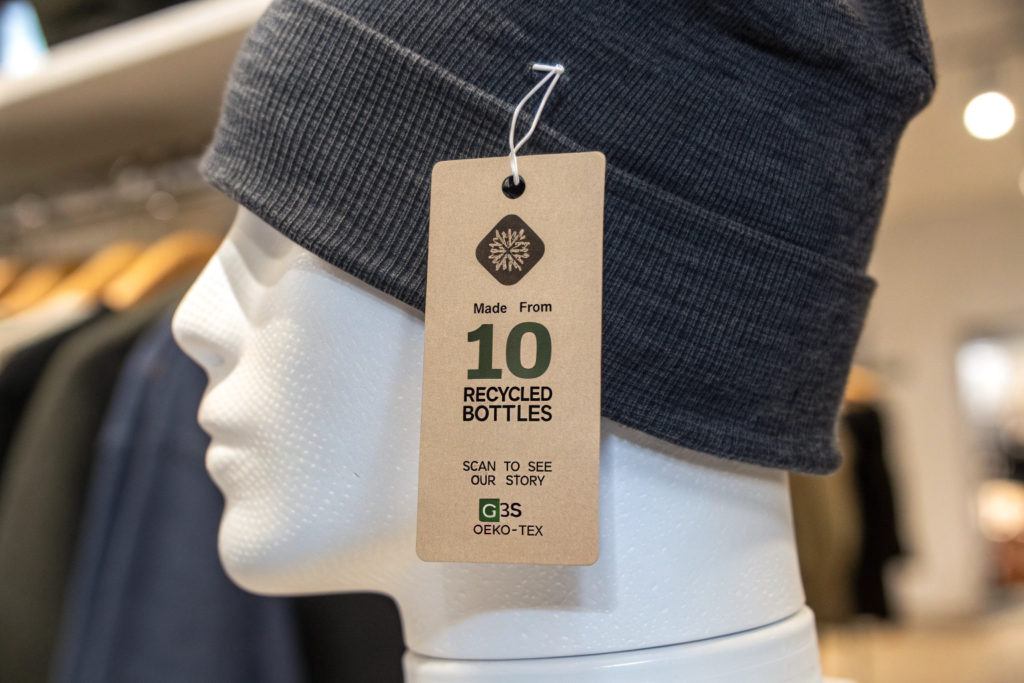
To market solution-dyed RPET beanies effectively, you must tell a simple, powerful, and transparent story that focuses on both the environmental benefits and the superior quality. Use clear on-product messaging, like hangtags, and leverage digital content to explain the "why" behind the product—less water, no fading, and plastic saved from oceans and landfills.
We work with our clients to make this story easy to tell. We provide the data: how many bottles were used, how much water was saved. We help them design hangtags that communicate these benefits at a glance. For example, a simple icon of a water bottle with "x10" next to it is instantly understandable. The most successful brands, we’ve noticed, are the ones that are passionate and transparent about their product’s journey. It builds an emotional connection with the consumer that goes beyond just the style and texture.
What is the most effective on-product messaging?
Keep it simple and visual. A well-designed hangtag is your best tool. It should include:
- A clear statement, e.g., "Made from 100% Recycled Bottles."
- An infographic showing the water and energy savings.
- Key quality benefits: "Vibrant, Fade-Resistant Color."
- Recognizable certification logos like GRS and OEKO-TEX®.
This information empowers the consumer to make an informed, positive choice right at the point of sale. Packaging design resources like The Dieline often showcase excellent examples of sustainable branding.
How can you use digital storytelling?
Use your website and social media to show the process. A short video that explains how plastic bottles are transformed into a beautiful beanie can be incredibly powerful. Create a dedicated landing page that details your commitment to sustainability, explains what solution-dyeing is, and shows the certifications you’ve earned. This transparency builds trust and brand loyalty. Corporate social responsibility (CSR) blogs and marketing sites like Adweek frequently cover best practices for sustainability marketing.
Conclusion
The answer is clear: for recycled PET beanies with truly vibrant, fade-resistant color, the only choice is solution-dyed RPET. This advanced technology offers a "no-compromise" solution for eco-conscious brands, delivering superior color performance while setting a new standard for sustainable manufacturing. It proves that you don’t have to choose between a beautiful, high-quality product and one that is good for the planet—you can have both.
At Shanghai Fumao Clothing, we are committed to being at the forefront of this technology. We believe that the future of fashion is sustainable, and we partner with brands to create products that are not only stylish and well-made but also tell a powerful story of positive change. We can provide you with the highest quality solution-dyed RPET beanies, complete with the certifications and data you need to market them effectively.
If you’re ready to offer your customers a beanie that is brilliant in every sense of the word, let’s talk. Please contact our Business Director, Elaine, at her email: elaine@fumaoclothing.com, to get samples and start your journey into sustainable fashion.