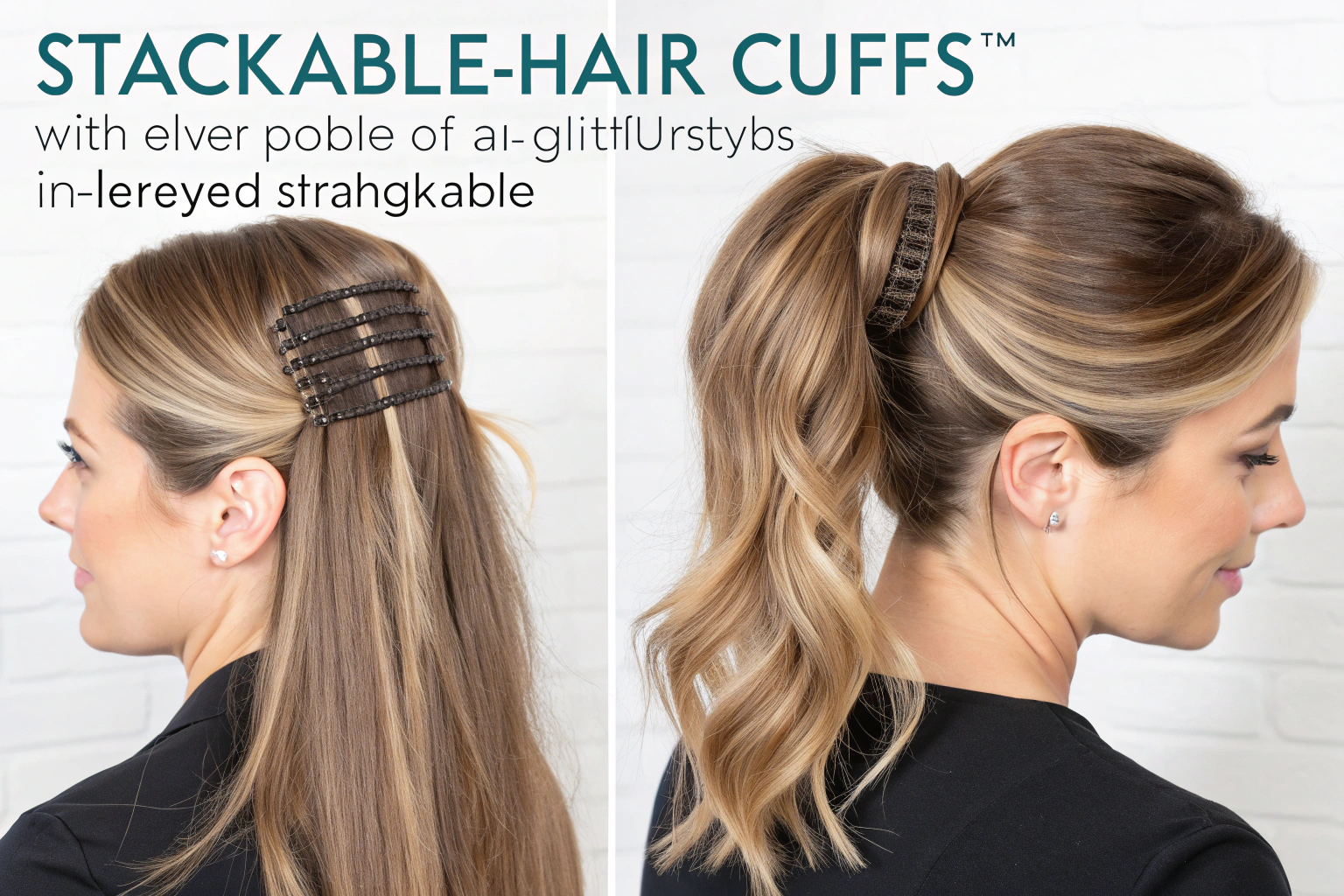
If you’re into layered hairstyles, you’ve probably spent time perfecting the cut, the texture, and the products. But have you considered the finishing touch that can tie it all together? The right hair accessory doesn’t just hold your hair; it completes the story of your look. Stackable hair cuffs are emerging as the perfect partner for layered hair, offering a modern, customizable way to enhance the dimension and style you’ve already created.
So, what makes stackable hair cuffs ideal for layered looks? Their primary advantage is versatile dimensionality. Unlike a single, static hair clip, multiple cuffs allow you to interact with the different lengths and textures of a layered cut. You can place them strategically to highlight specific layers, add weight and movement, or create a cohesive yet detailed look that mirrors the haircut’s own complexity. This flexibility makes them a dynamic tool for styling.
This guide will explore how the unique features of stackable hair cuffs—from their modular design to their placement freedom—specifically complement and elevate layered hairstyles. We’ll provide actionable styling techniques and professional insights to help you master this accessory trend.
Why Do the Design Features of Stackable Cuffs Complement Layered Hair?
The genius of stackable hair cuffs lies in a design philosophy that aligns perfectly with the principles of a great layered cut: movement, texture, and personalized shape. While a standard hair clip might flatten layers, stackable cuffs are designed to work with them.
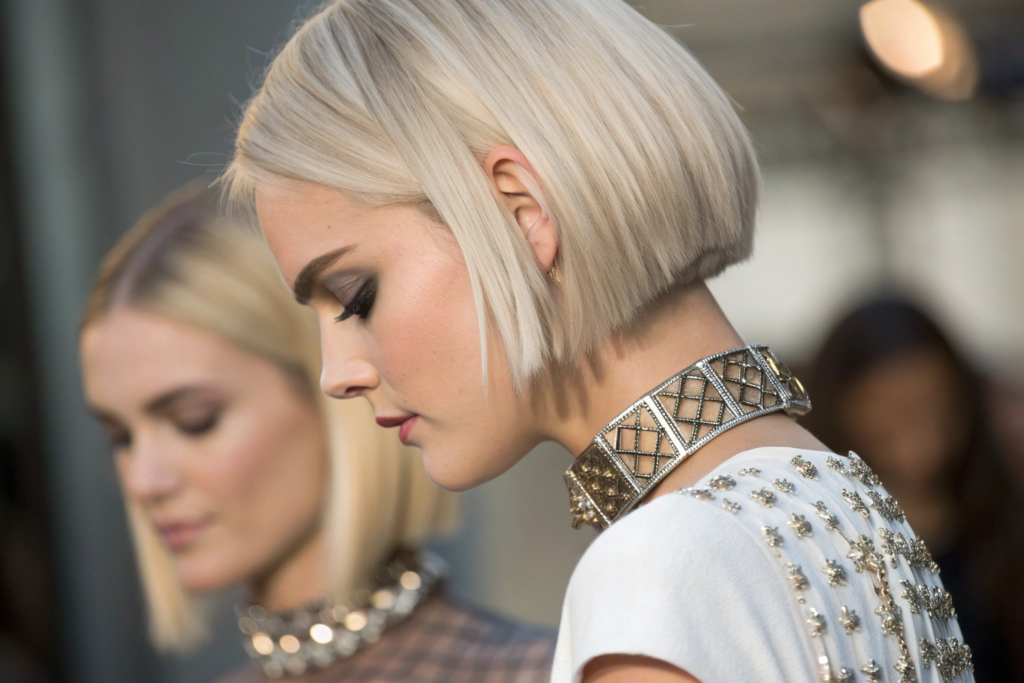
Layered hair is all about creating the illusion of volume, movement, and shape through varying lengths. A single, bulky accessory can negate this effect by clamping layers together. Stackable cuffs, however, are typically modular and lightweight. You can use one for a subtle accent or several to build intensity without overwhelming fine hair or weighing down delicate ends. This respects the haircut’s architecture. Furthermore, their sculptural, three-dimensional forms—whether geometric, organic, or textured—add visual interest that parallels the play of light and shadow in well-cut layers. A smooth, blunt bob might pair with sleek, metallic cuffs, while a textured shag cut finds its match in cuffs with organic, hammered details.
How does modularity provide styling flexibility?
Modularity is the core advantage. It allows for infinite customization based on your hair’s density, the occasion, and your personal style. You are not locked into a single look.
- For Fine or Thin Hair: Start with one or two cuffs to add a focal point without burdening your hair. Place them on a side-swept section or at the end of a layer to draw the eye and create the illusion of fullness.
- For Thicker, Heavier Layers: You can confidently build a stack of three or more cuffs to match your hair’s volume. This creates a bold, fashion-forward statement that feels balanced and intentional.
- For Evolving Style: The stack can be easily reconfigured. A daytime look might feature two matching cuffs, while an evening look can incorporate a third, more embellished piece for drama.
What role does material and texture play?
The material of the cuff directly communicates with the texture of your layers.
- Matte vs. Shine: Matte-finish metals or natural materials like wood complement the effortless, "lived-in" vibe of a shag or beach-wave lob. They add style without competing with your hair’s texture.
- High-Shine & Crystals: Polished metals or cuffs with crystal elements are perfect for transforming a layered style from day to night. They catch the light at different angles, enhancing the dynamic feel of moving layers and adding a touch of glamour.
- Mixed Materials: Cuffs that combine materials (e.g., metal with resin or fabric) can tie together complex color tones in highlighted or balayaged layered hair.
How Can You Strategically Place Cuffs to Enhance Different Layered Styles?
Placement is everything. The right cuff in the wrong spot can look misplaced, but strategic placement can accentuate your best features and highlight the artistry of your cut. Think of your layers as a landscape, and the cuffs as points of interest you’re guiding people to see.
A universal tip is to follow the lines of your haircut. If you have face-framing layers, place a cuff just behind one to highlight that framing effect. For layers concentrated at the back, stacking cuffs vertically along a pinned-back section can create a stunning rear view. The goal is collaboration between accessory and cut, not competition. For example, on a voluminous side-parted lob, a single statement cuff placed on the deeper side (where hair is more abundant) reinforces the volume and chic asymmetry. On a half-up, half-down style, stacking a few thinner cuffs along the section where the hair is secured adds polished detail to the crown volume.
What are the best placements for short to medium layered cuts?
For cuts like a layered long bob (lob) or a shag, the hair’s length offers specific canvases.
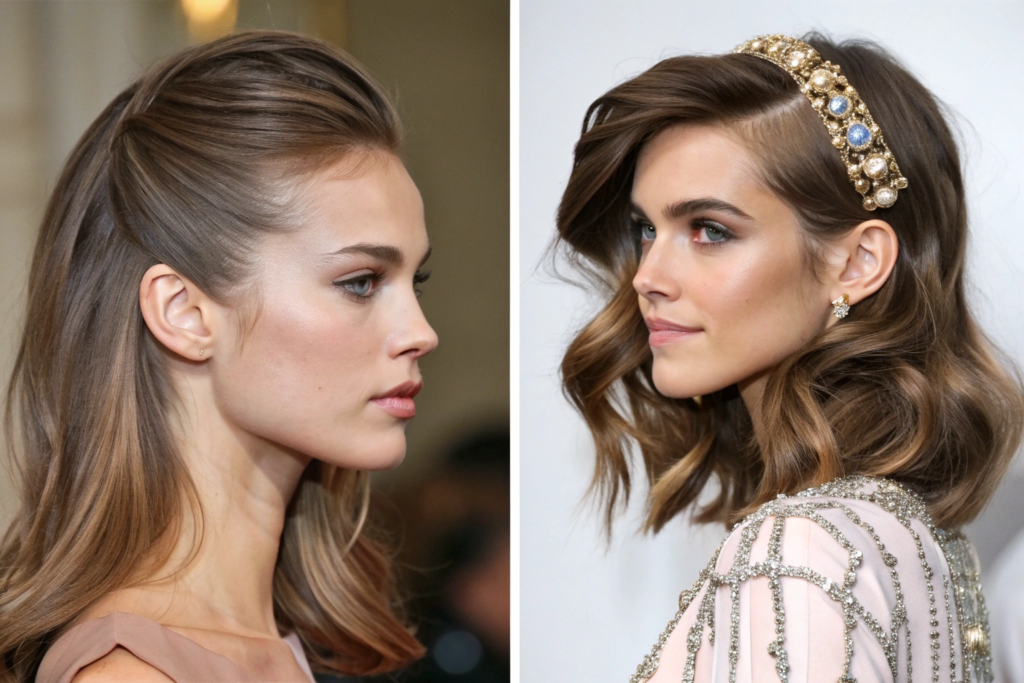
- The Ear-Line Accent: Clipping a single or stacked pair of cuffs at the hairline just above the ear is a signature look for lobs. It pulls the hair back gently to show off a jawline and earrings while letting the rest of the layers flow freely.
- The Side-Swept Cascade: For side-parted styles, choose a few layers from the heavier side and loosely twist or braid them, securing the end with a stack of cuffs. This creates a deliberate, cascading effect that follows the hair’s natural direction.
- The Textured Pin-Back: Use cuffs to randomly pin back small, face-framing sections throughout your hair. This works exceptionally well with shag cuts, as it enhances the intentionally piece-y texture and keeps hair out of your face stylishly.
What are the best placements for longer layered hair?
Long layers provide more length to work with, allowing for bolder placement.
- The Ascending Stack: Create a vertical line of interest by stacking 3-5 cuffs of decreasing size up a pinned-back section of hair near your part. This draws the eye upward and complements long layers that flow downward.
- The Braid Accent: Incorporate cuffs into a loose braid. Thread them onto a few select strands before braiding, or use them to secure the end of a braid instead of a standard elastic. They add metallic or textured highlights within the braid itself.
- The Ponytail Enhancer: Use a stack of cuffs to secure a mid-height or low ponytail. They act as a decorative band, adding detail to the base and allowing the layered ends to fan out beautifully.
What Professional Styling Tips Ensure a Flawless Look?
To move from simply wearing cuffs to truly styling with them, a few professional techniques make all the difference. The goal is to ensure the accessories look integrated and intentional, not like an afterthought.
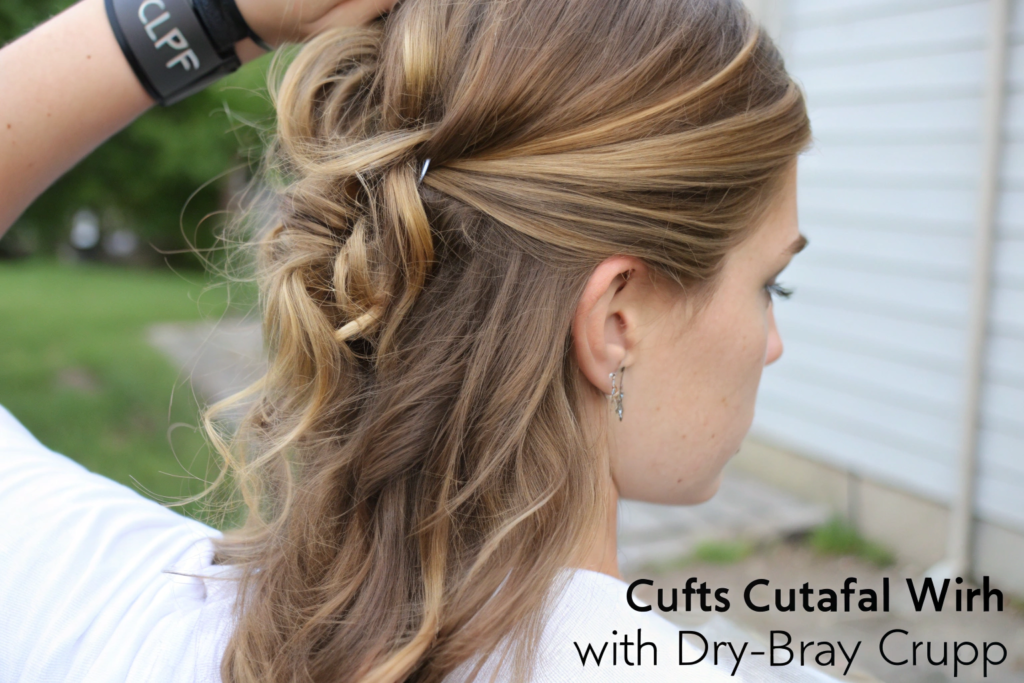
First, always consider balance and proportion. If your layered cut is already very detailed and textured (like a shag), opt for simpler, smaller cuffs to avoid visual clutter. Conversely, a sleek, blunt lob can handle larger, more sculptural pieces. Second, prepare your hair’s texture. Cuffs grip best and look most natural on hair that isn’t perfectly slick. Use a light texturizing spray or dry shampoo at the roots and through the mids of your layers to add grip and volume. This creates a slightly lived-in base that cuffs can hold onto securely while maintaining the hair’s movement.
How do you secure cuffs for all-day wear?
Security is key, especially on finer hair types.
- Create a Anchor Point: Before clipping on the cuff, take the section of hair and give it a gentle backcomb (tease) at the spot where the cuff’s clip will close. This tiny knot of hair gives the clip teeth something substantial to grip.
- Clip Against the Scalp: For maximum hold, especially with heavier stacks, angle the cuff’s clip so it bites into the hair close to the scalp, not just mid-shaft.
- Lock with Hairspray: After placing your cuffs, lightly mist the area with a flexible-hold hairspray. This sets the style and helps bind the hair within the clasp.
How can you mix and match cuffs creatively?
Don’t feel constrained to matching sets. The most modern approach involves thoughtful mixing.
- Vary Size, Not Shape: Stack cuffs of the same shape (e.g., all geometric rings) but in different widths or diameters.
- Unify with Finish: Mix different shapes (a smooth band with a textured spiral) but keep them in the same metal finish, like all gold or all silver.
- Add a "Spacer": Place a very thin, simple cuff between two more ornate ones. This acts as a visual spacer, allowing each detailed piece to stand out and creating a more sophisticated, collected-over-time look.
Why Are Hair Cuffs Suddenly Everywhere in 2025’s Hair Accessory Trends?
Because they offer instant polish without permanence—and that’s exactly what today’s style-conscious consumers want. In an era where “effortless chic” rules and TikTok tutorials drive micro-trends, stackable hair cuffs have surged as the go-to accent for braids, ponytails, buns, and even loose strands.
Can You Really Create Depth and Texture Just by Stacking Tiny Metal Rings?**
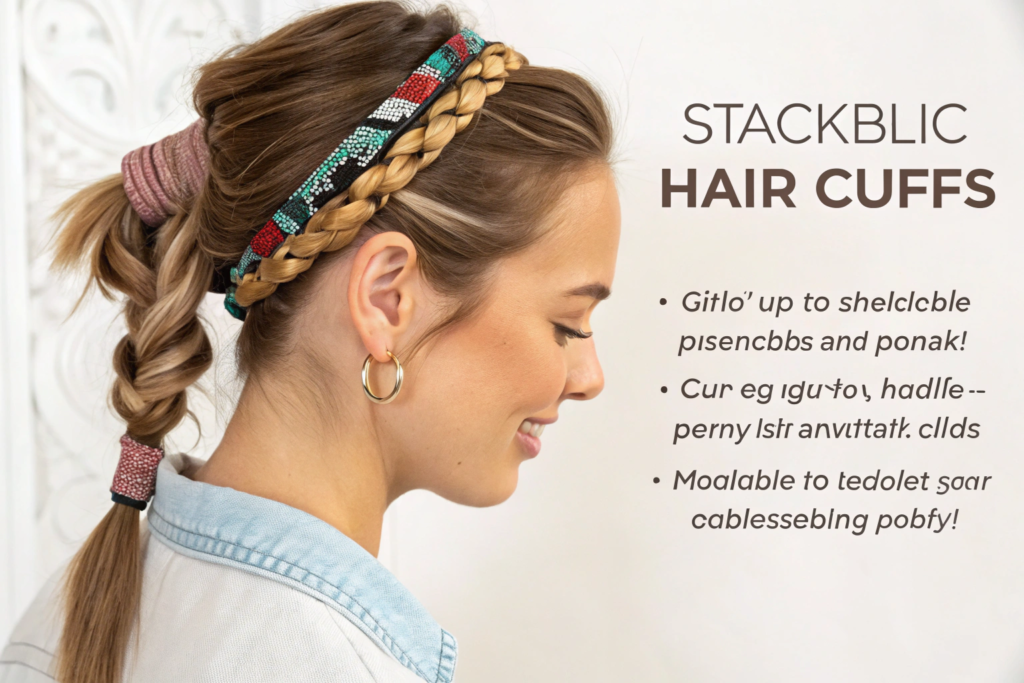
Surprisingly, yes—and it’s all about strategic placement and variation. A single hair cuff might look delicate, with its smooth metallic or textured surface catching soft light as it rests gently against the hair, but layering two or three along a braid or twisted strand introduces rhythm and visual interest. The interplay of different cuff sizes—perhaps a slender one near the roots, a slightly wider one mid-braid, and a decorative, beaded one at the end—creates a dynamic flow that guides the eye along the hairstyle. Learn more Shanghai Fumao Clothing details page.
Aren’t Hair Cuffs Just a Passing Trend, or Do They Have Real Styling Longevity?
Far from fleeting—they’re rooted in centuries of adornment, from ancient Egyptian hair rings crafted from gold and lapis lazuli that adorned the crowns of pharaohs to the intricate 1990s R&B braided styles popularized by icons like Janet Jackson and TLC, which featured cornrows, box braids, and microlocs styled with colorful beads and silk threads.
Conclusion
Stackable hair cuffs are more than a trend; they are a functionally ideal accessory for layered hairstyles. Their modular design offers unparalleled flexibility to match the volume and personality of your cut, while strategic placement allows you to highlight the most flattering aspects of your layers. By choosing materials that complement your hair’s texture and following simple professional tips for security and balance, you can elevate your layered look from simply styled to artistically accessorized.
The true beauty of stackable cuffs lies in their ability to be as unique as your haircut. They invite experimentation and personal expression, turning your hair into a dynamic canvas for creativity.
If you are looking for high-quality, on-trend stackable hair cuffs to complement your collection or retail offerings, Shanghai Fumao Clothing can help. As a professional manufacturer of fashion accessories, we specialize in creating pieces that blend style with wearability. Contact our Business Director Elaine at elaine@fumaoclothing.com to discuss how we can bring your accessory vision to life.