For fashion brands and buyers, the plus-size market is no longer a niche—it’s a dominant growth engine. Yet, successfully positioning an accessory like a shawl within this space requires more than just offering larger sizes. It demands a strategic shift in mindset, from basic coverage to intentional style empowerment. The opportunity is immense, but capturing it means understanding the unique needs and aspirations of the plus-size consumer.
Positioning shawls for plus-size fashion brands is about transitioning from an afterthought to a core styling tool. It requires designing for fit and proportion, marketing through authentic representation, and leveraging shawls as versatile solutions that offer style, comfort, and confidence to a diverse customer base. This strategic approach turns a simple accessory into a key driver of customer loyalty and brand value.
Let’s explore how to unlock the full potential of shawls in this vibrant and underserved market.
Why Should Plus-Size Brands Prioritize Shawls as a Strategic Accessory?
In a market where finding well-fitting, fashionable tops and dresses is a primary concern, accessories might seem secondary. However, this is precisely why shawls present a strategic opportunity. They address core plus-size consumer pain points—fit anxiety, style versatility, and the desire for trend-led fashion—without the complexities of graded clothing patterns.
Shawls are a low-risk, high-reward category for brands. They are inherently size-inclusive, require no complex grading, and offer immediate style gratification. For the customer, a shawl is a versatile tool: it can complement an outfit, provide comfortable coverage, and refresh a wardrobe staple instantly. In an online shopping environment where fit issues remain a top reason for returns, accessories like shawls offer a confident purchase path.

How Do Shawls Solve Key Plus-Size Shopping Pain Points?
The data is clear: plus-size shoppers report higher dissatisfaction with both in-store and online shopping experiences compared to standard-size shoppers. The anxiety around fit and the disappointment when a garment doesn’t look as expected are significant barriers. A shawl eliminates this. There is no "fit" in the traditional sense—only drape, color, and style. This makes it a perfect "safe" yet fashionable addition to the cart. Furthermore, plus-size consumers show a strong preference for natural, comfortable fabrics like cotton and value performance features such as stretch and breathability. This aligns perfectly with shawl materials like lightweight cotton knits, soft jerseys, and breathable viscose blends, which can be marketed for their comfort and sensory appeal.
What Market Trends Make This the Right Time for Shawls?
The plus-size apparel market is not just growing; it’s outpacing the overall apparel market. While the general market is projected to grow by 30% in the coming years, the plus-size segment is expected to surge by 40%. Simultaneously, the "body positivity" movement has shifted consumer demand from mere functionality to empowered fashion expression. Women are no longer satisfied with basics; they want stylish, trend-right pieces. Shawls, as seen in cultural trends like the resurgence of "shoulder shawls," are coming back into fashion as elegant, versatile accessories. By offering shawls in on-trend colors, prints, and textures, brands can tap into this desire for fashionable accessories that feel current and inclusive.
How to Design and Develop Shawls for the Plus-Size Consumer?
Designing for the plus-size market requires intentionality. It’s not about scaling up a smaller shawl, but about understanding proportion, wearability, and design details that flatter and empower.
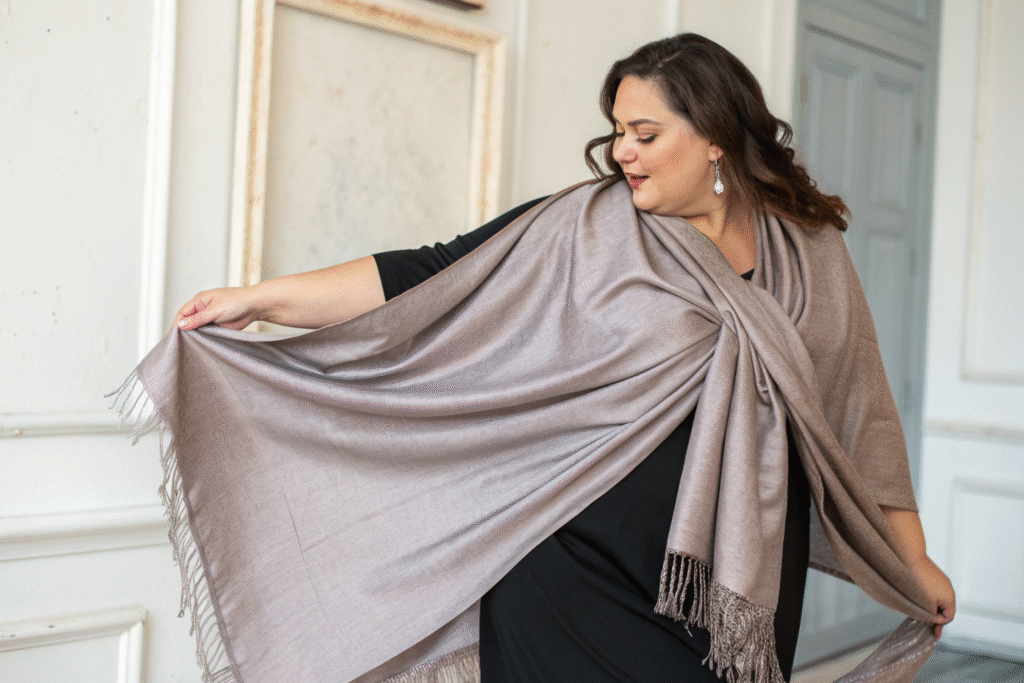
The core principle is designing for drape and volume. A shawl for a plus-size consumer should have generous dimensions to allow for versatile styling—whether worn loosely draped, wrapped, or knotted. The goal is to create elegant lines that complement the body’s silhouette, not overwhelm or shrink it.
What Are the Best Fabrics and Proportions for Plus-Size Shawls?
Material choice is paramount. As stylists note, fabrics should be lightweight and manageable to avoid adding bulk or discomfort. Heavy, stiff fabrics can be restrictive and unflattering. Ideal choices include:
- Fluid Fabrics: Chiffon, viscose, lightweight modal, and silk blends that offer beautiful drape.
- Stretch Knits: Cotton-blend knits or jersey with a hint of spandex for comfort, shape retention, and ease of movement.
- Breathable Textiles: Linen and cotton for warmer climates, valued for their breathability.
Regarding proportions, bigger is often better. A standard shawl might be 70x200cm, but a plus-size-focused shawl could be 100x220cm or larger. This extra fabric provides more styling options and ensures the shawl looks proportional when worn.
How Can Design Details Enhance Function and Flattery?
Thoughtful details transform a simple rectangle of fabric into a considered fashion item. Designers should consider:
- Strategic Embellishment: Moving from overwhelming decoration to minimalistic and practical details, like a tasteful border print, subtle embroidery along one edge, or quality tassels. This adds interest without weight.
- Versatility Features: Incorporating discreet loops or buttons to allow the shawl to be converted into a capelet or cardigan-style wrap. This addresses the practical need for secure styling that stays in place throughout the day, a common concern for active wearers.
- Color and Pattern Psychology: Offering a range beyond just dark, "slimming" colors. While classics are important, the market craves variety. Include rich jewel tones, sophisticated prints, and seasonal colors that align with broader fashion trends.
How to Market Shawls Authentically to a Plus-Size Audience?
Marketing in this space requires moving past tokenism to authentic representation and community building. The plus-size consumer is highly discerning and seeks brands that see and celebrate them.
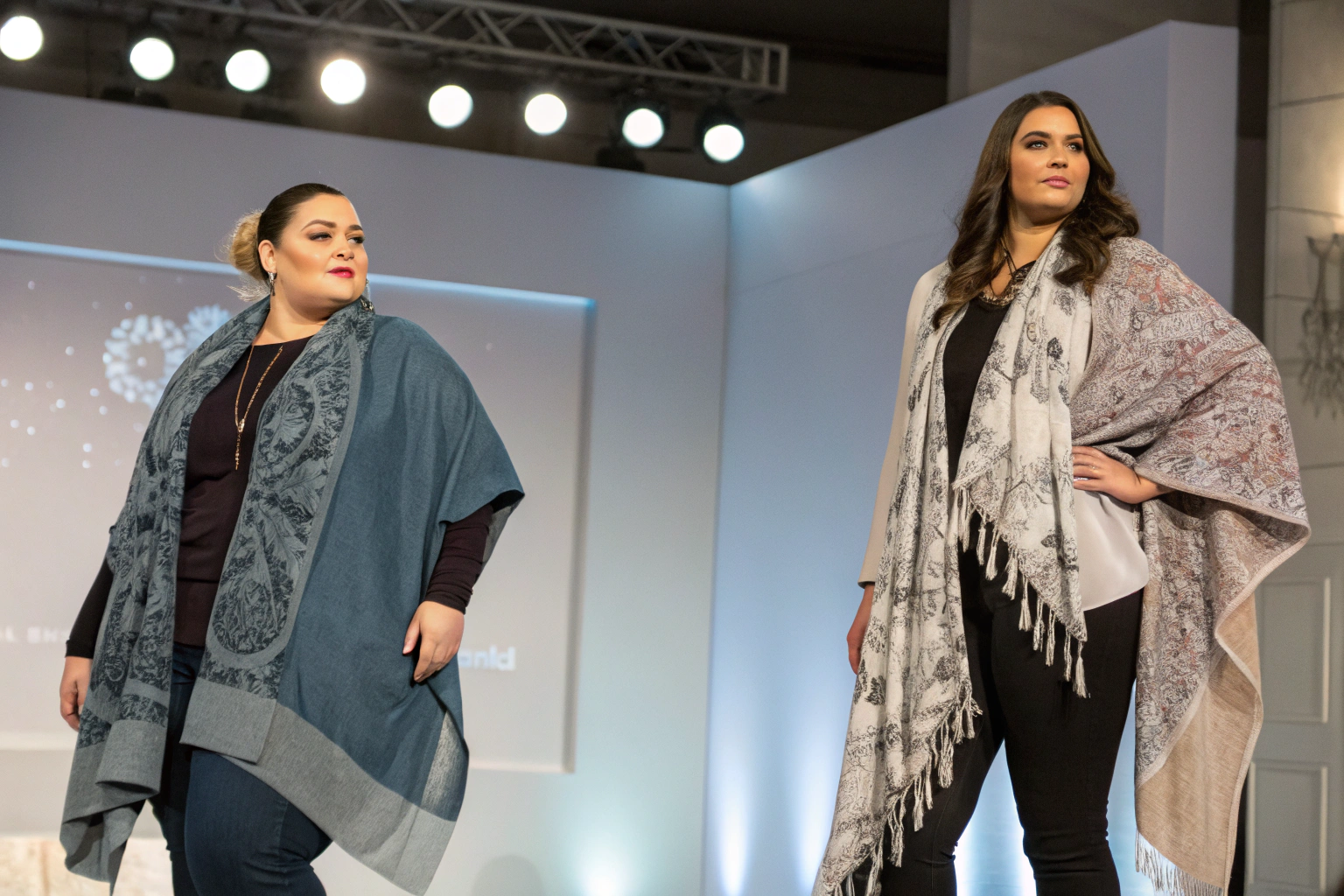
Authentic marketing is rooted in visibility and storytelling. It’s about showing how the product works in real life on bodies that reflect your customer base. The success of brands like Katch Me, which leveraged authentic content on platforms like TikTok to connect with a broad audience, underscores the power of this approach.
Why is Authentic Representation Non-Negotiable?
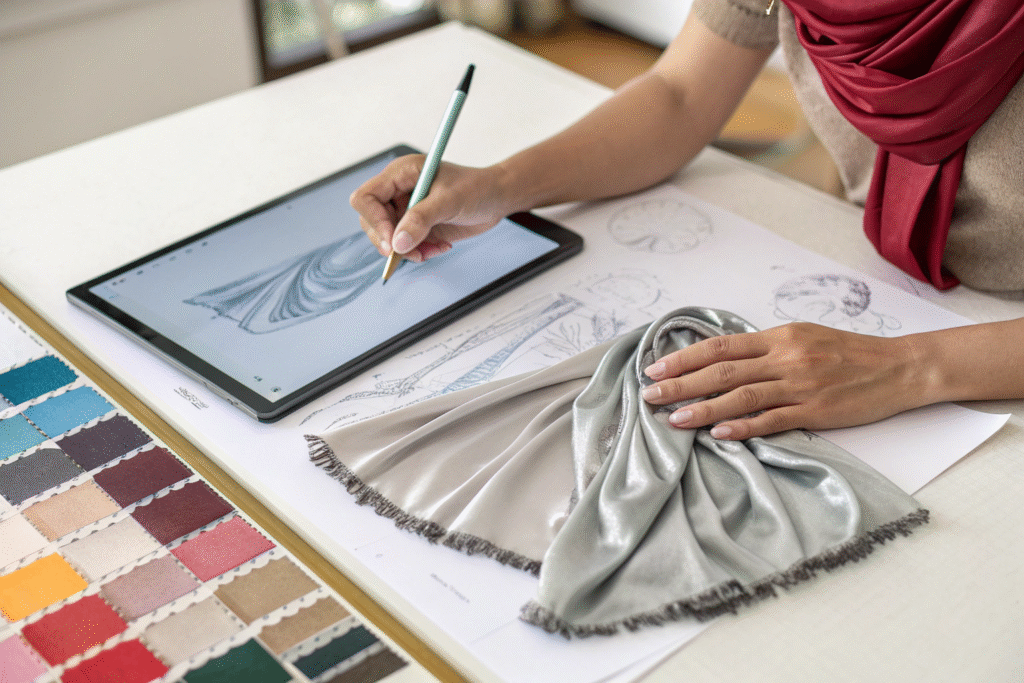
Stock imagery of thin models holding a shawl will not resonate. Campaigns must feature diverse plus-size models and real customers of different ages, sizes, and ethnicities actively styling the shawl. This isn’t just a trend; it’s a baseline expectation. As experts in brand building advise, "Don’t try to appeal to everyone". By focusing on the plus-size community with integrity, you build fierce loyalty. Show the shawl being worn in multiple ways: over a casual outfit, dressed up for an occasion, or as a comfort layer at work. This visual education is key, as demonstrated by stylists who provide specific, practical tips for wearing shawls elegantly.
What Role Do Social Media and Community Play?
Social media is the primary discovery and validation channel. A multi-faceted strategy is essential:
- Styling Content: Create short-form video tutorials (ideal for TikTok, Instagram Reels) showcasing versatile ways to tie, wrap, and accessorize with the shawl.
- Influencer & Community Partnerships: Collaborate with mid-tier and micro-influencers within the plus-size fashion community. Their trusted recommendations are more valuable than any ad. Encourage user-generated content with a branded hashtag to build social proof.
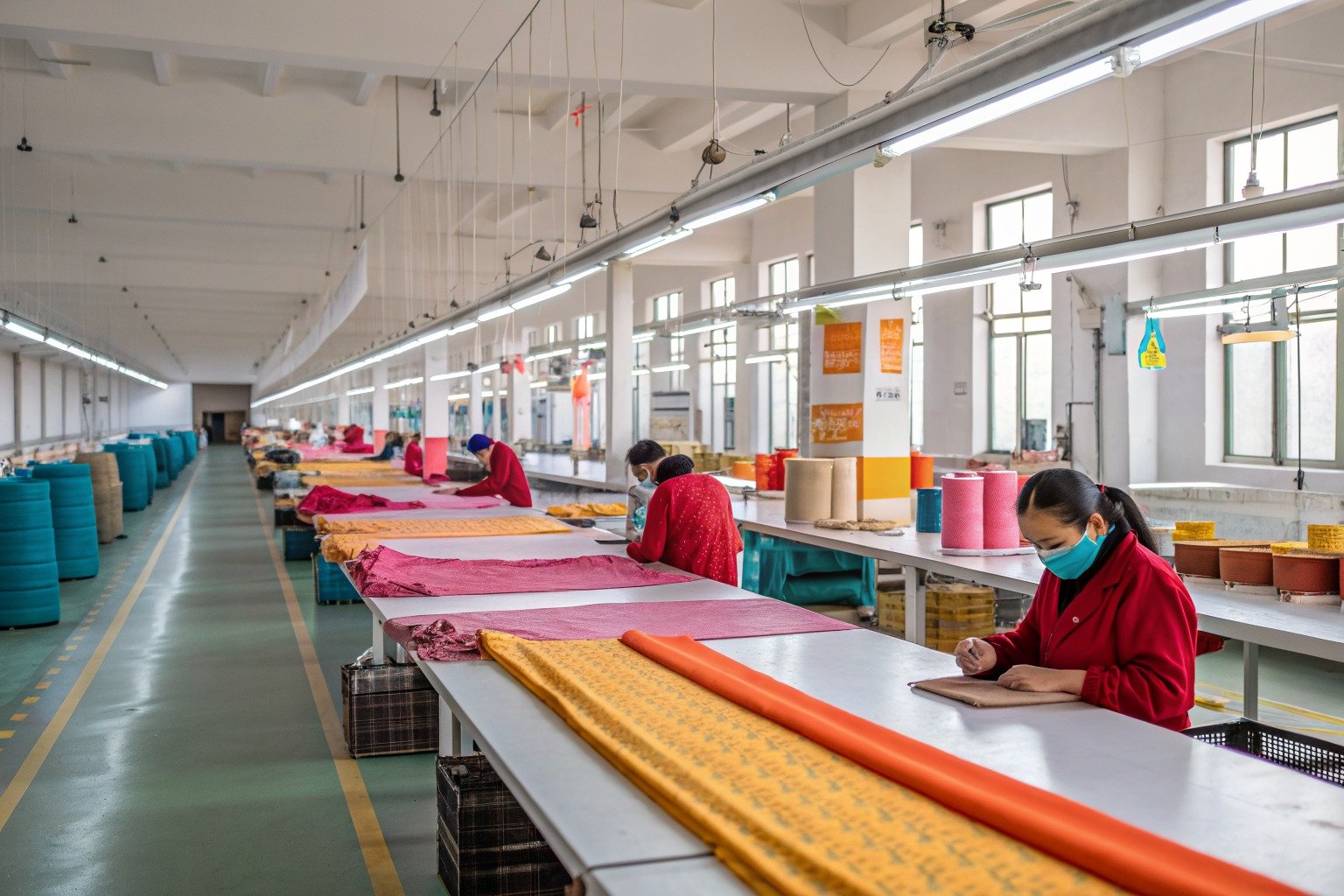
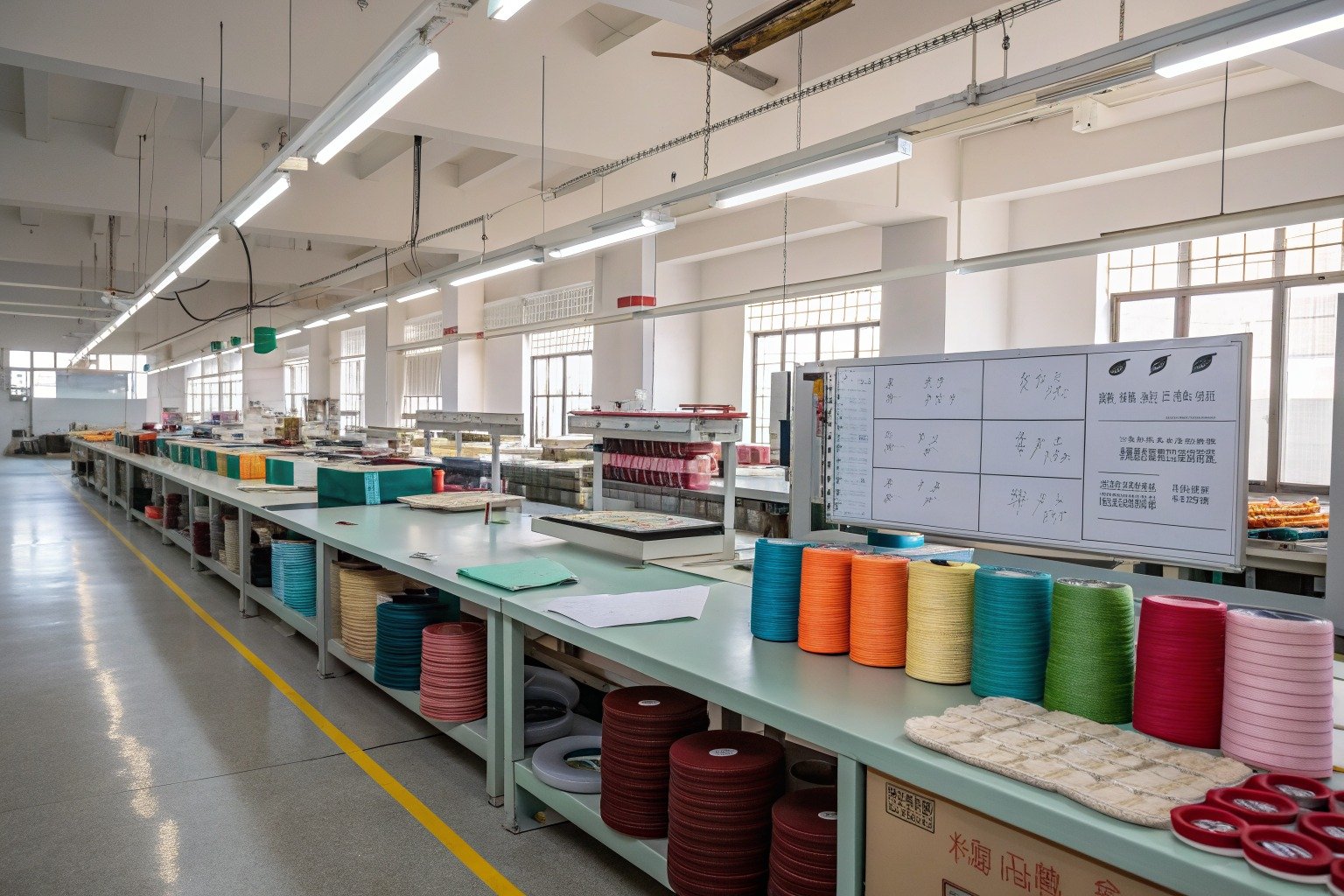
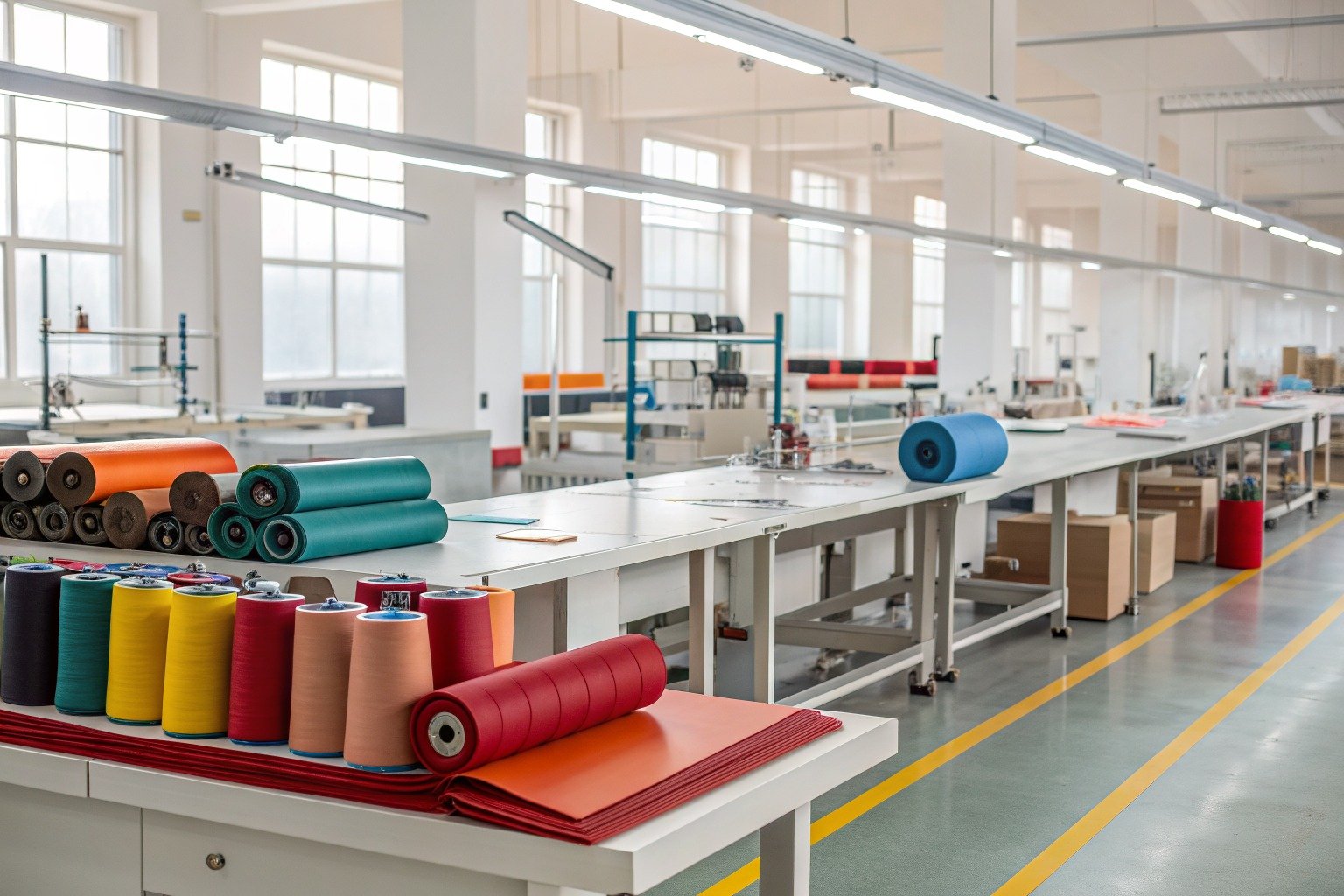
- Value-Driven Storytelling: Share content that aligns with community values, such as body positivity, style confidence, and practical fashion tips. This builds a brand narrative that goes beyond transactions. A brand like shanghaifumaoclothing can support its partners by providing high-quality production assets and collaborating on authentic content creation that highlights craftsmanship and design intention.
How to Integrate Shawls into a Cohesive Plus-Size Brand Strategy?
For maximum impact, shawls should not be an isolated product line. They need to be woven into the fabric of the brand’s overall identity, collection planning, and customer experience.
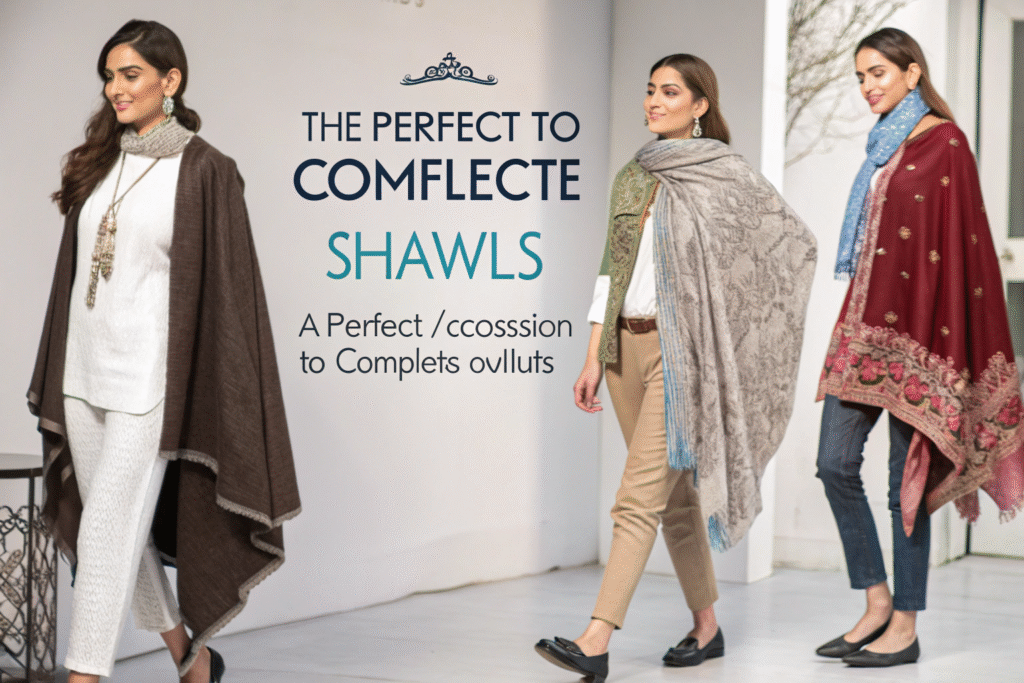
Integration means presenting shawls as the perfect companion. They should be strategically merchandised with complete outfits, highlighting their role in creating a versatile and flattering look. This demonstrates a deep understanding of the customer’s holistic styling needs.
How Should Shawls Be Merchandised with Apparel?
Move beyond the "accessories" silo. In lookbooks and online shops, style shawls directly with key apparel items. For example:
- Style a solid-color shawl with a printed dress to tone down the pattern or add warmth.
- Pair a brightly colored shawl with a neutral suit or top-and-trouser set to create a focal point.
- Offer "Complete the Look" suggestions at checkout, promoting the shawl as an add-on that elevates the core purchase.
This approach solves a problem for the customer and increases average order value. It shows the brand is a thoughtful style curator.
What Does an Inclusive Customer Experience Look Like?
Inclusivity must extend from marketing to the entire experience. This includes:
- Inclusive Sizing Communication: While shawls are one-size, use language that explicitly welcomes all body types. Avoid terms like "flattering for all" and instead use "designed for versatile styling on every body."
- Practical Styling Support: Provide detailed, visual styling guides on product pages, not just measurements. How does it tie? How does it look when seated? This reduces pre-purchase anxiety.
- Community Engagement: Foster a community around the brand by featuring customer photos, hosting live styling sessions, and actively engaging with followers. This transforms customers into brand advocates. As a manufacturer, we at AceAccessory enable this by ensuring our partners receive products that are not only high-quality but also delivered with the reliability that allows for confident marketing and inventory planning.
Conclusion
Positioning shawls successfully in the plus-size fashion market is a multifaceted strategy that aligns product design, marketing, and brand ethos with the values and needs of a powerful consumer base. It begins with intentionally designing shawls for proportion, comfort, and versatile style. It is powered by marketing that prioritizes authentic representation and community-building over traditional advertising. Finally, it is solidified by seamlessly integrating shawls into a broader brand narrative that champions inclusivity, confidence, and sophisticated style.Learn more shanghaifumaoclothing details page.
The market opportunity is clear and growing. By embracing these principles, brands can transform the humble shawl from a simple accessory into a signature piece that drives deep customer connection and loyalty. For fashion brands and buyers looking to lead in this space, the time to act is now.
If you are a brand or buyer looking to develop a sophisticated, high-quality line of shawls or accessories designed with the plus-size consumer in mind, we have the expertise to bring your vision to life. Our design and production team at AceAccessory understands the nuances of fabric, drape, and detail required for this market. To discuss a partnership, please reach out to our Business Director Elaine at elaine@fumaoclothing.com. Let’s create something beautiful and impactful together.