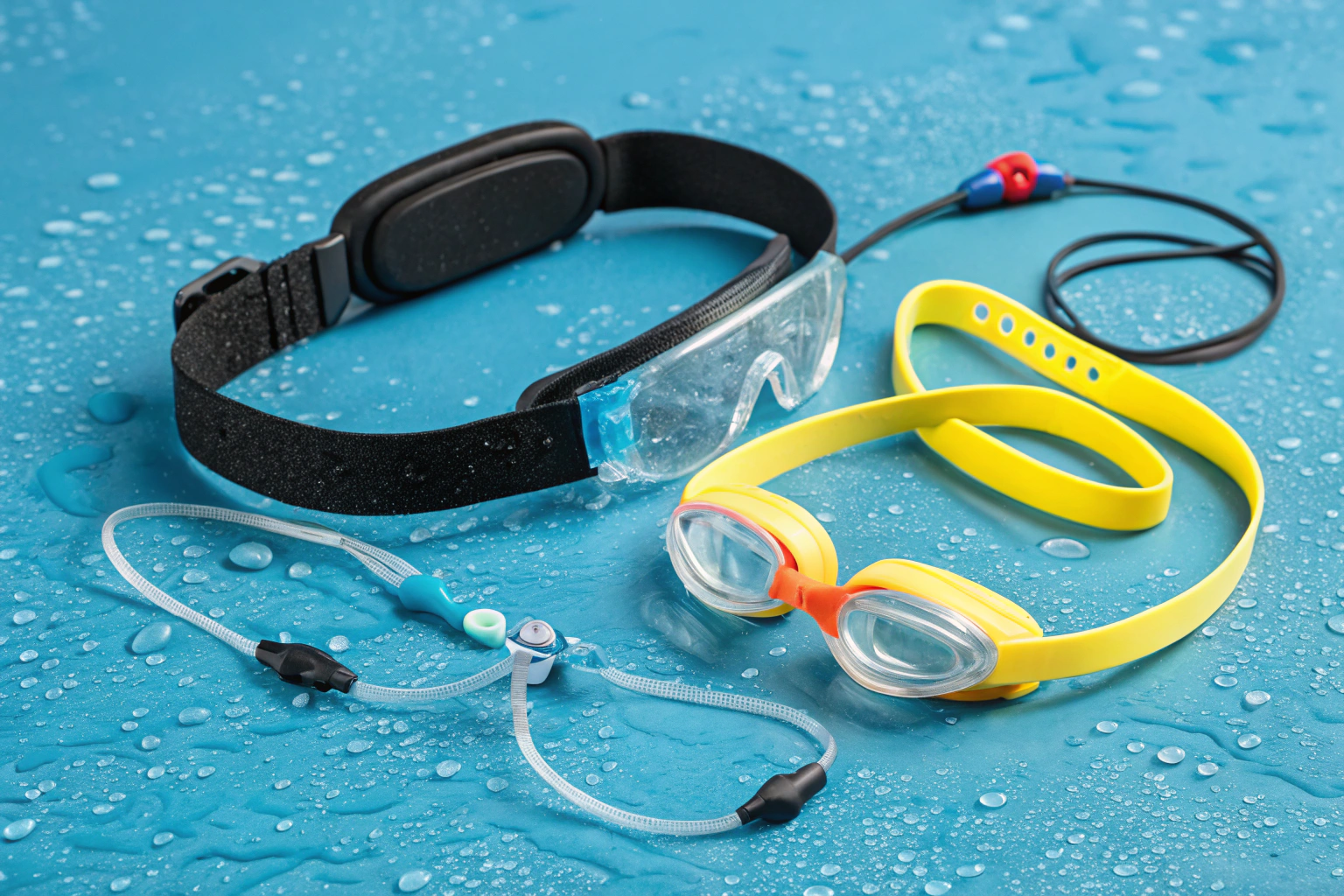
For swimmers, coaches, and aquatic retailers, finding the right hair accessory is not about fashion—it’s about function, comfort, and performance. A proper swimming hair band should keep hair securely out of the face, stay in place during laps, resist damage from chlorine, and ideally, protect against water ingress. With options ranging from simple tie-backs to high-tech neoprene ear protectors, understanding the key types and their purposes is essential for making the right choice, whether for personal use or for sourcing.
Waterproof hair bands suitable for swimming classes fall into three functional categories: Ear-Protecting Headbands made of neoprene with adjustable straps to create a seal against water, Water-Resistant Utility Bands made from silicone or quick-dry fabric designed to hold hair back during activity, and Specialized Aquatic Bands that integrate with swim goggles to prevent slippage. The best choice depends on the swimmer’s primary need: preventing ear infections, managing hair comfortably, or ensuring goggle stability for competitive or frequent training.
Selecting the right accessory can enhance a swimmer’s focus and comfort in the water. From a manufacturing and sourcing perspective, these products cater to a specialized but dedicated market segment that values technical performance. Let’s analyze the specific use cases and technologies behind each type.
How Do Neoprene Ear-Protecting Headbands Function?
For many swimmers, especially children in regular classes, keeping water out of the ears is a primary health concern to prevent painful infections like otitis externa, commonly known as "swimmer’s ear." This is where specialized ear-protecting headbands excel. They are a technical solution designed for a specific medical and comfort need.
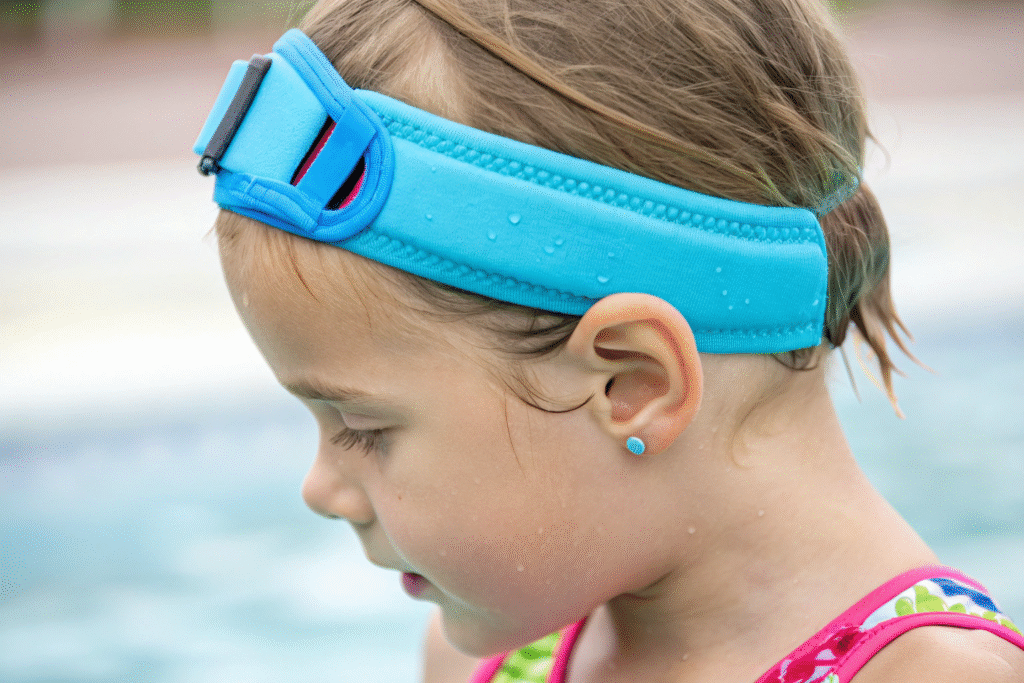
Neoprene ear-protecting headbands function by combining a waterproof neoprene dome that covers the ears with an adjustable strap (usually hook-and-loop) that creates a secure, comfortable seal around the head. High-quality versions, such as those noted in searches, are often sold as a kit that includes silicone earplugs for a dual-layer of protection. The adjustable nature is critical, as noted by product features highlighting "one size fits most" due to a "hook and loop fastener," ensuring a snug fit for children and adults alike. Their primary purpose is not just to hold hair, but to act as a barrier against chlorinated and bacteria-laden pool water.
Why is the combination with earplugs considered the gold standard?
The combination is effective due to dual-seal technology. The earplug creates a primary seal inside the ear canal, while the neoprene dome provides a secondary, overlapping barrier over the outer ear. This significantly reduces the chance of water bypassing both defenses. For parents and swimmers concerned about recurrent ear infections, this is a major selling point. From a manufacturing and quality assurance standpoint, ensuring the neoprene is high-grade, chlorine-resistant, and stitched or bonded securely to the strap is paramount for product longevity and performance, a key part of our quality control process.
What are the key fit and material considerations?
A proper fit is non-negotiable for function. The band must be tight enough to create a seal but not so tight as to cause discomfort or headaches during a long class. Wide, adjustable straps distribute pressure more evenly than thin elastic. The neoprene itself should be smooth-lined to prevent skin irritation. For the consumer market, offering these in various colors and potentially with fun prints for children can transform a medical-looking device into a desirable swim accessory. Highlighting certifications for skin-safe materials is also a strong trust signal for buyers.
What Are the Benefits of Silicone and Quick-Dry Fabric Bands?
For swimmers whose main goal is simply to keep hair—from short fringes to long locks—securely off their face and out of their eyes, silicone and technical fabric bands are the everyday workhorses. They prioritize simplicity, reliability, and comfort over specialized ear protection.
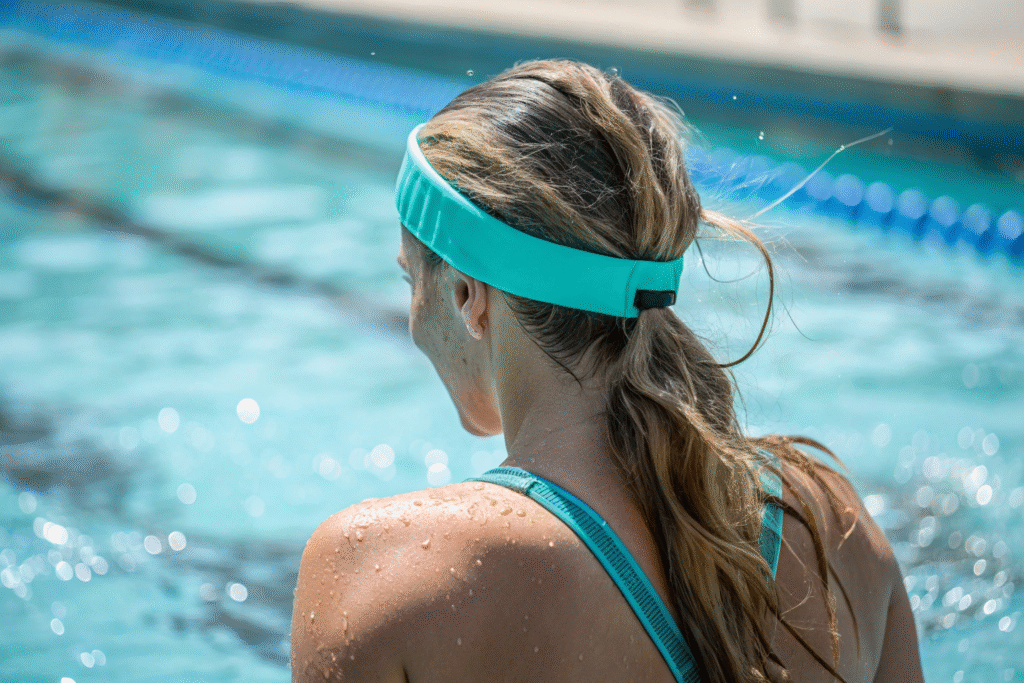
Silicone and quick-dry fabric hair bands offer the core benefit of secure, non-absorbent hair management during swimming. Silicone bands are completely waterproof, easy to rinse, and provide a strong grip on hair without snagging. Quick-dry fabric bands (often made from polyester-spandex blends) are designed to wick water and sweat, drying rapidly after use to prevent odor and deterioration. Searches indicate products like the "LATTCURE Headband" are marketed for their "non-slip" properties during "sports swimming," highlighting their primary function: keeping hair contained securely without distraction, allowing the swimmer to focus on technique and form.
How do silicone bands achieve a secure, non-slip hold?
The high-friction coefficient of silicone is the key. It naturally grips both hair and skin better than smooth plastics or wet fabric. A wider band (often 1-2 inches) increases the surface area of this grip, making it very difficult to dislodge during flip turns or dives. Their monolithic, seamless design also means there are no stitches to unravel or absorb chlorine. For manufacturers, the challenge and opportunity lie in offering a range of widths, thicknesses, and colors, and ensuring the silicone formula is durable and resistant to UV and chlorine degradation, which is a core aspect of our product development for aquatic products.
Why are quick-dry fabrics important for hygiene and longevity?
Unlike cotton, which soaks up pool water and chlorine and stays wet for hours, technical polyester or nylon blends are hydrophobic. They allow water to pass through or bead off, enabling the fabric to dry quickly. This is crucial for preventing the growth of mildew and bacteria, which thrive in damp environments and cause odors and fabric breakdown. For swim schools or frequent users, this translates to a more hygienic product with a longer lifespan. Marketing these bands with terms like "chlorine-resistant," "quick-dry," and "anti-microbial" directly addresses consumer concerns about hygiene and value.
What Are Specialized Aquatic Bands for Goggle Integration?
A common frustration for serious swimmers is goggle slippage, often caused by hair or water breaking the seal. A niche but highly appreciated product addresses this directly: the aquatic band designed specifically to be worn under goggles.
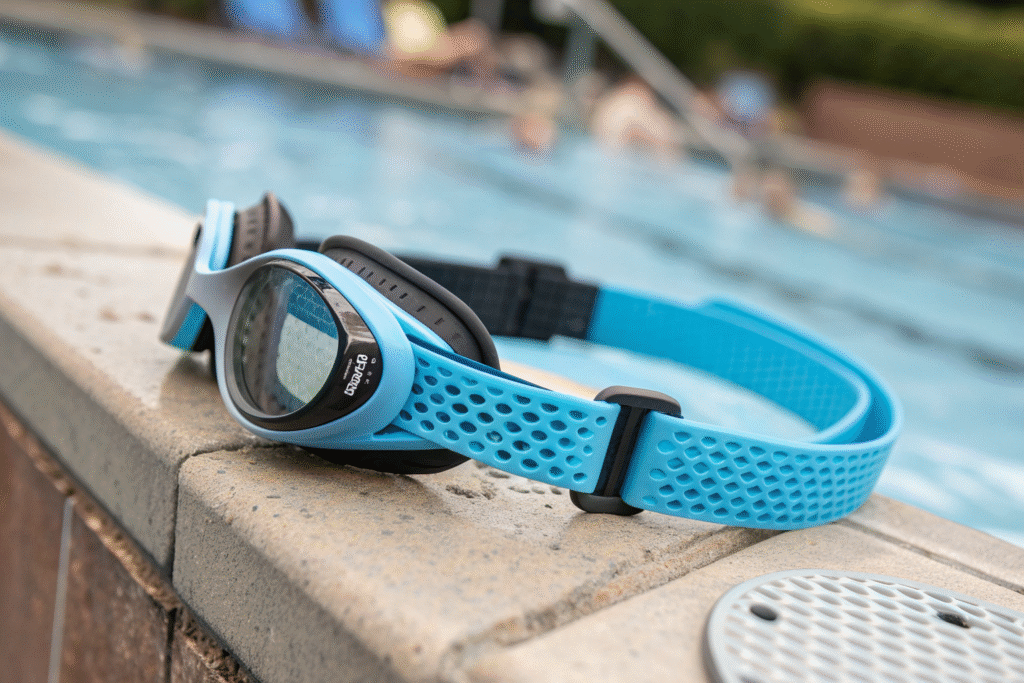
Specialized aquatic bands for goggle integration are engineered to solve the twin problems of goggle slippage and hair tangling. Typically U-shaped or contoured, they are made from a combination of silicone edges (to grip the skin and goggle strap) and breathable mesh (for comfort). By creating a smooth, non-slip barrier between the swimmer’s head/forehead and the goggle strap, they stabilize the goggles, preventing them from loosening during laps. A noted example is the "Luna-25S Diving Snorkel Headband," which highlights this specialized utility. This allows for a tighter, more consistent goggle seal, which is critical for clear vision and competitive performance.
How does this design improve goggle performance?
The design introduces a high-friction interface. The silicone patches on the band grip the rubber of the goggle strap, preventing it from sliding back on wet hair or skin. This means swimmers can achieve a secure fit without overtightening the strap, which is a common cause of headache and "raccoon eye" marks. For competitive swimmers and triathletes, where every second and moment of clear vision counts, this is a valuable performance accessory. Manufacturing these requires precision in bonding the silicone to the mesh and ensuring the overall contour fits a wide range of head shapes.
Who is the primary market for these integrated bands?
The primary market is dedicated athletes: competitive swimmers, masters swimmers, triathletes, and snorkeling enthusiasts. These users are less price-sensitive and more performance-driven. They understand the value of a tool that solves a specific, recurring problem. For retailers and brands, stocking such specialized items positions them as a serious supplier for the athletic community, not just general recreational swimmers. It’s an example of catering to a high-engagement niche within the broader aquatic market.
Conclusion
Choosing the right waterproof hair band for swimming classes comes down to identifying the swimmer’s dominant need: ear health, basic hair containment, or equipment stability. Neoprene protector bands are a specialized health-focused tool, silicone and fabric bands are versatile essentials for daily use, and goggle-integration bands are performance enhancers for serious athletes. Each serves a distinct purpose within the aquatic ecosystem.
For businesses, offering a range that covers these categories ensures you meet the needs of every swimmer—from the child in their first lesson to the seasoned competitor. As a manufacturer with expertise in functional accessories, we understand the material science and user ergonomics required to develop reliable, high-performance swimming gear. If you are looking to source or create a line of aquatic hair bands that truly meet these technical demands, we can provide the necessary R&D support, material sourcing, and production quality. For a detailed discussion, please contact our Business Director Elaine at elaine@fumaoclothing.com. We are here to provide professional and reliable service for your aquatic accessory line.