For anyone with curly, coily, or wavy hair, finding a hair tie that holds without causing damage, pulling out curls, or leaving painful dents can feel like an endless quest. Standard elastics are notorious for snagging, creating tension, and contributing to breakage, which is especially detrimental to the delicate structure of curly hair. The challenge isn’t just about securing your style; it’s about finding a tool that respects and protects your curls’ health and definition. As a professional hair accessory manufacturer, we at AceAccessory understand that the right hair tie must blend gentle functionality with thoughtful design to be truly suitable for all curly hair types.
The most suitable hair ties for curly hair are those specifically engineered to be seamless, non-damaging, and offer a flexible hold. Key characteristics include soft, smooth materials (like coated fabric or silicone), a seamless or “ouchless” design that eliminates snagging, and enough gentle elasticity to accommodate the volume and shrinkage of curls without excessive pulling. While brands like Goody have popularized the “Ouchless” concept, the ideal choice goes further by considering the unique needs of different curl textures, from loose waves to tight 4C coils. Understanding that curl care extends beyond the product to how you use it is crucial for maintaining healthy, defined hair.
Let’s explore the specific types of ties, the essential features they must have, and the styling techniques that will keep your curls secure, healthy, and looking their best all day.
What Are the Key Features of a Curly-Hair-Friendly Hair Tie?
Choosing the right hair tie starts with identifying design features that actively prevent the common problems curly hair faces: breakage, dents, tangles, and loss of definition. The cornerstone of a good hair tie for curls is a non-damaging, snag-free construction. This typically means no exposed elastic threads, metal parts, or rough seams, as these can easily catch and pull on individual strands. Instead, look for ties made from smooth, unified materials that glide over hair.
Material is paramount. Soft, stretchy silicones, plush velvet, smooth satin, and seamless coated fabrics are excellent choices. For example, “Ouchless” elastics are designed to provide a comfortable, secure hold without metal, making them a popular baseline option . Equally important is the tie’s ability to hold without excessive tightness. Curly hair is often more voluminous and prone to dryness, so a tie that is too tight can cause breakage and headaches. The best ties offer a firm but forgiving grip. Furthermore, the width of the tie matters; wider bands (like those on satin bonnets) distribute pressure over a larger area, preventing the “dent” left by thin elastics and providing greater comfort .
Why Are Seamless and “Ouchless” Designs Non-Negotiable?
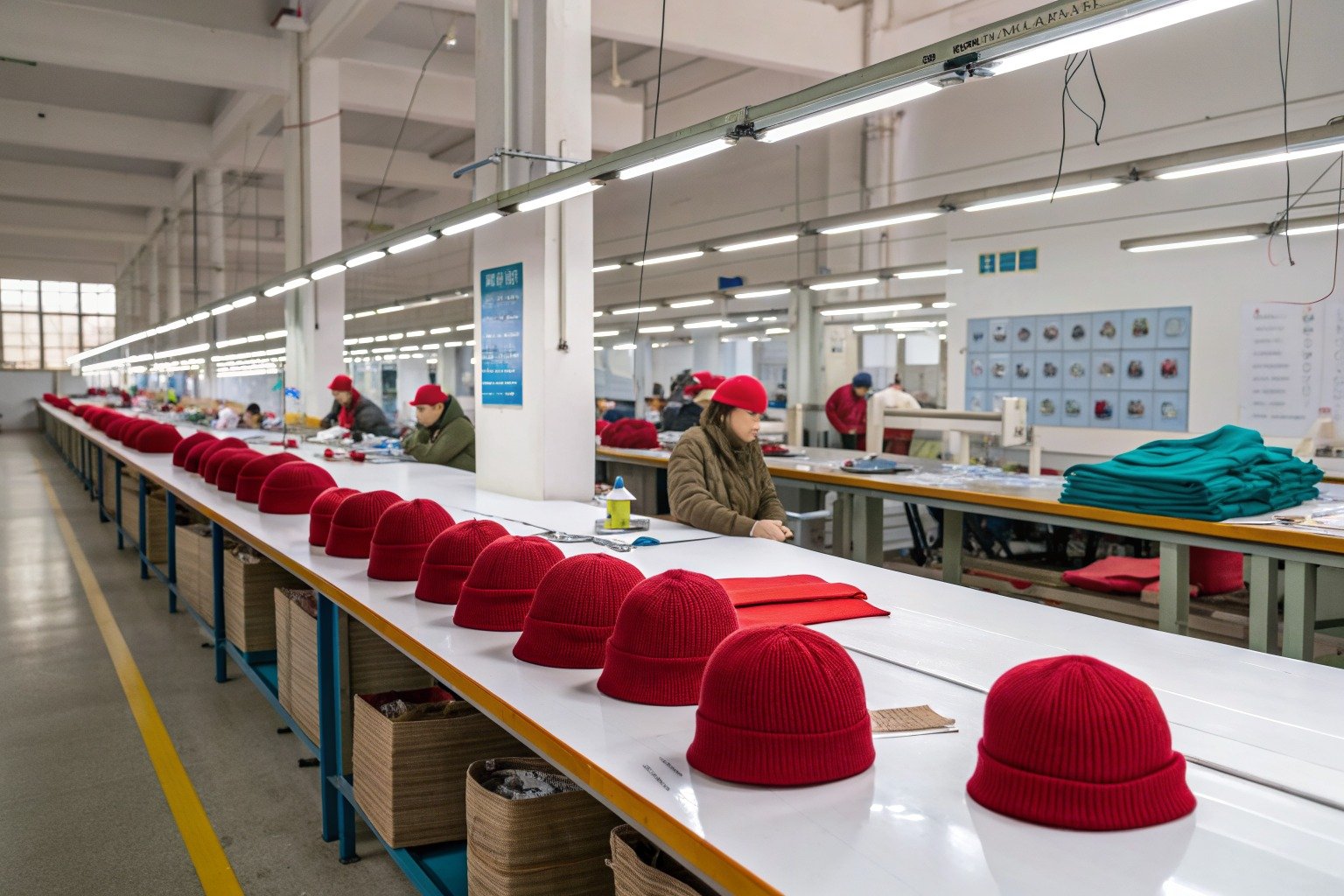
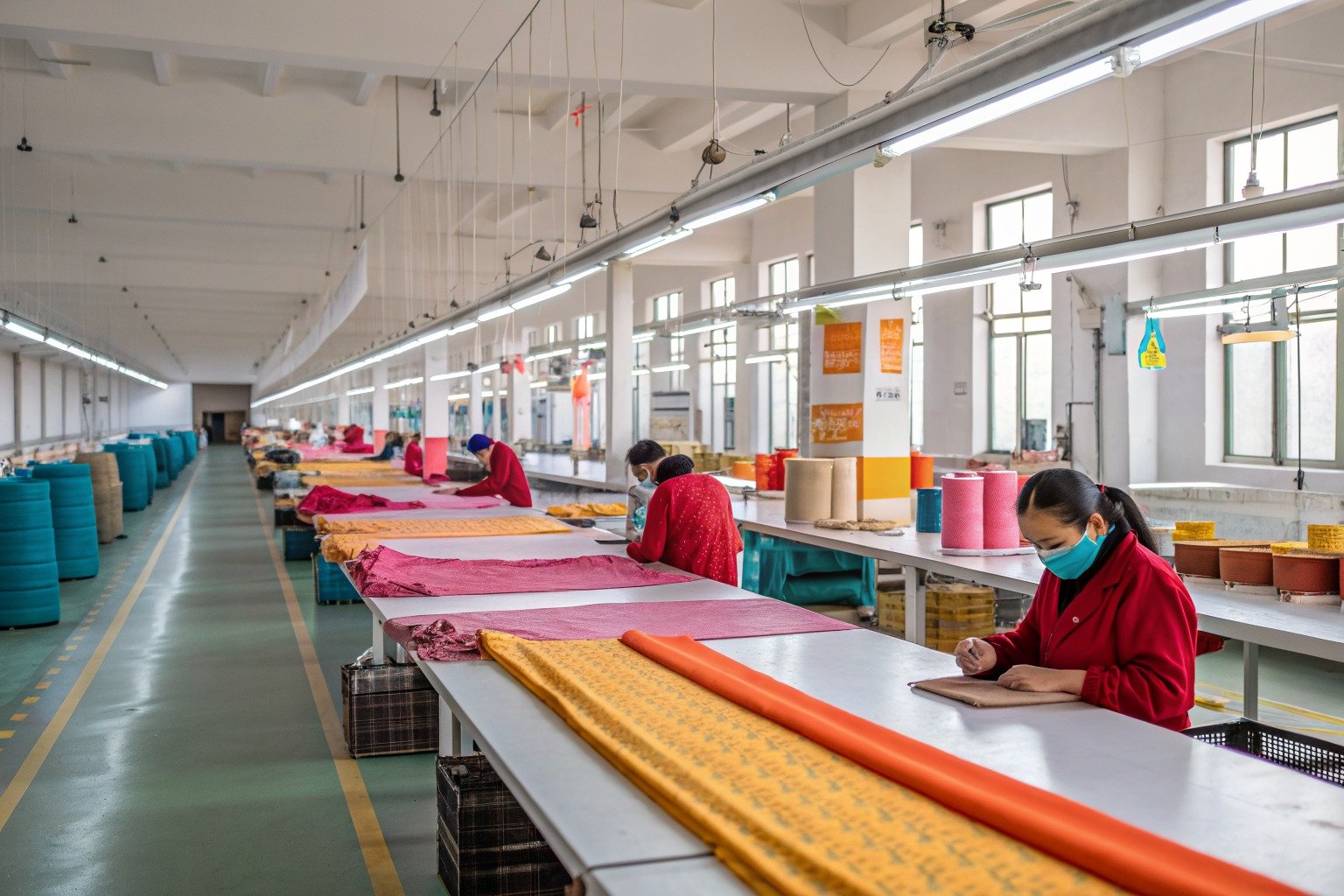
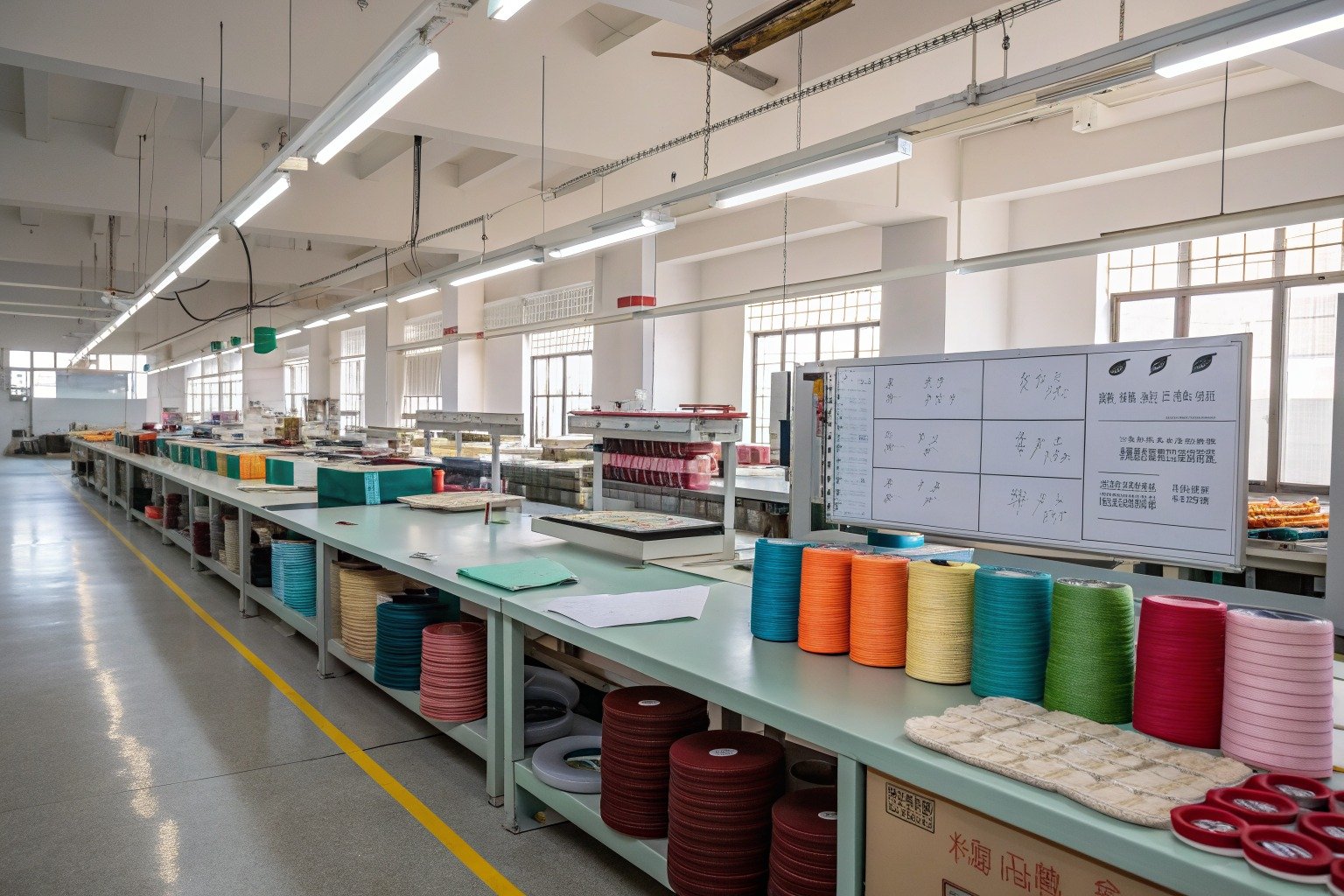
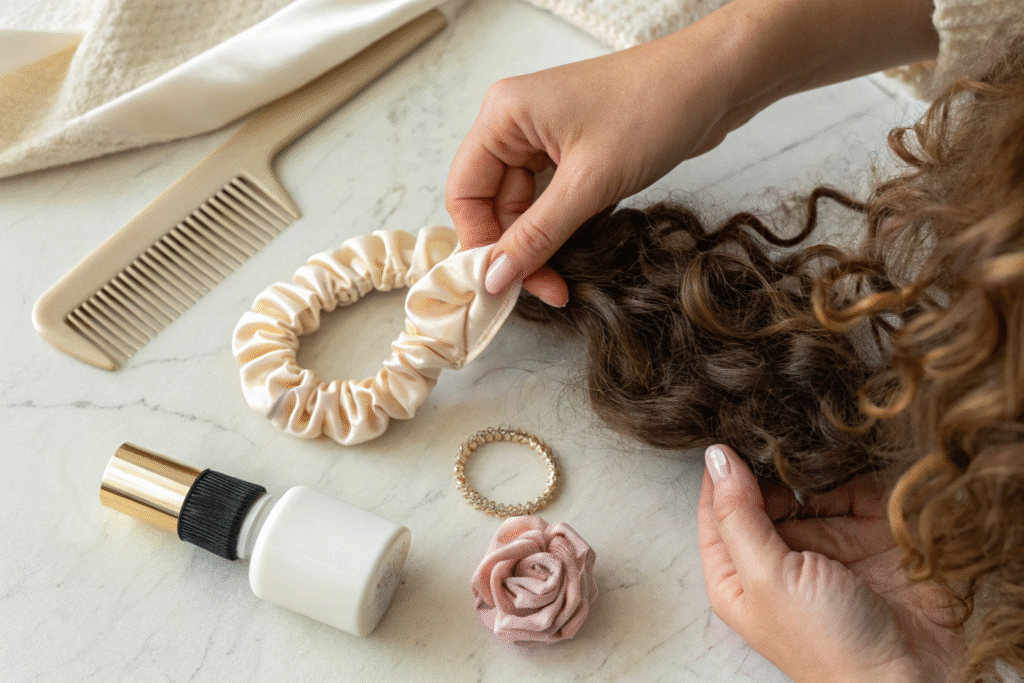
Exposed seams and rough edges act like tiny saws on curly hair, creating friction that leads to cuticle damage, split ends, and frizz. Seamless elastics, or those with a smooth coating over the elastic core, eliminate this friction point. They are designed to glide onto the hair and, just as importantly, glide off without pulling or tugging when it’s time to take your hair down . This is crucial for maintaining curl integrity, especially when taking down protective styles like pineapples or high puffs. For manufacturers like us at shanghaifumaoclothing, producing a truly seamless and durable bond requires precise molding and rigorous quality control to ensure the coating doesn’t peel or crack with repeated use.
How Do Protective Materials Like Satin and Silk Benefit Curls?
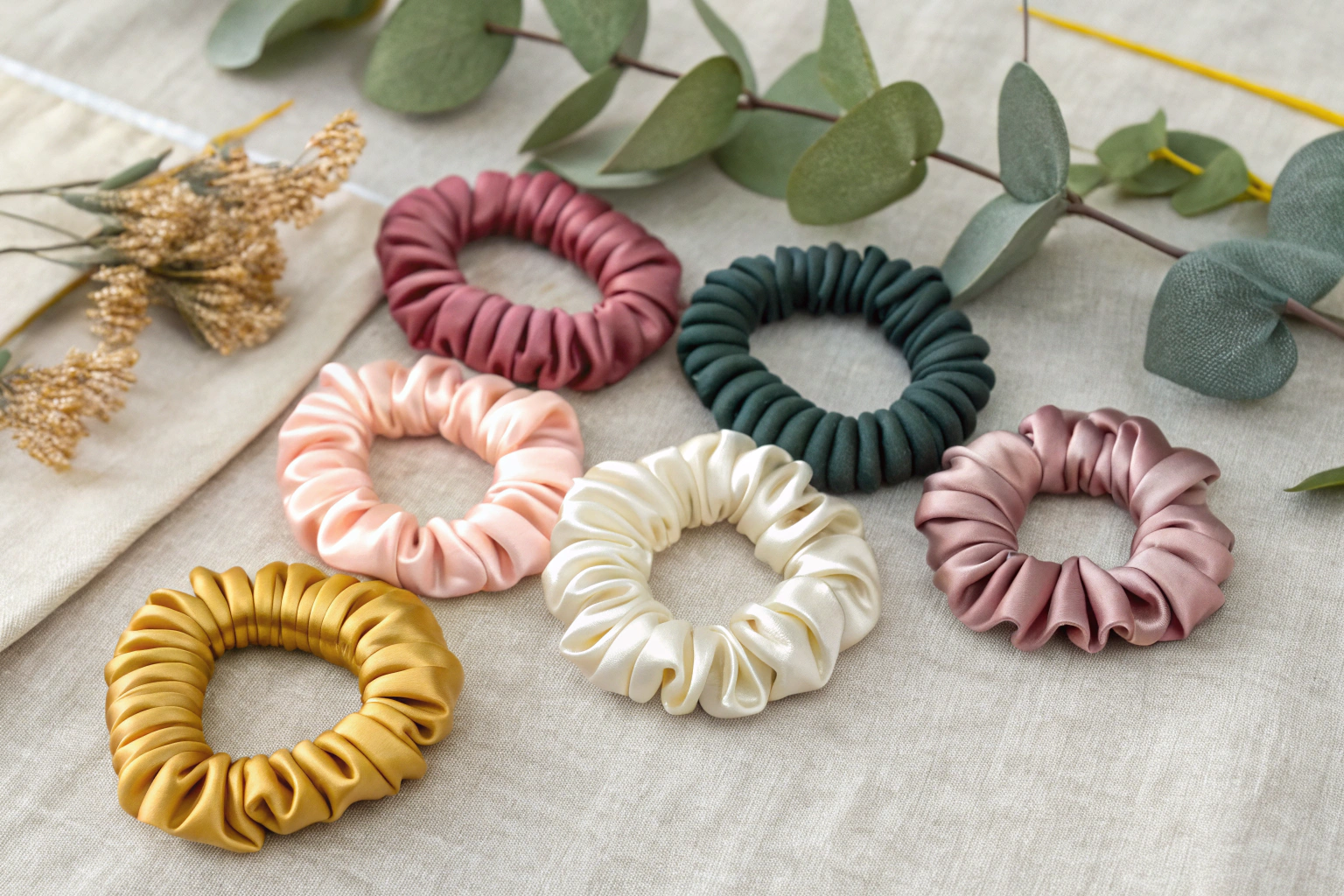
While the elastic core provides hold, the material that touches your hair is about protection. Satin and silk have smooth, low-friction surfaces that minimize moisture loss—a key issue for curly hair—and reduce the friction that causes frizz and breakage . This principle is why satin bonnets and pillowcases are staples in curly hair care routines. While not always the primary material of the elastic band itself, satin and silk are often used in scrunchies or as the outer covering of hair ties. Using a satin scrunchie, for instance, combines the gentle hold of a wide-band tie with the protective benefits of the fabric. Offering accessories that incorporate these materials shows a deep understanding of the holistic haircare needs of curly-haired customers.
Which Specific Hair Tie Styles Work Best for Different Curly Textures?
Not all curls are the same, and the ideal hair tie can vary based on hair density, strand thickness, and styling goal. Understanding your curl type helps in selecting the most effective and gentle accessory.
For thick, dense curly or coily hair, extra-thick and long elastics are essential. Standard thin ties can over-stretch, dig in painfully, or simply not be long enough to wrap around the volume. Products specifically marketed as “XL” or “Extra Thick” are made for this need, providing a secure hold for buns and ponytails without cutting into the hair. For medium to thick curly hair styled in updos or half-up styles, strong-grip clips with wide, bendable teeth can be excellent alternatives. They distribute pressure over a wider area without concentrating tension on a single band, with some designs noted as suitable for “all hair textures”.
For all curl types seeking protection and minimal denting, spiral/coil hair ties and seamless fabric scrunchies are top contenders. The spiral design of coil ties stretches dramatically and grips hair along its length, reducing pressure points. Meanwhile, a large, soft scrunchie provides a gentle, dent-free hold perfect for loose ponytails or “pineappling” hair at night. The versatility of scrunchies makes them a “perfect choice for every female,” particularly because they are gentle on hair and reduce breakage compared to traditional ties.
Are There Special Considerations for Tight Coils (e.g., 4C Hair)?
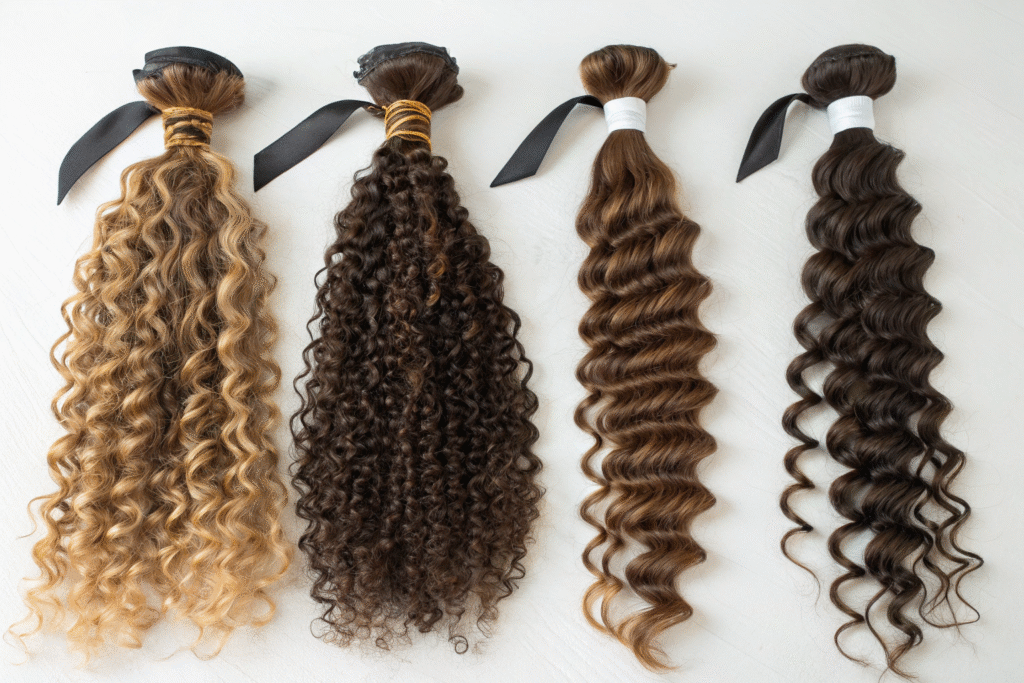
Hair with a tightly coiled texture, like 4C hair, has unique requirements. It is more prone to dryness and breakage due to its structure, making extreme gentleness the top priority [citation:1]. The focus should be on maximum stretch and a soft, wide surface area. Thick, seamless silicone bands or extra-large satin scrunchies are ideal because they won’t compress the hair excessively, which can lead to tangling and knotting at the roots. The goal is a secure but “low tension” hold. This approach aligns perfectly with the protective styling ethos critical for maintaining the health of tightly coiled hair.
What About Hair Ties for Braids, Twists, and Protective Styles?
When hair is in braids, twists, or other long-term protective styles, the hair tie’s role is often to discreetly and securely seal the ends. Here, durability and a smooth finish are key to prevent fraying. Small, strong rubber bands that are thin yet resilient are commonly used by professionals as they are discreet and provide a very secure seal. It’s vital that these are also removed carefully, often with scissors, to avoid pulling on the braided hair. For the consumer market, providing these specialized bands in bulk meets a specific and recurring need within the curly and natural hair community.
How to Use Hair Ties Properly to Protect and Style Curly Hair?
Even the best hair tie can cause damage if used incorrectly. Proper technique is as important as the product itself to prevent breakage and maintain your curl pattern.
Firstly, avoid pulling hair back when it is sopping wet. Wet hair is at its most fragile and elastic, making it highly susceptible to stretching and breaking. Style hair when it is damp or fully dry. Secondly, never wrap a hair tie too tightly. The tie should be secure enough to hold the style but loose enough that you can easily slide a finger underneath it. A sign of a good tie is that it does not leave deep dents or cause headaches. When creating a ponytail, use a “soft hand” and avoid over-smoothing; a little volume at the roots is healthier and prevents tension on the hairline.
To take down a style, never pull or yank the tie out. Carefully loosen it by twisting it open or sliding it off while supporting the hair with your other hand. For tighter elastics on braids, it’s often safer to cut them off. Finally, vary your hairstyle and tie placement daily to prevent constant stress on the same sections of hair, which can lead to traction alopecia over time.
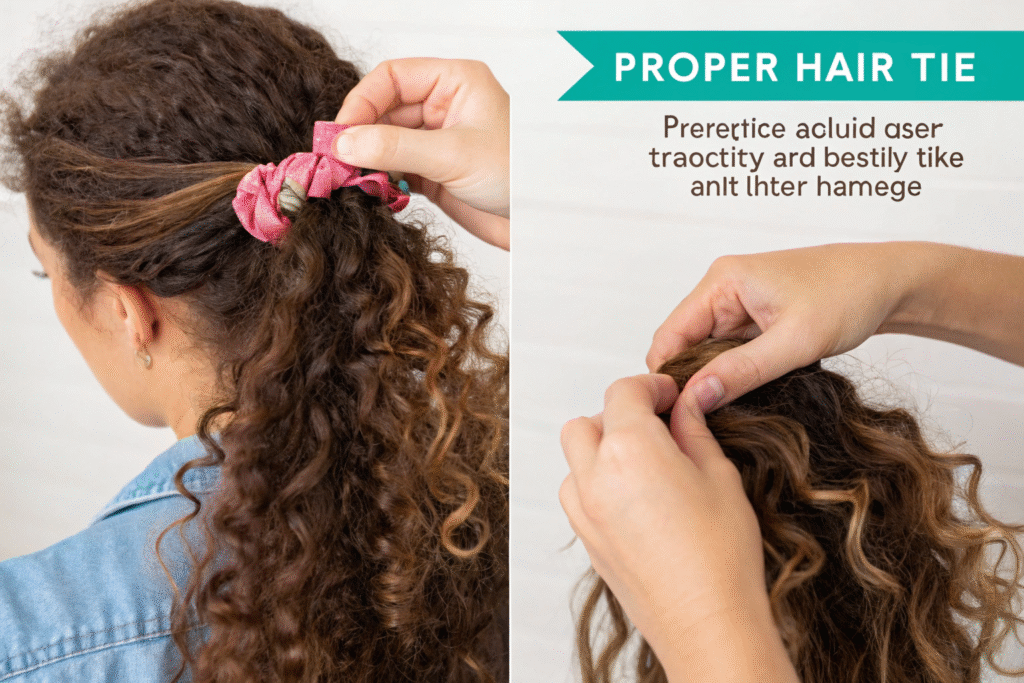
What is the “Pineapple” Method and Which Tie is Best for It?
The “pineapple” is a popular overnight styling technique for curly hair to preserve volume and definition for the next day. It involves gathering all hair into a very loose, high ponytail on top of the head. The absolute best hair tie for this is a large, soft satin or silk scrunchie or a spiral coil tie. These provide the minimal, non-denting hold needed. The key is to make the ponytail loose—the goal is to keep the curls piled up gently, not to tightly bind them. This method, combined with a satin pillowcase or bonnet, is a cornerstone of curly hair care routines for reducing morning frizz and maintaining curl shape.
Can the Wrong Hair Tie Cause Long-Term Damage?
Yes, consistently using the wrong hair tie or technique can lead to several long-term issues. Traction Alopecia: This is caused by constant pulling on the hair follicles, especially from tight ponytails or buns secured with thin, tight elastics. It often manifests as thinning around the hairline and temples. Mid-Shaft Breakage: Rough seams or materials that snag can cause hair to break off along the shaft, leading to uneven length, frizz, and reduced overall volume. Loss of Curl Definition: Excessive tension and friction can permanently damage the hair’s cuticle and protein structure, leading to sections of hair that no longer curl as they once did. Investing in the right ties is an investment in the long-term health of your curls.
What Do Customer Trends and Reviews Say About Effective Hair Ties?
Analyzing customer feedback and market trends provides real-world validation for what works. Reviews consistently highlight the importance of gentleness, security, and versatility.
A major trend is the strong preference for multi-functional and protective accessories. Products like satin bonnets with wide elastic bands are praised not just for sleeping, but also for protecting hair during skincare routines, housework, or bathing. Customers value products that offer “moisture retention” and “anti-frizz” benefits, directly addressing core concerns of curly hair care. Furthermore, there is a significant demand for customization and unique design in hair accessories. The market for handmade, custom scrunchies in various fabrics and patterns is thriving, as they allow for personal expression while being gentle on hair. This shows that curly-haired consumers are looking for products that are both effective and aligned with their personal style.
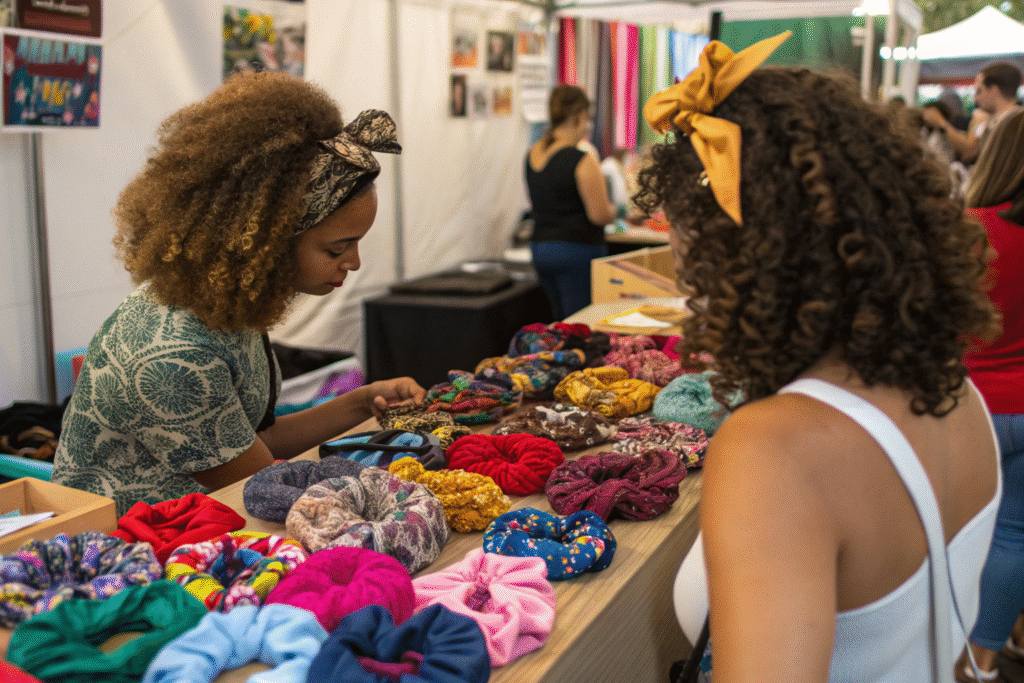
Why is There a Growing Market for Custom and Handmade Scrunchies?
The appeal of custom and handmade scrunchies goes beyond aesthetics. First, they often use higher-quality, carefully selected fabrics that are softer and more protective than mass-produced options. Second, supporting small businesses and ethical manufacturing practices resonates with many consumers. As noted in one article, custom scrunchies are a “perfect choice” because they can be tailored with unique designs, fabrics, and even for specific events, offering a level of personalization that standard accessories do not. For retailers and brands like ours, this trend underscores the opportunity to offer exclusive, small-batch collections that cater to the discerning curly-haired customer.
What Common Complaints Do Customers Have About Hair Ties?
Negative reviews often point to failures in the very areas that are critical for curly hair. Common complaints include: ties that are too weak and pop open, springs that lose tension quickly, smooth surfaces that slip immediately, and designs that are painfully tight yet still ineffective. Other frustrations involve long shipping times for imported accessories or discrepancies between the product image and what is received . For importers, distributors, and manufacturers, these pain points highlight the non-negotiable need for rigorous functional testing, accurate product representation, and reliable logistics—all core aspects of the integrated service we provide at AceAccessory to ensure consistent quality and customer satisfaction.
Conclusion
Finding hair ties that are truly suitable for curly hair is a deliberate choice that balances hold with protection. The solution lies in selecting accessories with key features: seamless “ouchless” designs, protective materials like satin or silicone, and appropriate sizing for your hair’s volume and texture. Styles such as thick scrunchies, spiral coils, and wide-band elastics consistently meet these needs. Equally important is mastering gentle styling techniques, like the pineapple method, to complement your product choices. Learn more shanghaifumaoclothing details page.
If you are a retailer, brand, or boutique looking to stock a line of hair ties that your curly-haired customers will love and repurchase, it begins with expert, thoughtful manufacturing. We specialize in creating accessories that merge trend-aware design with functional, hair-healthy engineering.
Ready to develop a collection of hair ties that cater perfectly to curly hair types? Contact our Business Director Elaine today to discuss your next project. She can provide a detailed, transparent quote and a production plan tailored to your brand’s needs. Reach her at: elaine@fumaoclothing.com.