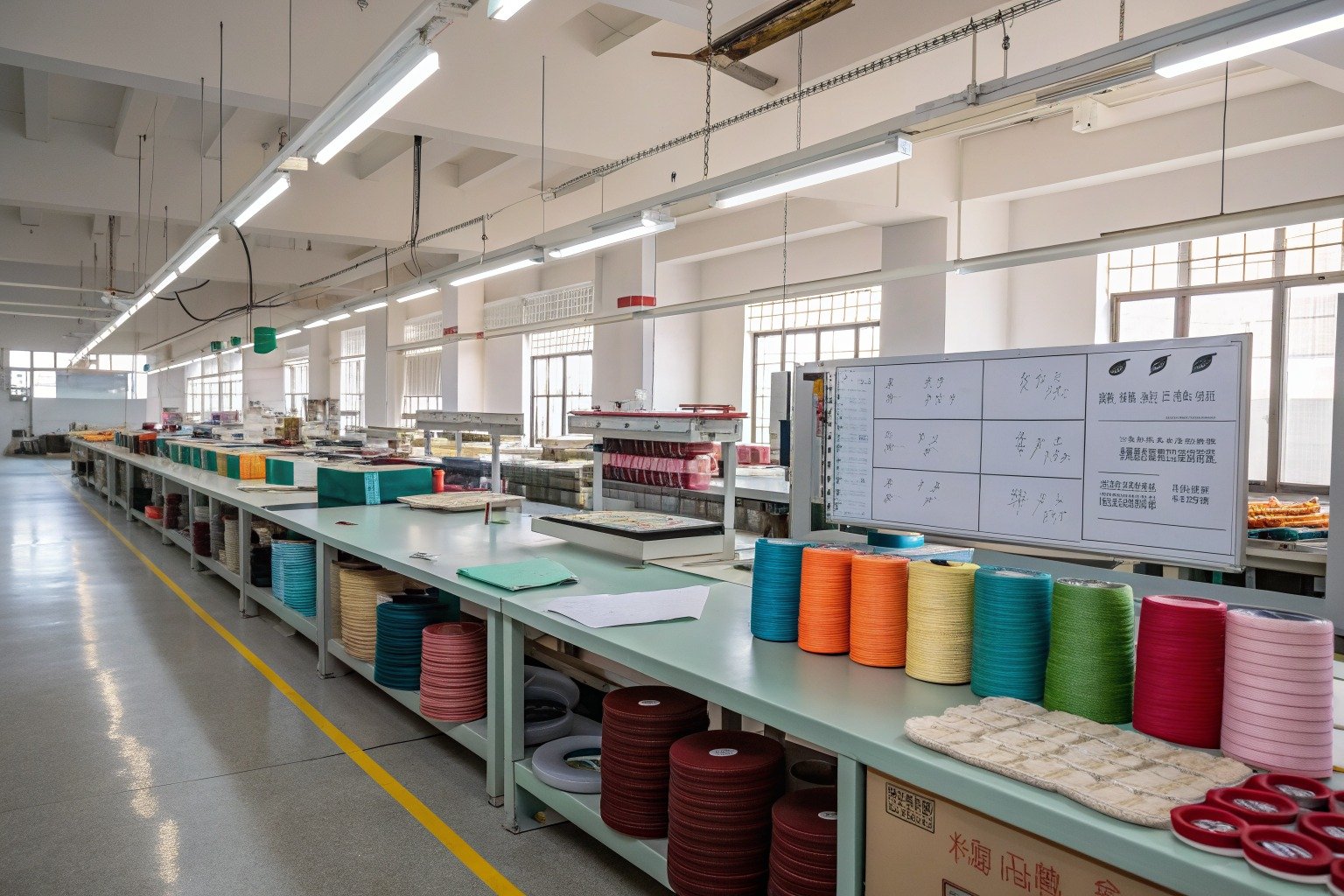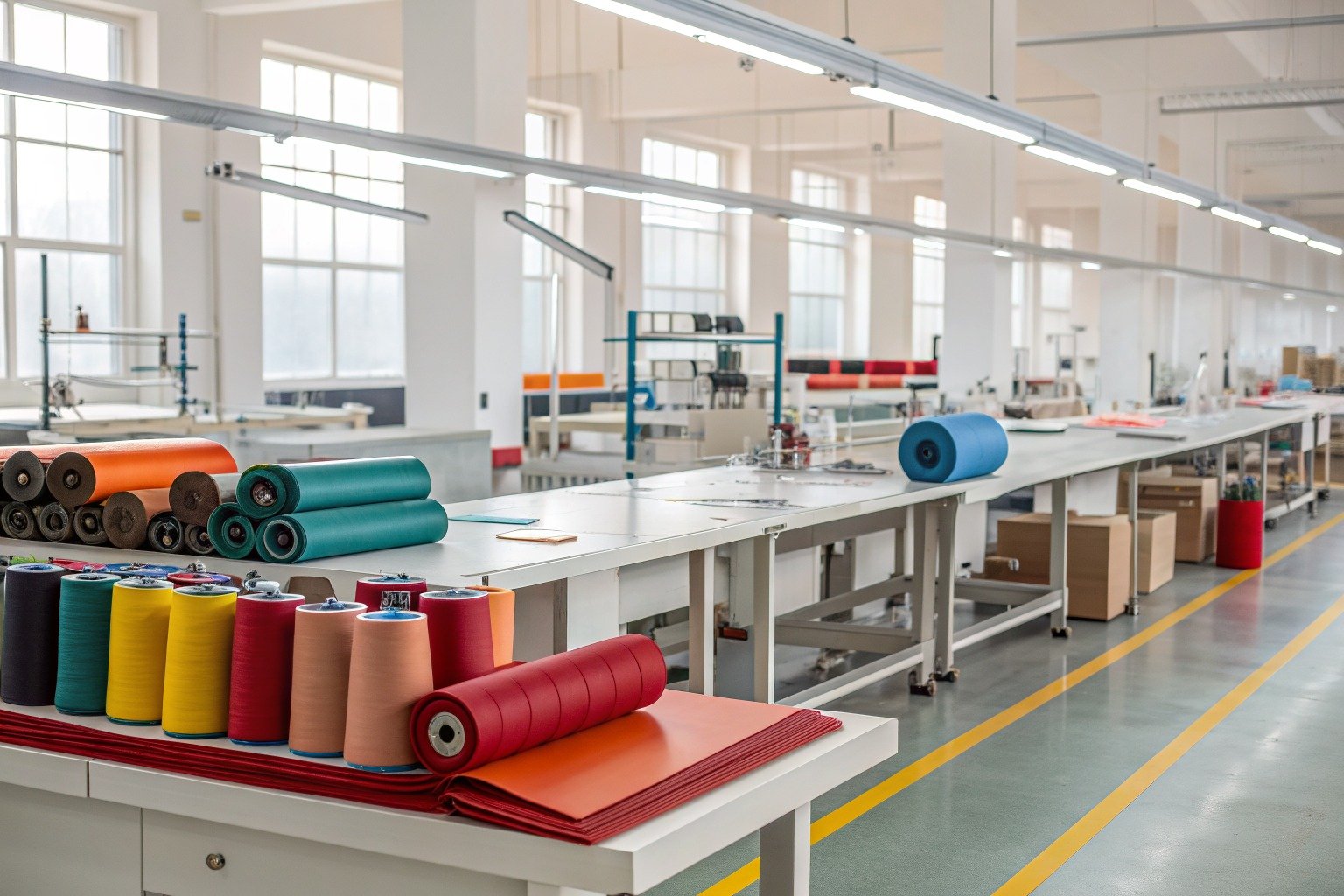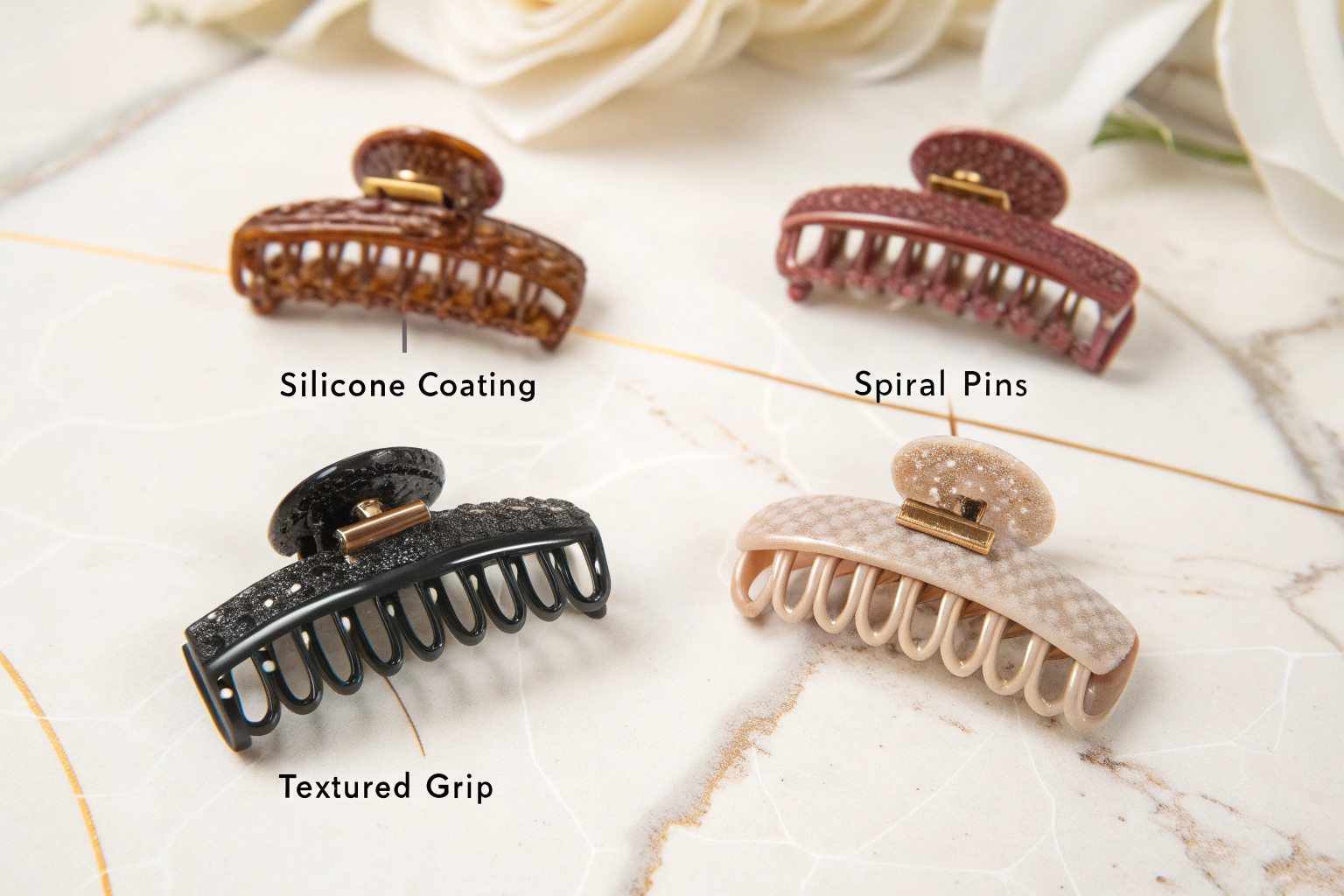
If you have fine hair, you know the struggle. You find a beautiful clip, secure your hair, and within an hour, it’s slipping out, leaving you frustrated and your style undone. This common pain point is echoed by many, as fine hair lacks the texture and volume for standard clips to grip effectively. The search for a hair accessory that combines style with steadfast hold can feel endless. As a manufacturer at AceAccessory, we hear this feedback directly from our clients who retail these products, and it drives our design and material choices to solve exactly this problem.
The answer lies in selecting clips specifically engineered with features that combat slippage. The most reliable hair clips for fine hair are those designed with non-slip mechanisms, gentle but secure grips, and materials that add friction without damage. Key styles include silicone-grip barrettes, spiral spin pins, and certain claw clips with textured surfaces. Success is not about one magic clip, but about understanding the engineering principles—like surface tension, weight distribution, and grip technology—behind accessories that can truly hold fine strands.
Let’s dive into the specific types of clips that have proven effective, the critical features to look for, and how to use them to ensure your hairstyle stays flawless all day.
What Are the Best Types of Hair Clips for Fine Hair?
Not all clips are created equal, especially for fine hair. The best types leverage design and physics to maximize hold without relying on hair thickness. Based on product designs and consumer feedback, three categories consistently perform well: clips with integrated non-slip pads, spiral or corkscrew pins, and lightweight claw clips with textured surfaces.
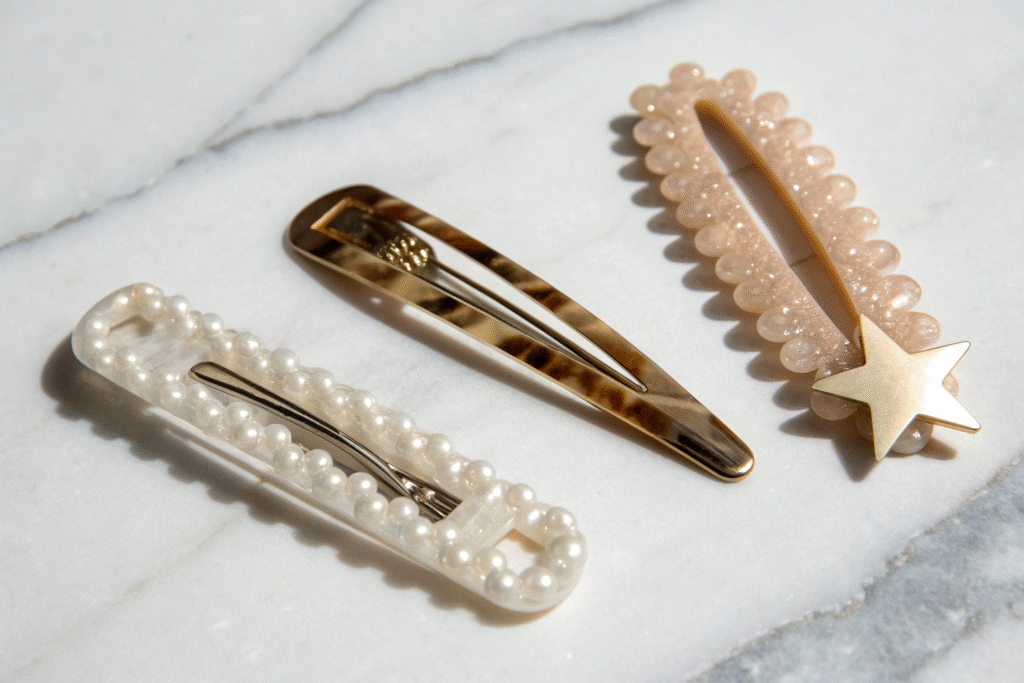
First, barrettes and jaw clips that feature silicone or rubberized pads are a game-changer. These pads increase the coefficient of friction between the clip and the hair, creating a gentle but firm hold that prevents sliding. For instance, a stainless steel clip lined with silicone can "easily fix the hairstyle and prevent it from falling off" without pulling. Second, spiral spin pins, like the Goody SlideProof pins, work by corkscrewing into the hair bun, distributing grip along the length of the pin rather than at a single pressure point. They are renowned for offering "a strong grip with a gentle hold" and can do the work of many traditional bobby pins. Third, lightweight resin or acetate claw clips with molded textures or non-slip finishes can also work, provided they are not too heavy or smooth.
How Do Silicone-Grip Clips Prevent Slipping?
The science is straightforward: silicone has a high-friction surface. When applied to the inner grip of a clip, it creates micro-resistance against individual hair strands. This resistance is what stops the clip from sliding down, a common issue with smooth metal or plastic clips. Products like the "Stainless Steel Silicone anti-slip clips" are explicitly designed to be "more protective of fine and fine hair" because the grip is secure yet gentle, minimizing breakage. The silicone pads act like brakes, holding the hair in place without the need for excessive clamping force, which can often damage fine hair. When sourcing these, it’s crucial that the silicone is properly bonded and covers a sufficient area of the gripping surface to be effective. Our quality control at shanghaifumaoclothing places great emphasis on the adhesion and durability of these non-slip elements to ensure they last through daily use.
Why Are Spiral Spin Pins So Effective for Fine Hair?
Spiral spin pins are effective because they change the way force is applied. Instead of pinching hair between two points (which can slip out if the hair is smooth), they thread through the hairstyle. As you twist them into a bun or updo, the spiral shape grabs and wraps small sections of hair along its entire length. This creates multiple, distributed anchor points, making the hold incredibly secure. User reviews for Goody Spin Pins note they "hold her wig on tight while she dances" and provide a "strong grip" without snagging. For fine hair, this distributed grip is less likely to create a single point of tension that fails. They are also lightweight and low-profile, preventing the hairstyle from being weighed down. From a manufacturing perspective, achieving the precise coil tension and smooth, snag-free finish on these pins is a specialized process that requires excellent metallurgy and quality control.
What Features Should You Look for in a Non-Slip Hair Clip?
Identifying the right clip goes beyond its type. You must examine specific design features that contribute to a secure hold. Key features to look for include micro-textured surfaces, gentle spring tension, appropriate size and weight, and a secure closure mechanism.
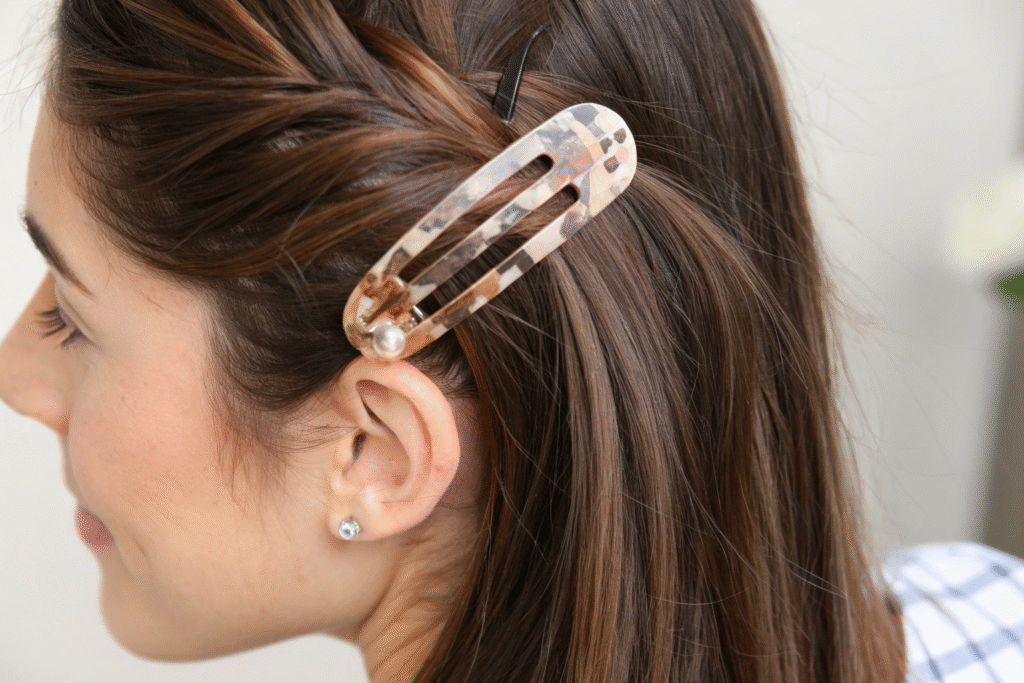
A micro-textured or matte finish on the gripping surface is far superior to a glossy, smooth one. This texture can be found on resin claw clips or acetate pieces, like the "nonslip designs" mentioned in colorful fish-shaped clips. The spring mechanism in jaw clips or barrettes should be strong enough to hold but not so tight that it flattens the hair or causes discomfort; a "secure, non-slip clip hold hair in place without pulling" is ideal. Weight is critical—heavy clips will pull themselves out of fine hair. Opt for materials like lightweight acetate, aluminum, or small resin designs. Finally, consider the closure. A clasp that fully seals, like a secure barrette closure or a claw clip that fully snaps shut, is more reliable than a partially closing design.
How Does Clip Weight and Size Impact Hold?
For fine hair, smaller and lighter is almost always better. A large, heavy claw clip, regardless of its grip, will exert downward force that fine hair strands cannot support, leading to slippage and headaches. The goal is to choose a clip proportional to the amount of hair you’re securing. A smaller clip for a half-up style or a medium, lightweight clip for a full ponytail is advisable. Products often highlight their suitability for "thick fine hair friendly" designs, which usually imply a grip that adapts without excessive weight. At our factory, when we develop clips for the fine hair market, we prioritize material selection—using hollow metal components or lightweight polymers—to reduce overall weight while maintaining structural integrity and a secure hair grip.
What Role Does Spring Tension Play in Security?
Spring tension is the engine of a clip’s hold. If it’s too weak, the clip won’t stay closed. If it’s too strong, it can damage hair, cause pain, and even be difficult to open. For fine hair, the ideal spring offers a firm but forgiving tension. It should be strong enough to keep the clip securely closed on a smaller section of hair but designed to prevent the "pinching or creasing" that some clips cause. Look for clips with rounded teeth and smooth internal mechanisms, as these features help distribute pressure evenly. A well-designed spring, combined with non-slip pads, creates the perfect balance of security and comfort. It’s a component we test rigorously at shanghaifumaoclothing, cycling it thousands of times to ensure the tension remains consistent over the product’s lifespan.
How Can You Style Fine Hair to Help Clips Stay Put?
The right clip is only half the battle; your styling technique is the other half. Fine hair often lacks natural grip, so you need to create texture and anchor points for the clip to hold onto.
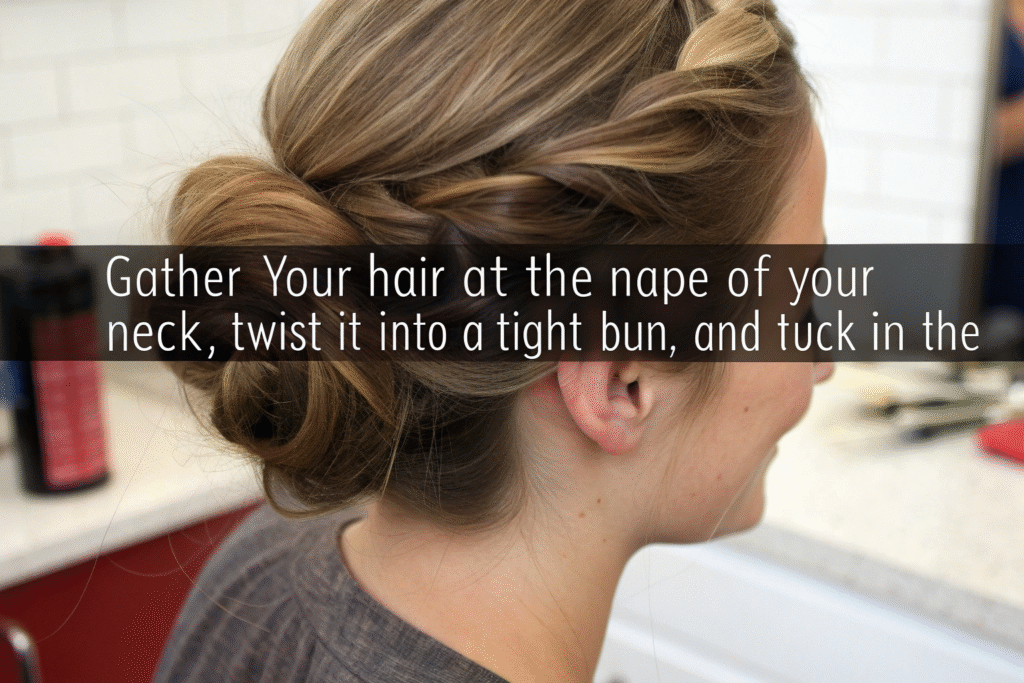
Start with second-day hair or use a texturizing spray. The slight oiliness or added product gives strands more "tooth" or roughness for the clip to grip. When creating a bun or twist for spin pins, make sure it’s tight and secure before inserting the pin. For barrettes and claw clips, don’t just clip onto slick, straight hair. Try a slightly teased section at the crown or twist the section of hair once before clipping it. This simple twist adds volume and creates a thicker, more intertwined bundle for the clip to latch onto. As noted in styling tips, "gather your hair at the nape of your neck, twist it into a tight bun, and tuck in the ends" before using spin pins for a polished look.
Does Hair Texture Product Make a Difference?
Absolutely. Using the right pre-styling product is like laying down double-sided tape before applying a clip. Dry shampoos, texturizing powders, and light-hold hairsprays can work wonders. They coat the hair shaft, increasing its diameter and surface friction, which dramatically improves a clip’s staying power. Apply a small amount at the roots or on the section you plan to clip. Be cautious with oily or heavy serums, as they can make hair too slick and have the opposite effect. The goal is to add grip, not grease. This little step can make even basic clips perform much better, turning a potential styling fail into an all-day success.
What Are Common Mistakes That Make Clips Fall Out?
Several common mistakes undermine a clip’s hold. First, using a clip that is too large or heavy for your hair volume. Second, clipping hair that is too wet, too oily, or too freshly washed and smooth. Third, not securing all the hair properly within the clip’s jaws—stragglers reduce effectiveness. Fourth, placing the clip in an area of high tension or movement (like right at the hairline for a heavy style) without adequate anchoring. Finally, ignoring the condition of the clip itself. Worn-out springs or smooth, polished silicone pads that have lost their grip will fail. Regularly inspecting your accessories is as important as choosing them.
What Do Customer Reviews Say About the Best Clips?
Real-world feedback is invaluable. Analyzing reviews across platforms reveals consistent praise for specific clip features and brands that deliver on their promises for fine hair.
Reviews for spiral spin pins are overwhelmingly positive regarding hold. Users report they "do the work of 20 bobby pins" and provide a "strong grip with a gentle hold" that lasts all day without pain. For non-slip barrettes, customers appreciate designs that are "comfortable all day" and "secure without pulling". The positive feedback for clips with silicone grips highlights their protective nature, especially for fine hair. Conversely, reviews sometimes point out issues with color accuracy or sizing, but the core function of a secure hold is frequently validated when the right design is chosen. This direct feedback loop is crucial for manufacturers like us to iterate and improve product designs.
Which Brands Are Frequently Recommended?
While many effective clips are unbranded and sourced from manufacturers like those in Shenzhen, several established brands receive consistent mentions. Goody is a standout for its Spin Pins, which are repeatedly cited for their effectiveness across all hair types, including fine hair. KISS also produces reliable, widely-available styling clips noted for working "well with all hair types". For branded fashion clips, retailers like Urban Outfitters stock trendy, functional pieces like resin claw clips which are designed to be "secure". The key takeaway for buyers is to look for the design features first; a well-designed unbranded clip from a reputable factory can be as effective as a branded one.
What Are the Recurring Complaints in Negative Reviews?
Negative reviews often highlight failures related to the very features fine hair needs. Common complaints include: clips that are too weak and pop open, springs that lose tension quickly, smooth surfaces that slip immediately, and clips that are painfully tight yet still ineffective. Some reviews for spin pins note frustration with not being able to choose the color variant they received. Others for generic clips may mention long shipping times from China or discrepancies in product appearance. For importers and retailers, these pain points underscore the importance of partnering with a manufacturer that has rigorous functional testing and reliable logistics, like the integrated service we provide at AceAccessory to ensure consistent quality and timely delivery.
Conclusion
Finding hair clips that stay in fine hair is not a matter of luck, but of informed selection. The solution combines specific product types—silicone-grip barrettes, spiral spin pins, and lightweight textured claws—with key design features like non-slip surfaces, balanced spring tension, and appropriate weight. Your styling technique, aided by texturizing products, plays an equally crucial role in creating a stable base for these clips to perform.
If you are a retailer or brand looking to stock high-performance hair clips that your customers with fine hair will love, it starts with expert manufacturing. We specialize in creating accessories that marry trend-driven design with functional engineering. Let us help you develop a best-selling line.
Ready to produce a collection of hair clips that truly stay in place? Contact our Business Director Elaine today to discuss your next project. She can provide a detailed, transparent quote and a production plan tailored to your needs. Reach her at: elaine@fumaoclothing.com.