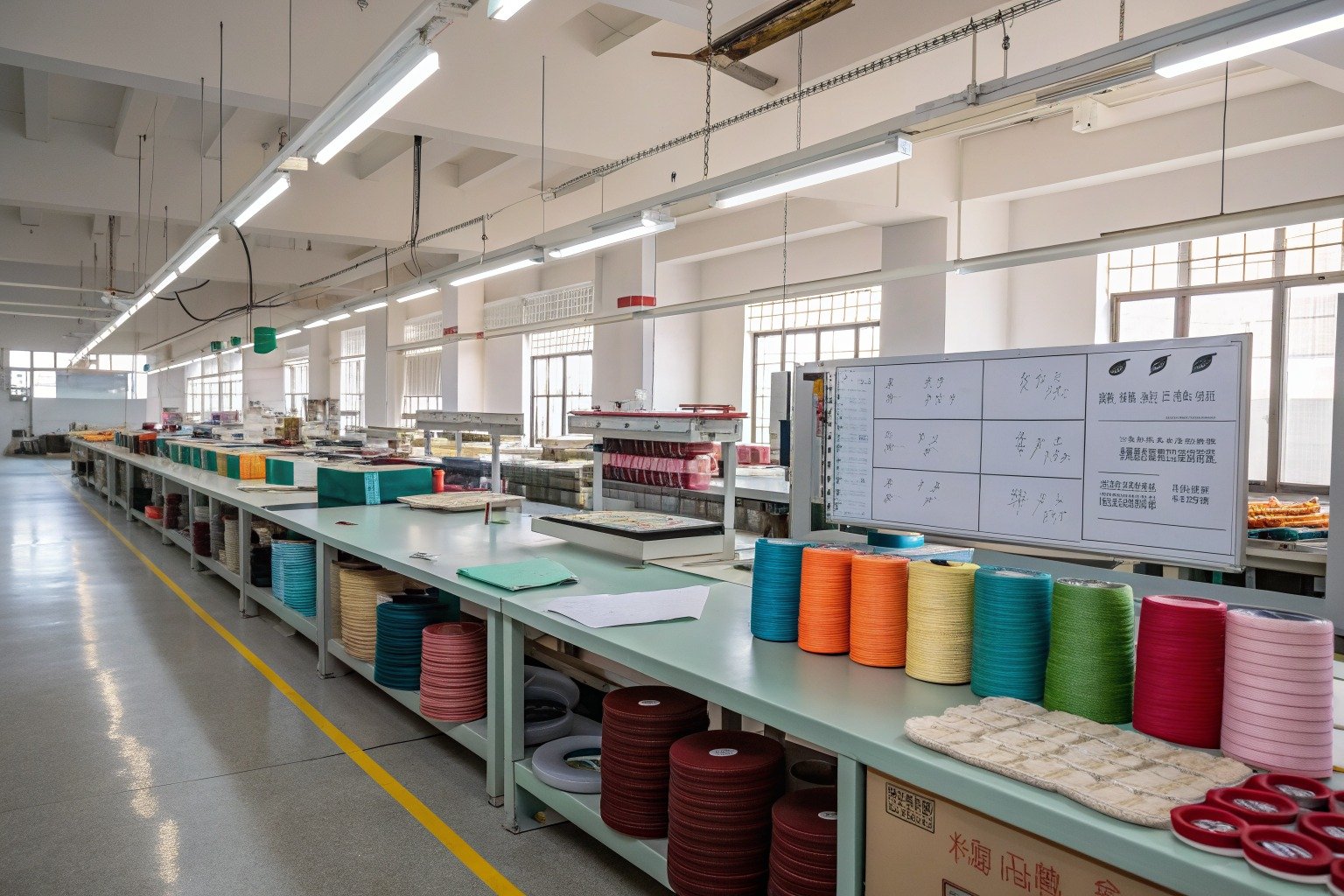
Skiing in North America’s diverse resorts demands gloves that can handle everything from Rocky Mountain powder to East Coast ice. The right ski gloves are your first line of defense against cold, wet conditions while providing the dexterity needed for equipment adjustments and comfortable skiing all day long.
The most essential ski gloves for North American resorts combine advanced waterproofing like Gore-Tex membranes, substantial insulation (150-200g for most conditions), durable palm materials for grip, and secure wrist closures. Key features include breathable waterproof construction, reinforced contact points, and ergonomic designs that maintain warmth without sacrificing necessary hand movement.
Choosing the wrong gloves can ruin an otherwise perfect ski day. Understanding the specific requirements of North American ski conditions will help you select gloves that keep you comfortable and focused on the slopes.
What Technical Features Define Premium Ski Gloves?
Modern ski gloves incorporate advanced materials and engineering to protect against harsh mountain conditions. These technical features separate basic winter gloves from true ski-specific performance gear.
The difference between adequate and exceptional ski gloves lies in their technical specifications and construction quality. These elements work together to create a glove system that performs under pressure.
Why is Waterproof Breathable Technology Non-Negotiable?
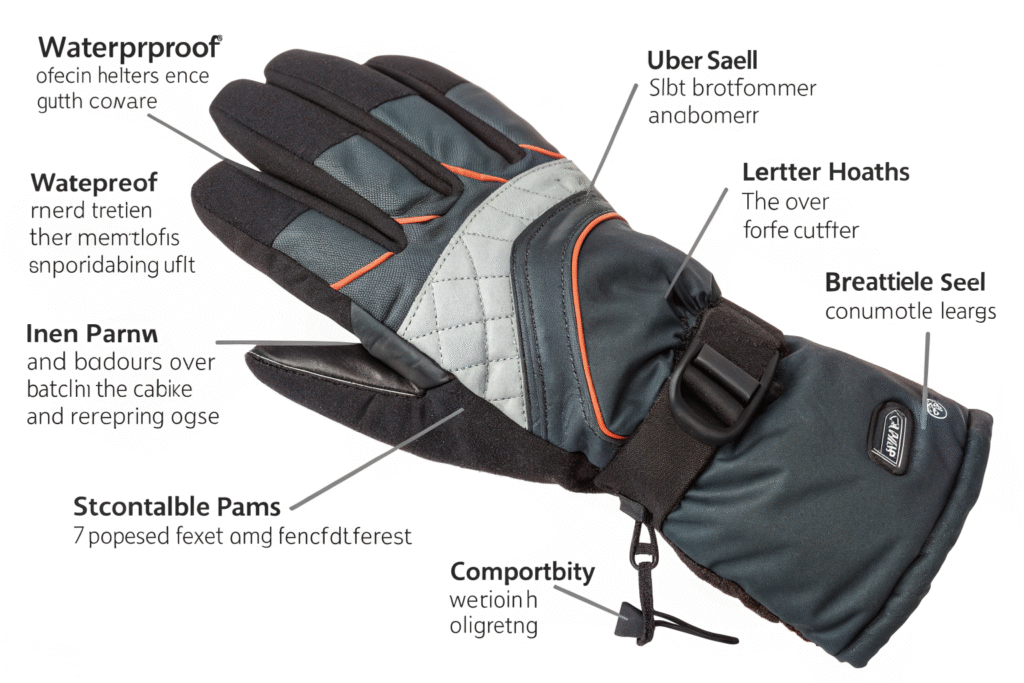
Waterproof breathable membranes are essential because they prevent external moisture from entering while allowing internal sweat vapor to escape. Materials like Gore-Tex and proprietary brand membranes create this critical barrier. Without this technology, gloves quickly become wet from either snow contact or accumulated sweat, leading to cold hands regardless of insulation thickness. The membrane is typically bonded between the outer shell and inner lining, creating a permanent waterproof barrier. For manufacturers like shanghaifumaoclothing, integrating these advanced materials requires precise manufacturing processes to ensure seams are properly sealed and the membrane remains intact throughout the glove’s lifespan.
How Much Insulation Do Different Ski Conditions Require?
Insulation requirements vary significantly across North American ski regions. For most resort skiing, 150-200 grams of synthetic insulation provides optimal balance between warmth and dexterity. Colder destinations like Whistler or Colorado’s high-altitude resorts may require 200-250 grams, while spring skiing in California or the Pacific Northwest might only need 100-150 grams. Premium insulation materials like PrimaLoft Gold and Thinsulate provide exceptional warmth-to-weight ratios, maintaining heat even when damp. The best gloves distribute insulation strategically – thicker over the back of the hand where blood vessels are close to the surface, and thinner over palms to maintain grip sensitivity.
Which Glove Styles Suit Different Skiing Preferences?
Ski gloves come in various styles optimized for different skiing disciplines and personal preferences. Understanding these categories ensures you select gloves matched to your specific skiing style and comfort needs.
The right glove style enhances your skiing experience by providing appropriate warmth, dexterity, and protection for your preferred type of skiing and personal comfort preferences.
What Are the Benefits of Three-Finger Glove Designs?
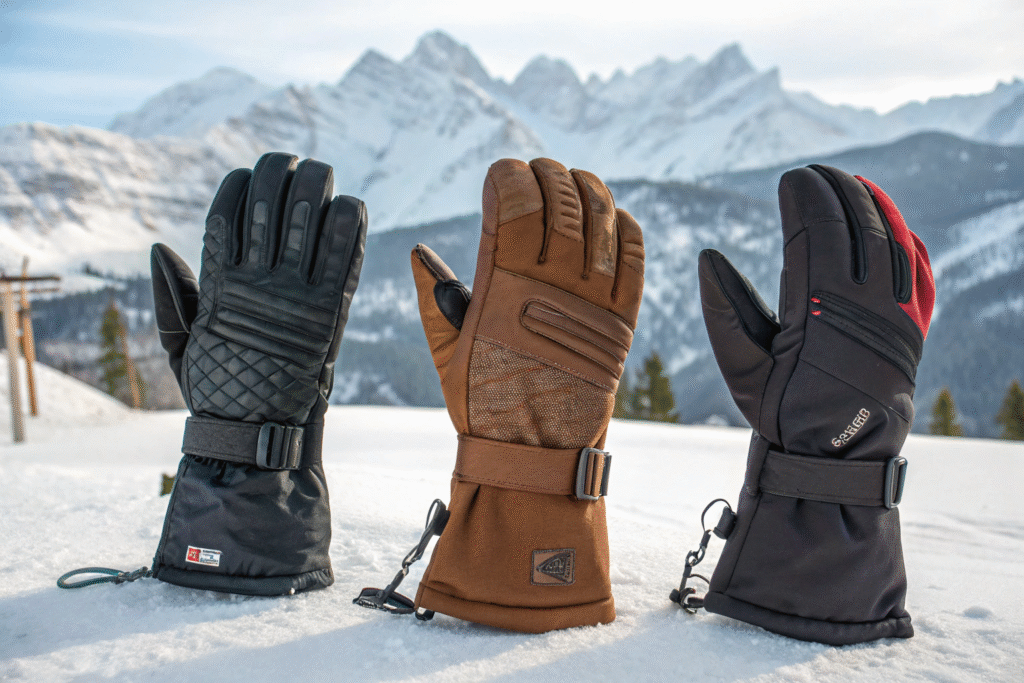
Three-finger gloves, often called "trigger finger" or "ski patrol" designs, combine the warmth of mittens with the dexterity of gloves. They group the four fingers together while keeping the index finger separate for operating ski equipment, zippers, and buckles. This design provides significantly more warmth than traditional five-finger gloves because the grouped fingers share body heat. The separate index finger maintains crucial dexterity for adjusting bindings, using smartphones, or handling small items in lift lines. This style has become increasingly popular among ski instructors, patrollers, and recreational skiers who value both warmth and functionality.
When Should Skiers Choose Mittens Over Gloves?
Mittens provide maximum warmth by keeping all fingers together in a single compartment, allowing them to share body heat efficiently. They’re the ideal choice for extremely cold conditions, young skiers, or anyone with circulation issues who struggles with cold hands. Modern ski mittens incorporate the same technical features as gloves – waterproof membranes, substantial insulation, and durable palm materials. Some premium mittens include separate liner gloves or finger compartments within the mitten structure to provide additional dexterity when needed. For resort skiing in temperatures consistently below 20°F (-7°C), mittens often provide superior comfort and warmth compared to traditional gloves.
What Construction Details Ensure Long-Term Durability?
The construction quality of ski gloves directly impacts their lifespan and performance retention. Attention to specific construction details separates disposable gloves from those that will last multiple seasons of heavy use.
Durable construction ensures gloves maintain their waterproofing, insulation, and structural integrity through repeated use in demanding conditions. These details represent the difference between temporary and long-term performance.
Why Are Reinforced Palm and Finger Tips Critical?
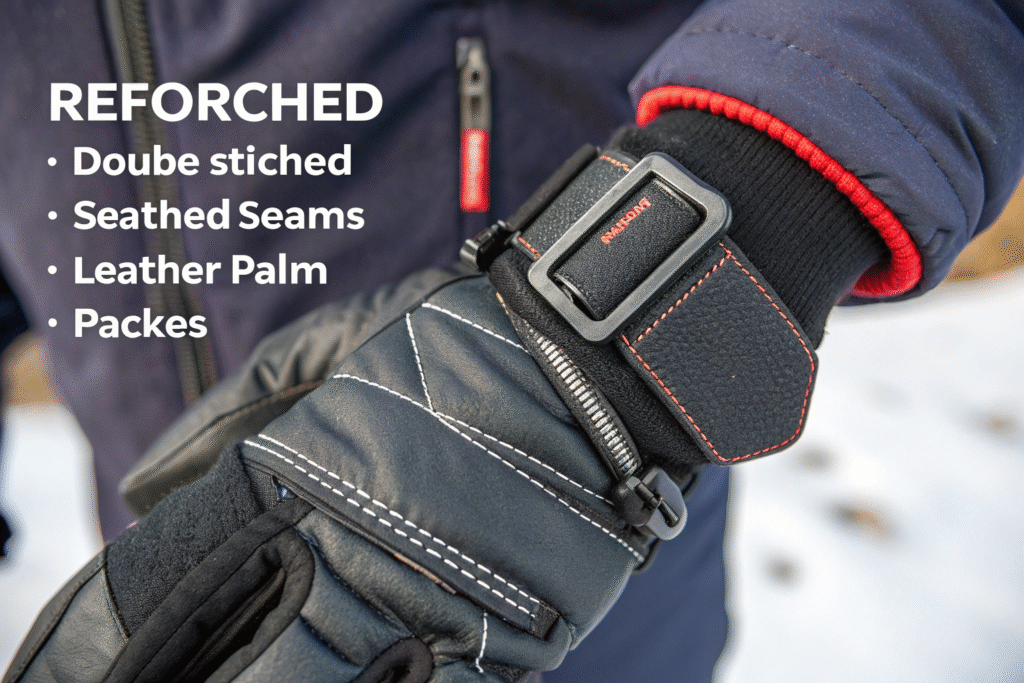
Palm and finger tip reinforcements are essential because these areas experience the most abrasion from ski poles, equipment adjustments, and general use. High-quality gloves use materials like goatskin, synthetic leather, or rubberized grip patterns in these high-wear zones. These reinforcements not only extend the glove’s lifespan but also improve grip security when handling poles or adjusting equipment. The best reinforcements are seamlessly integrated into the glove design without compromising flexibility or comfort. For manufacturers, implementing rigorous quality control ensures these critical areas maintain their integrity through the production process and subsequent use.
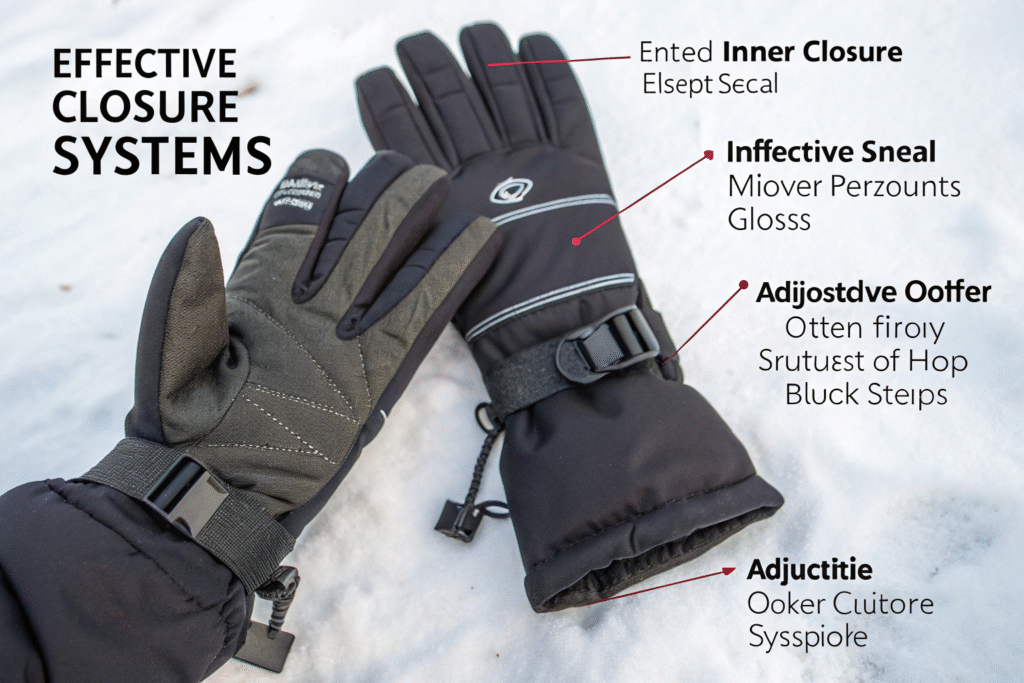
How Do Closure Systems Affect Performance and Security?
Effective closure systems serve multiple functions: they seal out snow, retain heat, and prevent glove loss. The most secure systems combine an inner elastic wrist seal with an outer adjustable cuff featuring a hook-and-loop strap or buckle. This dual-layer approach ensures snow cannot enter up the sleeve while allowing quick donning and doffing. Some designs include leashes that connect to the skier’s jacket, preventing loss on chairlifts. The positioning and quality of these closures significantly impact overall comfort – poorly placed straps can create pressure points, while well-designed systems distribute pressure evenly. Manufacturers like shanghaifumaoclothing focus on these details to create gloves that perform reliably in real-world skiing conditions.
Conclusion
The essential ski gloves for North American resorts balance advanced waterproofing, appropriate insulation, and durable construction tailored to specific skiing styles and regional conditions. From the technical demands of Rocky Mountain powder to the variable conditions of coastal ranges, the right gloves enhance both safety and enjoyment on the slopes. By understanding the critical features that define quality ski gloves, you can make an informed choice that will provide comfort and performance season after season.
If you’re a retailer or brand looking to source high-performance ski gloves designed for North American conditions, we have the manufacturing expertise to bring your vision to life. Contact our Business Director Elaine to discuss your specific requirements: elaine@fumaoclothing.com.