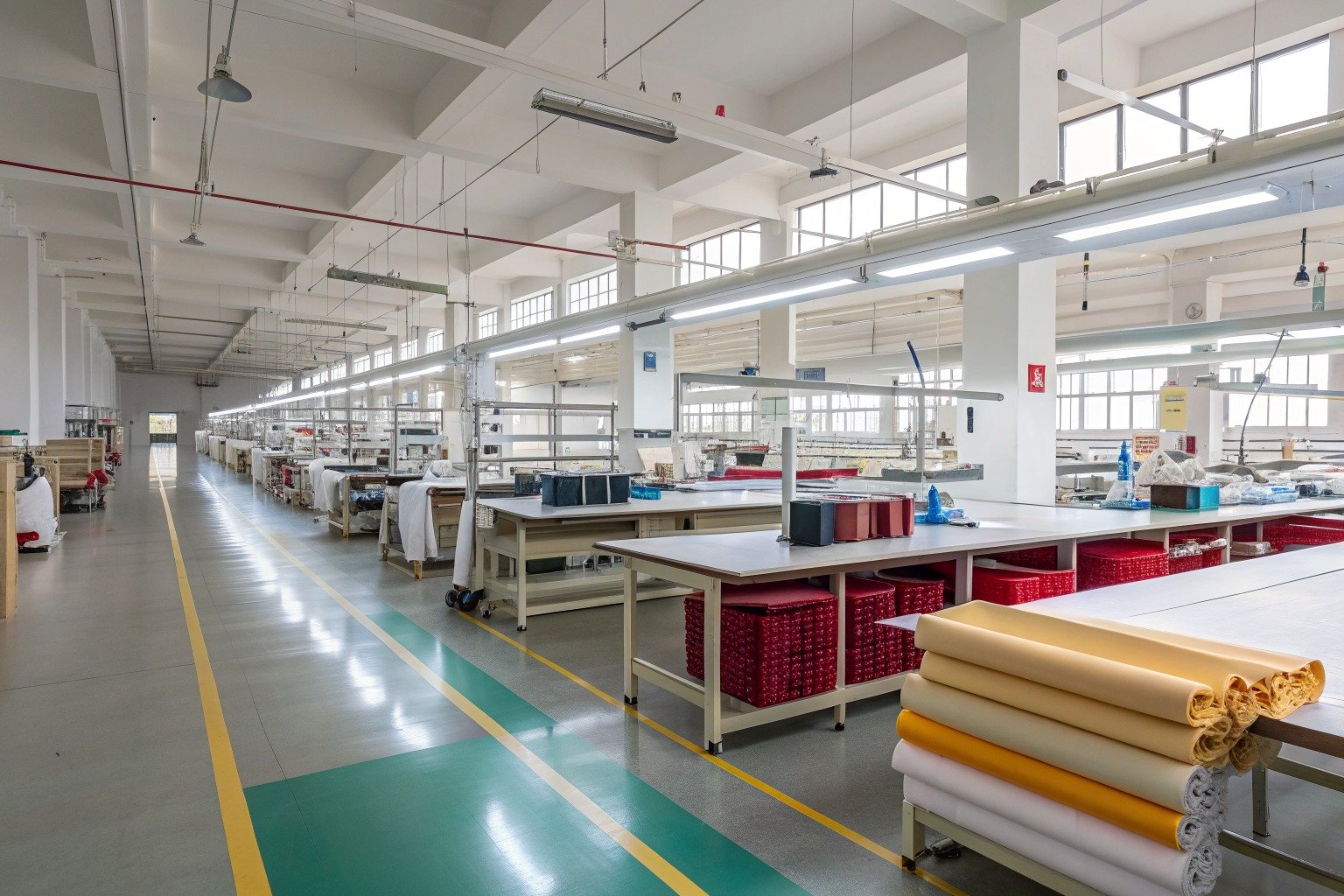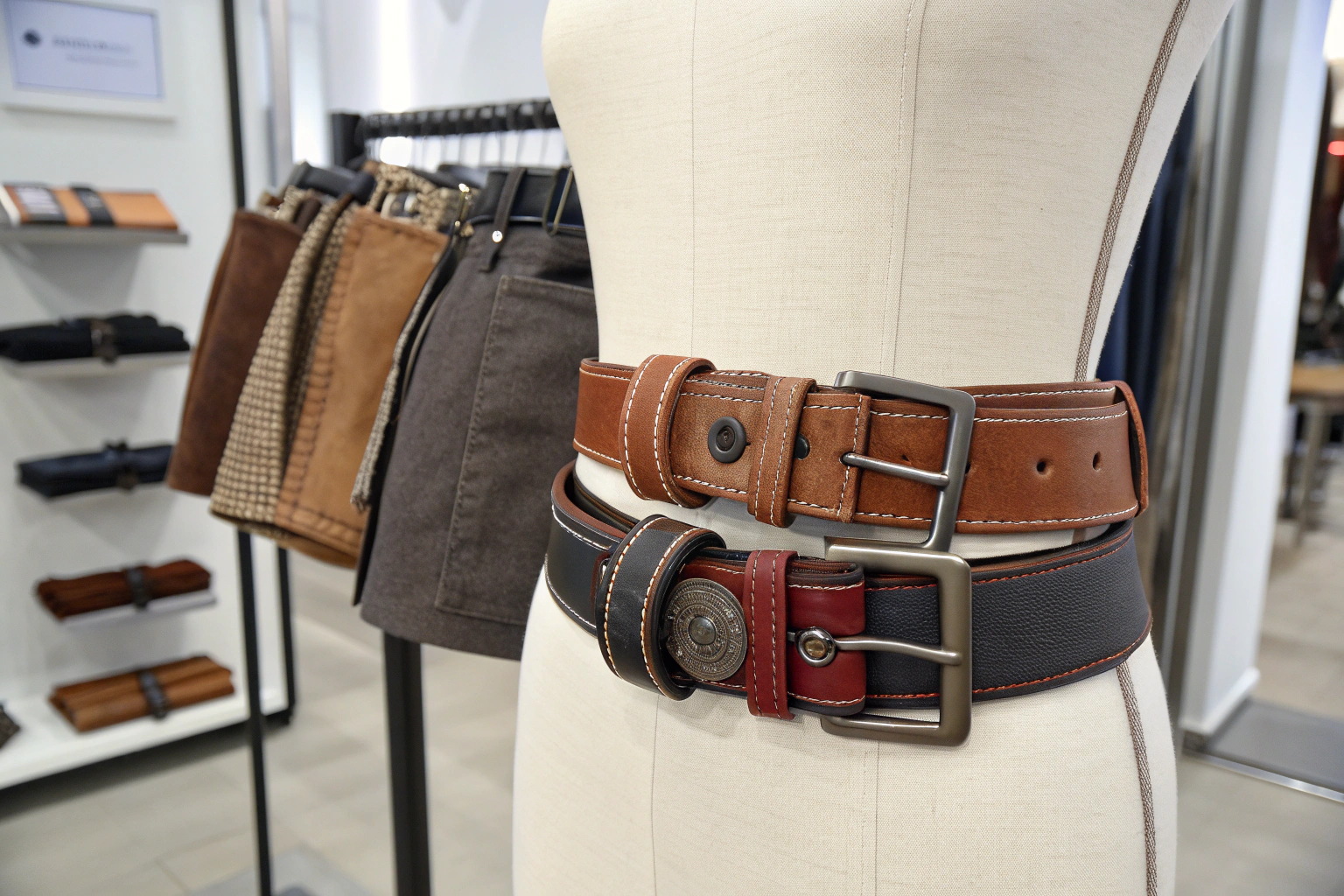
Belts have evolved from simple functional items to essential fashion accessories that blend style with practicality. The perfect belt should not only hold your pants in place but also enhance your overall look and serve multiple purposes in your daily life.
The most stylish and functional belts combine premium materials, thoughtful craftsmanship, and versatile design. Key features include high-quality leather construction, refined hardware, proper proportions, and adaptable styling options that work across multiple outfits and occasions. The best belts serve as both practical accessories and style statements.
A great belt does more than just keep your pants up – it pulls an outfit together and reflects your personal style. Let’s explore what makes certain belts stand out in both form and function.
What Materials Make Belts Both Durable and Stylish?
The material of a belt determines not only its appearance but also its longevity and performance. The best materials age beautifully while maintaining their structural integrity.
The choice of material affects how a belt looks, feels, and ages over time. Premium materials develop character with wear while cheaper alternatives quickly show signs of deterioration.
Why Does Full-Grain Leather Offer Superior Quality?
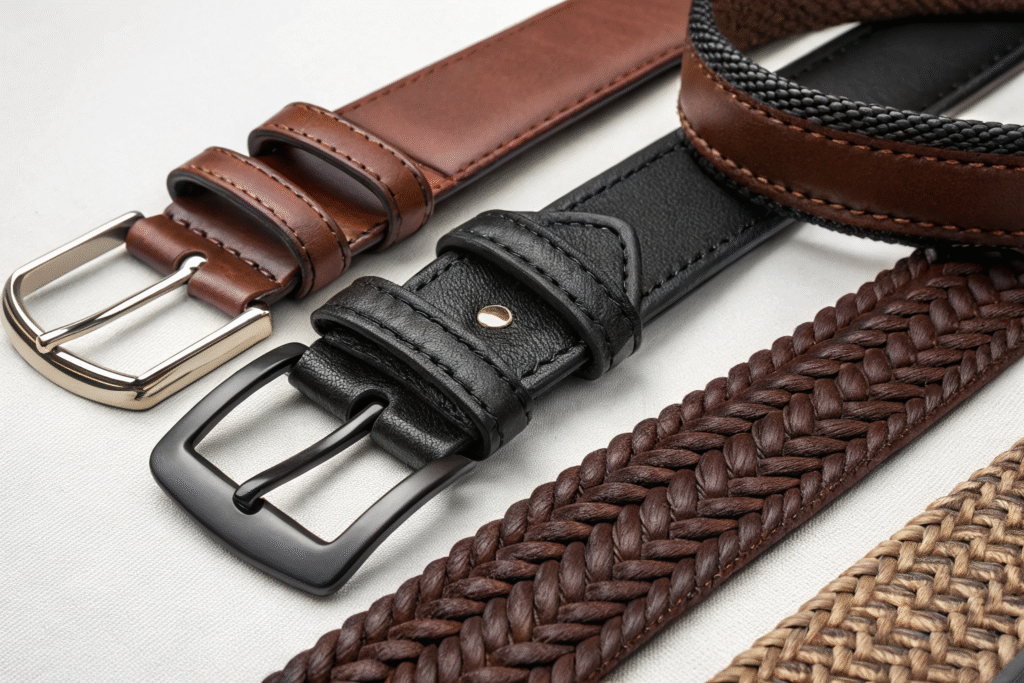
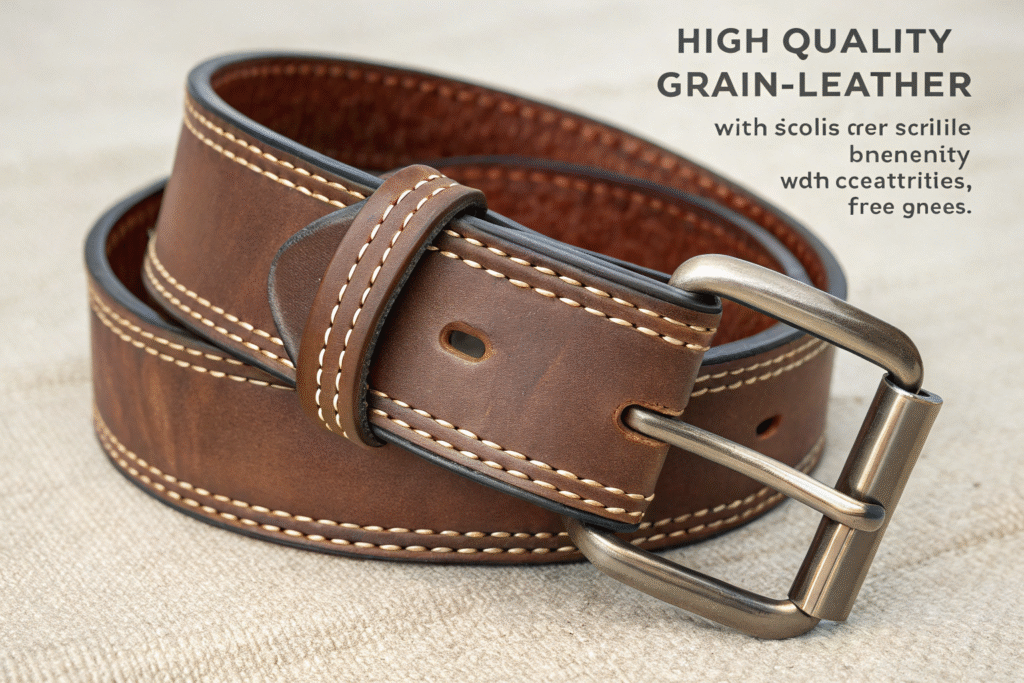
Full-grain leather represents the highest quality leather available because it retains the natural grain and markings of the hide. This material develops a rich patina over time, making each belt unique and increasingly attractive with age. The natural fibers in full-grain leather make it exceptionally durable and resistant to stretching or warping. Unlike corrected grain leathers that are sanded and coated, full-grain maintains its natural breathability and texture. For manufacturers like shanghaifumaoclothing, using full-grain leather ensures products that last for years while maintaining their stylish appearance. This commitment to quality materials results in belts that are both functional investments and style statements.
How Do Alternative Materials Expand Fashion Possibilities?
While leather remains classic, alternative materials like canvas, woven textiles, and sustainable vegan options offer expanded styling possibilities. Canvas belts provide casual versatility and often feature more vibrant colors and patterns. Woven fabric belts offer flexibility and are ideal for smart-casual outfits. Sustainable materials including cork, pineapple leather, and recycled fabrics appeal to environmentally conscious consumers while providing unique textures and stories. These alternatives often feature different fastening systems like buckles, clasps, or even magnetic closures that enhance their functionality. The diversity in materials allows belts to serve specific fashion needs while maintaining practical functionality.
What Design Elements Create Visual Appeal?
The visual design of a belt transforms it from purely functional to fashion-forward. Thoughtful design elements create cohesion with your overall outfit while expressing personal style.
Design elements work together to create a belt that enhances rather than distracts from your outfit. The most successful designs balance visual interest with timeless appeal.
What Makes Buckle Design Crucial for Style?
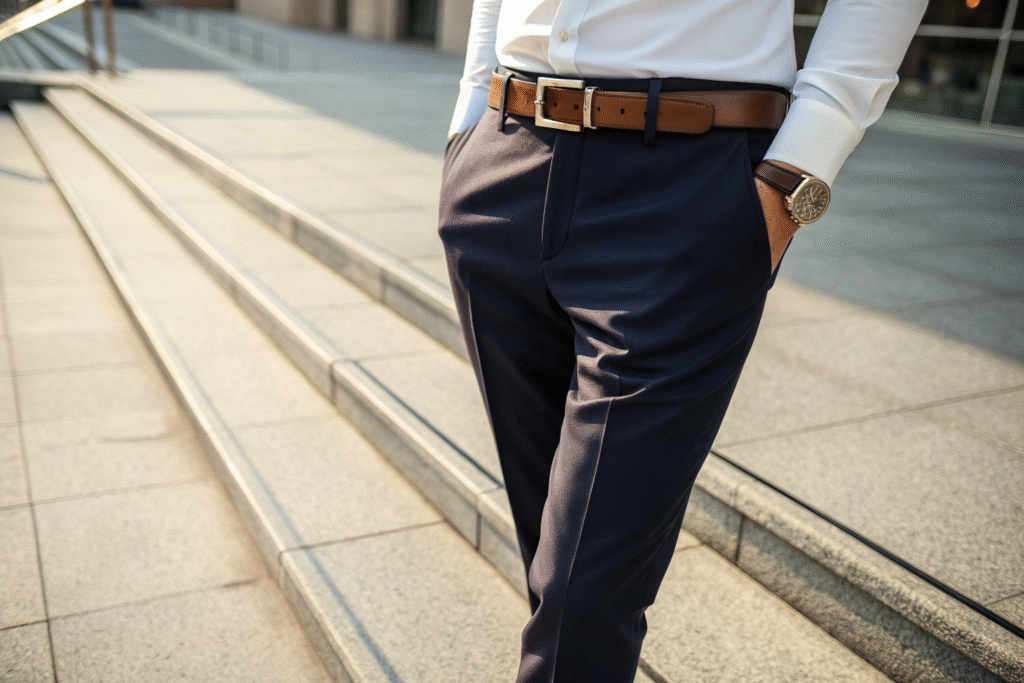
The buckle serves as the focal point of any belt and significantly influences its overall style. Minimalist buckles in simple geometric shapes offer versatility and modern elegance. Ornate buckles with engraving or unique shapes make stronger fashion statements for those wanting to express individual style. The finish – whether polished, brushed, antique, or blackened – determines how the buckle coordinates with other accessories like watches or jewelry. For dress belts, a sleek, understated buckle maintains professionalism, while casual belts can feature more distinctive hardware. The best buckle designs consider both aesthetics and functionality, ensuring easy fastening and secure closure throughout daily activities.
How Do Proportion and Width Affect Style?
Proper proportion is essential for a belt to look balanced and intentional. Dress belts typically range from 1.25 to 1.5 inches wide, creating a refined line that complements suit trousers and formal wear. Casual belts often measure 1.5 to 1.75 inches, providing more visual presence for jeans and casual pants. The belt’s thickness also contributes to its character – thinner belts appear more elegant while thicker ones convey rugged durability. Beyond width, the belt’s length and how the excess strap is handled affect the overall look. A well-proportioned belt should fasten comfortably on the middle hole with the tail ending neatly without excessive overhang. These proportional considerations ensure the belt enhances rather than overwhelms your outfit.
What Functional Features Enhance Usability?
True belt excellence combines aesthetic appeal with practical functionality. The most successful designs incorporate features that improve comfort, adjustability, and versatility.
Functionality separates average belts from exceptional ones. Beyond simply holding pants up, the best belts offer comfort, adaptability, and practical features that enhance the wearing experience.
Why Is Proper Sizing and Adjustability Important?
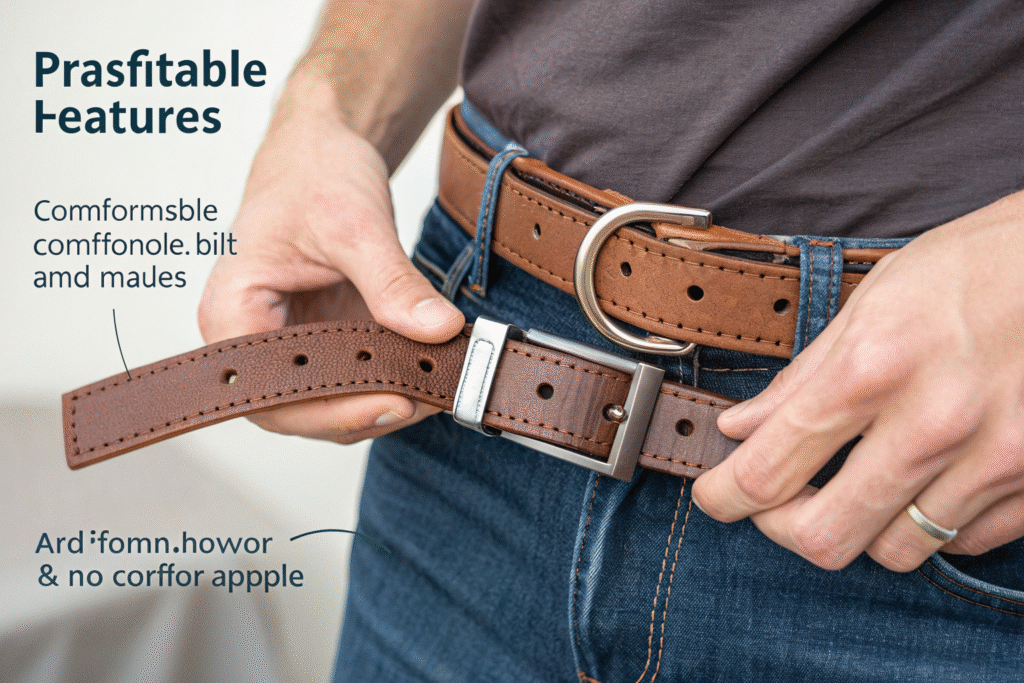
Correct sizing ensures a belt looks polished and feels comfortable throughout the day. The ideal belt fastens on the middle hole, allowing for seasonal weight fluctuations and different pant rises. Better belts feature closely spaced holes that enable micro-adjustments for perfect fit. Some modern designs incorporate innovative adjustment systems like sliding buckles or track systems that provide continuous sizing rather than fixed hole positions. For manufacturers, implementing rigorous quality control processes ensures consistent sizing and hole placement across production runs. Proper adjustability means the belt maintains a smooth appearance without creating uncomfortable pressure points, contributing to both style and function.
What Construction Methods Ensure Longevity?
Quality construction directly impacts how a belt performs over time. Full-grain leather belts with solid stitching rather than glue-based construction maintain their shape and integrity for years. The connection between the buckle and leather should be reinforced to withstand daily stress. Lined belts, where an additional layer of leather or fabric is added to the back, provide extra durability and prevent stretching. For fabric belts, reinforced stitching at stress points and quality hardware attachments determine longevity. Manufacturers like shanghaifumaoclothing focus on these construction details to create belts that remain both stylish and functional through years of regular use. This attention to construction quality ensures the belt continues to perform its primary function while maintaining its aesthetic appeal.
Conclusion
The most successful belts masterfully balance style and function through premium materials, thoughtful design, and practical construction. From the rich patina of full-grain leather to the perfect proportion of width to buckle size, each element contributes to both the aesthetic appeal and daily usability of the accessory. A truly great belt becomes an indispensable part of your wardrobe, seamlessly integrating into multiple outfits while providing reliable performance.
If you’re looking to source or create belts that perfectly blend style with functionality, we invite you to explore manufacturing possibilities with us. Contact our Business Director Elaine to discuss how we can help bring your vision to life: elaine@fumaoclothing.com.