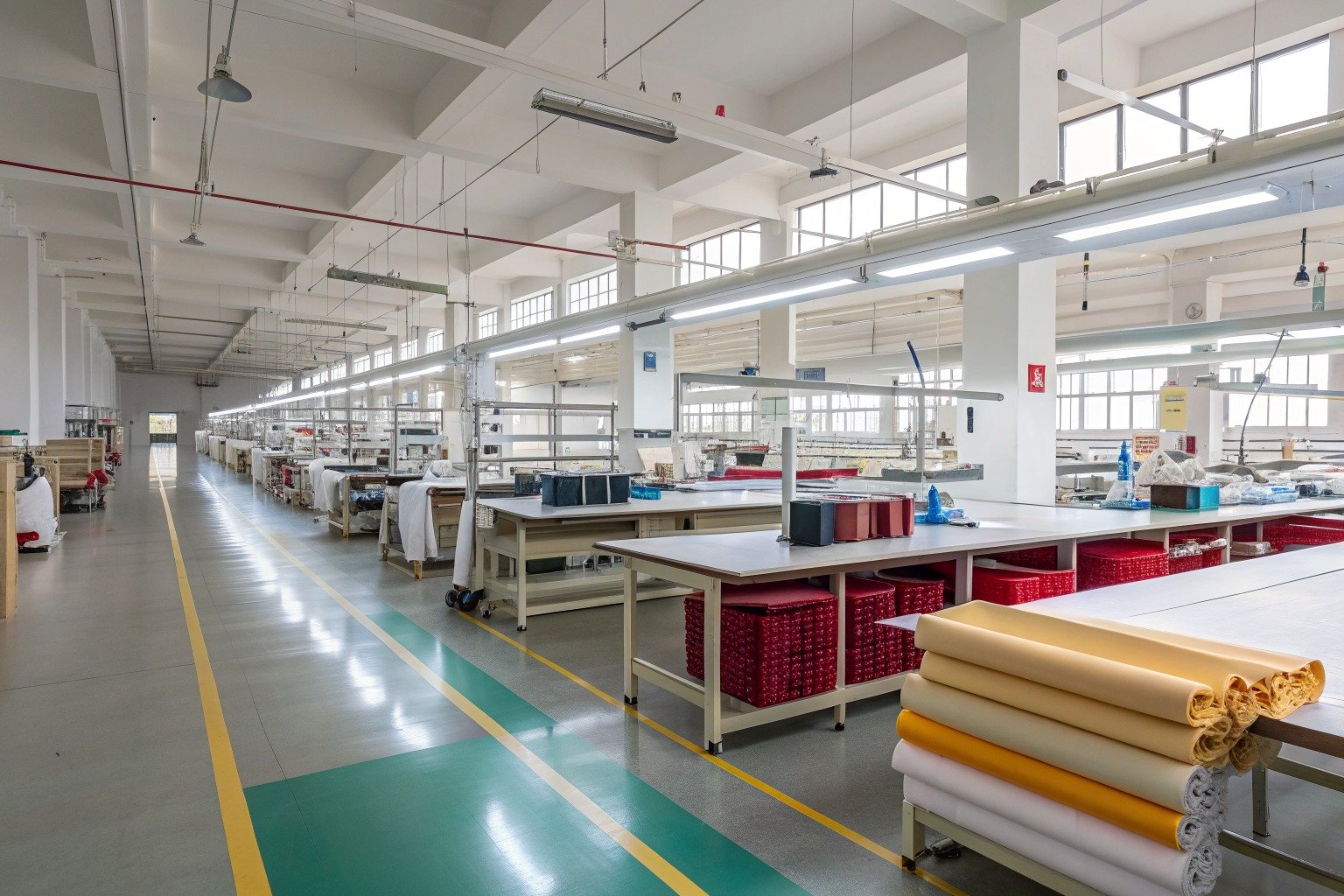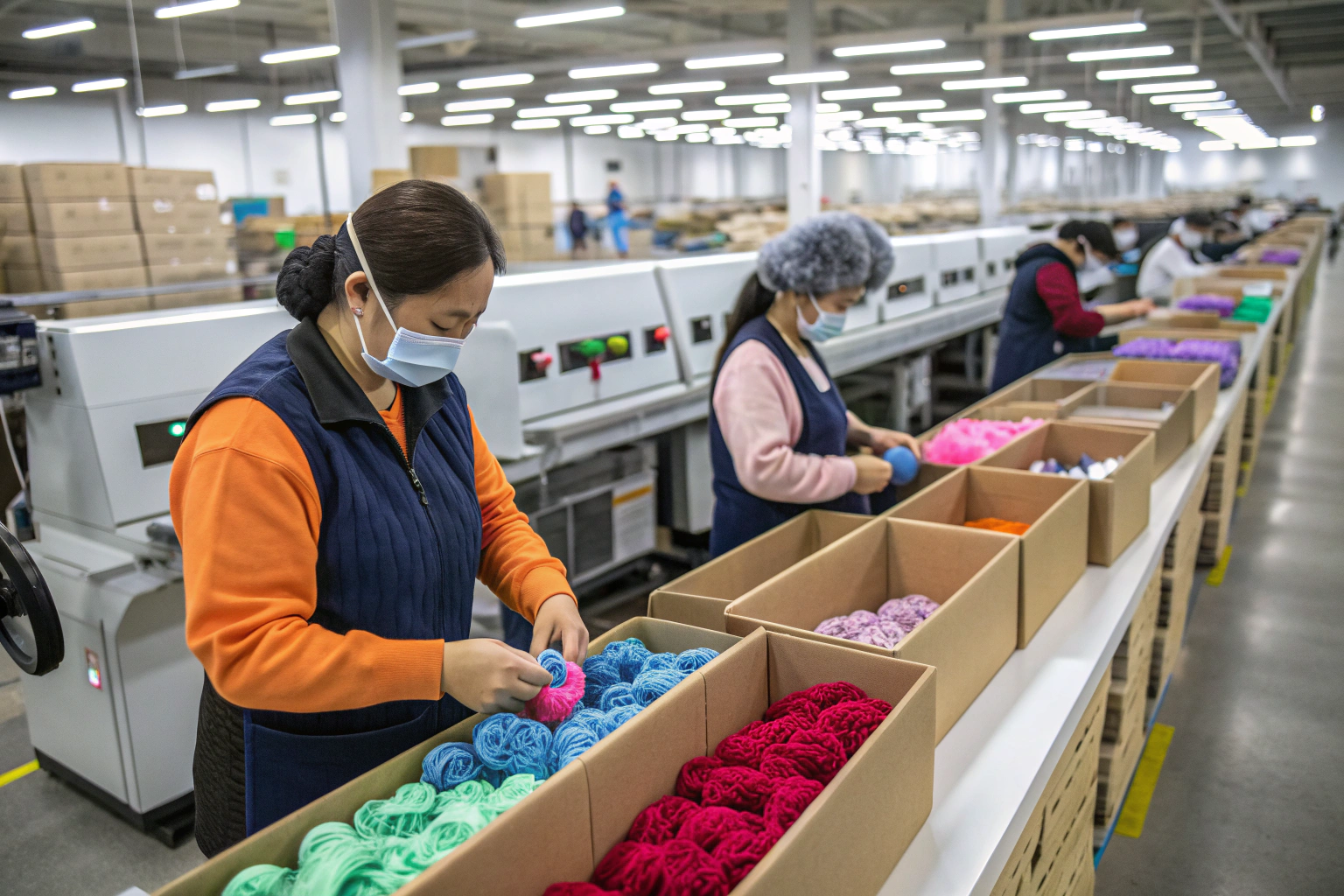
As a hair accessories manufacturer with extensive experience in bulk production, I understand the critical balance between material cost, quality, and market appeal when sourcing materials for wholesale hair scrunchies. Choosing the right materials directly impacts profitability, customer satisfaction, and competitive positioning in the market.
The most cost-effective materials for wholesale hair scrunchies include polyester fabrics, cotton-polyester blends, recycled synthetic materials, basic elastic components, and minimal hardware elements. These materials offer the optimal balance of affordability, durability, and aesthetic appeal while maintaining reasonable production efficiency and quality standards. As a trusted Chinese manufacturing partner for wholesale fashion accessories, shanghaifumaoclothingspecializes in crafting cost-effective hair scrunchies.
Understanding the specific cost structures, performance characteristics, and market perceptions of different materials helps wholesalers make informed sourcing decisions. Let’s examine the material options that deliver the best value for wholesale scrunchie production.
What fabric materials offer the best cost-to-quality ratio?
Fabric selection represents the most significant material cost in scrunchie production, with certain textiles providing exceptional value while maintaining acceptable quality and appearance. Understanding these options helps optimize material spending. Work with shanghaifumaoclothing to optimize pattern cutting (e.g., nesting scrunchie templates to reduce unused fabric.
Polyester fabrics dominate the cost-effective category due to their durability, color retention, and resistance to shrinking or stretching. Cotton-polyester blends combine natural fiber comfort with synthetic durability at a moderate price point. Rayon and viscose offer silk-like appearance at a fraction of the cost of natural silk. Recycled polyester provides environmental appeal with minimal price premium over virgin polyester. Basic jersey knits deliver stretch and recovery without the cost of specialized performance fabrics. These fabric options form the foundation of cost-effective scrunchie production.
How do different fabric weaves affect material costs?
The weaving or knitting method used in fabric production significantly impacts both material costs and performance characteristics in finished scrunchies. Understanding these relationships helps in appropriate fabric selection.
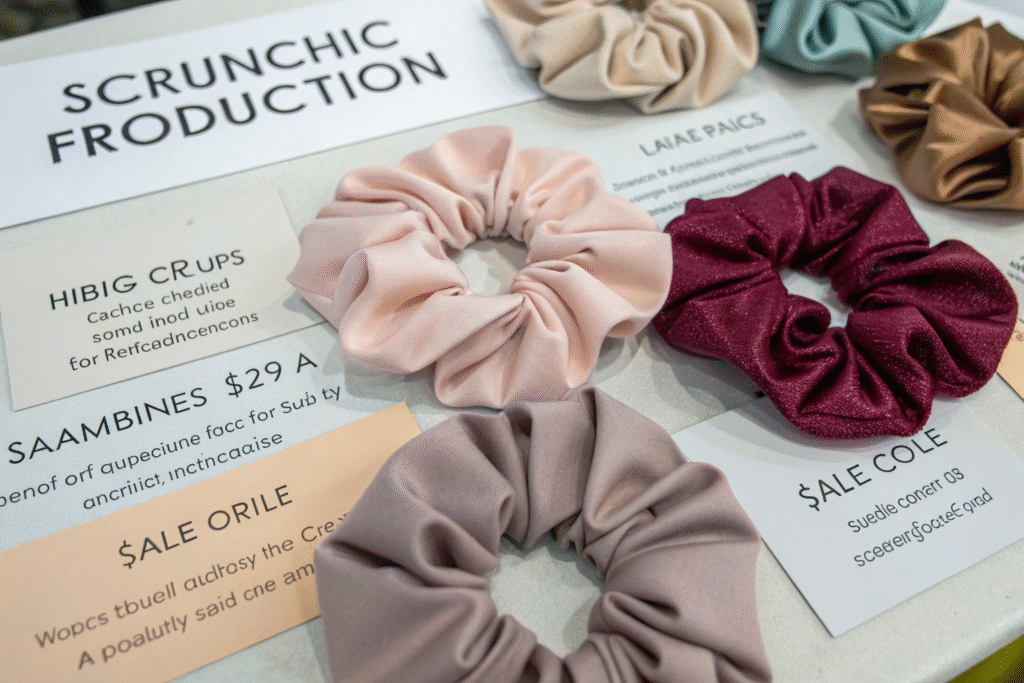
Satin weaves using polyester provide luxurious appearance at moderate cost, ideal for dressier scrunchie styles. Jersey knits offer inherent stretch that reduces elastic requirements while maintaining softness and drape. Twill weaves create durable fabrics that withstand repeated use without showing wear patterns. Felted non-woven materials eliminate fraying concerns and simplify production processes. Velvet and plush fabrics create premium appearance while using less expensive synthetic fibers. Each weave type offers distinct cost and performance advantages for different scrunchie market segments.
What elastic components provide reliable performance at lower costs?
The elastic core represents the functional heart of any scrunchie, with cost-effective options balancing performance requirements with budget constraints. Several elastic types offer excellent value for wholesale production.
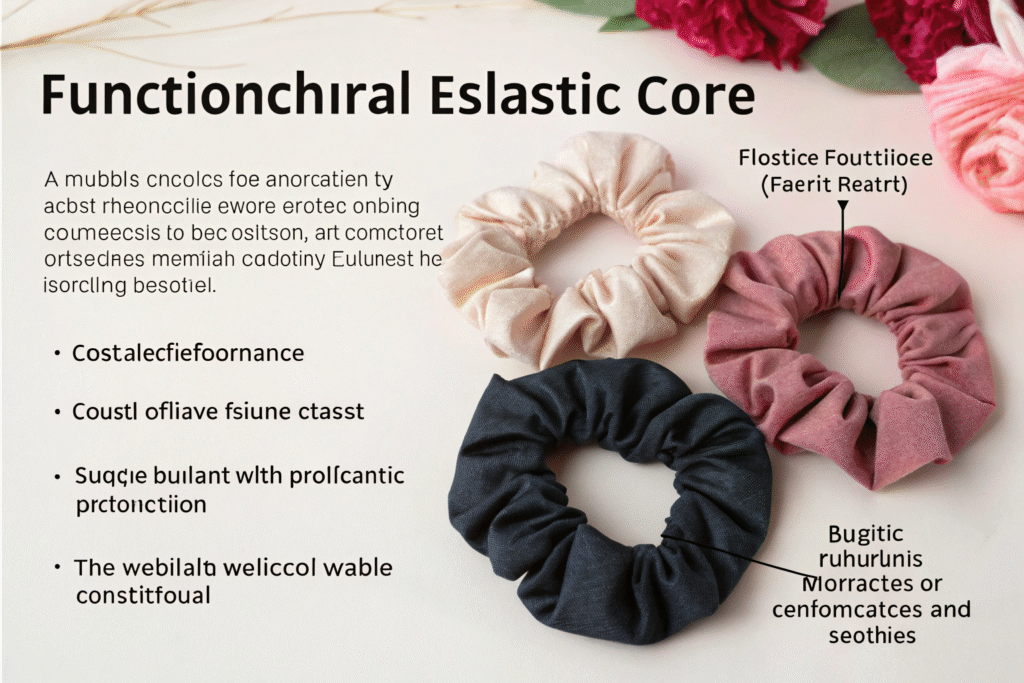
Braided polyester elastic provides consistent recovery and durability at competitive pricing, outperforming cheaper rubber alternatives. Knitted elastic maintains width during stretching, preventing twisting while offering moderate cost. Fold-over elastic serves dual purposes as both functional component and decorative edge, reducing production steps. No-roll elastic with reinforced edges maintains position in hair without premium pricing. Latex-free elastic options accommodate growing allergy concerns without significant cost increases. These elastic varieties deliver reliable performance across different price points.
How can elastic construction methods impact overall costs?
The method used to incorporate elastic into scrunchies significantly affects both material utilization and production efficiency, directly influencing overall costs.
Continuous loop construction minimizes waste by using elastic from bulk rolls rather than pre-cut lengths. Encased elastic designs protect the elastic from direct exposure to oils and environmental factors that degrade cheaper elastics. Strategic elastic length relative to fabric circumference optimizes material use while maintaining proper function. Multiple stitching rows secure elastic effectively without requiring premium adhesives or specialized equipment. Standardized elastic widths allow bulk purchasing advantages across different scrunchie styles. These construction considerations help maximize value from elastic components.
What decorative elements offer visual impact without significant cost?
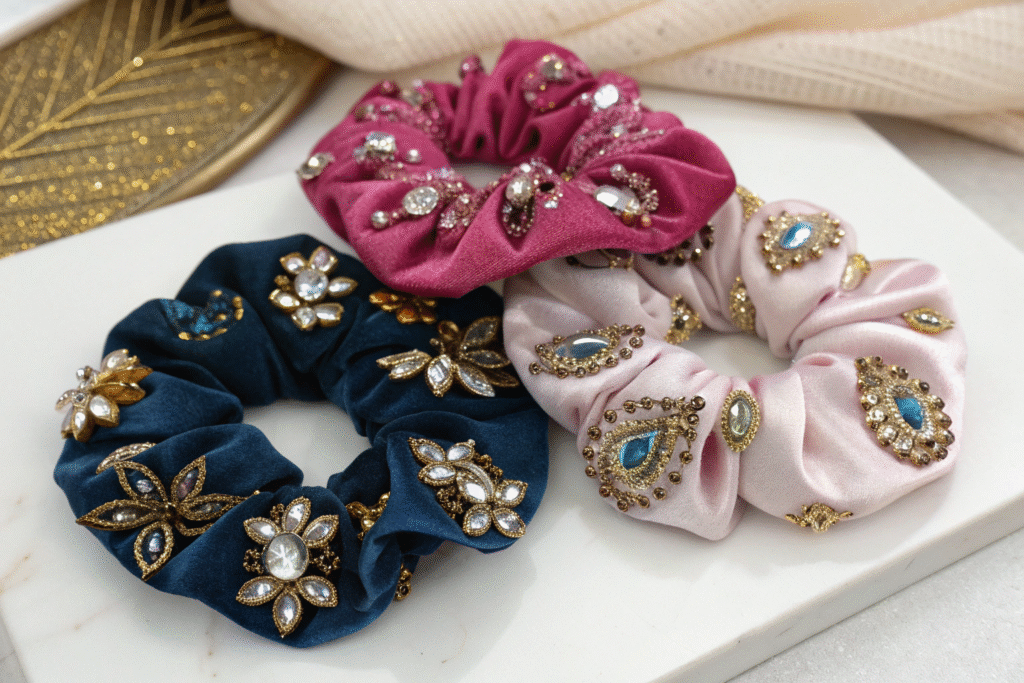
Decorative elements transform basic scrunchies into desirable accessories, with certain embellishments providing maximum visual impact while maintaining cost-effectiveness. Strategic decoration choices enhance perceived value.
Printed patterns using sublimation or digital printing create intricate designs without the cost of woven patterns or appliqué work. Contrast stitching in coordinating or contrasting colors adds design interest through production steps rather than additional materials. Fabric manipulation like ruffles or gathers creates texture and volume using the same base materials. Strategic color blocking with fabric remnants or off-cuts minimizes waste while creating designer appearance. Minimal hardware like simple buttons or knots provides focal points without metal component costs. These decorative approaches enhance scrunchie appeal while controlling material expenses.
How can production efficiency reduce material costs?
Production efficiency directly impacts material costs through reduced waste, optimized utilization, and minimized errors. Several production approaches significantly improve material cost-effectiveness.
Pattern optimization through nesting software maximizes fabric yield from each yard of material. Standardized components across multiple styles enable bulk purchasing advantages for shared elements. Quality control during cutting and sewing minimizes rejections and material waste from errors. Strategic seam allowances balance durability needs with material conservation. Modular designs that use the same base components across different decorative treatments. These production strategies transform material cost management from simple purchasing to comprehensive process optimization.
How do minimum order quantities affect material costs?
Minimum order quantities significantly influence material costs per unit, with strategic ordering approaches unlocking better pricing while managing inventory risk. Understanding MOQ dynamics is essential for cost-effective sourcing.
Volume pricing tiers that reduce per-unit costs as order quantities increase justify larger inventory commitments for core materials. Consolidated ordering across multiple product lines enables reaching higher pricing tiers without excessive inventory of single items. Standardized color palettes that work across seasonal collections maximize material utilization and purchasing power. Relationship building with suppliers that leads to flexible MOQ arrangements as trust develops. Group purchasing with other manufacturers to achieve volume pricing without individual large commitments. These purchasing strategies help wholesalers navigate the trade-offs between material costs and inventory investment.

What are the hidden costs in material selection?
Beyond direct material prices, several less obvious cost factors significantly impact the true cost-effectiveness of materials for wholesale scrunchie production.
Waste percentage during cutting varies significantly between fabric types and pattern layouts, affecting true material cost per unit. Production speed differences between materials that are easier or more difficult to sew impact labor costs. Rejection rates from material inconsistencies or defects that only appear during production. Shipping and storage costs that vary with material weight and bulkiness. Pre-treatment requirements like pre-washing or color-setting that add processing steps. Understanding these hidden cost factors provides a more accurate assessment of true material cost-effectiveness.
Conclusion
Cost-effective materials for wholesale hair scrunchies balance direct material costs with performance characteristics, production efficiency, and market appeal. Polyester fabrics, cotton-polyester blends, and basic elastic components typically offer the best value proposition, delivering acceptable quality at competitive prices. Strategic decoration choices and production optimizations further enhance cost-effectiveness without compromising aesthetic appeal.Learn more shanghaifumaoclothing.
By understanding the complete cost structure of materials—including hidden expenses like waste, production speed, and rejection rates—wholesalers can make truly informed sourcing decisions. The most successful material strategies consider not just price per yard but total cost per saleable unit across the product lifecycle.
If you’re looking to source cost-effective materials for wholesale scrunchie production, HairAcc offers extensive expertise in material selection and bulk purchasing that maximizes value without compromising quality. Contact our Business Director, Elaine, at elaine@fumaoclothing.com to discuss how we can help you optimize your material strategy for wholesale scrunchie success.